





Published date:
12/11/2026
Share




Weevil infestations in animal feed raw material warehouses can directly compromise multiple consignments, particularly when mills continuously intake fresh raw materials while supplying active production lines. If the infestation source is not clearly identified, handling, transferring, or blending raw materials significantly increases the risk of insects spreading to adjacent storage zones. The article below from VFC Fumigation outlines the procedure for isolating weevil sources and selecting a phytosanitary treatment protocol aligned with the mill’s real-world operational schedule.
1. Raw Material Warehouse Detecting Weevils: Prioritize Identifying the Infestation Source Before Treatment
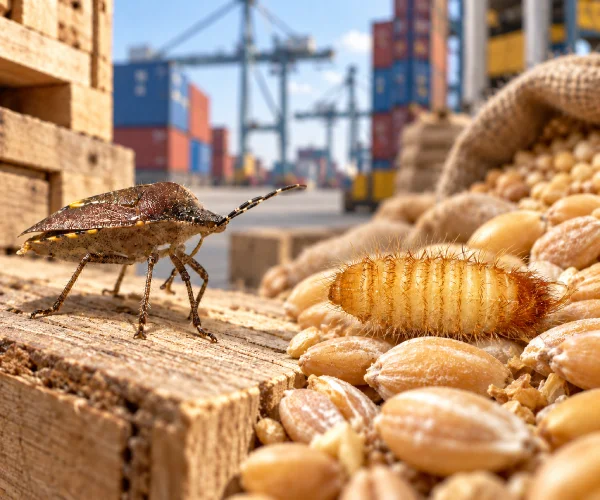
Upon recording signs of insect activity in warehouses storing shelled corn, soybean meal, wheat, or cassava chips, the primary step an enterprise must execute is determining whether the weevils originate from inside the commodity mass or from the ambient warehouse environment. These pest sources typically stem from newly received raw material consignments, long-term stored inventory, or spilled commodities accumulated in secluded storage corners.
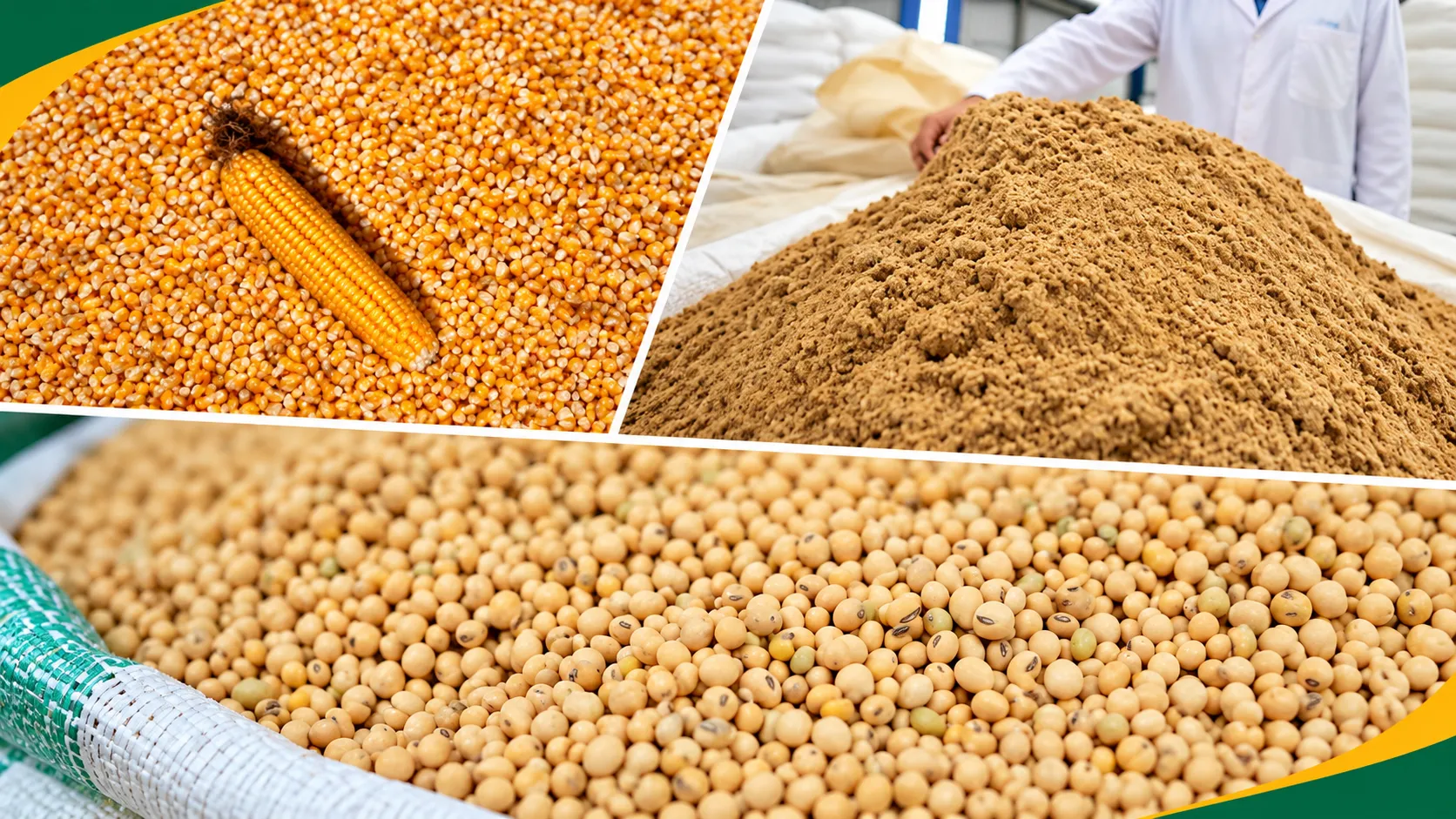
The primary step upon detecting weevils is determining whether the insects reside within the raw material mass or appear in the warehouse environment
If management teams rush into treatment without identifying the exact epicenter of the outbreak, the mill risks overlooking consignments harboring latent larvae or deploying an inappropriate technical measure that inflates costs. Therefore, to prevent widespread weevil proliferation and safeguard feed supply schedules, warehouse logistics and QA/QC teams must immediately prioritize three core actions:
- Pinpoint the exact location of weevil emergence: Inspect and record clearly whether insects are located inside representative raw material samples drawn from the consignment, crawling on the surface of bulk corn stacks, or concentrated along wall bases, floor fractures, and areas with residual old commodities.
- Audit all associated consignments: Conduct thorough inspections of adjacent stored raw material lots, shipments received within the same timeframe, and locations with a prior history of pest outbreaks to evaluate the true extent of infestation.
- Control internal raw material movement: Temporarily restrict scooping, transferring, blending, or consolidating suspected infested raw materials with clean lots while awaiting technical specialists to survey the site and evaluate treatment options.
Early isolation of the affected perimeter enables warehouse and QA/QC personnel to proactively quarantine the weevil source before pests disperse via conveyor belt systems. Concurrently, production planning departments gain an accurate operational basis to adjust feeding priorities for the mill without disrupting manufacturing lines.
2. VFC Fumigation Selects Pest Control Protocols Based on Raw Material Condition and Warehouse Parameters
At VFC Fumigation, we always begin with a field survey to clearly separate the raw material batches requiring fumigation from the areas needing environmental pest control. These two categories have completely different technical objectives, so the plant cannot apply a single default measure for every situation.
2.1. Weevils Emerging Inside the Raw Material Mass: Gastight Sheet Fumigation of Affected Consignments
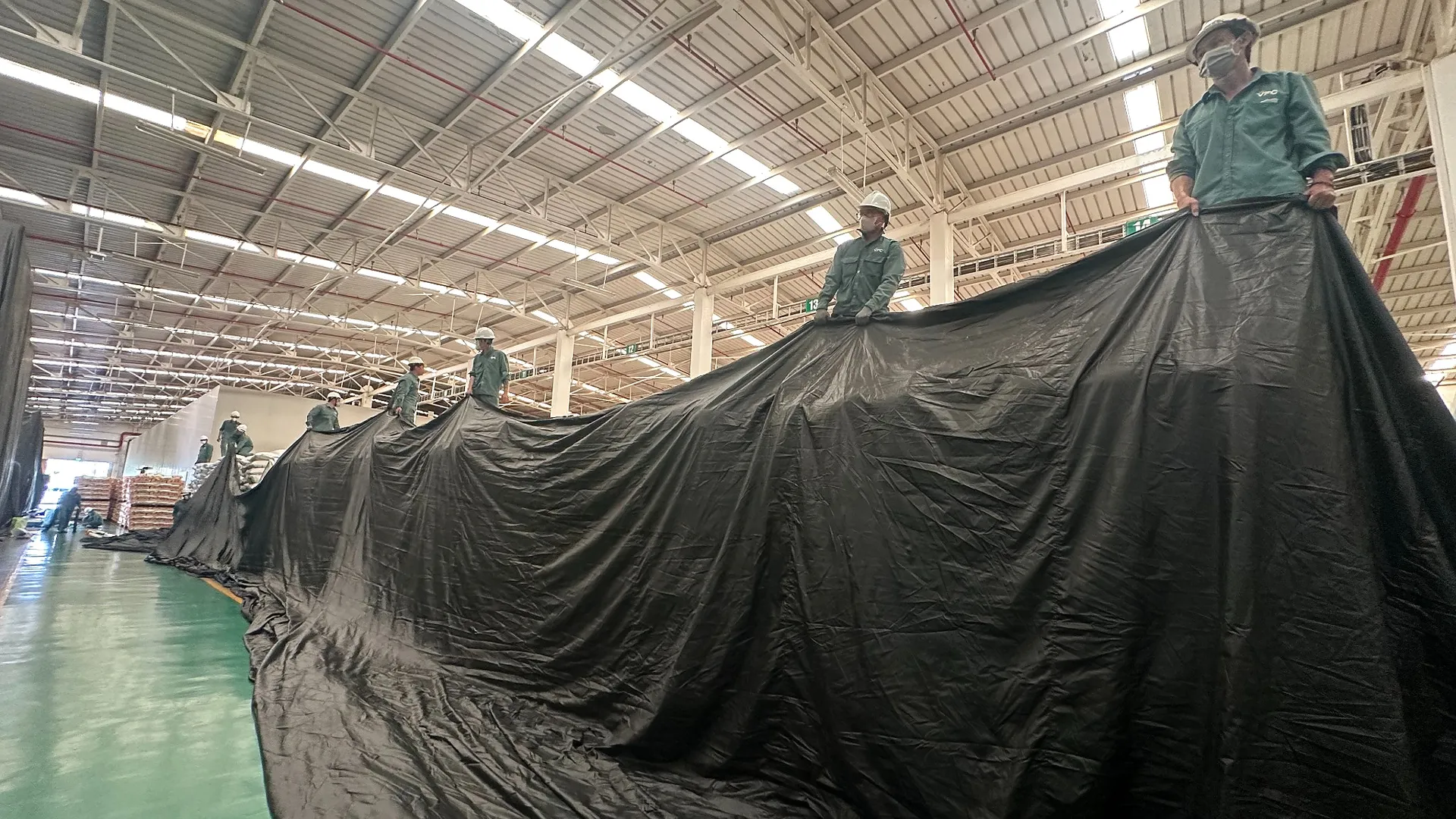
When weevils are detected within the raw material mass, the treatment protocol must focus directly on the affected consignment
For bulk or bagged raw materials found to have live weevils inside, VFC Fumigation will evaluate the option of direct fumigation on those exact shipments. Technicians conduct a survey of the volume, stacking specifications, infestation level, and site sealing capability before specifying the type of fumigant, exposure time, and monitoring procedure.
For bulk corn stacks or loose commodities stored in flat warehouses, the specialized fumigation sheet / tarpaulin (gastight sheet) method establishes an optimal enclosure gastightness standard, allowing fumigant gas to penetrate deeply and eradicate target pests. The treatment perimeter is calculated precisely for consignments strictly requiring intervention rather than fumigating the entire warehouse structure by default, while surrounding untreated lots remain under rigorous surveillance to contain any latent weevil threats.
2.2. Insects Emerging in the Warehouse Environment: Controlling Residual Sources and High-Risk Zones
When insects are observed solely crawling along structural crevices, wall bases, or raw material dust accumulation points, the mill lacks sufficient technical grounds to conclude that the entire stored inventory is infested. In this scenario, the enterprise must draw representative samples from related consignments for inspection while independently assessing the sanitary condition of the storage environment.
VFC Fumigation recommends that the warehouse department prioritize thorough sanitation of spilled raw material spots, hard-to-reach hidden corners, and areas where pests have previously occurred before applying surface spray treatment methods. However, it should be noted that contact spraying on warehouse floors or walls only controls peripheral insects and cannot replace fumigation if weevils have penetrated inside the grain bulk. For warehouses with recurring pest infestations, businesses can explore VFC Fumigation's training and consulting on integrated stored-product pest management (IPMS) service to standardize long-term prevention procedures.
2.3. Large-Scale Bulk Warehouses and Silos: Engineering Protocols Based on Actual Facility Structures
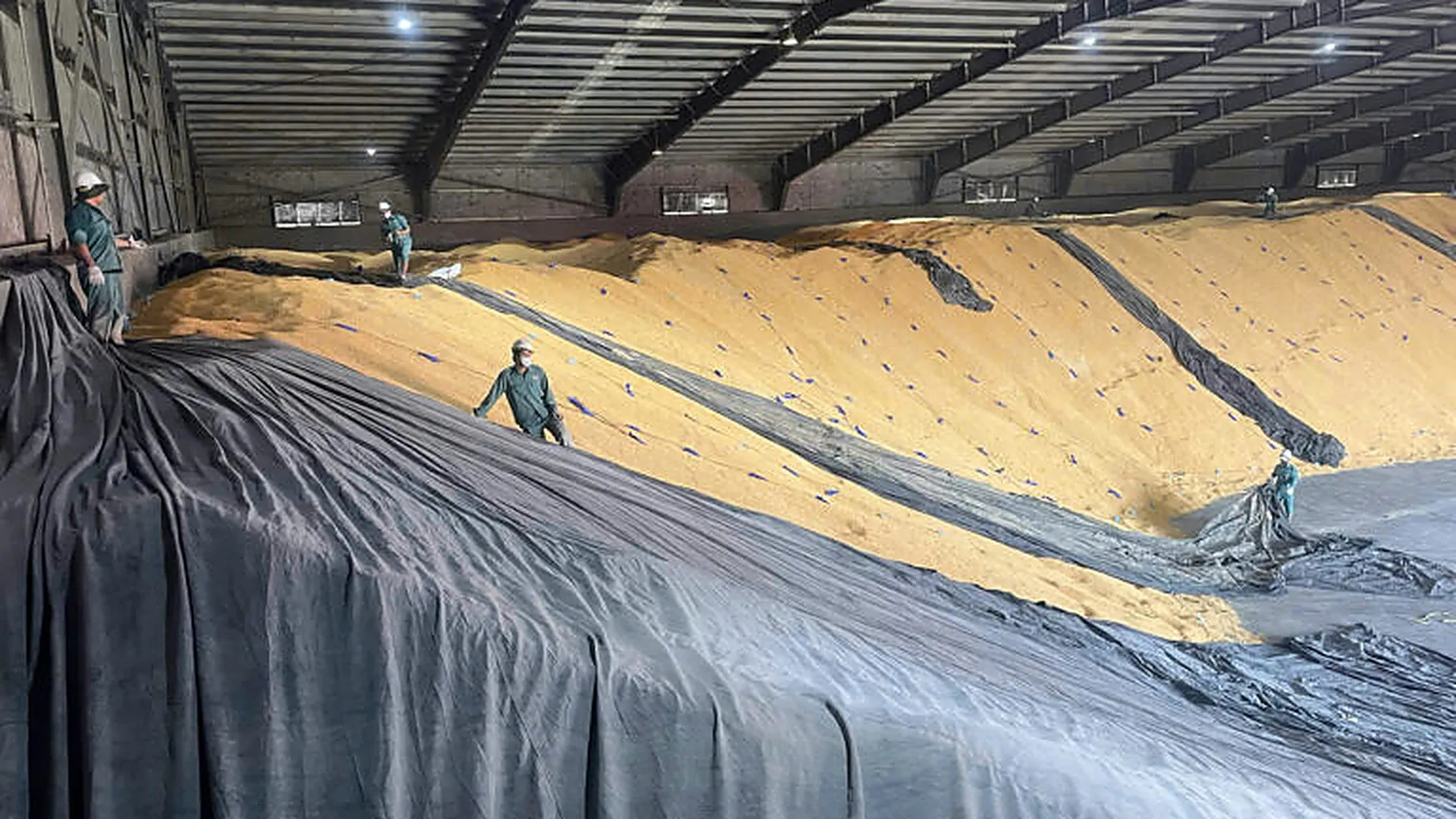
Bulk raw material masses in flat warehouses require evaluation of surface area, compaction density, and sealing capabilities
Treating loose commodities in flat warehouses versus commodities stored in vertical silos imposes vastly different technical requirements. Whereas bulk floor storage demands meticulous focus on surface area, grain compaction density, and floor-level tarpaulin sealing techniques, silo systems present challenges concerning vertical column height, structural enclosure gastightness, and uniform gas distribution mechanisms from top to bottom.
Instead of applying a general formula for every facility, the VFC Fumigation technical team always builds plans based on the actual storage structure and safety conditions of each plant. Enterprises managing large raw material reserves with various storage forms can learn more details at our warehouse and silo fumigation services page.
3. Real-World Case Study: VFC Fumigation Eradicates Weevils Across Over 15,000 Tons of Bulk Corn in Ho Chi Minh City
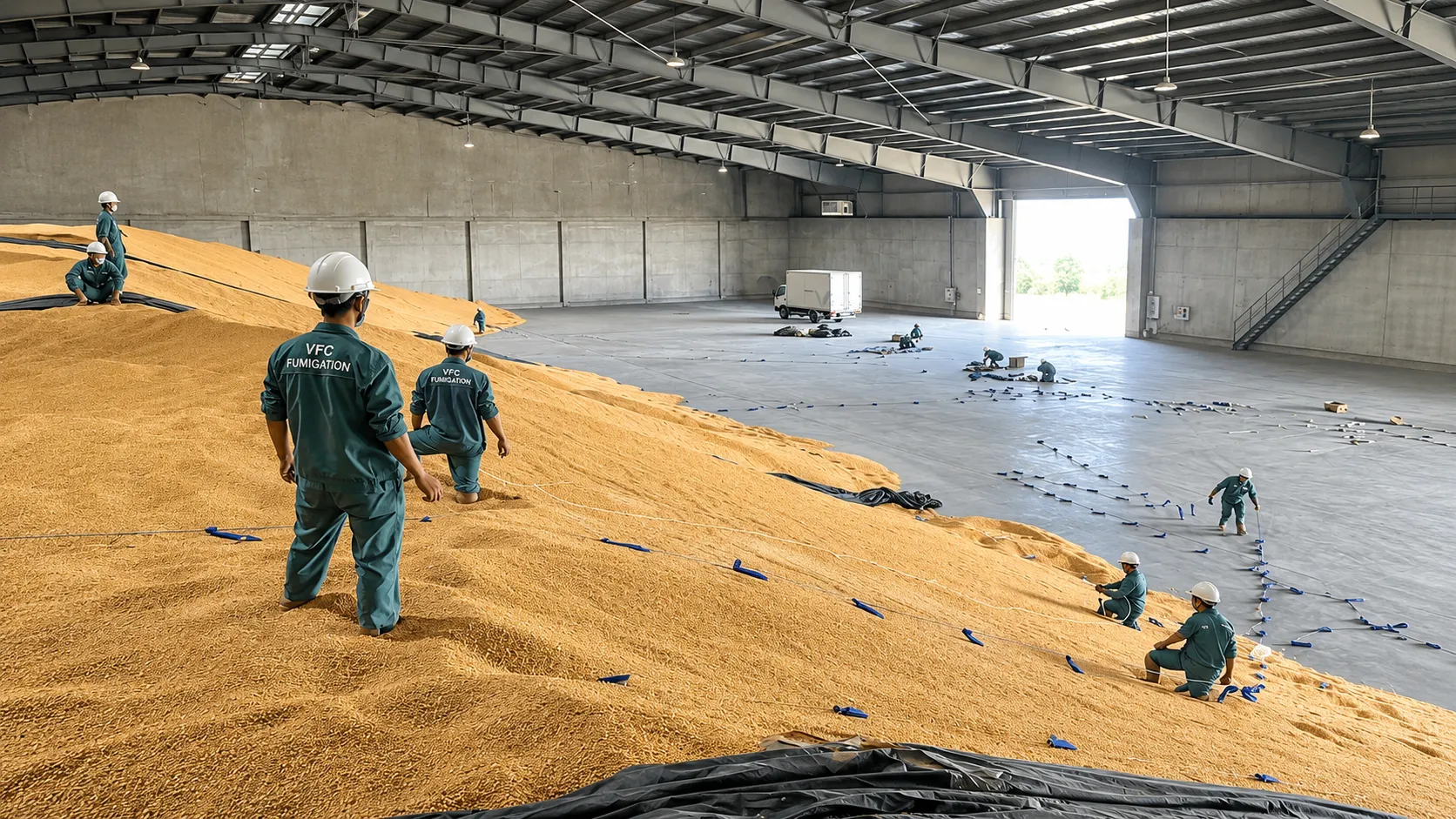
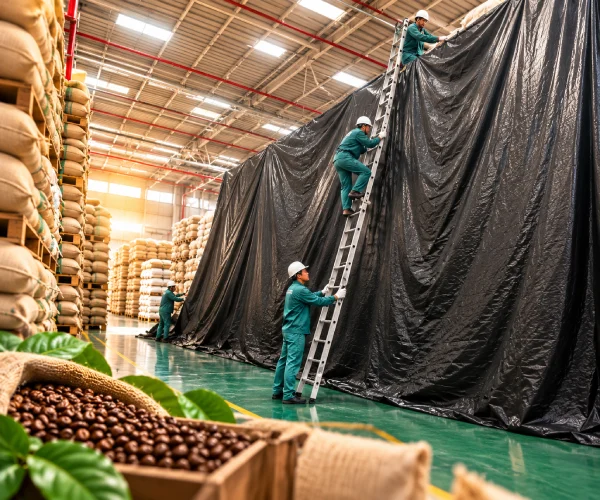
VFC Fumigation executes phytosanitary treatment on over 15,000 tons of bulk corn at an animal feed mill’s raw material warehouse
VFC Fumigation’s organizational and pest control capabilities for the animal feed sector are clearly demonstrated through the preservation fumigation project covering over 15,000 tons of bulk corn in Ho Chi Minh City. Operating as the primary raw material warehouse for a large-scale animal feed manufacturer, the facility faced high-density weevil proliferation threatening grain quality degradation and cross-infestation into neighboring zones.
- On-site operational challenges: The bulk corn mass exceeding 15,000 tons featured a vast surface area and high grain compaction, demanding rapid mobilization of substantial quantities of sealing materials alongside an elite team of technicians to execute deployment swiftly and prevent gas leakage, safeguarding mill personnel.
- Specialized gastight tarpaulin solution: VFC Fumigation calculated exact dosage rates based on actual cubic volume and deployed the gastight sheet fumigation method utilizing Aluminium Phosphide (AlP). Upon reacting with atmospheric moisture, AlP liberates Phosphine (PH3) gas capable of diffusing and penetrating deeply into every interstice of the bulk corn mass to eradicate weevils across all developmental stages (eggs, larvae, pupae, and adults).
- Transparent acceptance results: Upon completing the required exposure period and safe gas aeration, client representatives directly supervised representative sample inspections drawn from multiple points across the consignment. Physical inspection confirmed zero live weevils remaining, and both parties executed the on-site handover acceptance report immediately, enabling the mill to feed the raw material into production lines right on schedule.
Enterprises can view the complete implementation information in the article: Fumigation and Preservation Project for Over 15,000 Tons of Bulk Corn at Ho Chi Minh City Feed Ingredient Warehouse.
Is your mill’s raw material warehouse detecting signs of weevils or requiring treatment for large-scale bulk corn consignments?
In particular, during periods when the plant continuously imports new raw materials into the warehouse while old stock still remains, the logistics department needs to carefully inspect the pest status of each batch before storing them in the same area. If insects are detected right at the stage of receiving vessels or containers at the port, businesses should proactively use import cargo fumigation services to thoroughly treat the weevil source before transporting goods to the factory warehouse.
4. Preventing Re-Infestation Risks: Integrating Fumigation with Warehouse Management Protocols
Any raw material consignment that has undergone fumigation remains vulnerable to re-infestation if stored continuously alongside untreated, weevil-infested consignments or within a warehouse environment harboring residual pests. This occurs because fumigants eradicate only insects present within the commodity mass during the exposure period and leave no residual protective barrier once the gastight sheets are removed for ventilation.
Consequently, immediately following handover acceptance, animal feed mills must rigorously maintain three core warehouse management practices: incoming raw material quality inspection, periodic sanitation of storage zones, and regular monitoring of insect population densities. Clearly distinguishing when to execute consignment fumigation versus when to apply warehouse environmental spraying enables enterprises to optimize budgets while eliminating every vector of infestation.
In particular, during periods when the plant continuously imports new raw materials into the warehouse while old stock still remains, the logistics department needs to carefully inspect the pest status of each batch before storing them in the same area. If insects are detected right at the stage of receiving vessels or containers at the port, businesses should proactively use import cargo fumigation services to thoroughly treat the weevil source before transporting goods to the factory warehouse.
5. Distinct Value from VFC Fumigation: Technical Expertise Combined with Data Governance and Production Schedules
Backed by over 50 years of specialized expertise, serving more than 15,000 corporate clients, and safely treating over 500,000 containers annually, VFC Fumigation (a member of The PAN Group) stands as the strategic partner trusted by leading animal feed corporations across Vietnam. Our workforce of over 1,000 personnel—including more than 200 specialists with over 10 years of experience—delivers an integrated solution combining field engineering, digital data governance, and mill operational tempo:

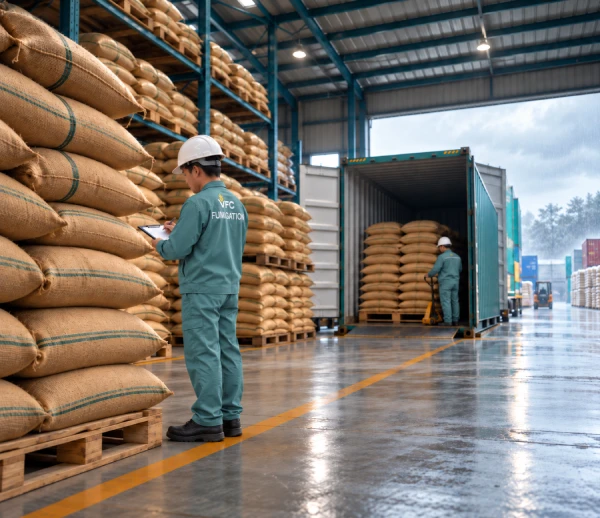
VFC Fumigation coordinates closely with warehouse and production planning teams to determine optimal deployment windows
Organizing fumigation strictly aligned with feeding schedules and real-world operational conditions
Upon receiving a service request from a mill, VFC Fumigation specialists consult thoroughly with warehouse and production planning departments to align with projected schedules for feeding raw materials into manufacturing lines. Total durations for preparation, sealing, exposure time, aeration, and clearance safety testing are transparently calculated based on on-site survey findings, empowering the mill to maintain total control over raw material feeding plans without risking production stoppages caused by unsubstantiated timeline commitments.
Operational management via FumiApp and handover backed by complete reconciliation data
The core differentiator unique to VFC Fumigation is the application of the FumiApp internal management system to standardize data from task assignment and recording site-sealing images to monitoring technical parameters throughout the treatment process. Upon completing aeration and safety checks before returning raw materials to operation, the warehouse department, QA/QC team, and plant management always have complete records, acceptance minutes, and actual database to cross-check service quality in the most transparent manner.
6. Frequently Asked Questions When Managing Weevils in Animal Feed Raw Material Warehouses
6.1. If weevils are detected in only one bulk corn consignment, is it mandatory to fumigate the entire warehouse?
The mill is not automatically required to fumigate all commodities in the warehouse when weevil activity is recorded in only a single raw material lot. VFC Fumigation’s technical team will conduct a direct on-site survey of infestation severity, draw samples to inspect adjacent lots, and evaluate actual dispersal risks prior to isolating the most optimal and cost-effective treatment perimeter for the enterprise.
6.2. Does spraying insecticides on warehouse floors and wall bases eradicate weevils residing inside the raw material mass?
Absolutely not. Surface application of contact insecticides or thermal fogging across floors and walls serves solely to eradicate insects crawling externally in the warehouse environment and cannot control pests concealed inside commodities. Once weevils have penetrated the raw material mass, enterprises must deploy gastight sheet fumigation on the affected consignment strictly in accordance with technical standards.
6.3. Following the completion of fumigation, when can raw materials be fed into production lines?
Raw materials are authorized for handover into active production only after completing the full statutory exposure period, executing sheet removal for gas aeration and ventilation, retrieving spent fumigant residues, and verifying via specialized detection instruments that residual gas concentrations have declined below the permissible Threshold Limit Value (TLV). The exact handover time is clearly established by VFC Fumigation within the technical treatment plan and verified via an on-site acceptance handover report executed jointly with mill representatives.
Effectively controlling weevil outbreaks in animal feed raw material warehouses requires tight integration of accurate source isolation, precision gastight sealing techniques, and seamless coordination with manufacturing feed schedules. Backed by extensive field-proven experience across numerous large-scale bulk raw material projects nationwide, VFC Fumigation stands ready to partner with your mill to safeguard raw material quality and stabilize production chains.
Enterprises seeking technical protocol consultations, on-site raw material warehouse surveys, or phytosanitary treatment service quotations are invited to contact us immediately for 24/7 support:
- 24/7 Technical Consultation & Survey Hotline: 0914 773 300
- Customer Service Switchboard: 1800 577 788
- Email: contact@fumigation.vn
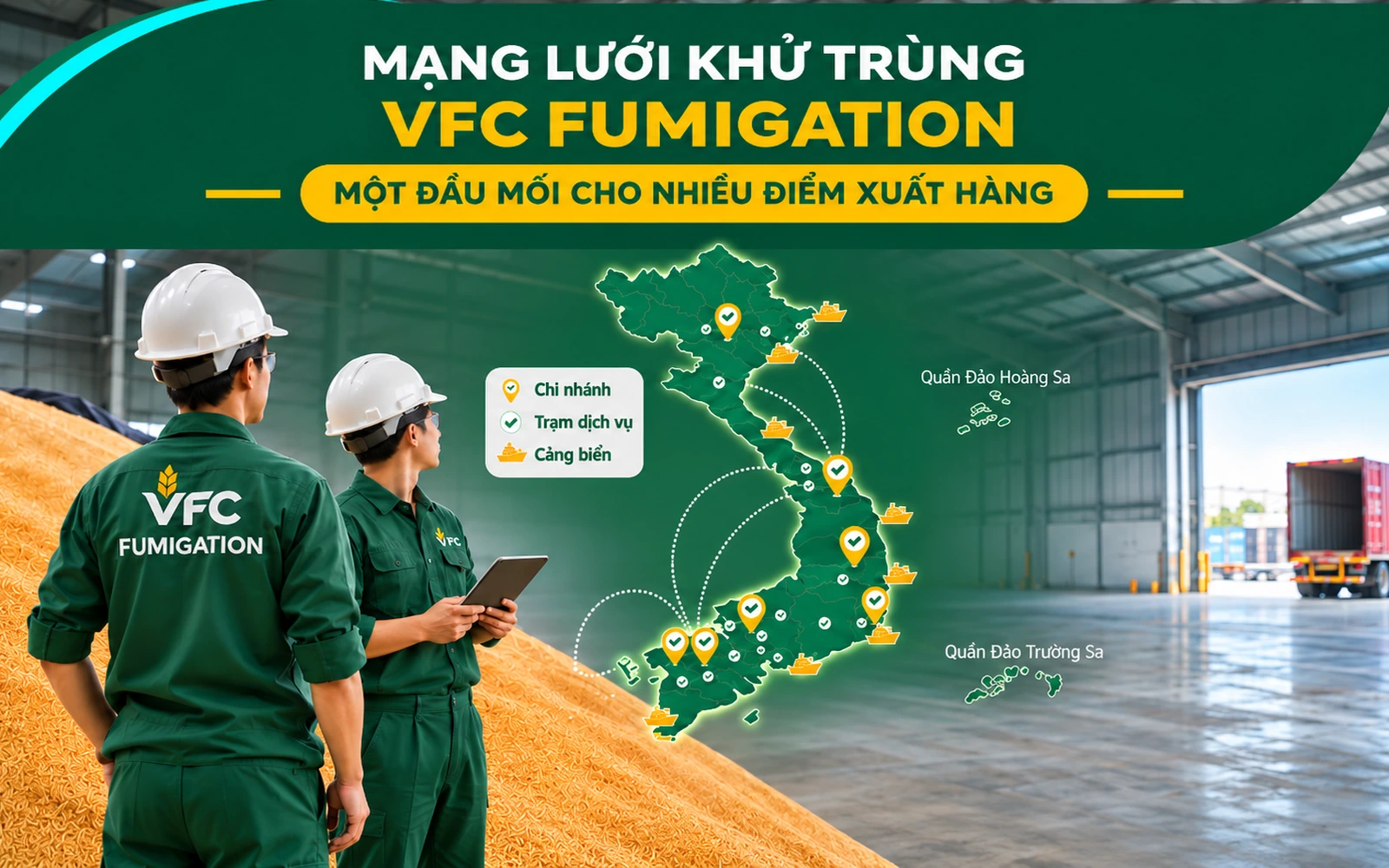
- Head Office: VFC Tower, 29 Ton Duc Thang, Saigon Ward, Ho Chi Minh City (along with a network of branches and technical stations widespread across industrial zones, seaports, and key raw material regions nationwide).
-
Business & Services (18)
-
Practical Experience (11)
-
Exports & Markets (16)
Featured Blogs


Related Blogs