




Project Overview
- Customer: Multinational companies importing project cargo and industrial goods
- Context: Imported cargo transported by vessel/container, oversized or complexly packed, requiring pest control measures
- Operational Challenge: Bulk carriers transporting corn, wheat, and similar commodities into Vietnam must undergo pest inspection before import clearance. If live pests are detected, the vessel is required to remain at anchorage for fumigation treatment to eliminate all insects before cargo discharge is permitted.
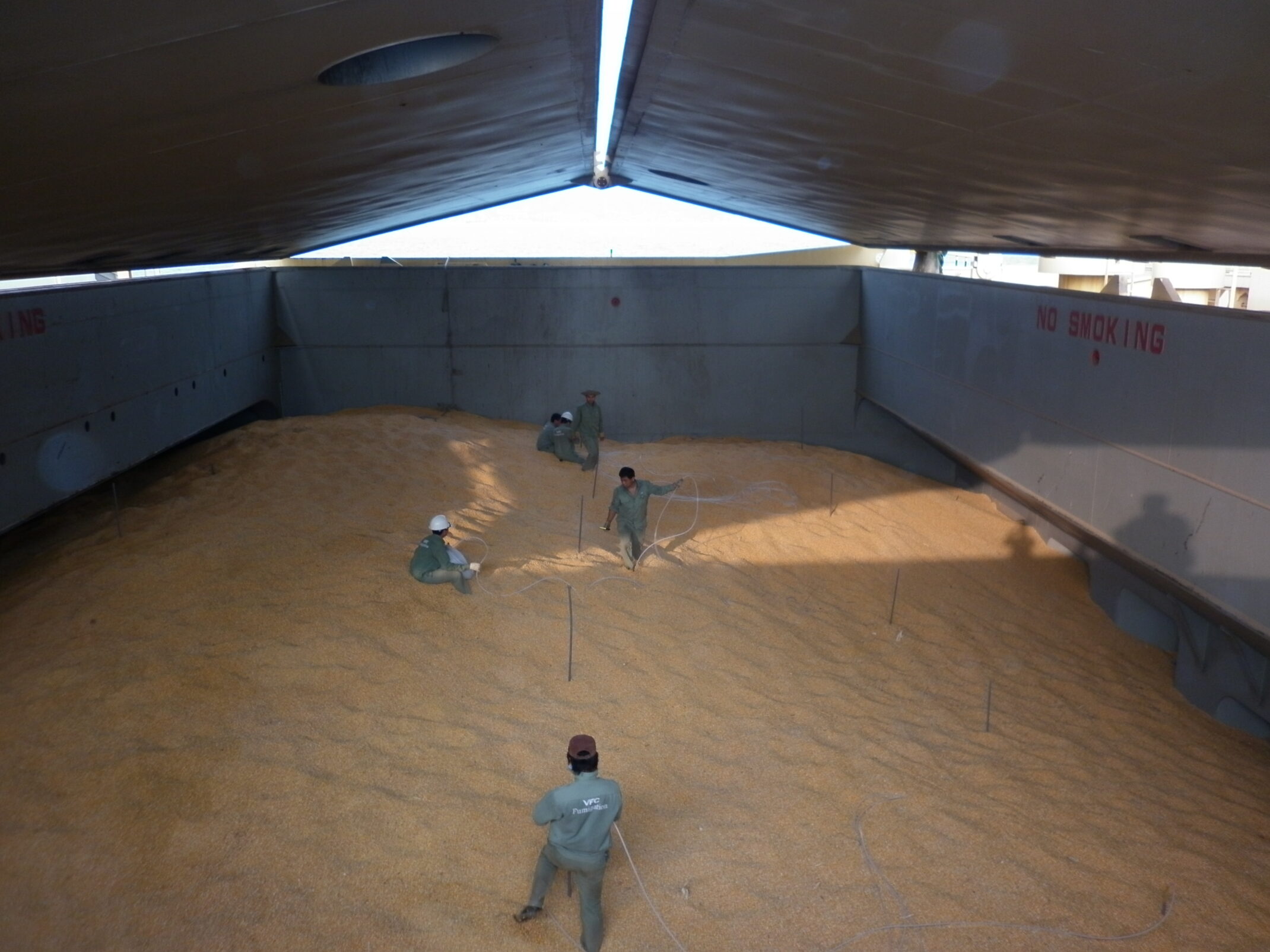
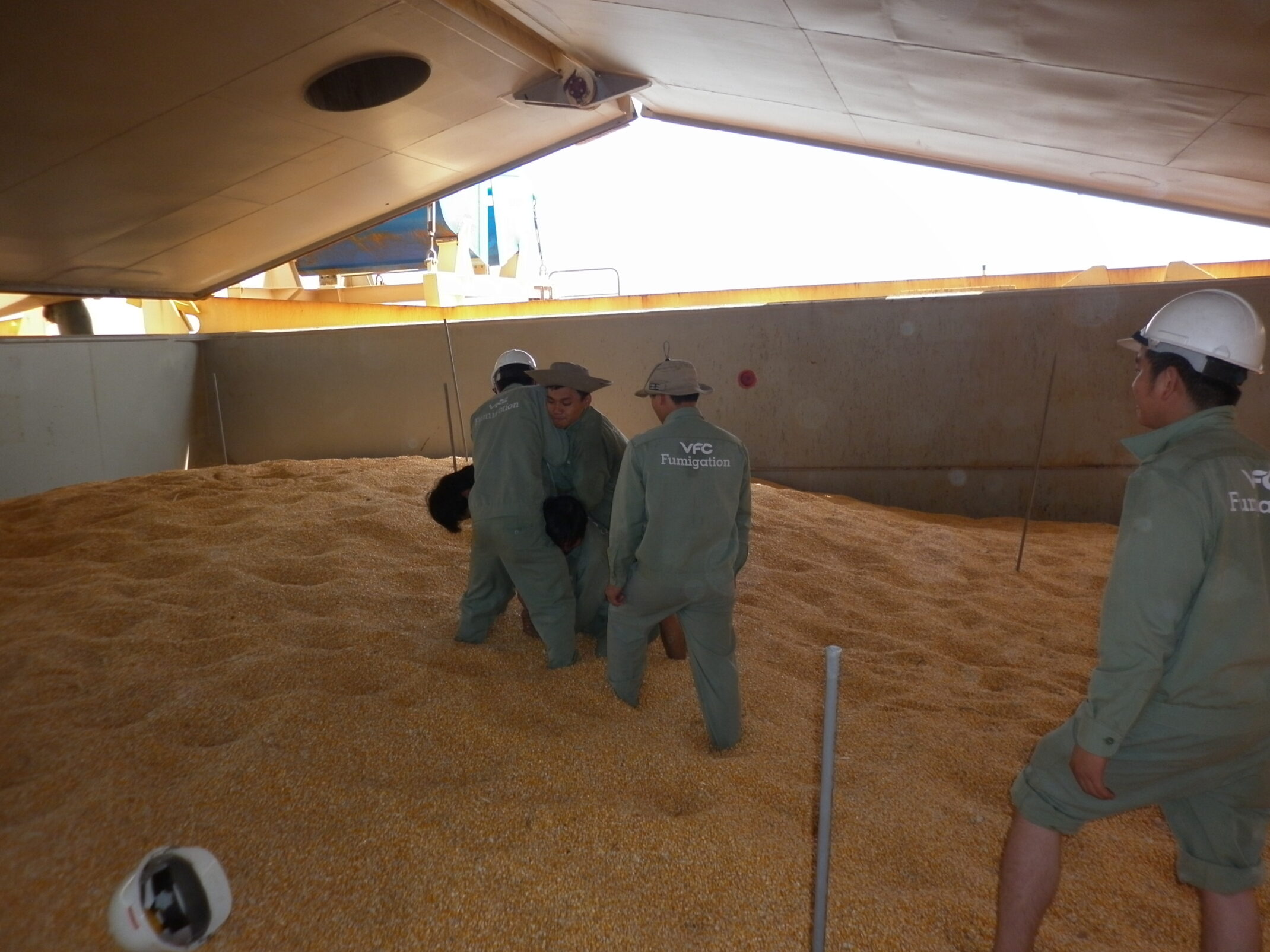
After long ocean voyages, cargo inside the holds becomes highly compacted. With conventional fumigation methods, fumigants may not diffuse effectively into the lower layers of the cargo hold, making it difficult to eliminate insects at all life stages potentially causing delivery delays and even the risk of cargo rejection or return to the country of origin. - Key Challenge: Import operations are not just about transportation, but also about quarantine compliance and schedule control.
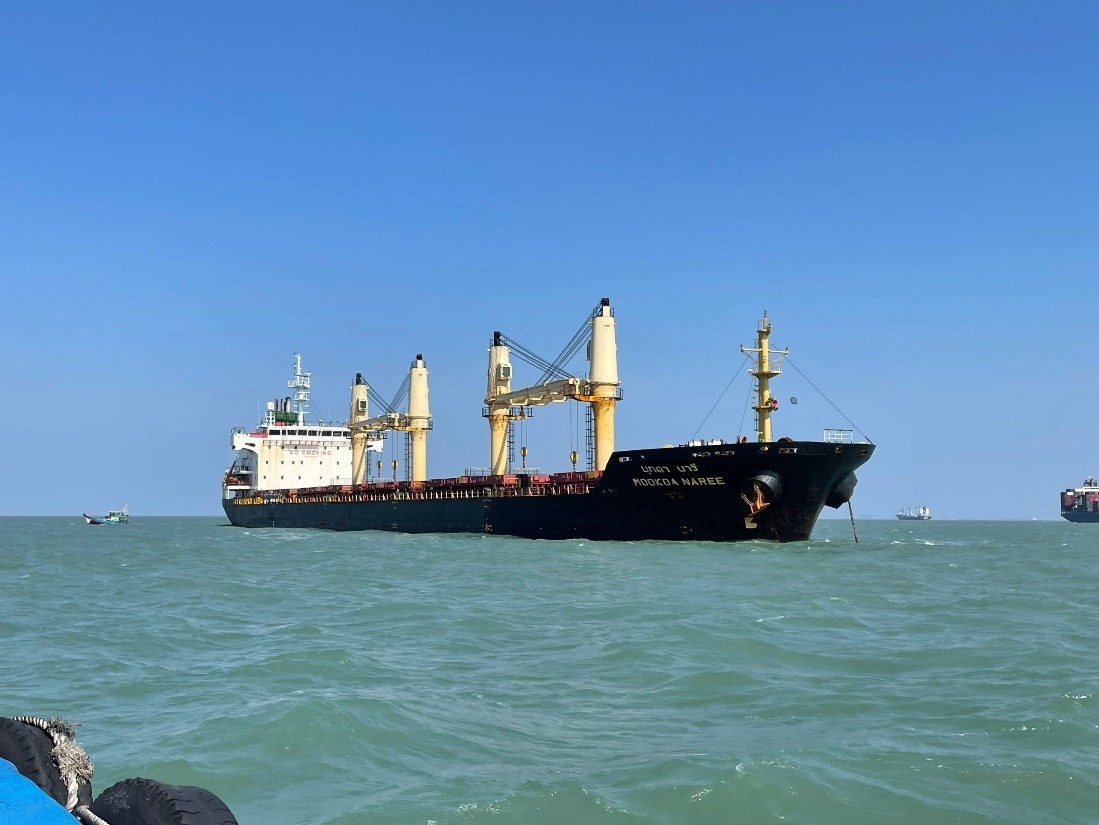
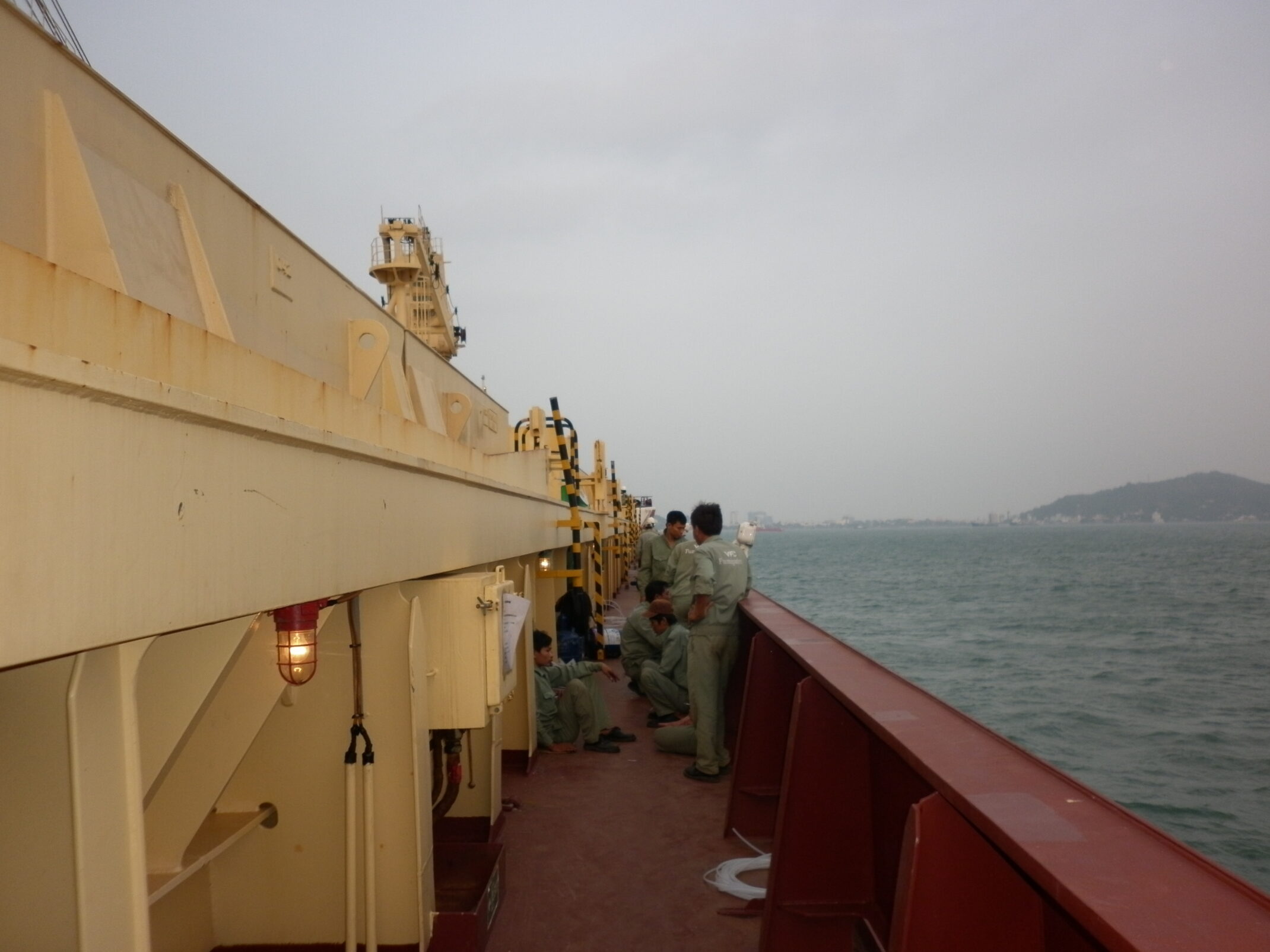
Vessel anchored at Buoy No. 0 awaiting fumigation treatment
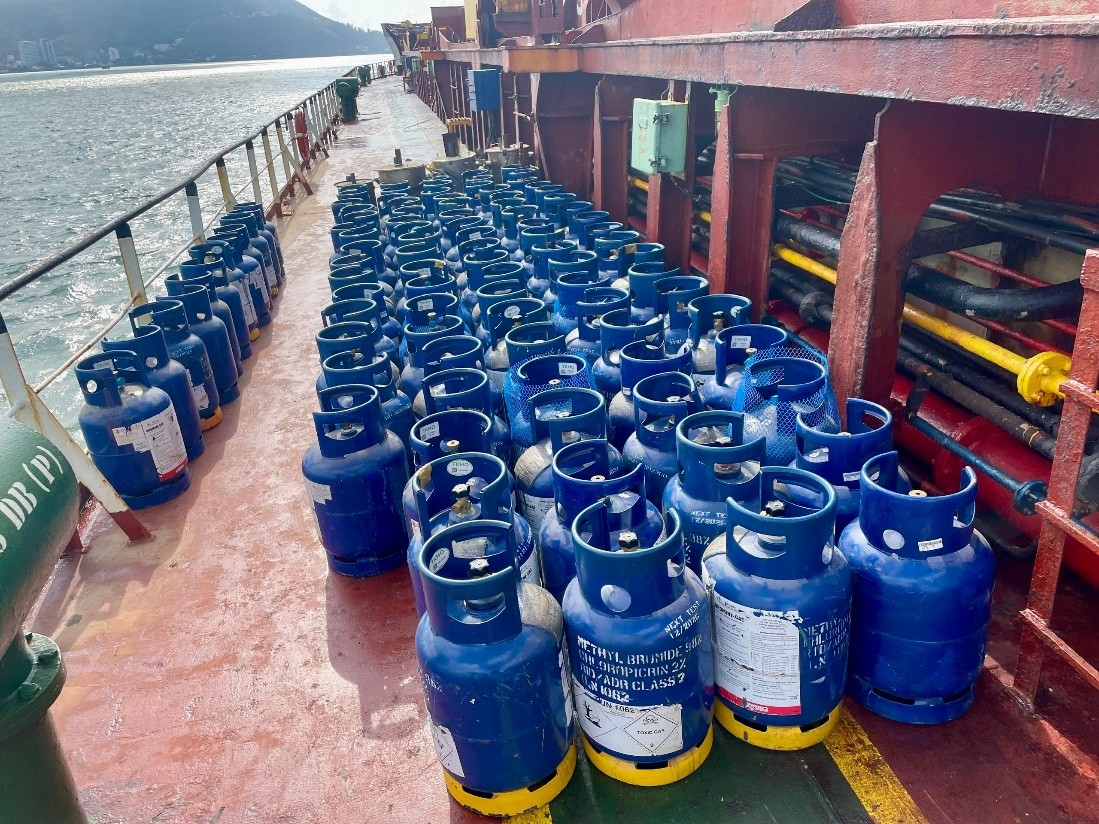
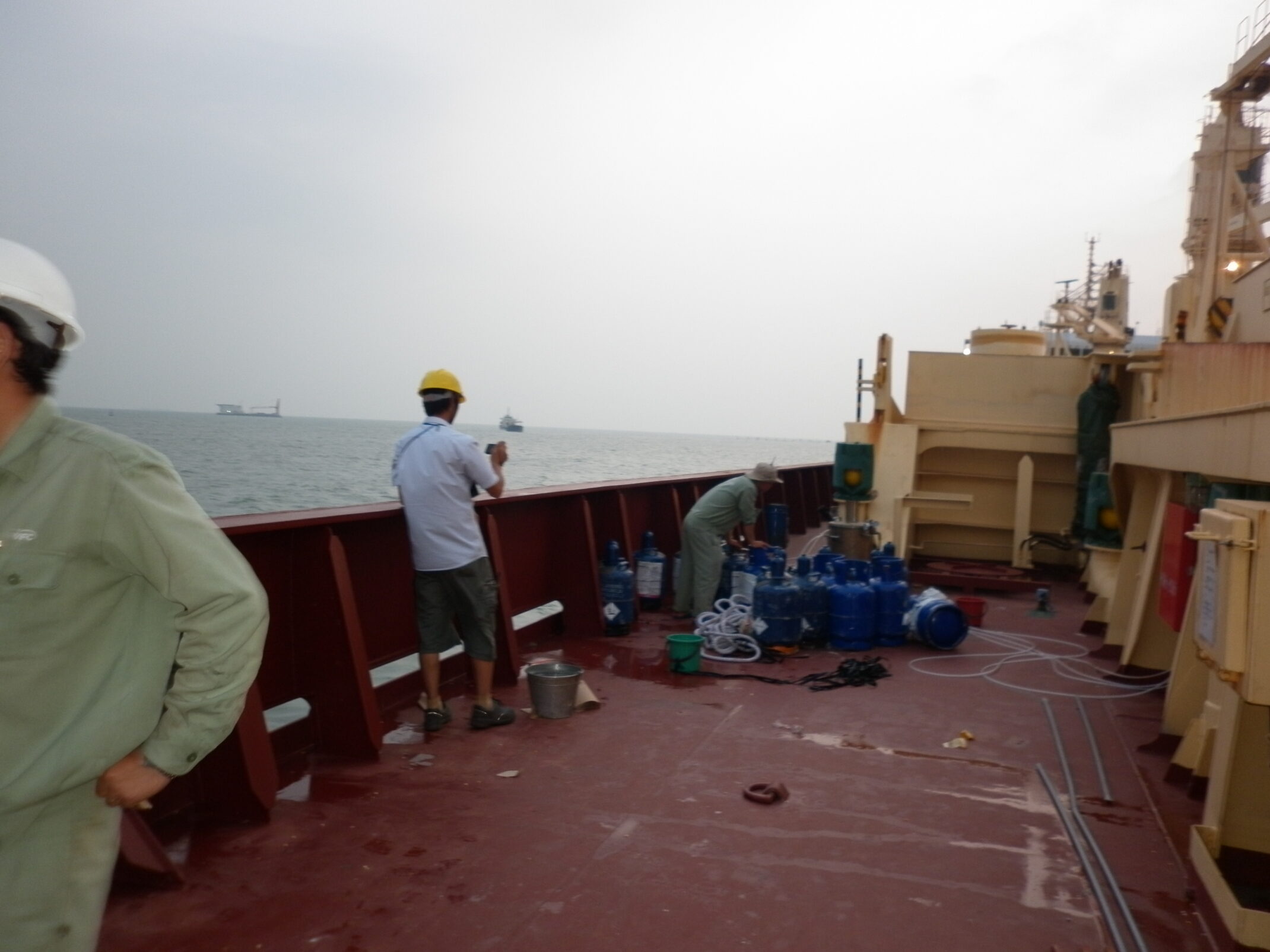
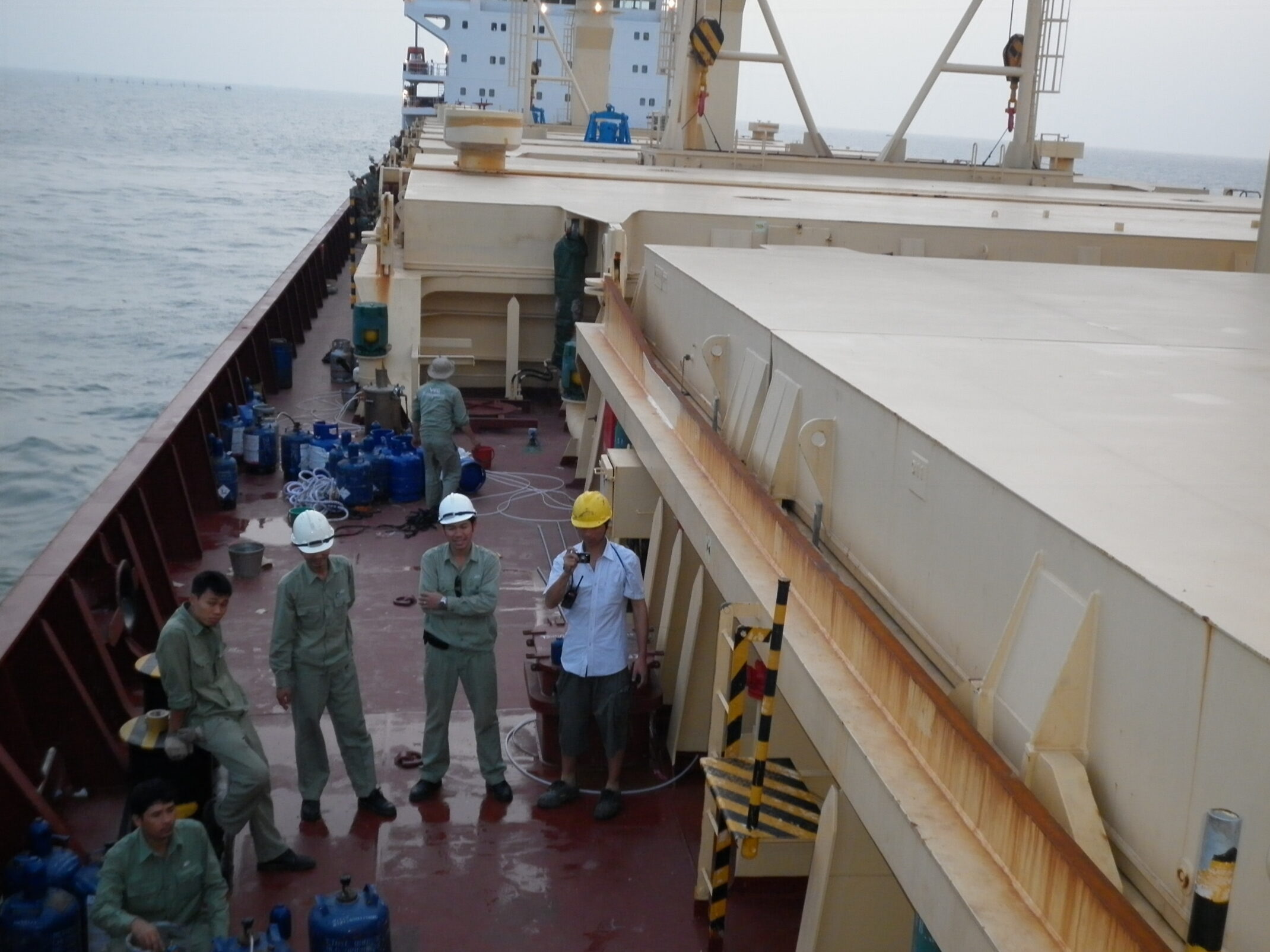
Transport of fumigants onto the vessel
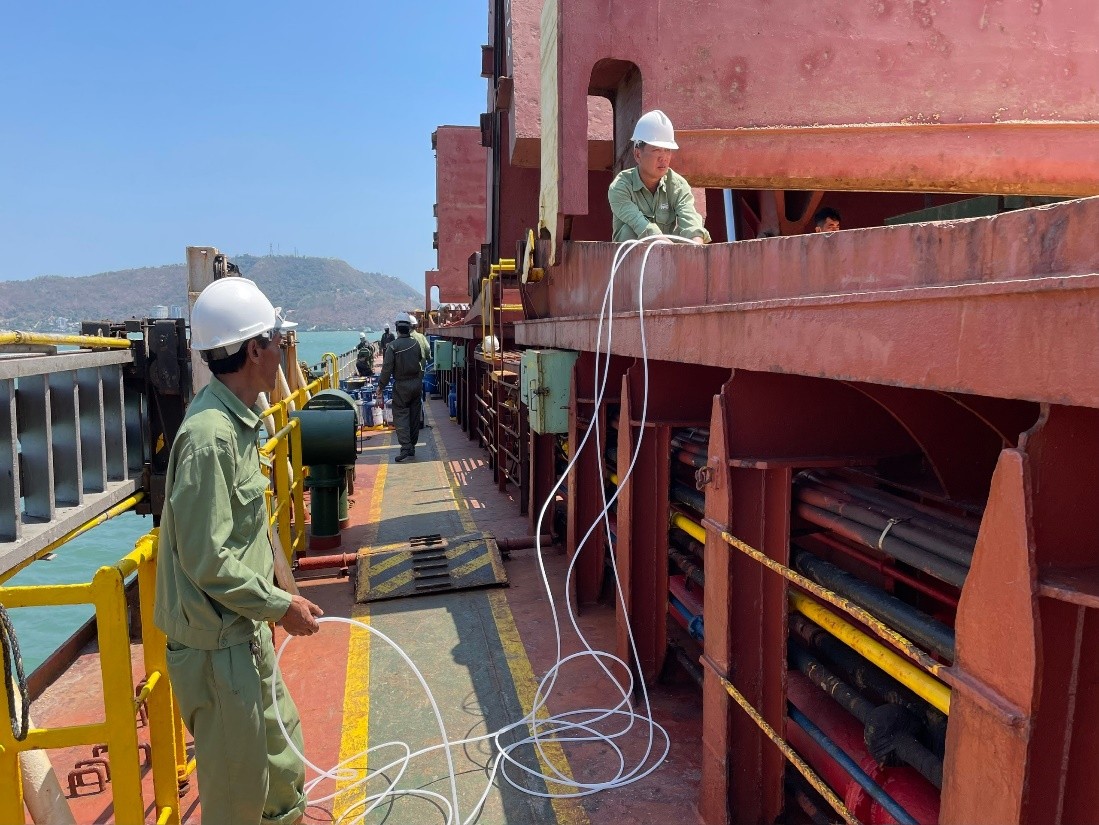
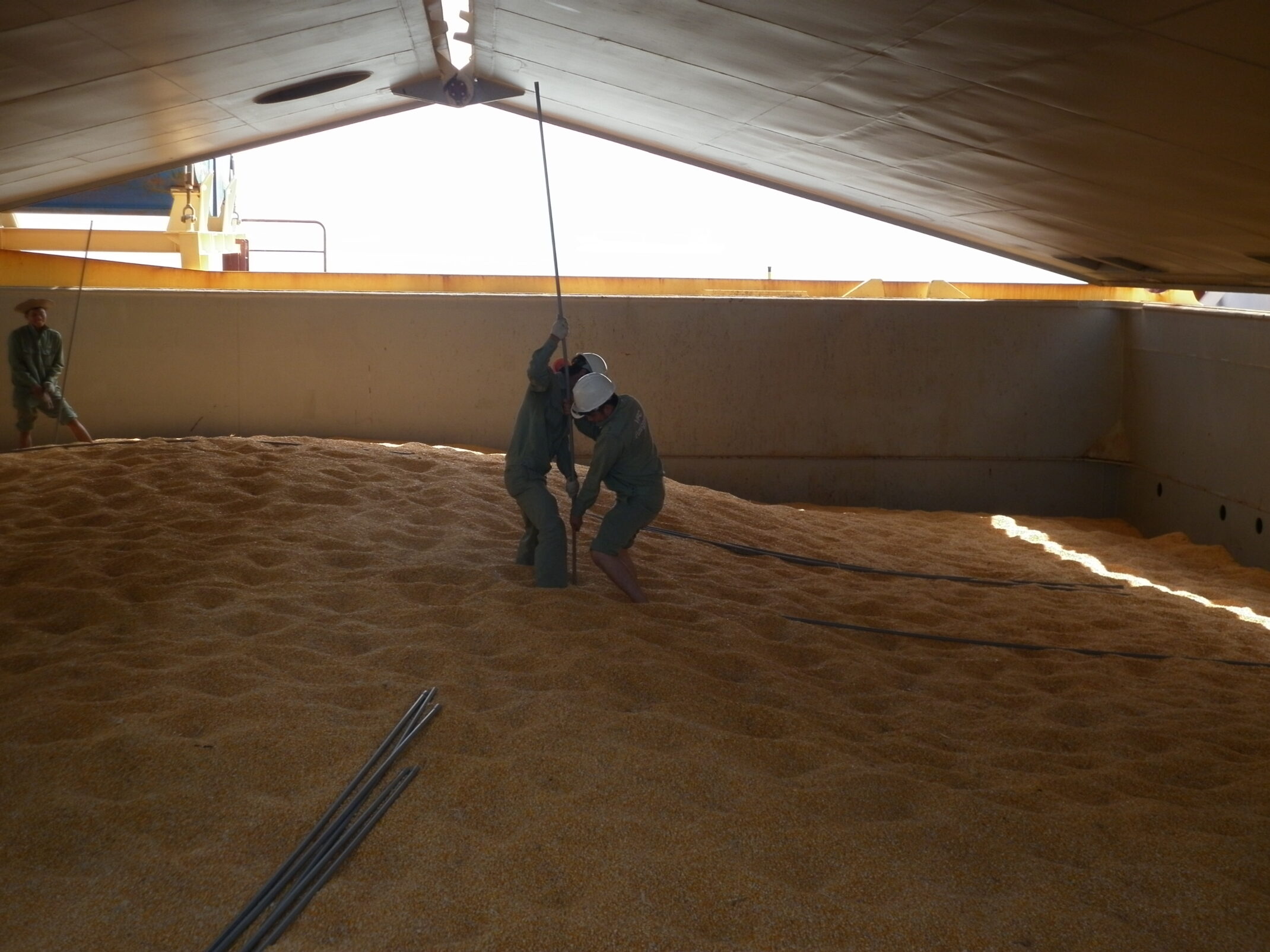
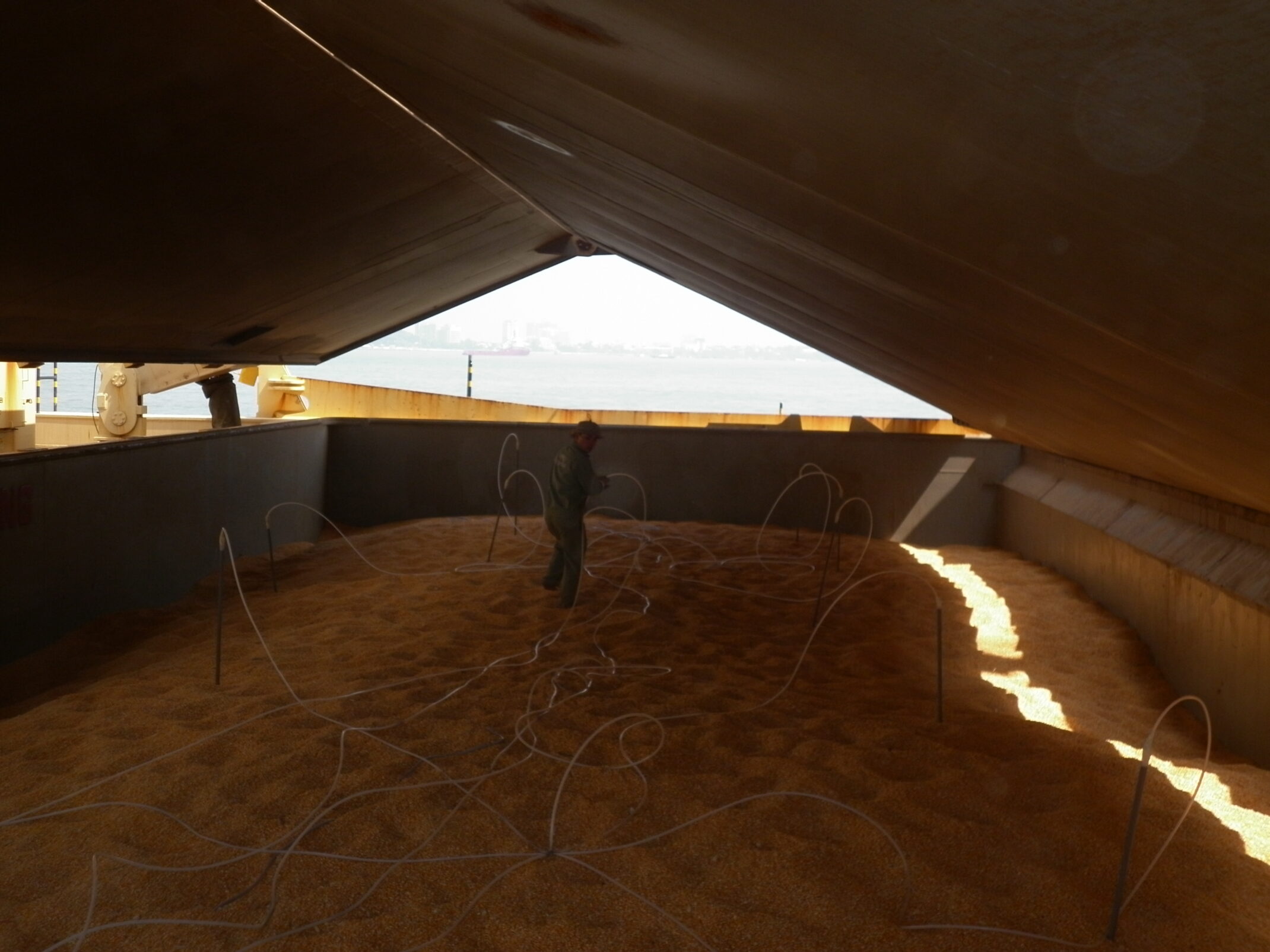
Placement of fumigant distribution lines
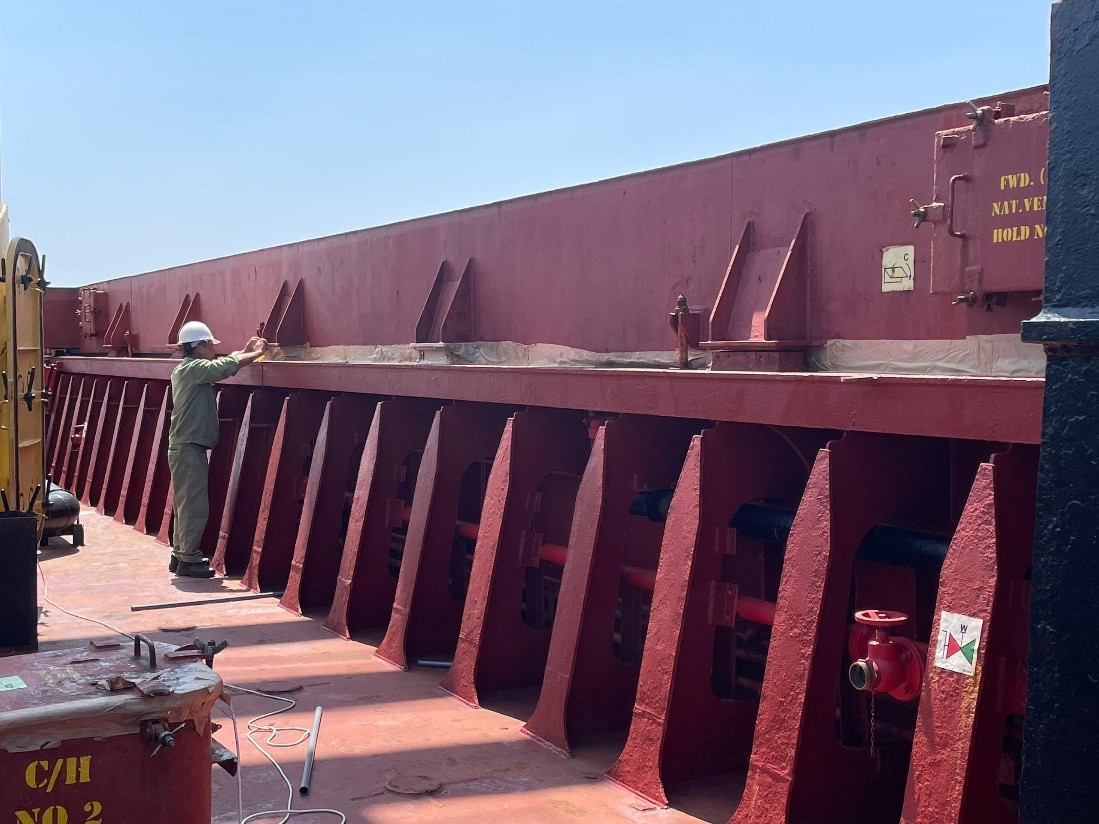
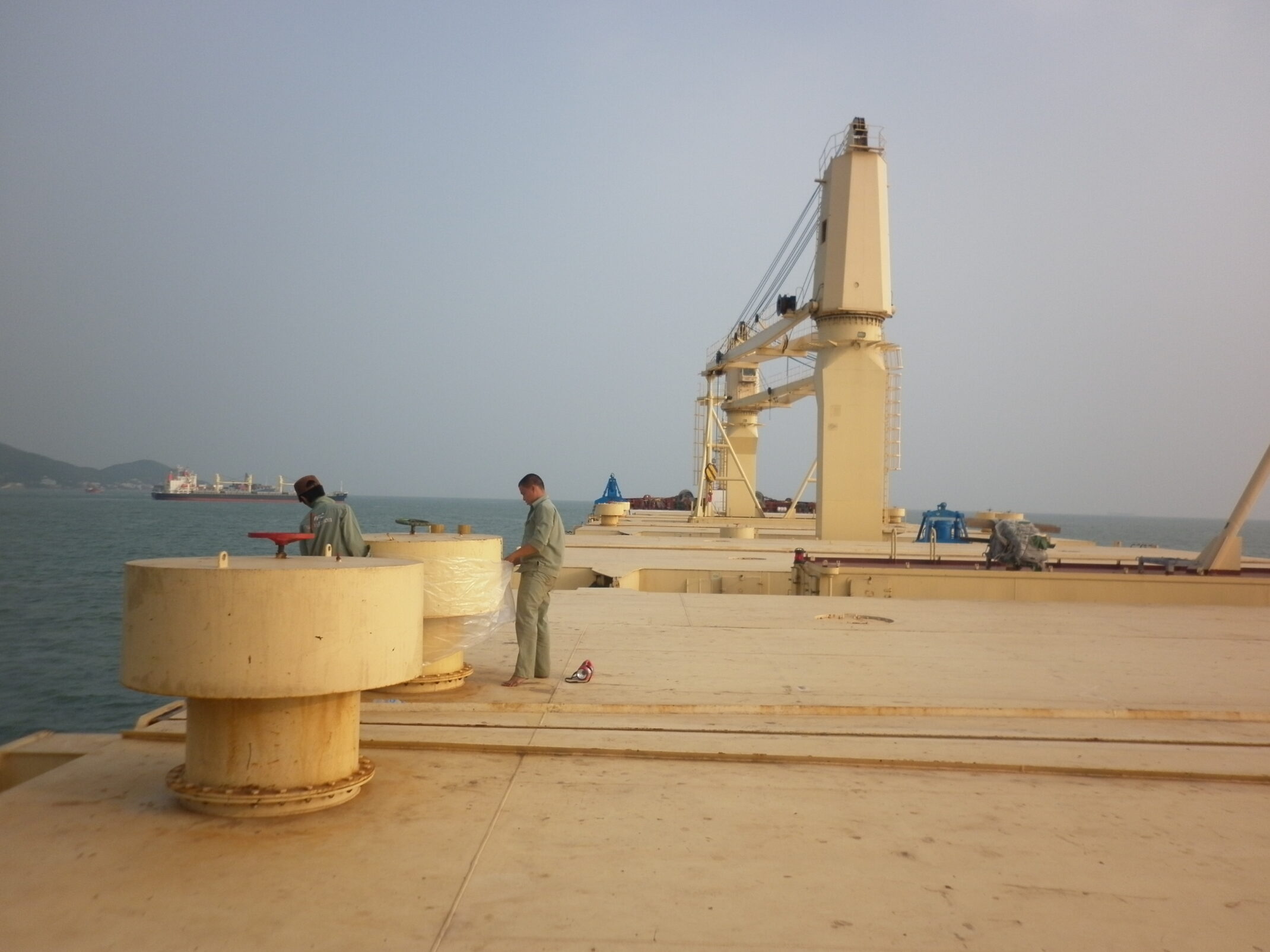
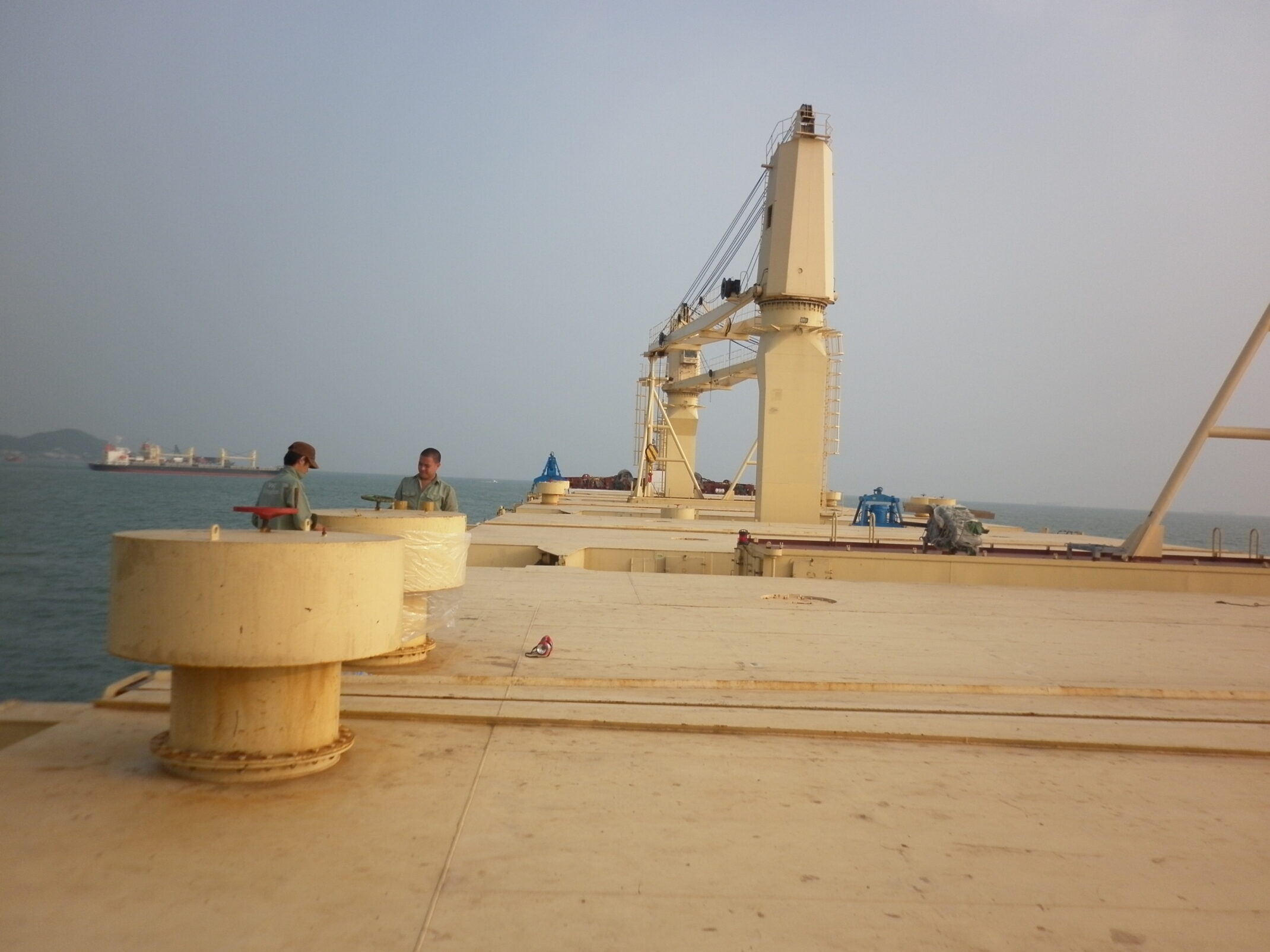
Inspection and sealing of cargo holds and hold access points.
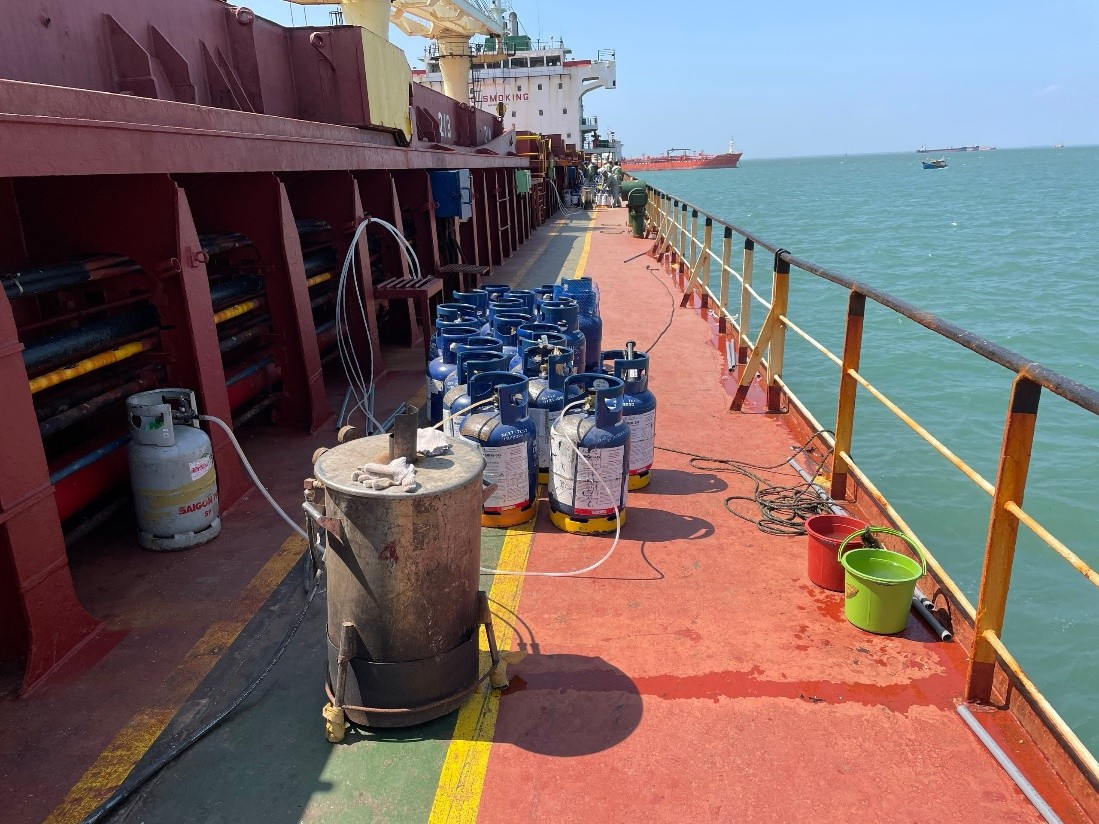
Injection of fumigant into cargo holds using vaporization equipment
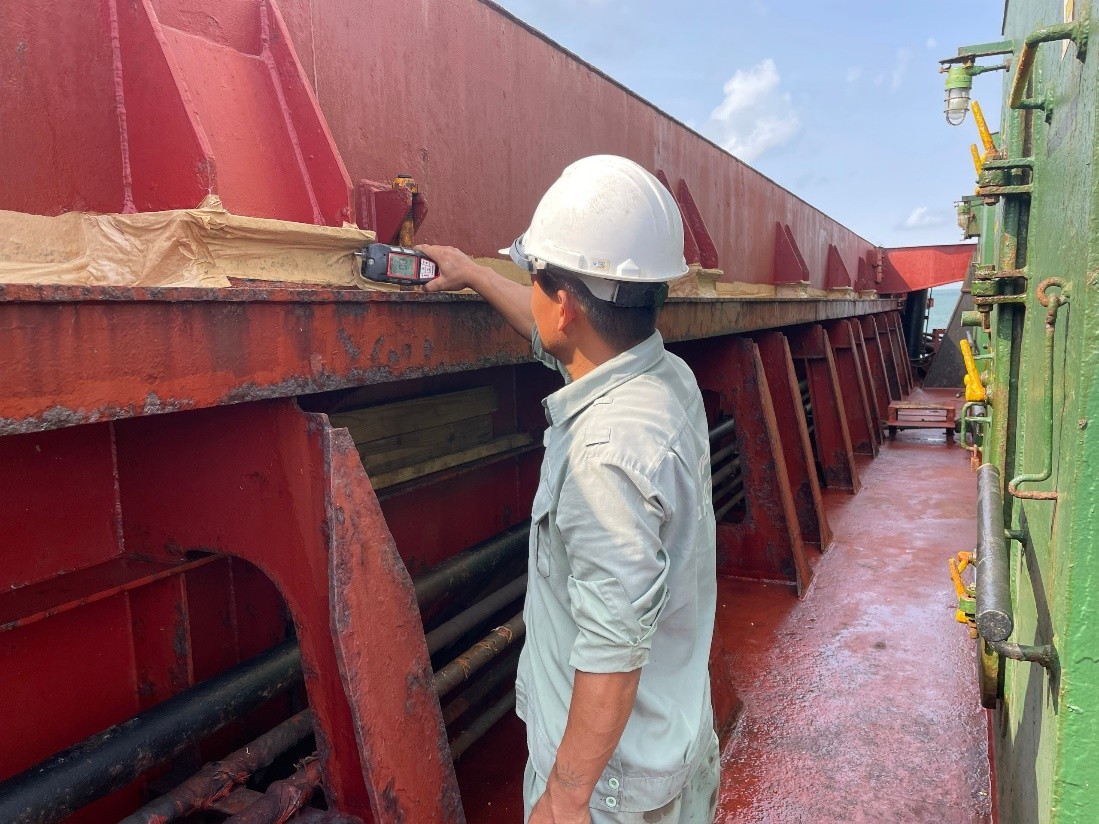
Leakage inspection to ensure crew safety
Customer Challenges
4 Cost Drivers That Quickly Escalate Expenses
-
Risk of Cargo Detention & Intensive Inspection
Imported cargo passing through multiple transit points can easily be held for verification if documentation is inconsistent or treatment procedures cannot be properly demonstrated. In real logistics operations, an additional 24–72 hours of delay can trigger a chain of extra costs, including storage, equipment allocation, and delayed delivery schedules.
-
Difficulty Achieving Uniform Treatment for Oversized or Complex Cargo
Industrial equipment and project cargo often feature curved surfaces, crevices, and hidden areas. If treatment is carried out hastily, the risk of missing critical areas is real. Once abnormalities are detected during inspection, re-treatment is usually far more costly than executing the process correctly from the start.
-
Pressure on Delivery Schedules
Customers do not simply need treatment, they need treatment completed on schedule. Trucking, crane operations, labor arrangements, and warehouse receiving schedules are often fixed in advance. Therefore, fumigation procedures must be designed to align with port and yard operations rather than create additional bottlenecks.
-
Documentation Must Be Clear & Easy to Verify
In quarantine-sensitive situations, documentation is more than just a certificate. Businesses require a complete and easily verifiable documentation set, including timelines, treatment procedures, completion confirmation, and supporting records. Missing details can prolong the clarification process between cargo owners, forwarders, ports, and inspection authorities.
Project Objectives
The primary objective is to completely eliminate live insects, eggs, larvae, mold, and microorganisms that may be carried through cargo, packaging, wooden pallets, or vessel/container compartments. This helps prevent cross-contamination into domestic storage facilities and reduces the risk of cargo detention by quarantine authorities.
Fumigation is carried out to comply with plant/animal quarantine regulations and international standards (such as ISPM 15 for wooden packaging). In cases involving suspected pests or hygiene concerns, proper fumigation documentation helps businesses avoid strict inspection channels, cargo re-export, or destruction.
Imported goods, especially agricultural products, animal feed, food ingredients, and timber — can lose commercial value if contaminated by insects, mold, or residual odors. Fumigation helps maintain product quality and minimize financial losses while protecting business reputation and partner relationships.

With more than 50 years of experience, VFC successfully implemented an effective fumigation solution that completely controlled and eliminated pests, enabling the customer to import and discharge cargo smoothly in Vietnam.
Transported materials to the vessel and installed fumigant distribution lines above and below the cargo.
Inspected and sealed the cargo holds to prevent fumigant leakage, ensuring: (1) sufficient fumigant concentration for complete insect elimination; (2) safety for the vessel crew. Fumigant was injected into the cargo holds using vaporizer equipment to achieve more uniform concentration throughout the holds.
During the exposure period, specialized monitoring equipment was used to measure fumigant concentration inside the cargo holds and ensure treatment effectiveness.
The cargo holds were opened for ventilation, and gas concentration was measured to ensure safety below the TLV (Threshold Limit Value) before final acceptance.
Results
With QC checkpoints and clear documentation, the shipment reduced the risk of prolonged verification. In similar cases, standardized documentation can help shorten clarification and document supplementation to 24–48 hours instead of several days, depending on the situation and stakeholder requirements.
On-site operations were coordinated to align with port and yard schedules, helping prevent unplanned storage delays, which may typically range from 1–3 days if treatment or documentation is delayed.
Reduced hidden costs such as truck waiting time, equipment standby, storage charges, and re-treatment risks. For project cargo or oversized shipments, avoiding just one unplanned cost cycle can save from tens to hundreds of millions of VND, depending on cargo scale and port/yard tariff structures.
Strengthened trust with partners and logistics providers through transparent documentation and complete certification records that are easy to verify, enabling faster customs coordination and reducing liability disputes.