






Project Overview
- Vessel/Shipment: Golden Eagle – bulk carrier vessel
- Cargo: 55,000 tons of bulk rice exported to the United States.
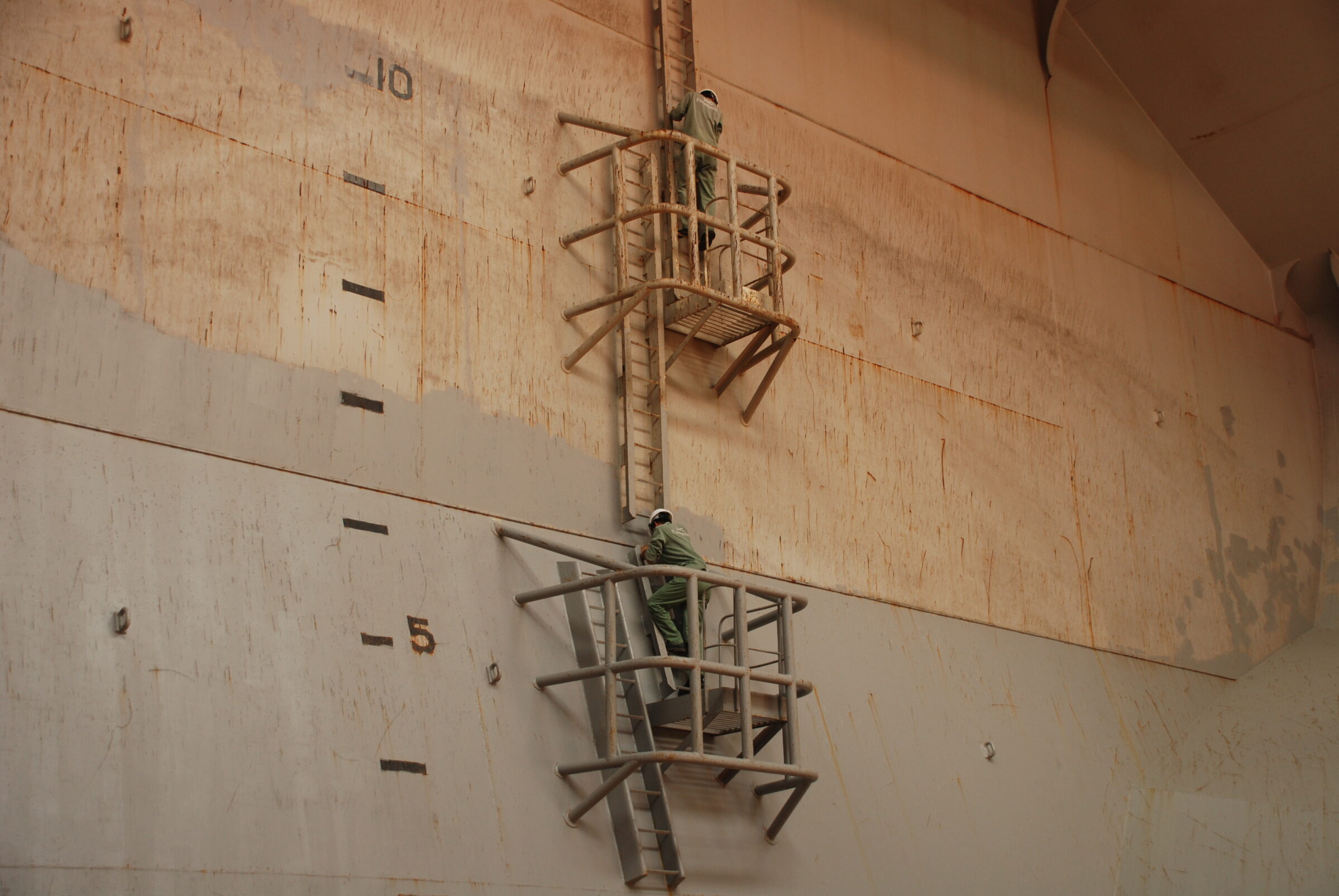
- Technical Challenge: With cargo holds nearly 20 meters deep, conventional fumigation methods could not ensure even fumigant diffusion throughout the entire hold, making it difficult to control and eliminate pests at all life stages. This created a high risk of live insect detection at the destination port, potentially leading to vessel detention for re-fumigation, cargo rejection, or even destruction affecting delivery schedules and commercial reputation.
- Limitations of Conventional Methods: Standard fumigation approaches struggled to achieve uniform gas distribution in such deep cargo holds, increasing the risk of surviving pests and resulting in additional costs such as vessel delays, re-treatment, cargo return, or disposal.
- Mandatory Requirement: Fumigation had to comply with contract and importer requirements, with clear certification and shipment documentation for verification at the destination port.
- Operational Constraints: Tight loading and vessel schedules required the fumigation process to ensure toxic gas safety while minimizing disruption to cargo loading operations.
Survey
Service Execution
Service Execution
Service Execution
Customer Challenges
With 55,000 tons of bulk rice, the challenge was no longer whether to fumigate, but whether fumigation could be applied evenly. Cargo holds nearly 20 meters deep created unstable fumigant concentration zones when using conventional methods — leading to three major risks:
-
Uneven Treatment Effectiveness
(“Dead Zones”)Insects could survive in poorly diffused areas within the massive cargo volume.
-
Schedule Risks
Vessel schedules cannot be delayed; any slowdown in sealing, execution, or documentation could lead to additional berth and operational costs.
-
On-Site Safety Risks
Fumigation involves toxic gas handling, requiring strict warning systems, area control, and coordination between port operators, vessel crews, and cargo handling teams.
Project Objectives
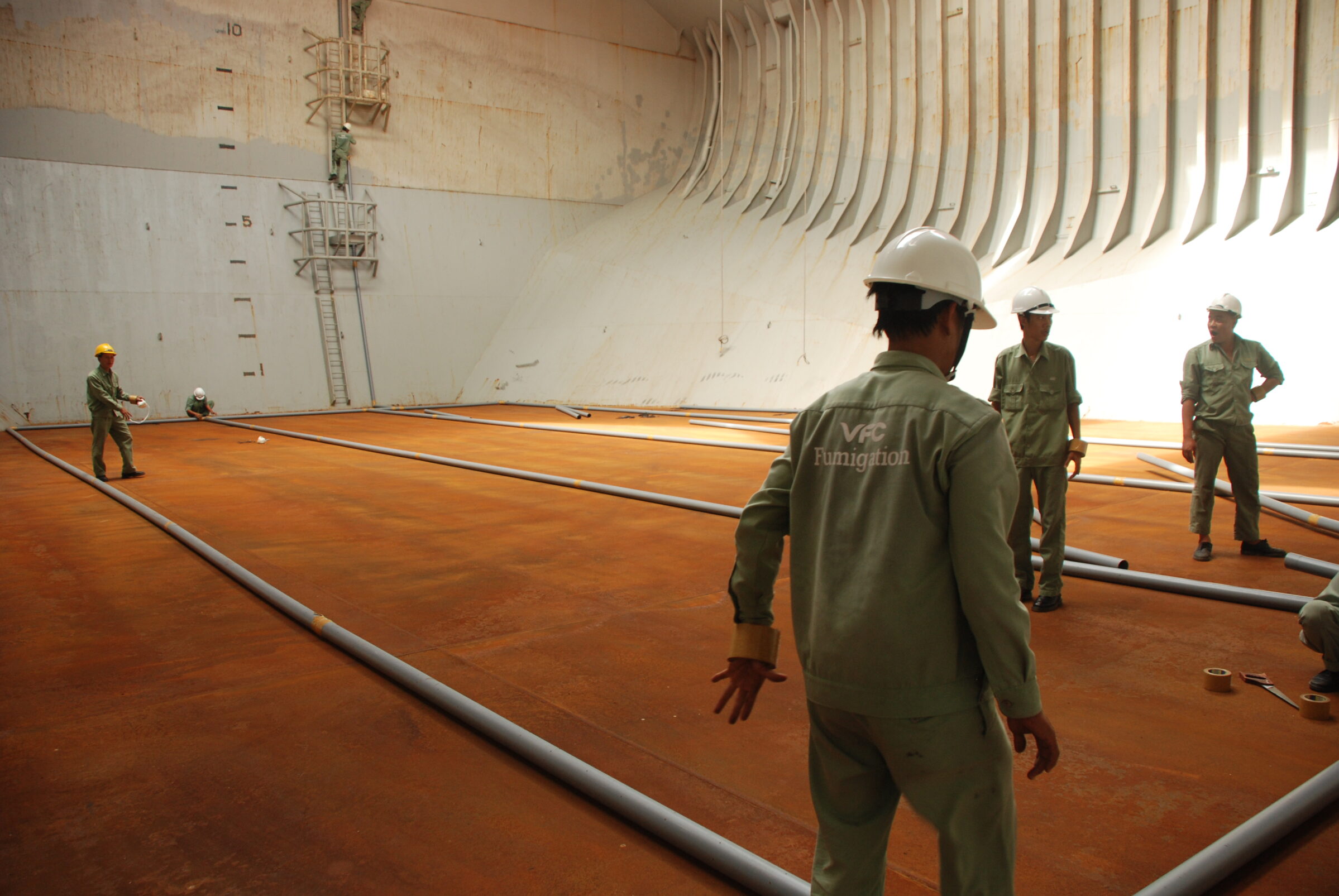
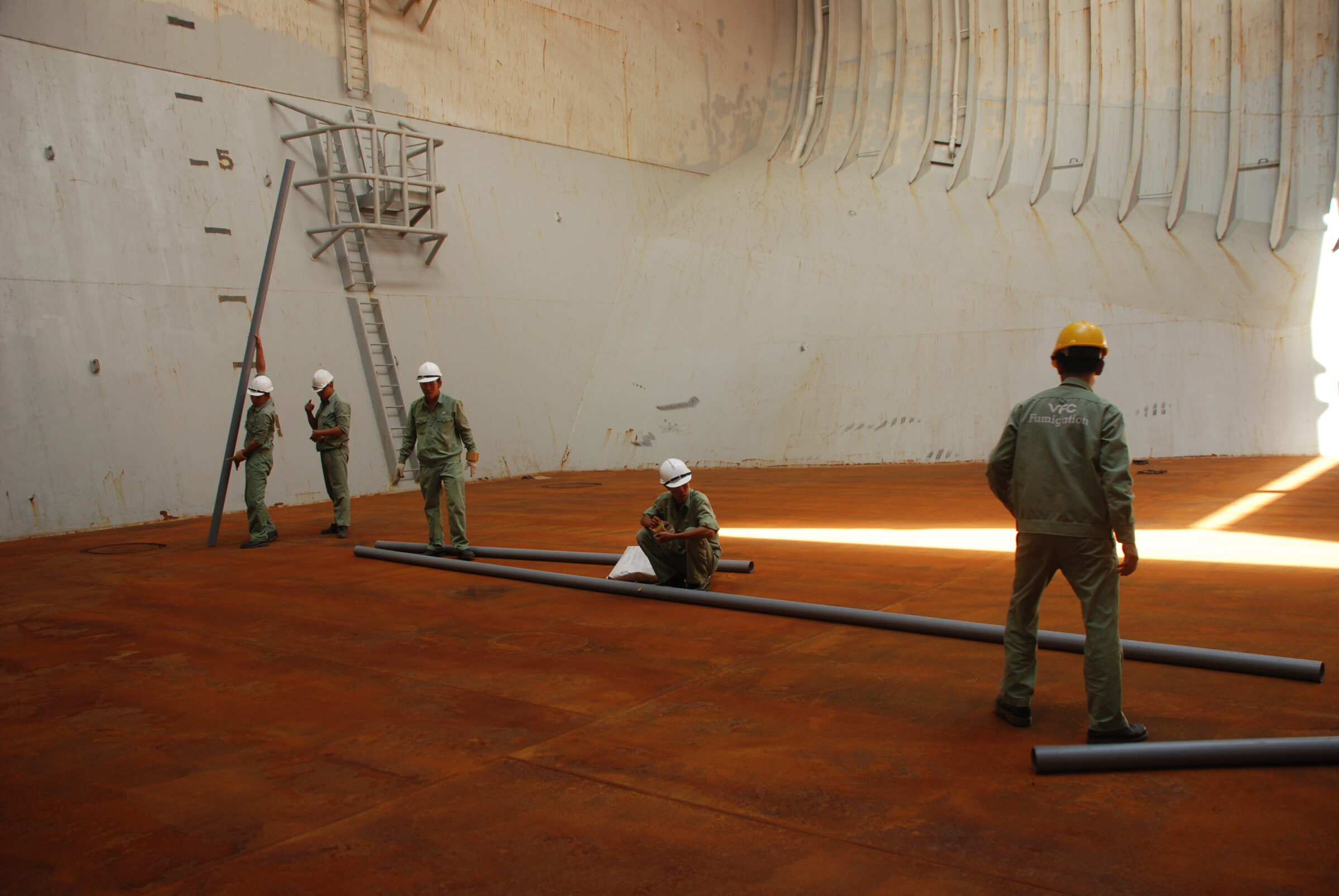
Applied the J-System (internal gas circulation system) to achieve uniform fumigant distribution within cargo holds nearly 20 meters deep, ensuring complete elimination of insects throughout the cargo mass.
Performed fumigation in full compliance with required procedures and prepared clear, consistent certification and shipment documentation for fast verification against quarantine and importer requirements.
Executed the fumigation process safely with effective on-site coordination to ensure completion within the vessel schedule and reduce the risk of delay-related costs.

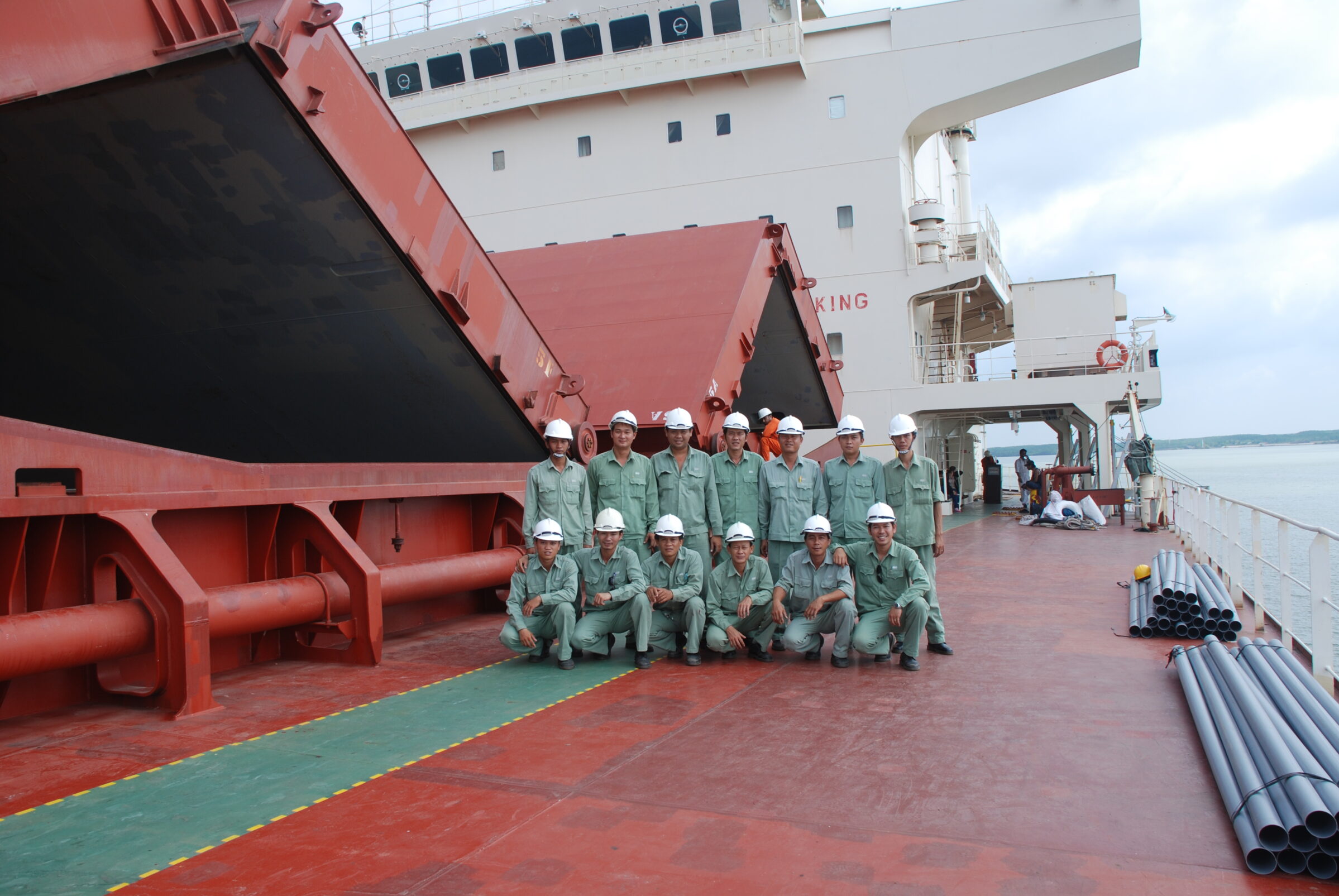
With over 50 years of experience, VFC has successfully applied the J-System technology for the first time in Vietnam. A fumigation plan was implemented successfully, enabling the Golden Eagle vessel to clear customs and complete cargo release quickly in the United States.
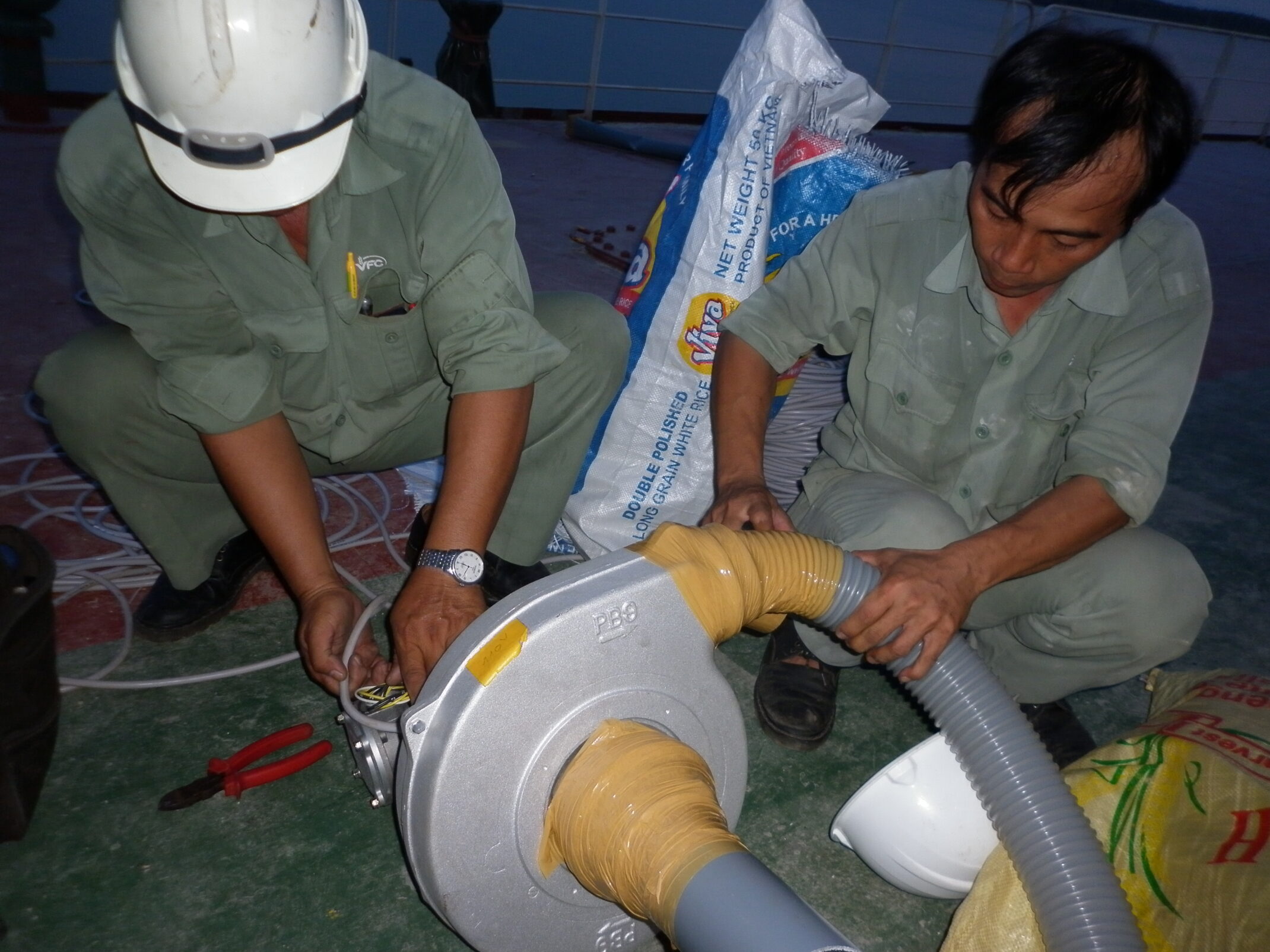
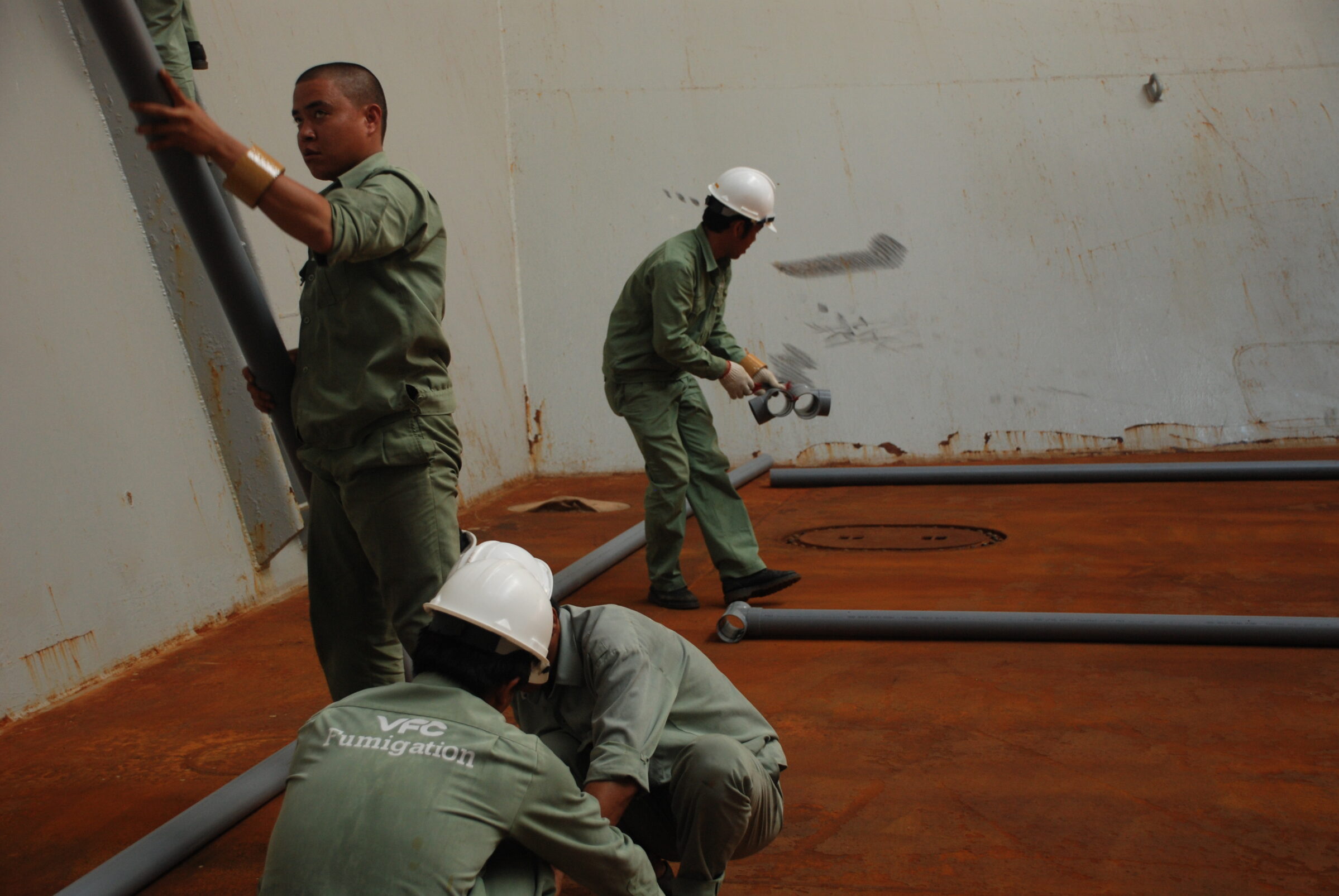
The J-System is an internal air circulation system developed by DETIA DEGESCH, designed to ensure an effective and uniform concentration of fumigant throughout the entire cargo mass through slow-moving air flow.
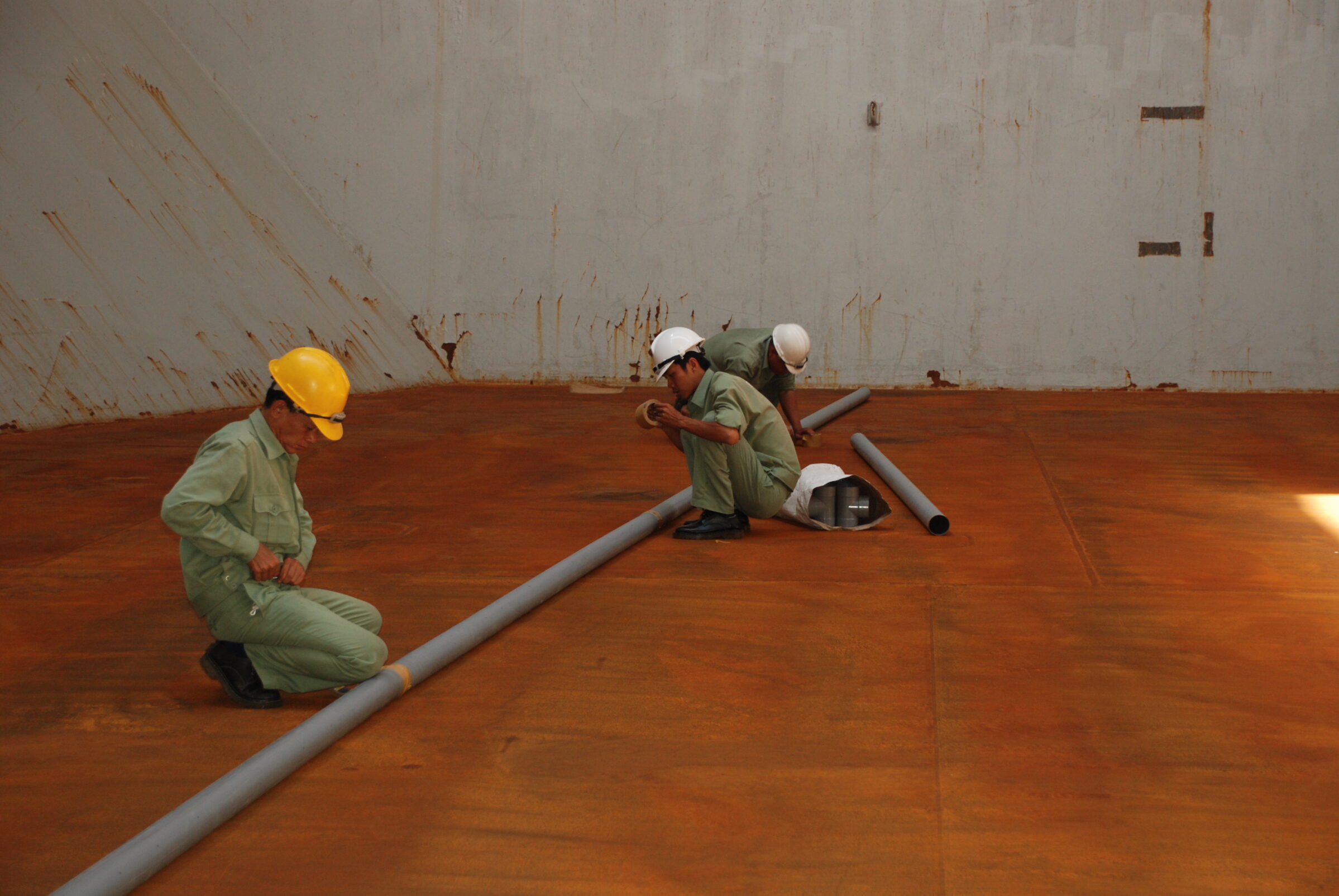
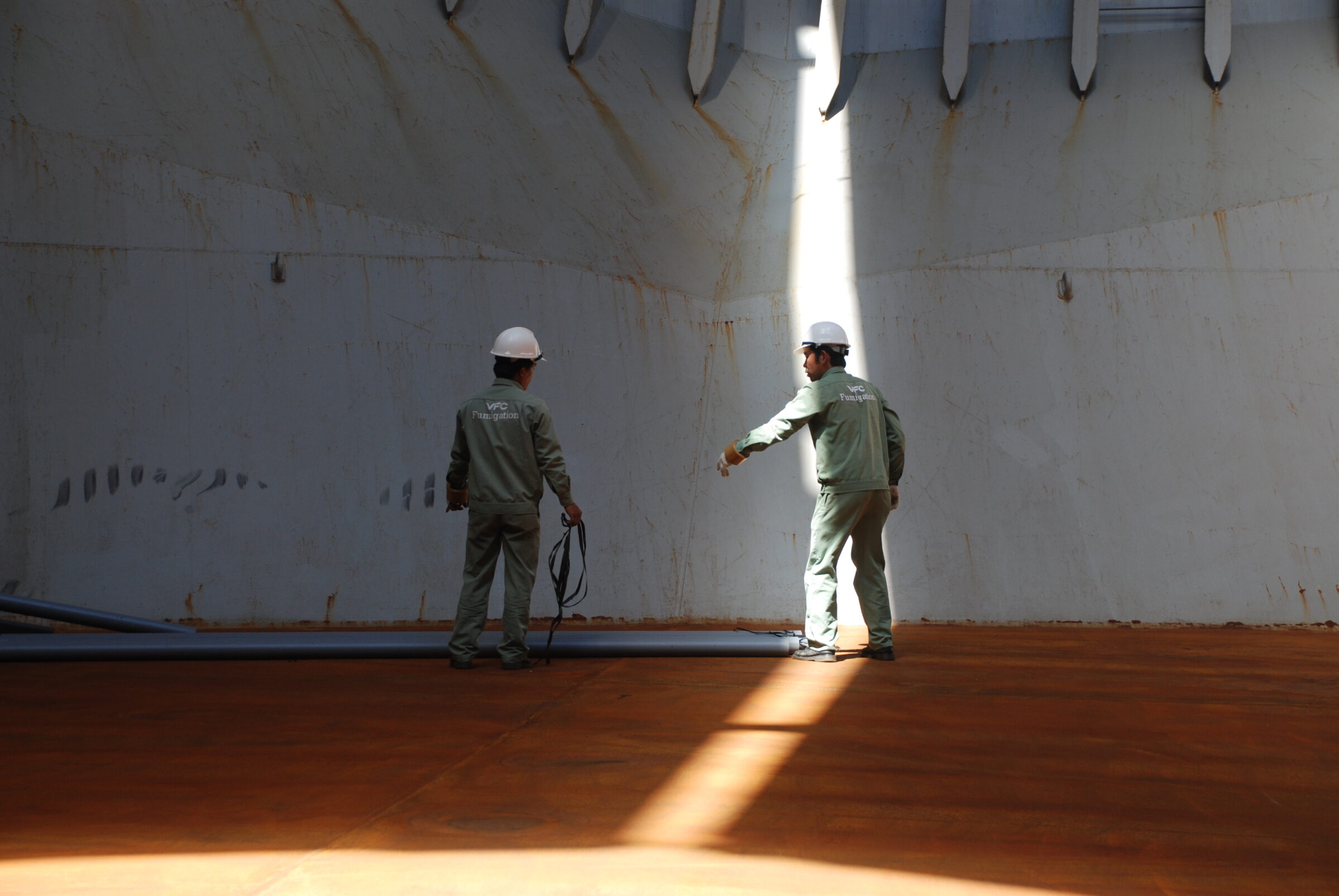
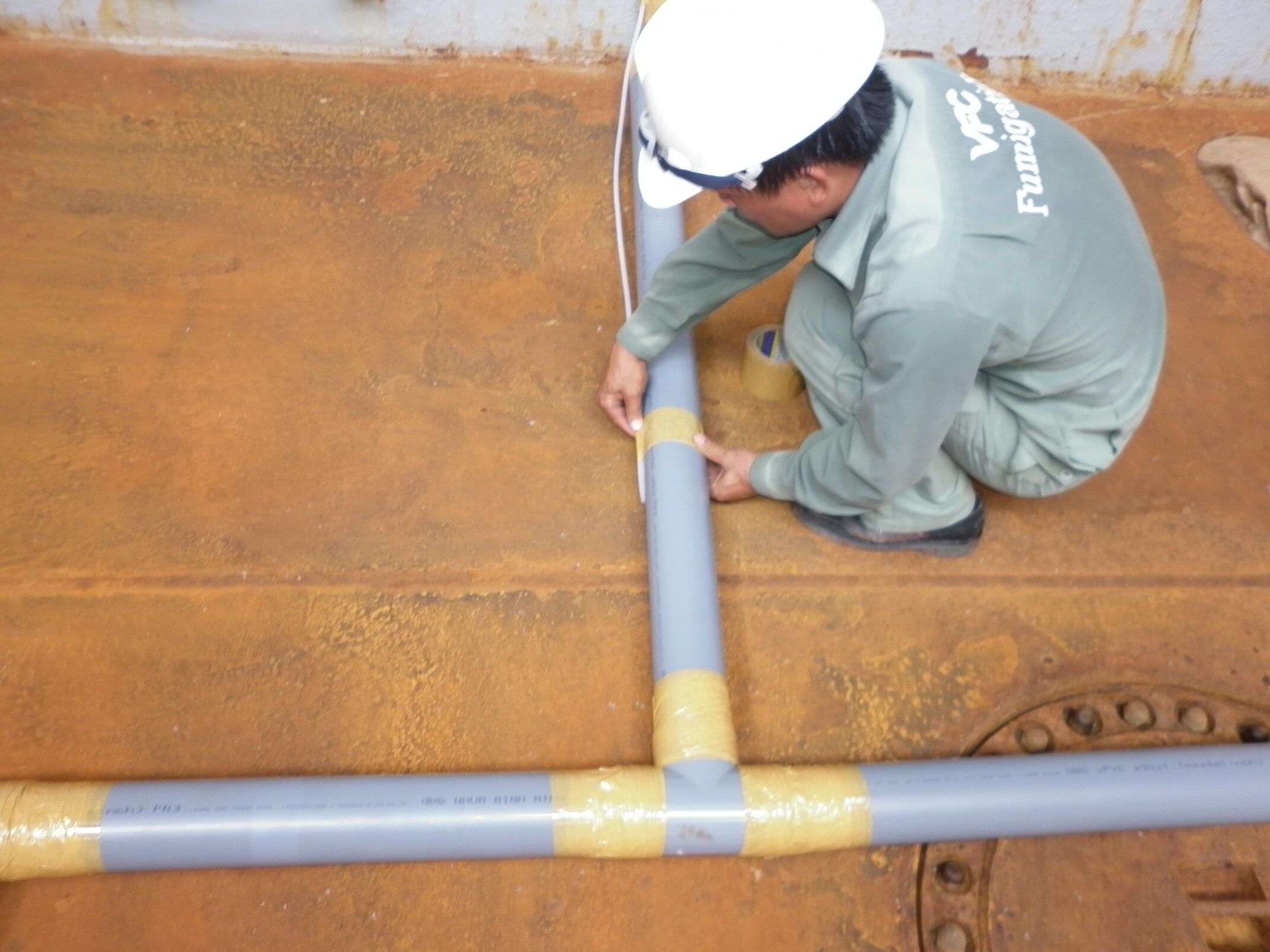
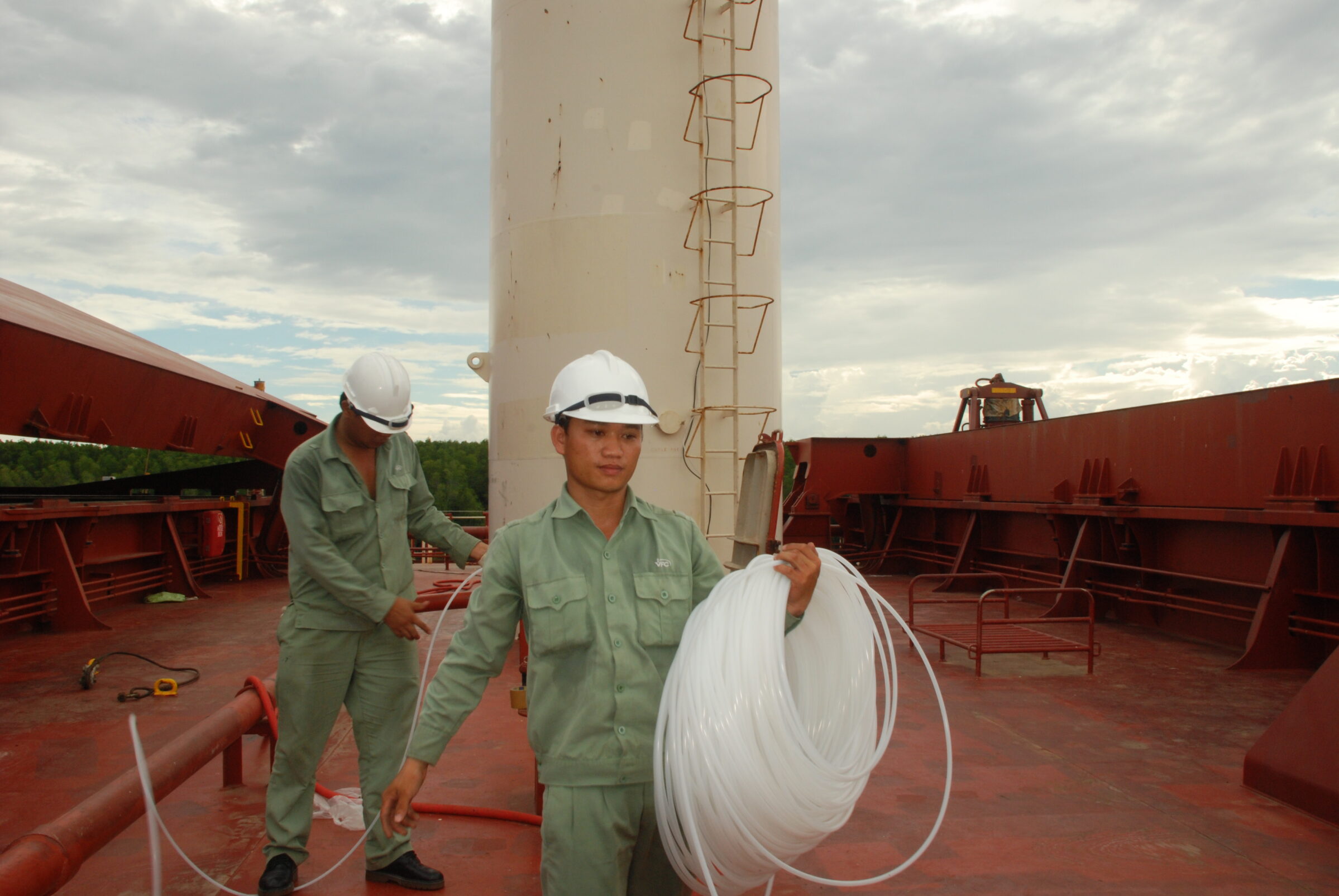
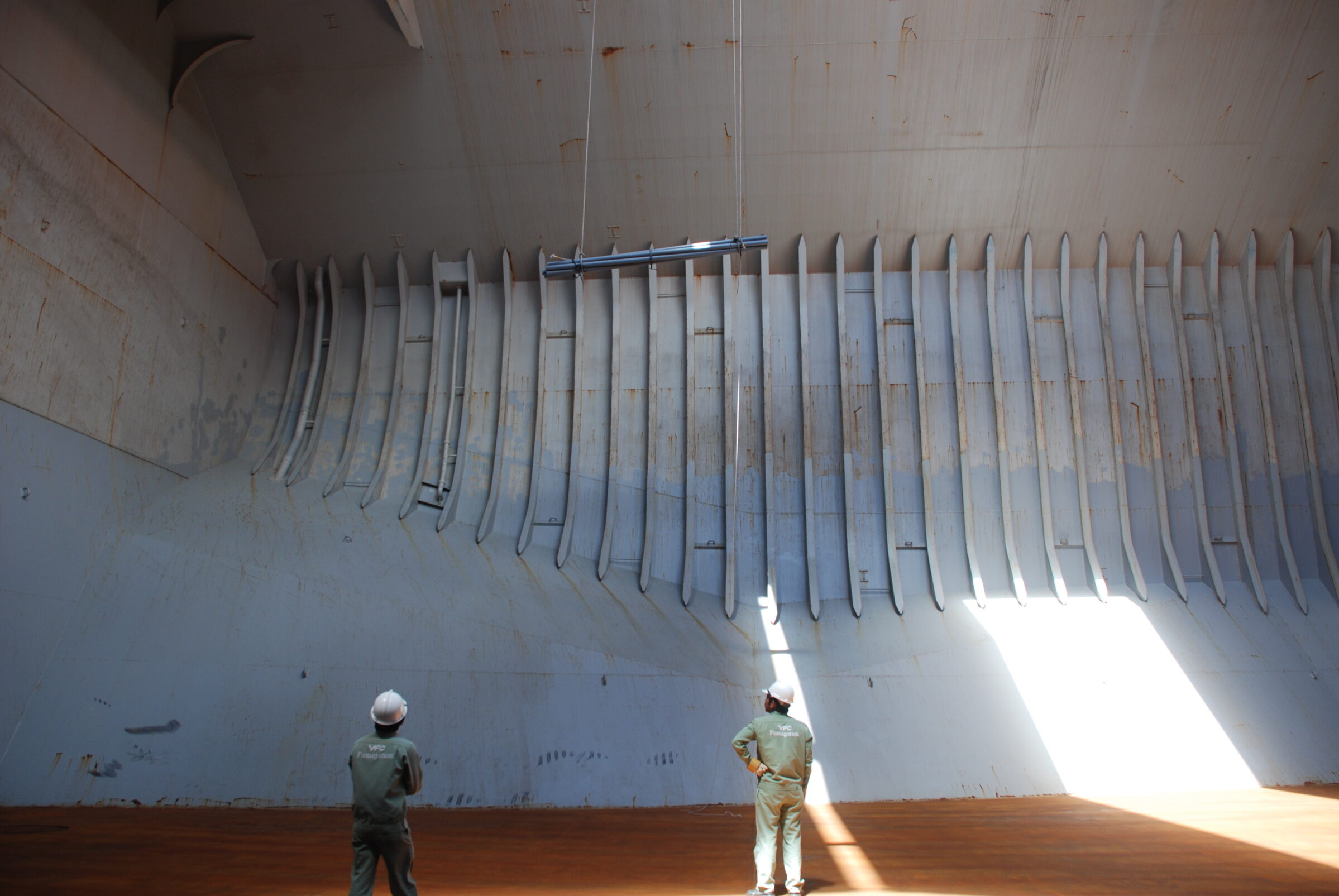
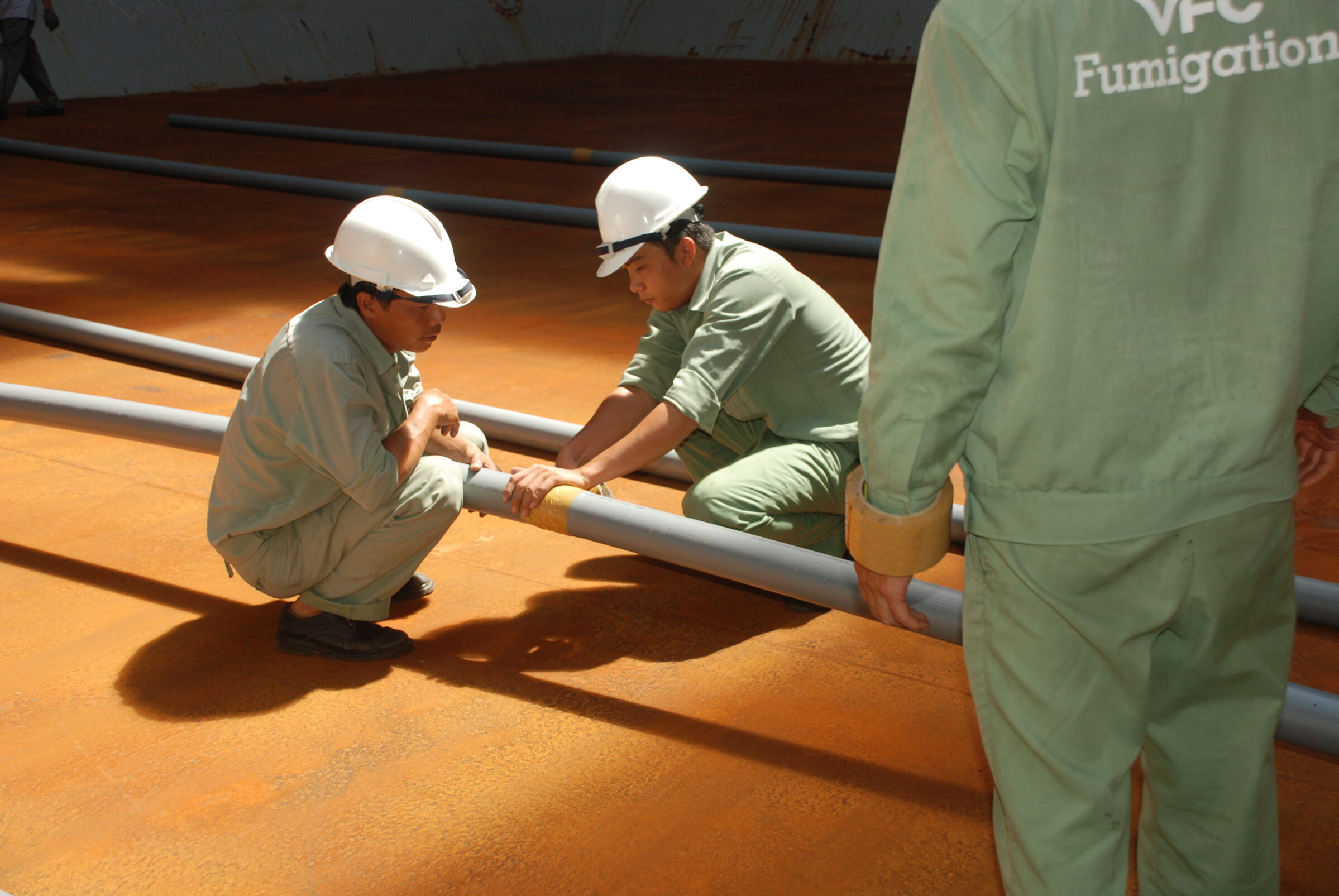
Conducted on-site surveys and designed the installation layout for the gas circulation piping system beneath the cargo hold and vertical piping before cargo loading.
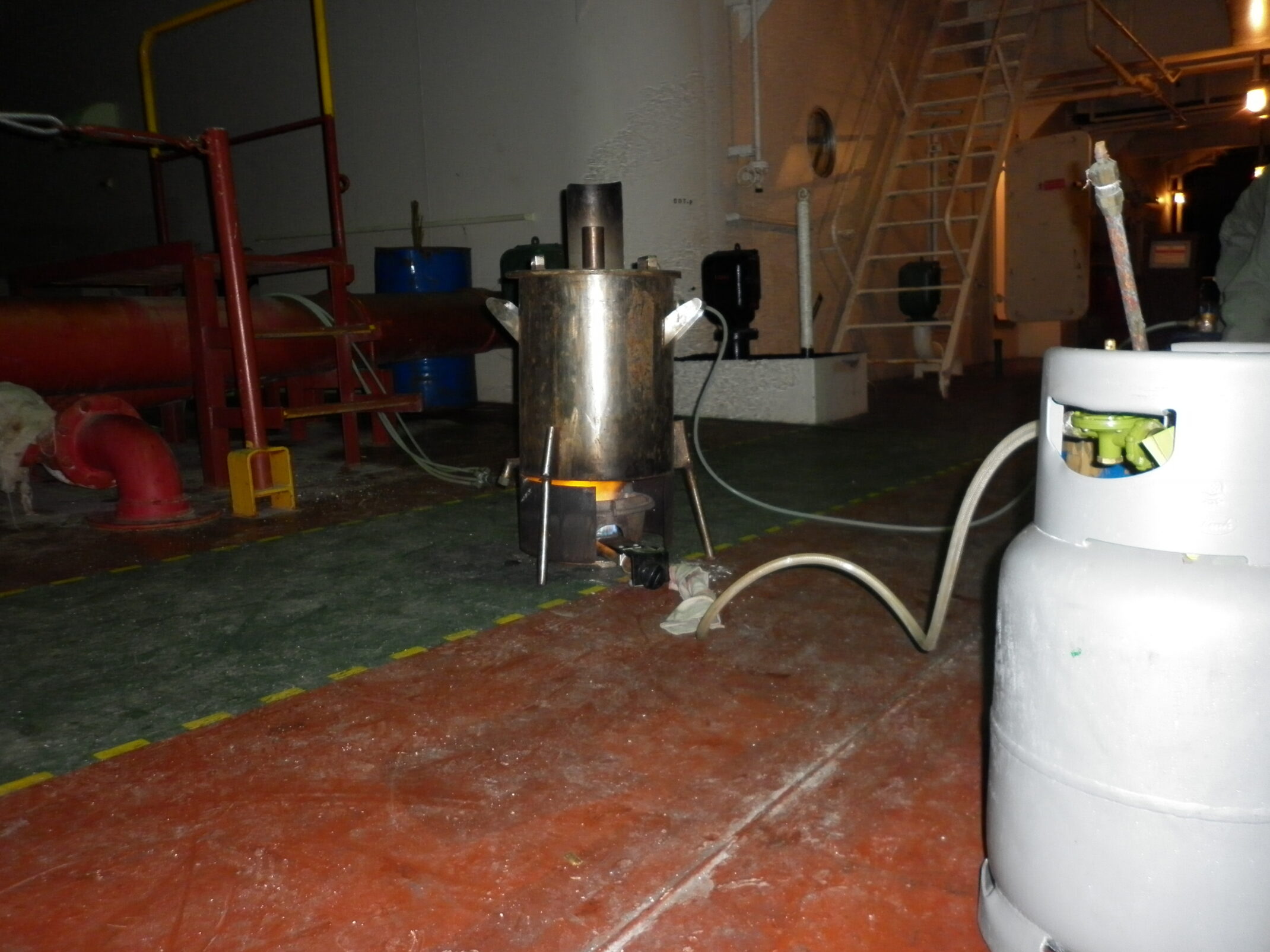
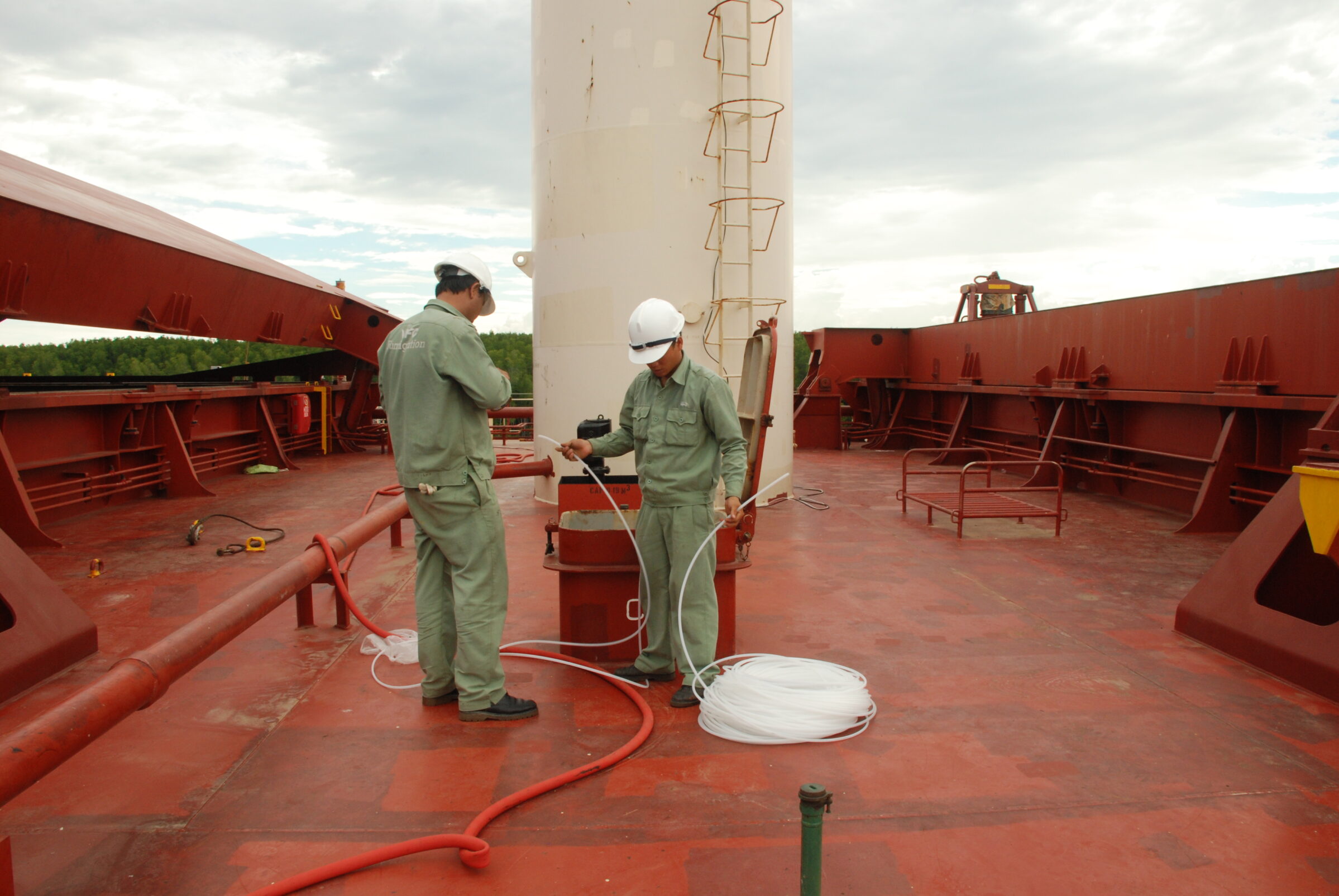
After cargo loading was completed, VFC installed the connection piping system and gas circulation motors linked to the infrastructure beneath the cargo hold.
Applied fumigants, inspected and sealed the cargo holds, then activated the J-System. Proper sealing and monitoring ensured: (1) stable fumigant concentration for complete insect elimination; (2) safety for vessel crews by preventing gas leakage.
Standardized treatment documentation and issued certificates to support fast verification by logistics teams at the destination port.
Results
With the J-System internal gas circulation technology, fumigants were distributed evenly throughout cargo holds nearly 20 meters deep, ensuring effective control and elimination of insects across the entire cargo mass.
A clearly structured execution process and close coordination among all on-site parties minimized delays related to treatment procedures and documentation, ensuring technical operations and certificate issuance were completed in parallel and on schedule.
Certificates and shipment documentation were standardized and consistently structured from the beginning, significantly reducing back-and-forth clarification, repeated verification, and information discrepancies between on-site teams, operations coordinators, and customers.