





Project Overview
- Treated cargo: 32,300 tons of export rice stowed directly aboard vessel Euro Star for transport from Vietnam to Ghana.
- Market context: In the first six months of 2026, Vietnam exported approximately 5.2 million tons of rice, reaching a turnover of USD 2.38 billion. Ghana accounted for 8.5% of total rice export turnover, remaining among Vietnam's key import markets.
- Fumigation protocol: Combined fumigation using Phosphine and Methyl Bromide, formulated based on cargo hold structure, rice volume, transit schedule, and technical requirements of the shipment.
- Key highlight: VFC Fumigation not only directly performed fumigation in Vietnam but also monitored the exact rice shipment upon its arrival at Ghana port. VFC Fumigation representatives surveyed storage warehouses and distribution points, and engaged with partners regarding pest management in the import market.
Project challenges
-
Large cargo volume, complex treatment scope
Vessel Euro Star carried 32,300 tons of rice distributed across large-volume cargo holds. The fumigation protocol had to be designed based on the actual structure of each hold, the depth of the bulk cargo, and locations that could potentially affect fumigant distribution.
-
Dual-fumigant combination protocol
The combined application of Phosphine and Methyl Bromide requires a detailed plan for positioning supplies, fumigant application and injection points, and concentration monitoring locations. Each stage must be precisely coordinated to maintain treatment conditions in accordance with technical protocols and ensure safety throughout the operation.
-
Large-scale cargo hold sealing requirements
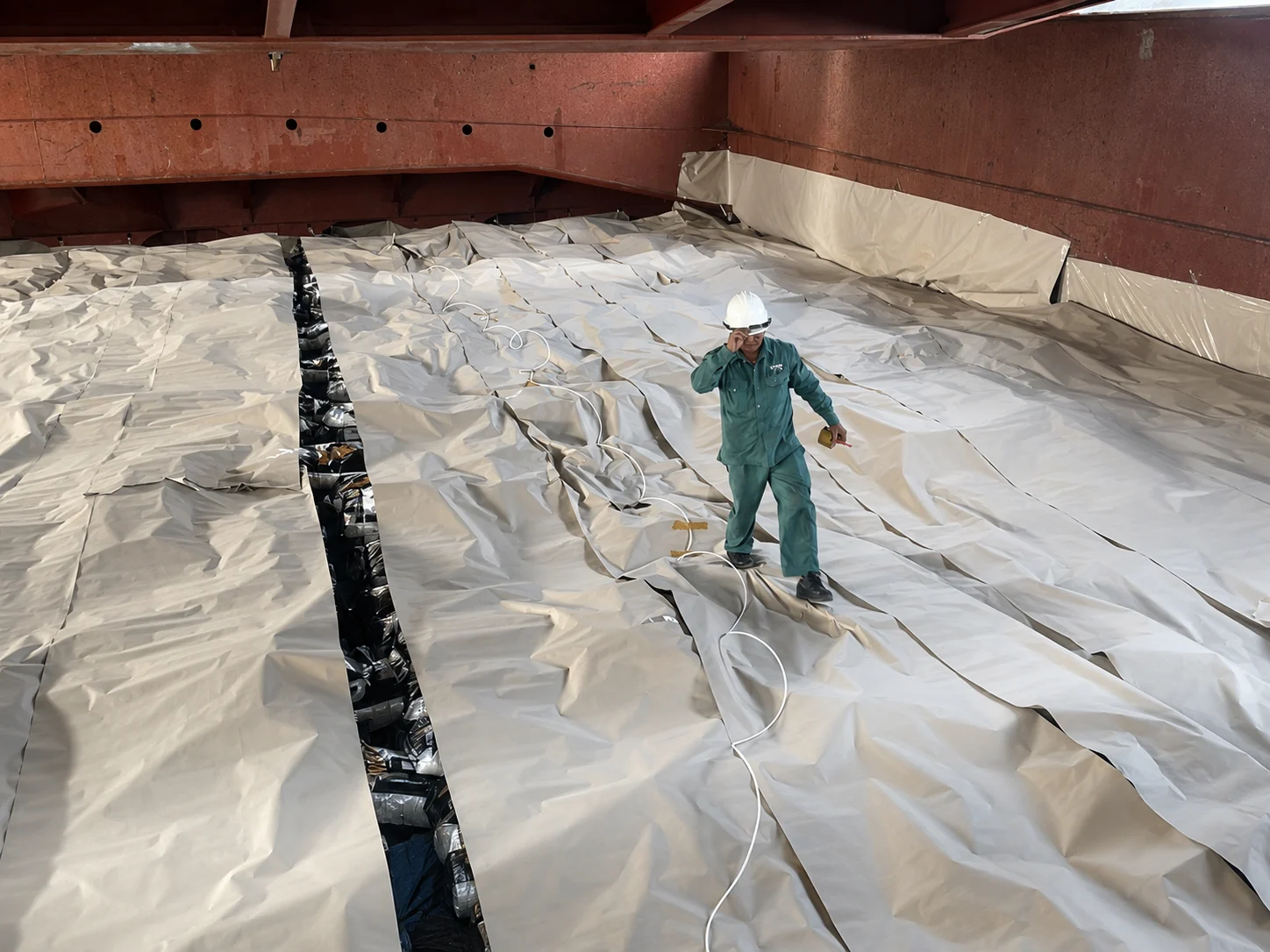
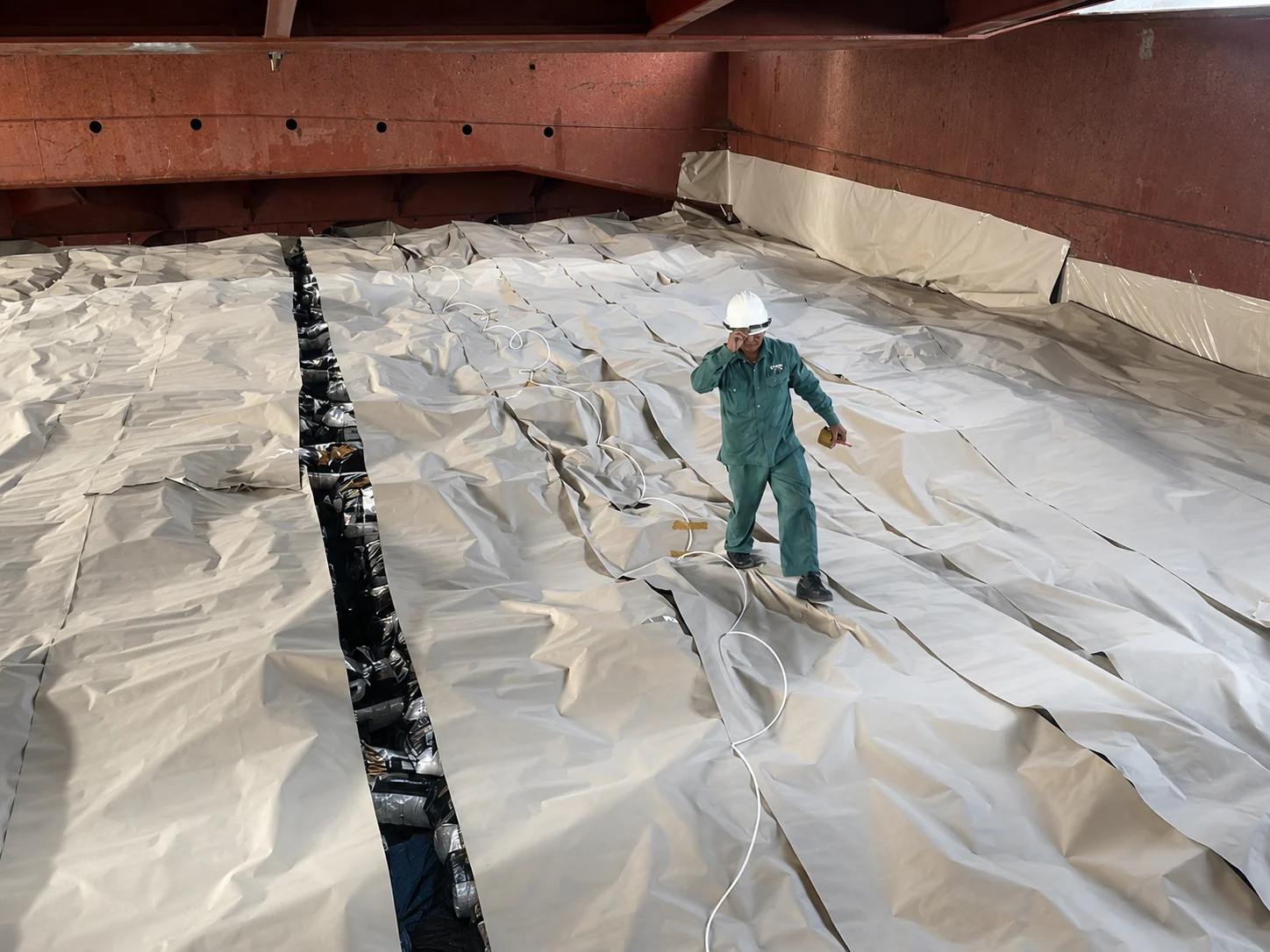
Gaps at hatch covers, ventilation systems, and technical connection points can all affect fumigant retention. The technical team must inspect the entire treatment area, identify potential leakage points, and execute sealing prior to deployment. Structural surveys, fumigant layout mapping, sealing, and leak testing procedures are critical requirements for cargo hold fumigation.
-
Distance between treatment location and import market
Export commodity fumigation operations typically conclude in Vietnam, while the cargo must still undergo several weeks of transit, receiving, warehousing, and distribution in the importing country. The lack of information regarding cargo condition post-arrival makes it difficult for service providers to fully evaluate solution efficacy across the entire supply chain.
-
Coordination requirements with the captain and international partners
Upon completion of fumigation, the vessel continued its voyage to Ghana. Technical documentation, safety instructions, and relevant information were fully handed over to enable the captain to coordinate cargo management during transit.
Project Objectives
Deploy a suitable fumigation protocol for 32,300 tons of rice stowed in cargo holds, helping protect the shipment against pest risks during transit.
Strictly control each stage of fumigant placement, sealing, concentration testing, safety checks, and technical handover to ensure vessel Euro Star departs on schedule.
Directly survey the receiving, warehousing, and distribution of the rice shipment in Ghana, thereby adding practical insights for VFC Fumigation to continually review and refine solutions for future export projects.

Leveraging extensive experience in executing large-scale cargo vessel fumigation projects alongside a foundation of international technical cooperation, VFC Fumigation developed a tailored plan for vessel Euro Star. The project was implemented from the initial survey phase in Vietnam to survey and advisory activities in Ghana:
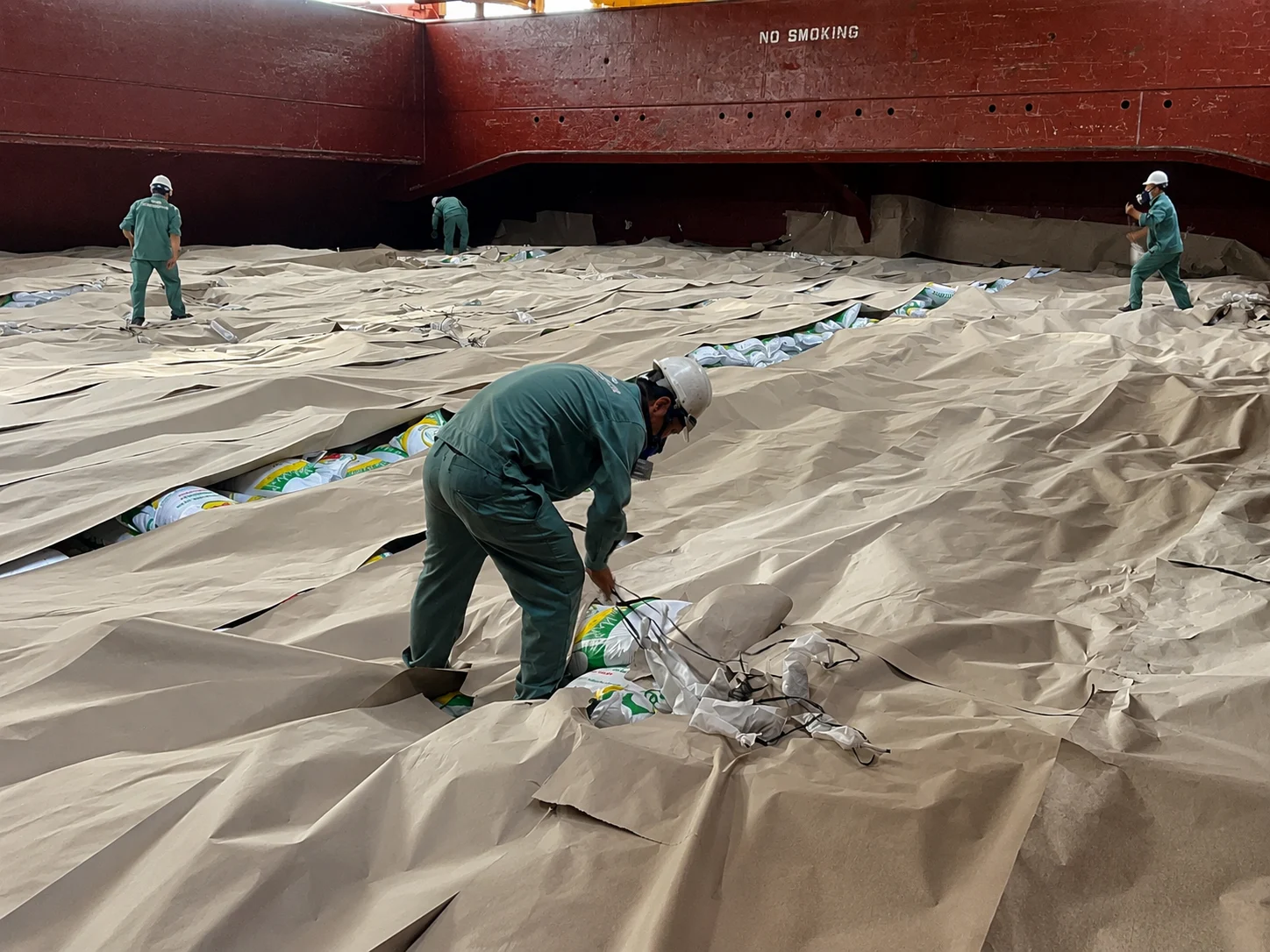
The VFC Fumigation team surveyed the cargo hold structure, rice volume, stowing method, ventilation system, hatch covers, and potential leakage points. Survey data was used to determine the treatment scope, prepare supplies, map fumigant placement, and establish concentration monitoring points.
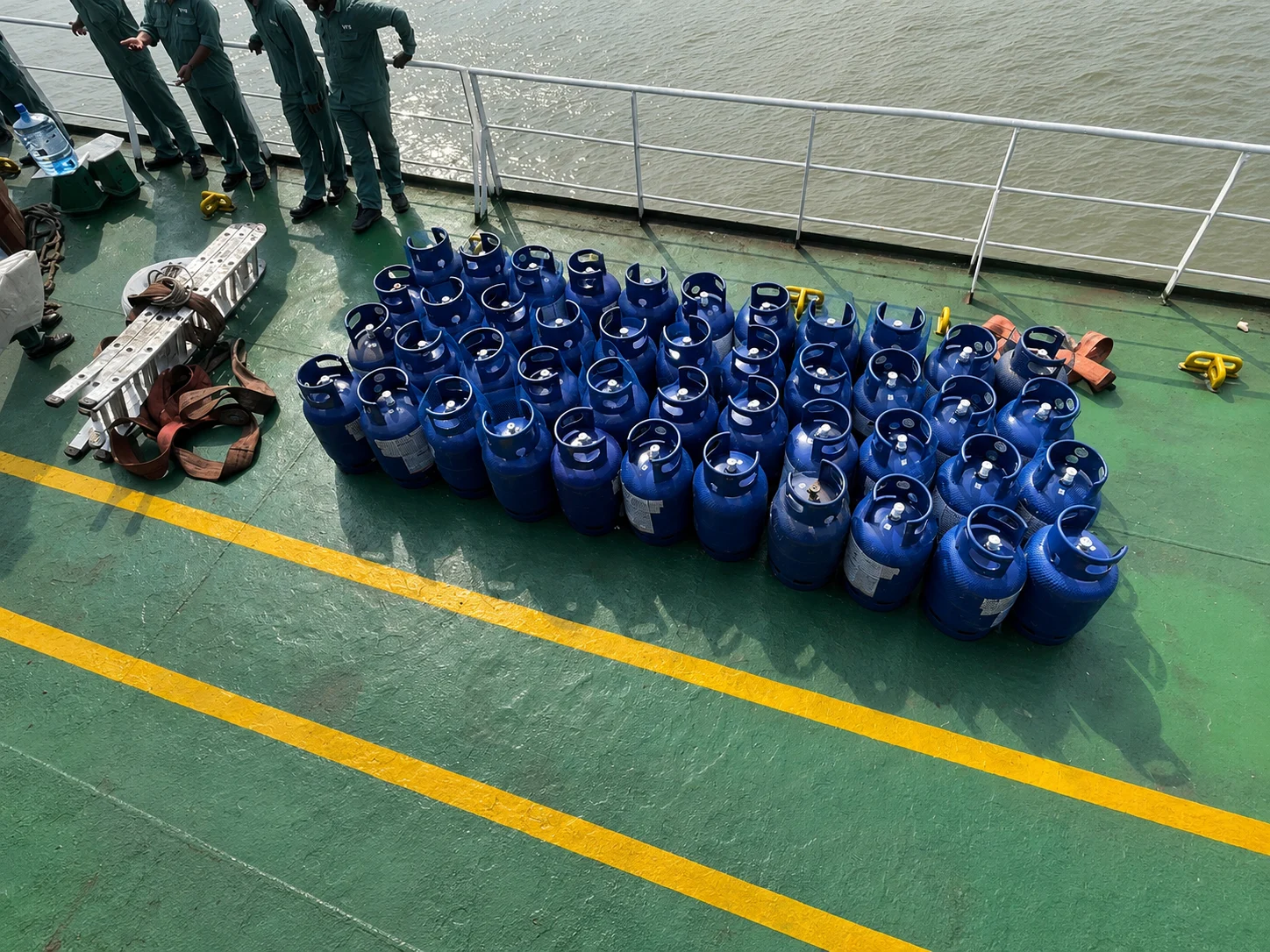
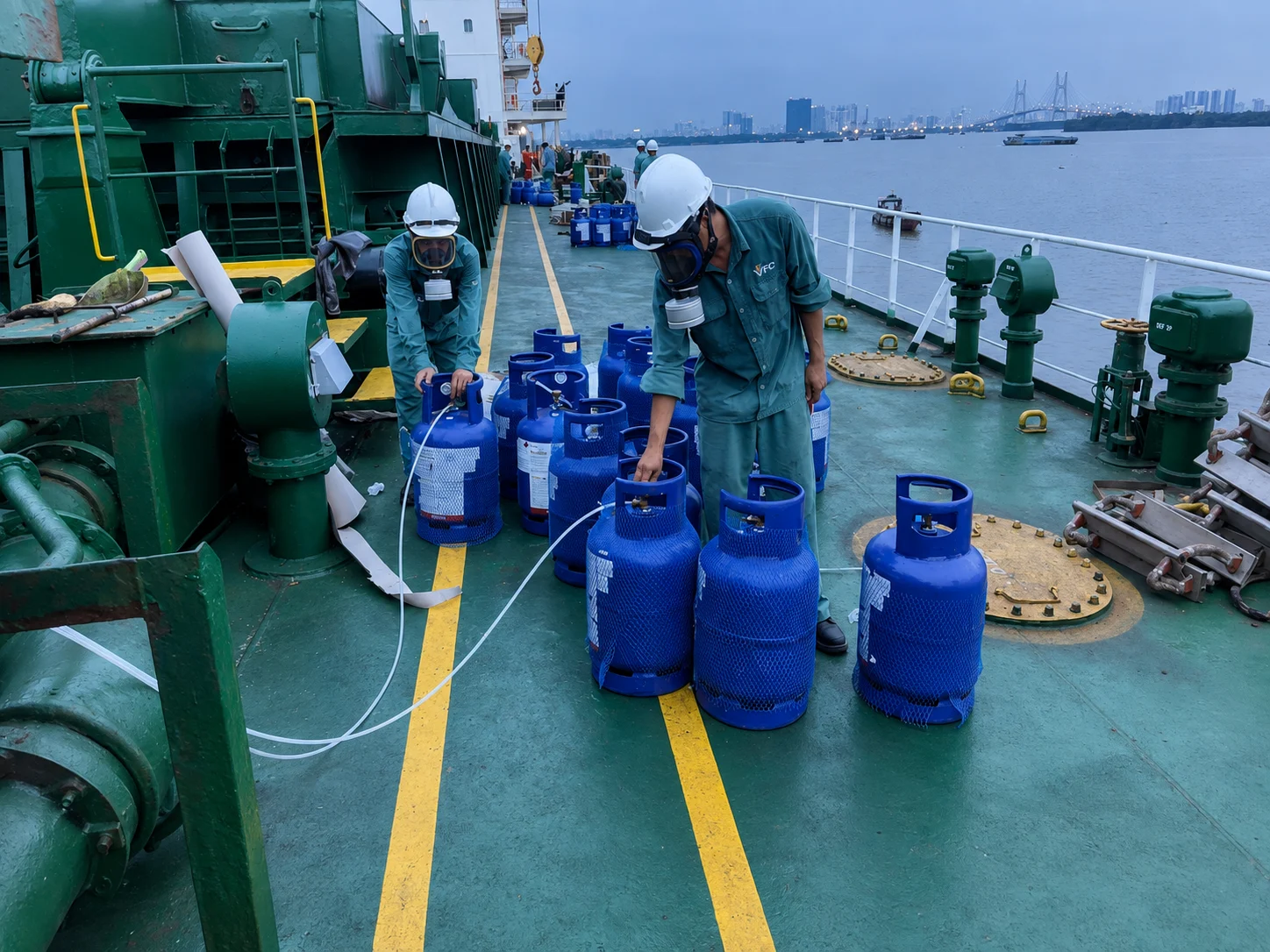
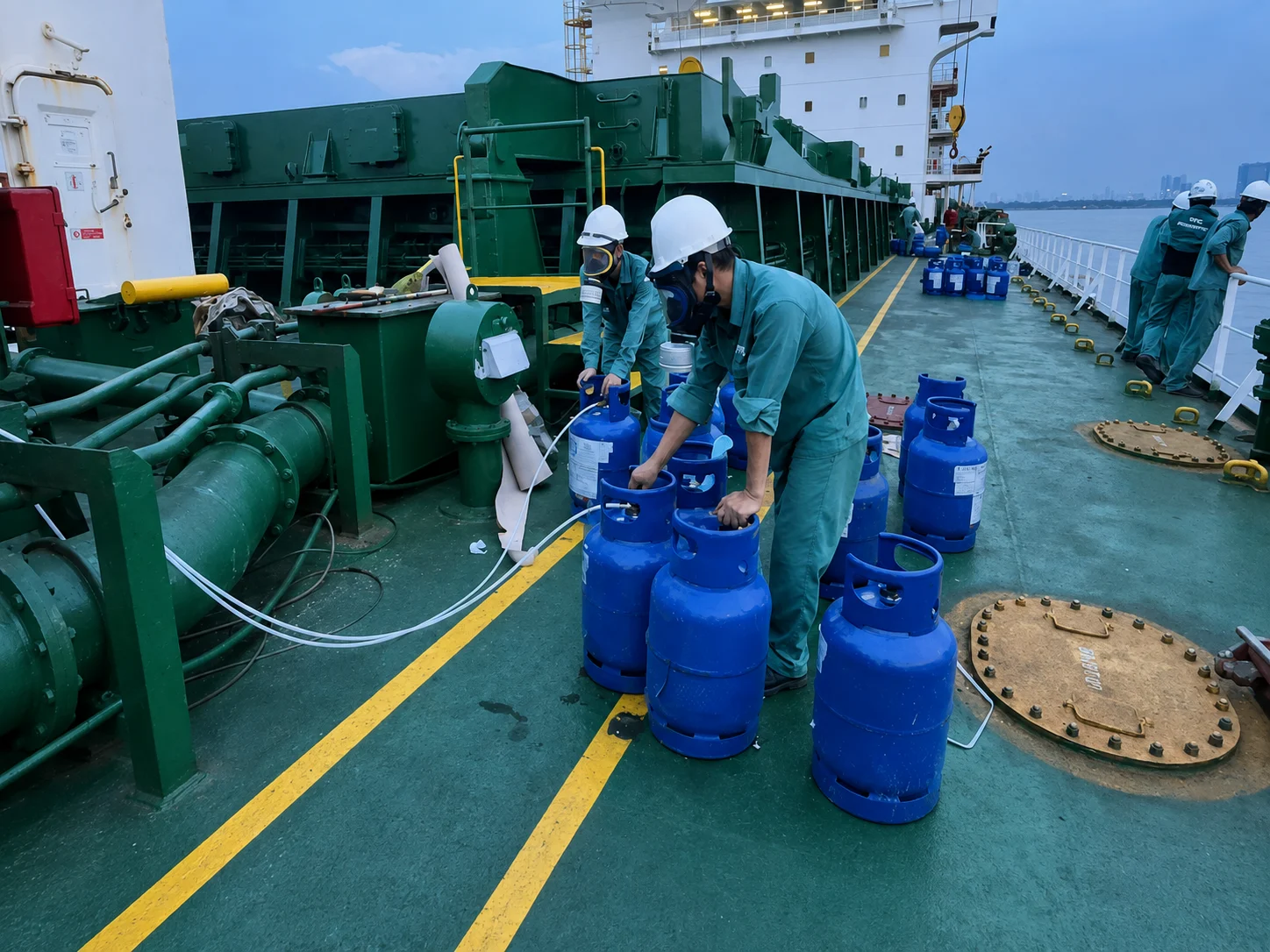
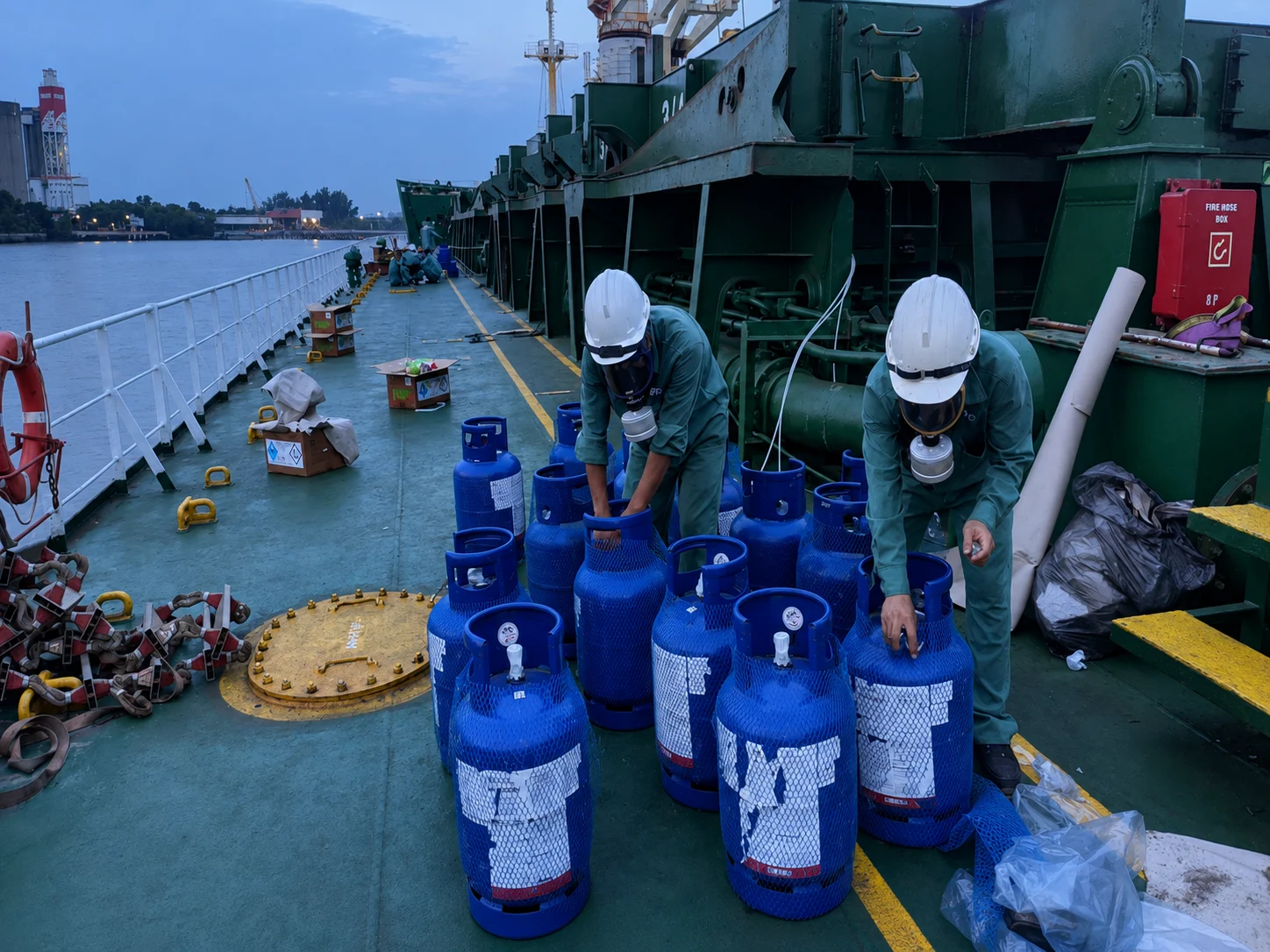
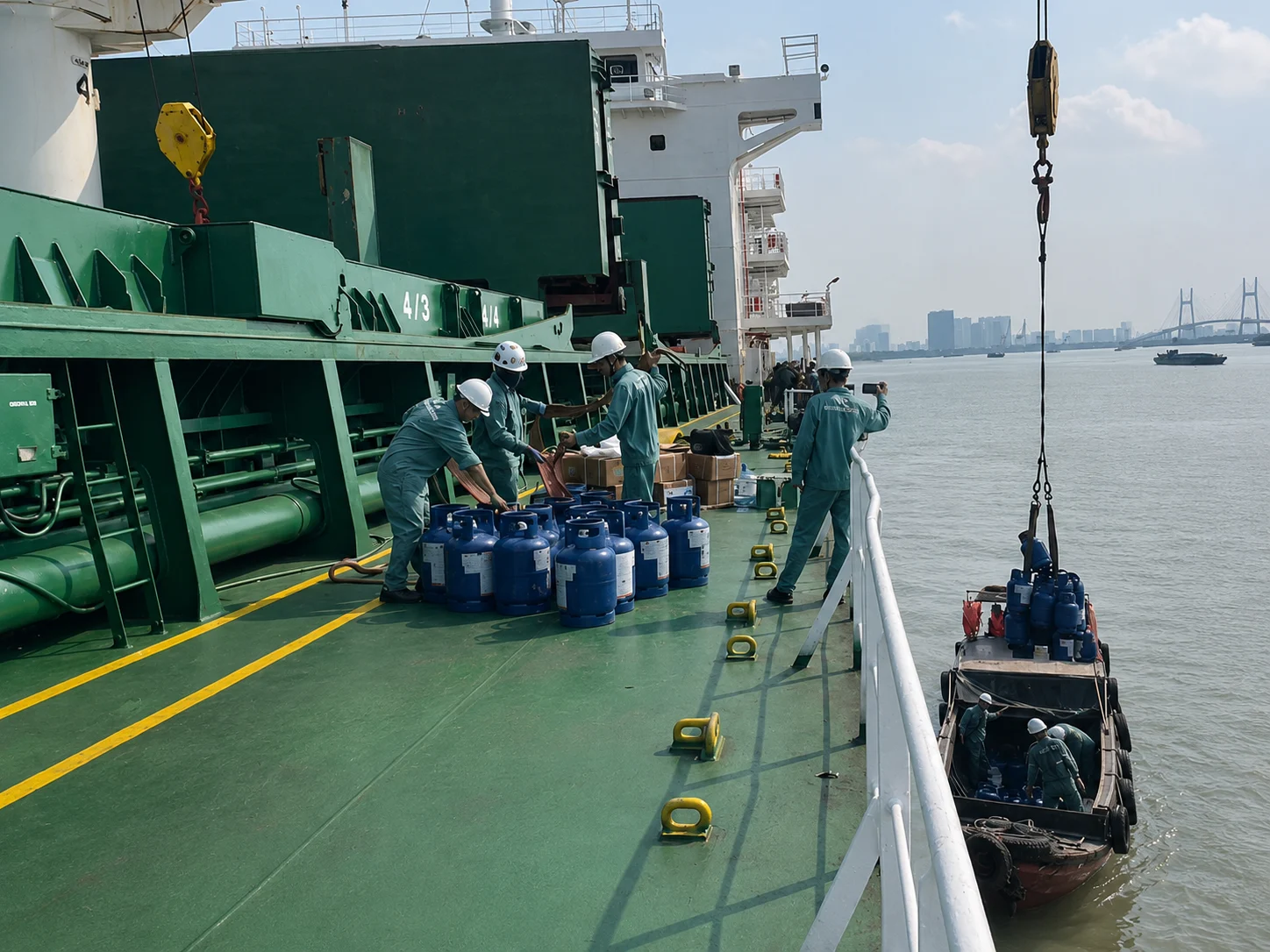
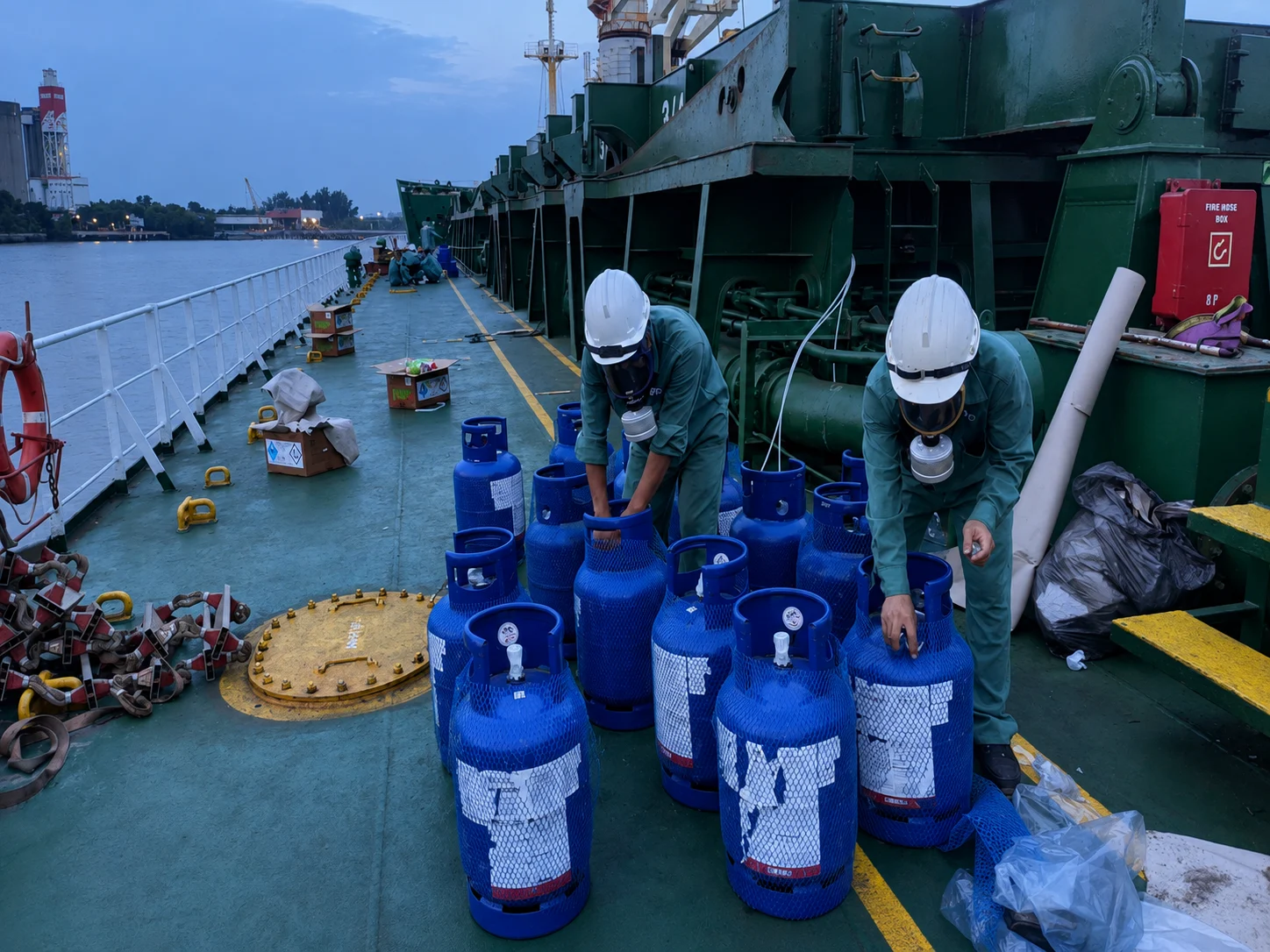
VFC Fumigation fully prepared fumigants, specialized equipment, and necessary supplies prior to bringing them aboard. Phosphine was deployed according to technical layout diagrams; the Methyl Bromide piping system and concentration monitoring points were installed as per the approved plan. This deployment approach aligns with fumigant application requirements based on cargo characteristics, containment structure, and treatment volume.
Upon completing the technical setup, the VFC Fumigation team inspected and sealed hatch covers, gaps, and connection points susceptible to leakage. The operational area was secured with posted guards and equipped with protective gear and specialized inspection tools. Concentration monitoring was conducted at designated points to ensure effective gas concentration levels.
VFC Fumigation completed the operational documentation, provided safety instructions to the captain, and handed over all necessary information for the vessel's voyage. The fumigation certificate was issued and delivered to the customer for the shipment's export documentation set.
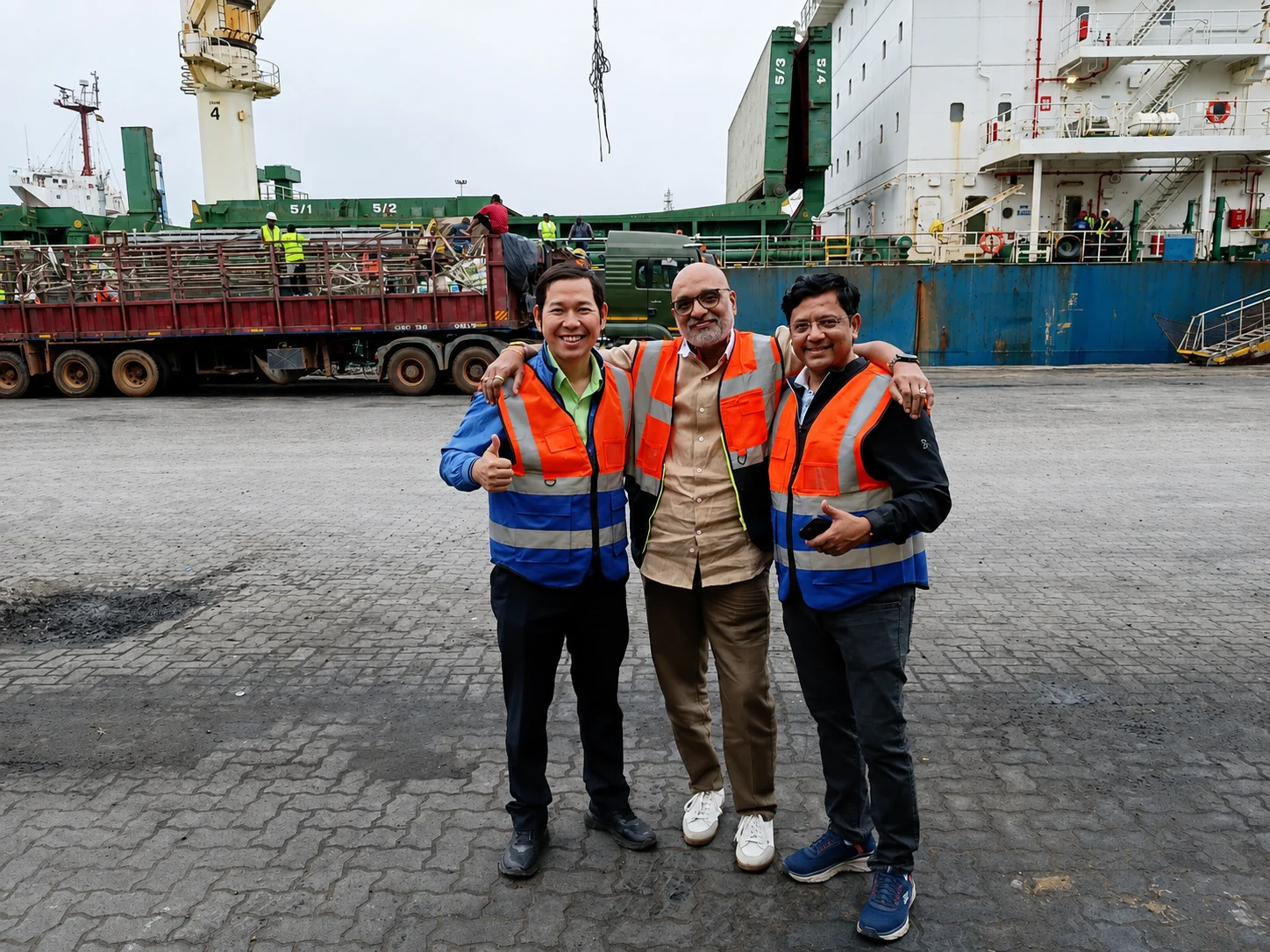
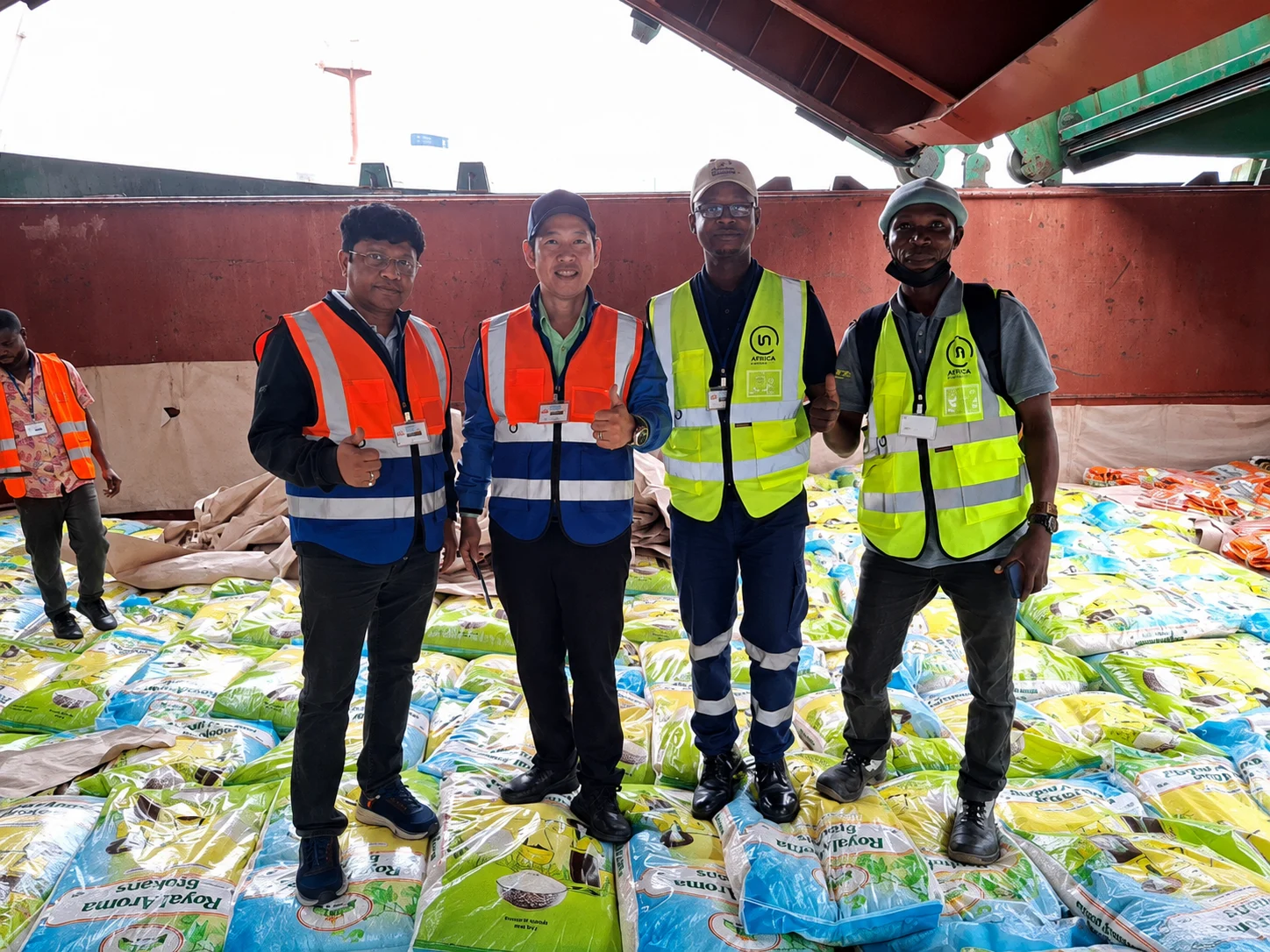
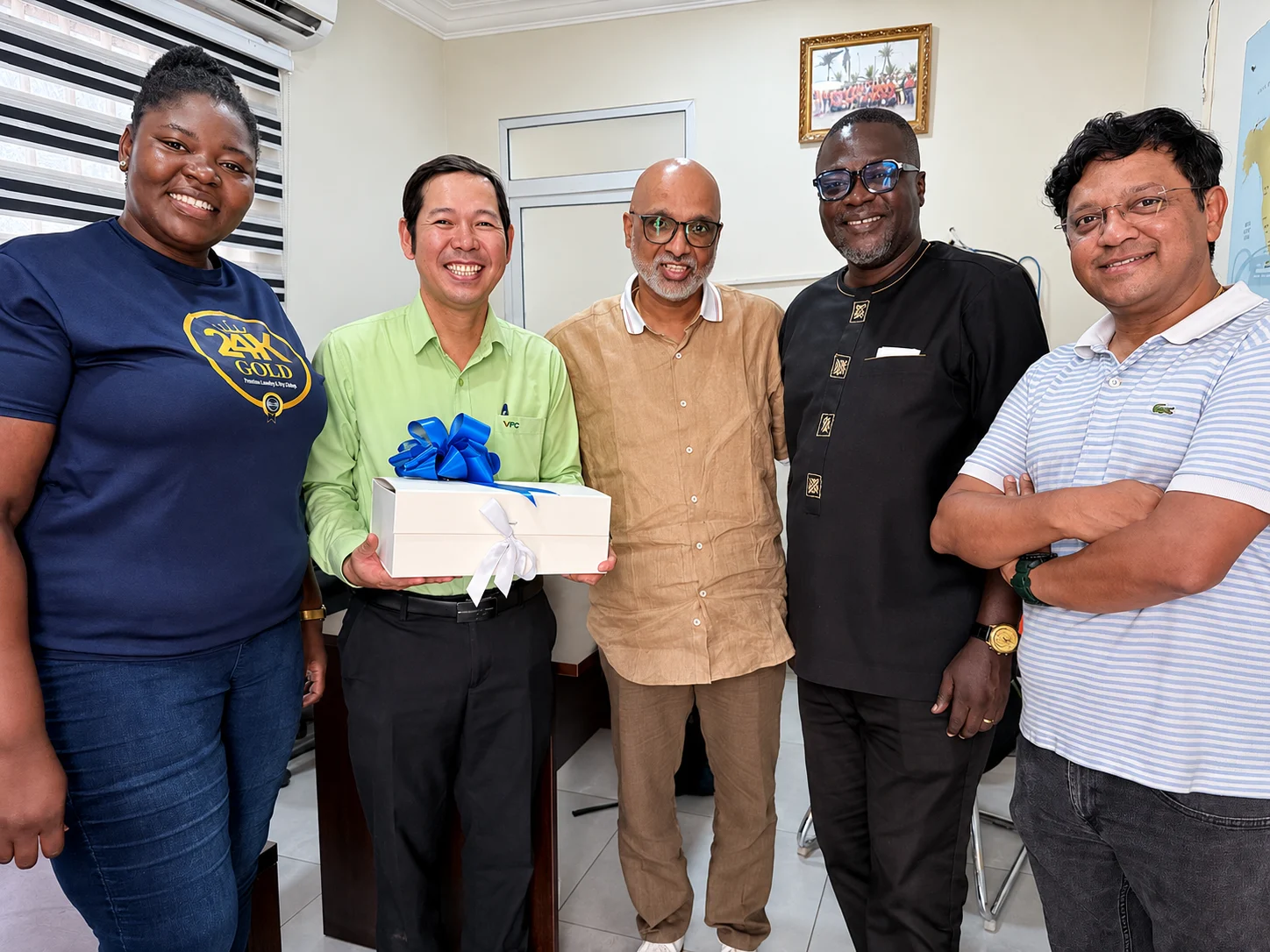
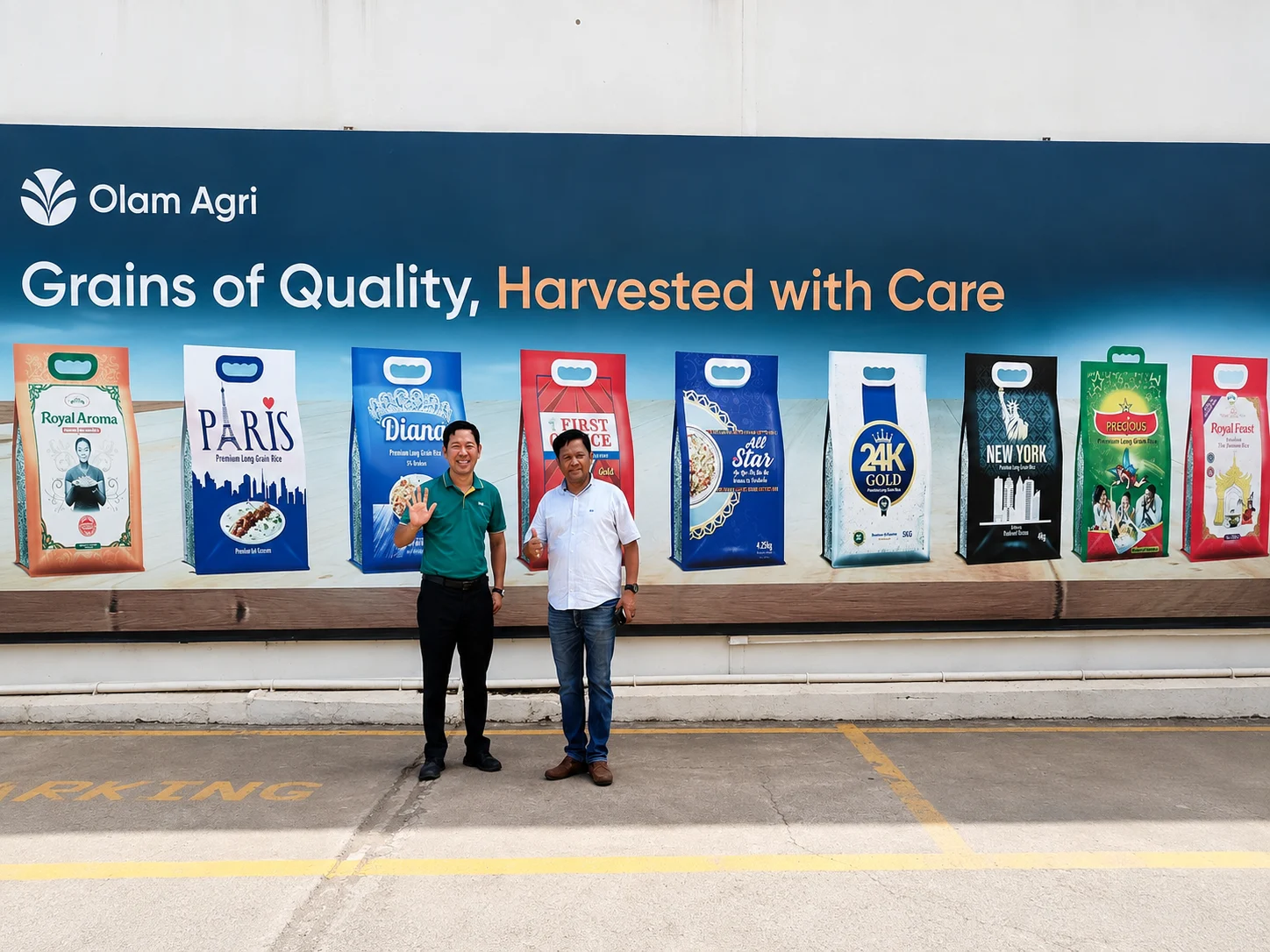
In July 2026, at the invitation of the partner, Mr. Huynh Ngoc Tu - Director of Fumigation, representing VFC Fumigation, personally traveled to Ghana. The VFC Fumigation representative monitored the exact rice shipment treated in Vietnam post-arrival at the port, while also inspecting storage warehouses and distribution points, and discussing pest management with partners.
Results
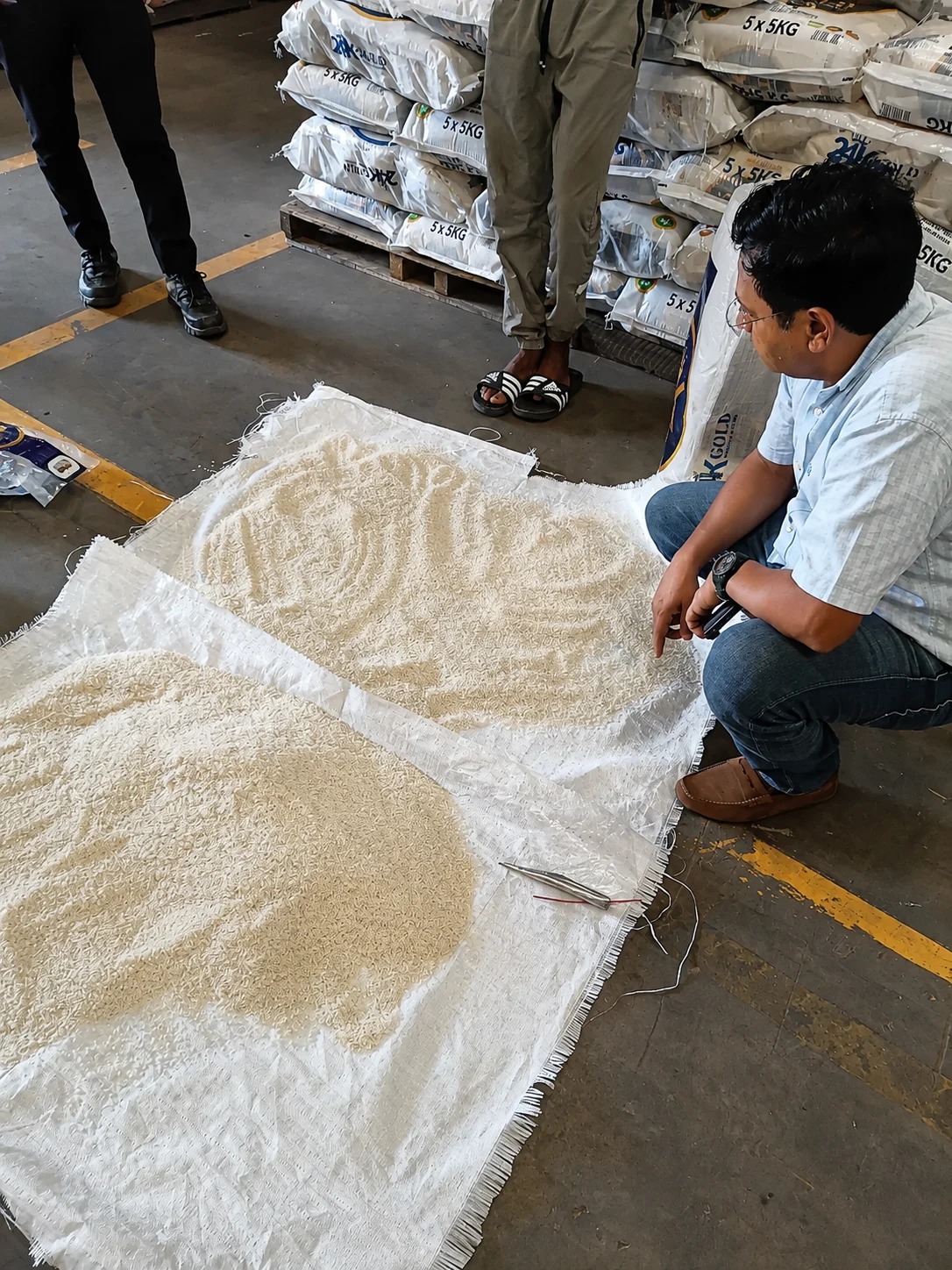
After several weeks of maritime transit, the rice shipment cleared customs smoothly at the destination port, where it was received by the client and transferred into their warehousing and distribution network in Ghana. The VFC Fumigation representative directly witnessed cargo handling operations in the import market.
The business trip enabled VFC Fumigation to observe the shipment's entire journey after leaving Vietnam, from port arrival and warehousing to distribution. These practical insights provided a stronger basis to evaluate the deployed solution and improve advisory quality for future export projects.
The project marks a transition from executing fumigation at origin to a more comprehensive approach to the supply chain. VFC Fumigation accompanies partners both in Vietnam and in the import market, aiming to safeguard cargo value throughout the journey.