





Fumigation for cargo exported to Australia

Common challenges
Risks when cargo exported to Australia fails to meet quarantine requirements
Common challenges
- Difficulty determining whether cargo is subject to BMSB treatment or specific requirements based on the type of goods, country of origin, shipping route
- Cargo not covered under the BMSB program may still have live pests, resulting in inspection or treatment requests at Australian ports
- Fumigation schedules may not align with cargo loading and transportation plans
- Unsuitable treatment methods, concentrations, or exposure periods may fail to meet the technical requirements applicable to the shipment
- Missing or inconsistent certificate information, or certificates issued by unrecognized providers, may not meet Australia's recognition requirements
VFC Fumigation’s Solution
- Check cargo type, country of origin, destination, and transportation method to determine the applicable BMSB requirements
- Assess cargo risks and recommend suitable fumigation methods, taking into account treatment requirements under Australian standards
- Coordinate with customers, forwarders, and relevant parties to arrange fumigation schedules that align with loading and vessel departure plans
- Control treatment methods, fumigant concentrations, and exposure periods according to applicable technical requirements
- Verify treatment provider eligibility, complete certificates with QR Codes, and cross-check documentation against Australian requirements
In fumigation of cargo exported to Australia
Risk mechanisms

Incorrect identification of BMSB treatment requirements
Failure to clearly identify whether a shipment falls within the BMSB treatment scope may result in incorrect planning. Determining the applicable requirements should be based on DAFF regulations for each shipment
Treatment that fails to meet standards
Unsuitable treatment methods, dosages, temperatures, or exposure periods may prevent the shipment from meeting the technical requirements of the importing market
Inconsistent documentation
Discrepancies in cargo descriptions, container numbers, or treatment records may lead to additional verification or document checks
Unapproved treatment providers
Using a fumigation provider not recognized by Australian authorities under the applicable program may result in the certificate not being accepted
Solution implementation
Process flow

Request intake
Receive complete information on the cargo, destination, fumigation location, and export schedule to identify suitable treatment plans

Site survey and assessment
Inspect actual cargo conditions, loading arrangements, packaging, sealing conditions, and fumigation requirements according to Australian standards

Fumigation Execution
Arrange equipment, materials, and personnel; carry out fumigation and monitor the treatment process according to the technical plan

Concentration monitoring
After 24 hours of treatment, inspect fumigant concentration and supplement gas if required

Cargo/container ventilation
Ventilate the cargo or container and measure fumigant concentration to ensure safe conditions

Issuance of the Fumigation Certificate
Complete treatment records and issue fumigation certificates for the shipment
Why businesses choose VFC Fumigation
What makes our solution different
VFC Fumigation approved by DAFF
VFC Fumigation is the first company approved and certified to carry out fumigation in accordance with AFAS regulations, Australia's fumigation programs

QR-verifiable fumigation certificates
Verify certificates through QR Codes, helping customers, forwarders, and partners check and cross-reference information

More than 50 years of experience
Established in 1976, with over 15,000 customers in the fumigation industry

Alignment with delivery schedules
Coordinate with factories, warehouses, and forwarders to arrange treatment schedules in line with transportation plans
Flexible technical plans for different structures
Develop fumigation plans suited to each type of cargo and loading conditions to ensure treatment effectiveness

Consultation from the beginning
Assess conditions before export to avoid situations where cargo is ready but requirements remain unmet
Applicable Cases
Fumigation projects
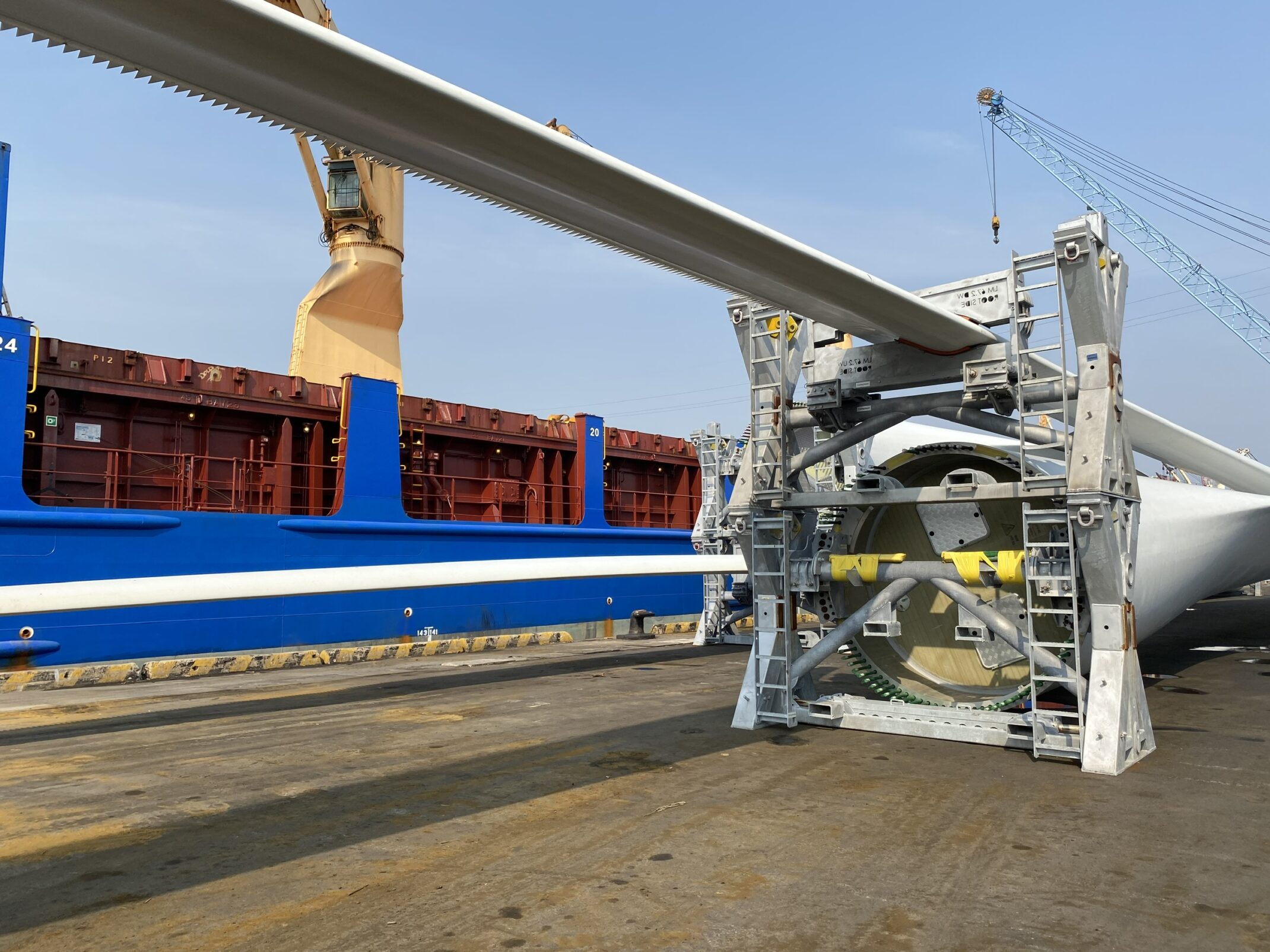
BMSB treatment for wind turbine blades exported to Australia
VFC Fumigation is a provider in Vietnam recognized under the AFAS/AusTreat program for fumigation treatment of large cargo and wind turbine blades
View details →Fumigation services
What VFC Fumigation offers businesses
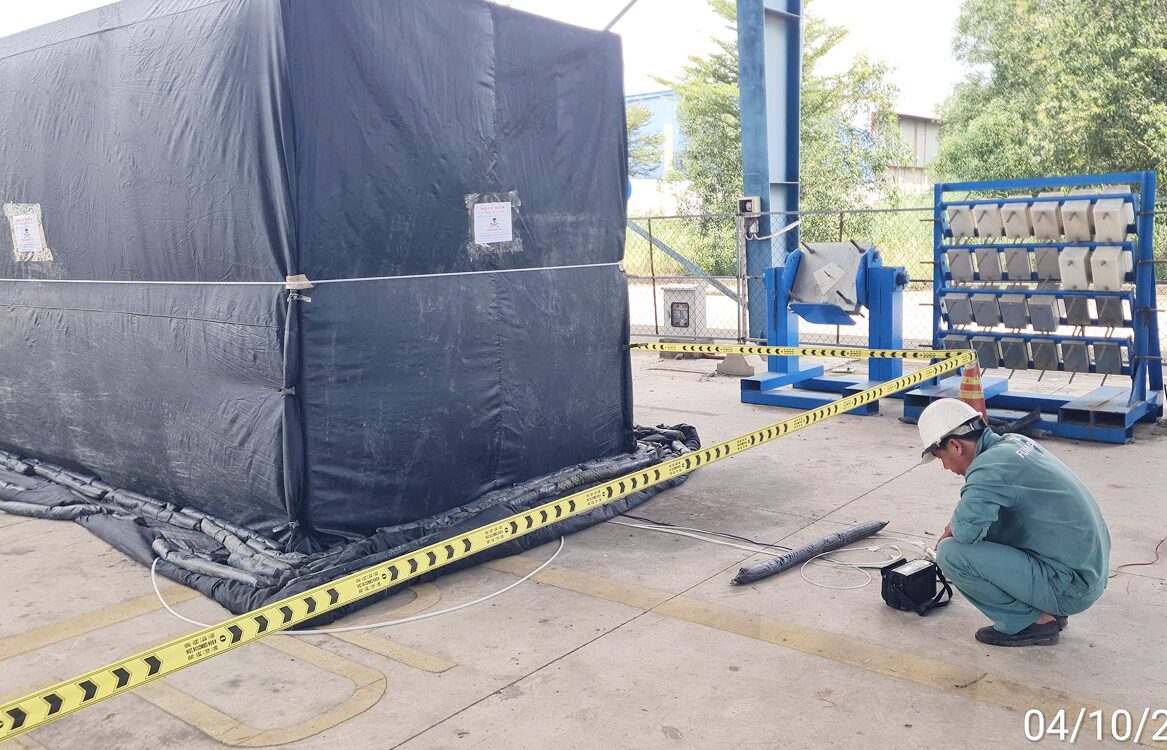


15,000+ customers have trusted our services over the past 50 years
FAQs
Frequently Asked Questions
For cargo exported to Australia and treated under AFAS requirements, businesses must verify that the treatment provider is authorized for the relevant treatment methods and registered scope. The information to check includes the provider’s name, AEI code, approval status, treatment method, and certification requirements. VFC Fumigation supports customers in verifying relevant information and preparing fumigation documentation within the scope of services provided.
Businesses should provide details such as cargo type, packaging materials, HS code, country of manufacture or origin, transportation route, loading method, destination port, and expected loading schedule. If there are specific treatment requirements from the buyer, freight forwarder, or Australian agent, businesses should also provide the relevant documents for verification. Based on the shipment details and actual conditions, VFC Fumigation will advise on applicable treatment requirements, implementation options, and necessary documentation.
Not all shipments exported to Australia are subject to mandatory fumigation. Requirements depend on the type of goods, country of origin, cargo condition, transportation method, and applicable biosecurity regulations. For goods subject to BMSB measures, businesses must identify the relevant risk category, associated country, and shipping date. Agricultural and plant products must also be checked against specific import requirements in Australia's BICON system. VFC Fumigation reviews shipment information to help determine the appropriate treatment requirements before export.
The BMSB season generally runs from September 1 of the current year to April 30 of the following year, based on the date the goods are loaded onto the vessel. During this period, mandatory treatment measures apply to targeted goods associated with risk countries. Other goods are subject to inspection requirements depending on the current regulations of Australia's Department of Agriculture, Fisheries and Forestry (DAFF). Businesses should verify the requirements for each shipment to determine the exact treatment measures applicable.