




Category:
Fumigation Technology,
Standards & Regulations

Published date:
19/06/2026
Share



When a buyer, forwarder, or overseas agent requests verification of a fumigation certificate, businesses need a fast, clear, and reliable way to cross-check information. In response to this need, VFC Fumigation has implemented the 2-layer transparent fumigation model to enhance the verifiability of export documentation, support businesses in controlling documentation risks, and increase trust across the international supply chain.
1. Why is documentation transparency becoming increasingly important?
In a previous article, VFC Fumigation shared: What is transparent fumigation? When technology replaces “Trust” in export operations. While that article focused on the shift in how businesses choose a fumigation service provider, this article goes deeper into a specific application of transparent thinking: 2-layer transparent fumigation.

Export operations today involve more touchpoints than before. A shipment may pass through multiple parties before reaching the final buyer: the cargo owner, forwarder, shipping line, overseas agent, buyer, inspection unit, and quarantine authority in the importing country. Each party accesses the documentation at a different time and for a different verification purpose.
The cargo owner needs the certificate to complete the export document set. The forwarder needs accurate information to process documents and coordinate the vessel schedule. The buyer needs a reliable basis to receive the goods at the destination port. Overseas agents or quarantine authorities may need to verify information when concerns arise regarding the certificate.
For many exporters, a complete document set is often seen as the final step to complete the process. However, when multiple parties are involved in the supply chain, the issuance of a document set does not necessarily mean that it is strong enough to create trust.What matters more is whether the certificate can be verified, whether the information can be cross-checked, and whether the issuing provider has sufficient capability to support explanations when inspection requests arise.

Even one unclear piece of information can prolong the document handling process. This may come in the form of a request from a partner to reconfirm the certificate, a request from an overseas agent to verify the source of the document, or the documentation team having to recheck information across multiple stored versions. These situations may not necessarily become major incidents, but they always increase operational pressure for exporters.
Another issue is the risk of documents being edited, copied, or circulated in the wrong version during transmission. Export documents are often sent via email, scanned copies, PDF files, internal systems, or fast communication channels. When a certificate passes through multiple parties, the possibility of using the wrong version, information discrepancies, or difficulty verifying its origin always exists.
Therefore, documentation transparency is gradually becoming part of risk management capability. A fumigation certificate that can be quickly verified helps relevant parties reduce doubt, shorten inspection time, and increase the reliability of the document set. This is especially important for shipments going to markets with strict quarantine requirements, export routes involving multiple intermediaries, or shipments that need documents completed quickly to keep up with delivery schedules.
2. What is 2-layer transparent fumigation?
2-layer transparent fumigation is a model consisting of two complementary components: an internal operational data management system and a QR Code-based electronic certificate verification mechanism..
The goal of this model is not only to issue fumigation certificates, but also to improve information control throughout the service delivery process and enable relevant parties to proactively check the validity of certificates when needed.
In this model, operational data is centrally managed to support quality control, review, and information cross-checking. At the same time, electronic certificates are integrated with QR Codes to support online verification. These two layers work together to enhance documentation transparency and reduce reliance on manual verification steps.
2.1. Layer 1: Internal operational data management

The first layer of “2-layer transparent fumigation” is the internal operational data management system. This is the foundation that helps the fumigation provider manage the service implementation process, store site-related information, and support quality control.
A professional fumigation service usually goes through many steps: receiving shipment information, surveying treatment conditions, preparing a technical plan, implementing the service on site, recording images, monitoring progress, completing treatment, and issuing the certificate. Each step generates information that needs to be carefully managed.
If this data is stored separately through messages, individual images, manual files, or personal notes, reviewing it again will take considerable time when a cross-checking request arises. In situations related to export documentation, response time can directly affect customs procedures, delivery schedules, or the ability to respond to partners.
Therefore, an internal data management system helps the fumigation provider organize information scientifically and in line with actual timelines. Data related to operations, site images, and quality control information is stored systematically, allowing the operations team to review it more easily when needed.
For exporters, this internal data layer provides a clearer basis for information checking and cross-checking. When a request arises regarding the treatment time, site condition, images, or operational data, the fumigation provider can review the internal system instead of relying on scattered storage sources.
From a business perspective, the internal data management layer also reflects the operational capability of the fumigation provider. Exporters do not only need a provider that performs the technical treatment correctly; they also need a partner capable of managing information, keeping process records, and supporting cross-checking when documents pass through many parties in the supply chain.
2.2. Layer 2: Electronic certificate verification via QR Code
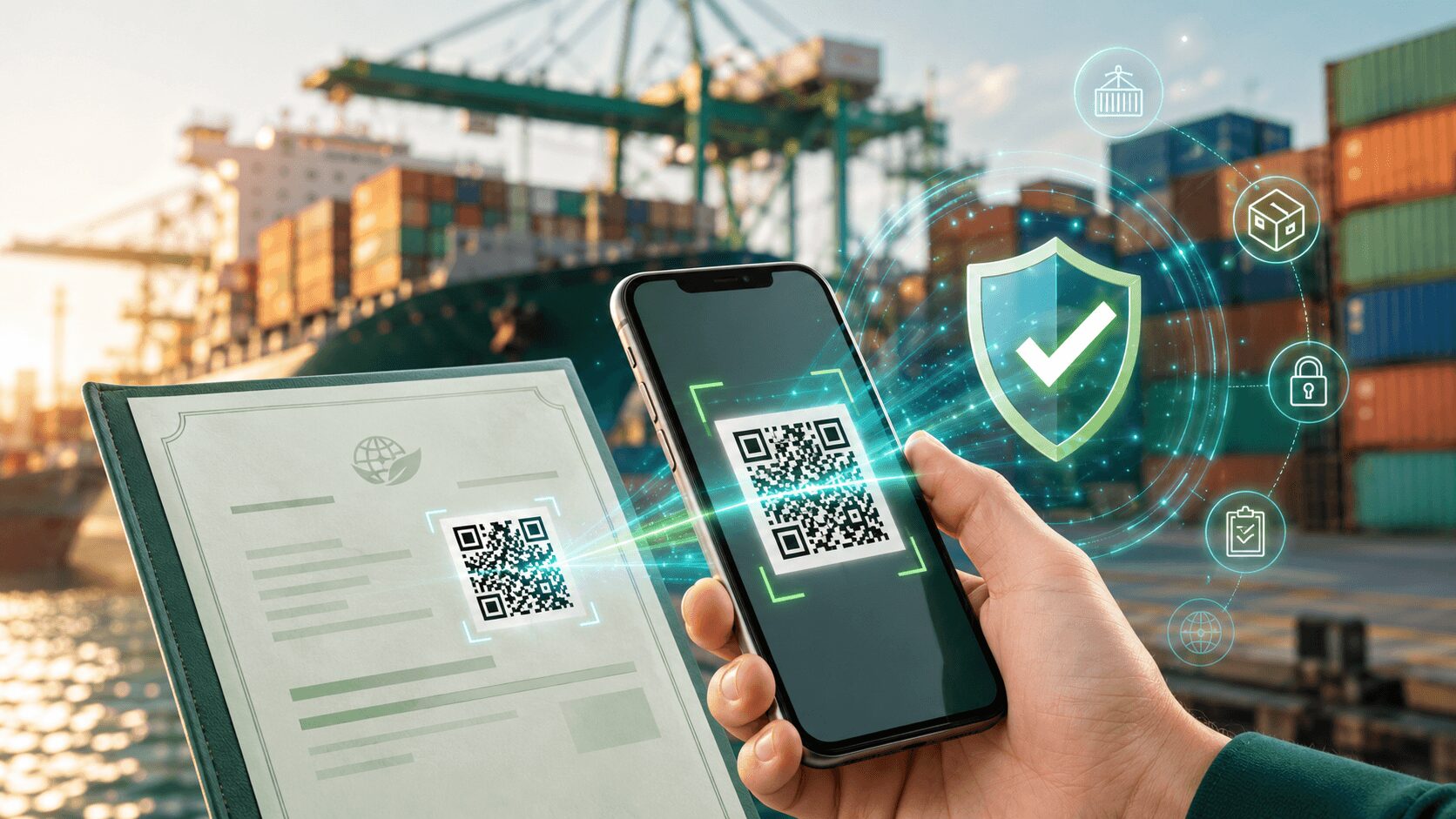
The second layer of “2-layer transparent fumigation” is the QR Code-based electronic certificate verification mechanism. This is the layer that creates direct value for customers and parties using the documentation.
When a fumigation certificate is integrated with a QR Code, the document recipient can scan the code to access the corresponding online certificate. This mechanism allows users to check the information on the paper certificate or PDF against the online certificate version provided by the issuing provider.
The greatest value of the QR Code lies in fast verification. Instead of having to send an email to ask again, wait for manual cross-checking, or depend entirely on a scanned copy forwarded through multiple parties, users can proactively check the certificate as soon as they receive the document.
For forwarders, the QR Code helps quickly check the certificate before sending it to the cargo owner or overseas agent. For buyers or partners at the destination port, the QR Code provides an additional convenient verification point when they need to check the certificate’s origin. For exporters, this mechanism helps increase the reliability of the document set when working with relevant parties.
In import-export operations, the risk of forged or edited documents cannot be overlooked. A certificate that can be checked against an online version provides an additional basis for parties to verify the validity of the document. This is particularly valuable when shipments are traded with international partners, where documents are often checked remotely and through multiple intermediary levels.
It can be said that the QR Code on the certificate is not merely a technological convenience. It is a mechanism that protects the credibility of the document, helping businesses prove to partners that the fumigation certificate can be checked, has a clear issuing source, and has a basis for verification when needed.
3. How does VFC Fumigation implement the “2-layer transparent fumigation” model?
VFC Fumigation implements the 2-layer transparent fumigation model based on two main foundations: the internal data management system FumiApp and QR Code-based electronic certificate verification.
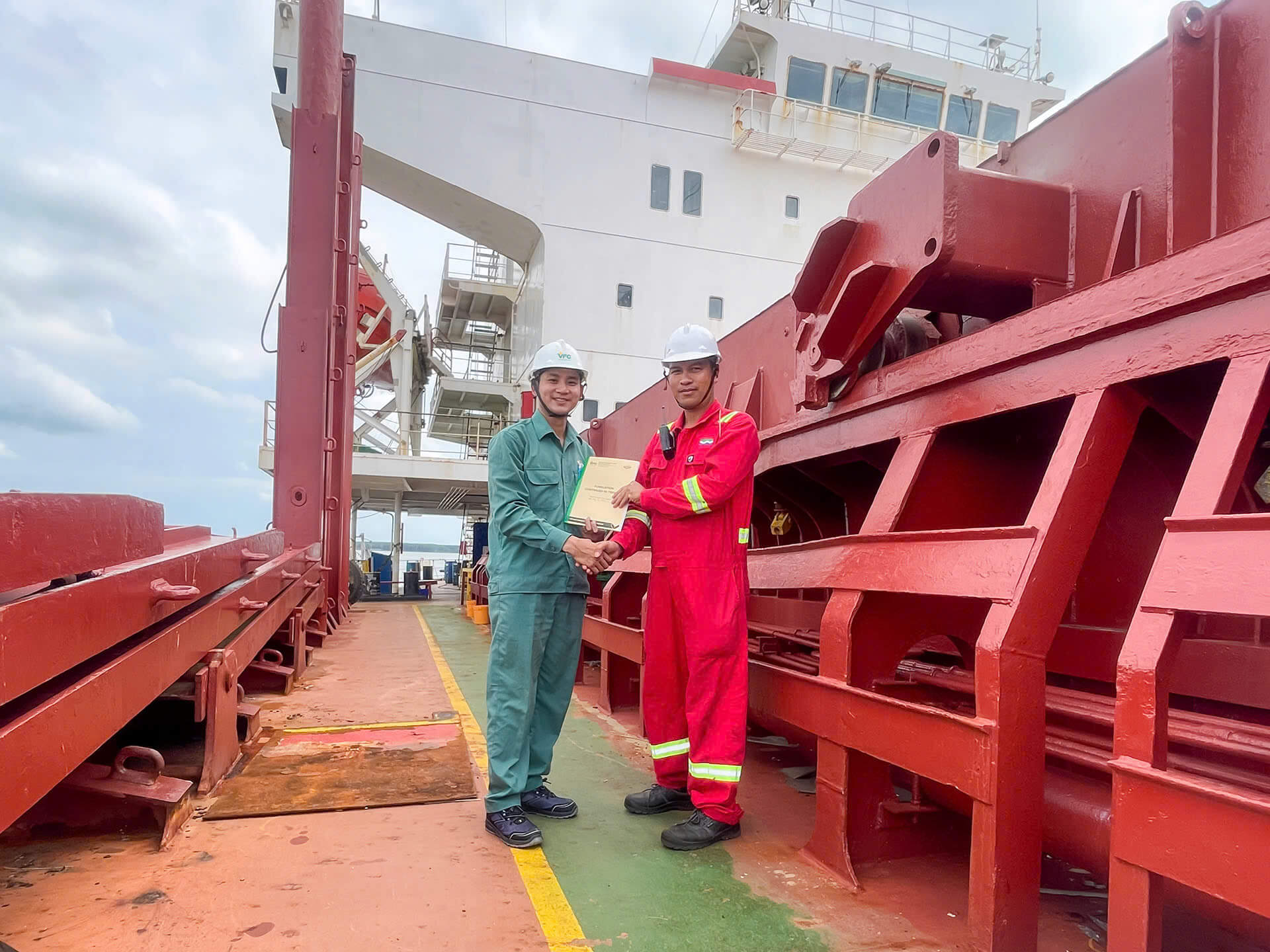
With the internal data management system FumiApp, VFC Fumigation manages information related to the fumigation service implementation process. This system helps the team store data, images, and information serving quality control. As a result, operations are organized more consistently, information is stored more systematically, and internal review becomes more convenient when needed.
With the QR Code on the certificate, VFC Fumigation helps customers and relevant parties verify documents more quickly. When a fumigation certificate is issued, the QR Code is displayed on the certificate. By simply scanning the QR Code with a mobile phone, the viewer is directed to an address on the website and shown the online certificate corresponding to the certificate that has been issued.
This mechanism allows the scanner to check the information on the paper certificate or PDF against the online certificate version issued by VFC Fumigation. As a result, the process of checking certificate validity becomes faster, clearer, and more reliable in international transactions.
It can be seen that the value of the QR Code does not lie merely in technology. Its greater value lies in the ability to verify certificates instantly, helping businesses and international partners jointly check document validity, limit the risk of forged documents, and save time compared with the traditional process of waiting for hard copies.
See more: 4 steps to choosing a trusted fumigation provider in the logistics chain, ensuring cargo safety
4. What value does 2-layer transparent fumigation bring to exporters?
4.1. Enhancing the reliability of fumigation certificates
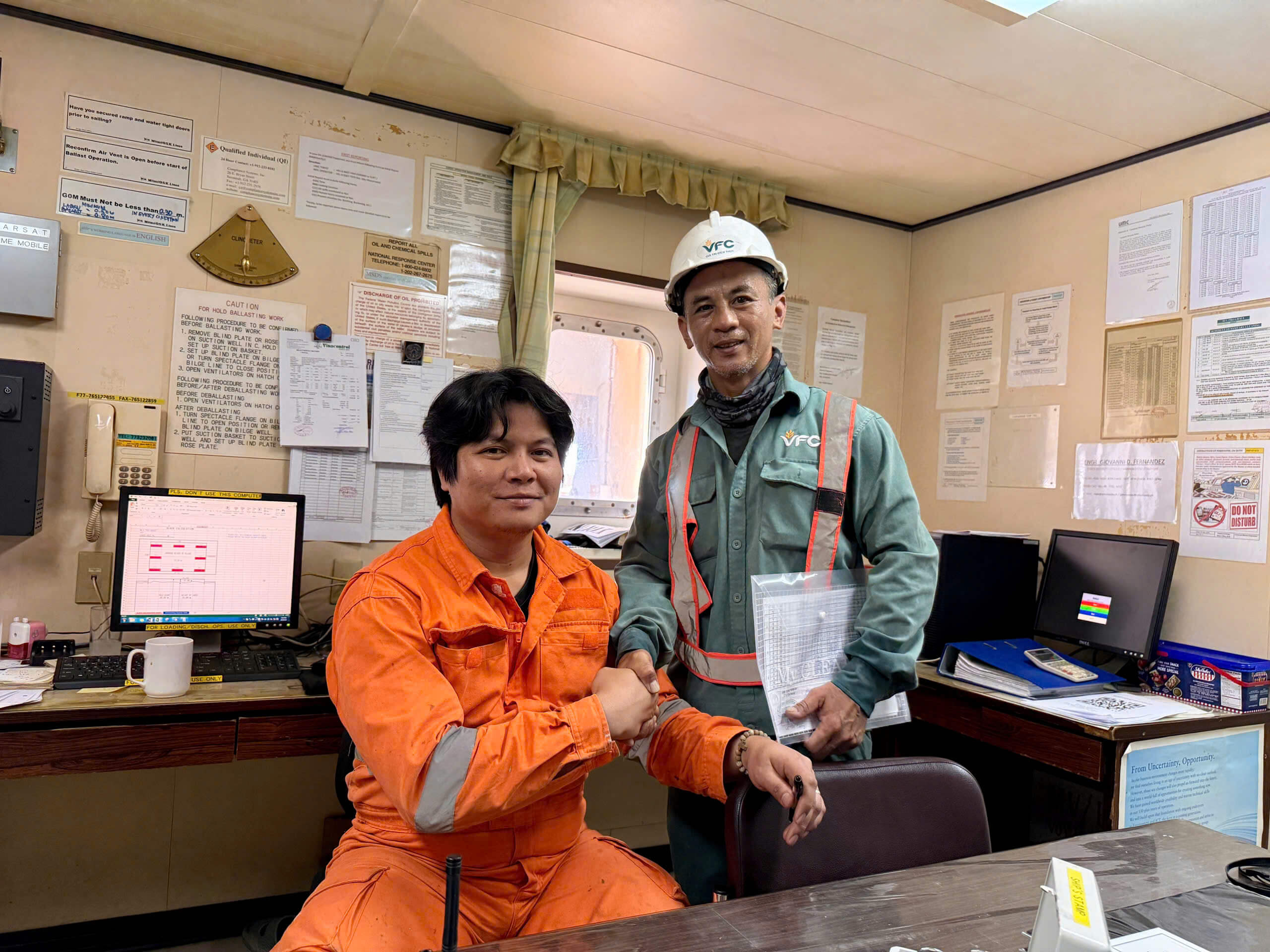
A fumigation certificate is an important document in the export document set. In many markets, the certificate serves as a basis for relevant parties to assess whether the shipment has been treated according to quarantine requirements.
When the certificate is integrated with a verification QR Code, its usability is enhanced. The recipient not only sees the information on the paper copy or PDF, but can also check the online certificate version. This reduces dependence on one-way trust and increases the ability to verify information.
The reliability of documentation does not only come from the content written on the certificate, but also from the ability to have that certificate confirmed by the issuing provider itself. With a QR Code, the certificate has an additional online checking layer for customers, forwarders, buyers, or overseas agents to cross-check when needed.
In business-to-business transactions, trust is built from very small details. A certificate that can be verified online creates a more professional impression, especially when a business works with a new partner, a new market route, or a high-value shipment.
From the customer’s perspective, the QR Code helps businesses feel more assured when sending documents to international partners. Instead of only forwarding a scanned copy, businesses can provide a certificate with a clear cross-checking mechanism.
4.2. Supporting information cross-checking when inspection requests arise

Not every shipment triggers a verification request. But when such a request appears, businesses need to respond quickly, clearly, and with a basis.
A question from a buyer, a request from a forwarder, a concern from an overseas agent, or an additional inspection step at the destination port can all require the documentation team to review the file again. If information is managed in a scattered way, retrieving the data will take time. If the certificate lacks a convenient verification mechanism, the cross-checking process may last longer than necessary.
2-layer transparent fumigation improves this situation in two ways. The QR Code helps users quickly check the online certificate. The internal data management system gives the fumigation provider a basis to review operational information when deeper cross-checking support is needed.
The notable point is that this model helps reduce pressure on documentation staff. Instead of having to exchange messages repeatedly to confirm the certificate, relevant parties can check the verification layer through the QR Code. When additional information is needed, the fumigation provider also has an internal data platform to support checking.
For shipments close to cut-off, time pressure is always significant. A shortened verification step can help the documentation team process faster, allow the forwarder to respond to the cargo owner in time, and help businesses avoid unnecessary delays in completing the document set.
4.3. Reducing risks from forged, lost, or incorrectly circulated certificates

Export documents are often sent through many channels: email, social networks, internal systems, printed copies, scanned copies, or PDF files forwarded between parties. When a document passes through many intermediary points, the risk of using the wrong version or having information discrepancies always exists.
Fumigation certificates may face similar risks. An old file may be sent by mistake. A scanned copy may be blurred, missing pages, or difficult to check. A small piece of information such as the container number, treatment date, commodity name, or related party name, if incorrect, can create additional work for the documentation team.
The verification QR Code helps reduce this risk by creating an online checking point. When verification is needed, users can scan the code on the certificate to view the corresponding online certificate. This makes the checking process clearer than relying only on a file forwarded through multiple people.
From a risk management perspective, this is a necessary protective layer for export documentation. When the certificate can be checked against the online version, relevant parties have an additional basis to verify the validity of the document. This helps limit the risk of forged documents, edited certificates, or stored copies that do not match the issued information.
4.4. Shortening document processing time and supporting export schedules
Document processing speed is a very important factor in export operations. Just one delayed step in confirming documents can affect customs procedures, vessel schedules, or response time to overseas partners.
Electronic certificates integrated with QR Codes make the checking process faster. Instead of waiting for the hard copy, businesses can use electronic certificates to send to partners for preliminary checking. When the recipient needs to verify, the QR Code enables online cross-checking against the issued certificate.
This creates clear operational value for exporters, forwarders, and documentation teams. Documents move faster. Verification becomes more convenient. Waiting time is reduced. Relevant parties have an additional basis to handle work on schedule.
A certificate that can be checked immediately helps the documentation team reduce time spent reconfirming information. Forwarders become more proactive when sending documents to agents or overseas partners. Buyers can also quickly cross-check certificates when needed. These improvements help the document processing workflow become more seamless and reduce unnecessary waiting periods.
For shipments that require urgent document completion, fast verification is a practical advantage. It helps exporters limit unnecessary bottlenecks in the transaction and documentation process.
4.5. Increasing professionalism in the international supply chain

Exporters are facing increasing pressure for transparency. This pressure does not only come from regulatory authorities, but also from buyers, distribution systems, partners’ internal standards, and risk control requirements across the supply chain.
For shipments going to demanding markets, overseas partners often pay close attention to the accuracy of documents. They want to know which provider issued the certificate, whether it can be checked, whether the information is clear, and whether the business can respond when verification is needed.
2-layer transparent fumigation helps exporters demonstrate a more professional way of working. Using certificates with verification QR Codes shows that documents are managed in a modern, clear, and easy-to-check manner. This is an important advantage when businesses work with new buyers, international partners, or markets with strict quarantine requirements.
When a business chooses a fumigation provider with an internal data management system, it also shows that the business cares about the quality of the process behind the certificate. The documents are not only prepared to complete procedures, but are also managed so they can be checked, cross-checked, and verified when needed.
Therefore, professionalism is not only reflected in product quality but also in how a business prepares its documents, chooses service partners, and responds to verification requests from the supply chain. A certificate that can be quickly verified helps businesses create more trust when working with forwarders, buyers, and overseas partners.
4.6. Supporting forwarders and documentation teams to work more efficiently

Forwarders and documentation teams are often the ones under the greatest pressure when document verification requests arise. They must respond quickly, send the correct documents, check the right information, and handle questions from multiple sides at the same time.
With certificates that include a verification QR Code, checking becomes more convenient. Forwarders can scan the code before sending the document to the cargo owner or agent. Documentation teams have an additional basis to confirm that the certificate being used is the correct issued version. When the information on the online certificate matches the certificate in hand, the document handling process removes one layer of doubt.
From an operational perspective, this transparency helps reduce back-and-forth communication. Instead of repeatedly asking the fumigation provider to confirm the certificate, parties can proactively check the public verification layer through the QR Code. For cases that require deeper checking, the fumigation provider can rely on internal data to support cross-checking.
The “2-layer transparent fumigation” model helps reduce operational friction. Each time one manual verification step is reduced, the pressure on documentation staff is also reduced, especially during cut-off periods or when shipments need urgent handling.
When fumigation certificates become part of competitive capability, transparency should be regarded as a standard in how service providers manage and issue documents. With the 2-layer transparent fumigation model, VFC Fumigation upgrades its information control process from internal operational data to electronic certificate verification, helping exporters increase document reliability, reduce risks of information discrepancies, and become more proactive when working with relevant parties across the international supply chain.
Featured Knowledge

Related Knowledge