





Project Overview
- Treated commodity: 21,500 tons of bulk corn imported from India to Vietnam.
- Emergency status: The Vietnam Plant Quarantine Authority detected live pests (live insects). The consignment was detained, requiring mandatory thorough treatment prior to customs clearance to prevent the risk of pest introduction.
- Target pest: High-risk insect species exhibiting high resistance (as the consignment had been fumigated in the exporting country but proved ineffective).
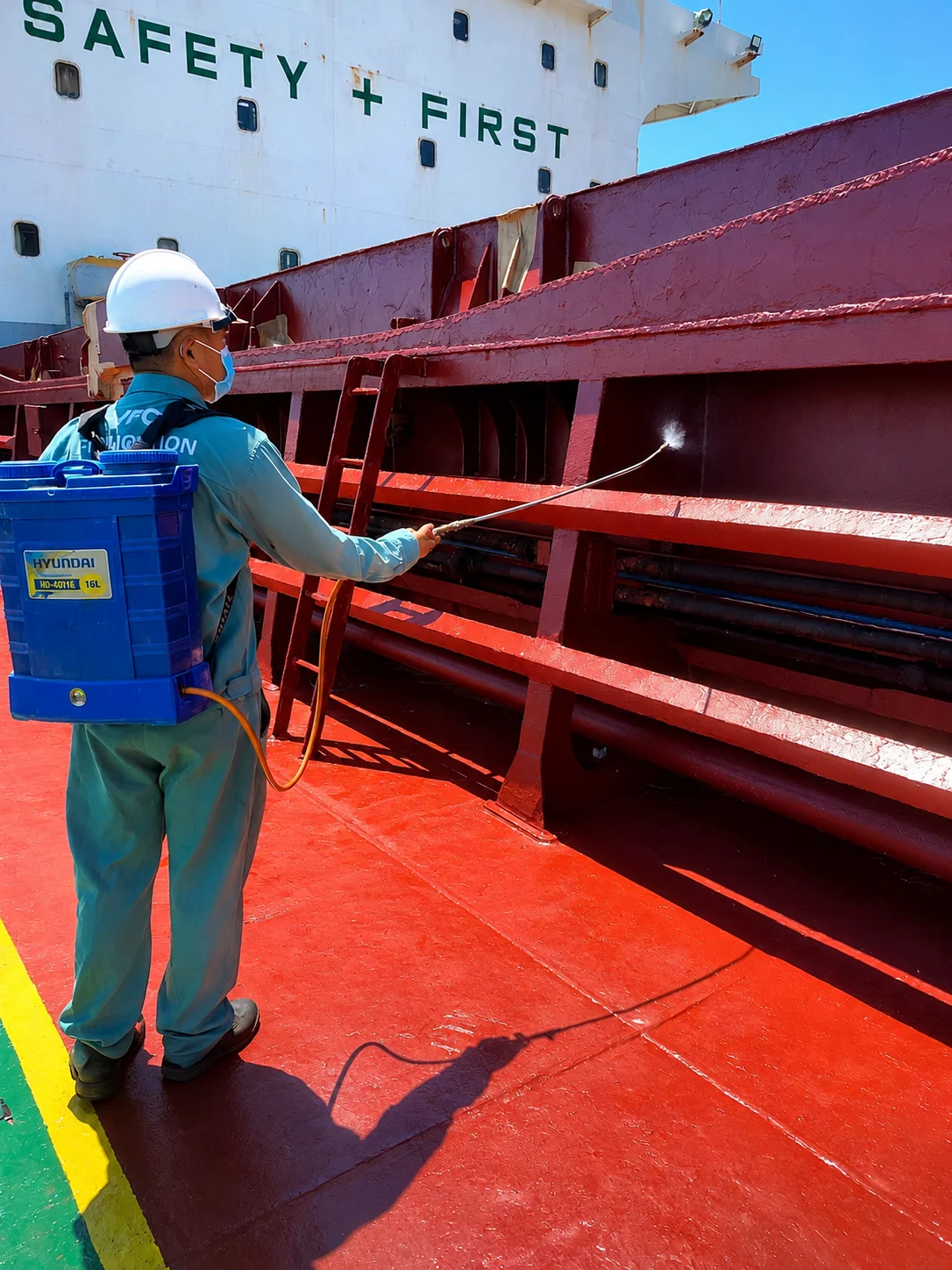
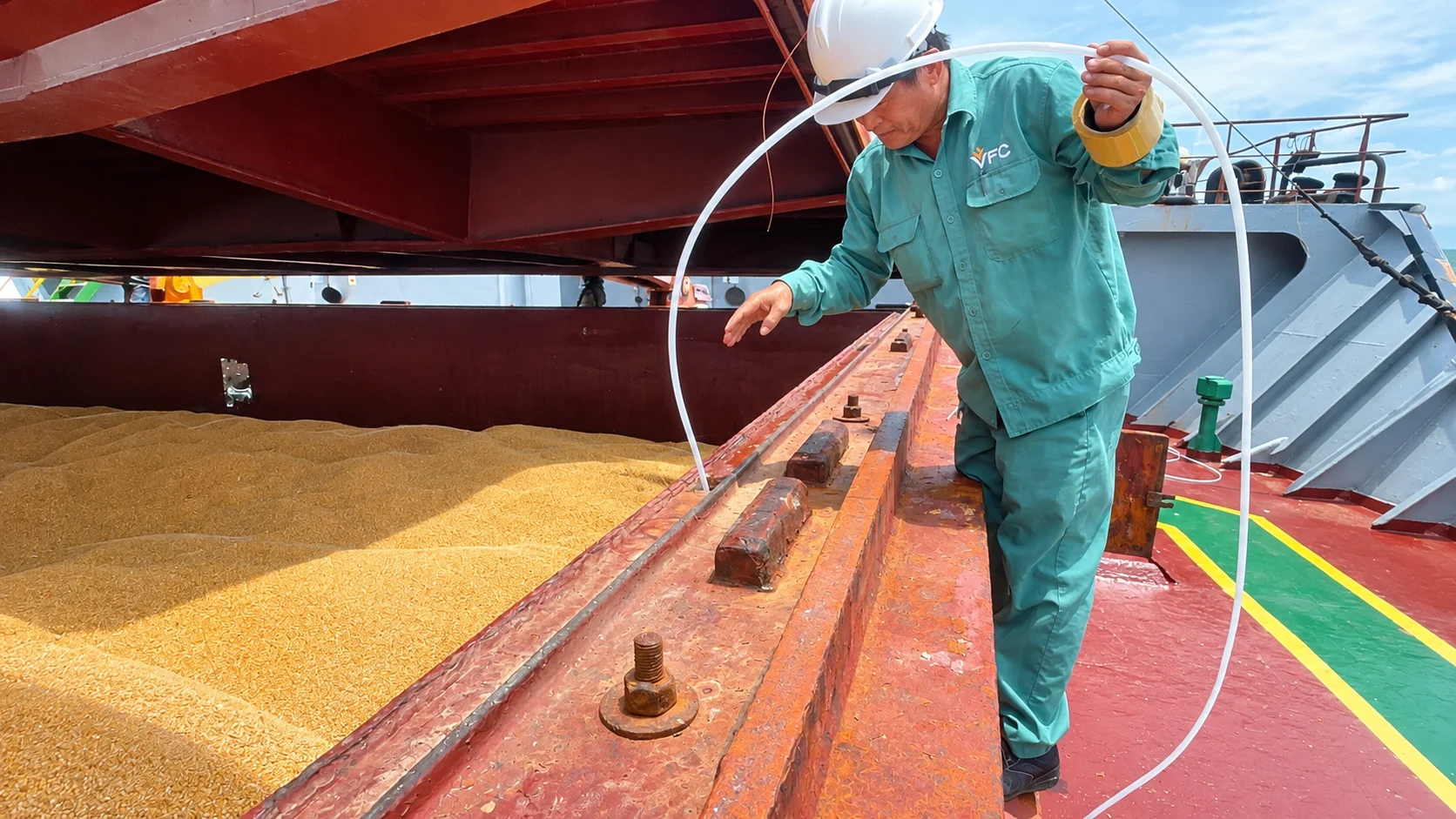
- Key challenge: Having been in service for many years, the vessel's cargo hold structure presented numerous potential leakage points. The technical team had to survey and develop an optimal sealing technical solution for the complex vessel structure, while strictly controlling gas leakage safety to safeguard the onboard crew.
Project challenges
-
Offshore operational location, complex weather conditions
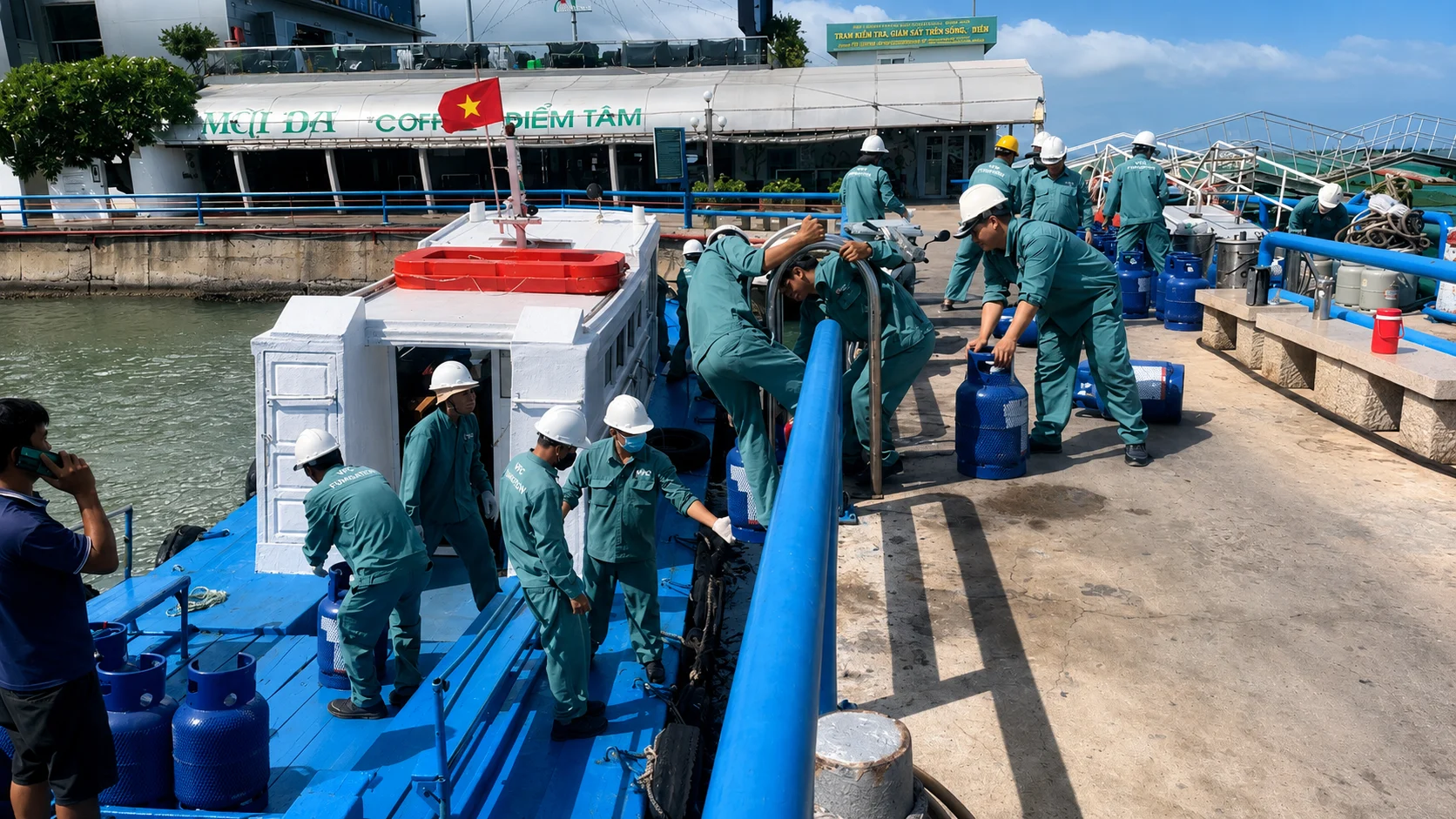
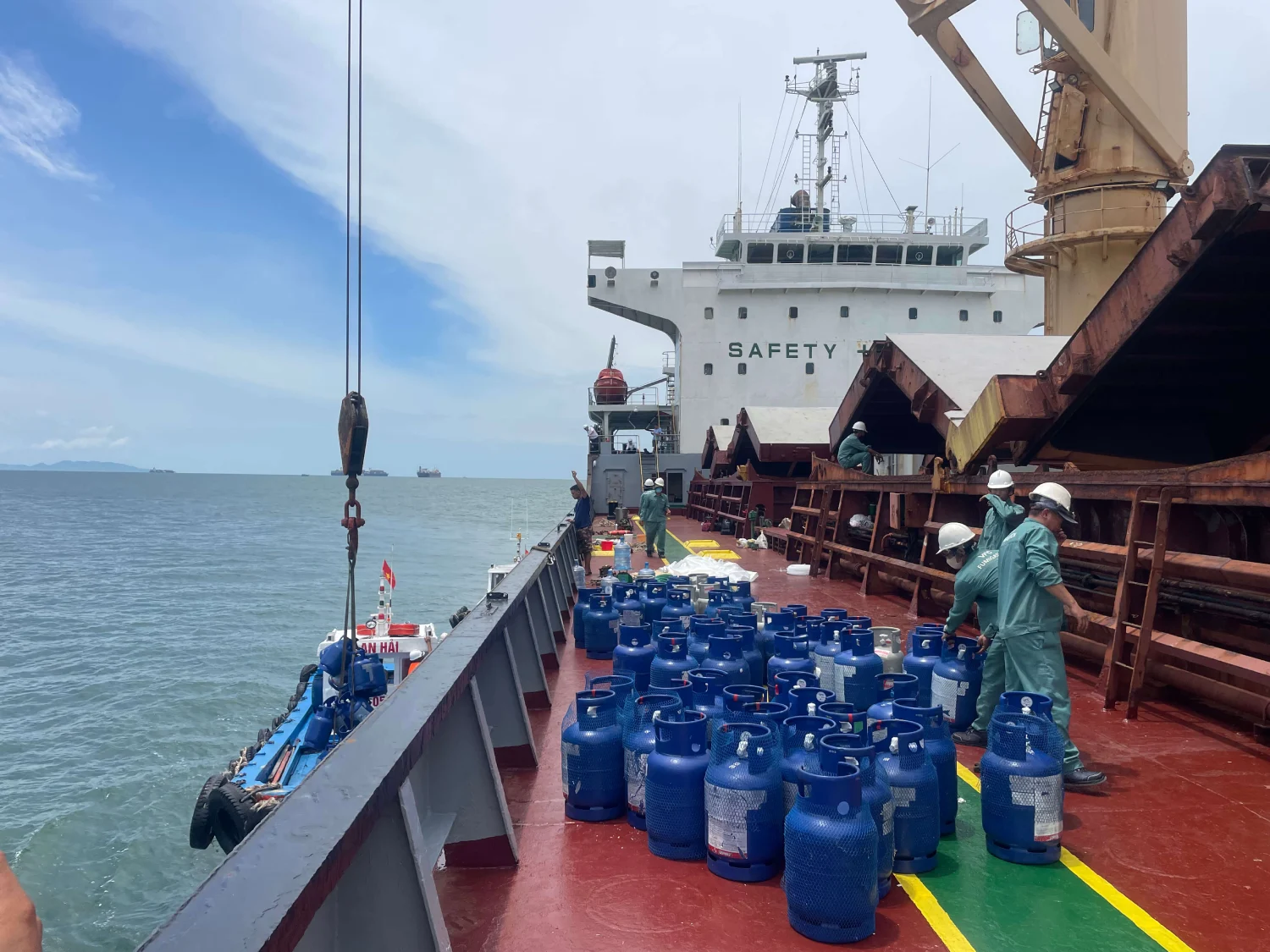
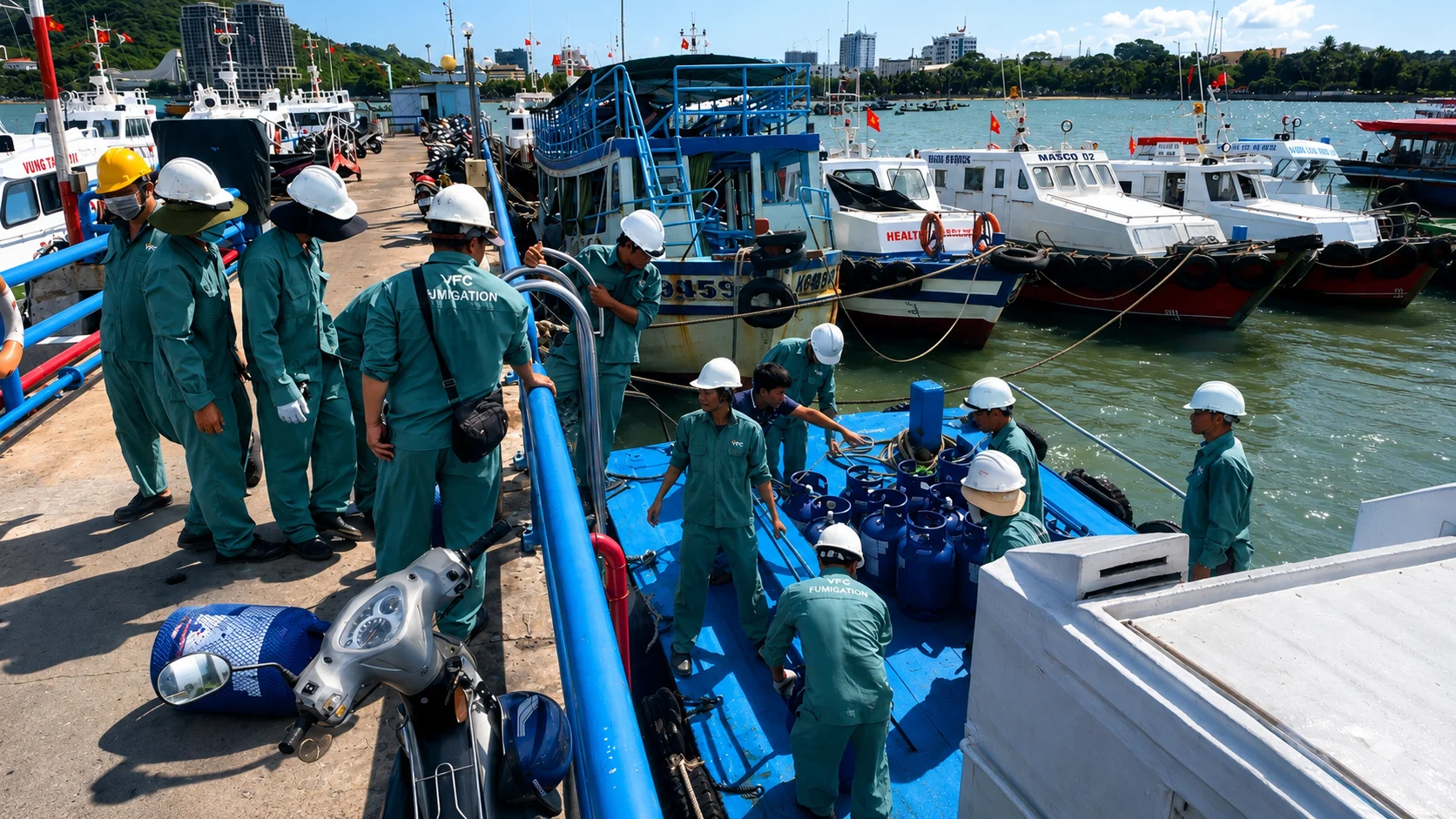
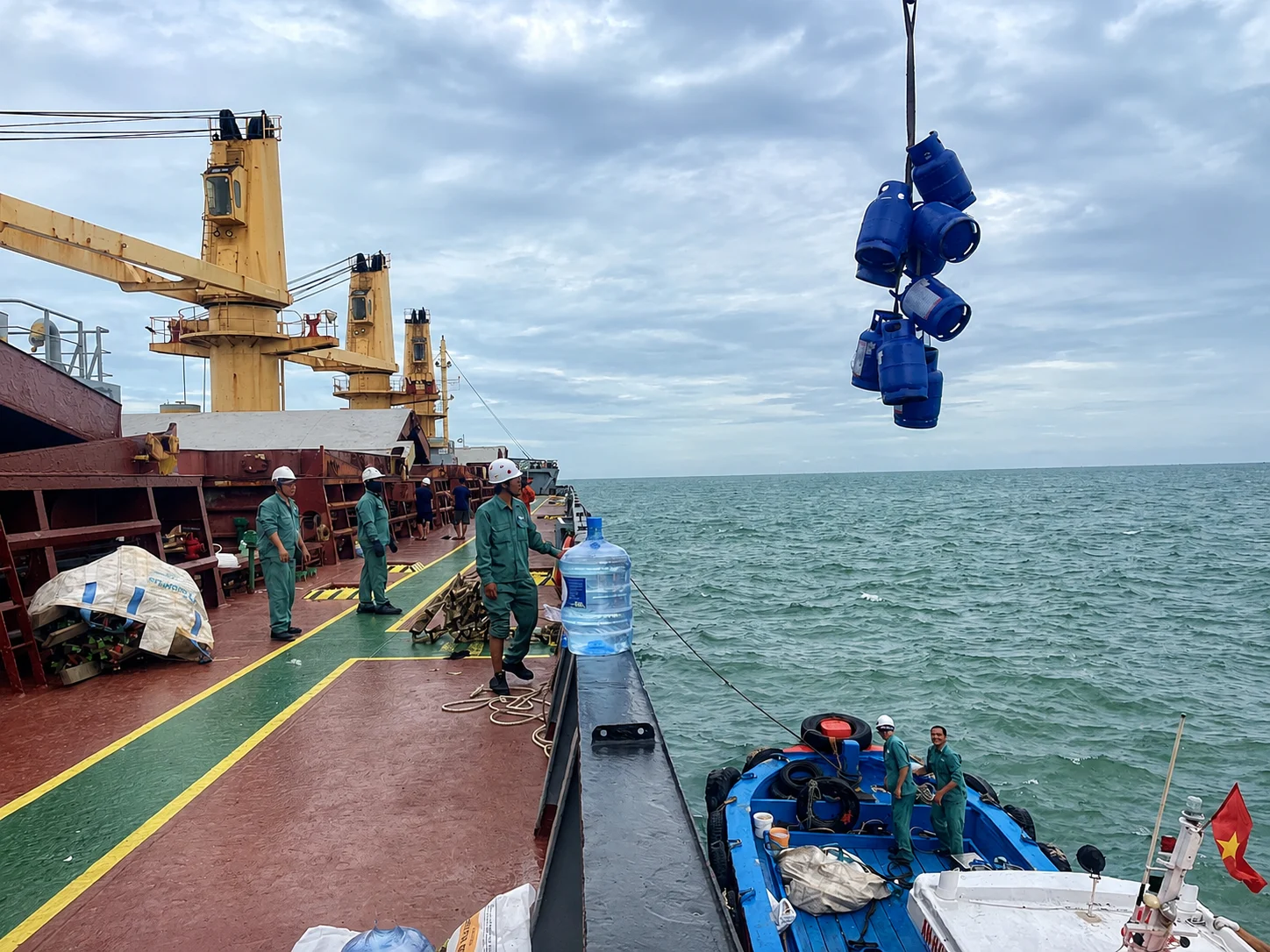
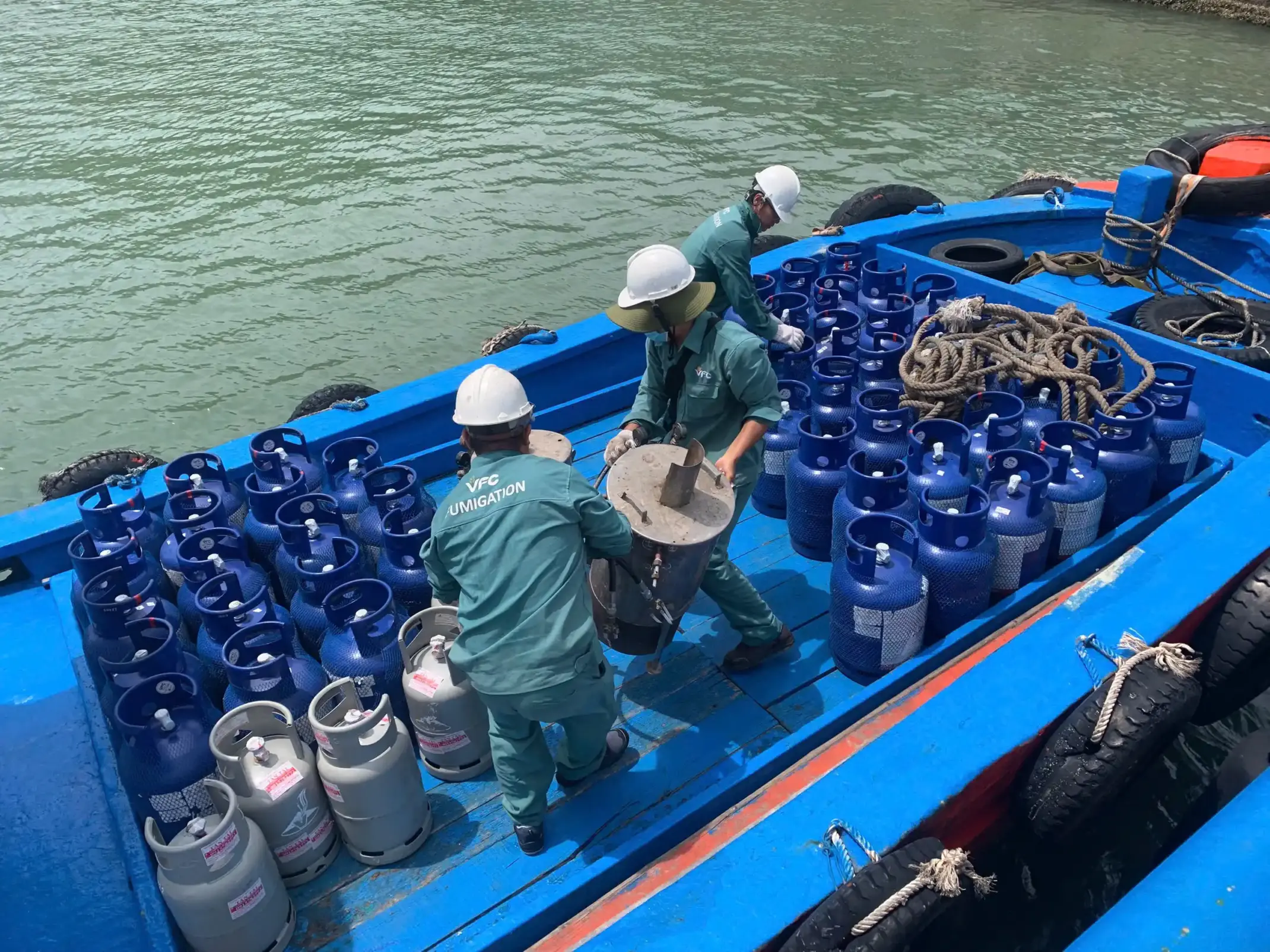
The vessel was anchored off Vung Tau Buoy Zero. Transporting a large volume of technical equipment and approximately 3,500 kg of fumigant from the mainland to the vessel by watercraft posed major challenges, heavily affected by rough seas, strong winds, and ocean currents.
-
Dual pressure on schedule and safety responsibility
Applying such a massive volume of fumigant directly at sea required a continuous, extended operational process to minimize the vessel's anchorage time. Concurrently, the procedure had to ensure crew safety onboard while preventing any fumigant leakage into the marine environment.
-
Pests highly resistant to fumigants
The consignment had already undergone fumigation in the exporting country (India), yet the insects survived. This meant that the existing pest population had developed high resistance to the fumigant. Re-treatment in Vietnam required extreme technical precision, with dosage calculations executed in strict compliance with the directives of the plant quarantine authority.
-
Aging cargo hold structure, prone to fumigant leakage
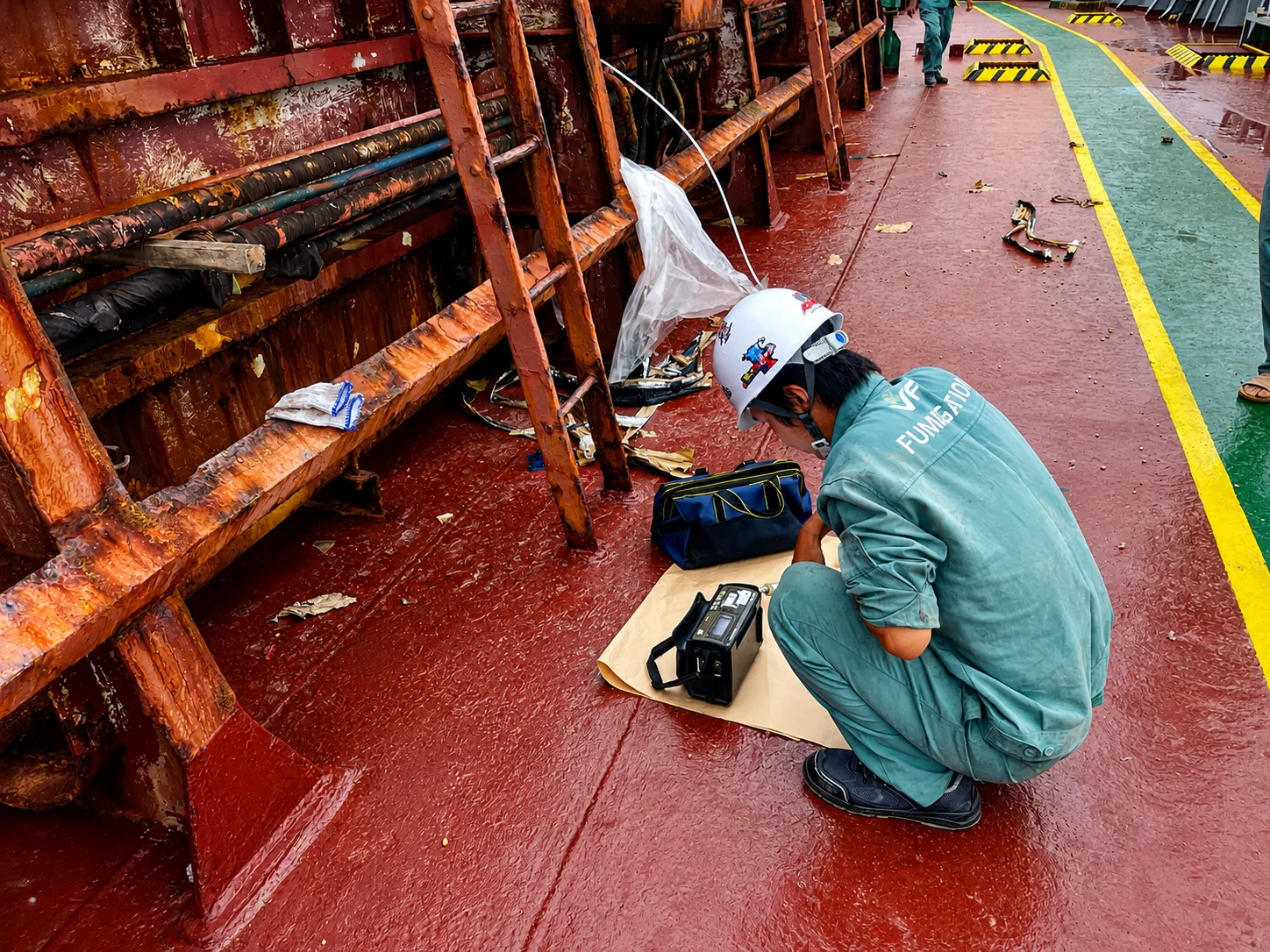
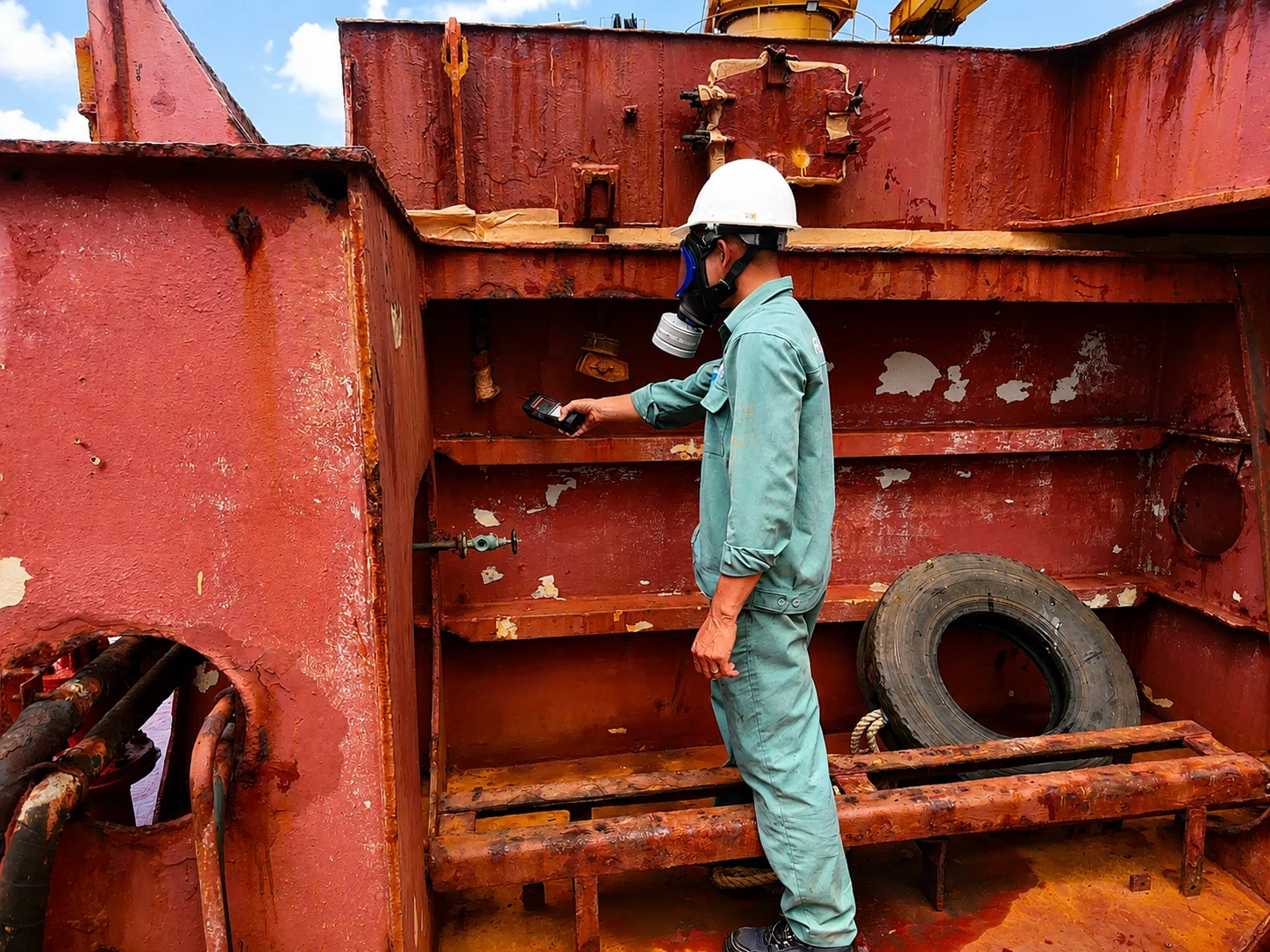
For aging vessels, ventilation systems, hatch covers, and bulkheads are highly prone to gaps caused by mechanical rust. If not thoroughly surveyed and properly sealed, the fumigant will leak out, failing to maintain sufficient gas concentration to effectively control pests deep within the bulk cargo, while posing potential safety hazards to the onboard crew.
Project Objectives
Eliminate surviving live insects in 21,500 tons of corn, including individuals exhibiting high fumigant resistance, in strict compliance with national phytosanitary standards.
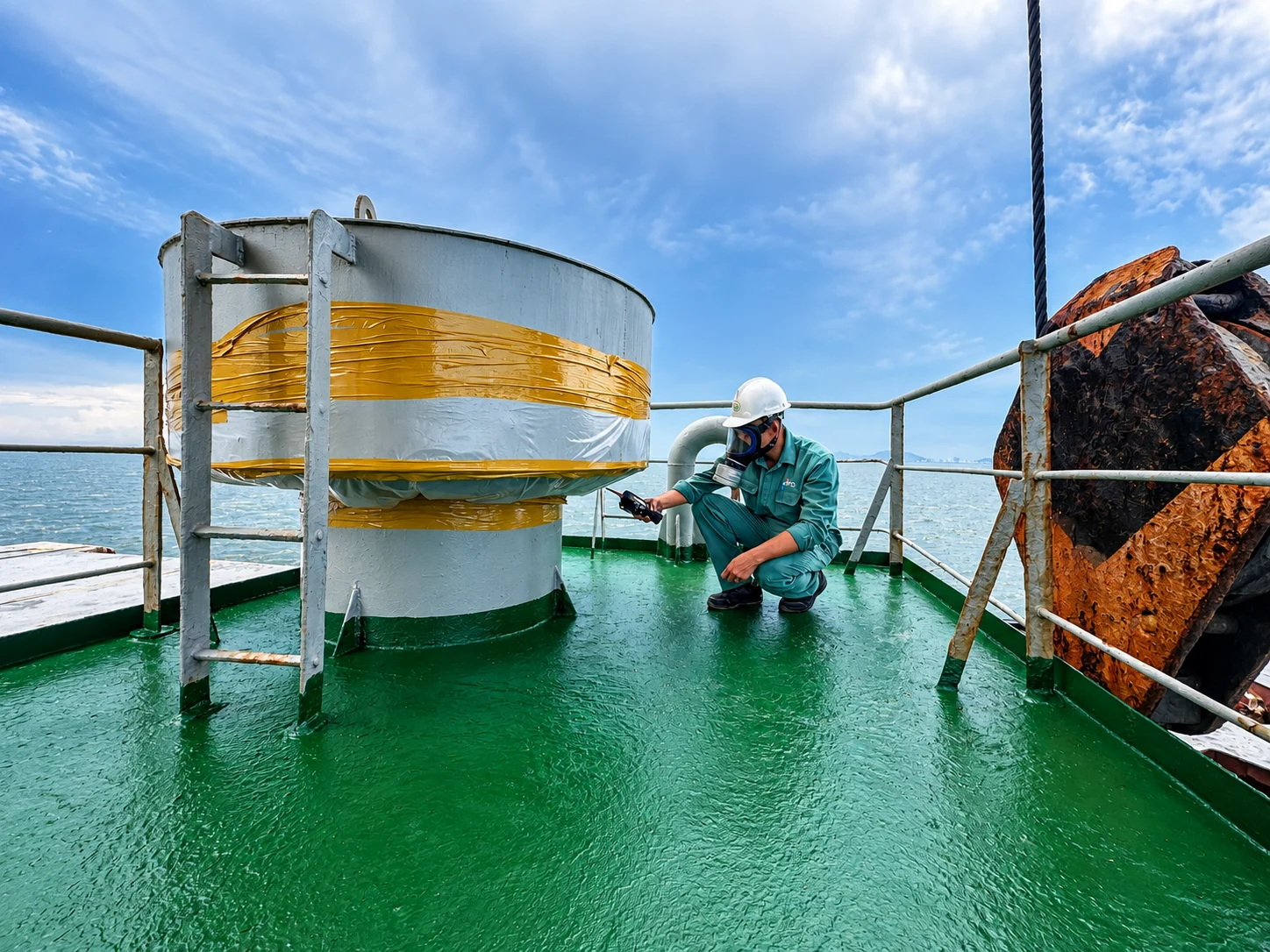
Thoroughly rectify all mechanical gaps in the aging vessel structure, ensuring standard fumigant concentrations are maintained within the cargo holds throughout the exposure period.
Mobilize maximum resources to complete safe fumigant application in the shortest possible time, assisting the client in obtaining customs clearance and discharging cargo on schedule.

Entrusted by the Plant Quarantine Authority and the client, VFC Fumigation mobilized its optimal resources, dispatching a team of highly experienced specialists directly offshore to the Vung Tau Buoy Zero area to implement a specialized technical protocol.
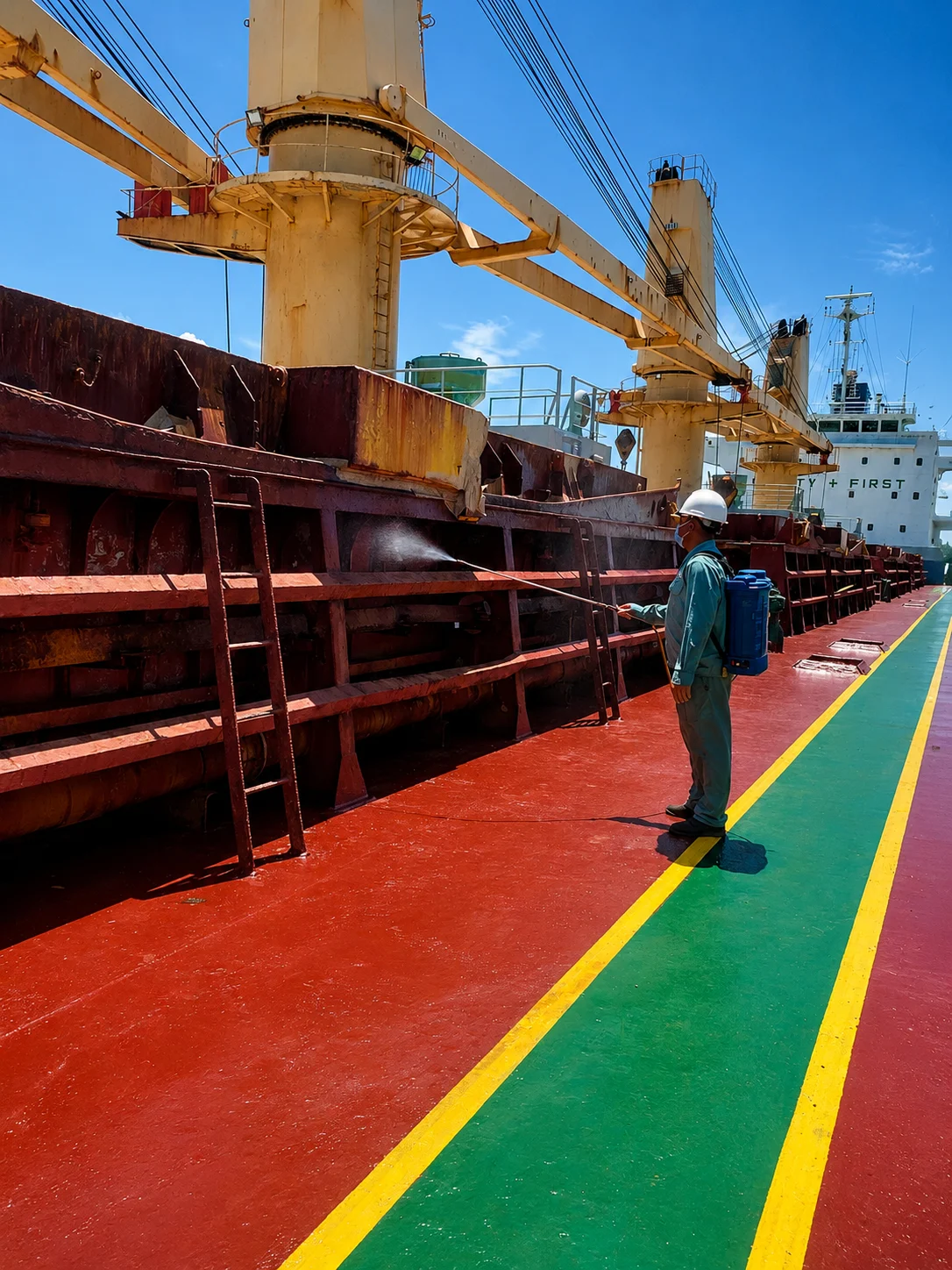
Conduct a detailed survey of every joint, each cargo hold, the ventilation system, etc., and calculate an appropriate sealing plan prior to deployment.
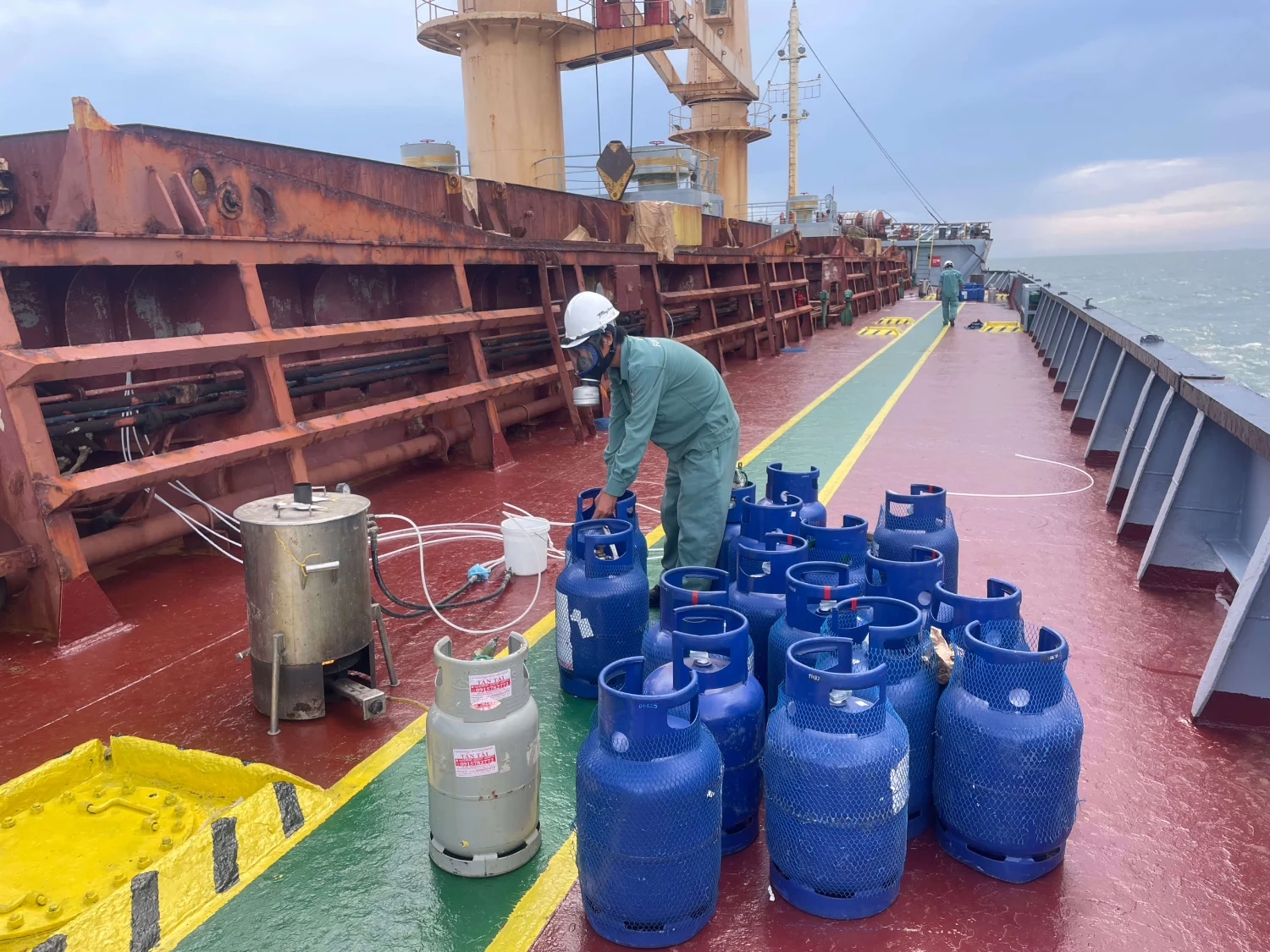
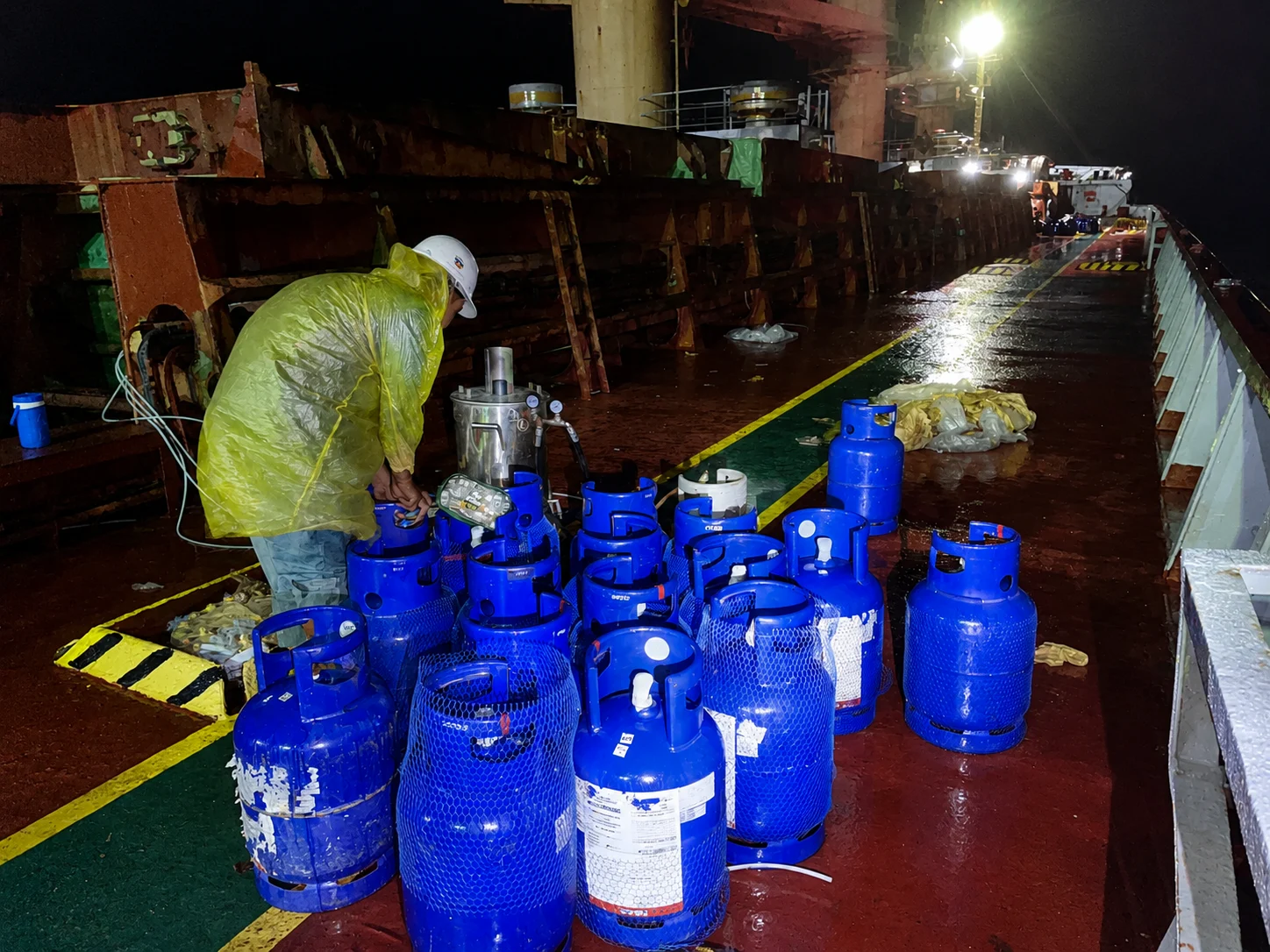
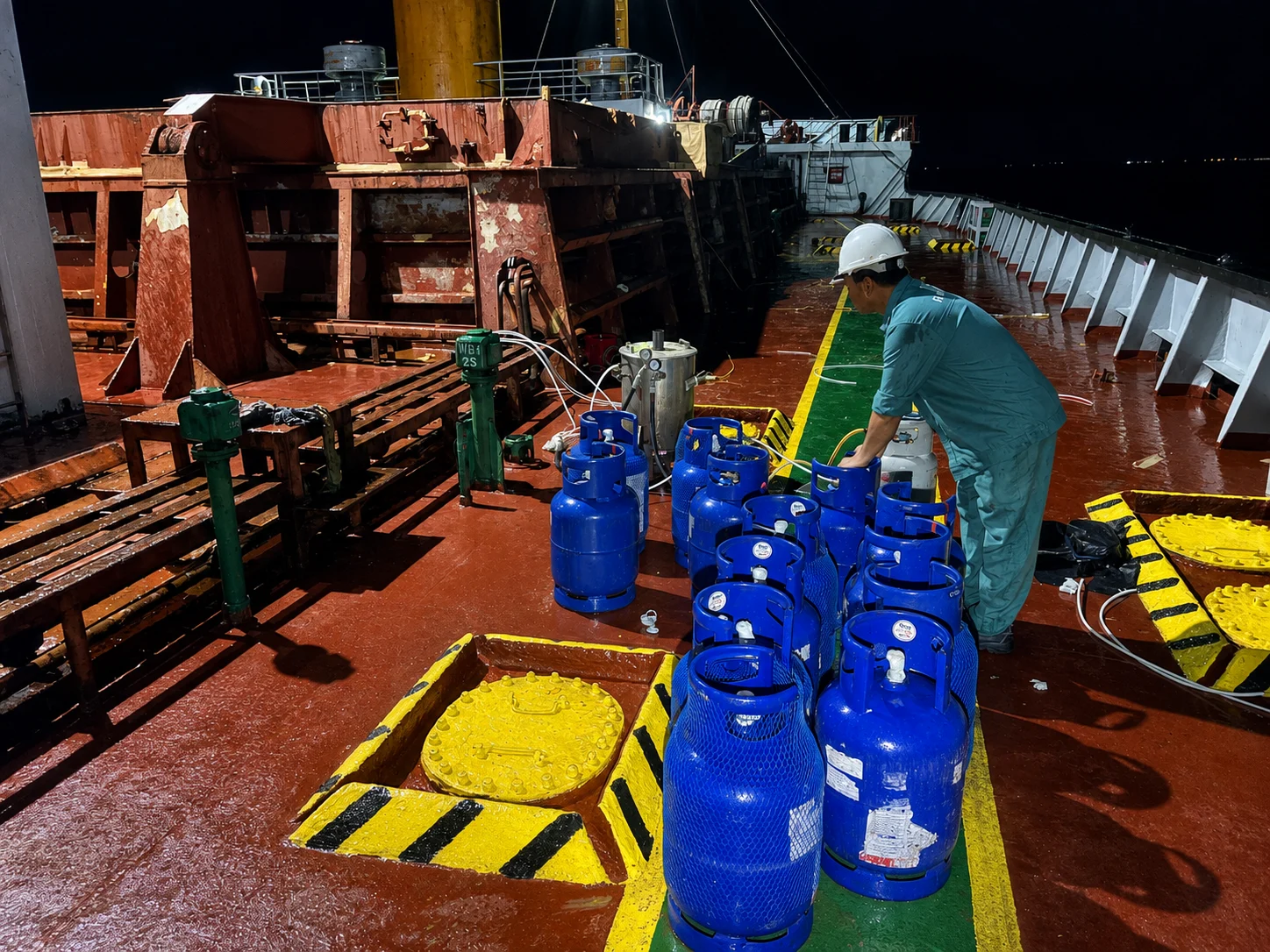
Utilize specialized vaporizers to achieve 100% vaporization of approximately 3,500 kg of Methyl Bromide before introducing it into the vessel's cargo holds. This method facilitates rapid gas diffusion, uniform distribution, and deep penetration down to the bottom of the holds across the 21,500 tons of corn, completely eliminating all pests present within the cargo holds.
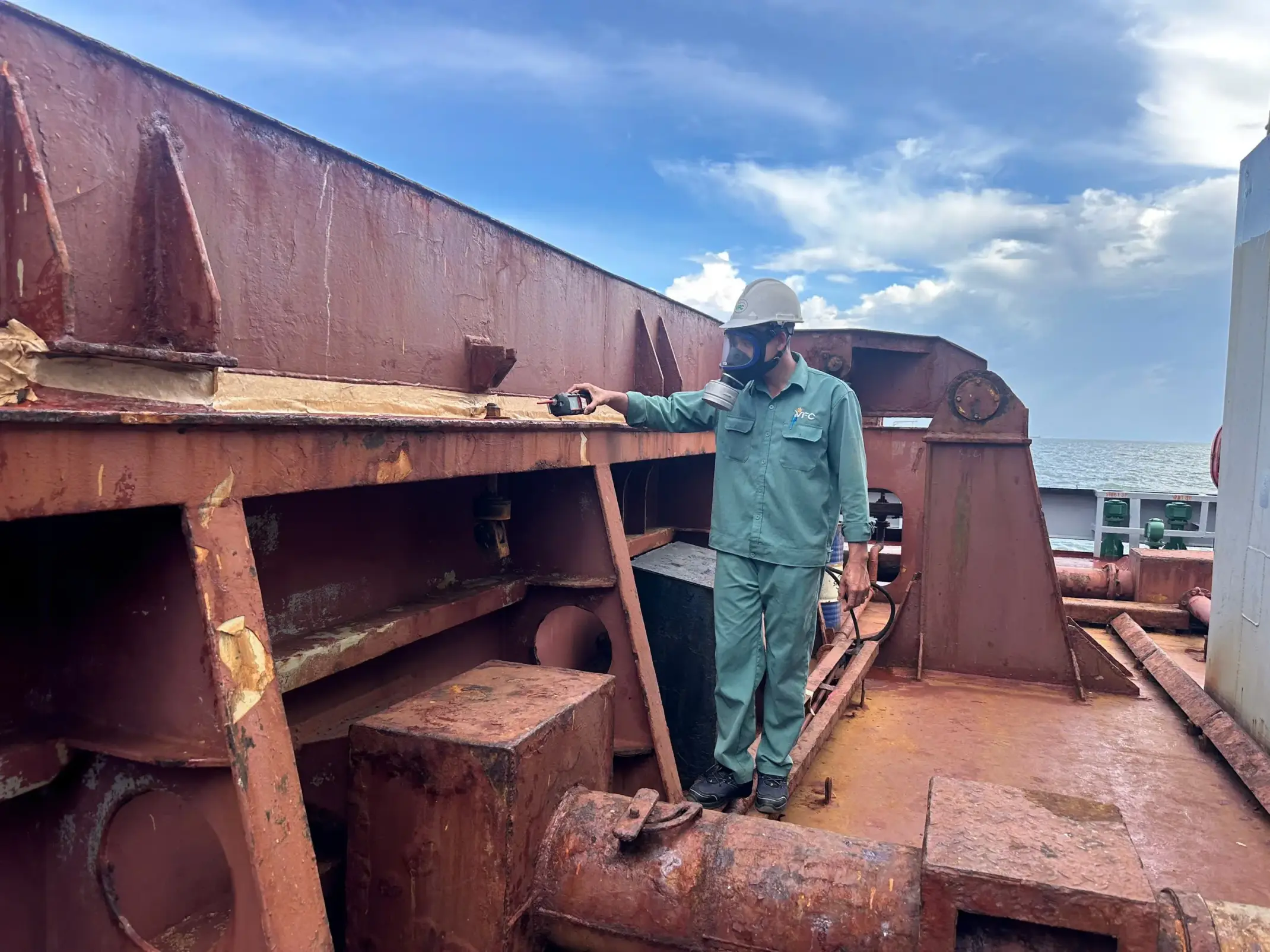
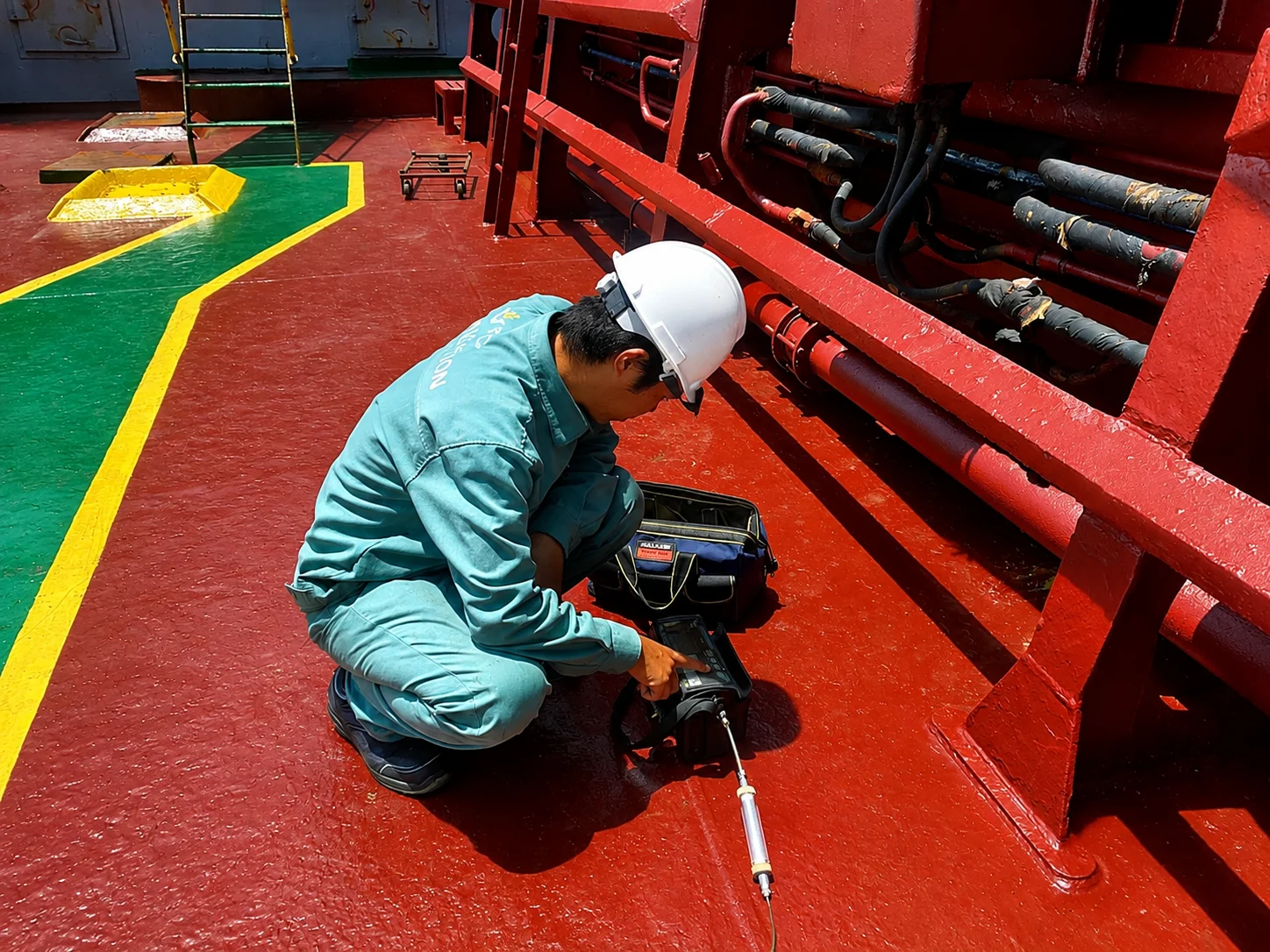
The VFC Fumigation technical team worked continuously for nearly 24 hours at the offshore site to execute the procedures of laying out the piping system, sealing, fumigant application, and gas concentration monitoring. Gas leak safety monitoring was strictly conducted around the cabins and crew living areas using specialized gas detection equipment.
Throughout the subsequent 72-hour exposure period, technicians remained stationed directly onboard to periodically measure fumigant concentrations across each cargo hold. This procedure ensured that standard gas concentrations were maintained and any arising contingencies were promptly addressed, maximizing pest control efficacy while guaranteeing safety for the entire crew.
Results
The Plant Quarantine Authority, in coordination with VFC Fumigation, conducted post-aeration inspection and sampling; the results confirmed 100% pest eradication (no live insects detected).
The leakage control procedure was strictly implemented, ensuring the safety of all surrounding personnel throughout the entire operation.
The Plant Quarantine Authority, VFC Fumigation, and the cargo owner's representatives directly coordinated the joint inspection at the cargo holds. All parties unanimously signed the minutes confirming compliance with import phytosanitary standards directly on site.