





Industrial and specialized cargo fumigation

Common challenges
Risks in fumigating industrial and specialized cargo
Common challenges
- Machinery and equipment have multiple compartments and complex structures, making insect control difficult
- Large, oversized cargo and heavy structures require suitable placement and treatment arrangements
- Goods containing sensitive materials, rubber, coatings, aluminum, electronic components require particular care when selecting fumigation methods
- Machinery and equipment that have been in use may pose risks of insect infestation due to storage and transportation conditions
- Exposure periods must align with container loading schedules, vessel cut-off times, and delivery plans
- Insufficient fumigation records may make it difficult for businesses to provide documentation during inspections
VFC Fumigation’s Solution
- Survey cargo structures and sensitive materials to develop suitable treatment plans
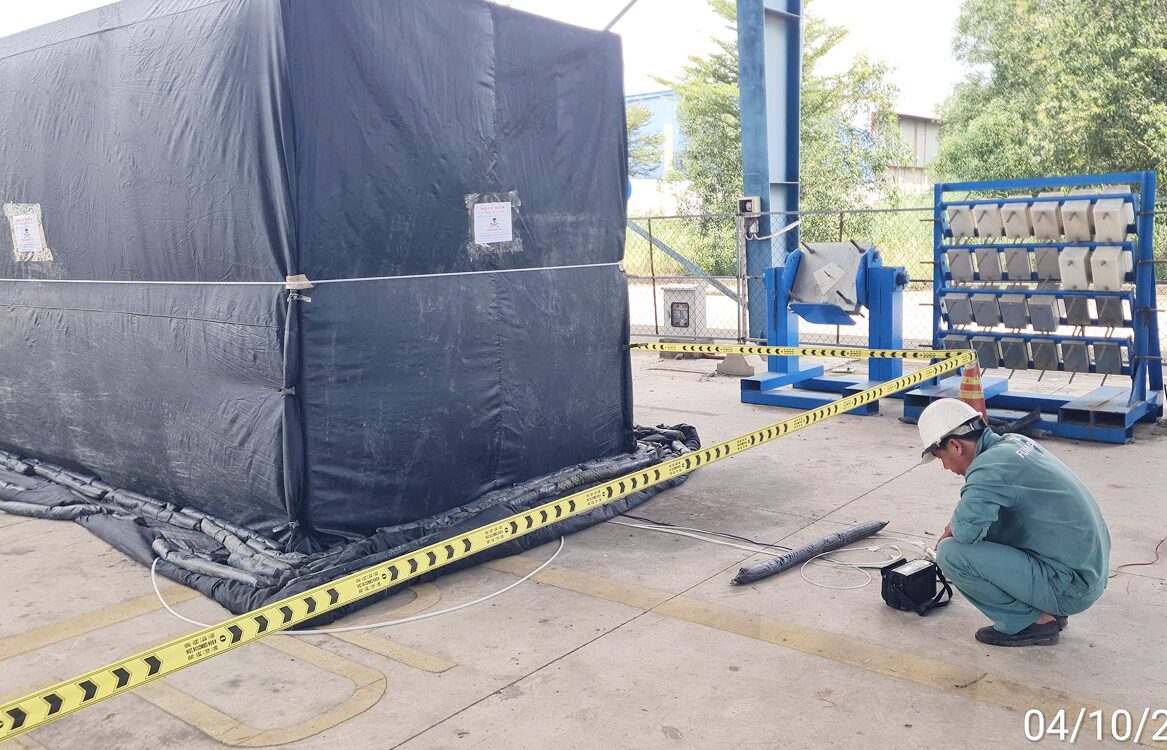
- Design sealing arrangements, equipment placement, and treatment methods for oversized and complex cargo
- Control the fumigation process and select appropriate fumigants based on material compatibility
- Check pest infestation risks and specific technical requirements of the importing market
- Monitor the treatment process and record operational data through FumiApp
- Complete acceptance records, handover documentation, and QR-integrated certificates for verification
In industrial and specialized cargo fumigation
Risk mechanisms

Complex cargo structures and multiple compartments
Gaps, cavities, and protective coverings of equipment may provide hiding places for insects
Materials sensitive to fumigants
Certain metals, surface coatings, and technical components may be affected if an unsuitable fumigant is used
Difficulty sealing oversized cargo
Oversized, heavy, or irregularly shaped cargo may make it difficult to maintain the required gas-tightness when applying sealing methods
Failure to meet market requirements
Incorrect fumigant selection or insufficient treatment documentation may lead to inspection requests or additional treatment
Solution implementation
Process flow

Request Intake
Receive complete information on cargo type, size, quantity, materials, packaging specifications, loading location, delivery schedule, and specific customer requirements

Site survey and treatment planning
Survey actual cargo conditions, structures, materials, packaging methods, storage conditions, and technical requirements. Develop a suitable treatment plan and update operational information through FumiApp

Preparation and treatment
Prepare personnel, equipment, and materials according to the agreed treatment plan. Carry out fumigation and monitor technical parameters in compliance with operational procedures and safety requirements

Inspection and certificate issuance
Conduct safety inspections and on-site acceptance, then complete the treatment records. Finalize acceptance documents, handover records, and issue fumigation certificates integrated with QR Codes for verification
Why businesses choose VFC Fumigation
What makes our solution different

Monitoring through FumiApp
Record operational data and images, supporting inspection and retrieval when needed.

QR-verifiable fumigation certificates
Verify certificates through QR Codes, helping customers, forwarders, and partners check and cross-reference information

Expertise in handling specialized cargo
Develop dedicated technical procedures and treatment plans for machinery, complex structures, and oversized or heavy cargo

More than 50 years of experience
Established in 1976, with over 15,000 customers in the fumigation industry

Alignment with delivery schedules
Coordinate with factories, warehouses, and forwarders to arrange treatment schedules in line with transportation plans

Flexible technical plans for different structures
Develop fumigation plans suited to each type of cargo and loading conditions to ensure treatment effectiveness
Applicable Cases
Fumigation projects
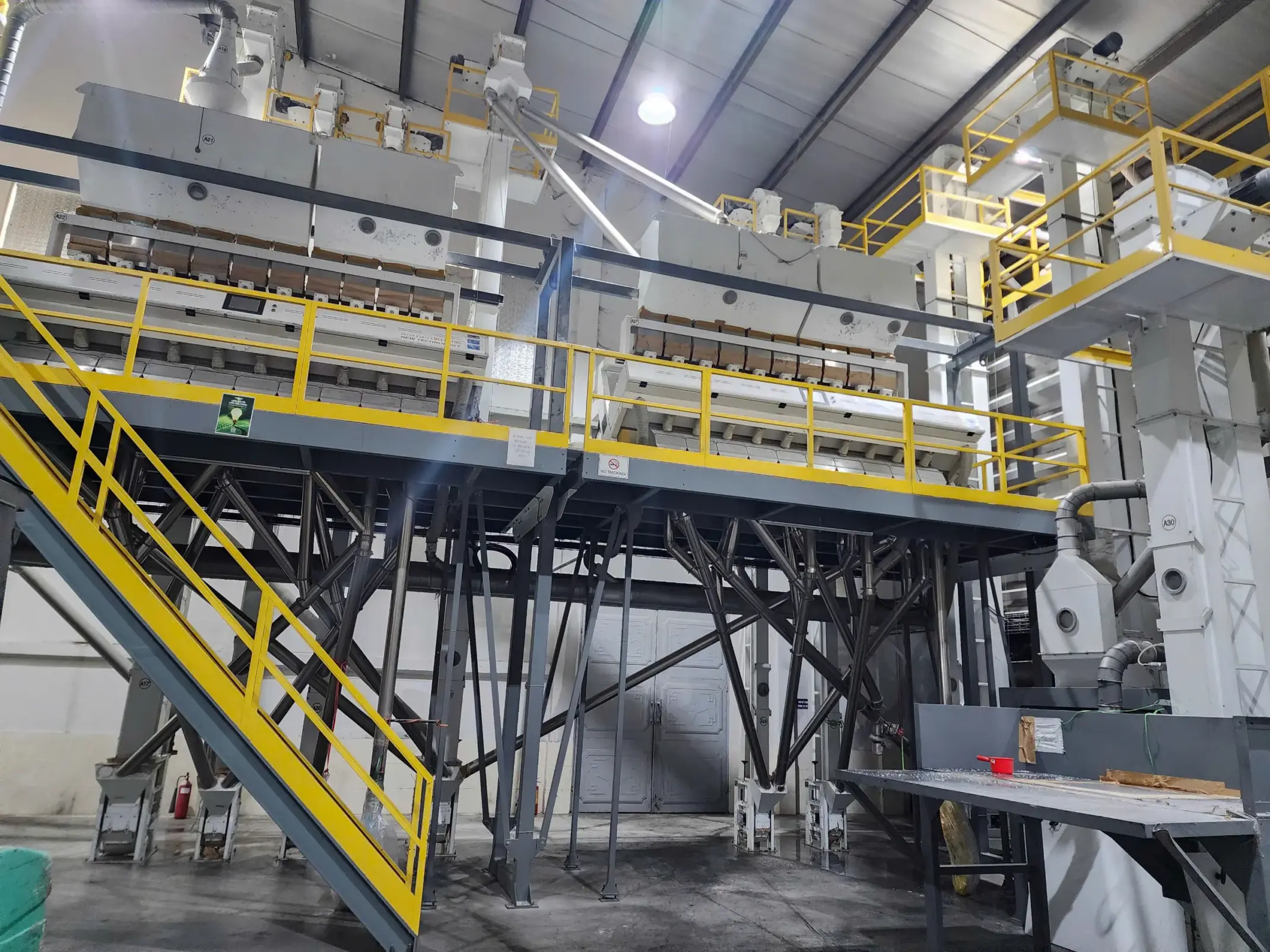
Fumigation of rice processing facilities in Hung Yen and Ha Nam
Pest control for complex equipment systems and structures
View details →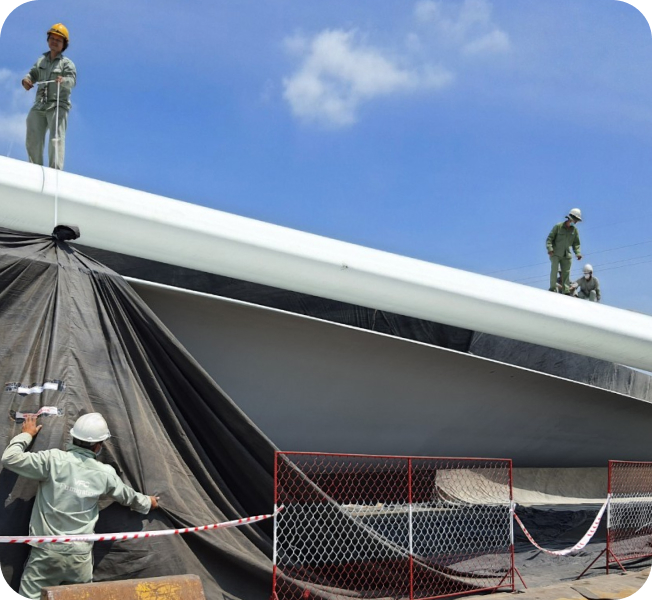
BMSB treatment for wind turbine blades exported to Australia
VFC Fumigation is a provider in Vietnam recognized under the AFAS/AusTreat program for fumigation treatment of large cargo and wind turbine blades
View details →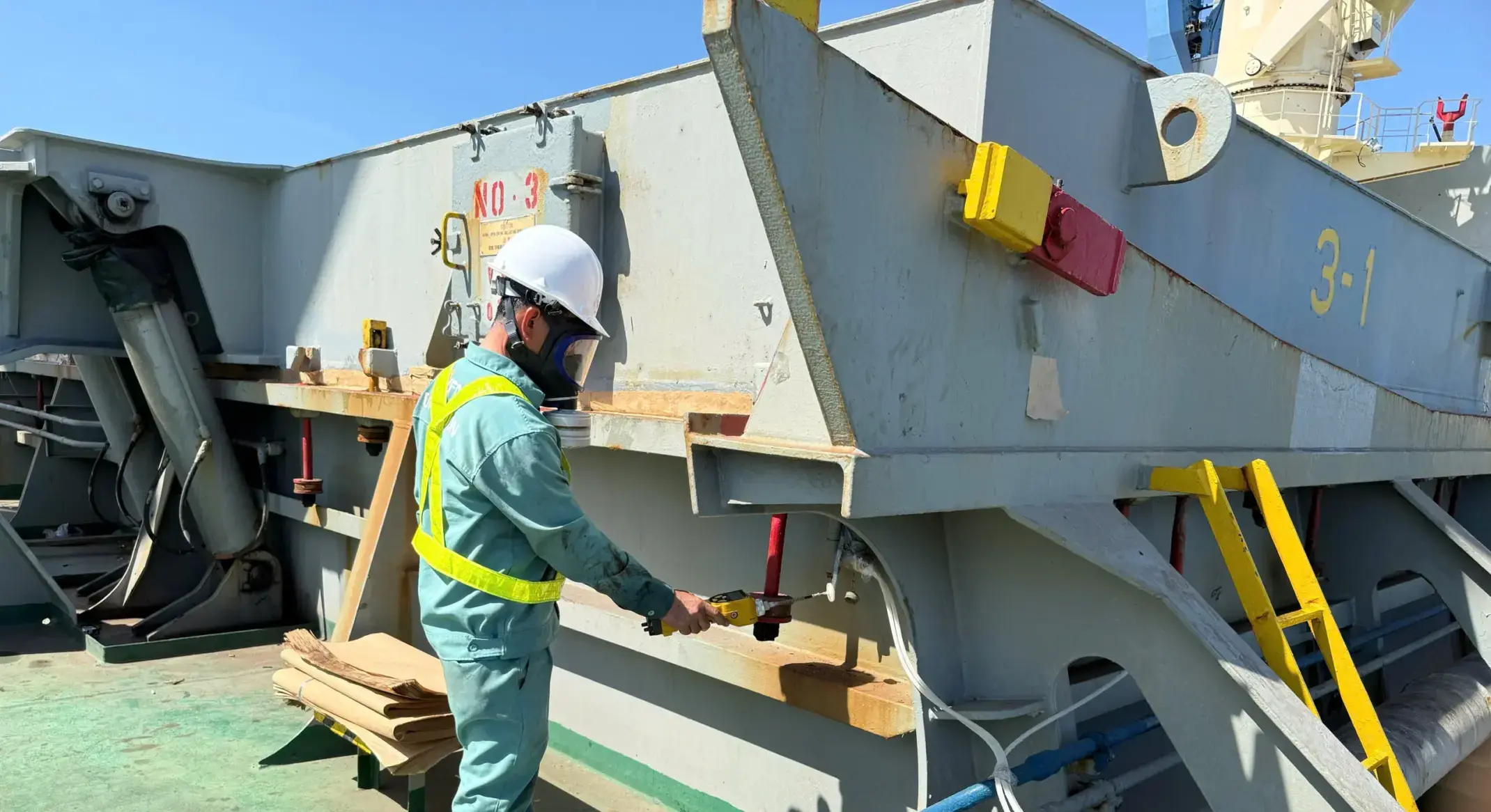
Fumigation of the TAI SUMMIT vessel bound for the U.S. at Dung Quat Port
Control of pest infestation risks to help ensure safe vessel departure
View details →Fumigation services
What VFC Fumigation offers businesses


15,000+ customers have trusted our services over the past 50 years
FAQs
Frequently Asked Questions
Depending on site conditions and applicable requirements, oversized and heavy-lift cargo may be considered for treatment at a storage yard or another suitable location. Before determining the treatment plan, VFC Fumigation assesses cargo dimensions, structural characteristics, the feasibility of establishing a sealed treatment area, safety conditions, and transportation schedules. Businesses should provide technical details and expected schedules in advance to allow sufficient time for feasibility assessment.
Treatment time depends on cargo characteristics, volume, fumigation method, sealing conditions, destination market requirements, and the required safe aeration period. To receive appropriate advice, businesses should prepare information about the cargo type, dimensions, materials, site photographs, packaging specifications, treatment location, destination market, and expected delivery schedule. Upon completion, VFC Fumigation prepares operational records, treatment reports, and fumigation certificates within the agreed service scope, helping customers verify the relevant information when needed.
For equipment with multiple gaps, compartments, layers of packaging, or multi-level structures, VFC Fumigation inspects the actual configuration to identify potential pest-harbouring areas, assess sealing conditions, and determine a suitable treatment method. Treatment area arrangements, leakage control, and technical parameters are implemented according to the assessed plan rather than applying a one-size-fits-all approach to every type of equipment.
Not all machinery, equipment, or industrial goods require mandatory fumigation. Requirements depend on the type of goods, their condition, the risk of carrying harmful organisms, packaging materials, and regulations in the importing market. Businesses should determine the applicable requirements before arranging treatment. VFC Fumigation reviews shipment information to assess the situation and recommend suitable solutions, helping businesses avoid unnecessary fumigation or overlooked requirements.
Some fumigants may be incompatible with certain materials or components, depending on their composition, exposure conditions, and treatment methods. Therefore, businesses should provide information about the materials, structural characteristics, and manufacturer's storage and preservation requirements. VFC Fumigation assesses material compatibility before recommending a treatment plan to minimize the risk of damage to goods during fumigation.