





Published date:
25/08/2026
Share



Australia enforces some of the world's strictest biosecurity barriers, directly administered by the Australian Department of Agriculture, Fisheries and Forestry (DAFF) to protect its unique and vulnerable native ecosystem against the threat of invasive alien species. Even a minor technical oversight in the quarantine treatment process is enough for DAFF to issue a mandatory re-export or destruction order for a multi-million-dollar shipment right at the port of arrival.
To proactively manage risks, exporters must thoroughly understand technical barriers and steer clear of the 3 fatal fumigation mistakes for Australia-bound cargo outlined below.
Why Does the Australian Market Enforce Strict Fumigation Controls?
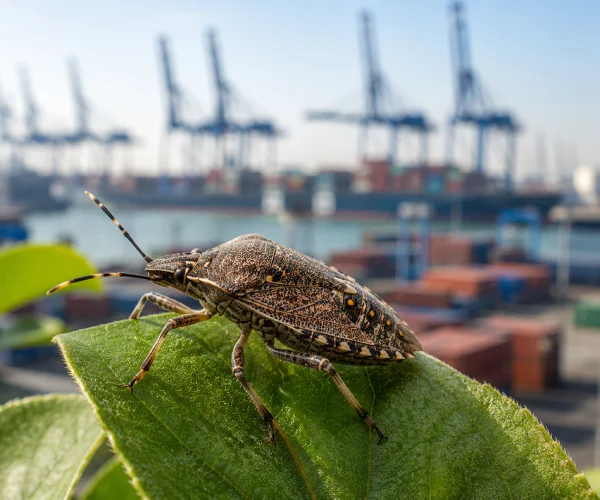
- Isolated and vulnerable ecosystem: Australia is an isolated island continent where native flora and fauna have evolved independently and lack resilience against foreign pests. Live pests (such as insects, mold, or brown marmorated stink bugs - BMSB) hiding in cargo or dunnage, if introduced into the country, can multiply rapidly and cause severe degradation to agriculture and forestry.
- Mandatory biosecurity requirements: All regulated goods must strictly comply with AFAS (Australian Fumigation Accreditation Scheme) standards and the BMSB-AusTreat seasonal management scheme. In Vietnam, the fumigation method approved by DAFF for Australia-bound exports is the use of Methyl Bromide (CH₃Br).
3 Fumigation Mistakes for Australia-Bound Cargo That Result in Re-Export Orders
Mistake 1: Hiring a Service Provider Without an AFAS/AusTreat Number or Failing to Synchronize Data
- The reality: Businesses opt for cheap services, selecting treatment providers that are not on the DAFF-approved list. Another common error is that certificates are issued manually in hard copy but their identification data is not uploaded to the online portal (BMSB Portal / DAFF data system).
- Consequences: The certificate is immediately rejected by Australian biosecurity authorities due to a lack of legal traceability. The entire consignment is halted from clearance immediately upon arrival at the destination port.
Mistake 2: Technical Shortcomings Causing Fumigant Loss and Allowing Pests to Survive
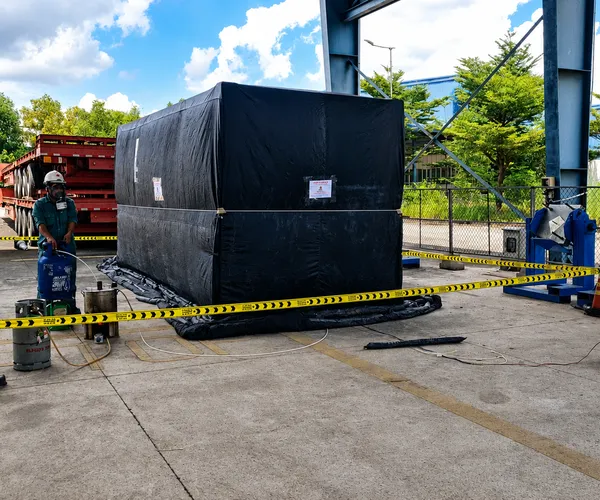
- The reality: On-site operations fail to meet standards: fumigating in leaking container structures (punctured walls, damaged door gaskets, floor gaps); miscalculating Methyl Bromide (MB) dosage relative to the actual ambient temperature chart; or cutting short the exposure period (a mandatory minimum of at least 24 hours).
- Consequences: The final fumigant concentration fails to meet the minimum AFAS threshold; substandard monitoring systems allow pathogens, insects, or stink bugs to survive inside the container upon unloading at the Australian port.
Mistake 3: Documentation Discrepancies and Substandard Field Operations
- The reality: A major procedural mistake at the port is intentionally applying the container seal before treatment instead of following the mandatory requirement to ground the container and open the doors for fumigation in compliance with DAFF's AFAS technical standards. Additionally, discrepancies often occur in identification details such as container number, seal number, commodity name, package quantity, or cargo description between the fumigation certificate and the bill of lading (B/L).
- Consequences: The consignment is held by biosecurity authorities for intensive inspection, incurs heavy fines, and is issued a mandatory re-export order.
Financial & Brand Impacts When a Shipment Faces Forced Re-Export
| Damage Factors | Actual Impact |
|---|---|
| Exorbitant Costs | Container detention and port storage fees at Australian ports charged in USD/day, round-trip freight costs, and incident handling expenses can amount to several times the original value of the shipment. |
| Reputational Damage | Exporters risk being placed on a biosecurity "blacklist" (where 100% of subsequent shipments are subjected to physical inspection, prolonging customs clearance), facing the threat of broken contracts and the loss of long-term strategic partners. |
Preventive Solution Framework for Exporters
- Look up and verify accreditation numbers: Proactively verify the valid AFAS/AusTreat registration number of the service provider on DAFF's official system before signing any contract.
- Proactively manage timing and scheduling: Conduct fumigation at least 48 hours prior to the shipping line's closing time. This ensures sufficient standard exposure time (minimum 24 hours) and adequate safe aeration time to reach TLV (Threshold Limit Value) levels before the container is loaded onto the vessel, avoiding the risk of container barge transfers or early schedule adjustments.
- Strictly control the process from the source: Select reputable treatment providers with a deep understanding of DAFF's stringent standards to maintain technical control right from the packing stage.
Proud to be the first and only provider in Vietnam approved by the Australian Department of Agriculture, Fisheries and Forestry (DAFF) under the BMSB-AusTreat scheme, backed by a nationwide network of AFAS-compliant branches, VFC Fumigation stands ready to accompany clients and guarantee the quality and biosecurity safety of every consignment exported to the Australian market.
-
Blog (15)
-
Regulation updates (4)
-
Partnerships & Collaborations (4)
-
General News (15)
Featured News


Related Knowledge