




Published date:
23/06/2026
Share




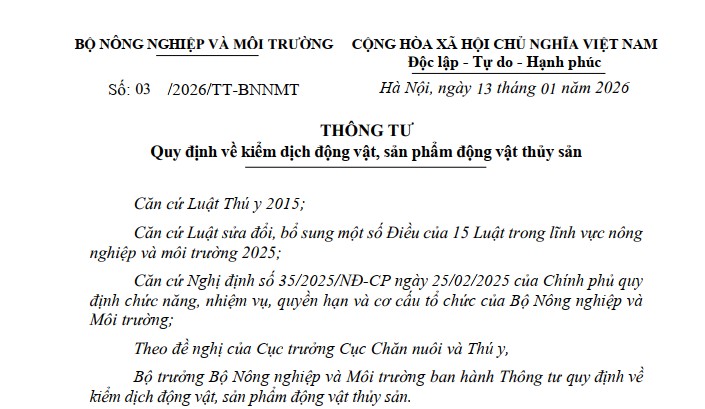
Vietnam's Circular No. 03/2026/TT-BNNMT, issued by the Ministry of Agriculture and Environment, introduces new regulations governing the quarantine of animals and aquatic animal products. Below are the key updates that importers, exporters, logistics providers, and seafood processing businesses should understand to ensure smooth customs clearance, cargo movement, and compliance with Vietnam's applicable regulations.
1. Overview of Circular No. 03/2026/TT-BNNMT
On January 13, 2026, the Ministry of Agriculture and Environment of Vietnam officially issued Circular No. 03/2026/TT-BNNMT, providing detailed regulations on the quarantine of animals and aquatic animal products. The Circular took effect on January 13, 2026, and officially replaced the previous regulations under Circular No. 26/2016/TT-BNNPTNT, Circular No. 36/2018/TT-BNNPTNT, and Circular No. 06/2022/TT-BNNPTNT.
2. Activities Governed by the Circular
Circular No. 03/2026/TT-BNNMT provides detailed guidance on the procedures and quarantine requirements applicable to commercial and transportation activities, including: the movement of animals and aquatic animal products outside provincial boundaries; export, import, temporary import for re-export, temporary export for re-import, border-gate transfer, storage in bonded warehouses, and transit through the territory of Vietnam.
In addition, the Circular also applies to aquatic animals and aquatic animal products used for trade fairs, exhibitions, sporting events, artistic performances, and the transportation of disease specimens.
3. Aquatic Products Subject to Quarantine and Quarantine Exemptions
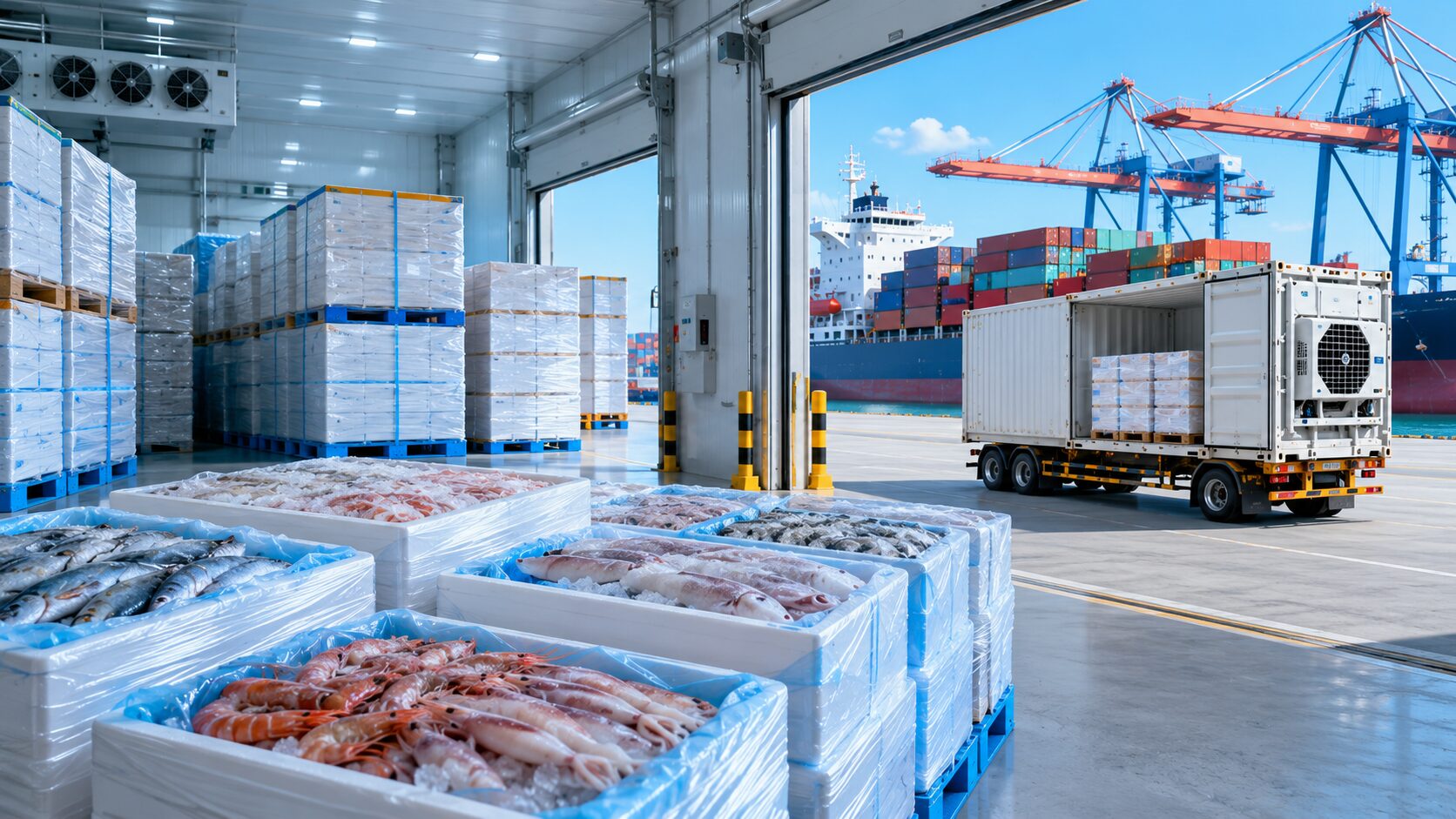
According to Appendix I of the Circular, import-export enterprises and logistics providers should pay close attention to the following classifications:
- Products subject to mandatory quarantine: These include fish, crustaceans (such as shrimp, crabs, and swimming crabs), mollusks (including squid, octopus, snails, oysters, and clams), amphibians, reptiles, and aquatic mammals. For aquatic animal products, the regulations apply to embryos, eggs, semen, and larvae in live, chilled, or frozen form..
- Products exempt from quarantine: These include imported goods entitled to diplomatic privileges; imported products used as raw materials for processing and export production; testing samples; products displayed at trade fairs or exhibitions; and food products intended for export that have been recalled or returned..
See more: Types of goods commonly required to undergo fumigation before export
In practice, determining whether a shipment is subject to quarantine or exempt from quarantine depends not only on the product itself but also on its intended use, preservation condition, and commercial purpose. The same aquatic product may be subject to different regulatory requirements depending on whether it is intended for consumption, research, export manufacturing, or re-export.
Therefore, before signing an import contract or preparing export documentation, businesses should carefully review the product categories listed in the Appendix of Circular No. 03/2026/TT-BNNMT and consult the competent quarantine authority or a qualified professional advisor if any uncertainties arise. Correct classification from the outset can help minimize additional documentation, logistics adjustments, and unnecessary storage or demurrage costs.
4. Quarantine Procedures for Exported and Imported Goods
- For food products intended for export: Quarantine procedures are carried out simultaneously with the inspection and issuance of the Food Safety and Quality Certificate.
- For non-food export products: Enterprises may submit their applications through the Vietnam National Single Window Portal, the Public Service Portal, postal services, or directly to the competent authority. The quarantine authority will issue the quarantine certificate within 01 working day (for shipments not requiring sampling) or 05 working days (for shipments requiring laboratory testing).
- For imported goods intended for domestic consumption in Vietnam: The cargo owner must submit an application to the Department of Livestock Production and Animal Health under the Ministry of Agriculture and Environment of Vietnam to obtain written approval before importing the goods. The Circular specifies that the quarantine isolation period must not exceed 10 days for breeding animals and 03 days for commercial animals. In particular, frozen aquatic animal products must remain at the port of entry until satisfactory quarantine results are obtained.
5. Regulations on Transit, Temporary Import for Re-export, and Bonded Warehouses
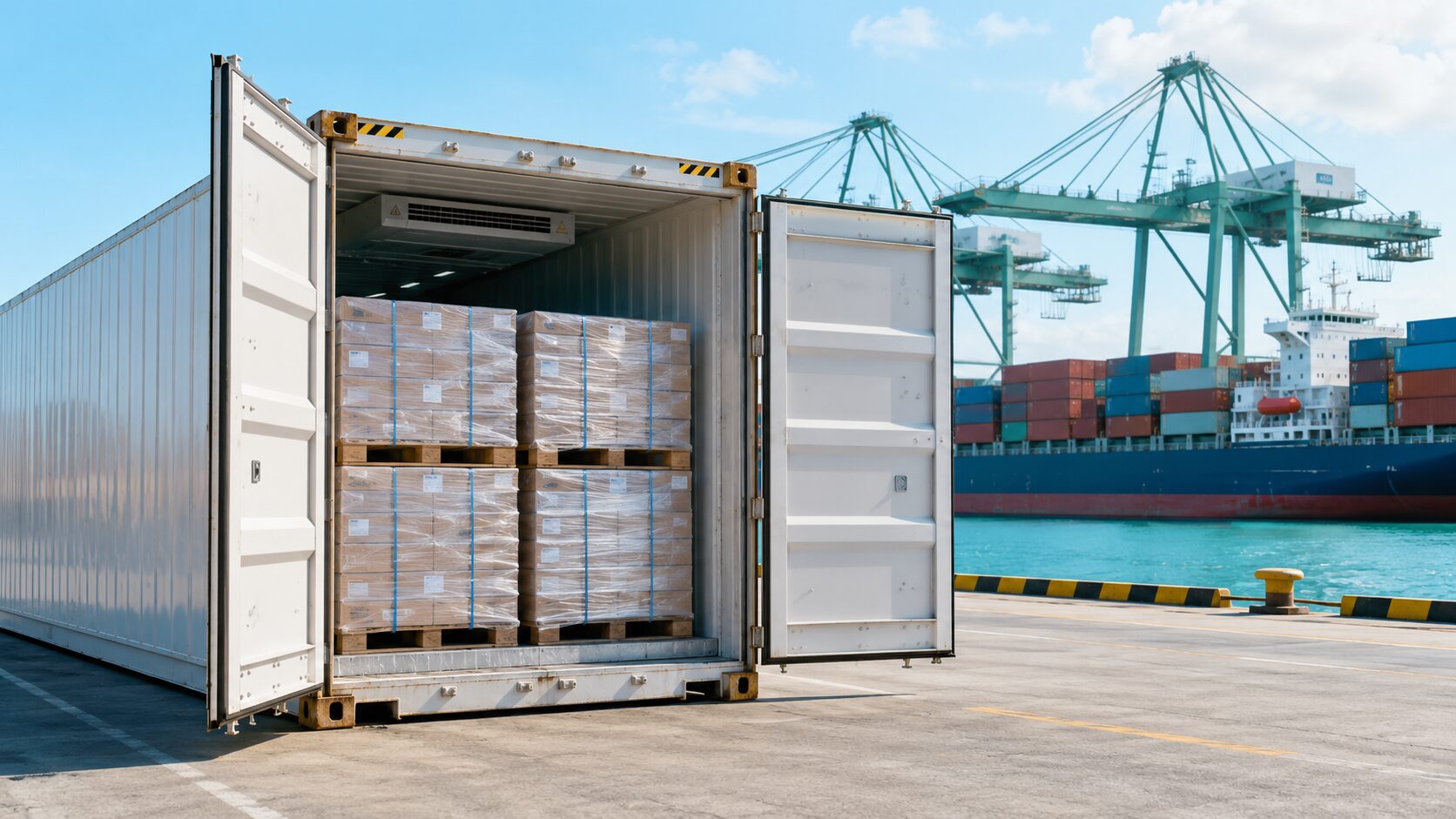
Enterprises engaged in temporary import for re-export, border-gate transfer, bonded warehouse operations, or cargo transit must submit an application for approval to the Department of Livestock Production and Animal Health.
During storage and transportation within the territory of Vietnam, cargo owners must strictly follow the approved transportation route and must not unload cargo, remove seals, or break customs seals without authorization, except where required by law and under the supervision of both the Animal Health Authority and Vietnam Customs. Transport vehicles must be properly enclosed to prevent the leakage of waste, animal carcasses, or bedding materials during transportation.
6. Responsibilities of Cargo Owners (Businesses)
To ensure smooth customs clearance and cargo movement, the Circular requires cargo owners to bear full legal responsibility for the legality and accuracy of quarantine registration documents and declarations.
Businesses are responsible for paying all quarantine and laboratory testing fees, as well as any expenses arising from the treatment or destruction of shipments that fail to meet regulatory requirements. In addition, cargo owners must proactively arrange quarantine isolation facilities for imported goods and provide storage facilities that comply with the applicable regulations.
You can access the full text of the Circular here: Circular No. 03/2026/TT-BNNMT of the Ministry of Agriculture and Environment of Vietnam: Regulations on the Quarantine of Animals and Aquatic Animal Products..

-
Blog-old (0)
-
Regulation updates (4)
-
Partnerships & Collaborations (4)
-
General News (16)
Featured News

Related Knowledge
03/03/2026
03/03/2026
VFC Traditional Day 2026: Ready for a Breakthrough Journey
The VFC Traditional Day 2026, held from February 27 to March 1 in Vung Tau, was not only an occasion to celebrate a proud 50-year journey but also a milestone marking a new strategic direction. For VFC Fumigation, this was an opportunity for the entire team to reflect on the core values refined over half a century, while activating new momentum for the acceleration phase from 2026 to 2030.