




Published date:
22/09/2026
Share




In the context of global economic integration, the pressure on exporters does not only involve product quality but also compliance with stringent quarantine regulations. Each country imposes strict technical barriers to prevent the introduction of invasive pests.
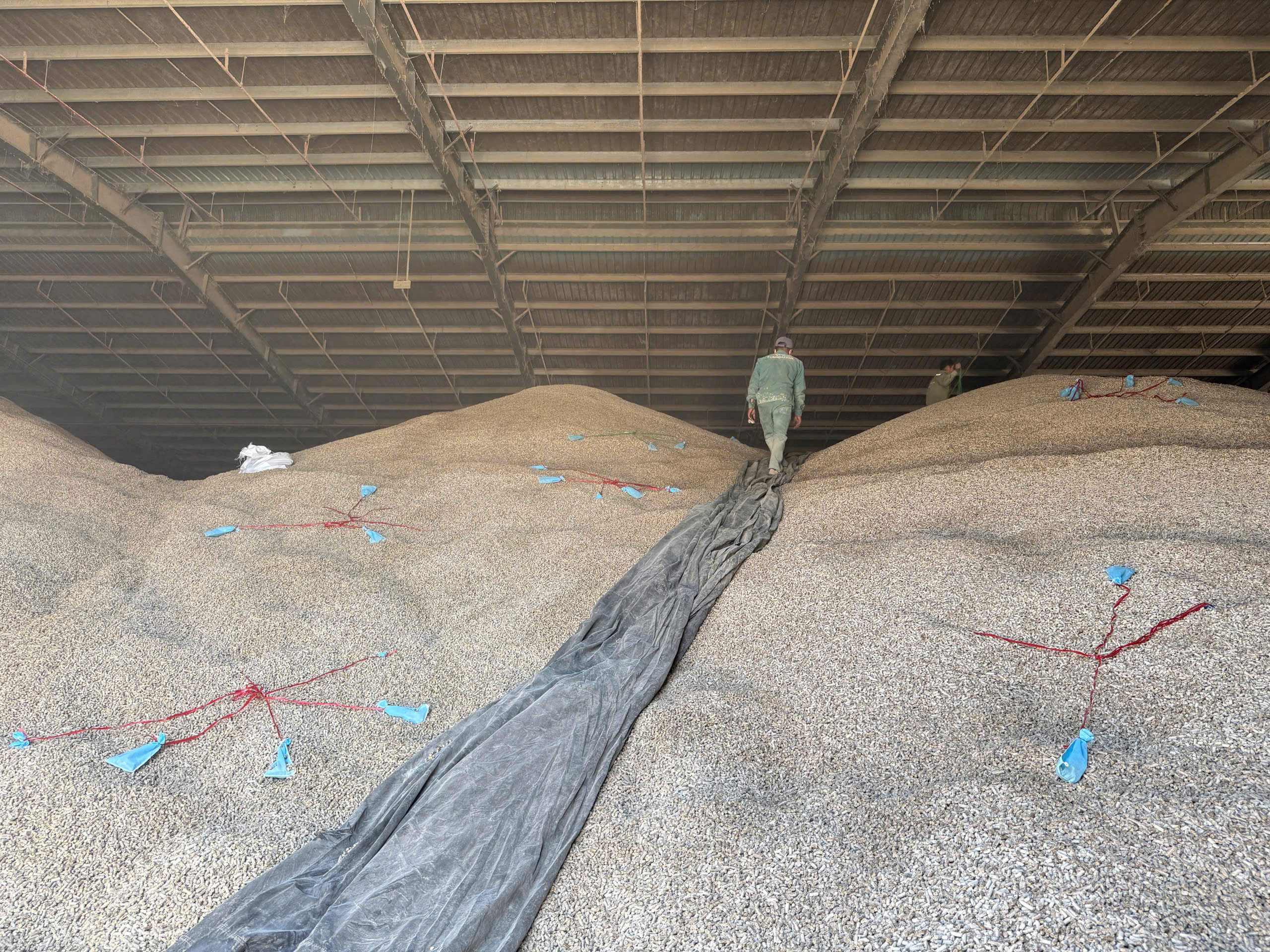
Export cargo fumigation, also known as fumigation treatment, is mandatory for many agricultural products, wood packaging materials (WPM), containers, and bulk cargo. However, many businesses still mistakenly believe that simply obtaining a fumigation certificate guarantees smooth customs clearance.
In practice, at major import ports such as Rotterdam, Hamburg, and Sydney, thousands of containers are still detained, re-exported, or subjected to substantial demurrage and detention charges (DEM/DET) because of errors in the fumigation process. This article therefore examines three common mistakes in cargo fumigation that businesses need to avoid in order to protect their supply chains and ensure a smooth customs clearance process.
The Current Quarantine Landscape and the Role of Export Cargo Fumigation
Sanitary and phytosanitary barriers (SPS) in major markets such as the United States, the EU, Japan, and Australia are becoming increasingly stringent. For products of organic origin, especially agricultural commodities, fumigation is a prerequisite. This treatment method helps eliminate pathogens, insect pests, and molds that may disrupt the native ecosystem of the importing country.
A certificate confirming that the cargo has undergone pest treatment—a fumigation certificate—is considered a mandatory “passport” for international trade. However, holding a certificate does not mean that the shipment is completely protected from risks at the destination port. Incidents may still occur if errors arise during actual treatment at the warehouse or inside the loaded container. To avoid being placed in a passive position, businesses need to clearly identify the following critical gaps.
Mistake 1: Prioritizing Low Prices Over Technical Standards
One of the most common mistakes made by small and medium-sized businesses when arranging export cargo fumigation is placing cost above technical capability. Searching for low-cost service providers to optimize short-term profits often leads to serious legal and financial consequences.
Each importing market specifies extremely strict treatment standards for individual commodity categories. For example:
- AFAS standard: A stringent fumigation accreditation system established by Australia and New Zealand. Only providers with an approved registration number and listed under the official program are authorized to perform the treatment.
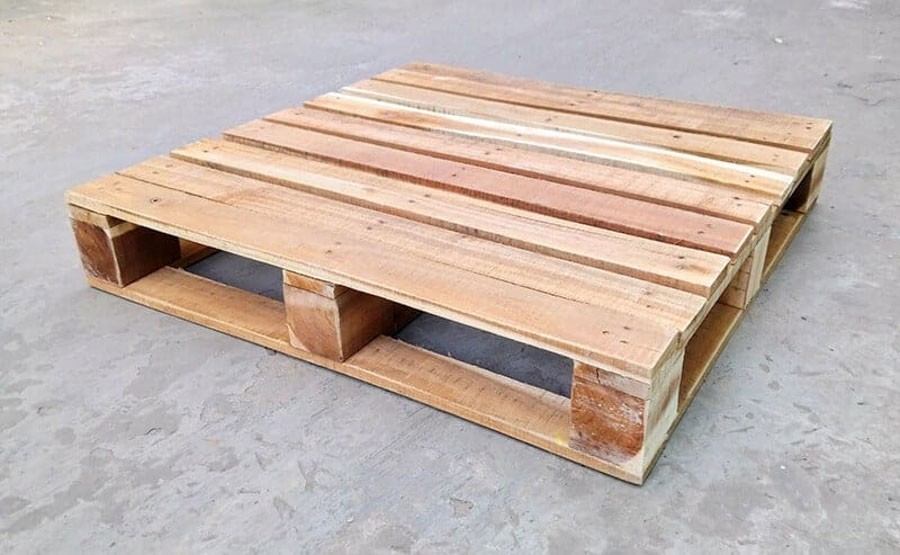
- ISPM 15 standard: An international regulation governing wood packaging materials used in global trade, including pallets, wooden crates, and wooden cases, to prevent the movement of plant pests.
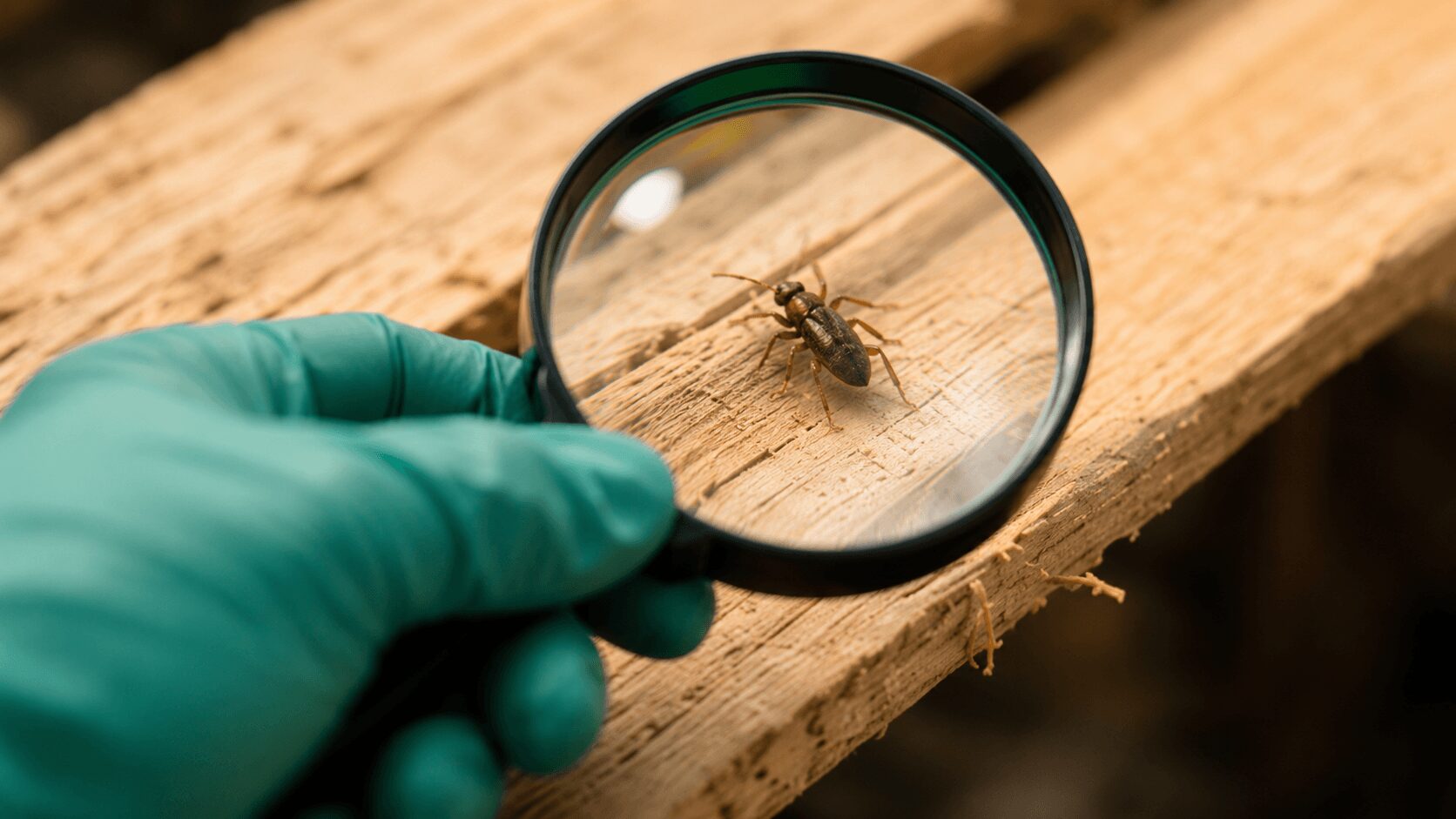
When a business selects a low-cost provider that lacks sufficient capability, technical treatment procedures—such as the fumigation exposure period or sealing method—may fail to meet the required standards. As a result, pests may not be completely eliminated. When the container arrives at the destination port, the detection of even one live insect by the local quarantine authority may result in the suspension of customs clearance for the entire shipment.
The business may therefore choose an unsuitable solution from the outset, wasting both time and money. The costs incurred to resolve the problem overseas—including storage charges, retreatment at the destination at significantly higher labor costs, destruction expenses, or return transportation to Vietnam—may be dozens or even hundreds of times greater than the amount initially saved by using a cheaper service.
Mistake 2: Selecting an Unsuitable Treatment Method and Service Provider
Exporters have every right to expect that once the cargo has been handed over and the service fee paid, the fumigation provider will ensure the shipment is properly treated. However, risks arise when businesses choose providers with a superficial approach—those focused only on completing the paperwork and issuing a certificate rather than conducting the actual treatment properly.
An inexperienced or irresponsible fumigation provider often applies the same general procedure to every shipment without considering the specific characteristics of the cargo. Each type of commodity requires its own fumigation procedure and treatment method. The technical solution must be accurately calculated based on the actual volume, cargo characteristics, and specific requirements of the importing country.
Inexperienced personnel may fail to properly assess the safety and gas-tightness of the container or ensure adequate circulation of the fumigant gas inside. This can result in uneven treatment and may affect the quality of the cargo.
More seriously, if the fumigant cannot penetrate into deeper areas of the cargo, insect eggs or larvae may survive. During a long sea voyage, these larvae may develop under favorable conditions. The risk may only be discovered when the quarantine authority at the import port opens the sealed container. At that point, the exporter’s reputation with the buyer may be seriously damaged.
Mistake 3: Overlooking Moisture During Sea Transportation
Fumigation alone is not sufficient if the business overlooks moisture management inside the container. Many exporters focus exclusively on insect control while ignoring the “silent enemy” of mold.
During long sea voyages, temperature differences between day and night can cause container condensation, commonly known as “container sweat.” High humidity not only damages packaging and degrades products but also creates ideal conditions for mold to develop rapidly.
Even when the shipment is completely free of insects after fumigation, mold that develops during transportation may still cause the goods to be rejected because they fail to meet hygiene requirements.
Businesses therefore need to implement coordinated solutions such as installing specialized container desiccants and applying container paper lining to control the internal environment and maintain the required quality of the cargo until it is delivered to the destination warehouse.
Long-term Consequences of Common Mistakes
In demanding markets such as the United States and the EU, violations of plant quarantine regulations are considered serious offenses. When a business is found to have shipped non-compliant cargo, the information may be recorded in the importing country’s shared warning system.
As a result, subsequent shipments from that business to the same market may be placed under enhanced inspection or assigned to the red channel. This may lead to increased sampling rates, prolonged customs clearance, and substantial storage charges. Restoring a clean compliance record afterward is extremely difficult and costly.
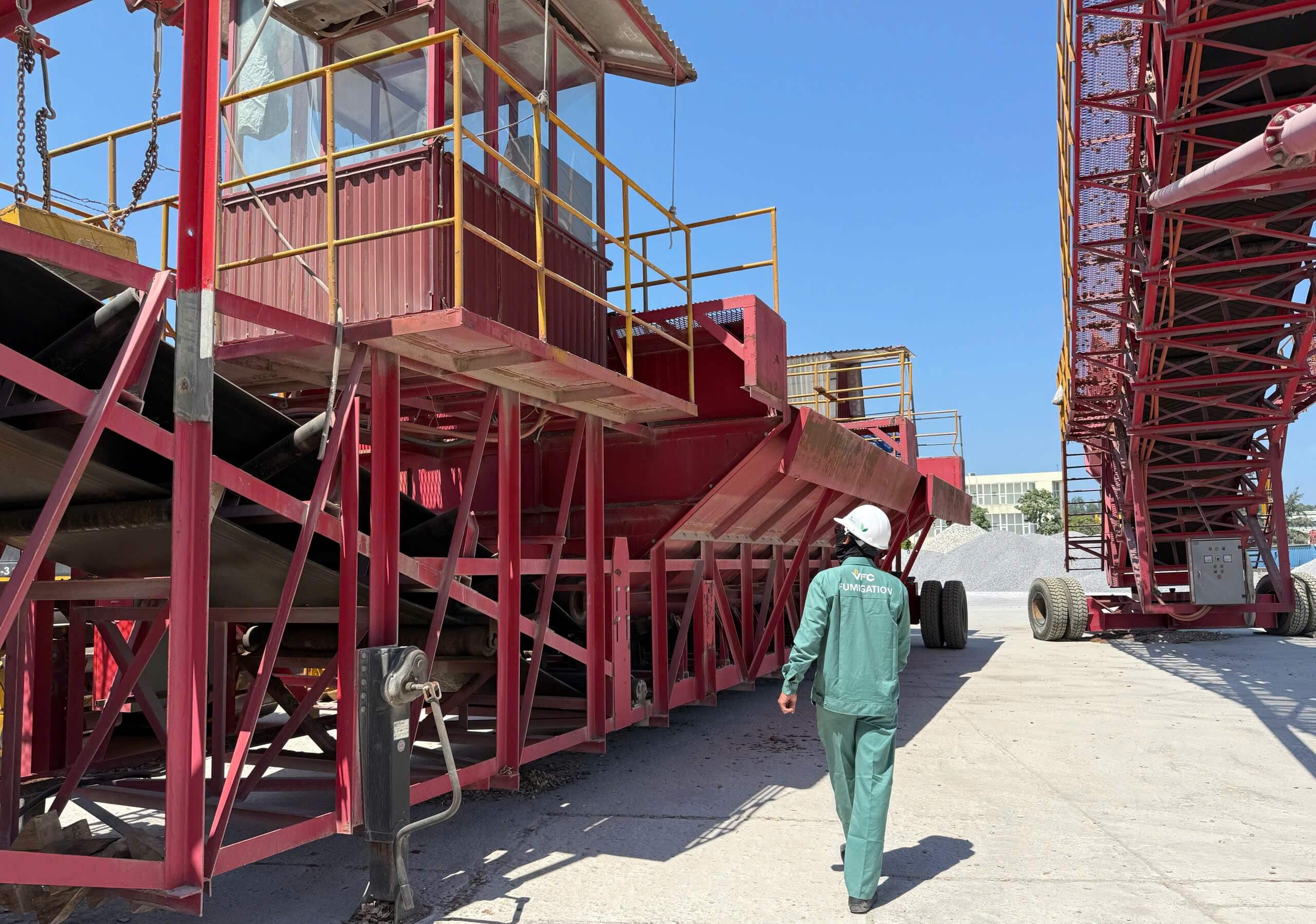
To safeguard the international flow of goods, selecting an experienced and reputable quarantine treatment partner is a key strategy for responsible exporters.
With more than 50 years of experience, VFC Fumigation is proud to be a pioneer in Vietnam in providing export cargo fumigation solutions, plant quarantine treatments, and pest control services.
Through a nationwide branch network with a presence at major seaports, combined with a professionally trained team of specialists, we are committed to delivering comprehensive supply-chain protection solutions that help shipments clear customs smoothly and maintain their required quality.
To explore more useful industry information, businesses can visit VFC’s Fumigation News section..
Blog nổi bật




Blog liên quan