





Export agricultural commodity fumigation

Common challenges
Pest risks in agricultural exports
Common challenges
- Pests may develop deep inside the agricultural commodity mass.
- Shipments may be found with live insects at the destination port, resulting in inspection or treatment requirements.
- Treatment methods may not be suitable for the importing market's requirements.
- Fumigation schedules may not align with cargo loading plans, affecting delivery timelines.
- Insufficient data and documentation for inspection or verification.
VFC Fumigation’s Solution
- Survey cargo characteristics, pest infestation status, and loading arrangements.
- Develop fumigation plans suited to the goods and actual operating conditions.
- Recommend fumigation methods and treatment documentation based on each shipment's requirements.
- Coordinate fumigation schedules with business operations and shipment plans.
- Record operational data through FumiApp and issue certificates with QR Codes for verification.
In export agricultural commodity fumigation
Risk mechanisms

Insects hidden deep inside the cargo
Some insects develop deep within the cargo mass. Conventional distribution of fumigant may be limited by cargo structure and treatment conditions.
Unsuitable treatment conditions
Packaging, loading arrangements, and sealing conditions may reduce fumigation effectiveness.
Failure to meet import requirements
Treatment methods, conditions, or documentation may not comply with the requirements of the importing market, resulting in additional inspection or treatment.
Insect reinfestation after treatment
Goods may still face reinfestation risks during storage or transportation if subsequent handling and preservation conditions are not properly controlled.
Solution implementation
Process flow

Request Intake
Receive information about the type of agricultural commodity, quantity, packaging specifications, loading location, delivery schedule, and specific customer requirements.

Site survey and treatment planning
VFC's technical team conducts an on-site survey or evaluates shipment information, including cargo structure, loading conditions, pest infestation status, packaging, treatment conditions, and customer requirements. Based on the findings, a suitable fumigation plan is developed, with operational data recorded through FumiApp.

Preparation and treatment
Prepare personnel, equipment, and materials according to the agreed plan. Carry out fumigation in compliance with technical procedures, monitor the treatment process, and record the required operational information.

Inspection and certificate issuance
After completing the exposure period, carry out ventilation and safety inspections. Coordinate with the customer to inspect and accept the results, complete the treatment records, and issue the Fumigation Certificate with a QR Code for verification.
Why businesses choose VFC Fumigation
What makes our solution different

Monitoring through FumiApp
Record operational data and images, supporting inspection and retrieval when needed.

J-System application for large cargo volumes
Apply forced gas circulation technology to large-scale storage structures, including warehouses, silos, and vessel holds.

QR-verifiable fumigation certificates
Verify certificates through QR Codes, helping customers, forwarders, and partners check and cross-reference information

More than 50 years of experience
With more than 50 years of experience, a team of highly skilled technicians, and international recognition from IMFO.

Consultation tailored to each agricultural commodity
Survey cargo characteristics, identify actual requirements, and advise exporters before proposing a treatment method.

Flexible technical plans for different structures
Develop fumigation plans suited to each type of cargo and loading conditions to ensure treatment effectiveness
Applicable Cases
Fumigation projects

Fumigation of 55,000 Tons of Bulk Rice to the U.S. on the Golden Eagle Vessel Using the J-System
Fumigation of cargo holds approximately 20 meters deep, using J-System gas circulation technology
View details →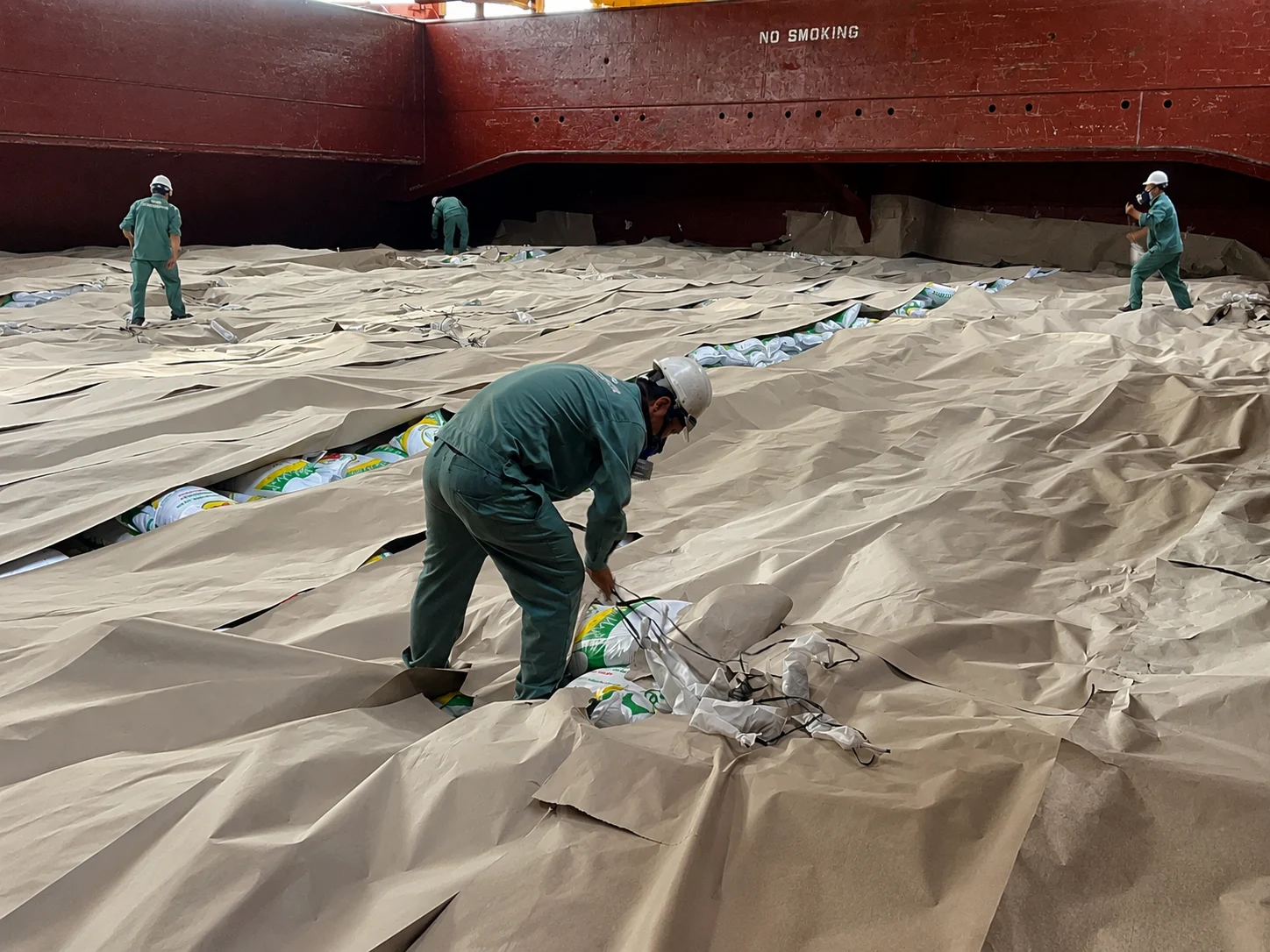
Fumigation of the Euro Star vessel carrying 32,300 tons of rice exported to Ghana
VFC Fumigation's project involving treatment of a large-volume cargo shipment to meet import market requirements
View details →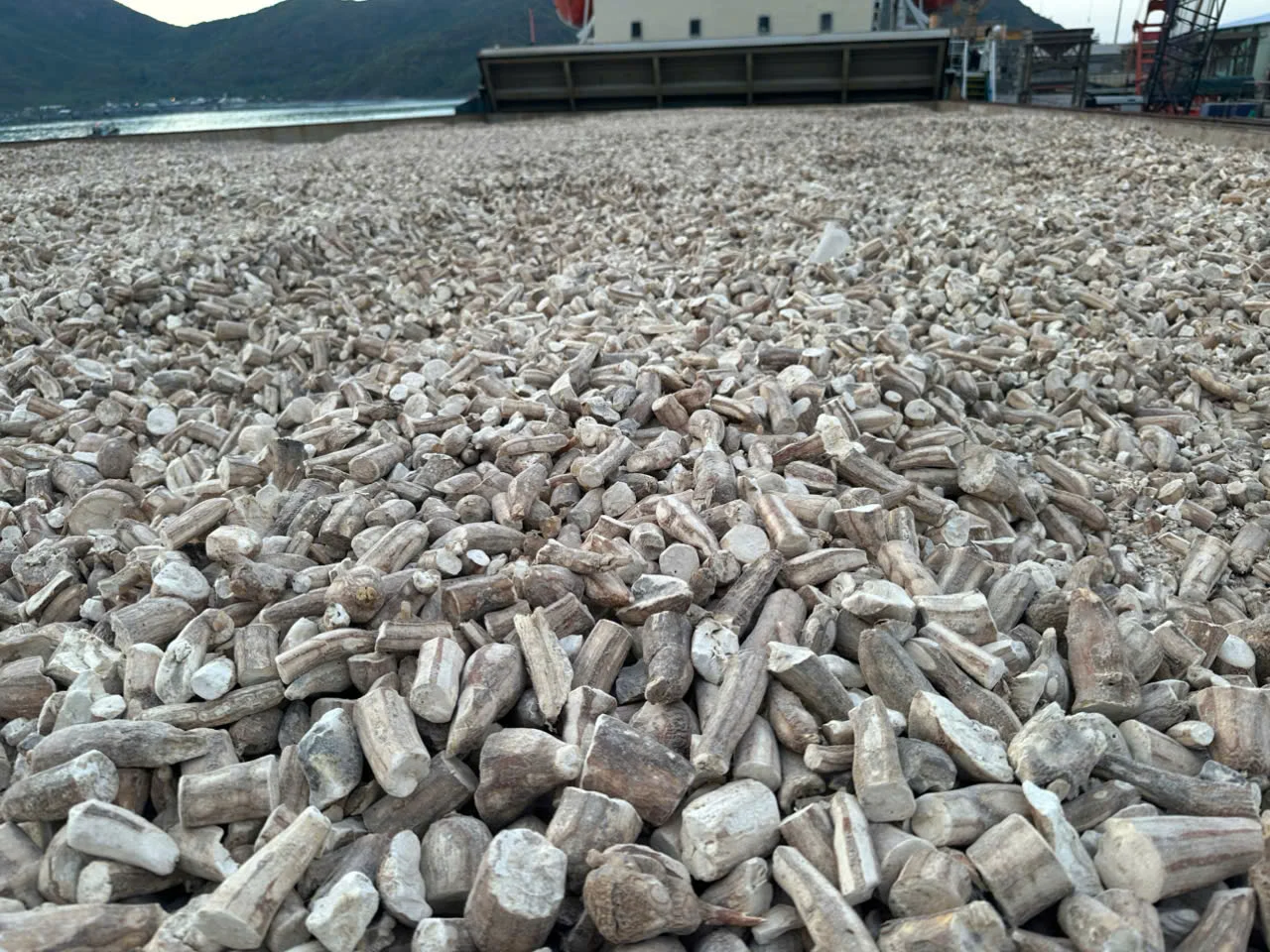
Fumigation of cassava chips exported to South Korea aboard the RICH LAND vessel at Quy Nhon Port
The fumigation plan was developed based on actual conditions, including cargo hold structure, cargo volume, and loading arrangements
View details →
Fumigation of over 15,000 tons of bulk corn for an animal feed manufacturer in Ho Chi Minh City
Specialized fumigation techniques were applied to large-scale bulk cargo to control stored-product pests
View details →Fumigation services
What VFC Fumigation offers export businesses


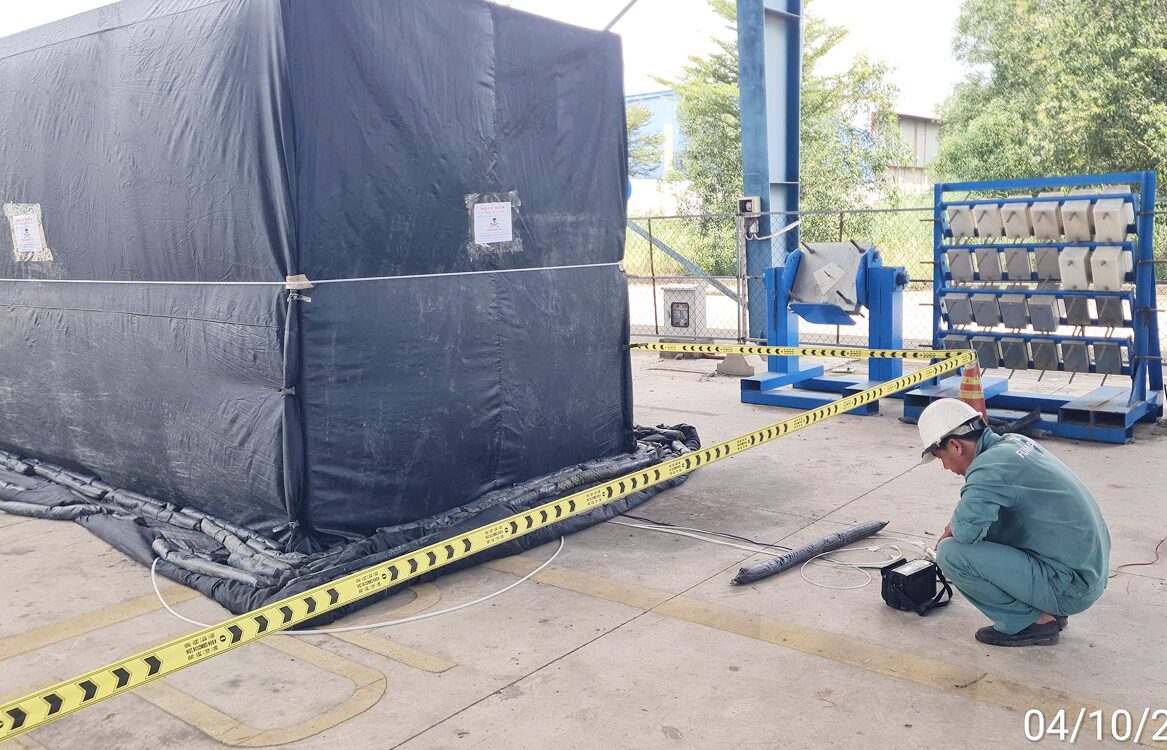
15,000+ customers have trusted our services over the past 50 years
FAQs
Frequently Asked Questions
Yes. The applicable treatment methods and standards depend on the type of goods, the destination market, the target pests, and the requirements of quarantine authorities or buyers. Businesses should verify the applicable requirements before exporting. VFC Fumigation reviews shipment details and provides advice on suitable treatment options to help avoid unnecessary procedures or missed requirements.
Rice, coffee, cashew nuts, black pepper, and many other dried agricultural products are at risk of insect infestation during harvesting, processing, storage, and transportation. Depending on the type of goods, pest conditions, and import requirements, businesses may need to fumigate products before container loading, in storage facilities, or during transportation.
Fumigation time depends on the type of agricultural product, treatment method, temperature conditions, treatment volume, and applicable technical requirements. Businesses should also account for preparation, treatment, aeration, and certification time. VFC Fumigation works closely with customers to develop suitable treatment plans that align with cargo loading schedules and expected shipping cut-off times.