






Category:
Standards & Regulations

Published date:
02/03/2026
Share




How does the Lesser Grain Borer cause damage? How can it be eliminated from export cargo? Below is an overview of this destructive storage pest.
1. What is the Khapra Beetle?
According to the definitions in the Plant Protection and Quarantine Law, a "Plant Quarantine Pest" is a harmful organism that poses a risk of causing serious damage to plants, is currently absent or has a limited distribution in Vietnam, and must be strictly controlled. Circular 35/2014/TT-BNNPTNT issues the list of plant quarantine pests for Vietnam, which includes several species such as the Khapra beetle, lesser grain borer, Canada thistle (weed), various types of nematodes, and fruit flies.
This VFC article will help readers understand more about the Khapra beetle (scientific name: Trogoderma granarium Everts – abbreviated as TG). This is a beetle that Australia considers an exotic species and the second most harmful pest to plants (out of a list of more than 50 exotic species in Australia, the Khapra beetle ranks second).
The Khapra beetle is a serious threat to the agricultural industry due to its intense vitality. They can survive without food in harsh climatic conditions and will thrive again very quickly when conditions become favorable. This species is highly polyphagous, capable of feeding on a wide variety of agricultural products. Some jokingly remark that this insect can even survive by eating the rubber in tires!
The life cycle of the Khapra beetle consists of four stages, like other beetles: egg → larva → pupa → adult.
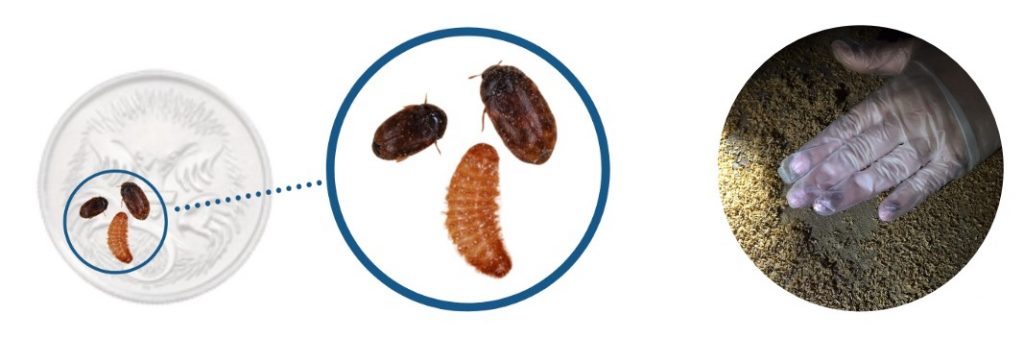
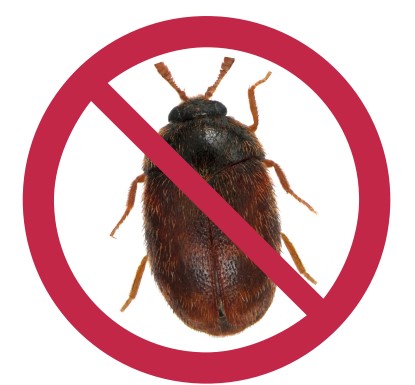
- Adult beetles: Body length from 1.6–3 mm, oval-shaped, dark reddish-brown, covered with many yellow hairs, and flightless.
- Larvae: Resembling hairy caterpillars, they are 1.6–4.5 mm long, typically covered in numerous hairs and are yellowish-brown in color. During their development, larvae molt and leave behind these hairy skins, which are key signs to look for if a warehouse is infested.
Lesser Grain Borer Control
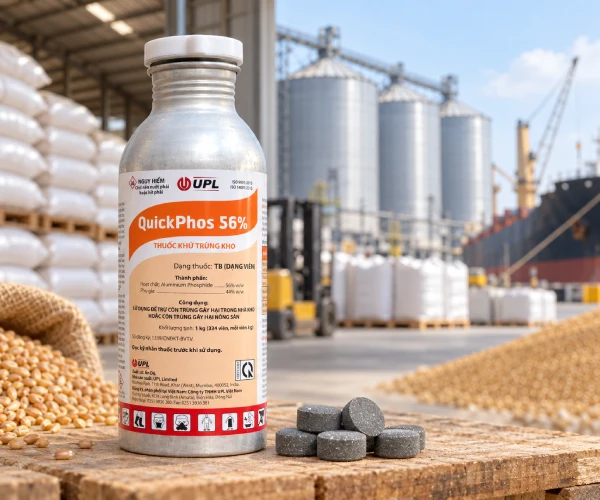
Controlling this species is relatively difficult. One of the measures approved by Australia for treatment is fumigation using Methyl Bromide according to the AFAS standard, with a dosage of 80g/m³ and an exposure time of 48 hours. You can contact VFC for further consultation on fumigation as well as methods to control all other types of pests.
Given the devastating impact of the Khapra beetle on the agricultural industry, it is fortunate that Vietnam still maintains good control over imported goods and is currently considered a country free from the presence of this species.
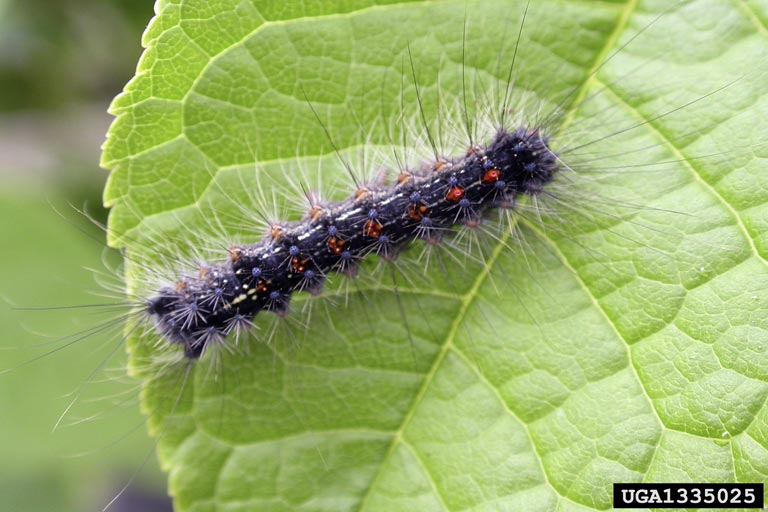
Read more: Asian Gypsy Moth (AGM) – A Pest Threat from the Far East and International Quarantine Regulations
Featured Knowledge



Related Knowledge