




Category:
Standards & Regulations

Published date:
10/02/2026
Share




The Asian Gypsy Moth (AGM) is currently one of the biggest threats to global biosecurity and the phytosanitary industry. With extreme adaptability and a voracious appetite, this pest from the Far East region (Japan, Russia, China, South Korea) is forcing importing countries to apply the strictest maritime control regulations. This article will provide a comprehensive overview of AGM characteristics, the risk of spread, and the necessary procedures for import-export businesses to ensure smooth customs clearance.
1. Overview of the Asian Gypsy Moth
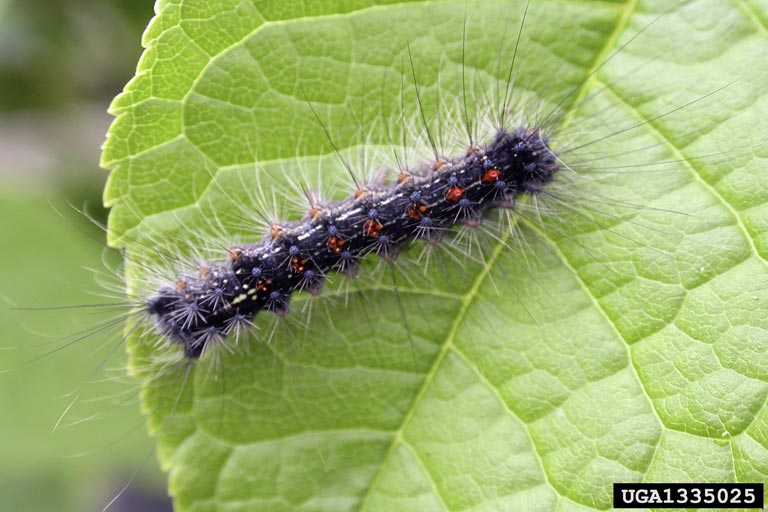
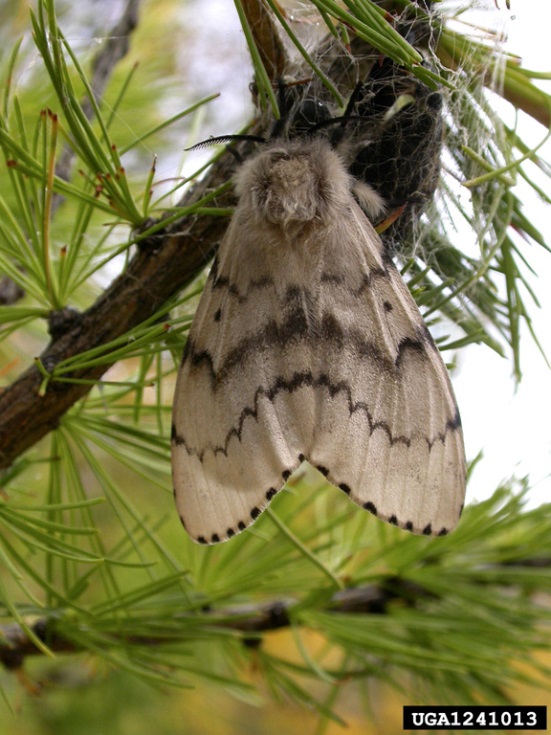
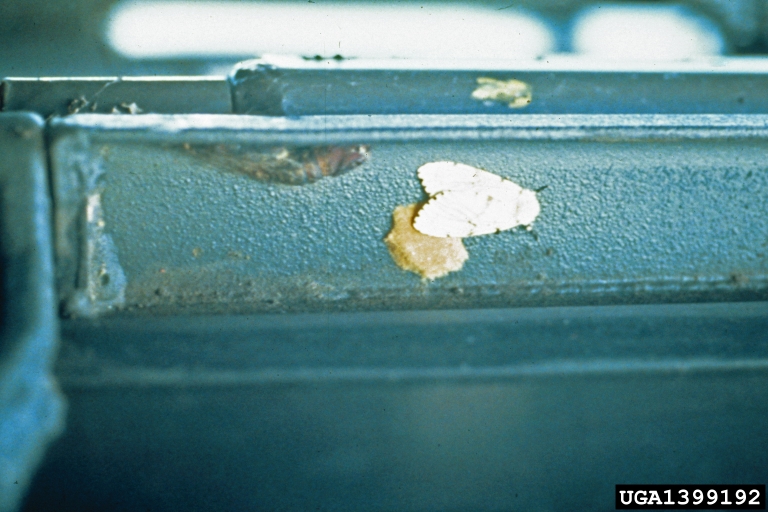
The Asian Gypsy Moth (AGM) is the common name for a group of moth species belonging to the Erebidae family. Unlike its European Gypsy Moth cousin, the AGM is capable of flying further, and females are extremely attracted to artificial light at night. This makes it easy for them to "land" on covered structures, ship hulls, and cargo containers at Far East seaports during the egg-laying season.
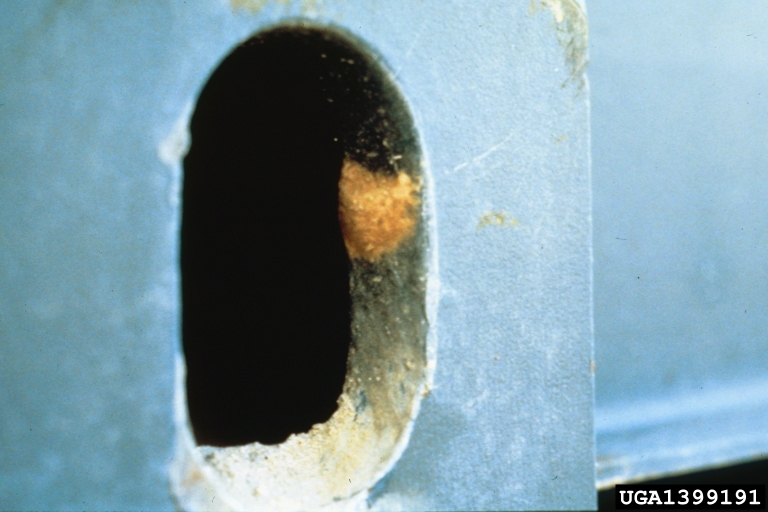
AGM egg masses have incredible durability, capable of withstanding extreme temperature and humidity changes throughout transoceanic voyages. Upon reaching the destination port, the eggs hatch into larvae with a voracious appetite, capable of destroying hundreds of broadleaf plant species, causing serious ecological imbalance in countries such as the US, Canada, Australia, and Chile.
2. Why has the AGM become a “nightmare” for the logistics industry?
The danger of the AGM lies not only in the appetite of the larvae but also in its ability to spread via sea routes. Key points to note:
- Adhesion capability: Their eggs can stick tightly to container walls, ship surfaces, and hard-to-see crevices.
- Incubation period: Early detection of egg masses is very difficult for non-professionals.
- Economic consequences: If a ship is found to have AGM presence at the destination port, it may be denied entry and forced to return to international waters for fumigation, causing millions of USD in losses due to trade disruption.
Read more: Lesser Grain Borer – A Plant Quarantine Pest of Concern in Vietnam
3. Strict quarantine regulations to comply with
Currently, many countries have established mandatory certification programs for seagoing vessels that have docked at ports in the Far East during the AGM peak season.
Common control procedures include:
- Inspection at the port of departure: Before leaving ports in Japan, China, Russia, or South Korea, the ship must be inspected and issued a certificate confirming it is free of pests (AGM-free).
- Compliance with destination port regulations: Countries such as the US, Canada, Australia, and New Zealand have strict standards requiring ships to be completely cleaned before entering territorial waters.
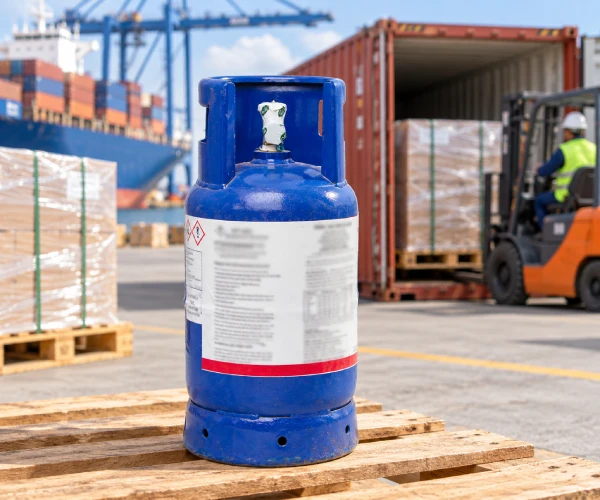
- Incident handling: In case signs of AGM are detected, the ship is required to undergo professional fumigation according to the method approved by the local quarantine authority.
4. Solutions to help businesses ensure customs clearance
To avoid the risk of being denied entry or experiencing cargo delays, logistics businesses and ship owners need to proactively implement preventive measures early.
- Strict monitoring: Regularly check areas with lighting on the ship and covered locations.
- Professional fumigation services: Choose units with sufficient capacity for maritime fumigation and container treatment according to international standards.
- Information linkage: Closely monitor notices regarding the AGM peak season at Far East ports to plan for prevention.
Compliance with quarantine regulations not only helps protect the agricultural products and natural resources of the host country from AGM attacks but also affirms the reputation and competitive capacity of businesses on the global logistics map.

Featured Knowledge


Related Knowledge