






Published date:
29/06/2026
Share




Many people still think pallets are just wooden base plates used to support goods during transportation. In fact, export pallets are an important component of the logistics chain, directly affecting handling efficiency, shipping costs, the ability to utilize container space, and compliance with the regulations of the importing market
For import-export enterprises, choosing the right type of pallet not only helps protect goods throughout the transportation process but also minimizes many risks such as incurring costs, delayed customs clearance, or failing to meet phytosanitary requirements. Therefore, clearly understanding the types of pallets and applied standards is the first step to optimizing logistics activities and enhancing export efficiency.
1. What are export pallets?
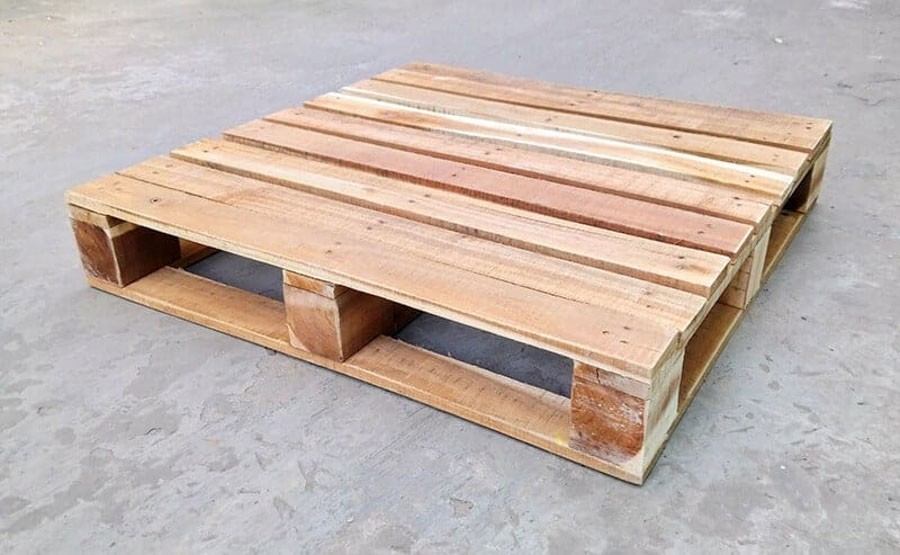
A pallet is a flat structure used to place, secure, and gather multiple packages into a unified load unit during warehousing, handling, and transportation. Thanks to this, goods can be lifted and lowered by forklifts or specialized equipment quickly, limiting the movement of individual packages and significantly reducing handling time.
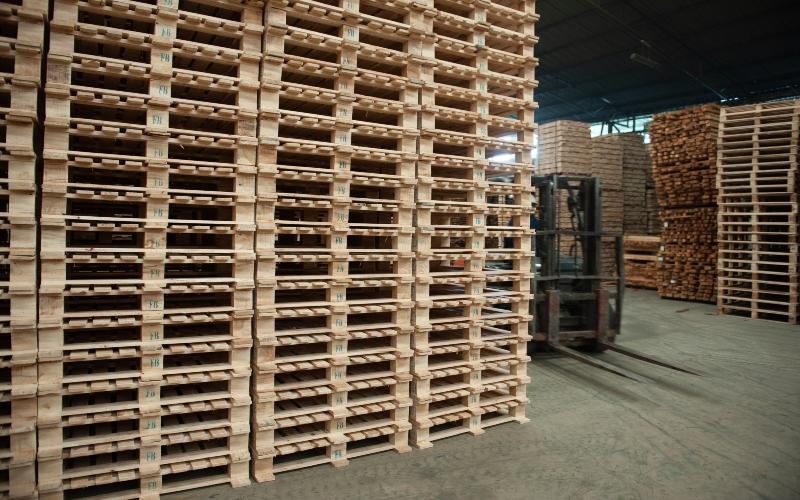
In import-export activities, pallets help goods be arranged neatly and stably in containers or storage warehouses, while optimizing the loading area and improving transport efficiency. Besides, pallets also contribute to limiting impacts, reducing the risk of cargo damage, avoiding direct contact with the warehouse floor or container floor, and helping businesses manage goods more conveniently.
Today, export pallets are widely used in many industries such as agricultural products, seafood, food, wood, textiles, electronic components, chemicals, and consumer goods. However, not all pallets are the same. Depending on international standards, manufacturing materials, and design structures, each type of pallet will be suitable for different types of goods and export markets.
2. Types of export pallets according to international standards
Each region in the world has its own pallet standards to suit its logistics systems and transportation vehicles. Choosing the right pallet size helps optimize container loading capacity and reduce gaps during transit.
Euro pallet (EPAL)
Euro pallet, also known as epal pallet, has a standard size of 1,200 × 800 mm and is commonly used in Europe. This is a type of pallet with high reusability, suitable for most racking systems and forklifts in the region. If businesses regularly export to the European market, using Euro pallets will help the circulation of goods be more favorable.
ISO Pallet
ISO pallet is a group of pallets standardized according to the International Organization for Standardization (ISO). Some common sizes include 1,200 × 1,000 mm, 48 × 40 inches in North America, and 1,100 × 1,100 mm in many Asian countries. This is a size group widely used in international logistics thanks to its compatibility with many types of containers and handling equipment.
GMA Pallet
GMA pallet is a popular pallet standard in the United States with a size of 48 × 40 inches. This type of pallet is widely used in the retail, food, and fast-moving consumer goods (fmcg) industries, while being compatible with most logistics systems in the US market.
JIS Pallet
JIS pallet has a size of 1,100 × 1,100 mm , designed according to Japanese industrial standards. Thanks to optimization for container and logistics systems in the region, this is a suitable choice for businesses exporting to Japan and some Asian countries.
3. Classification of export pallets by structure
Besides materials, export pallets are also classified by design structure. The construction of the pallet directly affects the load capacity, how forklifts access it, as well as the efficiency of use in warehouses and containers. Choosing the right structure not only makes the handling process more favorable but also contributes to reducing cargo processing time and limiting damage during transport.
Pallet Stringer
Stringer pallet is a type of pallet designed with support beams (stringers) running vertically under the pallet surface. Forklifts can usually only access from two main directions, so this type of pallet is also called a 2-way pallet.
Thanks to a simple structure and low production costs, stringer pallets are quite commonly used in businesses with normal cargo transport needs. However, the flexibility during the handling process will be lower compared to block pallets.
Pallet Block
Block pallet is designed with support blocks at the four corners and many other load-bearing positions, allowing forklifts to access from all four sides. This is a 4-way pallet type that often appears in modern logistics systems and is also the design applied to many types of Euro pallets.
Thanks to good load capacity and flexible operation, block pallets are suitable for businesses with high frequency of import and export or those using automated warehouse systems.
Pallet Single-face
Single-face pallet only has one top deck to place goods, while the bottom side is simply designed to reduce weight. This type of pallet is often used for one-way export shipments or cases that do not require multiple reuses.
The advantage of single-face pallets is light weight and low investment cost, however, the load capacity will not be as high as pallets with two faces.
Pallet Double-face
Unlike single-face pallets, double-face pallets are designed with both top and bottom faces. This structure helps distribute the load more evenly, increasing load-bearing capacity and limiting deformation when transporting heavy goods.
This type of pallet is often used in heavy industry, transporting machinery or heavy packages that need high stability.
Pallet Nestable
Nestable pallet is designed to be nested together when not in use. This helps businesses significantly save warehouse space as well as the cost of transporting empty pallets.
This type of pallet is usually manufactured from plastic and is suitable for businesses with a need for regular pallet circulation or wanting to optimize warehouse space.
4. Classification of export pallets by material
In addition to size and standards, export pallets are also classified based on manufacturing materials. Each type has its own advantages, limitations, and scope of use, so businesses need to consider based on cargo characteristics as well as the requirements of the importing market.
Wooden pallet
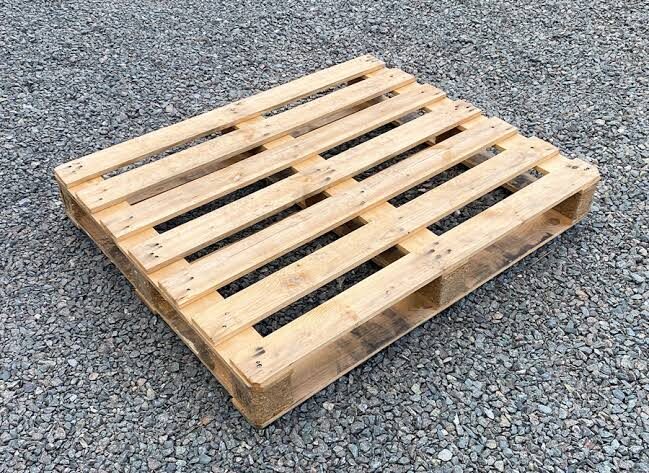
Wooden pallet is the most commonly used type of pallet today thanks to reasonable price, good load capacity, and easy repair when damaged. This is a suitable choice for most export industries such as agricultural products, wooden furniture, machinery, consumer goods, and construction materials.
However, for export wooden pallets, businesses need to pay attention to ISPM 15 standards. According to this regulation, pallets must be heat-treated or fumigated to eliminate insects and pests before international circulation. After successful treatment, the pallet will be stamped with the Ippc mark (commonly called the ISPM 15 mark) to prove compliance with phytosanitary regulations.
Currently, many markets such as the United States, Canada, Australia, New Zealand, and countries belonging to the European Union all require wooden pallets to meet this standard. If using untreated pallets or those without a valid certification mark, businesses may face additional inspection, re-treatment, or incur related costs during the customs clearance process.
Read more: ISPM 15 Mark: A Small Detail That Can Determine the Customs Clearance of an Entire Export Shipment
Plastic pallet
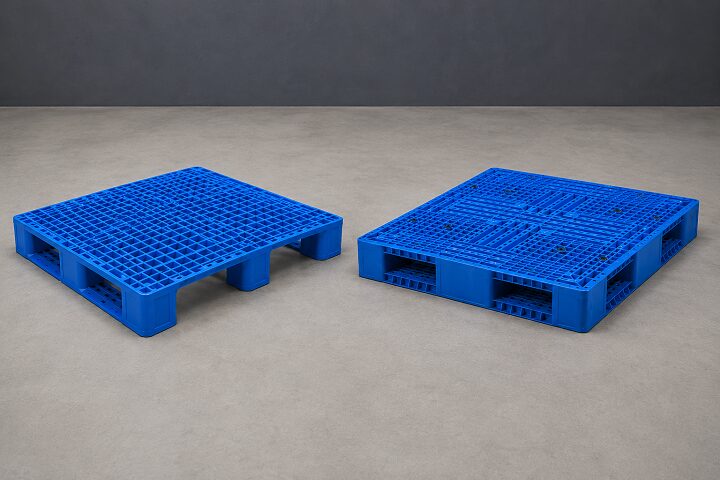
Plastic pallets are increasingly used thanks to light weight, moisture resistance, easy cleaning, and long lifespan. Unlike wooden pallets, plastic pallets have no risk of carrying pests, so they do not have to be treated according to ISPM 15 standards.
This is a suitable choice for industries with strict hygiene requirements such as food, pharmaceuticals, cosmetics, or electronics. Although the initial investment cost is higher than wooden pallets, the ability to reuse multiple times helps businesses save costs in the long run.
Metal pallet
Manufactured from steel or aluminum, metal pallets have a very large load capacity and high service life. This type of pallet is suitable for transporting machinery, industrial equipment, or types of goods with heavy weight and requiring high stability.
The limitation of metal pallets is heavy weight and relatively high investment cost, so they are usually only used in specific industries.
Paper pallet
Paper pallet, also known as honeycomb carton pallet, is highly appreciated thanks to its very light weight and recyclability. This type of pallet is often used in air transport to reduce shipment weight and save freight costs.
However, paper pallets are not suitable for goods with large loads or high-humidity environments because their load-bearing capacity and water resistance are still limited.
Composite pallet
Composite pallets are manufactured from plywood or synthetic materials, so they have light weight, fairly good load-bearing capacity, and less risk of carrying pests. Therefore, many businesses choose composite pallets for export shipments to reduce requirements related to phytosanitary inspection.
Compared to traditional wooden pallets, composite pallets have higher dimensional stability, less warping, and are suitable for businesses that need to balance costs and reusability.
5. Why do pallets affect export costs?
Many businesses only focus on the purchase price of pallets without fully evaluating its impact on the entire logistics chain. In fact, pallets in export can affect many more cost items than the value of the pallet itself.
First of all, the pallet size determines the ability to utilize container space. If the wrong size is chosen, businesses may leave many unnecessary gaps, reducing the volume of goods transported per trip and causing logistics costs per product to increase.
Besides, the manufacturing material of the pallet also affects the total weight of the shipment. With air transport, just a pallet weighing a few dozen kilograms more can cause freight costs to increase significantly. This is the reason why paper pallets and plastic pallets are often preferred in some cases where weight optimization is needed.
Pallets also affect handling speed at warehouses and ports. Types of pallets suitable for forklift systems will help shorten processing time, reduce labor costs, and limit the risk of cargo damage. Conversely, pallets with unsuitable structures can slow down the loading and unloading process or incur additional handling costs.
Another factor often overlooked is the lifespan of the pallet. For businesses with high export frequency, investing in a type of pallet capable of multiple reuses sometimes brings higher economic efficiency than continuously replacing cheap but quickly degrading pallets.
You may be interested in: ISPM 15 Pallets/Wooden Packing.
6. How to choose the right export pallet
There is no single type of pallet suitable for all types of goods or all markets. To choose the right export pallet, businesses need to simultaneously consider many factors such as regulations of the importing country, transportation method, cargo characteristics, and usage cost.
First of all, learn about the requirements of the export market. Some countries have strict regulations for wood packaging materials and require pallets to meet Ipm 15 standards. If businesses use wooden pallets that have not been treated properly according to regulations, the shipment may face additional inspection or incur unexpected costs upon arriving at the import port.
The transportation method is also a factor to be considered. For air transport, the weight of the pallet directly affects freight costs, so paper pallets or plastic pallets are often preferred in some cases. Meanwhile, sea transport usually uses wooden pallets or composite pallets thanks to good load capacity and reasonable costs.
Besides, the characteristics of the goods also determine the suitable type of pallet. The food, pharmaceutical, or electronics industries often prioritize plastic pallets because they are easy to clean and do not fall within the scope of application of Ipm 15 standards. Conversely, machinery, industrial equipment, or goods with large loads often require pallets with high load-bearing capacity such as wooden pallets or metal pallets.
Finally, businesses should not only compare the initial purchase price but need to evaluate the total cost of use throughout the lifecycle of the pallet. A type of pallet with a higher price but capable of multiple reuses or helping reduce risks during transportation will sometimes bring better economic efficiency in the long term.
7. Quick comparison of export pallets by material
Each type of pallet has its own advantages and is suitable for each purpose of use. Businesses should simultaneously consider factors of cost, durability, quarantine requirements, and cargo characteristics before making a choice.
| Pallet type | Cost | Durability | Quarantine risk | Suitable for |
| Wooden pallet | Low | High | High (need to comply with ISPM 15) | Most export goods |
| Plastic pallet | Medium | High | Low | Food, pharmaceuticals, electronics |
| Metal pallet | High | Very high | Low | Machinery, industrial equipment |
| Paper pallet | Low | Low | Low | Light goods, air transport |
| Composite pallet | Medium | Fairly high | Low | Exports needing to reduce quarantine risk |
Note: Some types of composite or presswood pallets are usually exempt from ISPM 15 treatment requirements because they are manufactured from processed wood at high temperature and pressure. However, businesses should still check the constituent materials and regulations of the importing market before use.
8. Common mistakes businesses make when choosing pallets
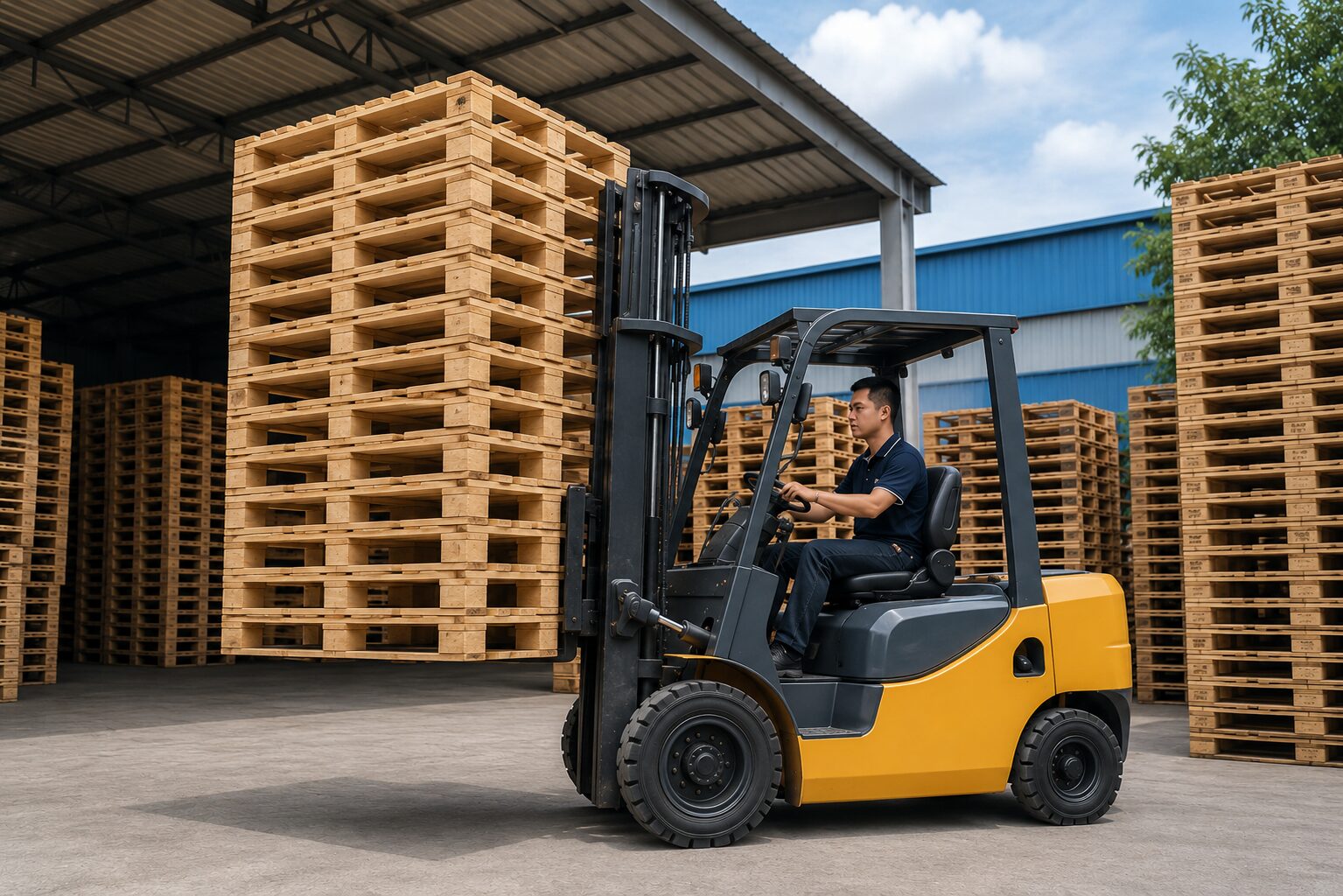
Choosing pallets seems simple but in reality is the cause of many problems during the export process. Not a few businesses only care about price while ignoring technical factors and the requirements of the importing market.
One of the most common mistakes is choosing the wrong pallet size. When the pallet does not match the container size or the way goods are arranged, businesses will not fully utilize the cargo space, increasing shipping costs per product unit.
Another mistake is using export wooden pallets that have not been treated according to Ipm 15 standards. This is the reason why many shipments face additional inspection or re-treatment at the import port. In some cases, businesses may even have to re-export or implement treatment measures according to the regulations of the importing country, affecting delivery progress and incurring additional costs.
Many businesses also have not spent time learning about the regulations of each country before exporting. Although they are both wooden pallets, the requirements for quarantine or supporting documents may differ between markets. Proactively checking regulations before packing will help limit many unnecessary risks.
Furthermore, choosing low-quality pallets to save on initial costs can also lead to greater losses. Warped, cracked, or unsuitable pallets increase the risk of damage to goods, affect loading and unloading processes, and reduce warehouse operational efficiency.
Read more: 3 mistakes in export cargo fumigation that business need to avoid
9. Frequently asked questions about export pallets
Is it mandatory for wooden pallets to be treated according to ISPM 15?
For many export markets, wooden pallets belong to the wood packaging material group that must be treated according to Ipm 15 standards before international circulation. However, specific requirements also depend on the regulations of the importing country and the type of material used.
Do plastic pallets need to be treated according to ISPM 15?
No. The ISPM 15 standard only applies to natural wood packaging materials. Plastic pallets do not fall within the scope of regulation of this standard, so they do not need heat treatment or fumigation according to ISPM 15.
Which type of pallet is most commonly used in export?
Wooden pallets are still the most popular choice thanks to reasonable price, good load capacity, and suitability for many types of goods. However, businesses need to ensure that pallets meet quarantine requirements when exporting to markets that apply ISPM 15.
Can a single type of pallet be used for all export markets?
It is not recommended. Each country may have different regulations on packaging materials, pallet sizes, or quarantine requirements. Businesses should check the regulations of the importing market in advance to choose the suitable type of pallet.
Do composite pallets need to comply with ISPM 15?
This depends on the constituent materials of the pallet. Some types of composite or presswood pallets manufactured from processed wood may not fall within the scope of application of Ipm 15. However, businesses should still check the technical specifications of the product and the requirements of the importing country before use.
Pallets are not only equipment supporting handling but also an important component in the international logistics chain. Choosing the right export pallet will help businesses optimize container space, protect goods, reduce shipping costs, and meet the requirements of the importing market.
Besides choosing the right size, material, and structure of the pallet, businesses also need to pay special attention to quarantine regulations for export wooden pallets. Proactively complying with Ipm 15 standards right from the start will help limit risks during the customs clearance process, avoid incurring costs, and ensure the delivery schedule.
If your business uses wooden pallets or other wooden packaging materials for exported goods, check the requirements of the importing country beforehand and comply with regulations if necessary. Thorough preparation from the packaging stage will contribute to a smoother, safer, and more efficient export process.
-
Blog (17)
-
Regulation updates (4)
-
Partnerships & Collaborations (4)
-
General News (15)
Featured News





Related Knowledge