




Published date:
13/11/2026
Share




VFC Fumigation has deployed phytosanitary treatments for 55,000 tons of bulk rice bound for the US and 32,300 tons of rice to Ghana, each involving distinct technical specifications and operational conditions. For large-scale agricultural commodity shipments, cargo owners and shipping lines require a partner experienced in treating complex ship holds, coordinating vessel schedules, and handing over clear documentation. With over 50 years of experience, proprietary J-System technology, and field organizational capacity, VFC Fumigation affirms its standing through real-world projects, providing a solid basis for enterprises to confidently select its services.
1. VFC Fumigation's Capabilities Demonstrated Through Projects Treating Tens of Thousands of Tons of Agricultural Commodities
For cargo owners, shipping lines, and forwarders, the capability of a phytosanitary treatment company must be proven through executed projects. An appropriate technical plan must resolve technical requirements, enforce safety controls, and synchronize with practical operational schedules.
The three projects below demonstrate the different strengths of VFC Fumigation. From deep-silo gas recirculation technology to offshore operations, each project is a testament to execution capability.
1.1. Phytosanitary Treatment of 55,000 Tons of Bulk Rice Bound for the US: Applying J-System for Ship Holds Nearly 20 m Deep
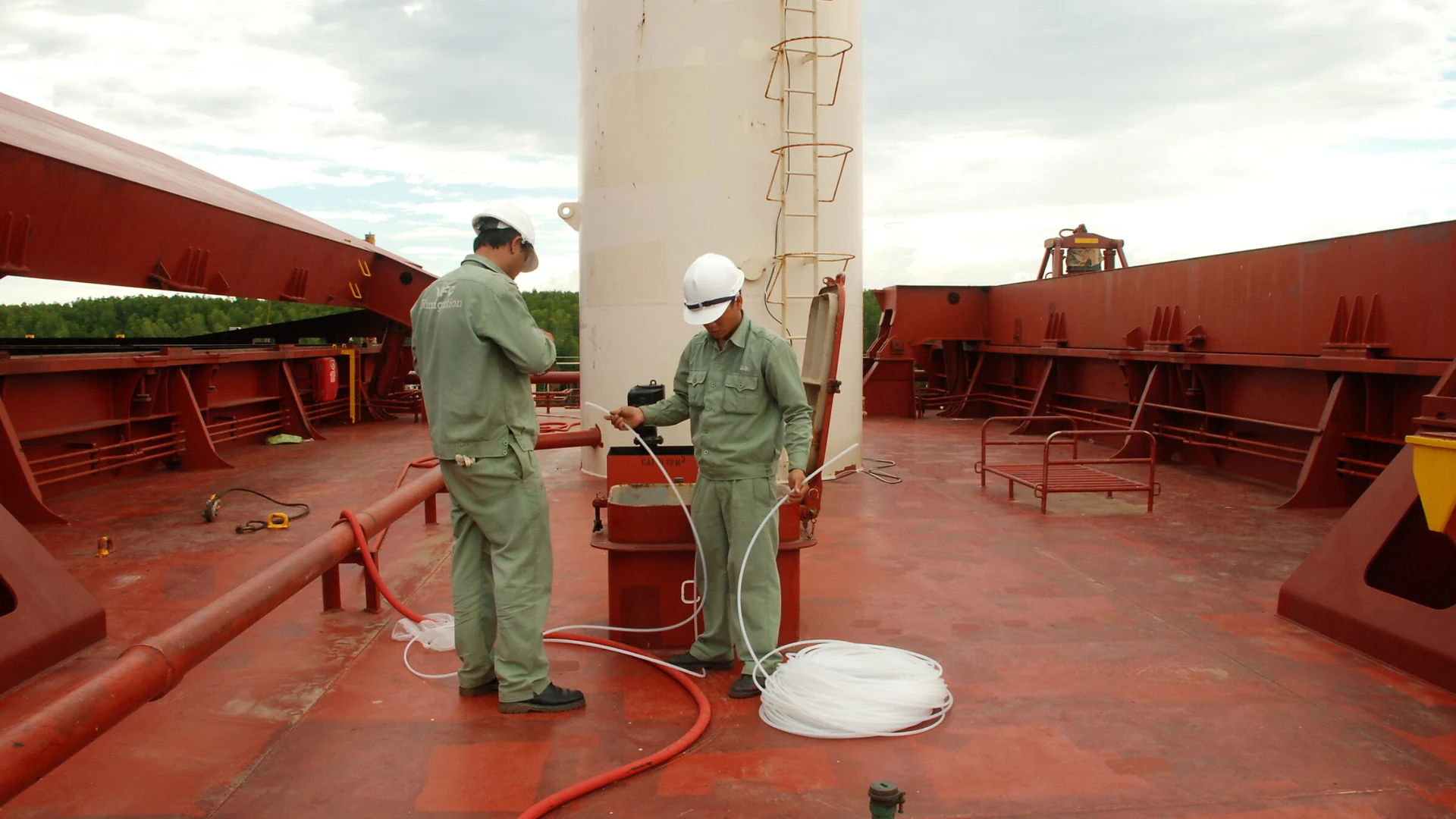
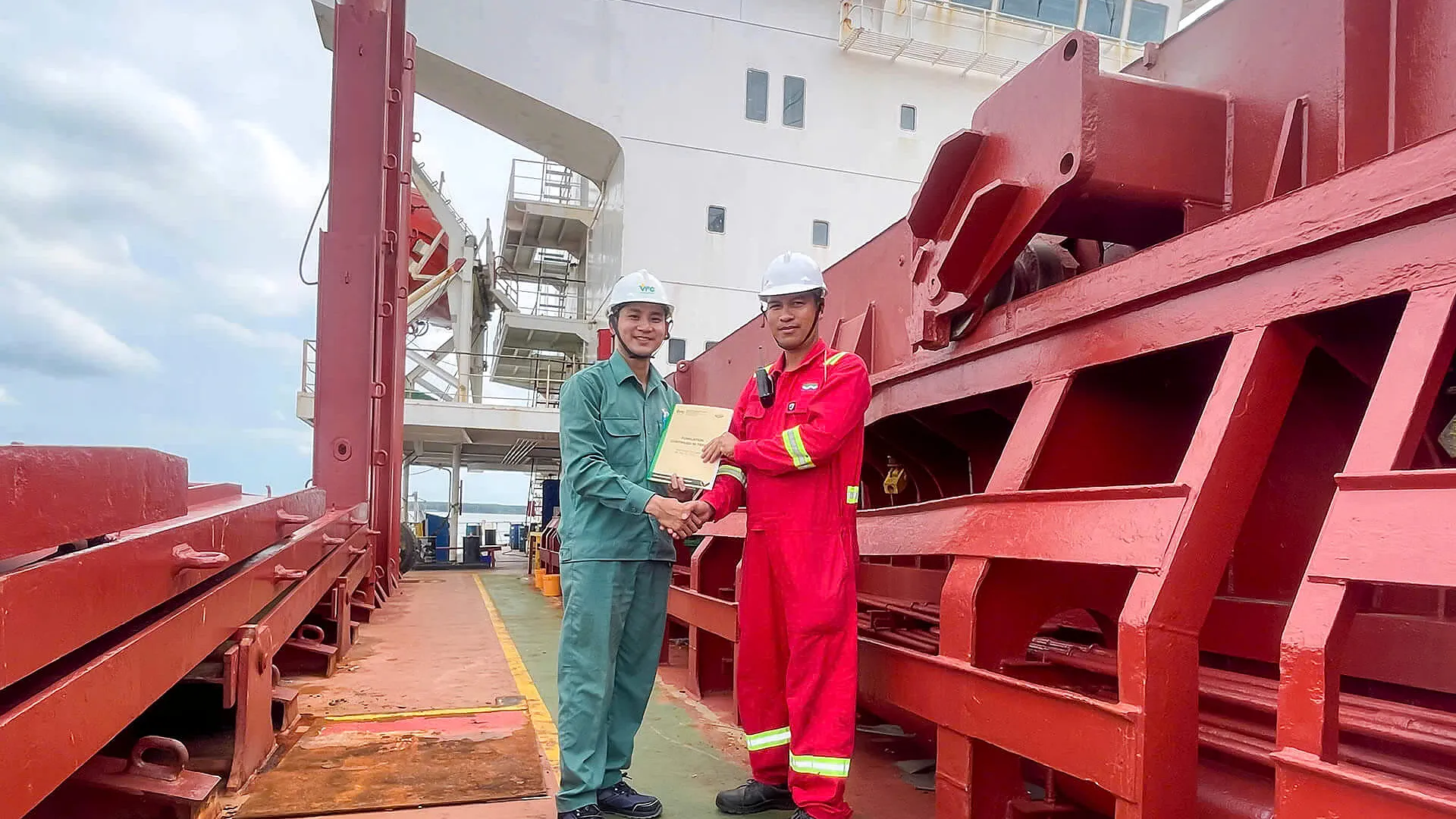
VFC Fumigation deploys phytosanitary treatment for 55,000 tons of export bulk rice bound for the US aboard the vessel Golden Eagle
VFC Fumigation applied the J-System gas recirculation system in the phytosanitary treatment project for 55,000 tons of bulk rice exported to the US aboard the vessel Golden Eagle. With cargo holds nearly 20 m deep, the major challenge lay in distributing the fumigant to zones within the rice mass that are difficult to penetrate via natural diffusion.
The technical team deployed the J-System developed by DETIA DEGESCH (Germany), combined with enclosure gastightness testing and continuous treatment monitoring. Phytosanitary treatment operations and documentation dossiers were completed strictly on schedule, enabling the vessel Golden Eagle to maintain its port departure timeline.
Representatives of the vessel management entity positively acknowledged VFC Fumigation's field coordination capabilities, schedule control, and documentation preparation. This serves as empirical evidence of the capacity to apply specialized technology to shipments presenting complex treatment conditions.
View the project on treating 55,000 tons of bulk rice bound for the US using the J-System.
1.2. Phytosanitary Treatment of 32,300 Tons of Rice to Ghana: Accompanying Cargo from Export Port to Importing Market
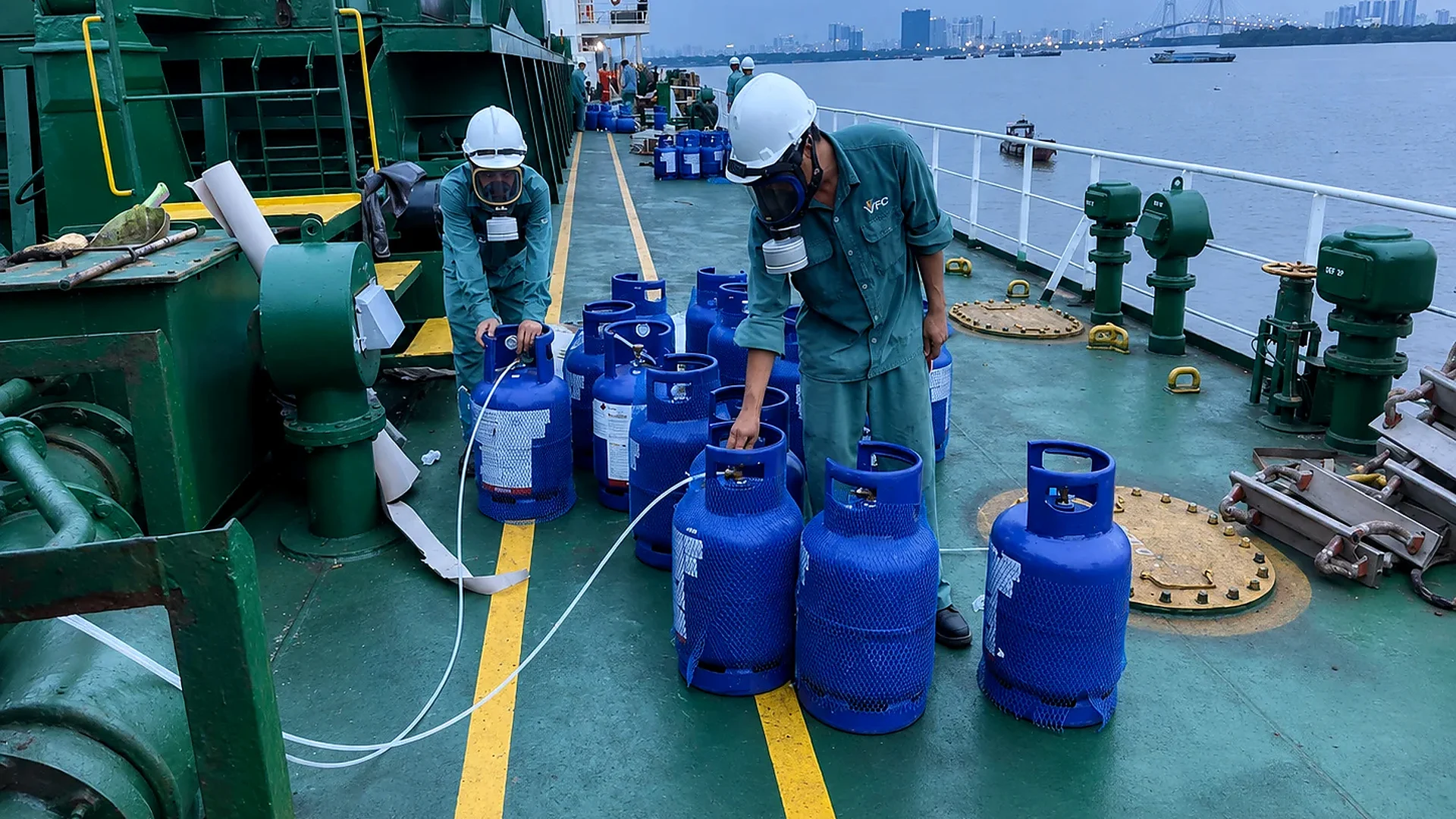
VFC Fumigation deploys phytosanitary treatment for 32,300 tons of export rice to Ghana aboard the vessel Euro Star
VFC Fumigation executed the fumigation of 32,300 tons of rice exported to Ghana aboard the vessel Euro Star, utilizing a combined method of Phosphine and Methyl Bromide. The technical team surveyed hold structures, arranged materials, sealed spaces, and monitored gas concentrations according to the shipment's requirements.
Beyond phytosanitary treatment operations in Vietnam, VFC Fumigation also directly recorded the condition of the rice consignment upon arrival at the port in Ghana. In July 2026, VFC Fumigation representatives surveyed storage warehouses and distribution points, and held discussions with importing partners in this market.
The consignment cleared customs, was accepted, and was integrated into the distribution warehouse network in Ghana. The importing partner also positively evaluated how VFC Fumigation organized the treatment, coordinated operations, and closely tracked the consignment.
This project demonstrates VFC Fumigation's capability to accompany shipments from phytosanitary treatment in Vietnam through to cargo verification in the importing market. Empirical findings at the destination port also contribute to helping VFC Fumigation continuously refine solutions for export clients.
Explore the phytosanitary treatment project for 32,300 tons of rice aboard the vessel Euro Star.
1.3. Treatment of 21,500 Tons of Corn in Vung Tau: Offshore Quarantine Incident Response Capability
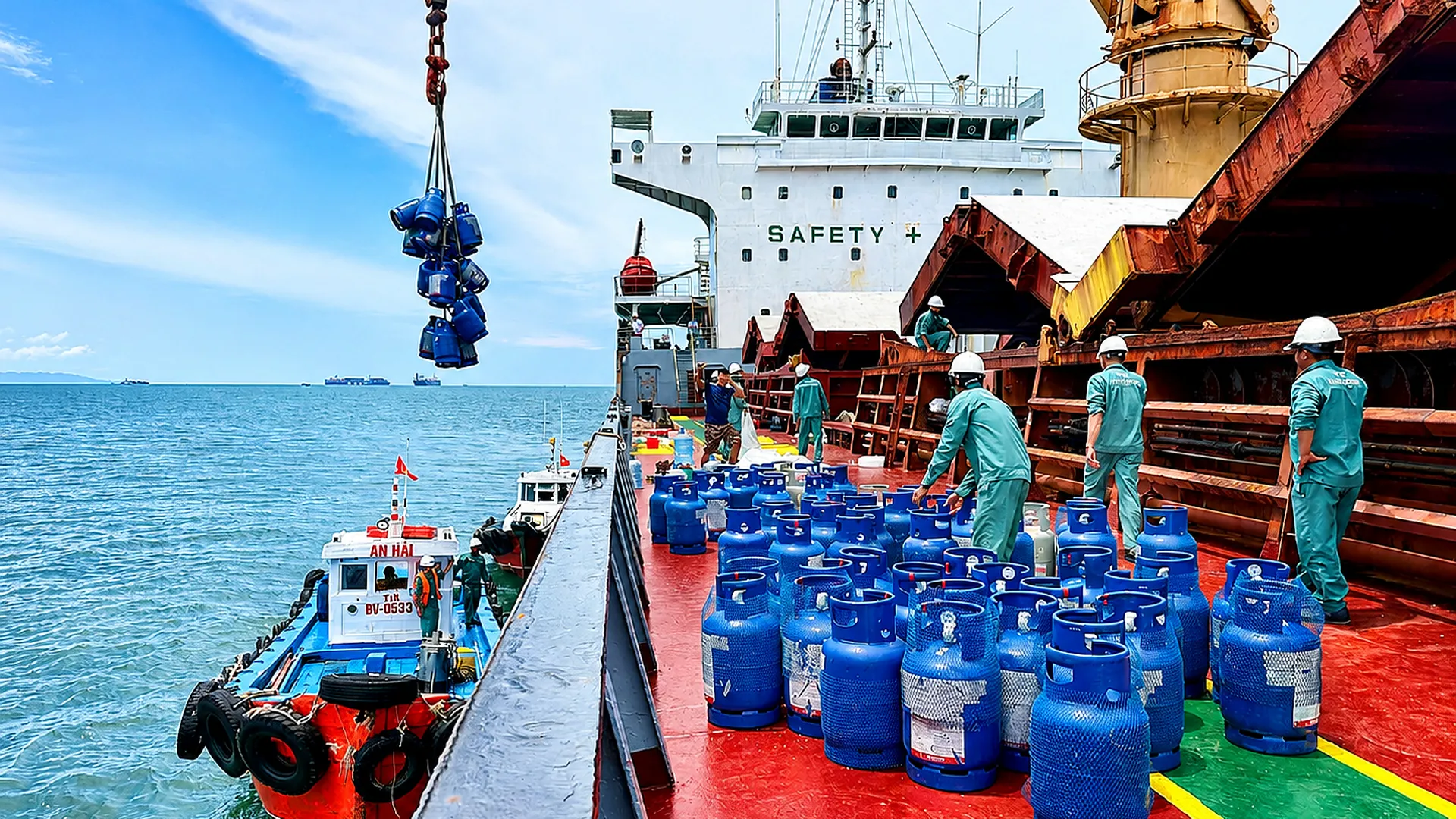
VFC Fumigation treats 21,500 tons of imported corn upon the detection of live insects at Pilot Station Zero, Vung Tau
VFC Fumigation took on the treatment of 21,500 tons of corn imported from India when Vietnam's plant quarantine authority detected live target quarantine pests. The vessel was anchored at Pilot Station Zero in Vung Tau, while the cargo hold structure presented numerous points posing potential gas leakage risks.
To execute the operation, VFC Fumigation mobilized technical personnel and specialized equipment out to the vessel, applying Methyl Bromide (MB) via a vaporization system. Personnel worked continuously for nearly 24 hours offshore, subsequently maintaining gas concentration monitoring and safety controls throughout the 72-hour exposure period.
Following treatment, the plant quarantine authority conducted joint inspections and sampling, detecting zero live insects across all inspected locations. The results were formally accepted by all parties, enabling the consignment to proceed with receiving procedures.
Although an import cargo project, this case demonstrates VFC Fumigation's resource mobilization and contingency response capabilities. This provides a valuable reference when enterprises require a partner capable of executing operations under challenging field conditions.
View the phytosanitary treatment project for 21,500 tons of corn at Pilot Station Zero, Vung Tau.
Is your enterprise preparing to fumigate a large-scale agricultural commodity shipment?
VFC Fumigation receives information regarding commodity types, volumes, ship hold structures, loading ports, and projected schedules to evaluate protocols. Cargo owners, shipping lines, and forwarders can initiate early discussions to determine technical parameters, deployment timeframes, and quotation scopes.
Submit a consultation request for bulk carrier phytosanitary treatment protocols.
2. From Project Experience to the Capacity to Serve Large-Scale Agricultural Shipments
Projects involving tens of thousands of tons demonstrate that VFC Fumigation possesses extensive experience handling diverse requirements regarding fumigant distribution, ship hold enclosure gastightness, and safety controls. This foundation is combined with specialized technology and operational management systems, supporting the deployment of protocols tailored to each consignment.
2.1. Proprietary J-System Technology - Advantage in Treating Deep Cargo Holds
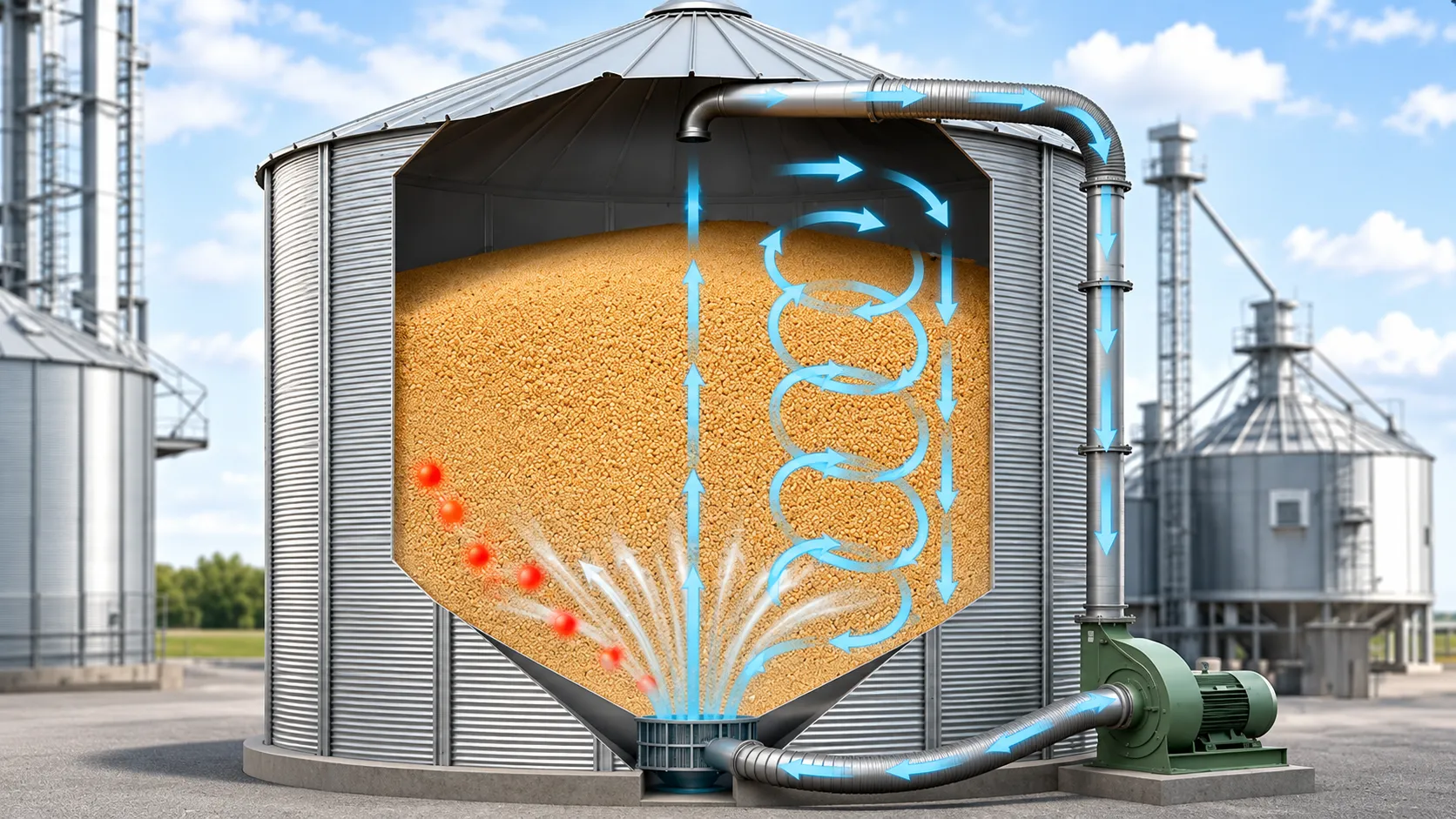
The J-System supports gas recirculation within large cargo masses and zones resistant to natural diffusion
VFC Fumigation applies the proprietary J-System gas recirculation technology, developed by DETIA DEGESCH (Germany). According to published information, VFC Fumigation is currently the sole entity in Vietnam applying this fumigation method.
The J-System supports the recirculation and distribution of Phosphine (PH3) gas within massive cargo volumes, particularly in zones where natural diffusion is restricted. Consequently, technical teams possess an advanced solution to control gas concentration distribution within deep ship holds.
For cargo owners and shipping lines, the advantage lies in the ability to select technology suited to the hold architecture and cargo mass characteristics. The Golden Eagle project stands as empirical proof of VFC Fumigation's experience deploying the J-System under real-world operational conditions.
2.2. Field Organizational Capacity Aligned with Loading Schedules and Vessel Operations
VFC Fumigation formulates phytosanitary treatment plans based on commodity characteristics, ship hold conditions, and practical operational schedules. Technical teams coordinate the preparation of materials, equipment, personnel, and enclosure gastightness prerequisites prior to deployment.
During execution, VFC Fumigation strictly controls requirements regarding gas concentrations, exposure times, and safety protocols in accordance with the agreed plan. Concurrently, acceptance verification and documentation handover are coordinated with relevant stakeholders on-site.
For cargo owners and shipping lines, early protocol preparation allows the phytosanitary treatment phase to be calculated alongside cargo loading and transport schedules. For forwarders, clear execution timelines and handover dossiers facilitate seamless documentation coordination.
This represents a critical principle when treating agricultural shipments featuring large volumes and stringent safety requirements. VFC Fumigation executes all operational phases strictly pursuant to applicable technical conditions, never arbitrarily shortening procedures to meet vessel schedules.
2.3. Two-Tier Transparent Fumigation: From Field Management to Certificate Authentication
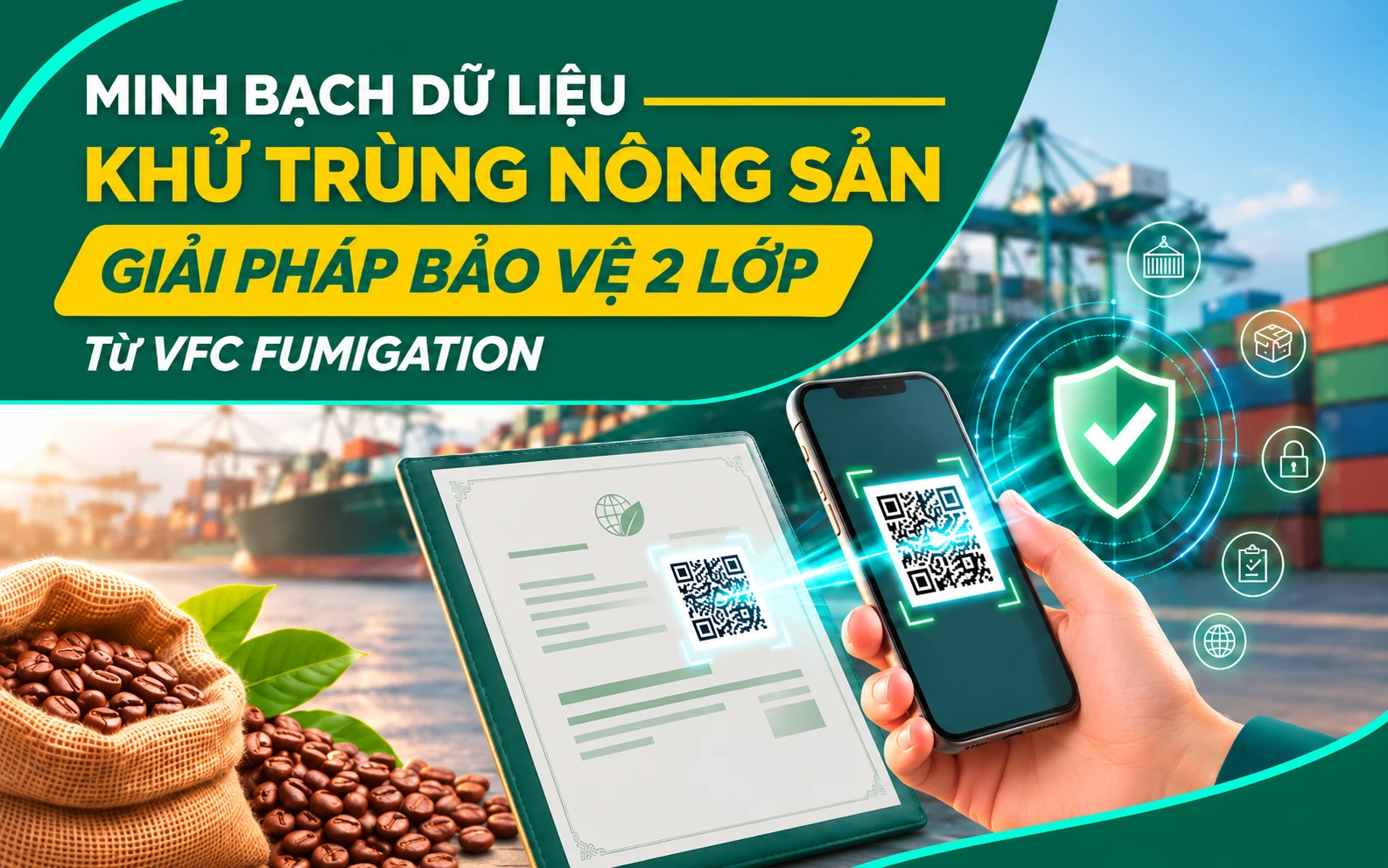
Certificates featuring online authentication capabilities streamline verification when dossiers pass through multiple parties
VFC Fumigation implements the Two-Tier Transparent Fumigation model, combining internal operational data with a QR Code certificate authentication mechanism. This model enhances information governance throughout service delivery and assists clients in cross-referencing documentation.
- At the first tier, FumiApp supports VFC Fumigation in managing task assignments, photographic evidence, and operational field data. Data is centrally archived, serving quality control and internal auditing when required.
- At the second tier, certificates integrated with a QR Code allow clients and partners to access an online version to verify details. This mechanism supports certificate reconciliation when dossiers pass through cargo owners, forwarders, buyers, or overseas agents.
For export enterprises, certificate verification capabilities simplify checking the issuing source when inquiries arise from trading partners. Simultaneously, internal data assists VFC Fumigation in auditing information related to the treatment process when collaborative explanations are required.
This represents a distinct hallmark in how VFC Fumigation manages service quality and transparency. The application of specific features is determined according to the scope and execution timeline of each individual project.
Explore VFC Fumigation's Two-Tier Transparent Fumigation model.
3. VFC Fumigation Possesses Phytosanitary Treatment Capabilities Spanning Export Containers to Warehouses, Silos, and Sea Vessels
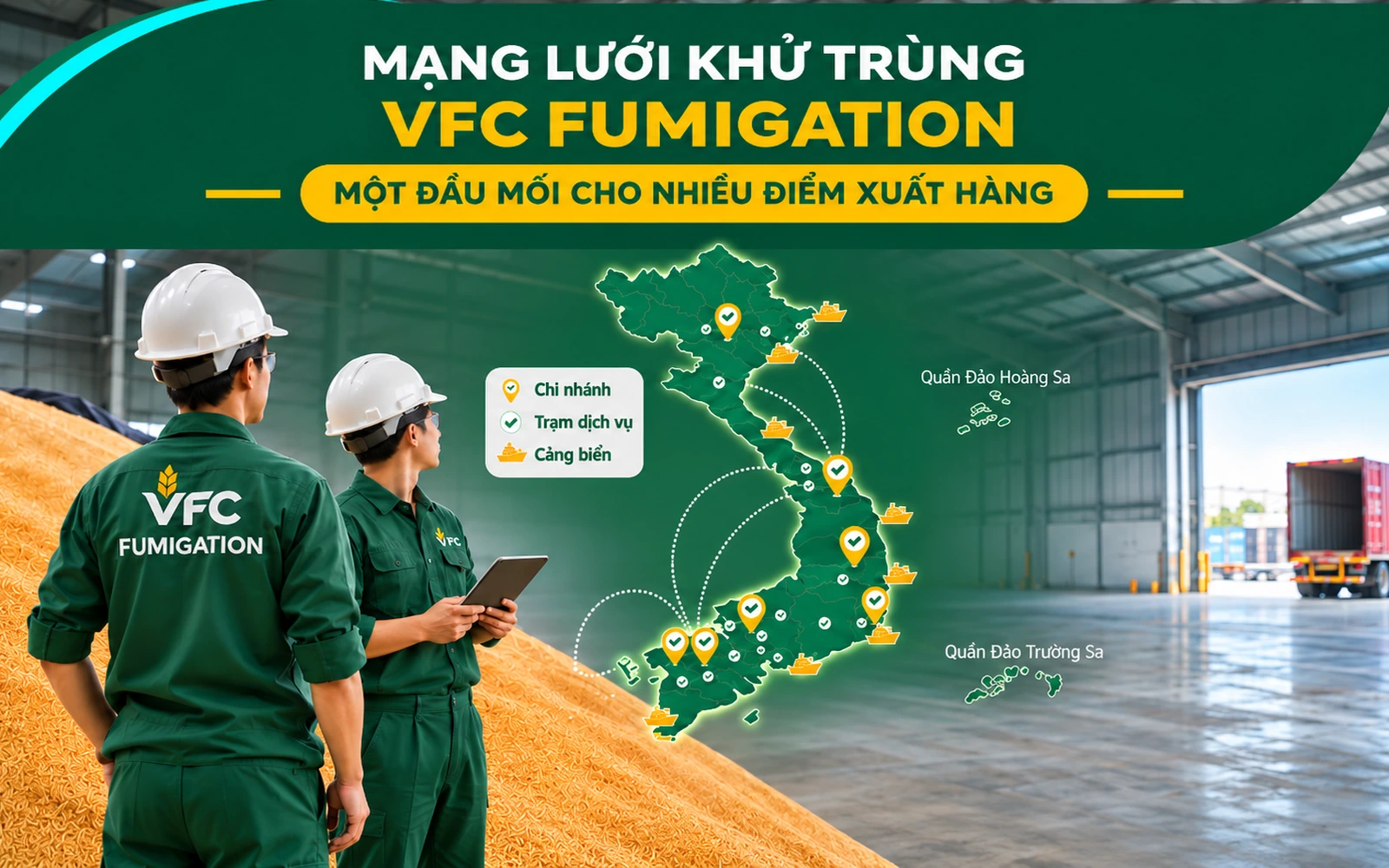
VFC Fumigation has over 50 years of experience in the phytosanitary treatment and fumigation sector, executing treatments for over 500,000 export containers annually and having served more than 15,000 clients. The entity possesses over 200 specialists with more than 10 years of experience, alongside a nationwide network of branches and fumigation stations.
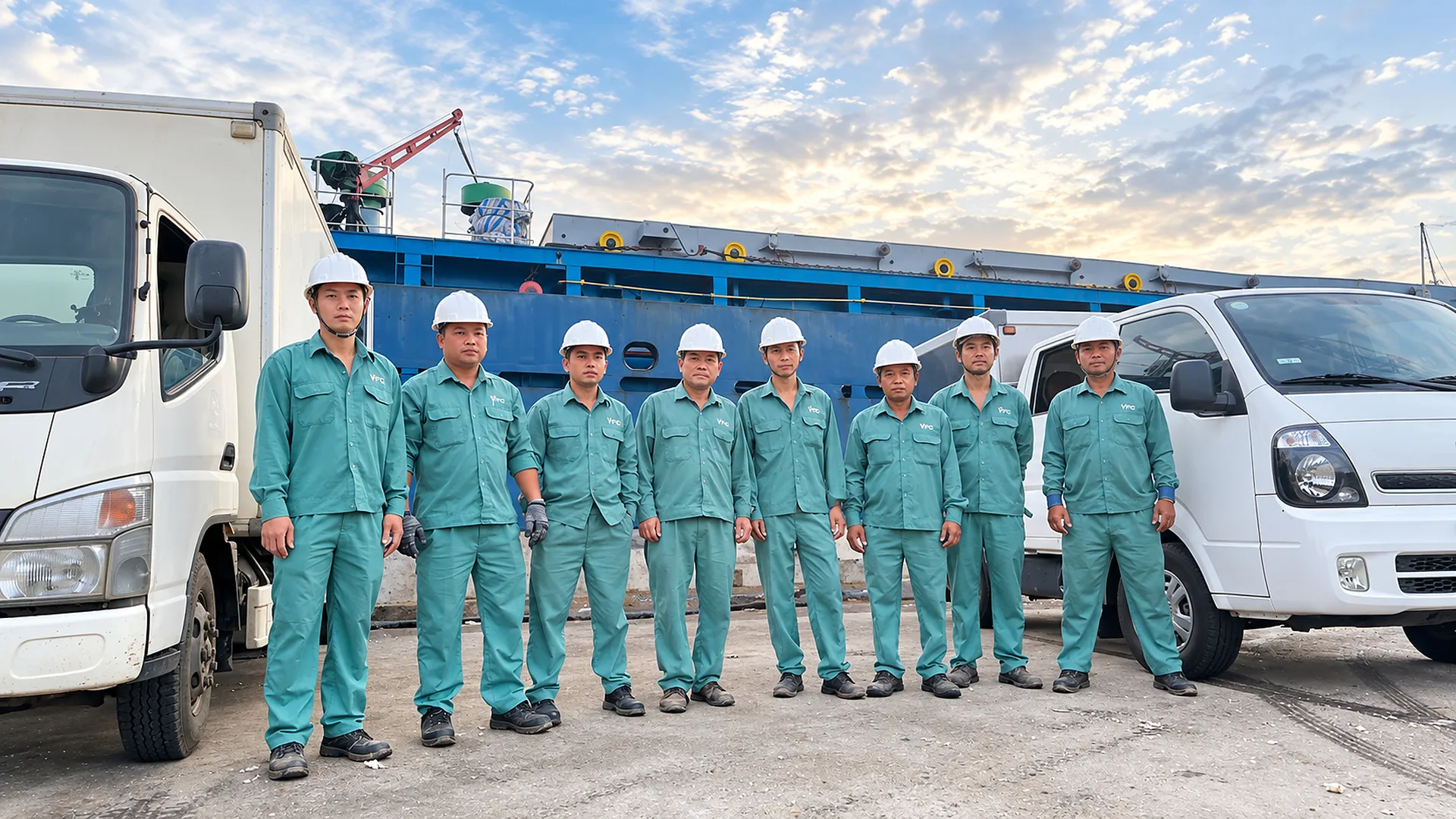
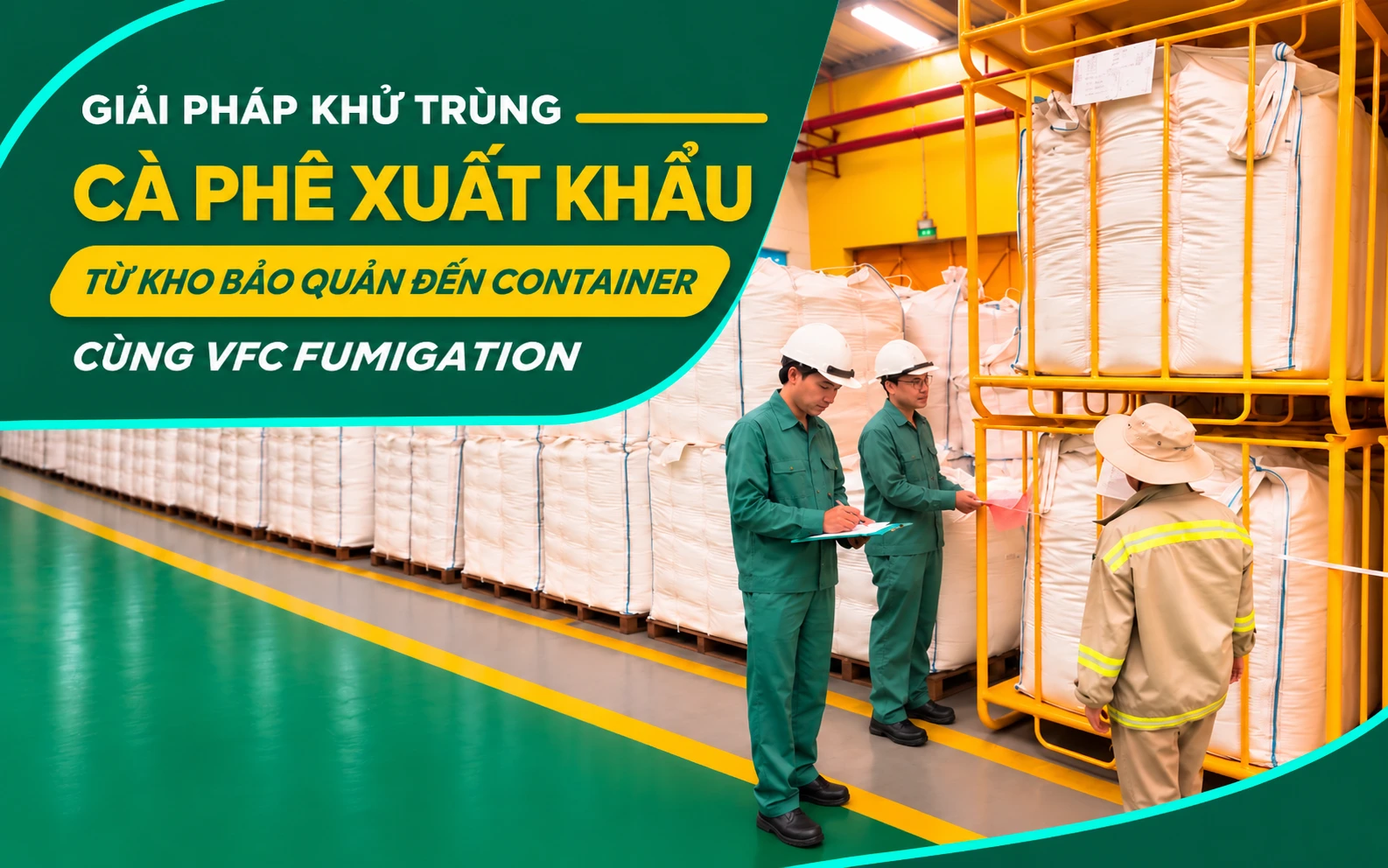
VFC Fumigation deploys phytosanitary treatment solutions spanning export containers to warehouses, silos, and bulk carriers
VFC Fumigation's capabilities are deployed across diverse service modalities, fulfilling commodity treatment needs at varied locations. Within this framework, each protocol is engineered according to commodity conditions and clients' actual requirements.
- For export containers, VFC Fumigation coordinates fumigation according to the loading schedule, shipment characteristics, and requirements from importing partners. Enterprises can learn more at the export cargo fumigation in containers service page.
- For storage warehouses and silos, VFC Fumigation surveys pest conditions, cargo volume, stacking methods, and structural conditions to select the appropriate plan. The implementation scope is introduced on the warehouse and silo fumigation services page.
- For vessels and barges, VFC Fumigation develops treatment plans based on hold structures, transportation methods, and safety requirements. The corresponding solutions are presented on the vessel and barge fumigation services page.
From annual container fumigation volumes to experience executing major bulk cargo projects, VFC Fumigation maintains the foundation to meet diverse service demands. Combined with a nationwide deployment network, this capability provides a reliable basis for enterprises selecting a partner for varied export plans.
4. What Must Enterprises Consider When Selecting an Export Agricultural Commodity Fumigation Company?
Selecting an export agricultural commodity fumigation company must be grounded in technical capability, project experience, and the ability to synchronize with operational plans. For shipments of tens of thousands of tons, enterprises should clarify four core factors before finalizing a protocol.
- Practical experience: Has the fumigation provider executed projects involving similar commodity types, scales, or ship hold conditions?
- Technical solution: Does the protocol account for hold architecture, enclosure gastightness capabilities, fumigant distribution, and consignment treatment requirements?
- Deployment resources: Are the personnel, equipment, and preparatory plans aligned with loading schedules, vessel timetables, and field site conditions?
- Documentation and reconciliation capability: Does the provider maintain structured acceptance procedures, certificate issuance protocols, and data verification support when inquiries arise?
VFC Fumigation receives the aforementioned specifications to provide protocol consultations based on the baseline conditions of each project. Previously executed projects serve as a benchmark, while protocols for new shipments must be evaluated according to their unique parameters.
Enterprises can refer to the VFC Fumigation export agricultural product fumigation solutions to explore the service scope. The solution content is presented according to commodity characteristics, actual storage methods, and transportation modes.
5. Frequently Asked Questions When Contracting a Large-Scale Agricultural Commodity Fumigation Provider
5.1. Are Large-Volume Bulk Carriers Strictly Required to Utilize the J-System?
Not every bulk carrier voyage requires utilizing the J-System. Applying the gas recirculation system depends on cargo mass depth, treatment methodology, hold structure, and technical assessment findings.
5.2. Can VFC Fumigation Perform Phytosanitary Treatment While the Vessel Is In Transit?
VFC Fumigation provides in-transit ship hold fumigation solutions when applicable technical and safety conditions are met. The protocol must clearly define monitoring responsibilities, safety instructions, and operational procedures to be executed during the voyage.
5.3. Does a Fumigation Certificate Substitute for a Phytosanitary Certificate?
A Fumigation Certificate / Certificate of Treatment does not substitute for a Phytosanitary Certificate issued by the competent plant quarantine authority. Enterprises must identify documentation requirements based on the importing market, commercial contract, and commodity type to compile an appropriate dossier.
6. VFC Fumigation - Agricultural Commodity Phytosanitary Treatment Capabilities Proven Through Real-World Projects
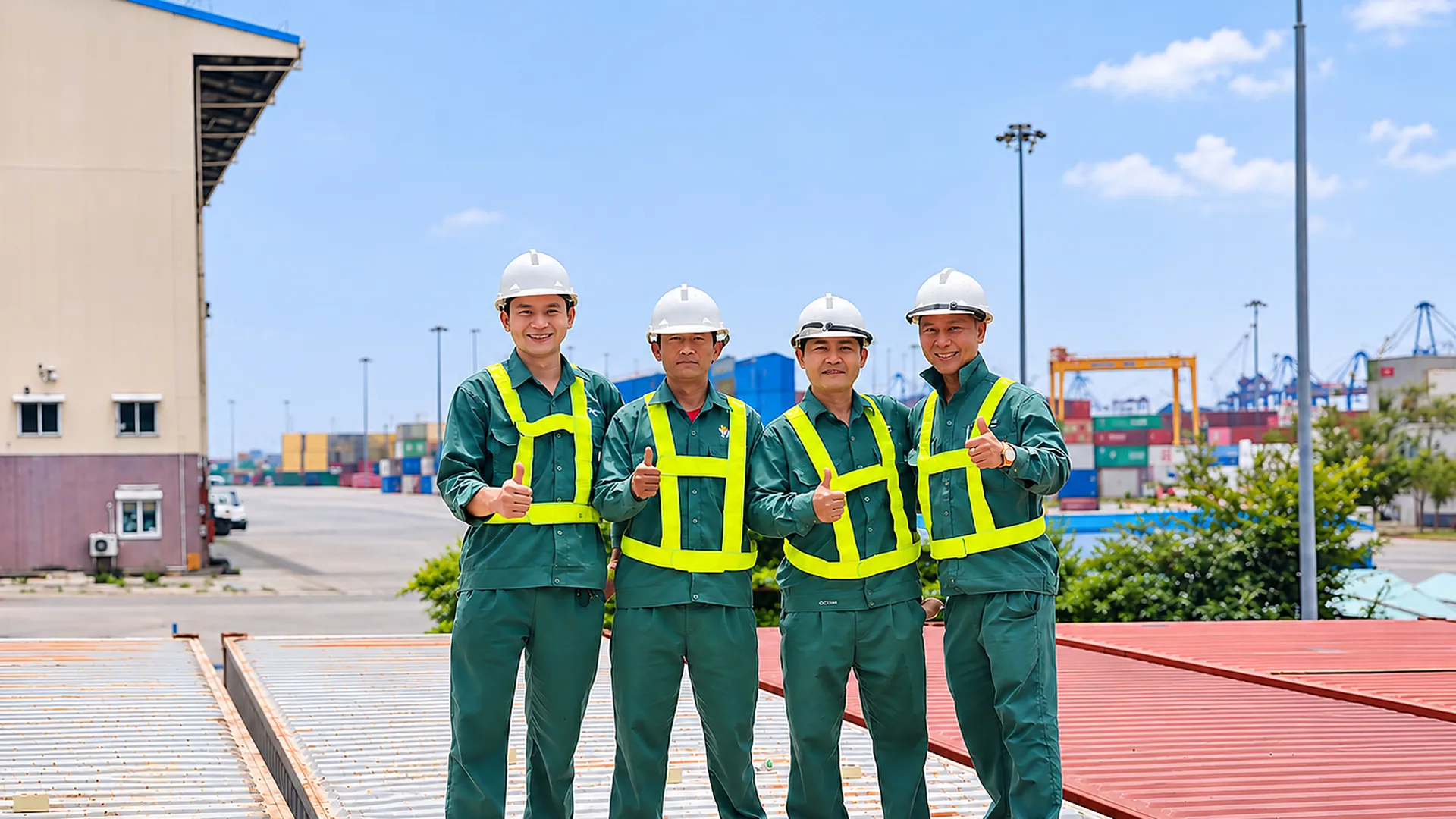
VFC Fumigation demonstrates agricultural commodity phytosanitary treatment capabilities through projects involving tens of thousands of tons under varied field conditions
From 55,000 tons of bulk rice bound for the US to 32,300 tons of rice to Ghana, VFC Fumigation has demonstrated its capabilities across shipments presenting distinct technical requirements. Experience treating 21,500 tons of imported corn in Vung Tau further validates contingency response capabilities under complex field conditions.
Backed by over 50 years of experience, proprietary J-System technology, and the Two-Tier Transparent Fumigation model, VFC Fumigation continues expanding its capacity to serve large-scale shipments. Cargo owners, shipping lines, and forwarders can submit consignment particulars alongside projected schedules to receive consultations on suitable protocols.
- 24/7 Technical Consultation & Survey Hotline: 0914 773 300
- Customer Service Switchboard: 1800 577 788
- Email: contact@fumigation.vn
-
Business & Services (18)
-
Practical Experience (11)
-
Exports & Markets (16)
Featured Blogs

Related Blogs