




Category:
Standards & Regulations

Published date:
24/03/2026
Share




Many businesses still confuse fumigation and disinfection, leading to incorrect treatment methods and risks during export operations. In logistics and goods preservation, using the correct method not only affects the effectiveness of pest control but is also directly related to quarantine requirements and documentation for international customs clearance. Below are the key differences to help businesses choose the right treatment solution.
1. What is Fumigation?
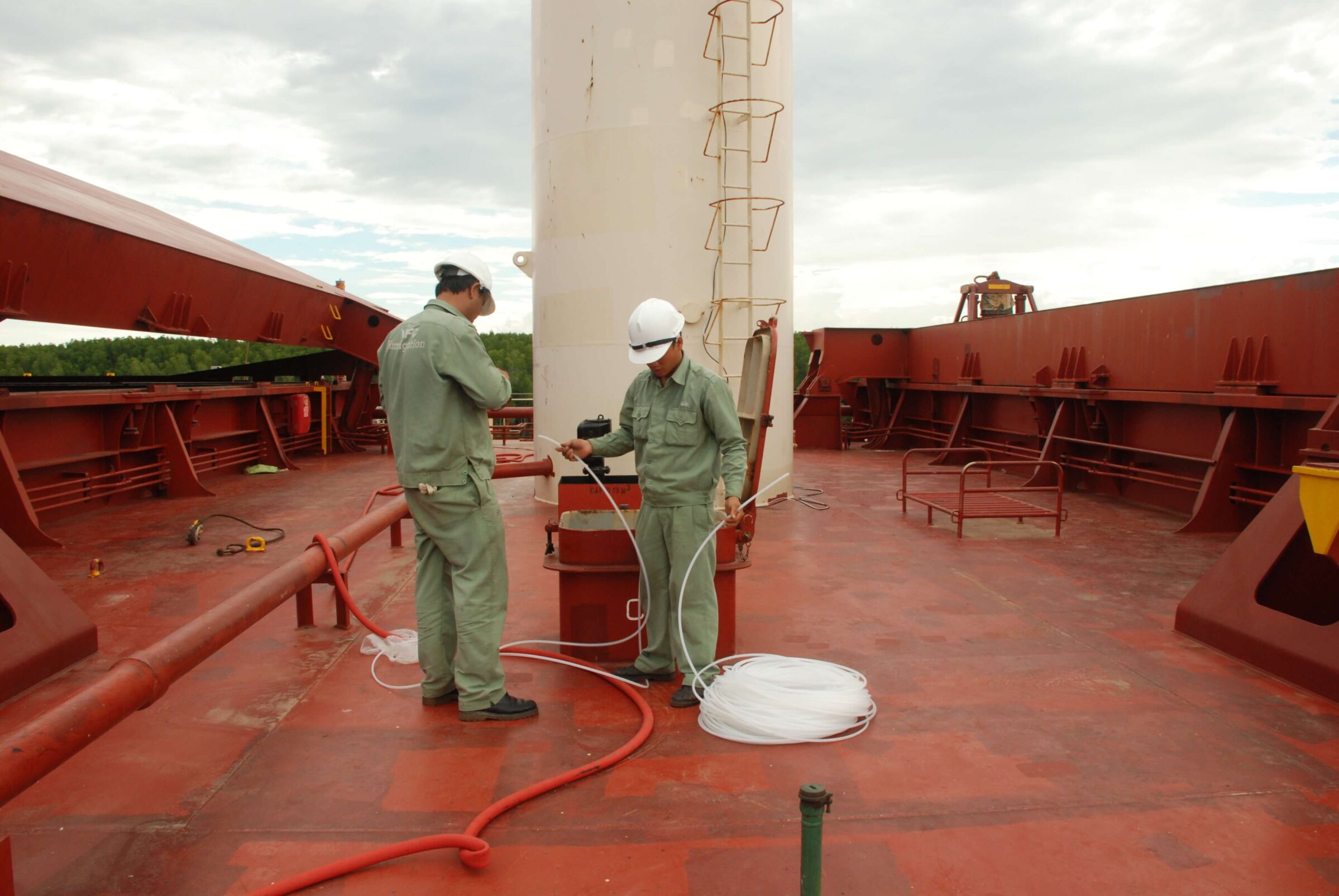
Fumigation, also known as gas fumigation, is a method of pest control using toxic gases (chemical in gaseous form) to eliminate insects present in goods.
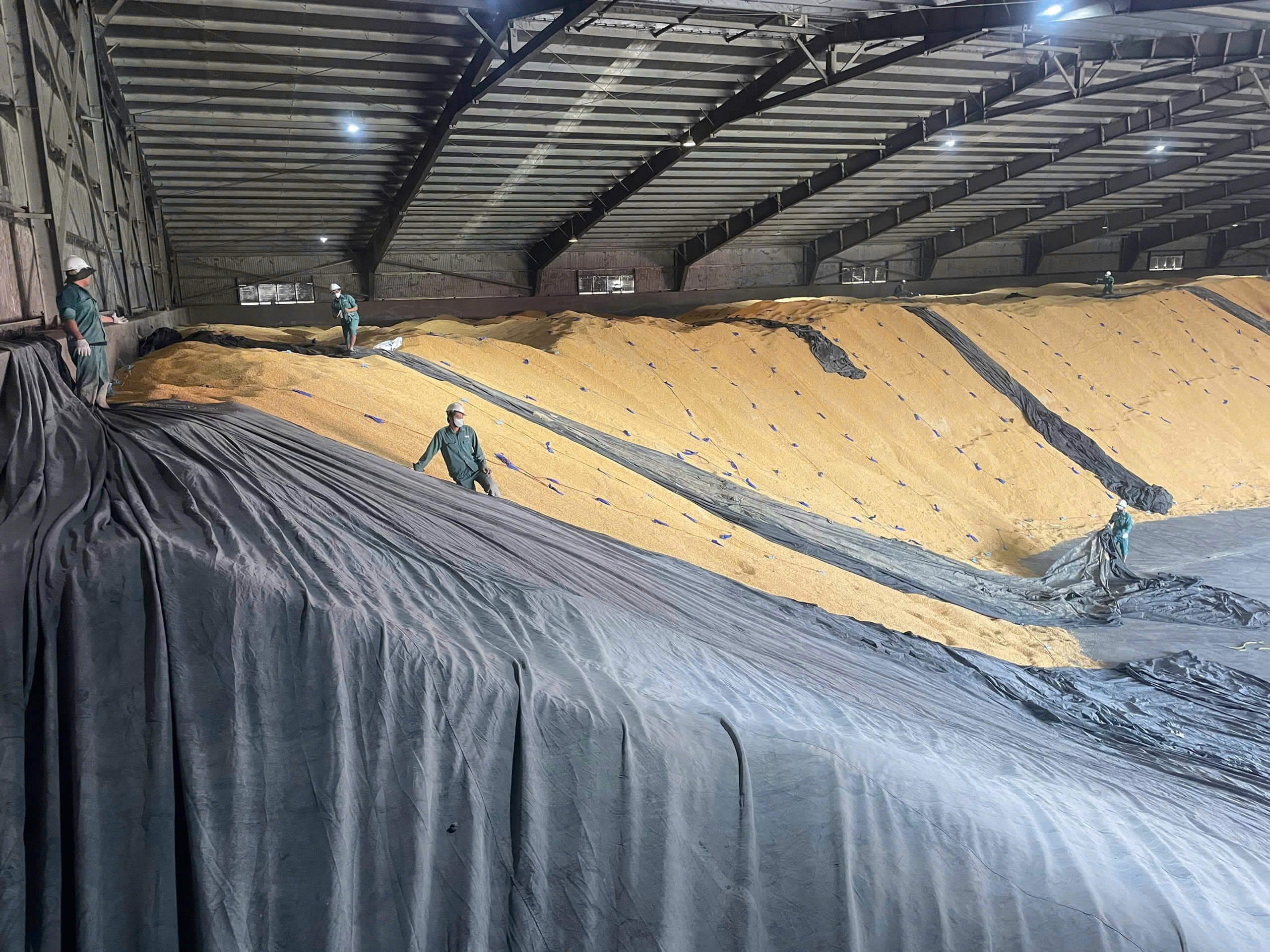
Unlike surface treatment methods, fumigation gas (Fumigation) can rapidly disperse in a sealed environment and deeply penetrate into each layer of goods such as agricultural products, wood, etc. As a result, the fumigant can affect insects, termites, and eliminate them at all life stages (eggs, larvae, pupae, and adults).
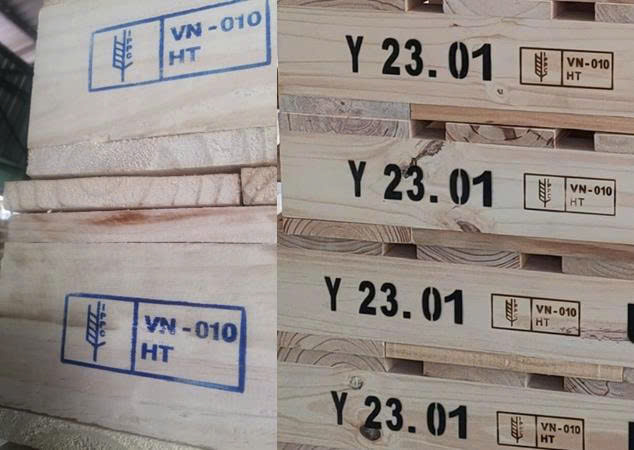
In Vietnam, the two commonly approved active ingredients are Methyl Bromide (CH₃Br) and Phosphine (PH₃), both meeting international quarantine requirements. This method is widely applied to agricultural products, containerized cargo, timber, and especially export shipments. After the treatment is completed, a Fumigation Certificate is issued, which is an important document in the customs clearance dossier in many markets.
2. What is Disinfection?
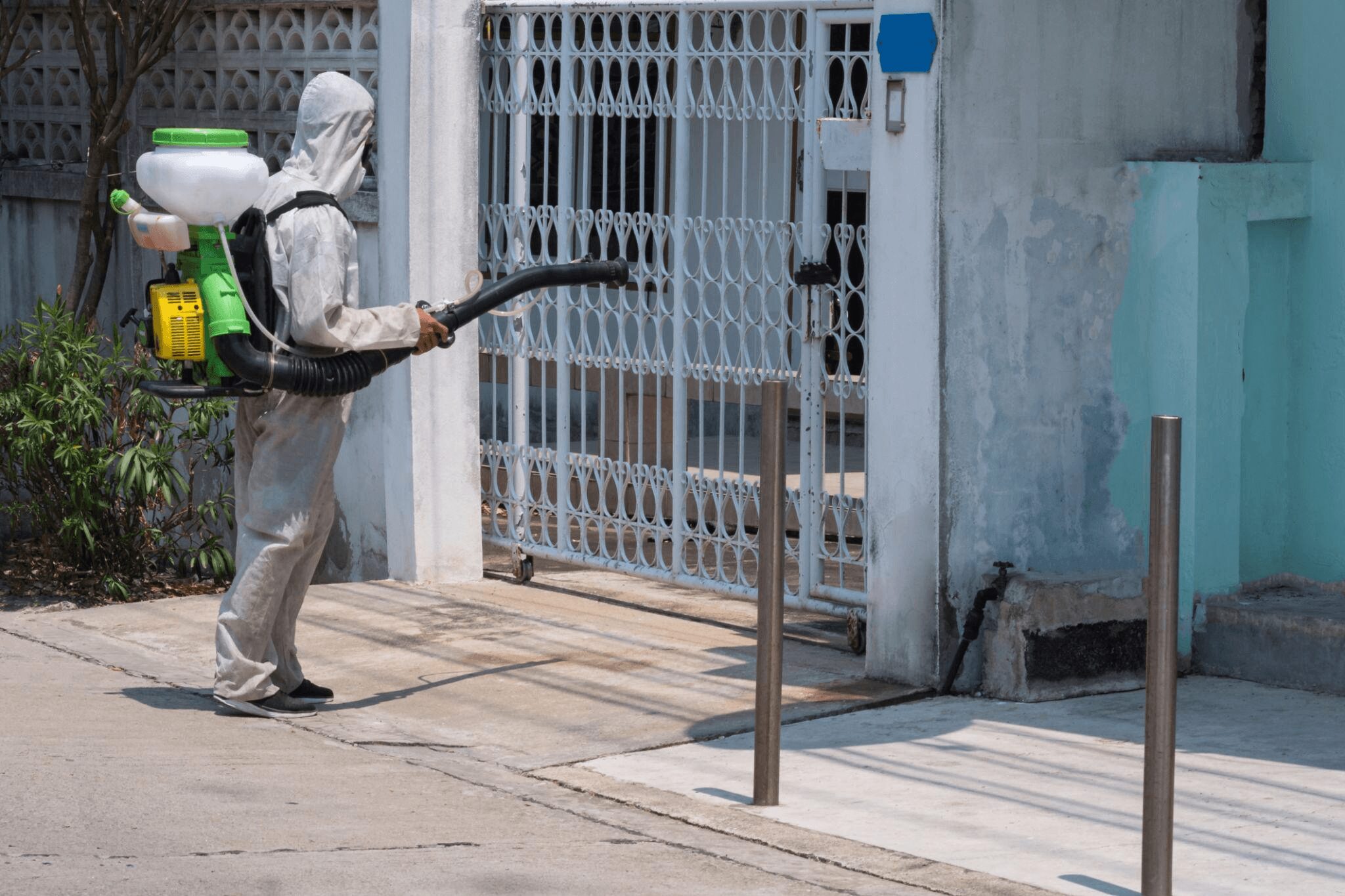
Disinfection, also known as microbial disinfection, is the process of eliminating or inactivating pathogenic microorganisms in the environment such as bacteria, viruses, and mold. This method typically uses liquid chemicals or specialized formulations for spraying, wiping, soaking, or fogging, thereby directly acting on surfaces or the air in the treated area.
Disinfection is widely used in healthcare facilities, factories, warehouses, offices, and general working environments to ensure hygiene conditions and bio-safety. However, as it only acts on exposed surfaces, this method cannot deeply penetrate inside goods, and therefore cannot eliminate insects hidden within material structures such as wood or agricultural products. This is why Disinfection cannot replace Fumigation in export quarantine requirements.
3. Quick Comparison: Fumigation vs Disinfection
| Criteria | Fumigation (Gas Fumigation) | Disinfection |
|---|---|---|
| Nature | Gas | Liquid chemicals or specialized formulations |
| Target organisms | Storage pests, quarantine pests | Pathogenic microorganisms (bacteria, viruses, mold) |
| Penetration ability | Very high (can penetrate wood, agricultural products) | Low (acts only on surfaces) |
| Treatment time | Long (from 24 hours to 7 days depending on fumigant) | Short (a few hours after application) |
| Sealing requirement | High | Low |
| Application | Export/import goods (agricultural products, containerized cargo, timber and wood products, etc.) | Export/import goods (agricultural products, containerized cargo, timber and wood products, etc.) |
| Documentation | Yes (Fumigation Certificate) | Not mandatory, usually internal treatment records |
In summary, fumigation (Fumigation) is a mandatory solution for treating export goods at risk of quarantine pest contamination, while disinfection (Disinfection) is more suitable for cleaning and controlling microorganisms in environments.
4. Why should businesses choose Fumigation (Gas Fumigation) services at VFC Fumigation?
In export operations, fumigation (Fumigation) is not merely a “documentation requirement,” but a critical step that determines whether a shipment can clear customs smoothly. Therefore, choosing the right service provider not only ensures effective pest elimination but also helps businesses minimize legal risks and additional costs throughout the logistics chain.
At VFC Fumigation, fumigation services are implemented as a comprehensive risk control solution, rather than just an isolated technical process.
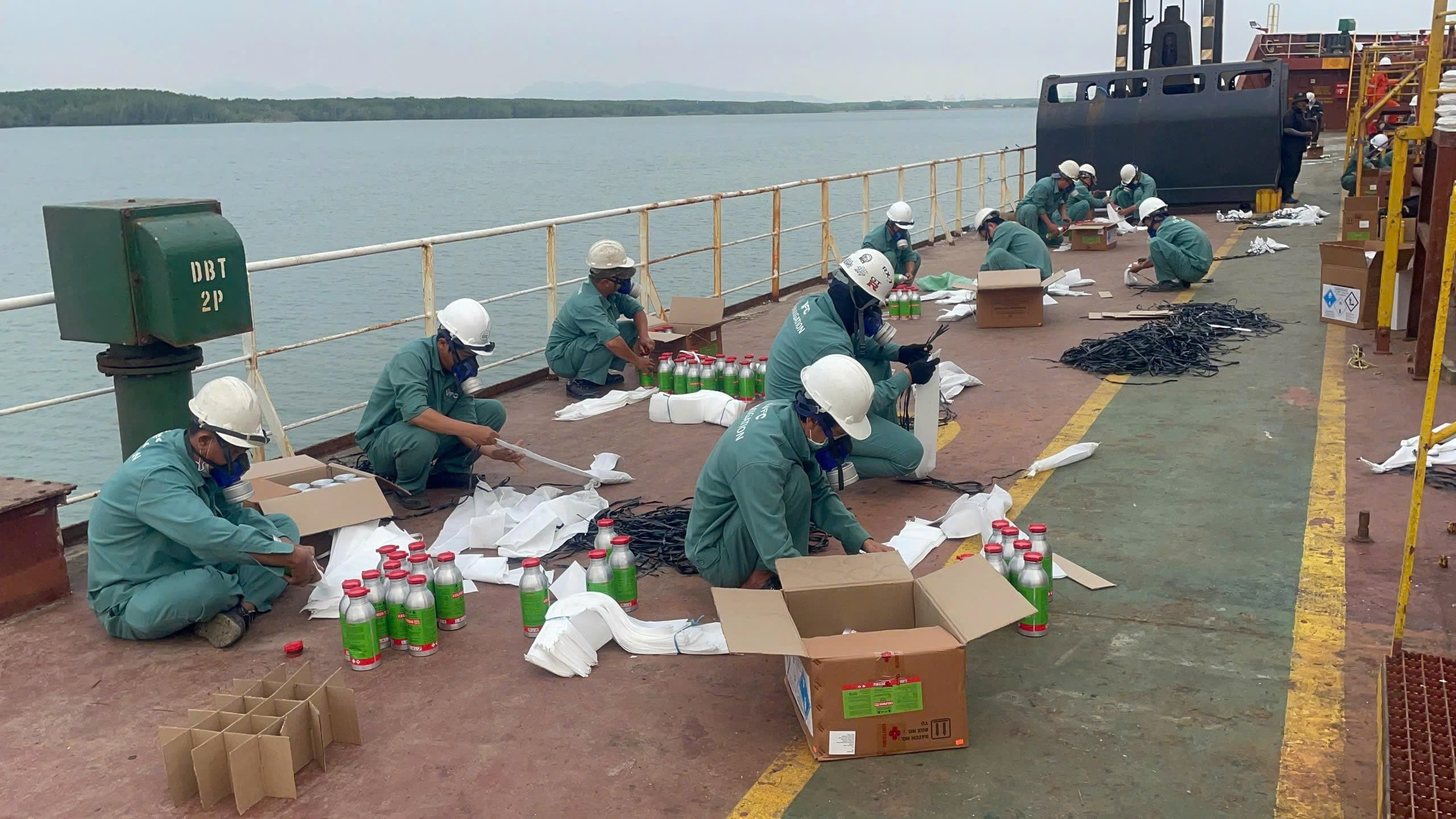
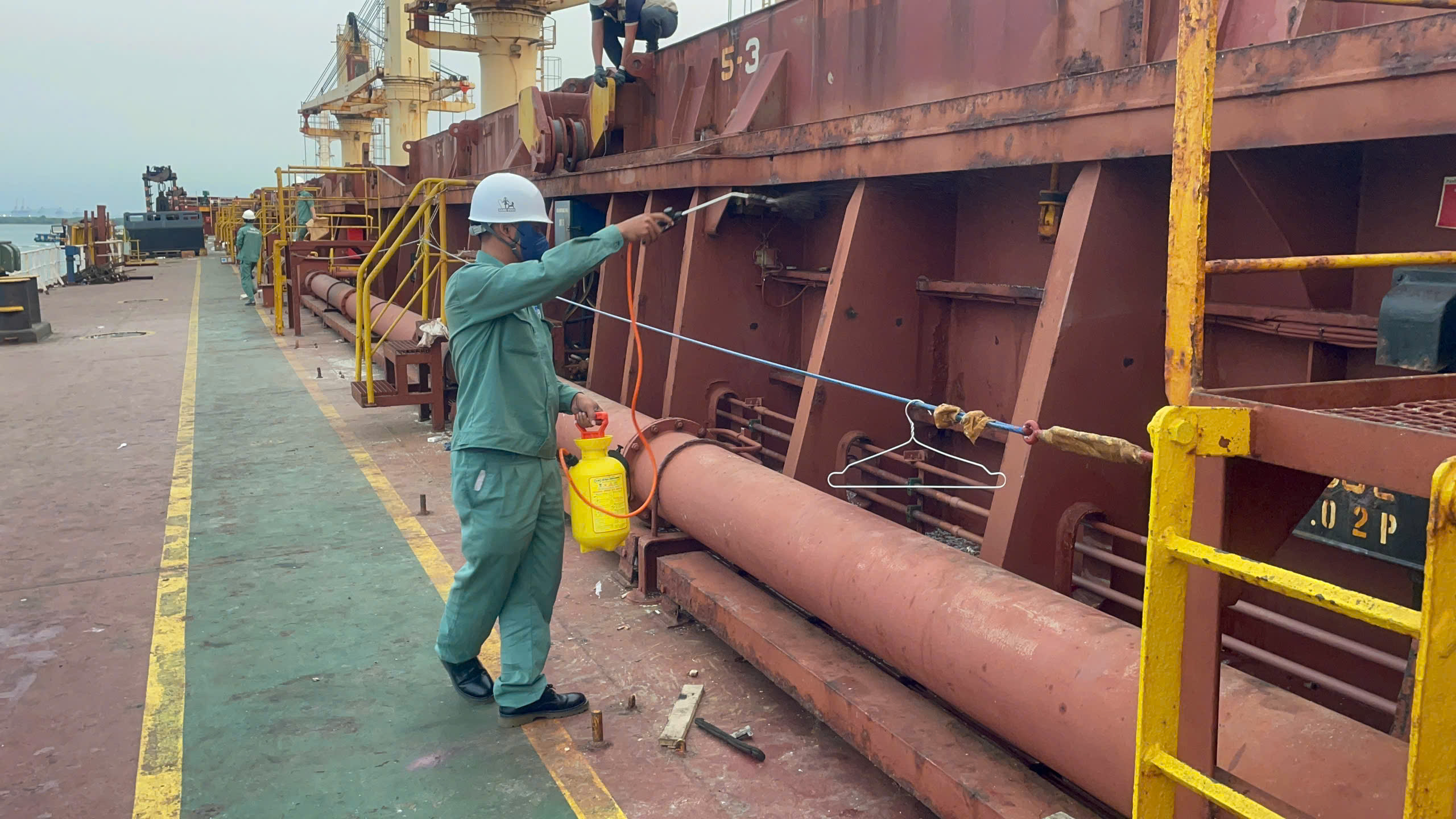
First, VFC has the capability to treat a wide range of cargo types and operational models, from containers and bulk cargo to specialized items such as timber, agricultural products, and oversized or heavy-lift cargo. This is particularly important for shipments subject to strict quarantine requirements or complex treatment conditions, which require practical experience and flexible execution across multiple locations such as ports, warehouses, or during vessel transit.
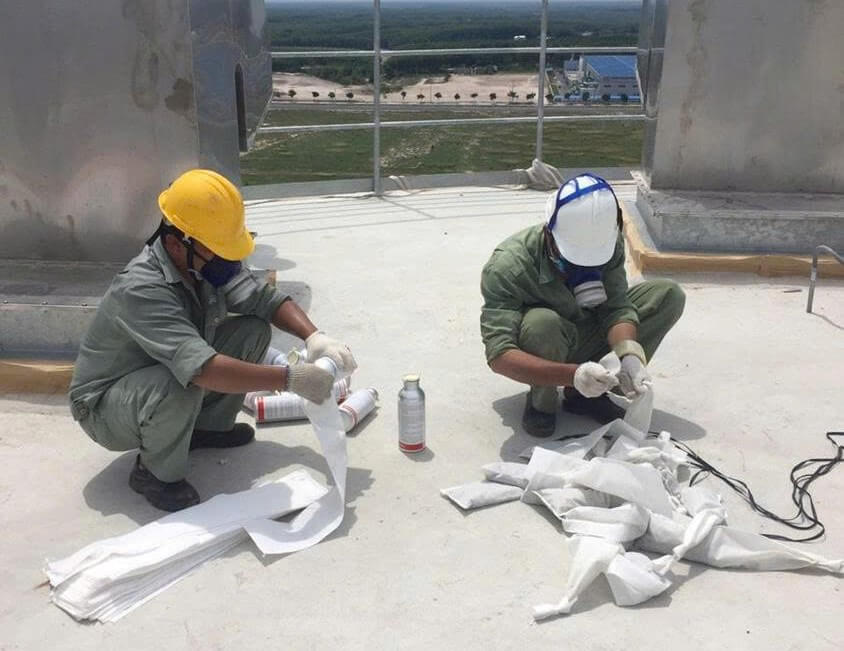
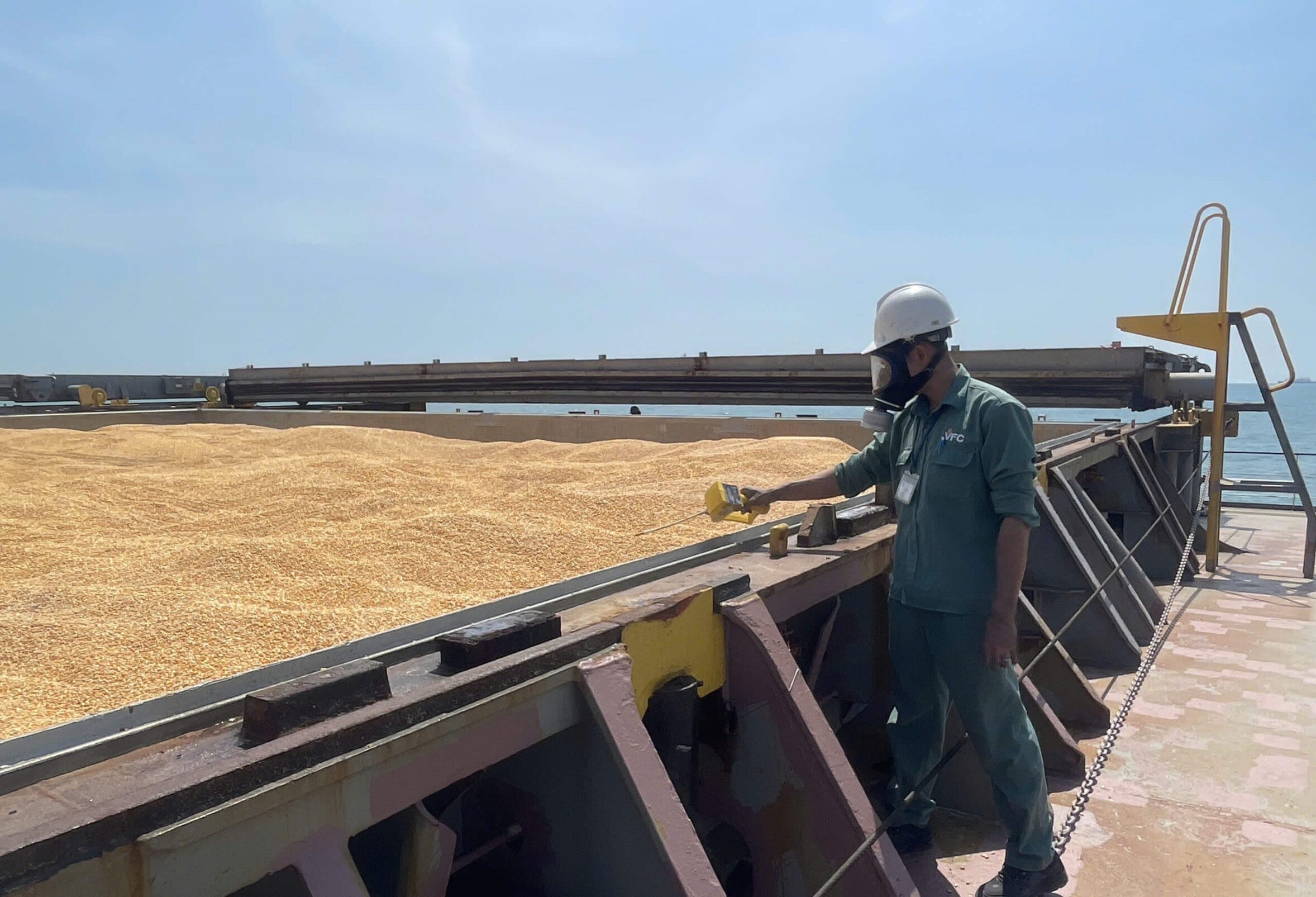
In addition, safety is always placed at the highest priority. The entire fumigation (Fumigation) process at VFC is monitored using specialized gas concentration measuring equipment, ensuring effective elimination of pests while maintaining a safe environment for people and surrounding areas. Clear procedures for warning, isolation, and post-treatment handover are strictly implemented, allowing businesses to operate with full confidence throughout the process.
Another advantage lies in documentation and certification. VFC provides complete fumigation certificates (Fumigation Certificate) in compliance with international quarantine standards, while also supporting businesses in preparing documentation and providing explanations when required. This significantly reduces risks related to inspections at destination ports, especially in strict markets such as Australia and the United States.
Beyond treatment services, VFC also acts as a consulting partner, working with businesses from the very beginning to identify the most appropriate method for each type of cargo and export market. As a result, companies can avoid common mistakes such as selecting the wrong treatment method, thereby optimizing costs and ensuring on-time delivery schedules.
In other words, choosing VFC Fumigation is not just selecting a fumigation service, but choosing a partner that helps businesses... đảm bảo tuân thủ, kiểm soát rủi ro và vận hành xuất khẩu hiệu quả hơn.
Featured Knowledge

Related Knowledge

11/04/2026
11/04/2026
What is Transparent Disinfection? When Technology Replaces “Trust” in Export Operations
Transparent disinfection is becoming a new standard in export operations. Have you ever anxiously waited for a shipment without knowing whether it was actually treated correctly and at the right time? In reality, this is a critical step that directly affects customs clearance, yet it is often overlooked or carried out merely to complete paperwork and meet deadlines.