





Category:
Fumigation Technology,
Fumigation by Industry Sector
Agricultural products,
Animal feed,

Published date:
26/03/2026
Share




Fumigation of agricultural silos and animal feed facilities always requires high precision in every implementation step, especially for large-scale systems with complex structures. When applying forced gas circulation technology such as the J-System, effectiveness depends not only on the equipment itself but also on the actual installation and operational procedures.
1. Why is the J-System necessary for large-scale silo fumigation?
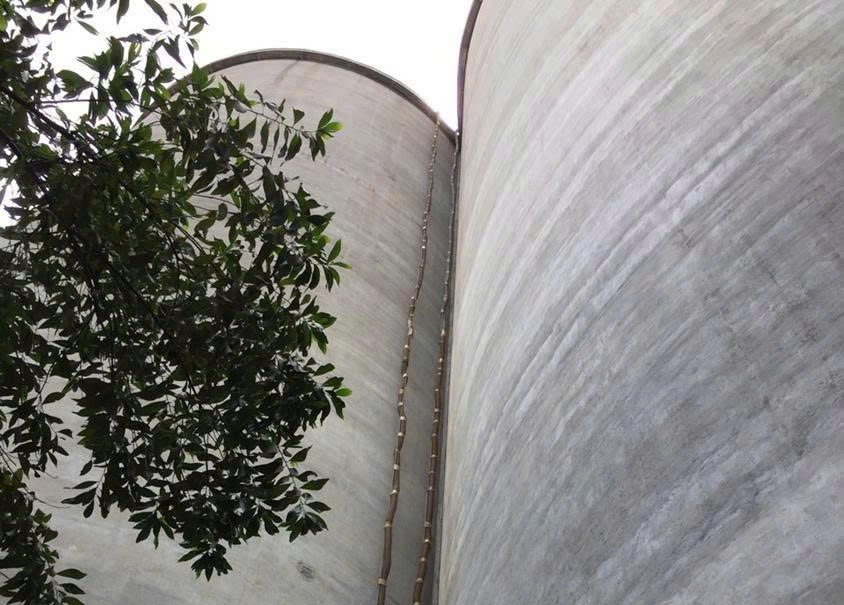
In the agricultural and animal feed storage industry, silos are designed with massive capacities to optimize storage efficiency. However, silos with significant height or dense cargo masses (up to 45 meters high and with capacities reaching 8,000 tons) often face major limitations when relying solely on natural gas diffusion (traditional fumigation).
Fumigant gas tends to concentrate around the application points, resulting in very high concentrations in those areas. Meanwhile, the compressed grain mass below prevents the gas from diffusing down to the bottom of the silo. As a result, many “hidden zones” within the cargo do not reach a sufficient concentration to eliminate insects. Weevils and pests may survive deep inside the commodity core, creating risks of cross-contamination to other areas and production systems, directly affecting thousands of tons of agricultural products.
To solve this problem, the J-System gas circulation system was introduced. This technology creates a forced air circulation flow, helping distribute fumigant gas more evenly throughout the entire silo space.
However, achieving this effectiveness requires careful system installation and calculation. Incorrect arrangement of the circulation system, inadequate sealing, or improper operation procedures may lead to uneven gas concentration distribution. This not only affects fumigation performance but also impacts operational safety.
See more: Challenges in large-capacity silo fumigation and the J-System solution
2. Silo fumigation process using the J-System
The installation and operation process of the J-System is typically implemented through five interconnected steps: site survey, planning, execution, fumigation holding and monitoring, ventilation, and final inspection. These steps are closely linked to ensure the circulating airflow is established and maintained consistently throughout the fumigation process.
2.1. Site survey and implementation condition assessment
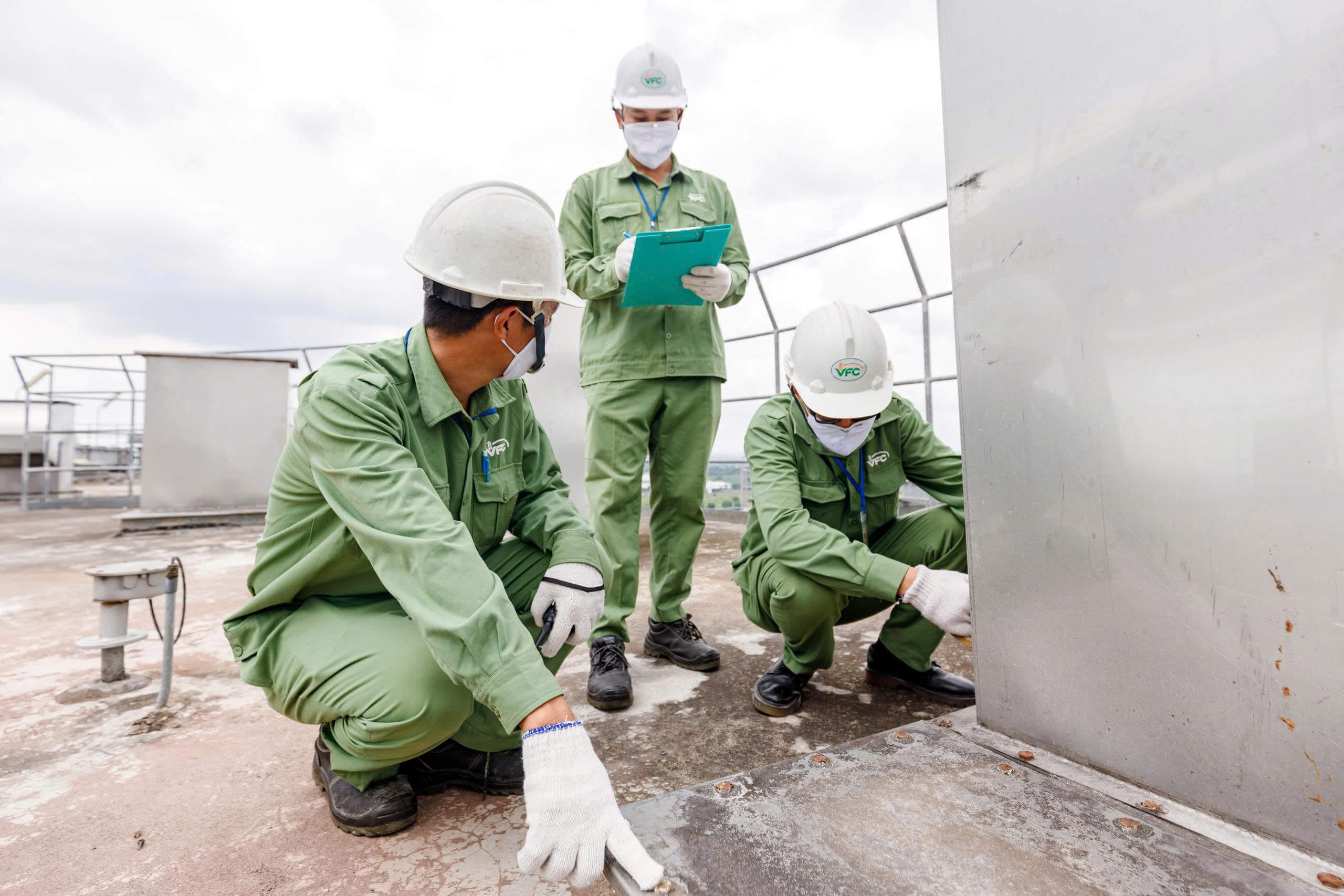
The survey is a critical initial step, forming the foundation for the entire technical plan that follows. During this stage, factors related to the silo structure and operational conditions are thoroughly assessed. Common evaluation items include:
- Physical structure of the silo: sealing condition, existing ventilation system, and power supply for operating equipment.
- Characteristics of the stored commodities.
- Safety factors during installation and fumigation operations.
- Optimal installation positions to maximize gas distribution throughout the entire cargo mass.
2.2. Technical planning
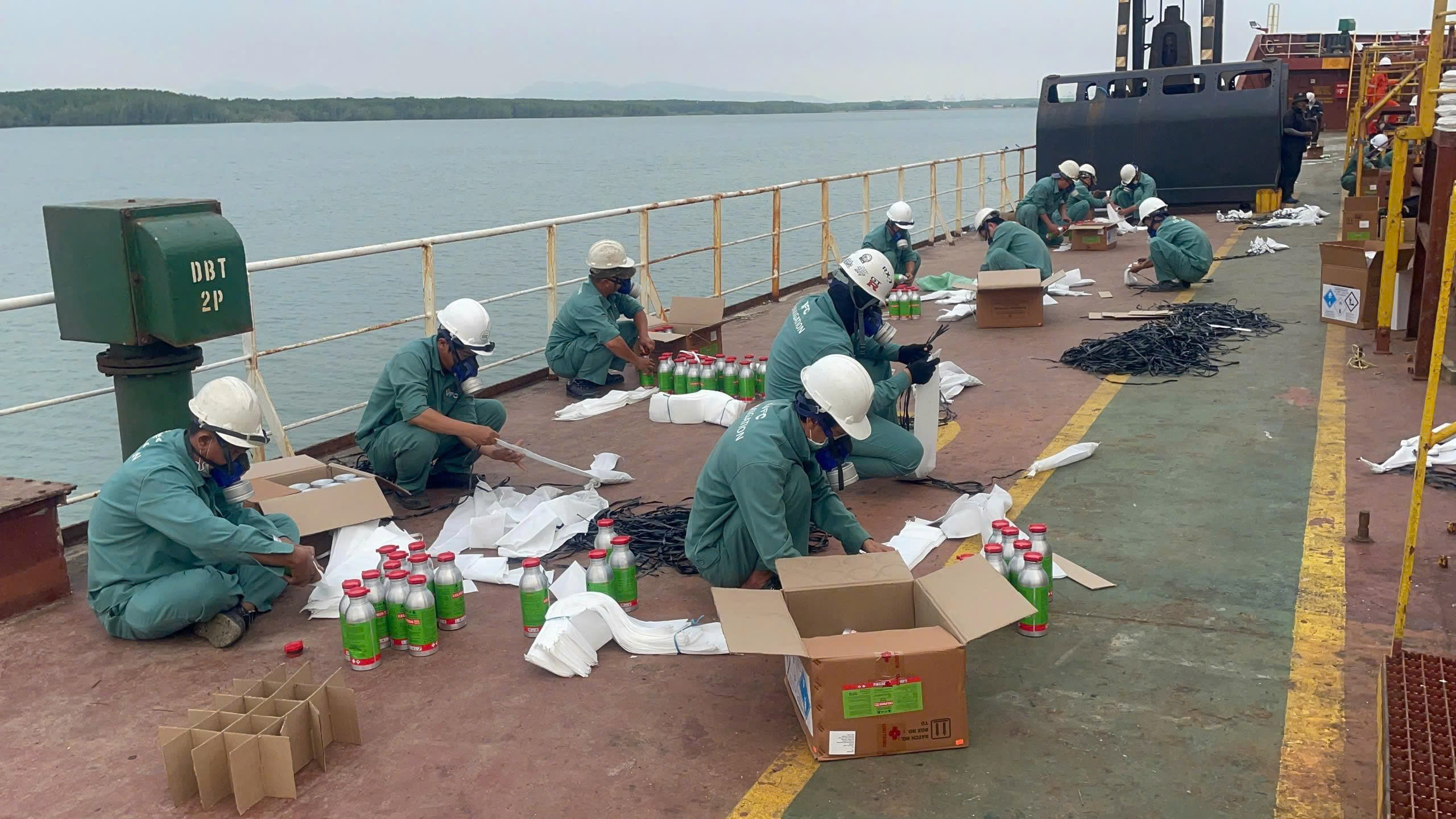
Based on the survey results, technical staff will design a gas circulation system layout suitable for each silo and arrange concentration monitoring lines at critical points. At the same time, all specialized materials and equipment are prepared, including motors, gas circulation duct systems, safety harnesses, sealing materials, fumigants, etc.
Personnel allocation is also planned appropriately to ensure both project progress and occupational safety. The objective of this stage is to ensure that the entire system can operate stably and effectively under the actual silo conditions once installed.
2.3. Installation and fumigation implementation
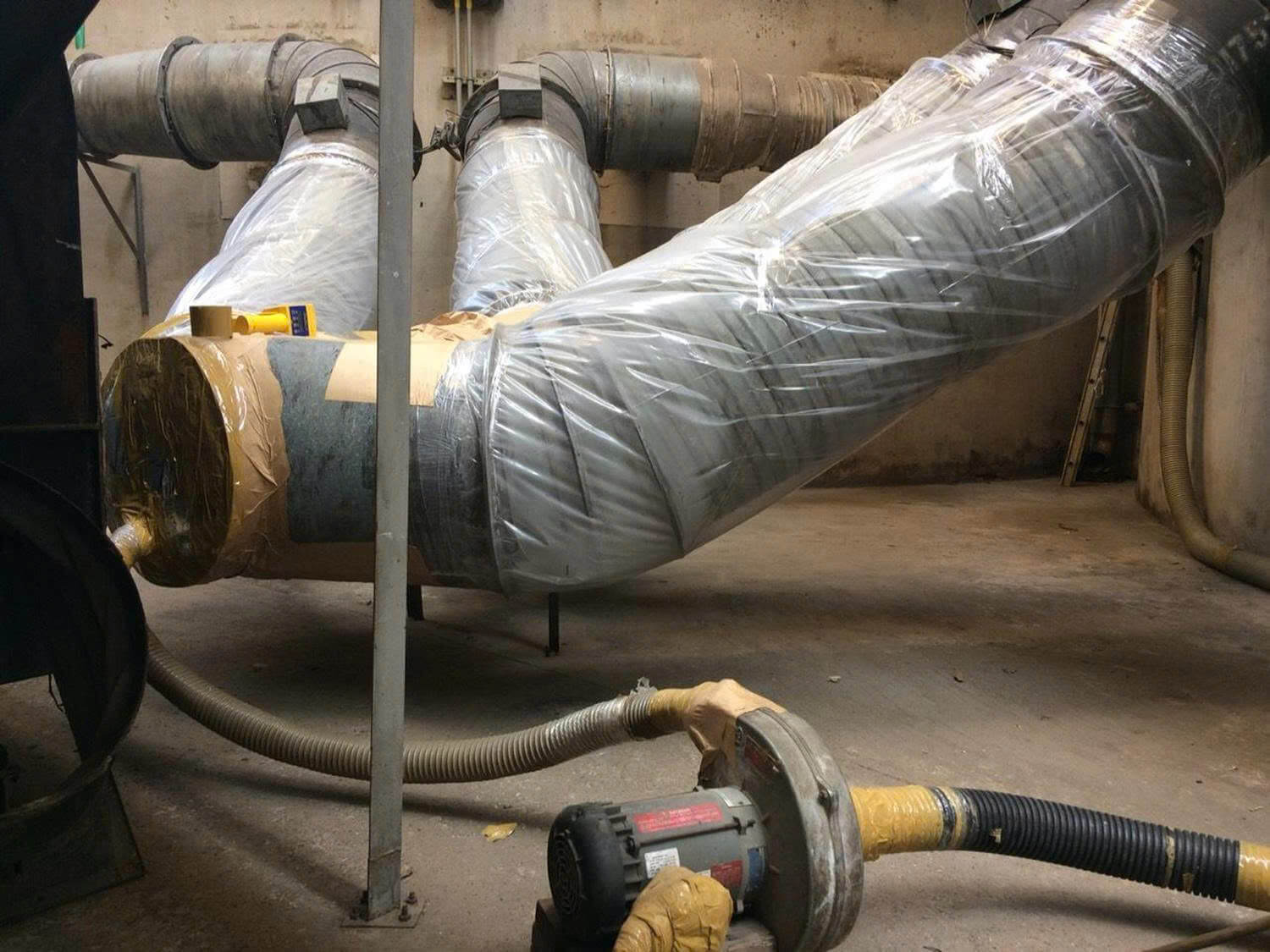
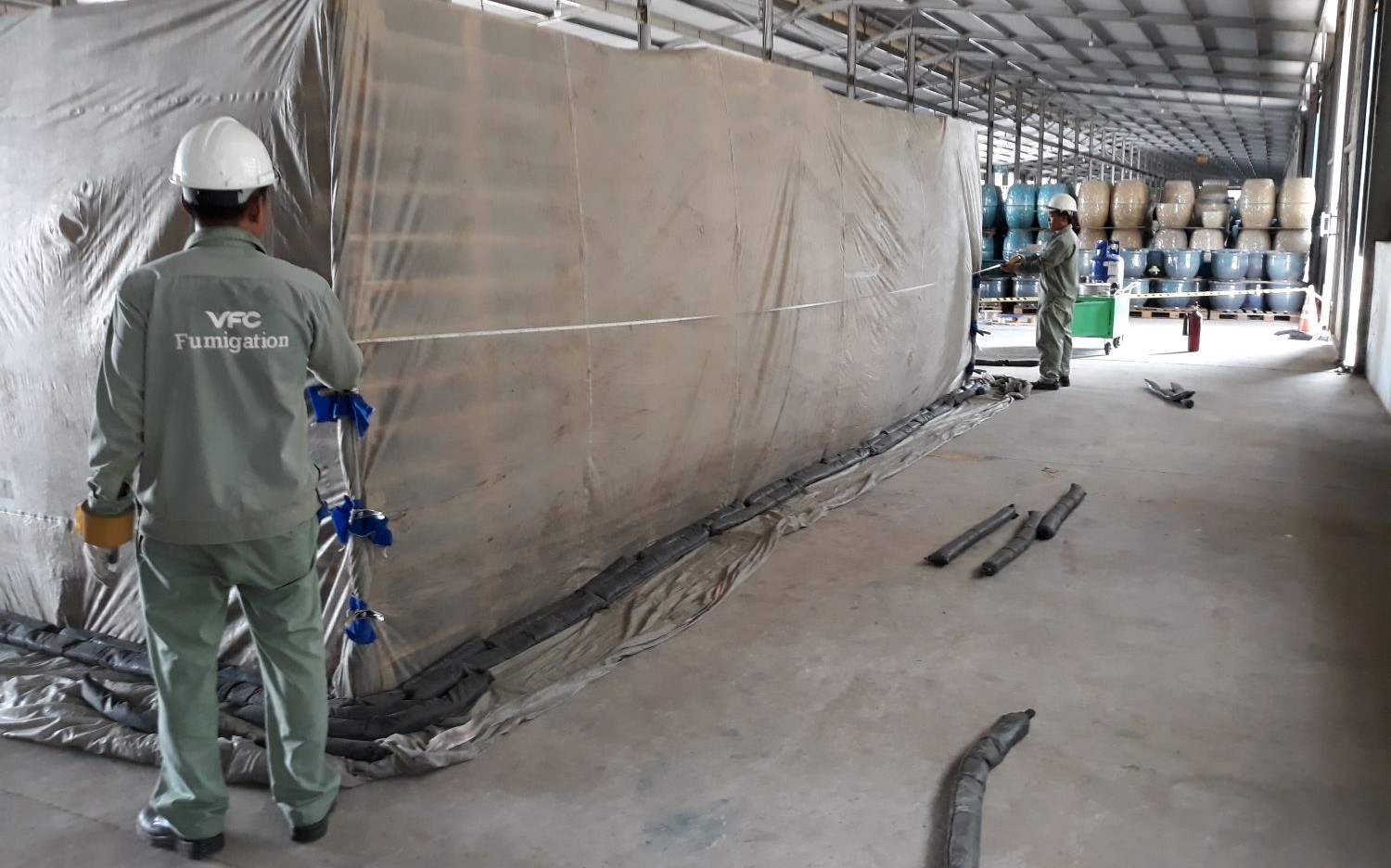
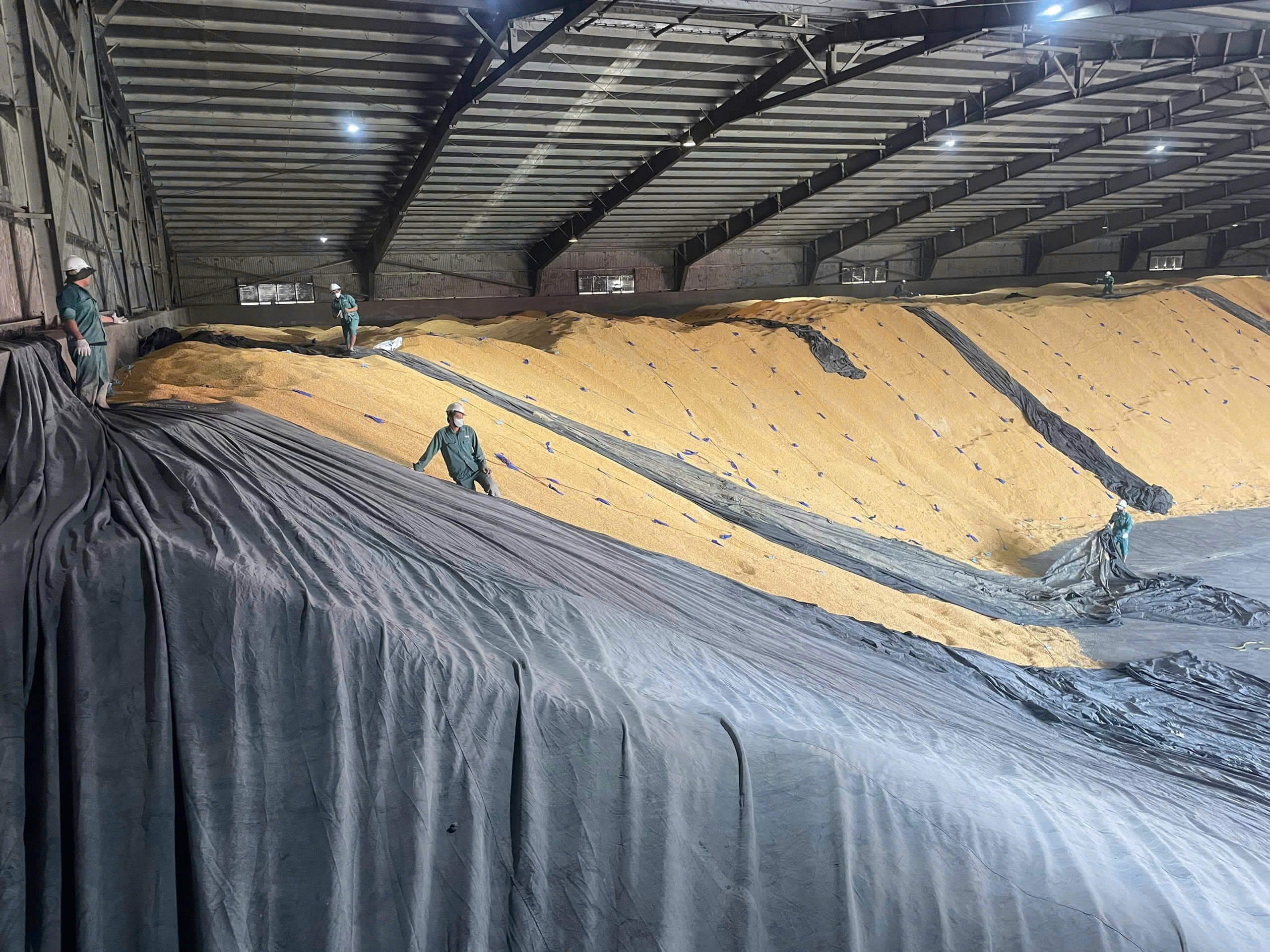
Before implementation, the operation team establishes a safety isolation zone and conducts a task assignment briefing. The process includes installing the ducting system and motors, followed by sealing the silo to prevent gas leakage. After placing the fumigant inside and activating the motors, warning signs are posted around the fumigation area to prevent unauthorized access.
2.4. Fumigation holding and concentration monitoring inside the silo
After fumigant application, the silo is sealed for a holding period of 7–10 days. Throughout this period, the J-System motors operate continuously 24/7 to circulate fumigant gas from the surface down to the bottom through the duct system, preventing gas stratification and ensuring even concentration distribution throughout the silo.
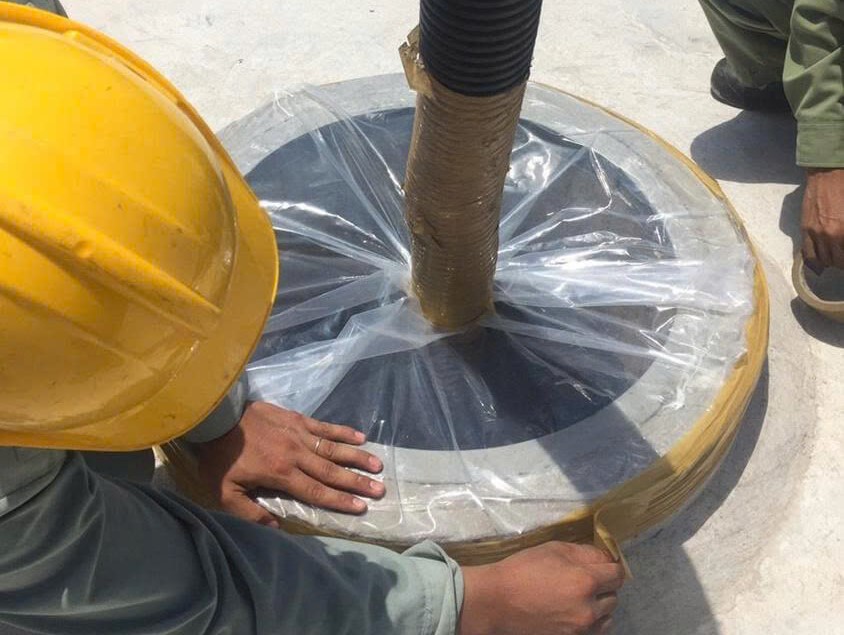
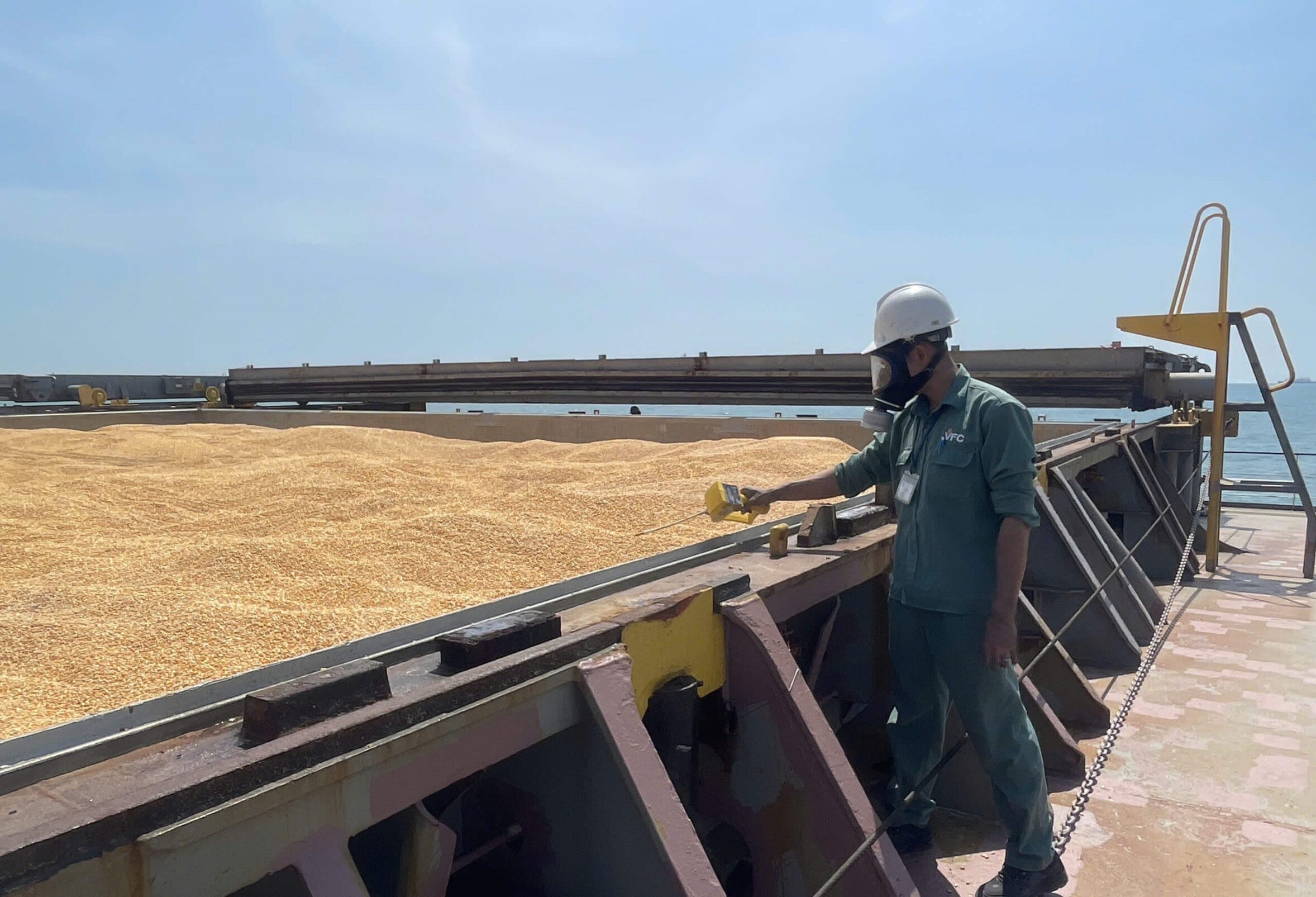
Concentration monitoring is carried out periodically at the predetermined monitoring points. If abnormal concentration differences or drops are detected, the technical team will promptly inspect and take corrective actions to ensure the fumigant penetrates deeply into the cargo core and other hard-to-reach areas. Thanks to the continuous gas circulation, all insects at every stage of development (eggs, larvae, pupae, and adults) are completely eliminated.
2.5. Ventilation, inspection, and handover
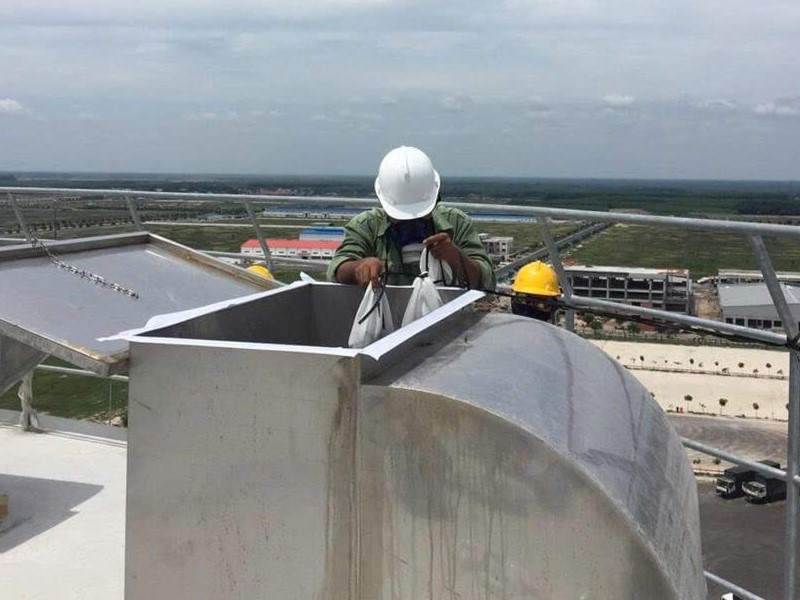
At the end of the fumigation holding period, the silo ventilation process is carried out by opening the ventilation system to reduce gas concentration to a safe level. All materials and fumigant residues are then collected and disposed of in accordance with environmental regulations. Finally, inspection samples are taken to verify fumigation results before the silo is handed back to the customer.
3. Economic value and transparency when applying the J-System correctly
From an economic perspective, proper application of the J-System improves fumigation efficiency, saves time and manpower, and reduces operational costs by eliminating the need for manual cargo turning or unloading. In addition, maintaining stable gas concentration throughout the silo helps completely control insects while minimizing losses in quantity and quality of agricultural products and animal feed — critical factors for meeting quarantine requirements and standards for export or long-term storage.
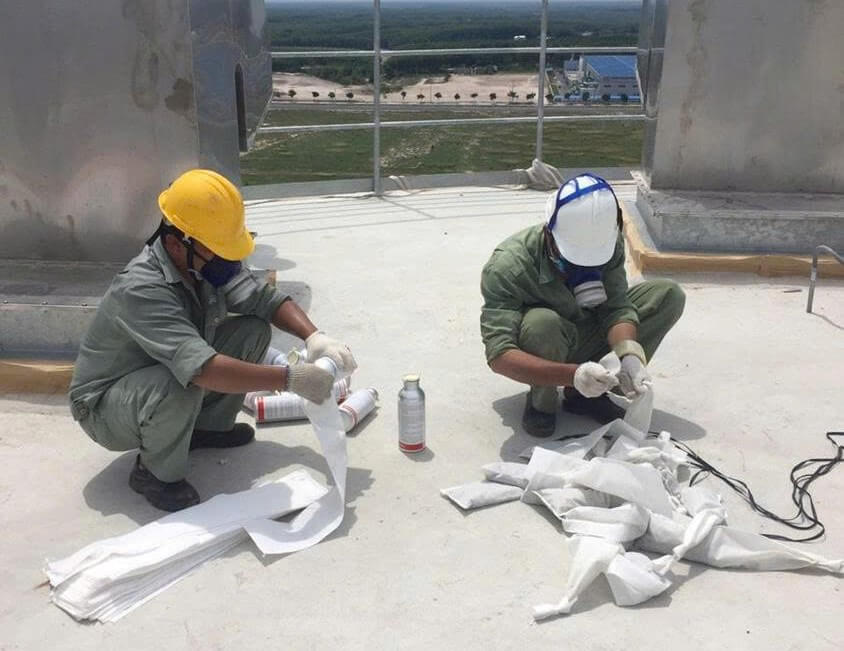
In terms of transparency, the entire process — from site survey and installation to gas concentration monitoring — is carried out under strict standards and controls. This not only helps ensure the credibility of silo operators but also builds strong confidence among buyers regarding the preservation quality of agricultural products and animal feed.
4. VFC Fumigation – Pioneer in J-System technology from Germany
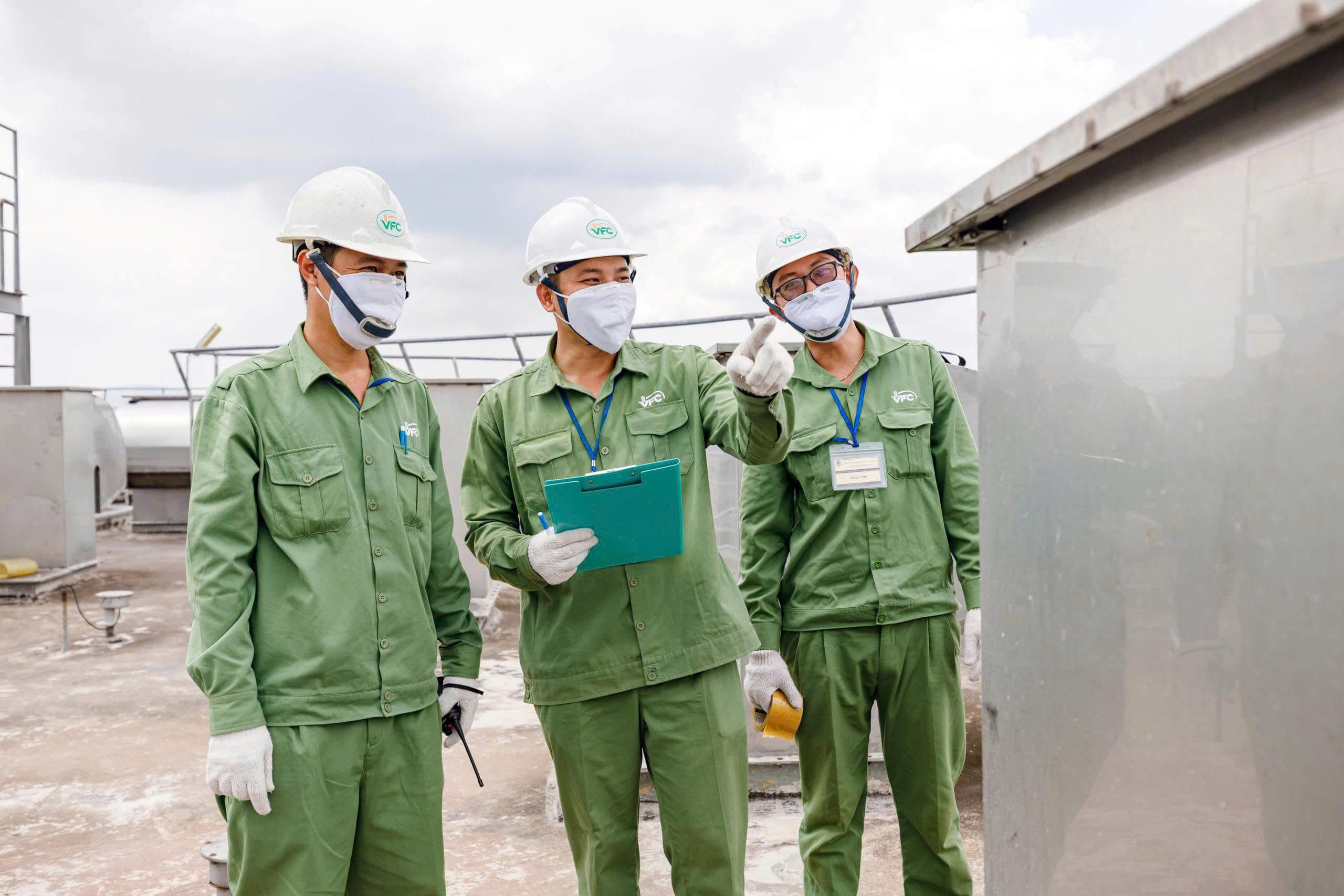
In actual operations, the effectiveness of silo fumigation does not come from a single factor, but from the result of a fully coordinated process. From the initial survey and technical planning to installation, monitoring, and completion of treatment, each step plays its own role and directly impacts the final outcome.
The silo fumigation process using the J-System is not only a technical solution but also a systematic approach designed to overcome the limitations of traditional fumigation methods in modern silos. Strict compliance from the survey stage through final inspection helps optimize treatment efficiency and maintain the long-term value of stored goods.
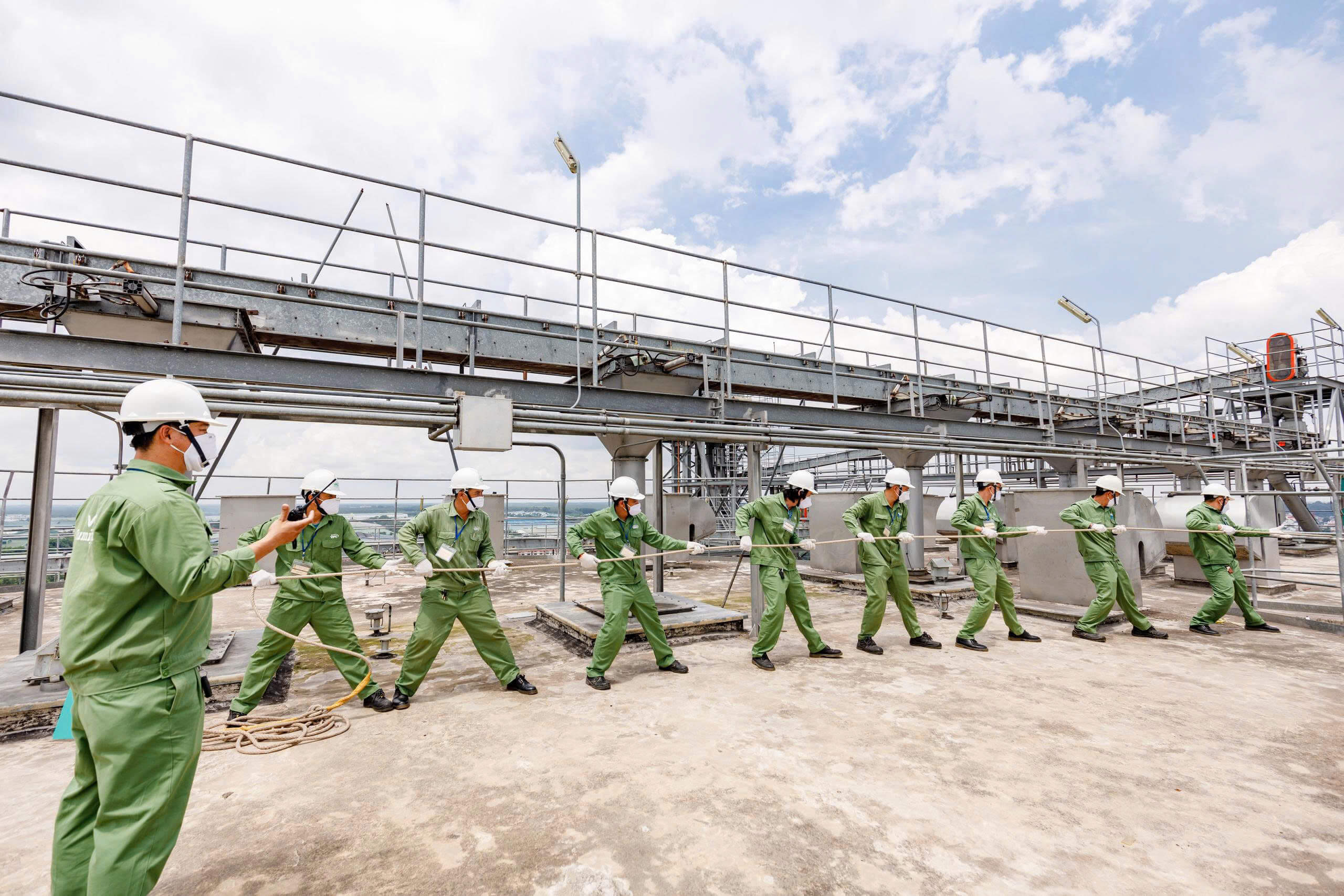
With more than 50 years of experience in cargo fumigation, VFC Fumigation is proud to be the pioneer in Vietnam successfully implementing the J-System transferred from Detia Degesch GmbH (Germany). Through practical application and adaptation to local operating conditions, the technical procedures have been continuously refined to achieve greater stability and practical effectiveness.
Overall, proper application of the J-System in silo fumigation not only improves treatment efficiency but also contributes to building a more scientific preservation approach suitable for industrial-scale agricultural storage. Practical implementation experience has shown that when the process is properly controlled, silo fumigation can achieve both technical effectiveness and sustainable economic value.
See more: Silo and agricultural warehouse fumigation services at VFC Fumigation
Tags
Featured Knowledge

Related Knowledge

11/04/2026
11/04/2026
What is Transparent Disinfection? When Technology Replaces “Trust” in Export Operations
Transparent disinfection is becoming a new standard in export operations. Have you ever anxiously waited for a shipment without knowing whether it was actually treated correctly and at the right time? In reality, this is a critical step that directly affects customs clearance, yet it is often overlooked or carried out merely to complete paperwork and meet deadlines.