




Category:
Fumigation by Industry Sector

Published date:
03/02/2026
Share




According to statistics from the General Department of Vietnam Customs, the wood processing and export industry has become an indispensable component of Vietnam's forestry ecosystem. The rise of wood chips and, in particular, wood pellets is unlocking billion-dollar opportunities for the forest product export market.
1. Wood Chips: The "Right-Hand" of the Wood Export Industry
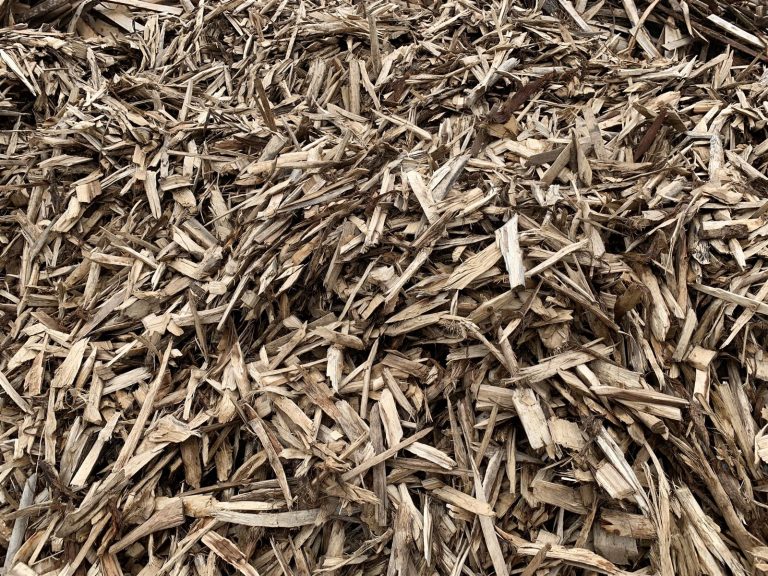
Wood Chips
Wood chips have long established themselves as a key export commodity, serving as an important "output" for Vietnam’s planted forest area. Far from being mere by-products, wood chips have become an inseparable link in the forestry value chain.
Economically, the $1.5 billion in annual export turnover serves as a testament to the appeal of this commodity. Accounting for nearly one-fifth of the total export value of the entire wood industry, wood chips help maintain stable cash flow for millions of forest-planting households. Notably, Vietnam’s supply capacity is highly impressive, providing approximately 12 million tons to the international market annually. To achieve this, a network of processing plants consumes a massive amount of raw material (approximately 24 million m^3 of round wood), helping to optimize the value of timber after harvesting, including small wood portions that do not meet standards for furniture production.
For large-volume shipments, merely completing the treatment is not enough; using the wrong plan, incorrect timing, or inconsistent documentation can still pose risks at the destination port. Businesses should review in advance 7 common mistakes when fumigating export goods.
See more: Why does improper fumigation lead to prolonged risks?
2. Wood Pellets: A New Step Toward Added Value and Clean Energy
If wood chips are considered a traditional primary processed product, wood pellets represent the transformation toward high-tech and sustainable development in Vietnam’s wood industry. Although they share the same biomass raw material sources—such as dried branches, sawdust, or wood scraps—wood pellets serve a completely different purpose.
Currently, wood pellets are accounting for an increasingly high proportion of the export structure due to the global green energy transition wave. Instead of being used solely for paper or industrial board production, wood pellets are compressed under extreme pressure to generate high thermal energy with low emissions, gradually replacing coal in thermal power plants and industrial boilers.
Investing in wood pellets is not only an investment in modern machinery and equipment, such as drying systems and high-capacity presses, but also an investment in "intellectual value." This product helps fully utilize waste from the wood chip and furniture manufacturing processes, transforming them into biological "black gold" that meets strict standards for sustainable forest certification and carbon emission reduction in demanding markets.
The fact that the product has undergone grinding, drying, and pelletizing does not mean businesses can completely skip the risk assessment step. Treatment requirements also depend on the import market, storage conditions, transport methods, and shipment documentation. See more on how to select the appropriate fumigant active ingredient for each type of export goods.
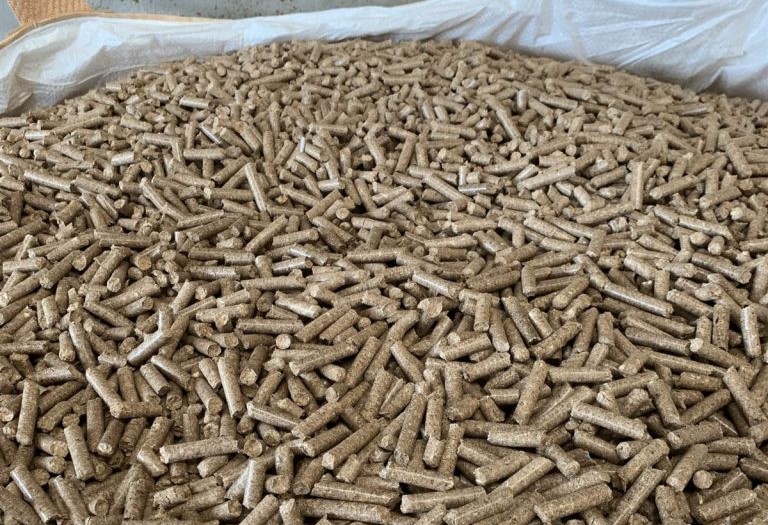
Wood Pellets
3. Distinguishing Wood Chips and Wood Pellets
To better understand the characteristics and value of these two commodities, please refer to the comparison table below:
| Characteristic | Wood Chip | Wood Pellet |
| Composition | Dried wood, wood scraps, sawdust... | Dried wood, wood scraps, sawdust... |
| Production | Simple production process with wood chippers as the main equipment. | Multi-stage processing: grinding → drying → pelletizing. The production requires high-tech investment. |
| Main Use | MDF boards, paper pulp... | High-efficiency fuel used in manufacturing industries. |
| Other Uses | Conventional fuel, mulch, or fertilizer for plants. | Bedding for biological livestock farming |
| Export Market | China, Indonesia… mainly used as raw material for paper pulp production. | The main importing country is South Korea, primarily used as a raw material source for clean energy production. |
Differences in size, uniformity, packaging methods, and intended use can alter the treatment plan for each shipment. Businesses can provide product details, packaging methods, destination markets, and shipment schedules to receive advice on appropriate containerized export cargo fumigation services.
Featured Knowledge

Related Knowledge