





Category:
Standards & Regulations

Published date:
21/04/2026
Share




Export cargo fumigation is becoming a critical factor determining customs clearance and corporate reputation. As import markets increasingly tighten quarantine standards, even a minor discrepancy during the treatment process can lead to shipments being detained or rejected. Properly understanding the common pitfalls in cargo fumigation not only helps businesses minimize risks but also safeguards their long-term position in the global supply chain.
1. Export cargo fumigation: Necessary, but Not Sufficient
In export operations, a fumigation certificate is often regarded as a “passport” that allows goods to enter many markets. However, in practice, many shipments are still subject to reinspection or even refused customs clearance despite having a complete set of documents.
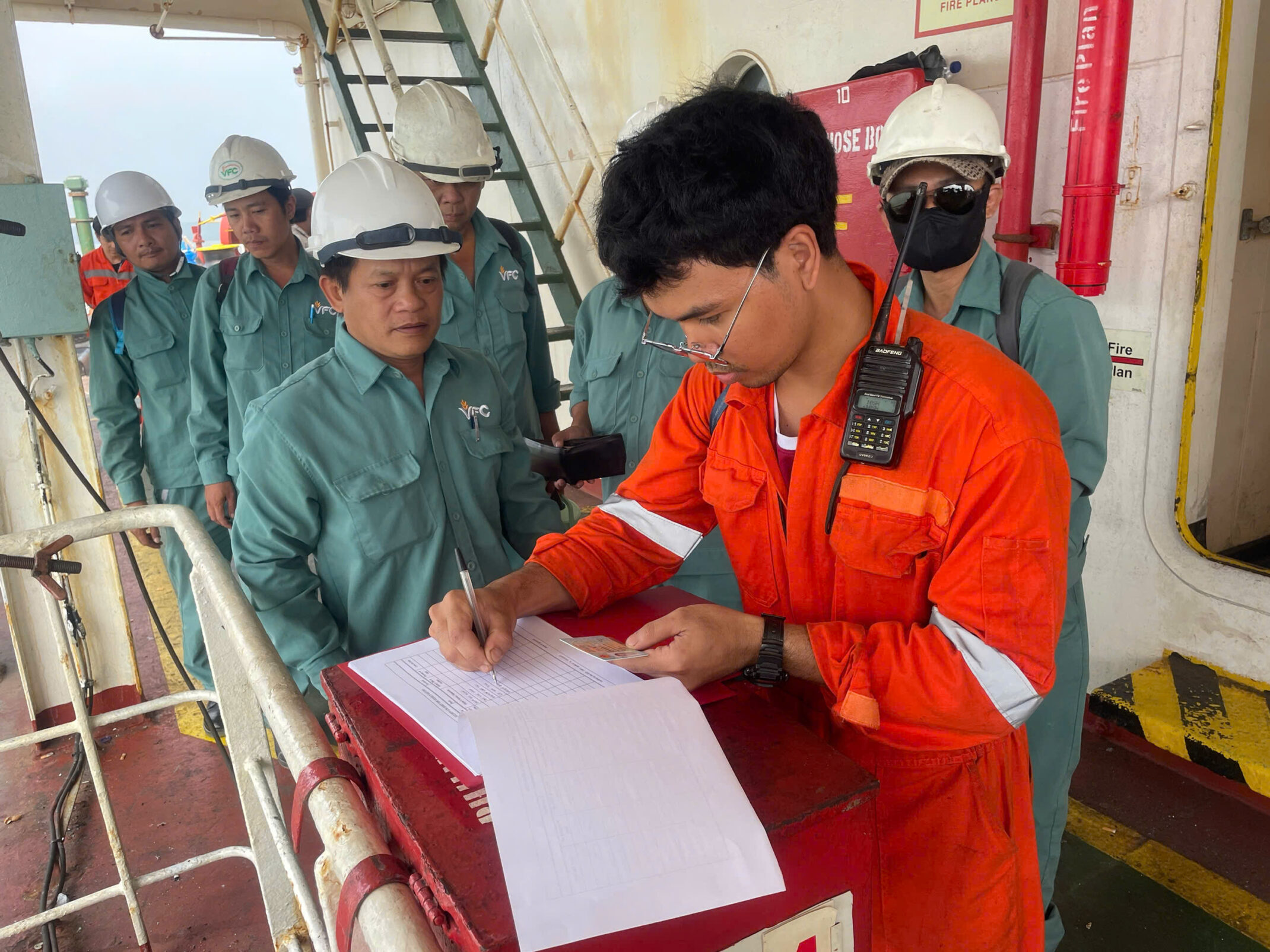
The issue is not simply whether fumigation has been conducted, but the quality of the treatment and the level of compliance with international standards. Quarantine authorities in the EU, the United States, Japan, and Australia do not rely solely on certificates. They also assess the actual effectiveness of the pest treatment process.
In this context, export cargo fumigation is no longer just a procedural step; it has become a technical factor that directly determines a business's operational risks.
2. Common pitfalls and risks in export cargo fumigation
2.1. Prioritizing low cost over technical standards
One of the most common mistakes businesses make is selecting a fumigation provider based on the lowest quotation. Cargo fumigation is a highly technical service that requires precision. It is not an administrative formality whose cost can be reduced without careful consideration.
Some markets implement quarantine programs with extremely strict requirements. Australia, for example, applies the Australian Fumigation Accreditation Scheme AFAS to recognized fumigation providers, as well as a seasonal Brown Marmorated Stink Bug BMSB management program for various categories of high-risk goods.
Using a low-cost service that fails to meet these requirements may result in the shipment being rejected or requiring retreatment at the destination port. The amount initially saved on fumigation is often insignificant compared with storage charges, re-export costs, or even the cost of destroying the shipment if live insects are detected.
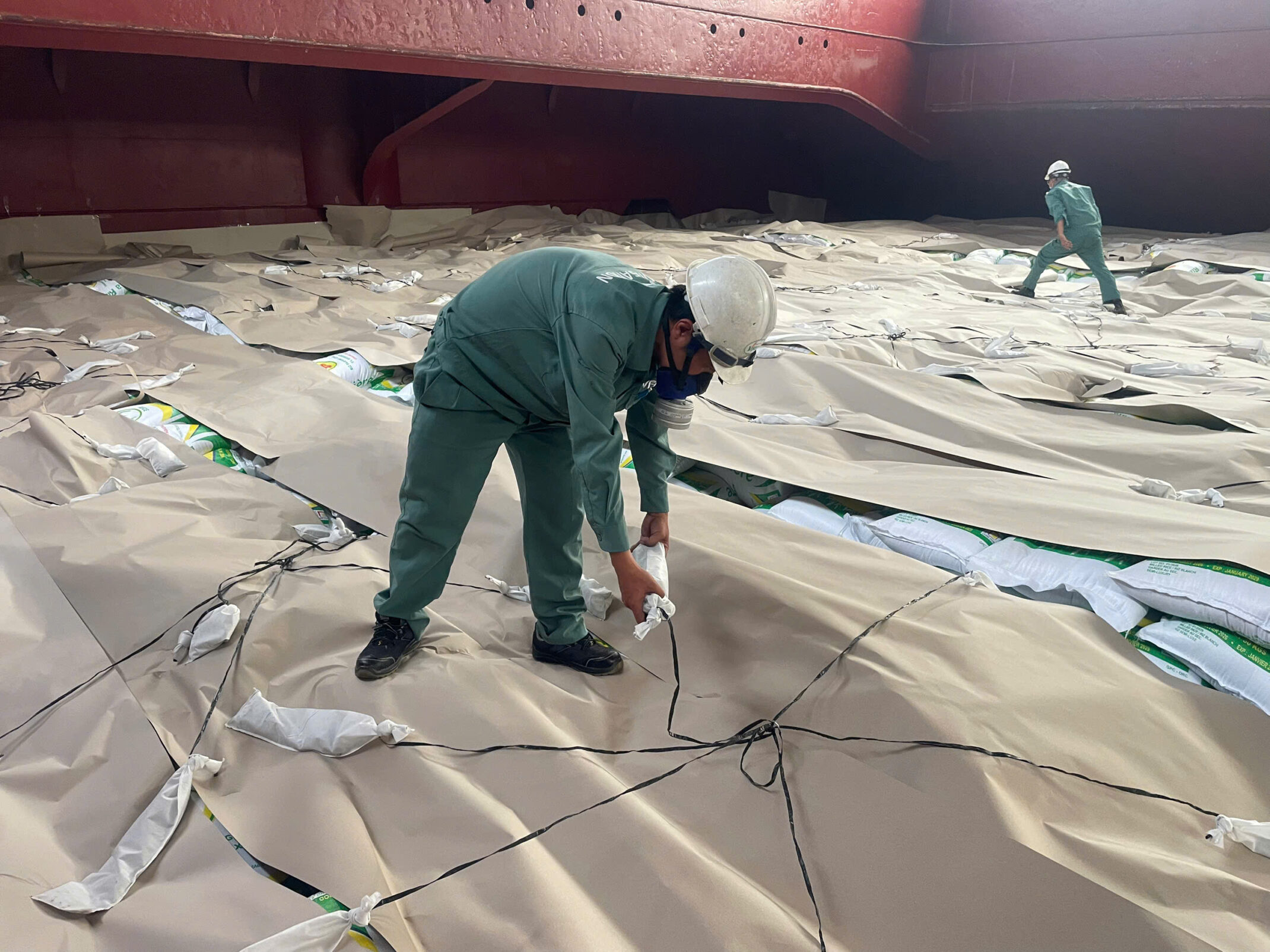
This explains why many businesses, after experiencing several incidents, are forced to change their criteria for selecting a fumigation provider—from “low price” to “compliance with required standards.”
2.2. Selecting a fumigation provider that lacks expertise
Many businesses focus only on obtaining a fumigation certificate while overlooking the service provider’s actual implementation capabilities. However, receiving a certificate does not necessarily mean that the shipment has been treated in accordance with every requirement of the importing market. If the provider fails to correctly assess the applicable standards or quarantine requirements of each market, the exporter may incur additional costs at the destination port.
In addition to retreatment expenses, delayed customs clearance can disrupt delivery schedules, damage relationships with business partners, and result in various unexpected costs. These risks can increase the total cost and affect the overall performance of the export shipment.
This is also why businesses no longer evaluate fumigation providers solely on the certificates they issue. They also consider practical experience, consulting capabilities, and the ability to develop a treatment plan suited to each shipment and export market.
2.3. Overlooking moisture and mold control
One “silent” risk that is often overlooked is mold. Many businesses assume that eliminating insects through fumigation is sufficient. However, sudden temperature changes between different climate zones during sea transportation can cause condensation inside the container.
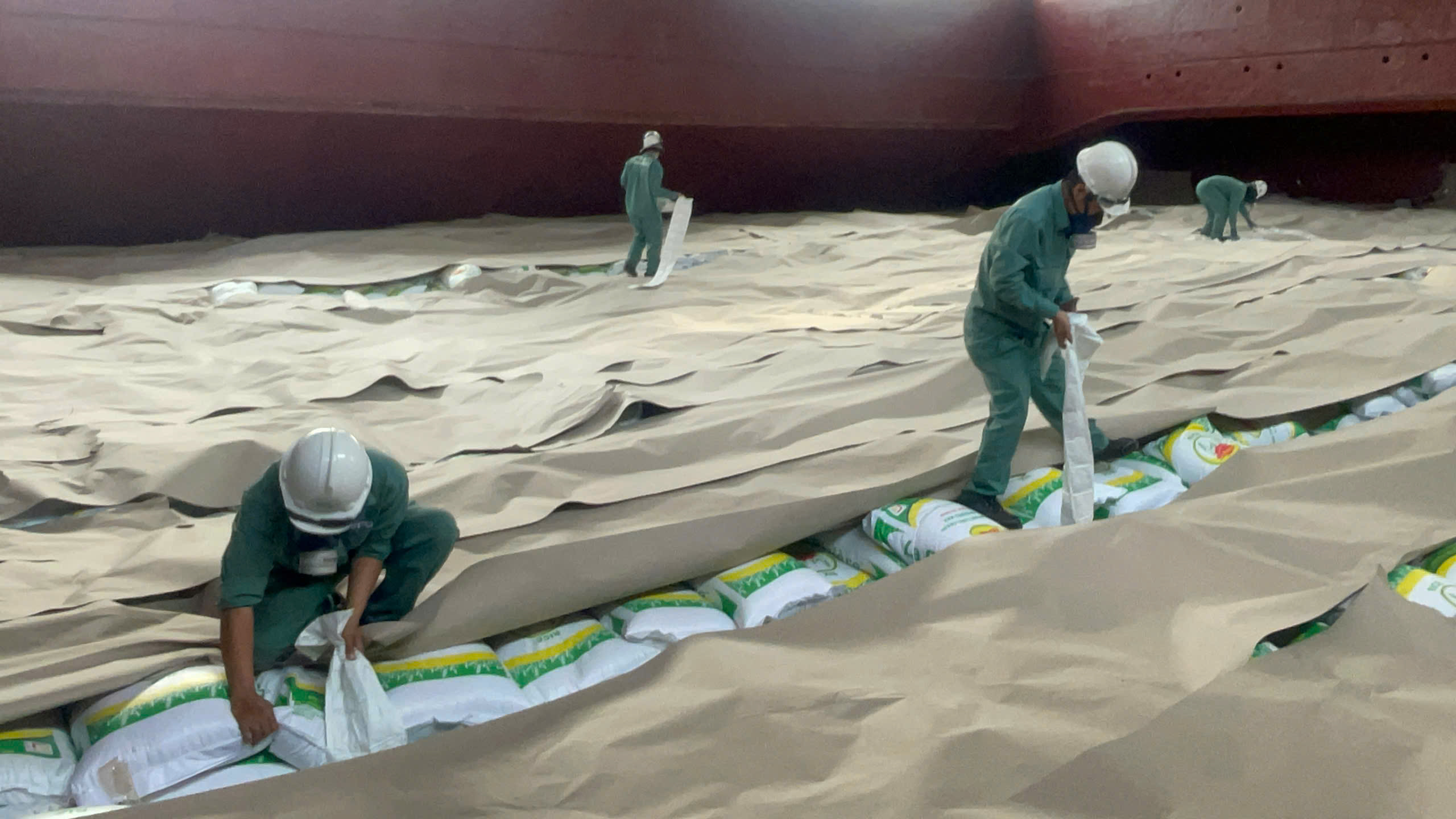
Mold not only damages the appearance and sensory quality of goods but may also produce harmful toxins, reducing the shipment’s grade when it reaches the buyer. To prevent this risk, businesses should coordinate with their service provider to implement dual-protection solutions, such as using high-quality specialized container desiccants and applying moisture-resistant paper lining inside the container. Checking the moisture content of the goods and wooden pallets before loading is a critical step in preventing this risk from the outset.
Read more: Container Desiccant & Paper Lining Service
2.4. Errors in documentation and certificate management
Even when the actual fumigation treatment is carried out properly, documentation errors can still cause goods to become detained at the port. This often occurs when information is not effectively coordinated between the exporter and the service provider. Common errors include discrepancies between the information stated on the fumigation certificate and that shown on the Bill of Lading or Invoice.
In addition, delays by the fumigation provider in issuing the certificate may disrupt the timeline for submitting export documents to the overseas partner. A delayed certificate does not only affect the documentation process but may also cause the business to miss the vessel schedule, resulting in considerable additional costs.
Another issue that is often underestimated is fragmented treatment-data storage. Fumigation certificates, reports, shipment information, and related data may be stored in different locations, making retrieval and cross-checking time-consuming when traceability is required.
For this reason, many businesses now prioritize working with providers that operate centralized data management systems. Such systems allow all treatment documentation to be stored consistently and retrieved quickly when requested by customers or regulatory authorities.
2.5. Lack of transparency during implementation
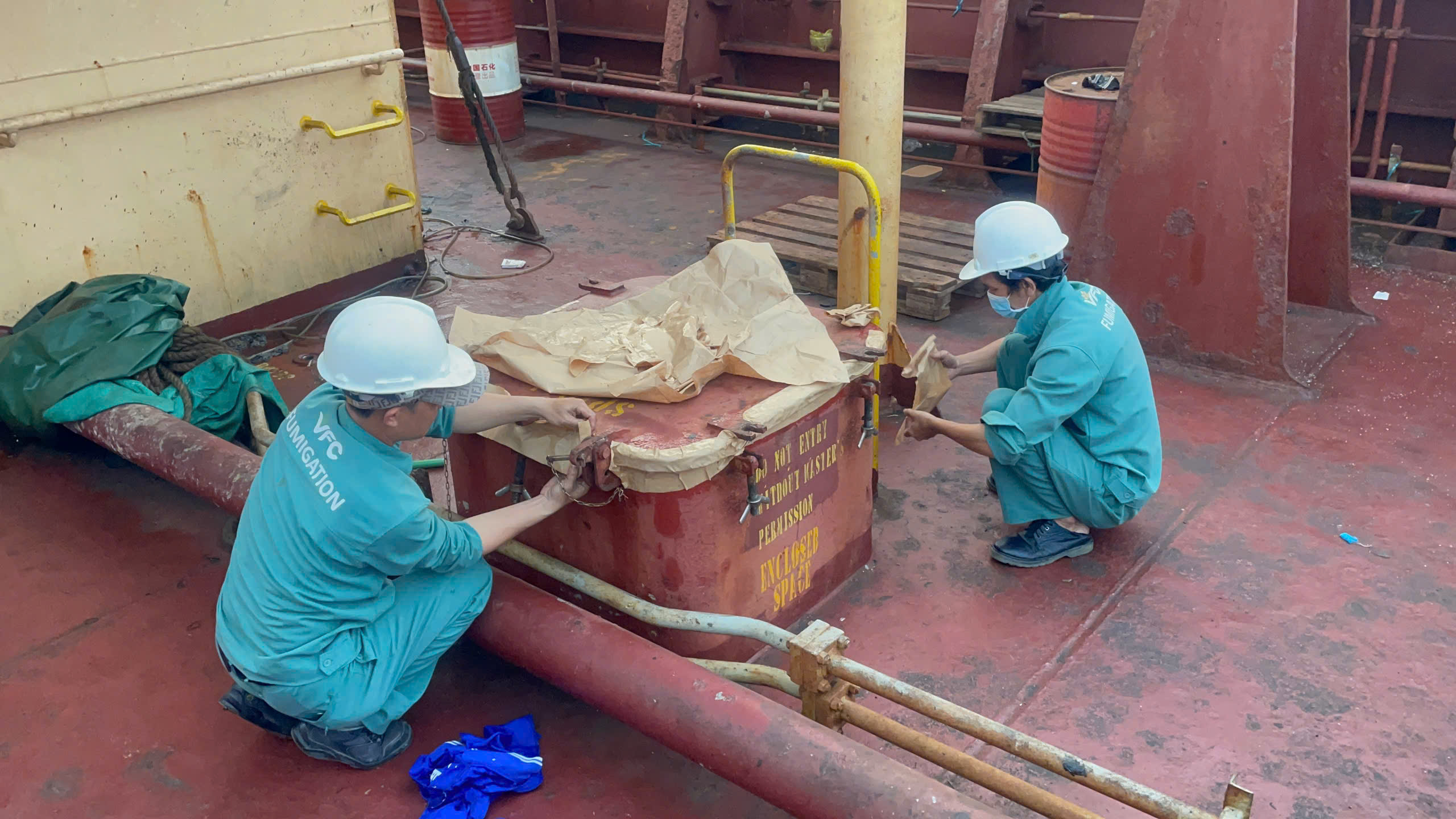
This is one of the most difficult risks for cargo owners to control. Businesses are generally unable to remain at the treatment site and supervise the entire fumigation process. Consequently, if the service provider does not fully comply with the procedure or fails to meet the required technical standards during treatment, the shipment may face unexpected problems at the destination port.
This lack of transparency creates a gap in risk control. Businesses may only realize that they do not have sufficient information or data to demonstrate that the treatment was performed in accordance with the required standards after an incident occurs or when verification is requested by a partner or quarantine authority.
2.6. Failure to regularly update international quarantine standards
One of the major risks often underestimated in export cargo fumigation is the constant evolution of international quarantine standards. Unlike internal processes which can be controlled, regulations from import markets are frequently updated based on pest situations and biosecurity policies.
For example, the Australian market implements a seasonal BMSB control program with strict requirements regarding treatment methods and authorized providers. Meanwhile, the US has intensified random inspections at ports of entry. Each market has its own set of standards, and applying the wrong criterion can cause the entire shipment to be detained.
In practice, many businesses still apply the same fixed fumigation procedure to every export market. This approach may work in the short term, but over time, it creates risks when regulations change and the business fails to update its treatment process promptly.
Businesses that maintain a “clean” quarantine compliance record are generally those that proactively cooperate with fumigation partners capable of continuously monitoring and updating international standards. This is not merely a technical consideration. It is also a strategy that helps businesses maintain stable export operations.
2.7. Viewing fumigation as a cost rather than an investment
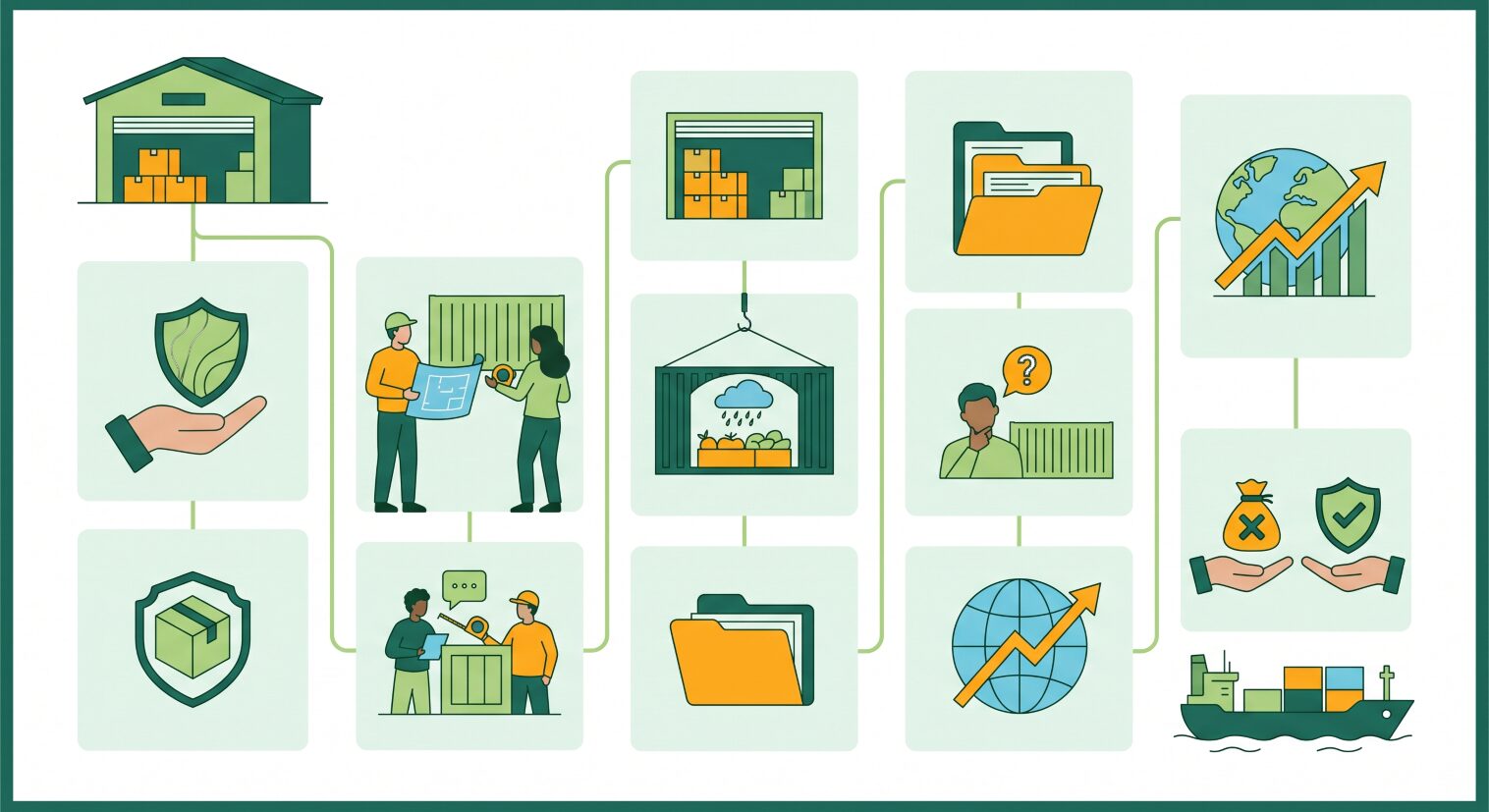
A strategic mistake is treating export cargo fumigation as a cost that needs to be minimized rather than an investment in risk reduction. When businesses shift their mindset from “paying for a certificate” to “investing in asset protection,” they become more rigorous in selecting their service partners.
In practice, fumigation not only supports customs clearance according to schedule and protects cargo quality, but also plays a role in:
- Maintaining corporate reputation and standing with international partners.
- Avoiding major financial risks from penalties and unforeseen additional costs.
- Increasing accessibility and sustainability in high-value, demanding markets.
In many cases, this becomes a barrier that causes the business to lose future cooperation opportunities.
3. A comprehensive export cargo fumigation solution from VFC Fumigation
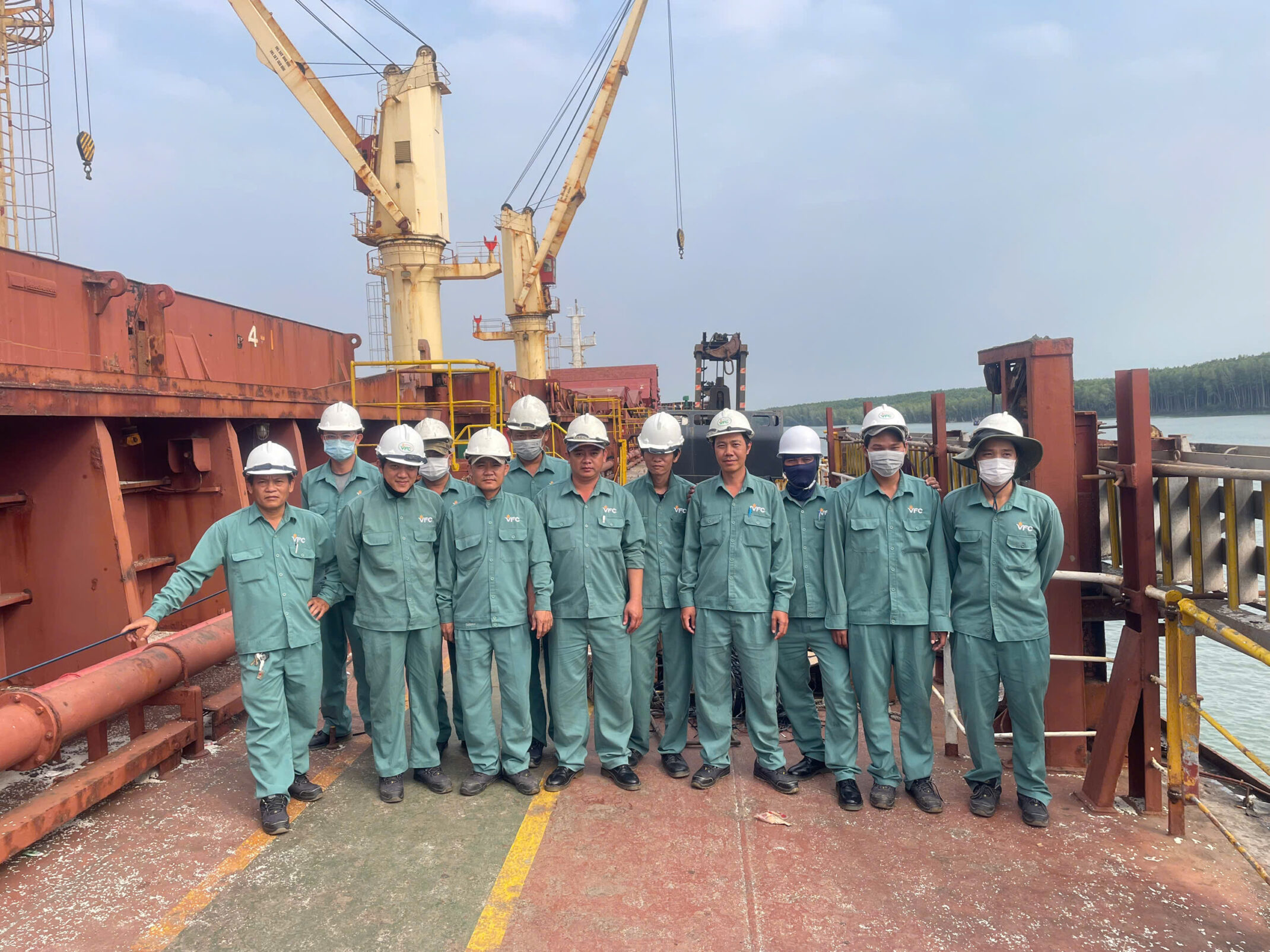
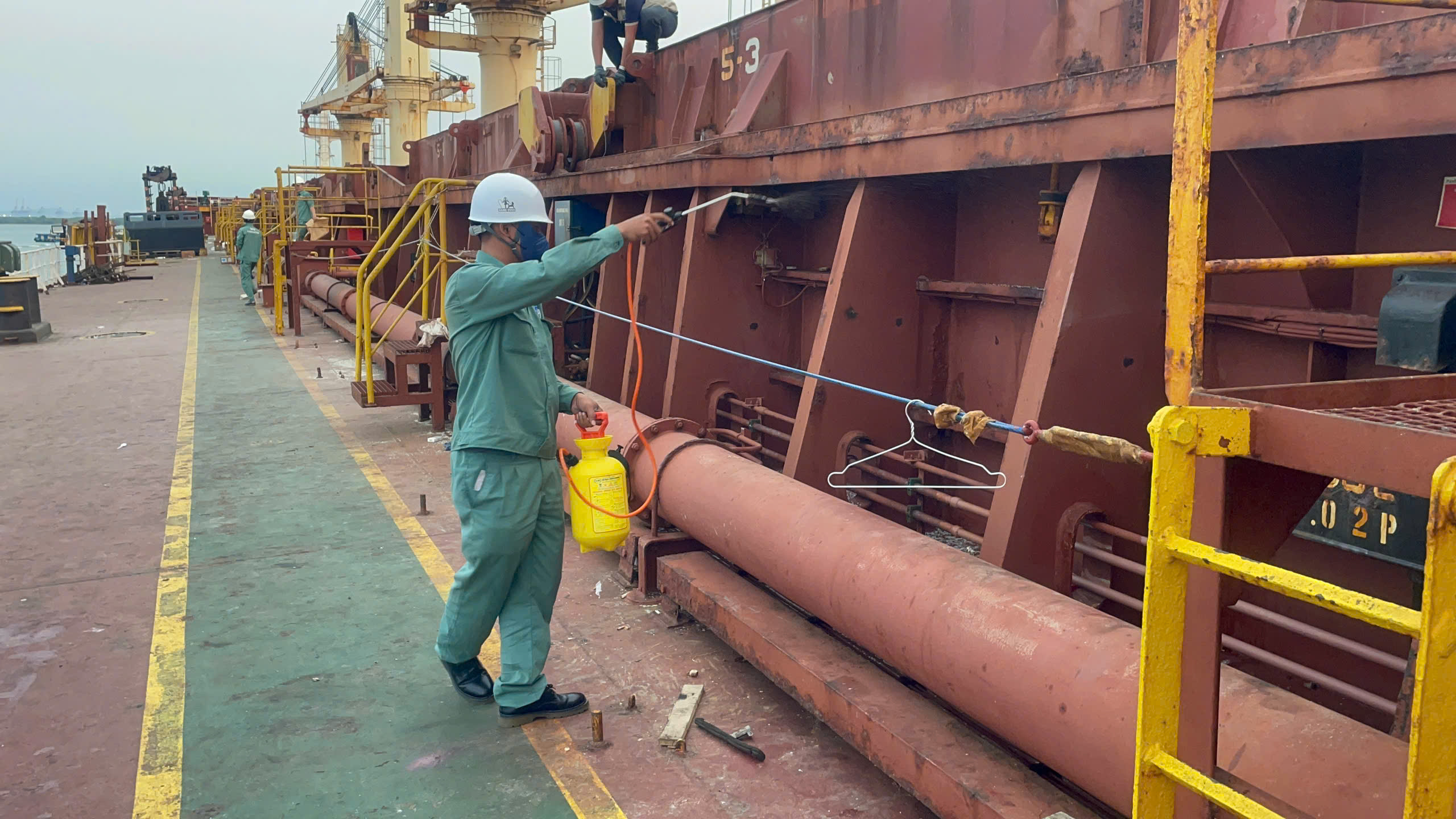
As the risks involved in export cargo fumigation become increasingly complex, businesses need more than an individual treatment service. What businesses require is a solution capable of controlling the entire treatment process—from preparation to the completion of documentation—to ensure effective pest treatment and compliance with the quarantine requirements of the importing market.
VFC Fumigation develops its fumigation solutions around three core factors that matter to exporters: Pest treatment effectiveness, Documentation transparency, and The ability to comply with international quarantine standards.
Rather than applying the same treatment plan to every shipment, VFC Fumigation evaluates the characteristics of each shipment and the quarantine requirements of the importing market before developing an appropriate treatment plan.
One of VFC Fumigation’s key differentiators is its ability to control the entire implementation process through data. Through its internal operational management system, FumiApp, the entire treatment process is recorded and stored in a synchronized manner, enabling VFC Fumigation to control service quality at every stage. When verification is required or when a request arises from a business partner, the exporter can be supported in retrieving the relevant information and documentation for cross-checking.
In addition to pest treatment effectiveness, VFC Fumigation places strong emphasis on accuracy and compliance throughout the entire implementation process. Every activity is carried out in accordance with applicable technical standards and the requirements of the importing market. Fumigation certificates are also integrated with QR Code authentication, making document verification and cross-checking more convenient.
Beyond treating individual shipments, VFC Fumigation also works alongside businesses to provide updates on quarantine regulations in export markets and advise on suitable solutions for each specific shipment. This approach helps businesses proactively control risks, limit unnecessary issues, and maintain stable export operations.


Featured Knowledge

Related Knowledge