








 SECTION
01
SECTION
01
Export agricultural commodity fumigation: from cargo treatment to data and certificate management

Category:
Fumigation by Industry Sector

Published date:
07/08/2026
Share
Export agricultural commodity fumigation usually takes place at the final stage before a shipment continues its journey to the importing market. However, as the supply chain involves more and more parties, the value of fumigation has expanded to include the ability to manage operational data, retrieve information, and verify certificates when needed. A process that is clearly managed from the field to the certificate helps businesses become more proactive in controlling shipments and coordinating with relevant parties.
Table of Contents
Agricultural commodity fumigation does not end at the time of cargo treatment
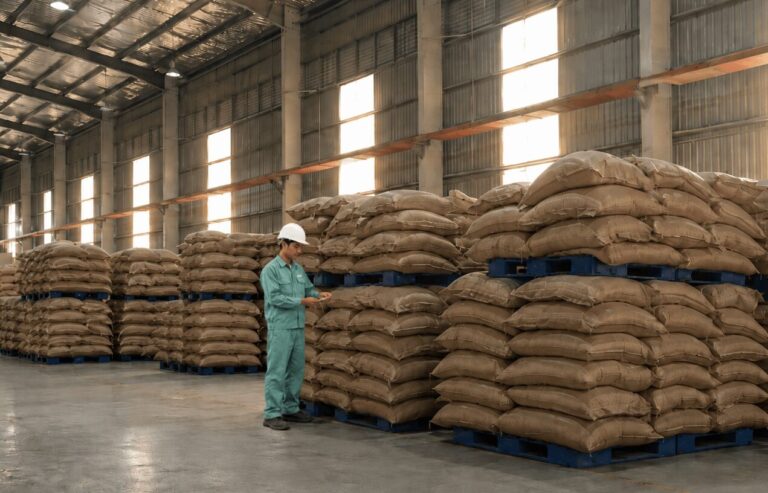
For shipments of rice, coffee, pepper, cashew nuts, and many other agricultural commodities, fumigation is usually carried out when the export plan has entered its final stage. The cargo has been prepared, the loading schedule and vessel schedule have been confirmed, and the logistics and import-export teams are completing the remaining tasks before the shipment leaves the port.
For this reason, fumigation is sometimes viewed simply as a sequence: treat the cargo, complete the certificate, and finish the job. However, after that point, the shipment continues a long journey and may pass through many parties, including the cargo owner, forwarder, shipping line, buyer, import agent, and competent authorities in the destination market.
Throughout that journey, information related to the shipment may need to be inspected or cross-checked. The value of a fumigation process therefore lies in both the efficiency of on-site treatment and the ability to manage information after the work is completed. Because the shipment passes through multiple parties after treatment, errors in method, timing, or documentation may only become apparent after the goods have left Vietnam. Businesses should further review 7 common mistakes and risks when fumigating export goods.
Behind a fumigation certificate is an entire operational process
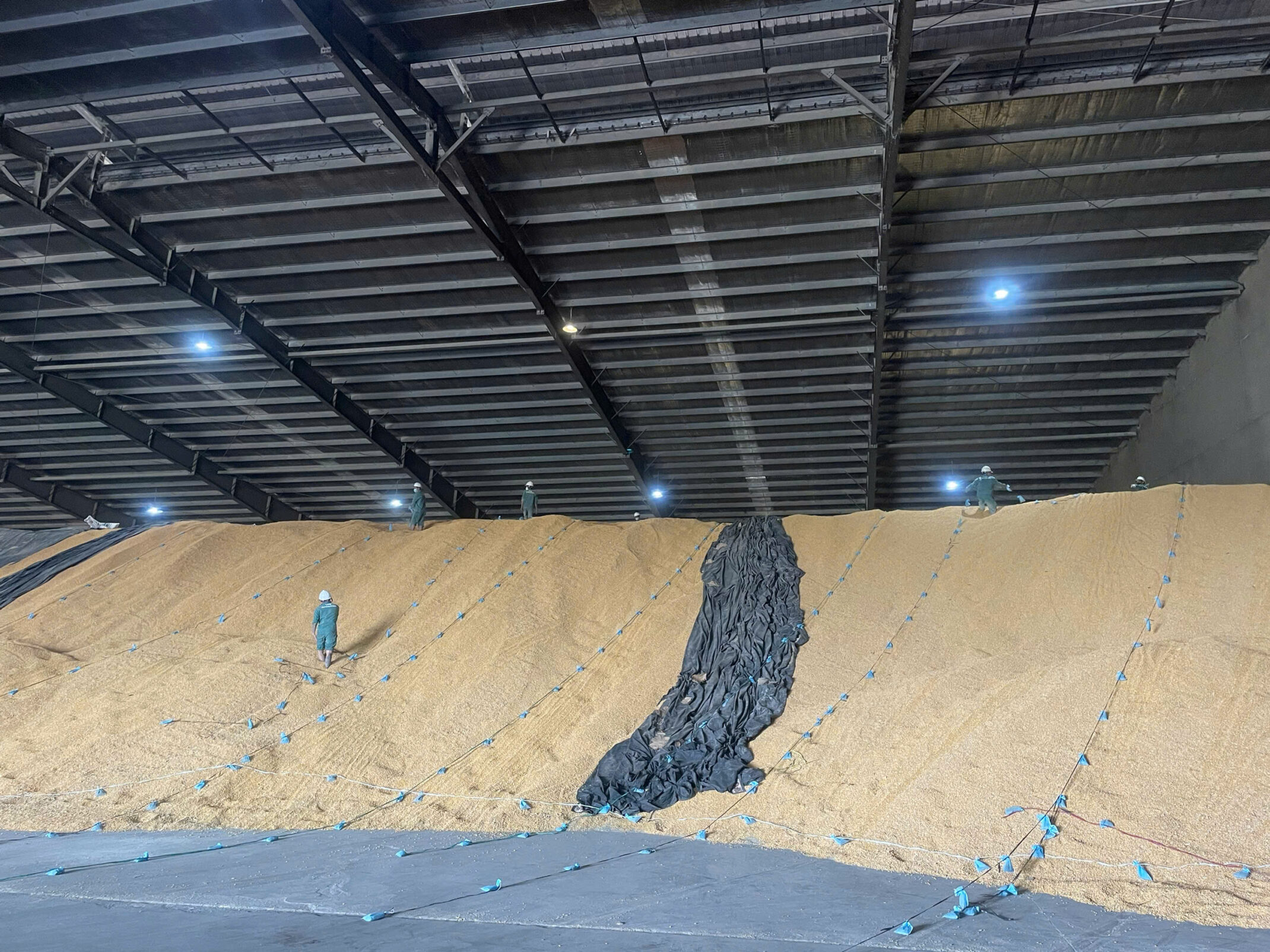
A fumigation certificate is one of the important results after the service is completed. However, before the certificate is issued, the technical team has gone through many steps directly related to the shipment.
Depending on the treatment plan, the process may include receiving information, surveying cargo conditions and treatment scope, site preparation, sealing, performing fumigation, exposure period, concentration measurement, safety guarding, and ventilation. Each step generates information related to the implementation process. The actual plan also depends on the commodity type, cargo structure, treatment time, and market requirements. If you are considering which active ingredient to use, take a look at the comparison of Methyl Bromide and Phosphine in export cargo fumigation.
Therefore, certificates need to be viewed alongside the underlying operational data. When these two elements are connected, businesses have a clearer basis to manage shipments and retrieve information when needed. If you need a complete picture of the steps from cargo preparation to handover and certificate issuance, businesses can refer to the 2026 export container fumigation guide.
Why is fumigation data increasingly important for exporters?
After leaving Vietnam, a container of agricultural commodities may take many days or weeks to reach the importing market. During that time, the cargo and documents are transferred through many different parties. Geographic distance and time gaps make information storage and retrieval an important part of shipment management.
When a previously treated shipment needs to be checked, the business must accurately identify information related to the implementation process. For frequent exporters, a large number of shipments also creates a significant volume of data by month, customer, and market.
Centralized data management makes information retrieval more convenient while creating a link between field operations and the records of each shipment. This also marks a shift from managing fumigation as separate individual tasks to managing it as a data-driven end-to-end process.
See more: What is transparent fumigation and why data can replace reliance on manual reports alone.
2-layer transparent fumigation at VFC Fumigation
From the practical management requirements of the export supply chain, VFC Fumigation has developed a 2-layer transparent fumigation model, connecting operational data with certificate verification capabilities. Each layer plays a distinct role, aiming to enhance the ability to manage and retrieve information related to the shipment.
The first layer is operational data management on FumiApp. On-site information and images are centrally managed on the system, supporting the VFC Fumigation team in quality control and data storage throughout the implementation process. When a retrieval request arises, information can be identified based on the recorded operational file.
The second layer is certificate verification through QR Code. The QR Code on VFC Fumigation certificates supports certificate authenticity checks when verification or cross-checking is required. This is the information layer that follows after the fieldwork has been completed.
Together, the two layers create a connection between the shipment – treatment process – operational data – certificate, allowing fumigation information to remain valuable even after the service has been completed.
FumiApp supports data management from the operational process
For export agricultural commodity fumigation, field data plays an important role in quality management. VFC Fumigation uses FumiApp to centralize information and images related to the implementation process, thereby supporting the responsible team in monitoring and storing data for each job.
This management approach is especially suitable for businesses with regular export volumes. When the number of containers or shipments increases, searching for information across multiple separate sources can take significant time. Centrally organized data makes information review more convenient and consistent.
More importantly, operational data creates an information layer behind the certificate. When reviewing a specific case, VFC Fumigation has a clear basis to re-check the execution process based on recorded information. For containers treated at the port area, shipment data must also be linked to the container number, seal number, yard location, and closing time. See a practical example of container fumigation at Cat Lai Port and the required documents to prepare.
QR Code helps improve certificate verification capability
After being issued, a certificate may be transferred through many parties in the export supply chain. From the exporter to the logistics provider, buyer, or relevant parties in the importing market, the need to check certificate authenticity may arise at different points.
VFC Fumigation integrates QR Code on certificates to support verification when needed. This approach gives the certificate an additional direct checking method while creating a connection between the issued document and VFC Fumigation’s management system.
When combining QR Codes with operational data managed on FumiApp, the fumigation process expands from on-site treatment operations to post-treatment information management. This is the core value of the 2-Layer Transparent Fumigation model. Verification capabilities are especially meaningful when the data on the certificate needs to match bill of lading information and export documentation. See more about arising risks when certificate information is inconsistent with the shipment.
Data transparency supports coordination among parties in the export supply chain
An international agricultural shipment rarely involves only the exporter and the fumigation provider. Logistics providers, forwarders, shipping lines, buyers, and parties in the importing market may all participate in the transportation and receiving process.
When information is clearly managed, coordination and cross-checking become more convenient. The import-export department has a basis to retrieve shipment information, the service provider can review operational data, and the certificate has a verification method to support checking when required.
This capability becomes even more valuable for large-scale exporters, where multiple shipments may be treated continuously within the same period. Systematic data management helps reduce information fragmentation and supports businesses in maintaining a more consistent operating process.
When multiple parties are involved, businesses should not evaluate providers based solely on on-site technical operations. See more about the criteria for selecting export fumigation providers, from coordination capabilities to documentation and post-treatment data.
Fumigation becomes a control point in the export supply chain
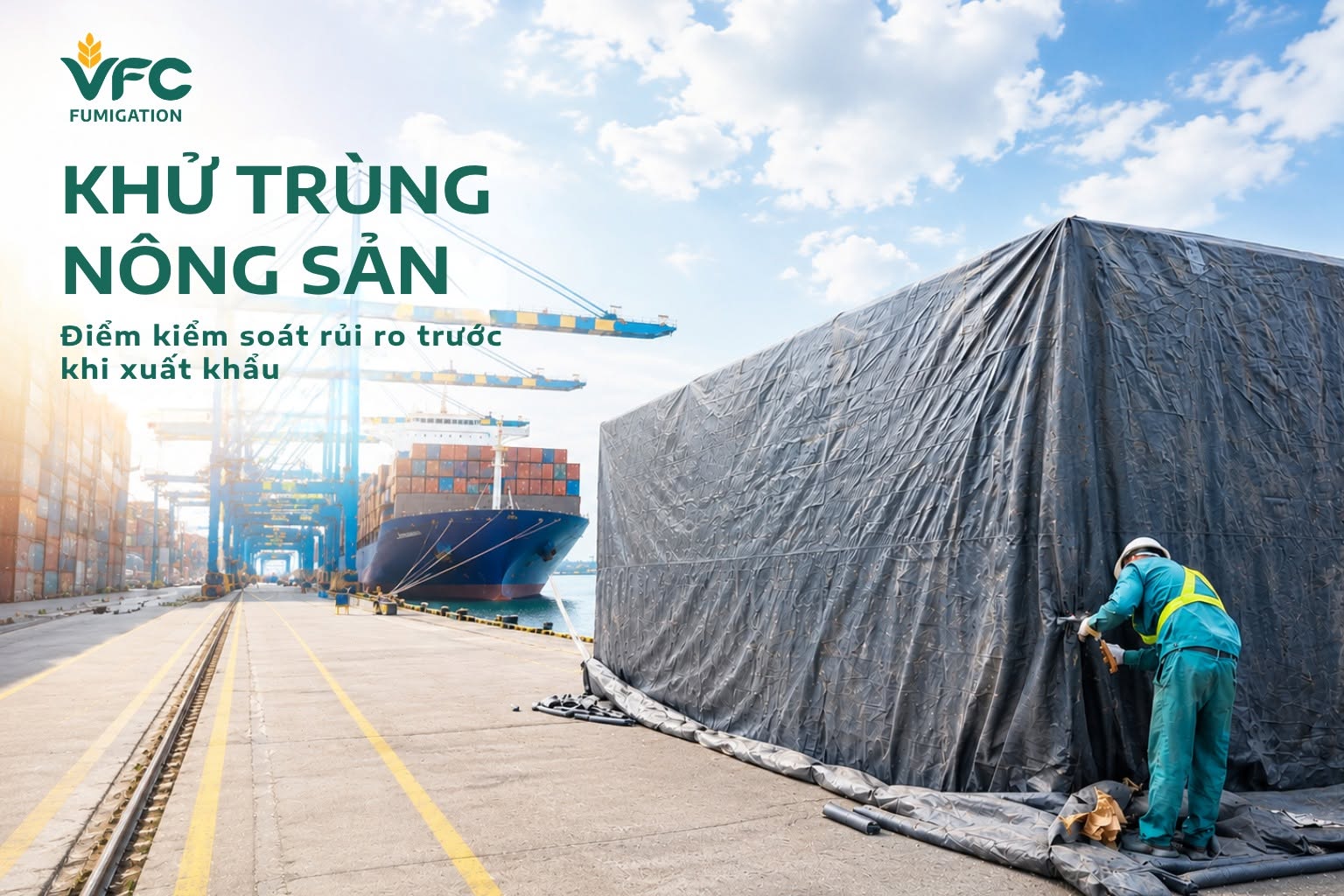
Pest treatment effectiveness remains the core requirement of agricultural commodity fumigation. However, in a modern supply chain, businesses also need to pay attention to how the treatment process is managed and whether shipment-related information can be demonstrated when necessary.
A traceable process helps businesses become more proactive in situations that require checking or cross-checking. Instead of searching for information after a problem arises, the data has already been managed from the time of operation and linked to each specific shipment.
This is also why fumigation should be viewed as a risk control point in the export supply chain. On-site efficiency protects the goods, while operational data and certificate verification capabilities support businesses in managing shipment information throughout the journey. Once businesses have information regarding the commodity type, packing method, destination market, and shipment schedule, they can refer to export container cargo fumigation services to build a suitable plan for each shipment.
From a technical step to shipment management capability
For buyers and international B2B partners, agricultural commodity quality is an important condition for building long-term cooperation. In addition to product quality, consistent operations, clear information management, and quick response when verification is required also contribute to demonstrating the supplier’s professionalism.
Therefore, exporters increasingly need to take a broader view when selecting a fumigation provider. Field technical capability is the foundation, while data management, information storage, and certificate verification also contribute to a complete process.
When these elements are connected, fumigation moves beyond the scope of a final step before export. It becomes part of the shipment management system, helping businesses become more proactive from the time of treatment in Vietnam to the point where the cargo continues its journey through the international supply chain.
>> See more:List of container fumigation companies in Vietnam before comparing implementation capabilities for each shipment route.
VFC Fumigation – Transparent fumigation from field operations to certificate
With more than 50 years of experience in fumigation, VFC Fumigation accompanies agricultural exporters in cargo treatment and information management related to the fumigation process. Alongside its technical team and extensive operating network, VFC Fumigation has gradually applied technology to improve information control and traceability.
The 2-layer transparent fumigation model, with FumiApp and QR Code on certificates, is designed to connect field operations with information used after the service has been completed. As a result, the value of fumigation is expanded from cargo treatment to data management and certificate verification support.
For agricultural exporters, a clear and traceable fumigation process helps improve proactivity when coordinating with parties across the supply chain. This is also the foundation for more structured shipment management as export activities continue to expand in both scale and market coverage.
Contact VFC Fumigation for consultation on an agricultural commodity fumigation solution suited to your cargo type, transportation method, and the requirements of each export shipment.