






Published date:
30/01/2026
Share




Brazil’s pepper production in 2024 may decline by 20-25% compared to 2023. Meanwhile, Brazil is building two additional sterilized pepper processing plants, which are expected to be completed in 2025, bringing the total number of plants to five. This development is expected to affect market supply-demand dynamics and pepper prices in the coming period.
“In the future, Brazilian pepper will compete more effectively with Vietnamese pepper, resulting in lower import supply availability. Therefore, Vietnamese enterprises need to proactively secure raw material sources,” VPSA recommended.
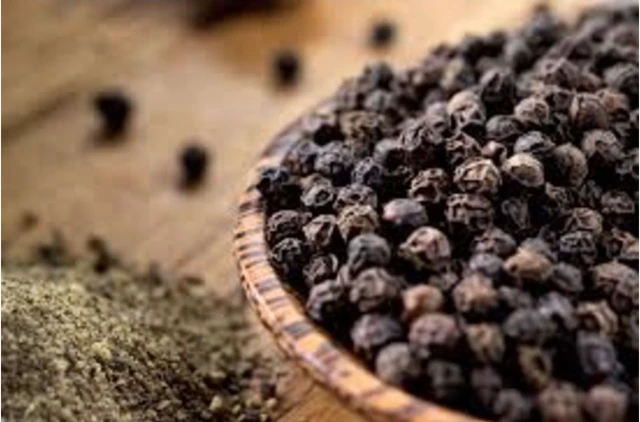
Pepper prices remain highly volatile
Brazil is the world’s second largest pepper producer, reaching nearly 81,000 tons in 2023 and serving as Vietnam’s largest supply source. In the first six months of 2024, Brazil exported 37,000 tons of pepper, generating nearly USD 142 million in export value. Vietnam was the largest importer with 5,900 tons, accounting for nearly 16%, followed by India with 3,900 tons, representing 10.5%, and Pakistan with 3,700 tons, accounting for 10%.
In addition, Indonesia, the world’s third most important pepper supplier, is also entering its harvest season this August, although production output is not considered optimistic. Indonesia’s pepper harvest, which normally takes place in July, has been delayed due to unusual weather conditions. Indonesia is also an important pepper supplier for Vietnam, accounting for up to 17% market share, second only to China at 20%.
For Vietnam, export volume reached 264,000 tons in 2023, while the estimated harvest output for 2024 is expected to be only around 170,000 tons. Including carry-over inventory from the previous crop season of approximately 20,000-25,000 tons, the total available supply remains below 195,000 tons. As of the end of June, Vietnam had already exported more than 140,000 tons of pepper and will have to wait until March 2025 for the next harvest season.
In July, Vietnam’s domestic pepper prices also reached a record high of VND 150,000 per kilogram, 2.2 times higher than the same period last year. Export black pepper prices exceeded USD 5,000 per ton, up 37%, while white pepper reached nearly USD 7,000 per ton, increasing 31% year-on-year.
During the first six months of this year, Vietnam imported 18,000 tons of various pepper products with a total import value of nearly USD 70 million, up 19% compared to the same period last year. Brazil remained the largest supplier with more than 7,000 tons, down 22%, followed by Cambodia with 6,200 tons, up 34.5%, and Indonesia with nearly 3,000 tons, increasing 67%.
A notable point is that, since the beginning of the year, Chinese enterprises have continued to limit pepper purchases from Vietnam and have imported only a small volume of nearly 1,000 tons from Indonesia, while exports reached 2,266 tons, up 111% compared to the same period in 2023. Therefore, the Chinese market remains an uncertainty because, in addition to strong domestic consumption demand, the country also maintains relatively substantial reserve inventories.
-
Partnerships & Collaborations (3)
-
Events & Seminars (7)
-
General News (9)
-
VFC News (5)
Featured News


Related Knowledge