









 SECTION
01
SECTION
01
Why do cargo return rates due to weevils surge during the rainy season?

Category:
Fumigation by Industry Sector

Published date:
29/06/2026
Share
The rainy season is when many export enterprises face a higher risk of cargo being returned due to weevils and quality issues. High humidity, container rain, and the risk of insect re-infestation can affect shipments throughout the transit process. Understanding the causes and applying control measures right from the start will help businesses limit complaints, reduce customs clearance risks, and protect their reputation with partners.
Table of Contents
Why do cargo return rates due to weevils surge during the rainy season?
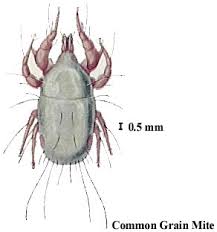
Many businesses assume that after fumigation is completed, the shipment will remain safe until it reaches the destination port. In reality, the rainy season creates a series of favorable conditions for insects to develop or reappear if the storage process is not controlled synchronously. This is the reason why cargo returns due to weevils occur more frequently during high-humidity periods.
Humid air causes commodities to absorb moisture faster, especially rice, coffee, cashew nuts, pepper, animal feed ingredients, and many other agricultural products. When the moisture inside packaging or containers increases, the internal environment becomes favorable for pests to continue developing if eggs or larvae remain after treatment.
In addition to environmental factors, many importing countries also intensify inspections during seasons with high biological risks. Upon detecting live insects or signs of re-infestation, quarantine authorities may require additional treatment, hold the cargo, or refuse import depending on the regulations of each market. This is why returned goods due to insect infestation tend to increase during the rainy months.
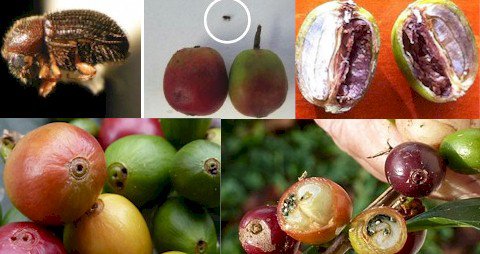
See more: Coffee Berry Borer
High humidity creates favorable conditions for insects to thrive
Moisture is one of the factors that directly affect the life cycle of many pest species on commodities. When the environment is sufficiently humid, eggs and larvae are able to develop faster compared to dry conditions.
For cargo stored before export, prolonged increases in humidity also reduce packaging quality and create conditions for mold to appear. If pest control procedures are not properly implemented, the risk of cargo being returned due to weevils will significantly increase when the container arrives at the import port.
Many businesses only focus on the time of fumigation without evaluating the post-treatment storage conditions. Meanwhile, the time span from container stuffing to ship docking can last several weeks, which is long enough for potential risks to arise if the environment inside the container changes.
Learn more: Export cargo fumigation in containers
Condensation inside containers increases the risk
One of the common issues during the rainy season is container rain inside the container. During the day, the temperature inside the container rises. When the temperature drops at night, water vapor condenses on the container ceiling and drips onto the cargo.
Paper packaging, PP bags, or jute bags can absorb moisture, reducing the protection capability for the products inside. With agricultural commodities, increased moisture also creates favorable conditions for mold and insects to develop. This is an indirect cause that makes cargo returns due to weevils occur more frequently during prolonged sea voyages.
You may be interested in: Container desiccant & paper lining
Businesses also need to note that container rain not only affects cargo quality but also increases the risk of partner complaints regarding packaging conditions, strange odors, or signs of substandard storage.
Inadequate disinfection can still lead to reinfection
Not all fumigation processes are the same. Treatment efficiency depends on many factors such as commodity characteristics, loading density, weather conditions, types of chemicals used, gas exposure time, and gas distribution capability throughout the shipment.
If one of the above factors is not properly controlled, pests may not be thoroughly treated or re-infestation may arise during storage and transport. At that time, the risk of cargo being returned due to weevils still exists even though the business has completed the pre-export fumigation step.
For markets with strict phytosanitary requirements, technical dossiers and operational data also play an important role when verification of the treatment process is needed. Preparing full fumigation certificates and related information will make it more convenient for businesses when working with partners or competent authorities if inspection requests arise.
Items at high risk during the rainy season
Not every cargo group shares the same level of risk. Commodities of plant origin or those containing starch, oil, and organic matter content are usually more likely to attract insects when storage conditions change.
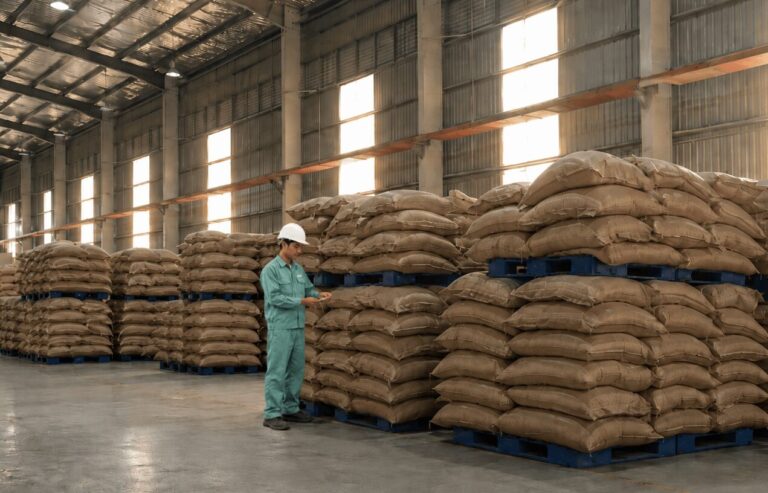
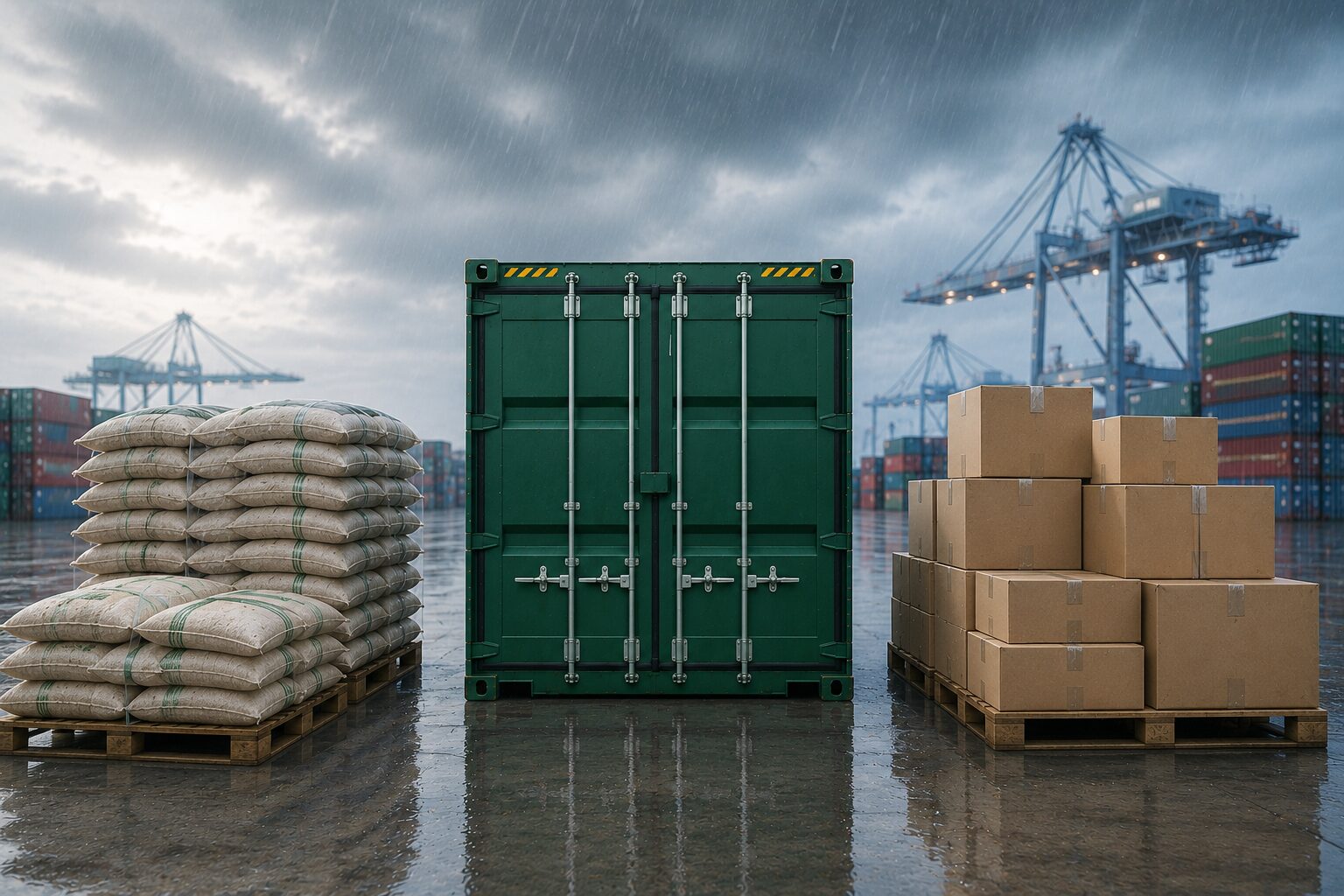
Some cargo groups that need special attention include rice, coffee, pepper, cashew nuts, grains, animal feed ingredients, bagged agricultural products, and shipments using pallets or wooden packaging materials. These are all cargo groups that frequently undergo phytosanitary requirements from many importing countries.
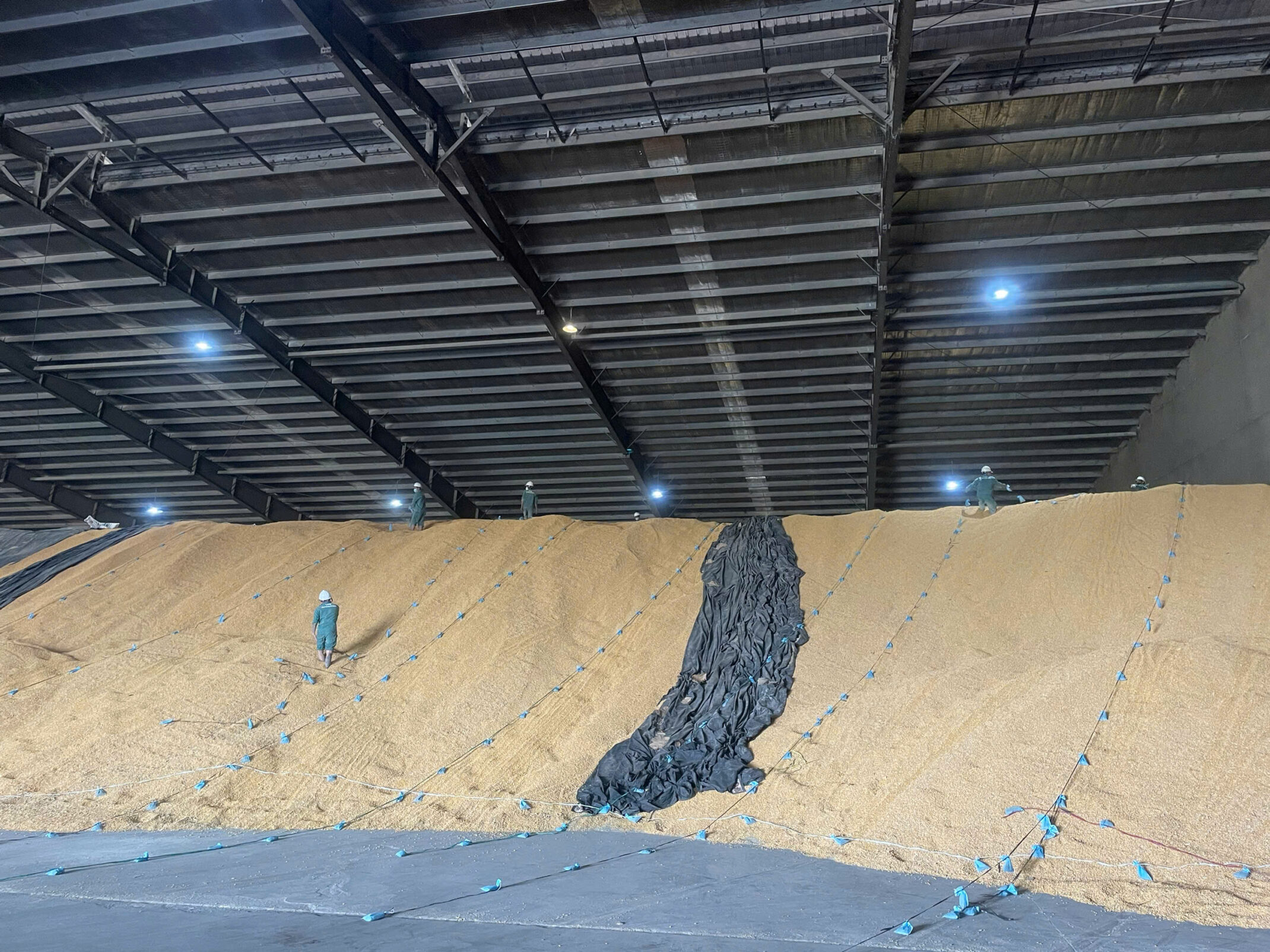
See more: Fumigation of 55.000 tons of bulk rice
For enterprises exporting these commodities, moisture control, warehouse sanitation, selecting a fumigation unit, and monitoring transport conditions need to be implemented synchronously from the start to reduce the risk of cargo being returned due to weevils.