





Published date:
26/09/2026
Share




The 2026–2027 Brown Marmorated Stink Bug (BMSB) seasonal measures of the Australian Department of Agriculture, Fisheries and Forestry (DAFF) officially apply from 1 September 2026 to 30 April 2027 inclusive, determined by the shipped-on-board date. Exporters must master 3 core changes: tightening oversight of component origins and transshipment schedules, strictly adhering to the post-treatment 120-hour window prior to 1 December, and mandatory synchronization of treatment certificate data onto the BMSB Portal via an offshore treatment provider possessing an AusTreat-compliant AEI code.
1. Timeline and Scope of Application for the 2026–2027 BMSB Seasonal Measures

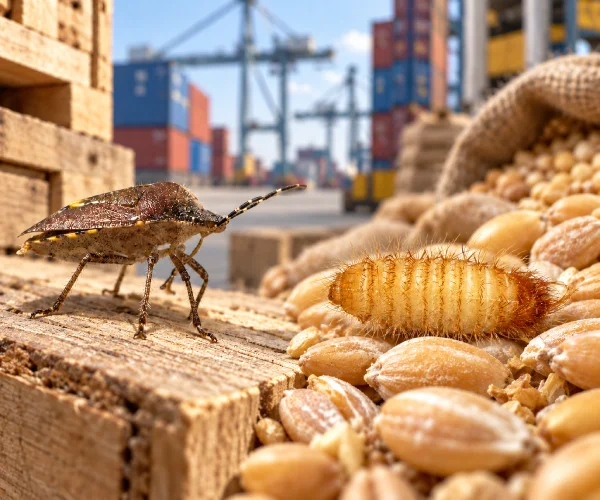
The 2026–2027 Australian BMSB seasonal measures apply from 1 September 2026 to 30 April 2027
BMSB Seasonal Measures Activation Timelines
- Application Period: From 1 September 2026 to 30 April 2027 inclusive.
- Basis of Determination: Calculated solely based on the shipped-on-board date stated on the ocean Bill of Lading (B/L). Container packing dates or gate-in dates at the port cannot be used as grounds for exemption.
Classification of Cargo Categories Regulated by DAFF
- Target High Risk Goods (Mandatory Treatment): Including wood, wood products, carpets/floor coverings, stone/ceramics, glass, iron and steel, aluminum and copper, mechanical machinery, electrical equipment, transport vehicles, etc.
- Target Risk Goods (Subject to Random Inspection): Including minerals, inorganic/organic chemical products, rubber, plastics, paper, paperboard, etc.
- Conditions Applicable to Goods Exported from Vietnam: As Vietnam is not on the BMSB Target Risk Countries list, target high-risk goods exported from Vietnam are only subject to mandatory BMSB treatment if: (1) They incorporate components or raw materials imported from a BMSB target risk country, or (2) The consignment has a routing schedule involving transshipment through or calling at a port within a target risk country during the risk season.
2. 3 Critical Changes in the 2026–2027 BMSB Season

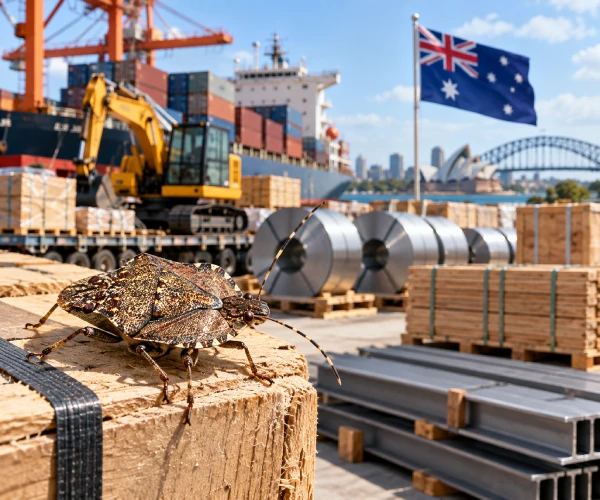
Three key changes to note during the 2026–2027 BMSB season regarding goods origin, the 120-hour window, and AusTreat certificate data
Change 1: Expanded Scrutiny on Transshipped Cargo and Component Origins
Goods manufactured in Vietnam that incorporate raw materials or components imported from countries on the BMSB Target Risk Countries list remain subject to mandatory quarantine treatment. Furthermore, containerized or break-bulk consignments transshipping through port clusters in target risk countries during the risk season must possess documentation verifying strict biosecurity segregation and isolation conditions.
Change 2: Strict Compliance with the 120-Hour Post-Treatment Window Prior to 1 December
For consignments treated in the exporting country prior to 1 December: The entire process of sealing container doors or loading break-bulk cargo onto the vessel must be completed within 120 hours of the completion of fumigation/ventilation. If the 120-hour window is exceeded due to vessel schedule delays or terminal operational bottlenecks, the certificate becomes invalid, and the consignment must undergo mandatory re-treatment.
Change 3: Mandatory Electronic Certificate Synchronization via AusTreat with an AEI Identifier
DAFF does not accept standalone paper certificates; all offshore treatment certificates must be directly uploaded by the treatment provider to the Australian Government's BMSB Portal. Only entities possessing an AEI code with active status on the AusTreat scheme (such as VFC Fumigation) have the authority to issue valid certificates.
3. DAFF-Approved BMSB Treatment Measures and Practical Implementation in Vietnam
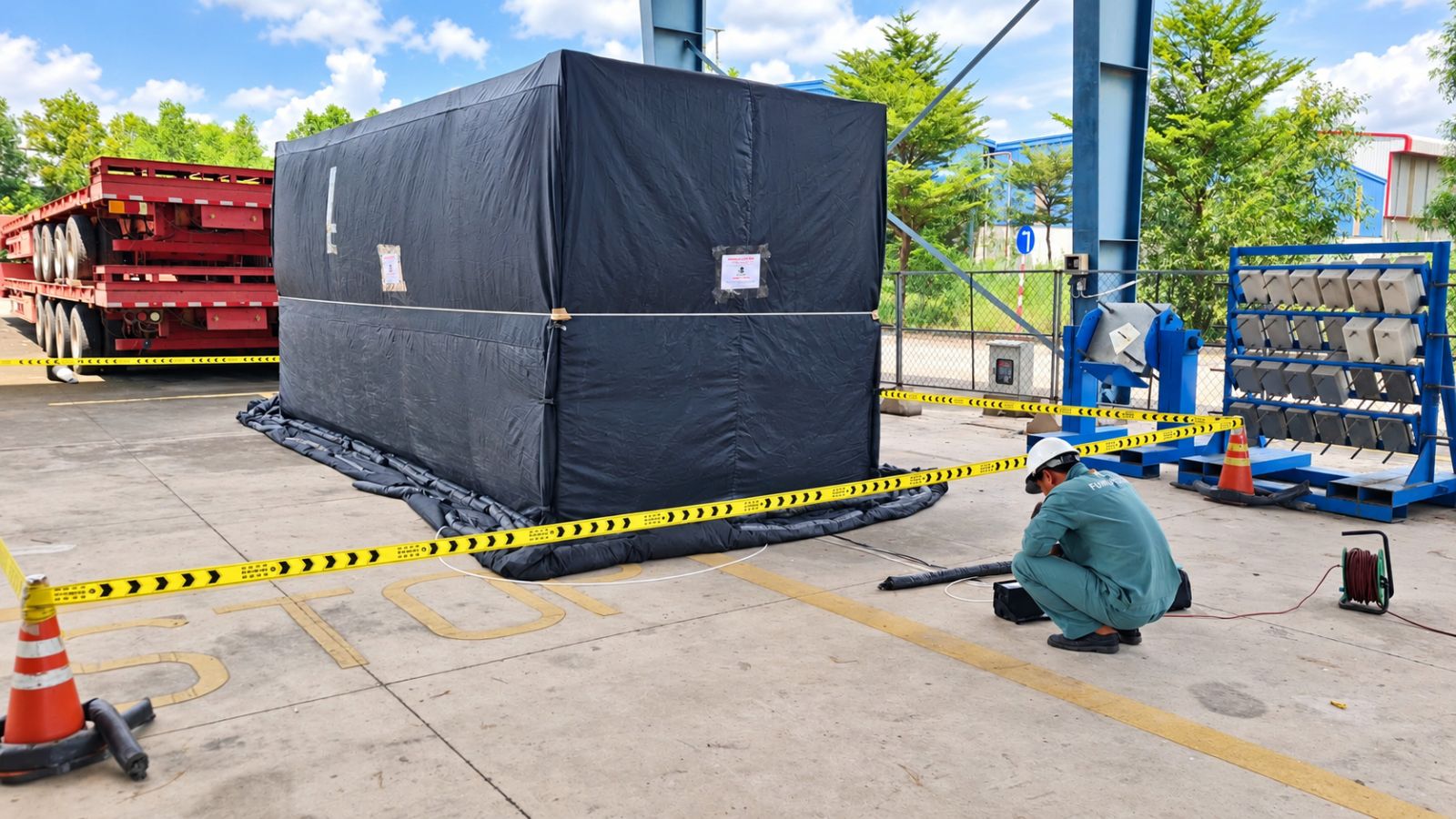
BMSB treatment methods approved by DAFF
DAFF-Approved BMSB Treatment Methods under International Regulations
Under DAFF regulations, there are 4 globally approved BMSB treatment methods: Heat Treatment (Heat Treatment – HT), fumigation with Methyl Bromide (MB) fumigant, Sulfuryl Fluoride (SF), and Ethyl Formate (EF).
Current Status of Compliant BMSB Treatment Methods in Vietnam
- Compliance Warning: Sulfuryl Fluoride (SF) and Ethyl Formate (EF) fumigants are currently not licensed for commercial plant quarantine use in Vietnam.
- Practical Implementation: In Vietnam, fumigation with Methyl Bromide (MB) is the sole method approved and certified by DAFF for compliant execution under the BMSB-AusTreat scheme as well as AFAS standards.
4. 3-Phase Preparation Roadmap to Ensure Seamless Customs Clearance in the 2026–2027 BMSB Season
Phase 1: Pre-Season (July – August 2026)
- Screen cargo HS Codes against DAFF's Target High Risk Goods list.
- Verify and select a fumigation provider possessing valid AusTreat certification and an active AEI registration.
Phase 2: Peak Season Execution (September – December 2026)
- Inspect container structural integrity and gas-tightness (no wall punctures, torn door gaskets) prior to packing.
- Pay critical attention during the 1 September – 30 November period: Closely coordinate container gate-in schedules and ocean carrier cut-off times to ensure containers are sealed or loaded on board within the 120-hour window from the completion of treatment/ventilation.
Phase 3: Season Maintenance and Wind-Down (January – April 2027)
- Monitor urgent regulatory updates from DAFF regarding additions to target risk countries or revisions to regulated goods schedules.
- Finalize export documentation suites, ensuring information on the BMSB certificate matches the Bill of Lading and Packing List 100%.
5. AusTreat-Compliant BMSB Treatment Solutions from VFC Fumigation
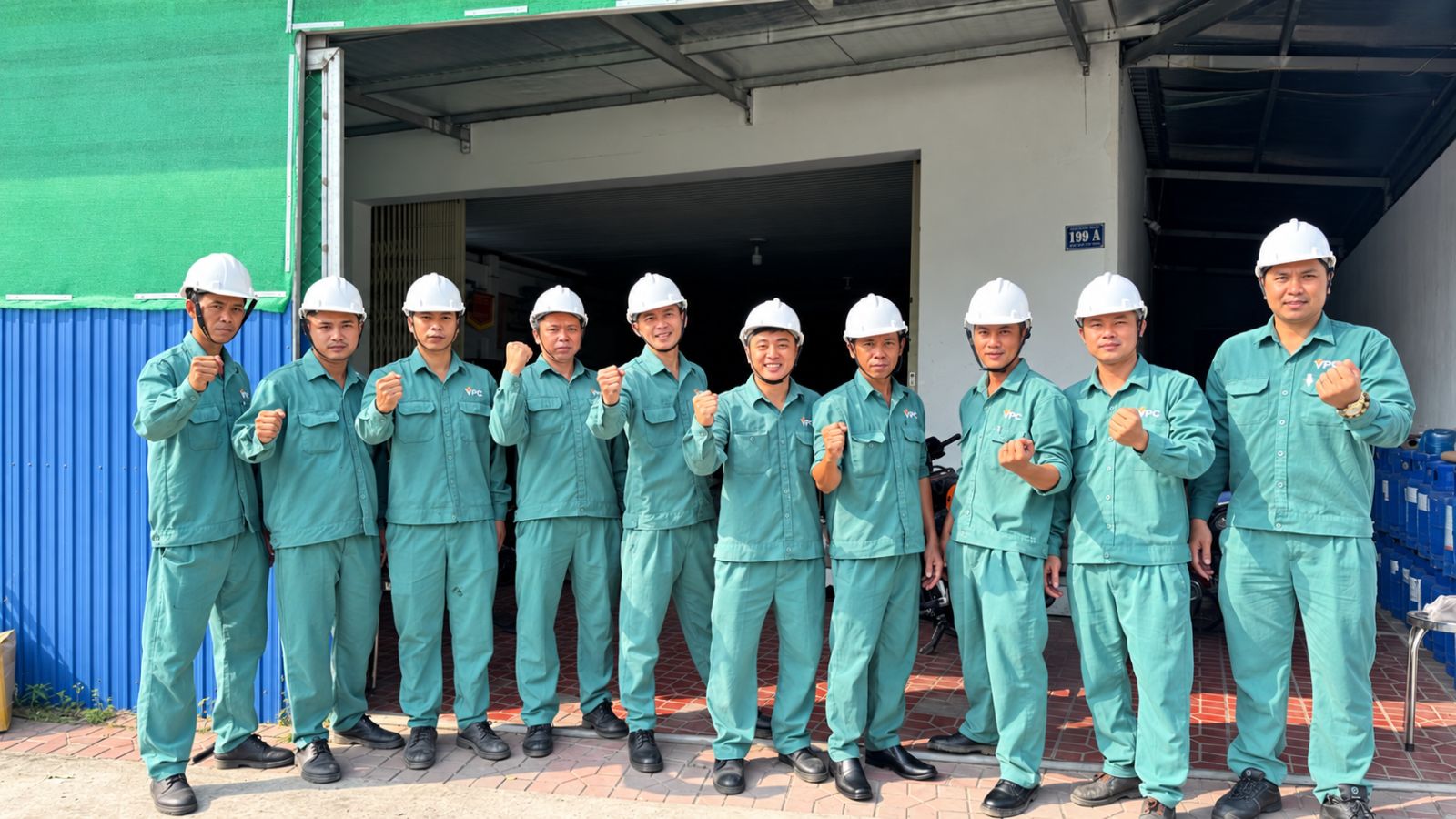
VFC Fumigation partners with exporters to execute BMSB treatment, manage data, and ensure safe clearance into Australia
First and Sole Entity in Vietnam Approved with an AEI/AusTreat Identifier by DAFF
VFC Fumigation is proud to be the pioneer in Vietnam officially approved by DAFF to participate in the BMSB-AusTreat scheme. Operational treatment data and post-treatment certificates are uploaded directly by VFC to DAFF's BMSB Portal, enabling Australian and New Zealand biosecurity authorities to instantly verify and match records for seamless clearance.
Operational Transparency and Documentation Verification:
- Field Operations Management via FumiApp: All operational steps, deployment imagery, and on-site treatment progress are updated promptly and comprehensively by technicians onto the dedicated FumiApp software.
- Electronic Certificate Verification (QR Code): Certificates issued by VFC integrate dynamic QR Codes, allowing shippers, freight forwarders, and overseas partners to effortlessly cross-check online against the original certificate on the digitized system, completely eliminating document fraud risks.
Flagship Project: The Sole Provider in the ASEAN Region Treating BMSB for Wind Turbine Blades Transshipping to Australia
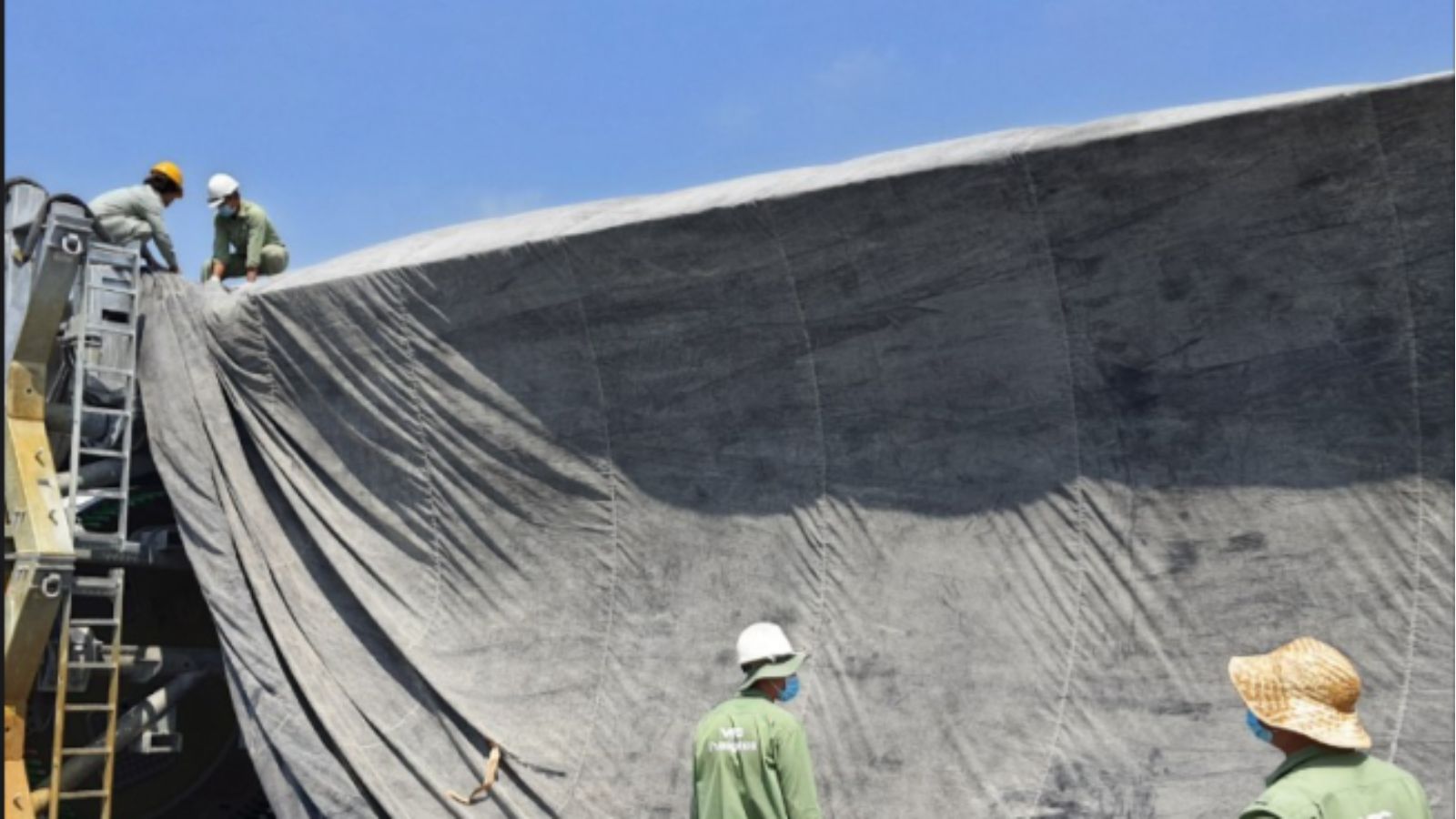
VFC Fumigation implements BMSB treatment for wind turbine blades transshipping through Vietnam
VFC Fumigation proved its exceptional operational competence by successfully executing treatment for an out-of-gauge/break-bulk consignment (wind turbine blades) originating in Europe and transshipping through Vietnam prior to exporting to Australia. The engineering protocol ensured optimal gas penetration across all complex structural surfaces, flawlessly satisfying DAFF's strict quarantine benchmarks.
View full project details: The Sole Entity in ASEAN Treating BMSB for Wind Turbine Blades Exported to Australia
6. Frequently Asked Questions (FAQ) Regarding Australia’s 2026–2027 BMSB Changes
Question 1: Are goods manufactured in Vietnam subject to mandatory BMSB fumigation?
Answer: Vietnam is not on DAFF's Target Risk Countries list. However, if goods incorporate components or materials imported from target risk countries (Europe, North America, etc.), or if containers transship through or co-load cargo in risk countries during the seasonal window, the consignment remains subject to mandatory BMSB treatment.
Question 2: Why can enterprises not request BMSB fumigation using Sulfuryl Fluoride (SF) in Vietnam?
Answer: While DAFF approves Sulfuryl Fluoride globally, SF is not yet commercially registered or licensed for use by the Ministry of Agriculture and Rural Development (MARD) in Vietnam. Consequently, Methyl Bromide fumigation is the sole method approved and compliantly deployed under the AFAS and BMSB-AusTreat schemes in Vietnam.
Question 3: From what point in time is the 120-hour post-treatment window calculated?
Answer: The 120-hour window commences at the conclusion of the fumigation exposure period and final safe ventilation. Cargo must be hermetically sealed inside closed containers or loaded on board the vessel before this time limit expires (applicable only to consignments treated between 1 September and 30 November).
Question 4: How can one look up VFC Fumigation's AEI code on the Australian Department of Agriculture's system?
Answer: Enterprises can access DAFF's official website (agriculture.gov.au), navigate to the Offshore Treatment Providers Scheme section, and search for Vietnam Fumigation Joint Stock Company (VFC) to verify its active approved status.






Related Blogs