




Published date:
29/10/2026
Share




Selecting a coffee fumigation company in Dak Lak and Gia Lai must be based on actual operational treatment capacity, not merely on the service unit price. Enterprises must evaluate the characteristics of green coffee beans, technical parameters, stuffing schedules, and certificate issuance capabilities. The seven criteria below assist coffee procurement, processing, and export enterprises, QA/QC departments, import-export divisions, and freight forwarders in evaluating service providers prior to requesting surveys, quotations, or deploying services.
1. Seven evaluation criteria for export green coffee bean phytosanitary treatment & fumigation companies
For coffee enterprises in the Central Highlands, fumigation operations are typically linked to preservation, container stuffing, and transport schedules to the export port. If an unsuitable service provider is selected, enterprises may face complications when adjusting treatment schedules, managing safety controls, or verifying documentation.
Therefore, a fumigation provider must be assessed comprehensively, from consignment specifications to operational execution capability. The following seven criteria assist enterprises in identifying critical checkpoints prior to finalizing a partnership.
1.1. Accurately identifying the phytosanitary requirements of the importing market
Service providers must accurately determine the importing market's requirements prior to proposing a phytosanitary treatment protocol
Not every export green coffee bean consignment is subject to mandatory phytosanitary fumigation. Treatment requirements depend on importing country regulations, pest infestation status, and buyer contractual terms. Consequently, the service provider must research the destination market prior to proposing a protocol.
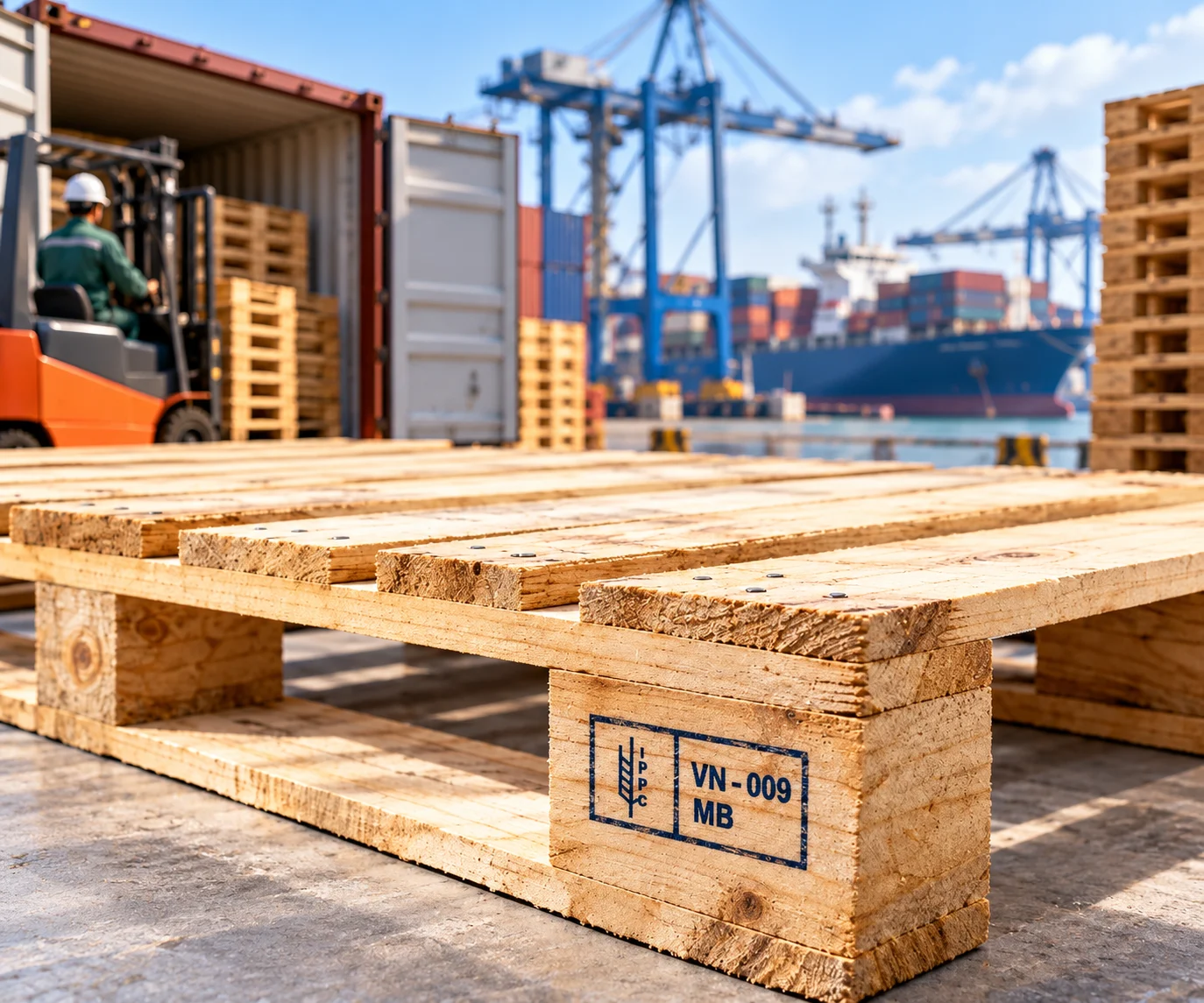
In particular, businesses must distinguish between coffee fumigation requirements and wooden pallet treatment requirements according to ISPM 15 standards. These two categories have different scopes and compliance bases, so treating the goods cannot automatically replace pallet treatment. Identifying the correct requirements from the outset helps businesses avoid performing unnecessary steps or missing related requirements.
When selecting a service provider, enterprises must clarify whether the proposed protocol is grounded in the actual requirements of the target market and the specific consignment. This serves as the benchmark for evaluating service suitability before incurring expenditures.
1.2. Extensive experience in green coffee beans and understanding packaging specifications
Green coffee beans are susceptible to insect pest infestation during warehousing and transit. Among these, the coffee bean weevil (Araecerus fasciculatus) represents a primary target pest requiring rigorous monitoring during storage inspections. Upon detecting live insects, enterprises must identify the infestation source and determine the treatment perimeter prior to proceeding with export schedules.
In addition to pest infestation status, packaging material specifications directly influence fumigant gas penetration into the commodity mass. Jute bags, woven PP bags, and bags with gas-barrier liners exhibit distinct permeability characteristics, requiring technical evaluation prior to method selection. A qualified technical specialist must inspect bag types, stacking configurations, and consignment conditions rather than applying a generic protocol.
For export enterprises, a provider's specialized experience with green coffee beans ensures proper identification of factors that influence the technical treatment plan. Consequently, technical consultation is delivered based on actual commodity conditions rather than aggregate volume alone.
1.3. Engineering protocols tailored to warehouses and containers
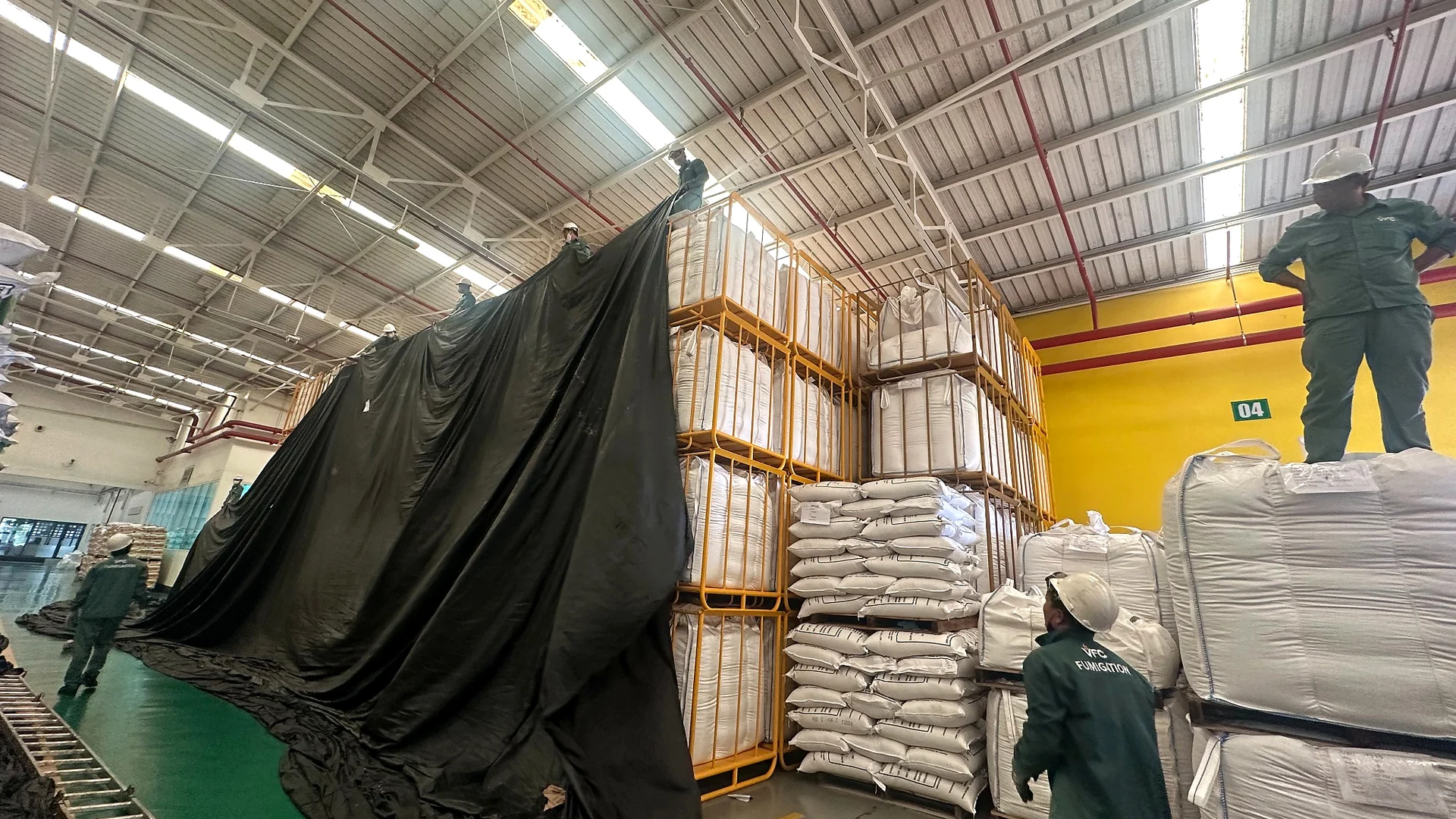
Treatment protocols must be designed around commodity characteristics, enclosure volume, gastightness capacity, and stuffing schedules
Green coffee beans can be evaluated for lot-by-lot fumigation under specialized gastight sheets (tarpaulins), inside warehouse spaces, or within containers when technical conditions permit. Each modality entails specific requirements regarding treatment scope, enclosure gastightness standards, and gas distribution. Therefore, enterprises must evaluate the technical protocol prior to finalizing service schedules and costs.
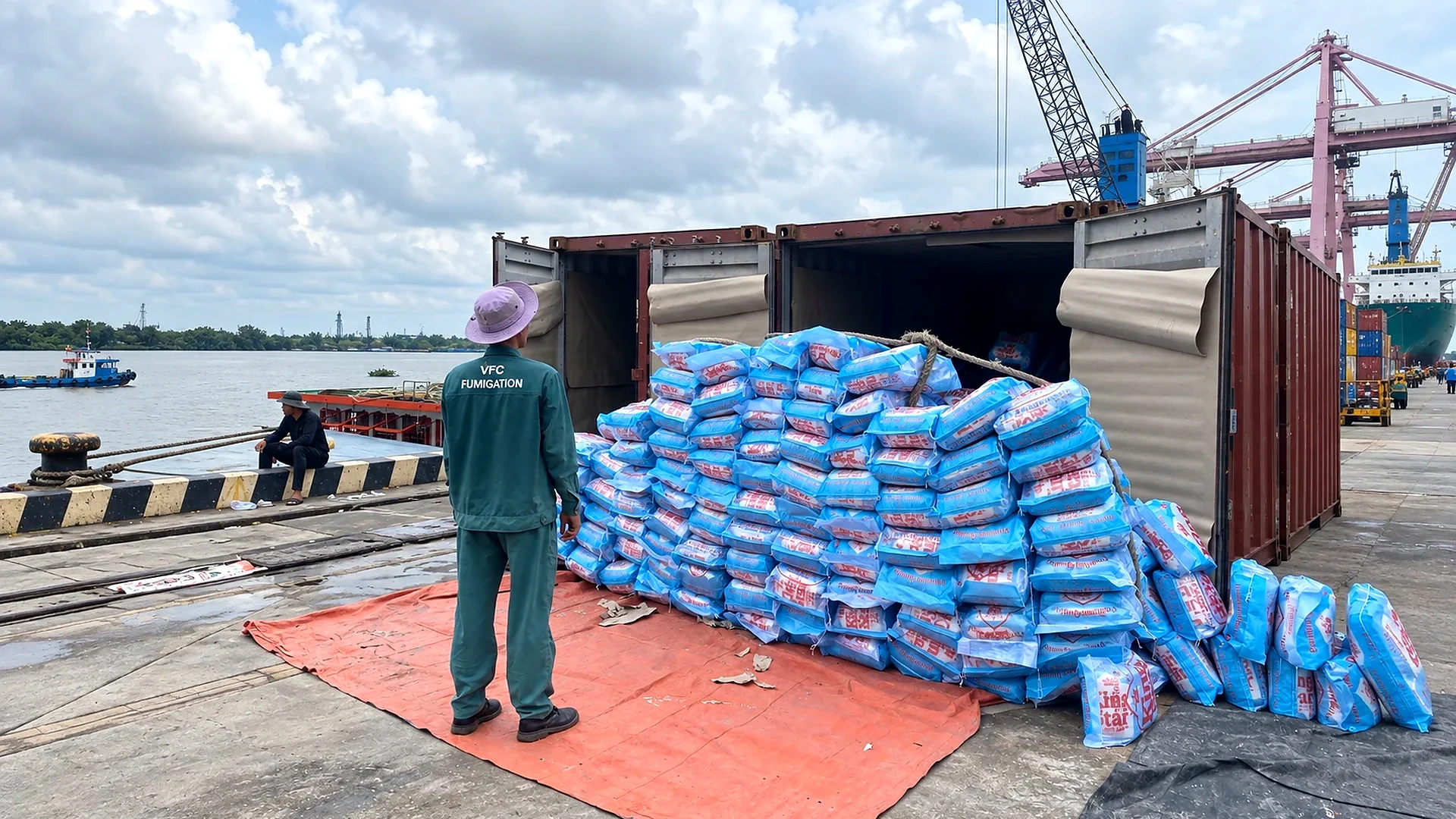
For export cargo fumigation in containers, VFC Fumigation surveys factors such as goods, packaging, shipment condition, and treatment requirements. From the on-site information, the technical team proposes a suitable plan to coordinate with the loading schedule. This process also helps determine the necessary conditions to prepare before fumigation.
A quotation based solely on tonnage or container count is insufficient to confirm technical protocol suitability. Enterprises should demand full transparency regarding the treatment scope, enclosure gastightness standards, and technical variables that could impact turnaround schedules.
1.4. Established safety control protocols and technical monitoring
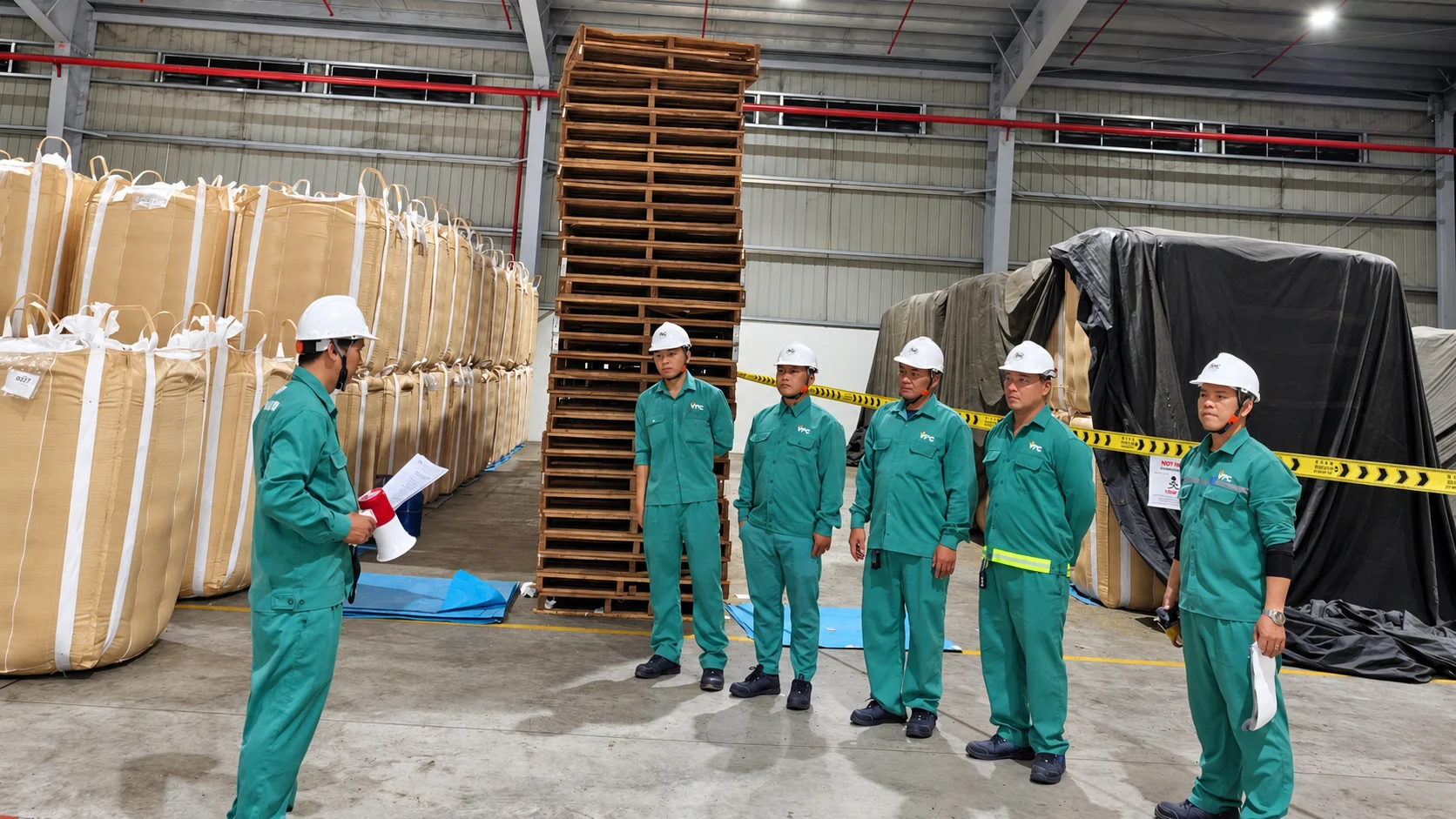
Safety protocols must encompass isolation zones, hazard warnings, gastight sealing, monitoring, and pre-handover clearance testing
Fumigation utilizes toxic chemicals designed to eradicate target pests; consequently, operational safety is a mandatory criterion when evaluating service providers. The executing entity must deploy certified personnel, specialized equipment, and rigorous field management protocols. Critical phases include boundary isolation, hazard warning signage, enclosure sealing, and gas concentration monitoring throughout the treatment cycle.
Treatment efficacy depends on multiple technical variables beyond the applied dosage rate alone. Depending on the methodology, maintaining minimum gas concentrations across the required exposure time must satisfy the technical standard specified for the consignment. Post-treatment, the commodity or enclosed space must undergo thorough aeration and ventilation, followed by clearance testing to verify safe conditions prior to handover.
For enterprises and forwarders, a transparent safety procedure establishes clear timelines for resuming warehousing and logistics operations. Therefore, treatment protocols that arbitrarily shorten exposure periods without technical justification and safety verification must never be adopted.
1.5. Operational deployment capability in Dak Lak and Gia Lai with export schedule coordination
Coffee enterprises in Dak Lak and Gia Lai often stuff containers at local warehouses, processing plants, or consolidation yards prior to haulage to export seaports. The fumigation schedule must consequently synchronize with container stuffing completion, depot drop-off times, and vessel cut-off deadlines. Establishing the operational schedule early grants all parties proactive flexibility should logistical adjustments arise.
A service provider possessing a localized branch network and service stations within the region facilitates faster intake of requests and resource allocation. Nonetheless, enterprises must still confirm survey dates, treatment locations, and operational plans for each consignment. Having a local presence does not guarantee immediate operational readiness for every ad-hoc request.
When searching for a coffee fumigation company in Dak Lak or Gia Lai, enterprises should prioritize providers with dedicated local liaisons and proven capabilities to coordinate within real-world timelines. This is particularly vital for shippers handling high-volume containerized programs or loading across multiple locations concurrently.
If the expected container loading schedule is already available, enterprises can send shipment information to VFC Fumigation to discuss the location and implementation conditions. Early receipt of information provides the technical team with a basis to evaluate options before confirming the treatment progress.
1.6. Providing accurate, verifiable, and cross-referenceable certificates
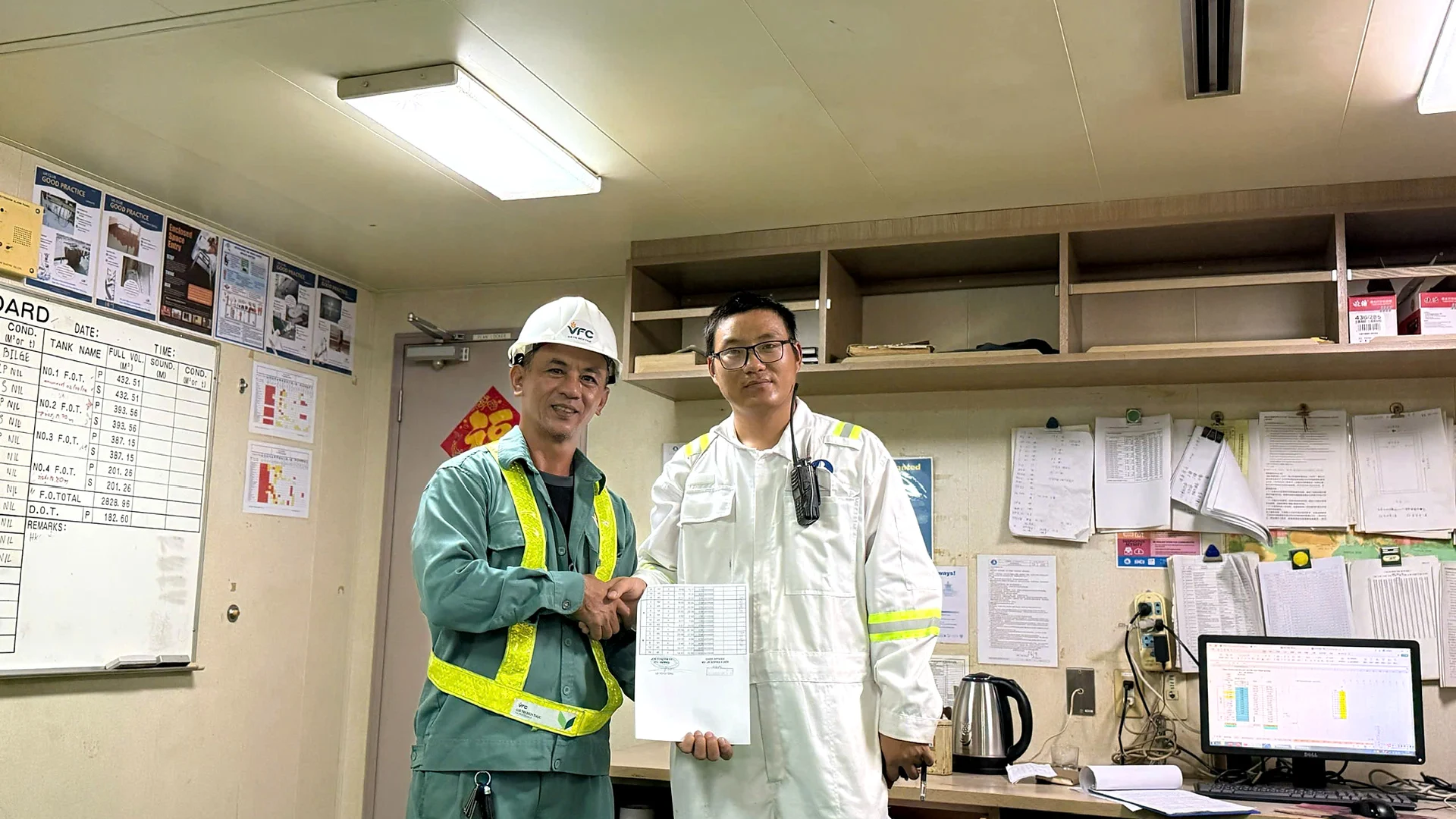
The Fumigation Certificate must accurately reflect consignment specifications and actual field treatment data
For import-export departments and forwarders, the work does not end when the fumigation process is completed. A fumigation certificate must reflect information appropriate to the shipment and actual treatment activities. Data such as commodity name, container number, seal number, and treatment details need to be checked before use in the export document set.
VFC Fumigation deploys a 2-layer transparent fumigation model, combining the FumiApp internal operational management system with QR Code certificate authentication. FumiApp supports storing information and field images, while the QR Code helps customers cross-reference issued certificates with the online version. These two components have distinct functions, but together they support the process of document management and inspection.
For forwarders, real-time certificate authentication streamlines coordination among cargo owners, overseas agents, and foreign consignees. However, a Fumigation Certificate does not automatically substitute for a Phytosanitary Certificate or other documentation mandated by the importing country's biosecurity authorities.
1.7. Proven operational capacity and transparent pricing structures
Fumigation pricing is a key business factor, yet it must never be assessed in isolation from the scope of service. Quotations are influenced by commodity volume, treatment methodology, geographic location, enclosure gastightness conditions, and logistical requirements. Shippers must understand precisely which cost components are incorporated into the quotation and the collaborative obligations of each party.
Beyond unit costs, enterprises must examine the provider’s specialized industry tenure, technical staffing depth, and operational management systems. For regular exporters, the ability to manage recurring treatment cycles while maintaining consistent documentation compliance is paramount. These criteria must be validated through verifiable corporate track records and published standard operating procedures rather than promotional claims.
A compliant quotation must clearly delineate the exact scope of services rendered, site execution parameters, and specific handover deliverables. This transparency provides procurement departments with a standardized baseline to compare proposals on an equivalent scope-of-work basis.
2. VFC Fumigation's operational capacity serving coffee enterprises in Dak Lak and Gia Lai
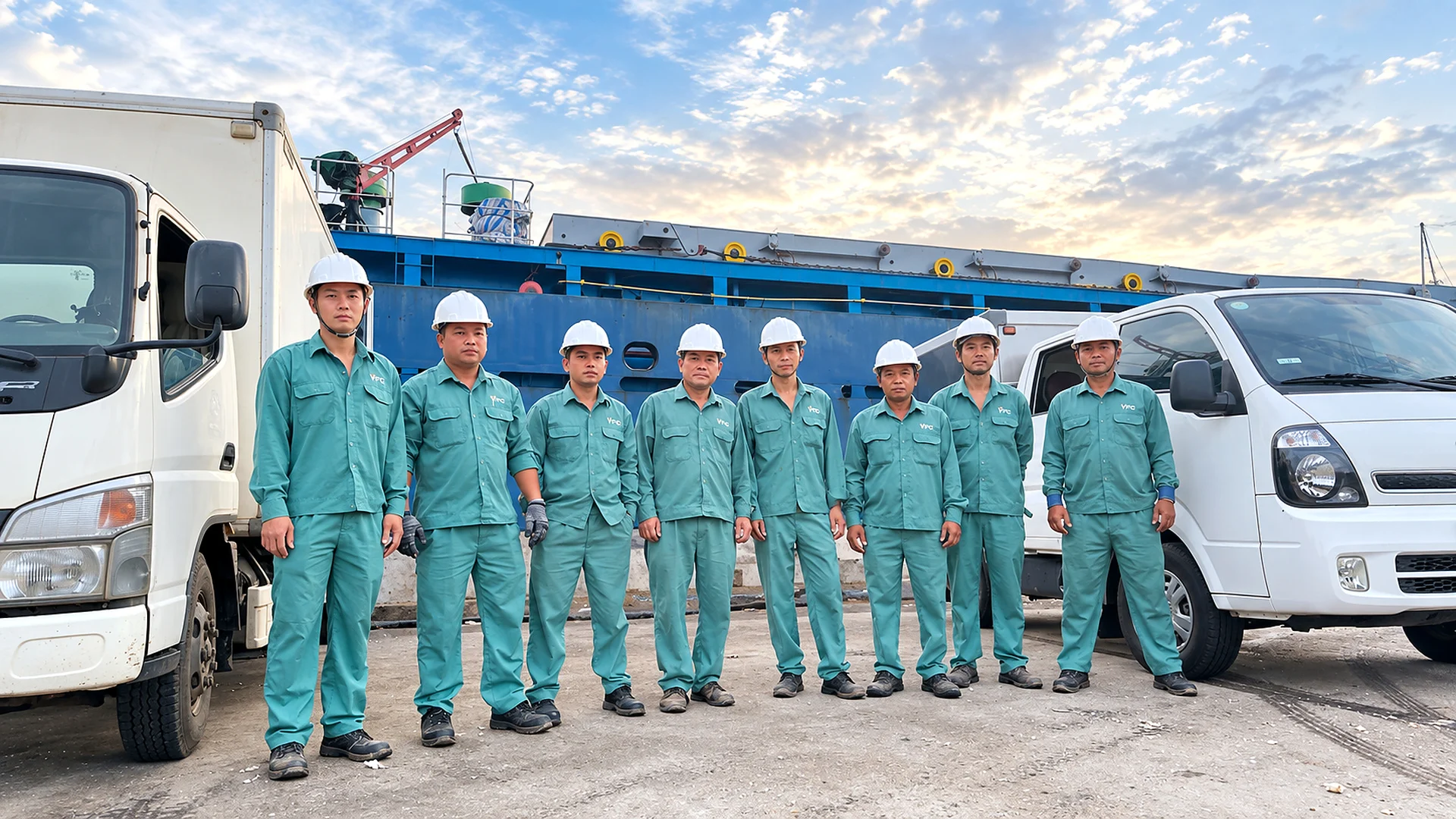
VFC Fumigation delivers phytosanitary treatment solutions serving coffee enterprises in Dak Lak, Gia Lai, and associated export logistics corridors
After cross-referencing the seven criteria, businesses need to evaluate the actual capabilities of the provider through verifiable information. VFC Fumigation is a fumigation service brand under Vietnam Fumigation Joint Stock Company, providing solutions for the preservation and import-export of goods. Among them, agricultural produce fumigation solutions cater to the various needs of coffee enterprises.
2.1. Industry tenure and nationwide operational scale
| Operational Metric | Published Capacity |
|---|---|
| Industry Tenure | Over 50 years of specialized experience in phytosanitary treatment and fumigation |
| Workforce & Service Scope | 1,000+ personnel operating across 34 provinces and cities |
| Technical Specialists | 200+ accredited technical specialists with over 10 years of experience |
For coffee exporters, this capacity confirms the company's ability to mobilize personnel and coordinate operations across diverse operational regions. However, field execution at individual warehouses or container stuffing depots must still be confirmed based on specific schedules, scope, and site treatment parameters.
2.2. Dedicated service stations in Dak Lak and Gia Lai
VFC Fumigation maintains an operational network of branch offices and field service stations across Vietnam, including key regional hubs in Dak Lak and Gia Lai. In accordance with published directory listings, enterprises may contact:
| Region | VFC Fumigation Operational Hub |
|---|---|
| Dak Lak | VFC Dak Lak Station – 170 Chu Van An, Tan An Ward, Dak Lak Province. Tel: 0986 242 243: 0986 242 243 |
| Gia Lai | Quy Nhon Branch – 263 Tran Hung Dao, Quy Nhon Ward, Gia Lai Province. Tel: 0256 3823 687: 0256 3823 687 |
Having a point of contact in both localities makes it more convenient for businesses to discuss their cargo fumigation needs. For facilities located far from branch locations, the survey schedule and coordination plan will be determined after receiving the information. Enterprises can check further at the VFC Fumigation network page.
2.3. Integrating on-site field procedures with digital operational data management
Under its published standard operating procedures, VFC Fumigation executes projects through defined stages: request intake, site survey, preparation, treatment execution, and clearance inspection. Operational milestones are managed via FumiApp to facilitate task allocation, progress tracking, and internal quality control. Consequently, service execution maintains an auditable digital trail for retrospective reviews whenever required.
For coffee exporters, bridging physical on-site treatment with digital certificate data streamlines documentation tracking. This represents an essential operational safeguard when selecting a long-term partner for regular export shipments.
3. Prerequisite information required from enterprises for green coffee bean fumigation quotations
Once evaluation criteria are established, the subsequent step entails supplying necessary data for the provider to structure an appropriate technical plan. Enterprises do not need to wait until export shipping documentation is fully finalized before contacting the fumigation provider; however, baseline data regarding the commodity and logistics timeline should be prepared.
| Information Category | Detailed Specifications to Provide |
|---|---|
| Commodity Type | Robusta green coffee, Arabica green coffee, or physical description |
| Volume | Projected tonnage, bag count, or container volume (FCL) |
| Packaging Specifications | Bag material (jute, woven PP), internal liners, and palletized stacking configuration |
| Condition of Cargo & Packaging | Stored in warehouse, staging for container stuffing, or showing signs of pest infestation |
| Treatment Location | Warehouse, processing mill, or stuffing point in Dak Lak or Gia Lai |
| Destination market | Destination country and specific buyer contractual mandates, if applicable |
| Logistics Schedule | Stuffing date, depot drop-off, vessel cut-off, and estimated ETD |
| Documentation Requirements | Certificate of Treatment particulars or specific field data requiring validation |
In scenarios where the treatment methodology cannot be immediately determined from initial data, technical personnel may request supplemental information or perform an on-site physical survey. This clarifies the technical scope of work, required site preparation, and operational exposure duration prior to quotation sign-off.
4. Frequently asked questions when selecting a coffee fumigation company in Dak Lak and Gia Lai
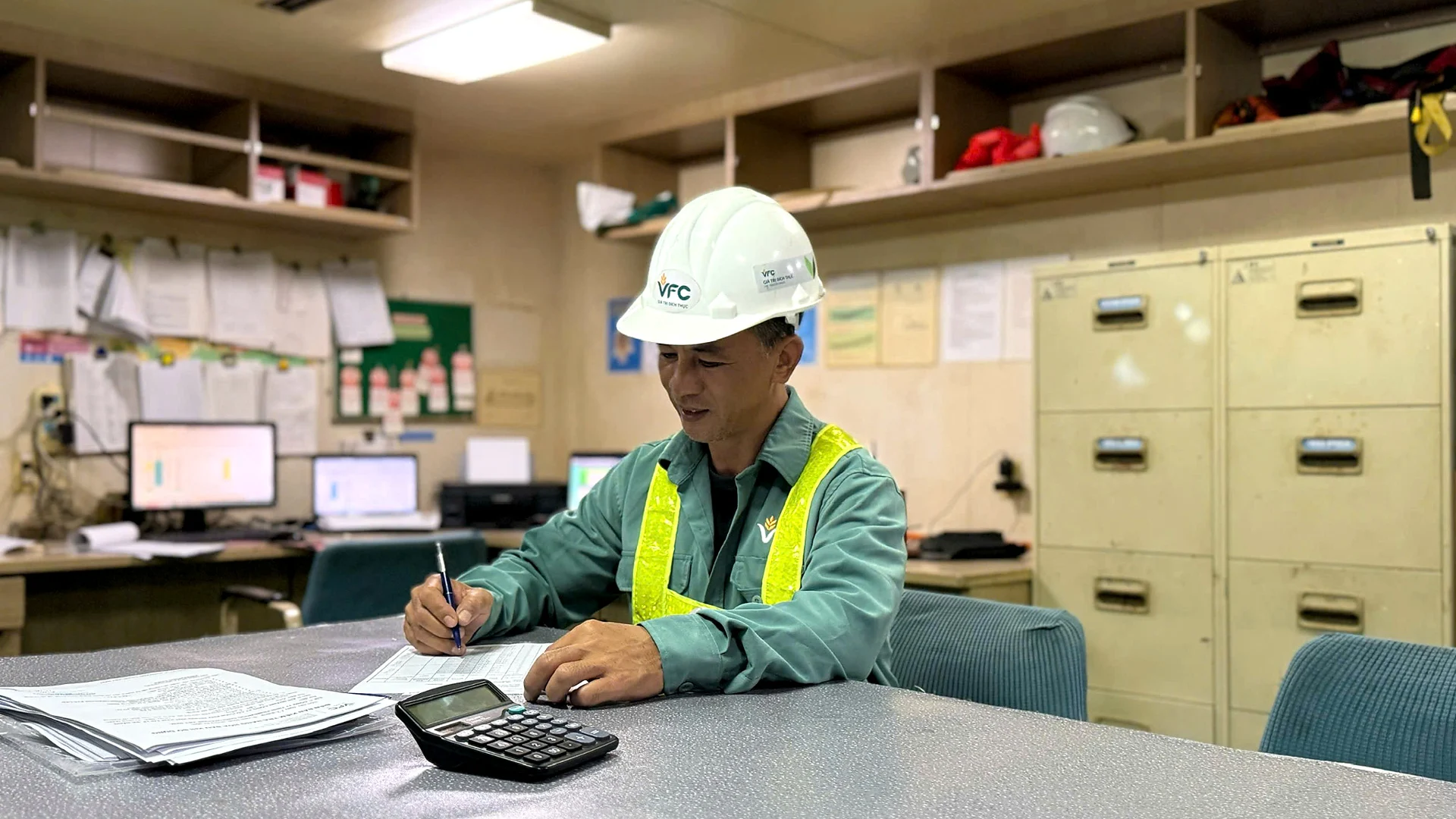
FAQ when searching for coffee fumigation companies in Dak Lak and Gia Lai
4.1. Is phytosanitary fumigation mandatory for all export green coffee beans?
Not every export green coffee bean consignment is legally mandated to undergo phytosanitary fumigation. Enterprises must verify destination country phytosanitary regulations, consignment pest status, and buyer contractual requirements prior to ordering treatment.
4.2. Can VFC Fumigation perform coffee fumigation directly at warehouses in Dak Lak or Gia Lai?
VFC Fumigation accommodates on-site fumigation requests at private warehouses and container stuffing yards through its branch and service station network. Operational feasibility at a specific warehouse is confirmed following a site evaluation of structural layout, gastight sealing capability, and environmental safety clearances.
4.3. How long does it take to fumigate a container of green coffee beans?
Total processing duration depends on the treatment methodology, fumigant active ingredient selected (e.g., Methyl Bromide vs. Phosphine), technical parameters, and required exposure time. Shippers must also account for site preparation, gastight sealing, gas aeration, and clearance safety testing prior to formal handover.
4.4. Does a Fumigation Certificate substitute for a Phytosanitary Certificate?
No. A Fumigation Certificate (Certificate of Treatment) records technical data regarding the executed treatment operation, whereas a Phytosanitary Certificate is an official governmental document issued by the competent National Plant Protection Organization (NPPO). Exporters must verify the specific documentary requirements of each destination market and commercial contract.
5. Selecting a coffee fumigation company based on technical capacity tailored to consignment specifications
For coffee enterprises in Dak Lak and Gia Lai, selecting a service provider must be grounded in the capacity to handle specific commodities correctly, maintain rigorous safety controls, and align seamlessly with export logistics schedules. The seven criteria detailed above serve as a practical evaluation framework for procurement teams, QA/QC managers, shipping coordinators, and freight forwarders prior to contracting services.
VFC Fumigation receives requests for surveys, consulting, and quotations for green coffee export fumigation based on individual shipment details. Enterprises can submit the location, volume, and expected container stuffing schedule via the VFC Fumigation contact page or hotline 0914 773 300 to discuss a suitable solution.
VFC Fumigation – Export Cargo Phytosanitary Treatment Solutions
- Service Reception Desk: 1800 577 788
- Email: contact@fumigation.vn


Related Blogs