





Published date:
28/09/2026
Share




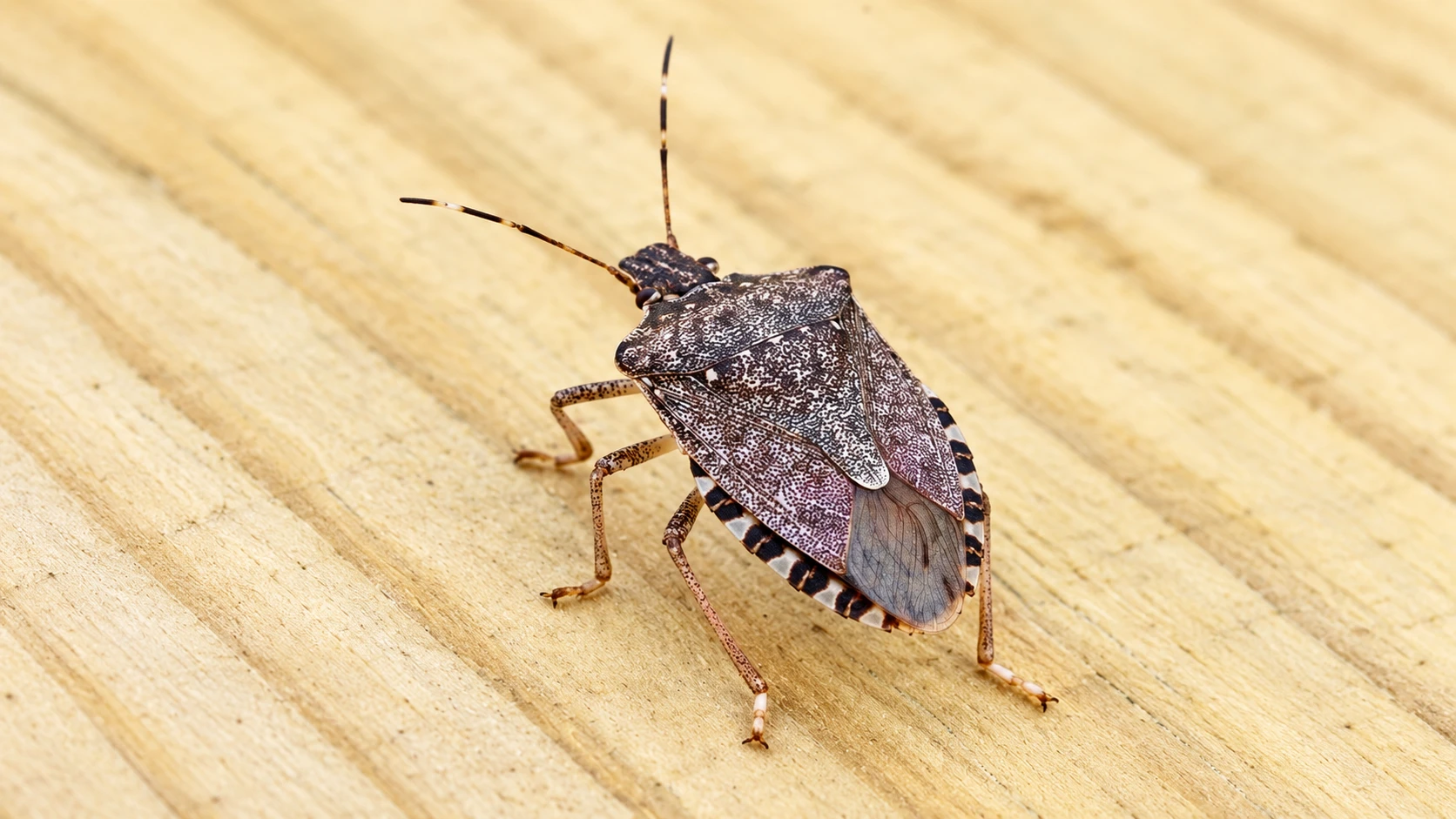
Most agri-food commodities (rice, coffee, cashew nuts, pepper, cassava chips, fresh fruits) do not fall under the Target High Risk Goods category requiring mandatory Brown Marmorated Stink Bug (BMSB) treatment under the seasonal measures of the Australian Department of Agriculture, Fisheries and Forestry (DAFF). However, agricultural export consignments to Australia are still strictly required to fully satisfy BICON biosecurity import conditions and maintain clean control free of live pests.
1. The Nature of DAFF's BMSB Regulations: Are Agricultural Products Subject to Mandatory Measures?
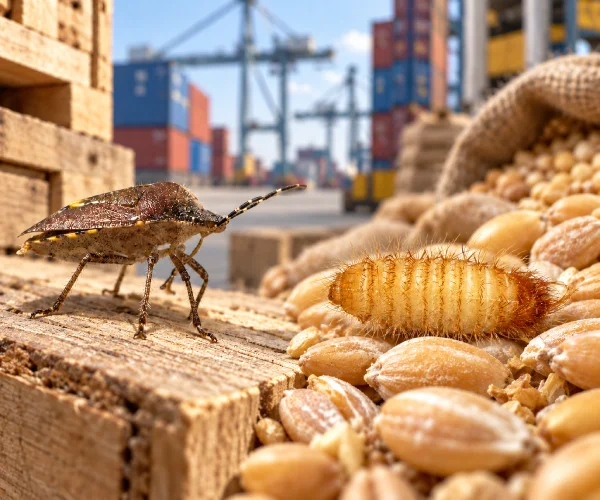
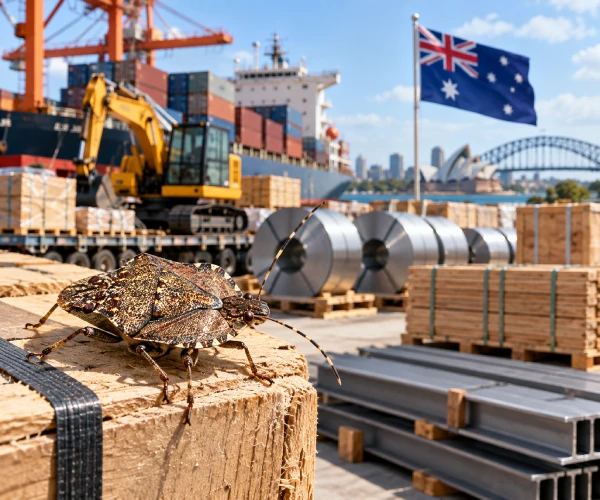
Agri-food products and industrial goods are subject to different BMSB regulatory scopes when exported to Australia
Exemption Provisions for Agri-Food Products
The seasonal Brown Marmorated Stink Bug (BMSB) control measures (from 1 September to 30 April of the following year) by the Australian Department of Agriculture (DAFF) apply solely to industrial goods, machinery and equipment, mechanical goods, iron and steel, and transport vehicles listed under the Target High Risk Goods category. All conventional export agri-food products (rice, coffee, cashew nuts, pepper, cassava chips...) are completely exempt from mandatory BMSB treatment measures.
Practical Control Priorities for Agricultural Exports to Australia
Although exempt from BMSB regulations, agricultural commodities exported from Vietnam to Australia must still strictly satisfy 2 specialized quarantine conditions:
- Biosecurity control under the BICON system: The consignment, packaging materials, and container flooring must be clean of soil and mud, free of weed seeds, and strictly free of live pests.
- Wood Packaging Material (WPM) control: All wooden pallets and wood dunnage/packaging inside the container must undergo compliant quarantine treatment. VFC Fumigation recommends that enterprises implement fumigation solutions under AFAS standards to ensure synchronized documentation, facilitating prioritized routing and smooth clearance at the destination port.
2. Agricultural Exports to Australia: Mandatory Biosecurity Conditions and Technical Standards
To achieve smooth customs clearance into Australia, Vietnamese agricultural products must overcome the following 3 core technical barriers:
2.1 Biosecurity Quarantine Barrier under the BICON System
DAFF's BICON (Biosecurity Import Conditions) system strictly stipulates:
- Mechanical cleanliness: Agricultural commodities, packaging, and container floors must be absolutely clean of soil, sand, mud, weed seeds, and alien plant or animal debris.
- Pest status: Free of live pests (eggs, larvae, pupae, or insects) and any signs of deteriorating mold contamination.
- Quarantine documentation: Must be accompanied by a valid Phytosanitary Certificate issued by the competent national plant protection authority of Vietnam.
2.2 Packaging and Dunnage Standards – Control Mechanisms and Optimal Solutions
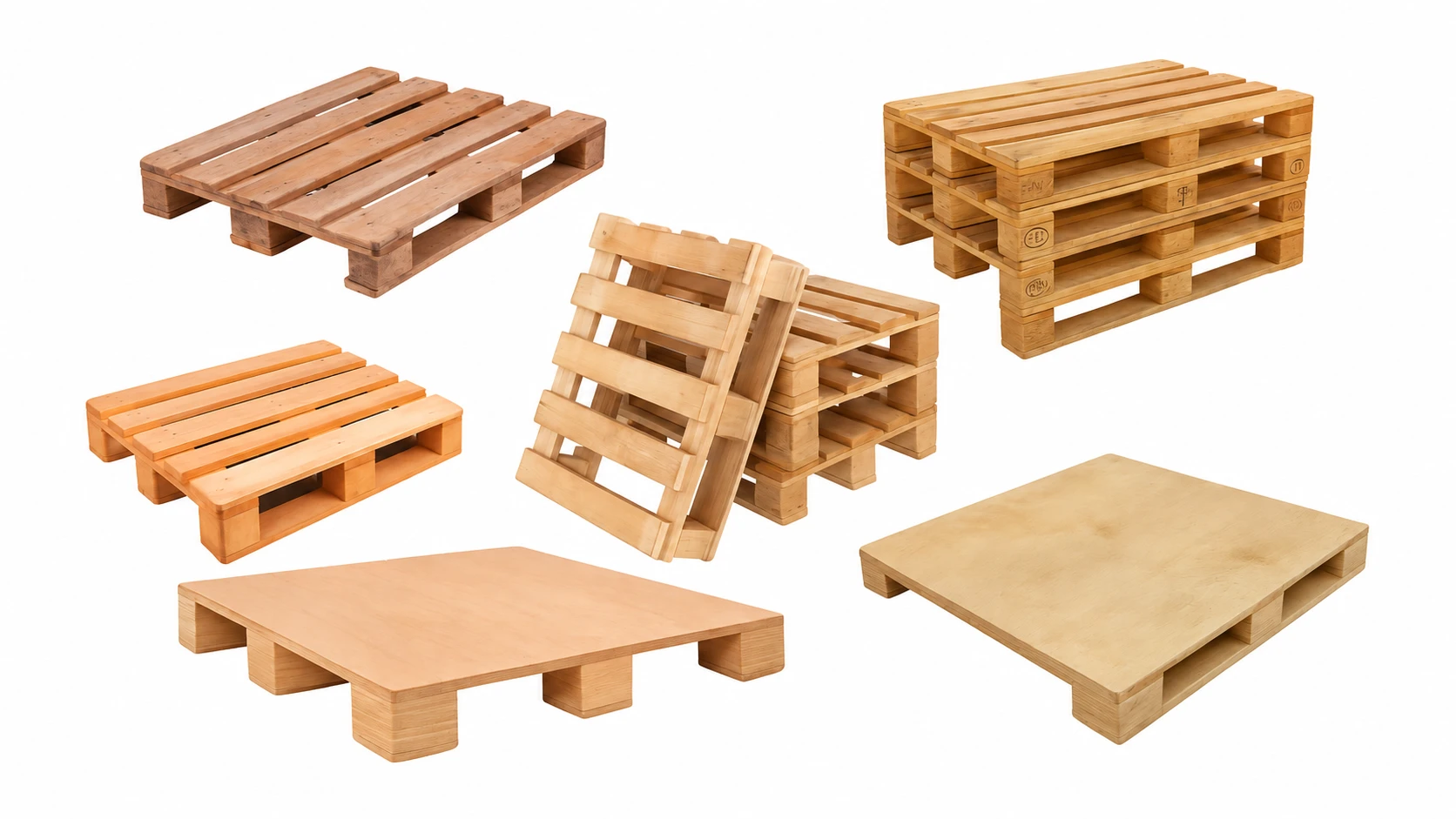
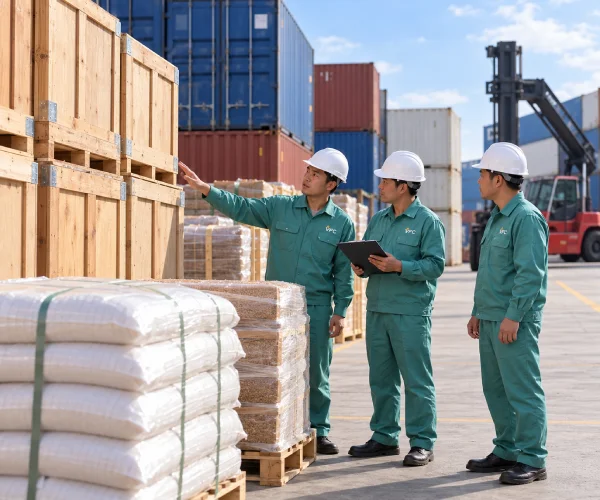
Selecting the appropriate treatment method for packaging and dunnage materials ensures safe customs clearance for agricultural shipments to Australia
Advisory direction from VFC Fumigation: To minimize risks for both clients and the supply chain, VFC Fumigation consistently recommends treating cargo and dunnage materials under AFAS standards. This method is executed by an entity possessing an AEI identifier approved by DAFF, issuing an international-standard fumigation certificate to help the consignment receive prioritized routing and complete customs clearance procedures more easily.
2.3 Stored-Product Pest Fumigation under AFAS Standards
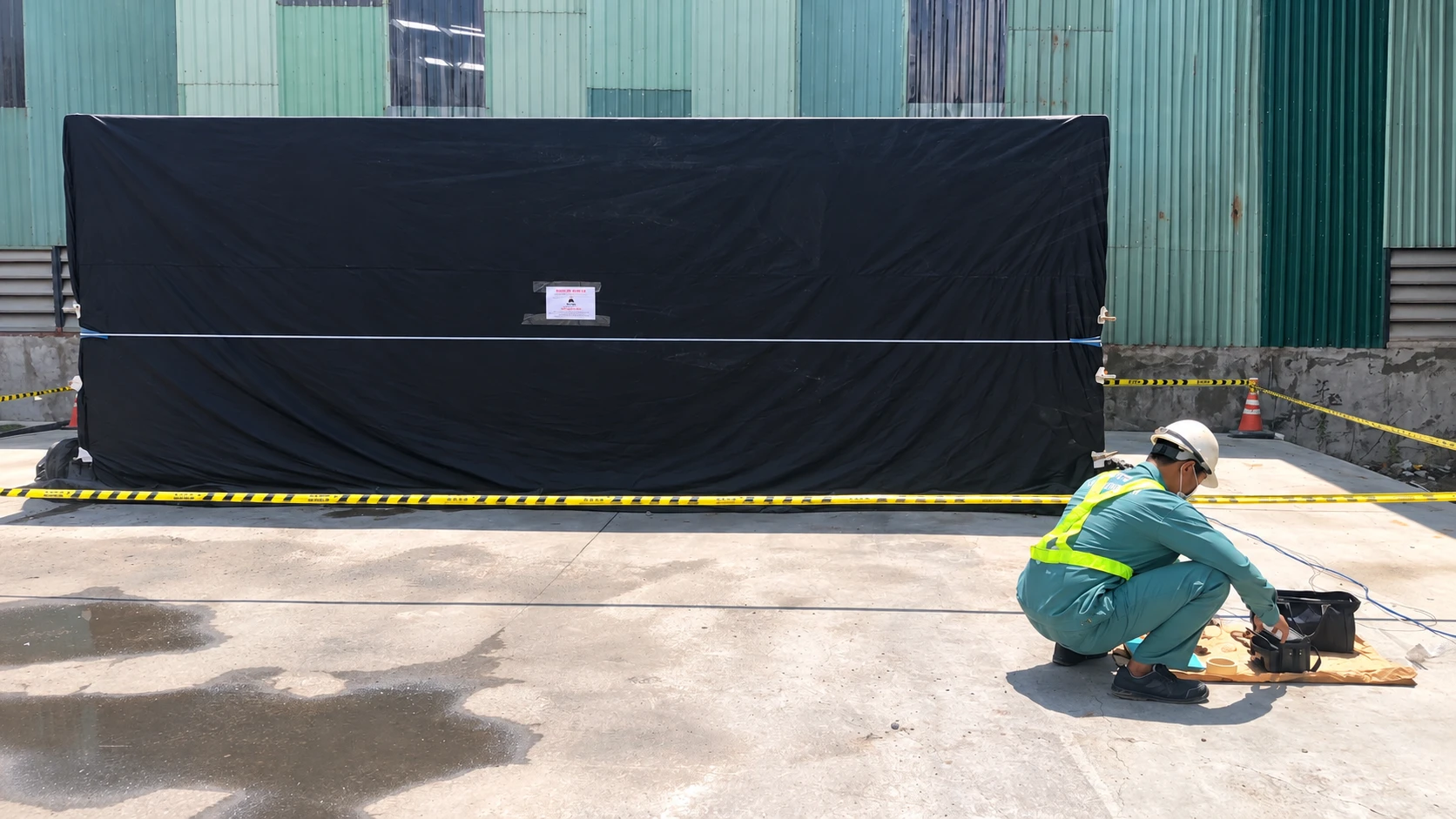
Container fumigation according to AFAS standards
Within the framework of the Australian Department of Agriculture's (DAFF) AFAS scheme, the treatment measure recognized and licensed for implementation in Vietnam is container fumigation using Methyl Bromide (MB) fumigant:
- The Methyl Bromide fumigation process must strictly adhere to DAFF dosage rates based on ambient temperature, maintain a minimum exposure period of 24 hours, and conduct periodic on-site gas concentration monitoring.
- Treatment execution and certificate issuance must be performed by an entity holding a DAFF-recognized AEI code. International-standard AFAS certificates ensure the consignment fully satisfies BICON biosecurity conditions and clears smoothly at Australian seaports.
3. Key Considerations to Prevent Cargo Detention Risks at Australian Ports
- Controlling container sweat: Significant temperature differentials between Vietnam and climate zones across Australia easily cause moisture to evaporate, condense on the container ceiling, and drip down, causing mold on the surface of agricultural produce. Exporters should proactively request operational teams to implement integrated container desiccant and paper lining services to preserve the full quality integrity of the consignment upon arrival at the destination port.
- Selecting an accredited treatment provider with a compliant AEI code: When contracts mandate control under Australian AFAS standards, certificates must be issued by entities holding a DAFF-recognized AEI identifier to possess legal validity for border clearance.
4. Comprehensive Safety Solutions for Agricultural Exports to Australia from VFC Fumigation
With over 50 years of extensive experience in the import-export agricultural fumigation industry, VFC Fumigation provides comprehensive protection solutions for cargo supply chains to Australia:
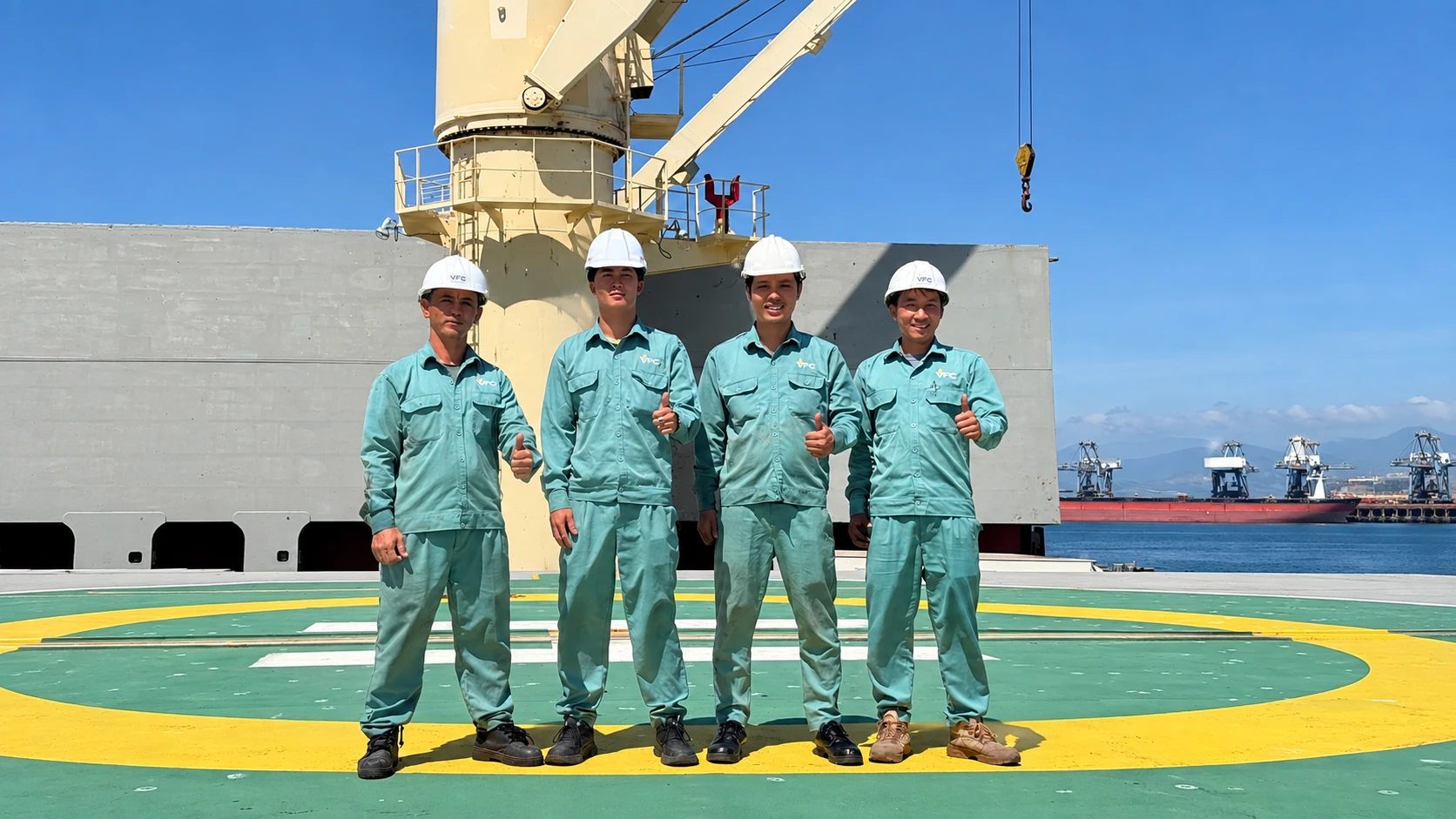
VFC Fumigation accompanies agricultural exporters to support safe clearance in Australia
- Official certification capacity from DAFF: VFC Fumigation possesses an AEI identification code officially licensed by the Australian Department of Agriculture, fully satisfying all fumigation technical criteria under AFAS standards.
- Comprehensive safety strategy: Advising enterprises to apply AFAS-standard fumigation solutions for both cargo and wood packaging/dunnage materials, ensuring consistent clearance documentation and minimizing the risk of cargo detention for specialized inspection at discharge ports.
- Value-added cargo protection services: Providing container kraft paper lining and specialized desiccant bag placement solutions to prevent moisture condensation throughout the ocean voyage to Australia.
Agricultural export enterprises, logistics providers, and freight forwarders needing to verify BICON conditions, inspect wooden pallets, or obtain quotations for container fumigation services to Australia under AFAS standards, please contact VFC Fumigation immediately:
- Hotline 24/7: 0914.773.300
- Customer Service Call Center: 1800 577 788
- Email: contact@fumigation.vn




Related Blogs