






Category:
Fumigation by Industry Sector
Agricultural products,

Published date:
17/06/2026
Share




Coffee is one of Vietnam’s key agricultural export commodities. However, to maintain the quality of coffee beans from post-harvest handling to delivery to customers or export, businesses need not only to control the processing stage properly but also to pay special attention to coffee storage in warehouses.
In practice, many shipments suffer quality degradation not because of the production stage, but because of the storage process. Unsuitable moisture levels, uncontrolled warehouse sanitation, or the presence of stored-product pests in coffee warehouses can all affect the commercial value of the shipment.
1. Why is coffee storage in warehouses an important stage?
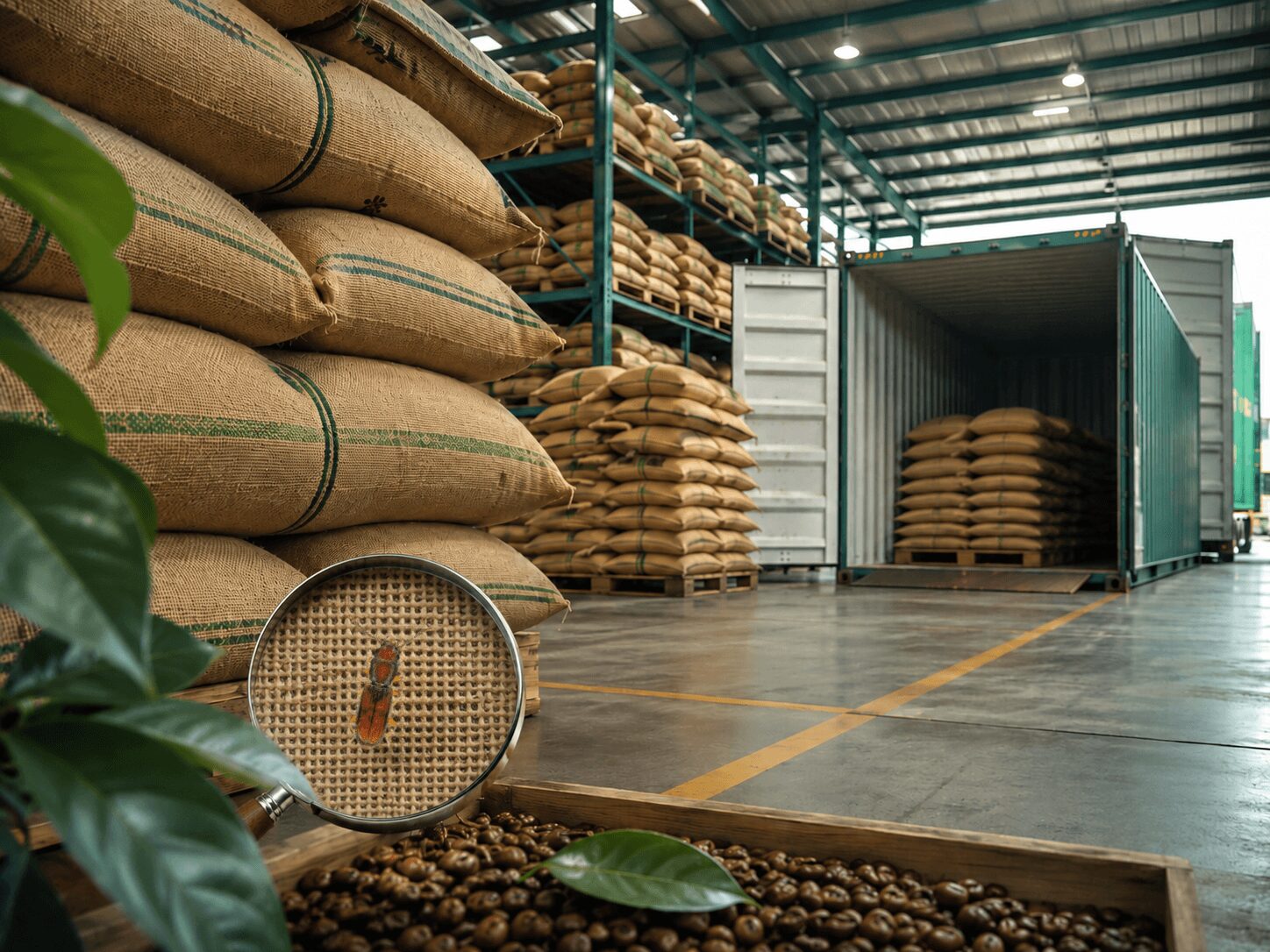
After harvesting and processing, coffee is often stored in warehouses for several weeks to several months before sale or export.
During this period, coffee bean quality can be affected by many factors, such as:
- Moisture content of the coffee beans.
- Temperature and humidity in the warehouse environment.
- Warehouse sanitation conditions.
- Packaging and storage methods.
- The intrusion of insects and other pests.
If not properly controlled, these factors can reduce the sensory quality of coffee beans, increase the risk of mold, cause off-odors, and affect the ability to meet customer requirements or the standards of importing markets.
2. Stored-product pests in coffee warehouses that businesses should pay attention to
2.1. Coffee bean weevil (Araecerus fasciculatus)
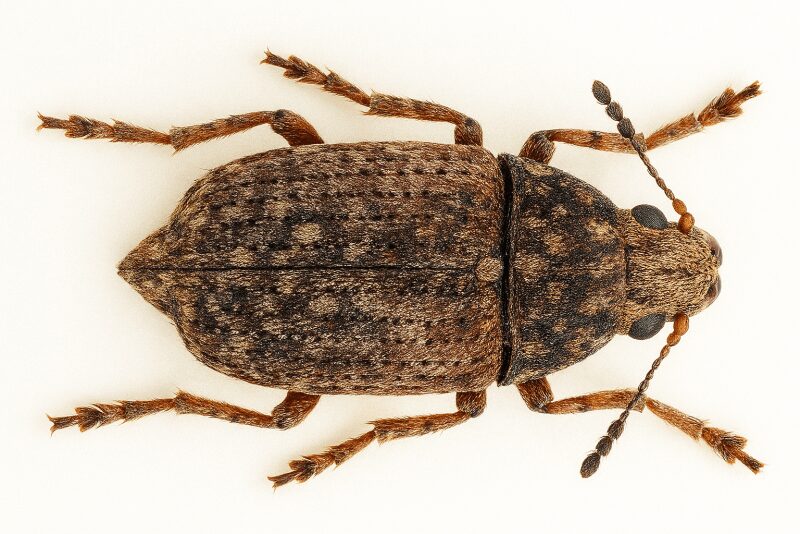
The coffee bean weevil (Araecerus fasciculatus - Coffee bean weevil) is a major pest that damages coffee beans during storage. Adult weevils are approximately 2.5 - 4.5 mm long, with an oval-shaped body that is gray or ash-gray and covered with yellowish-brown velvety hairs.
This species is capable of strong flight, making it easy to spread between warehouses, containers, or different storage areas. One female can lay 130 - 140 eggs. After hatching, the larvae usually bore deep into the coffee bean and feed until the inside of the bean becomes hollow. Their life cycle develops rapidly, taking only about 8 - 10 weeks under temperature conditions above 25°C.
When the density of coffee bean weevils increases in the warehouse, they can reduce product quality and cause significant losses during storage.
This species is widely distributed in many tropical and subtropical countries. In Vietnam, the coffee bean weevil has been recorded causing damage to many stored agricultural products such as coffee, cacao, corn, and especially dried cassava chips.
In addition to the coffee bean weevil that causes damage in warehouses, there is also the coffee berry borer, which damages coffee in the field. You can learn more about this pest in the article: Coffee Berry Borer (Hypothenemus hampei) - an insect that damages coffee berries in the field..
When the weevil density increases, selecting an appropriate fumigation method will determine treatment effectiveness and reduce the risk of future reinfestation.
2.2. Stored-product weevils and other insects
In addition to the coffee berry borer, warehouses may also contain other stored-product pests such as flat grain beetles (Cryptolestes sp.), foreign grain beetles (Ahasverus advena), red flour beetles (Tribolium castaneum), booklice or psocids (Liposcelis), or other insects introduced from containers, transport vehicles, and nearby agricultural warehouses.
Although not all pests directly bore into coffee beans, their presence can reduce warehouse sanitation standards, increase the risk of cross-contamination, and affect product quality during storage.
In practice, many businesses only treat the issue when the weevil density has already increased significantly. This is also one of the common mistakes when controlling insects in warehouses.
3. Factors that increase the risk of pest infestation in coffee warehouses
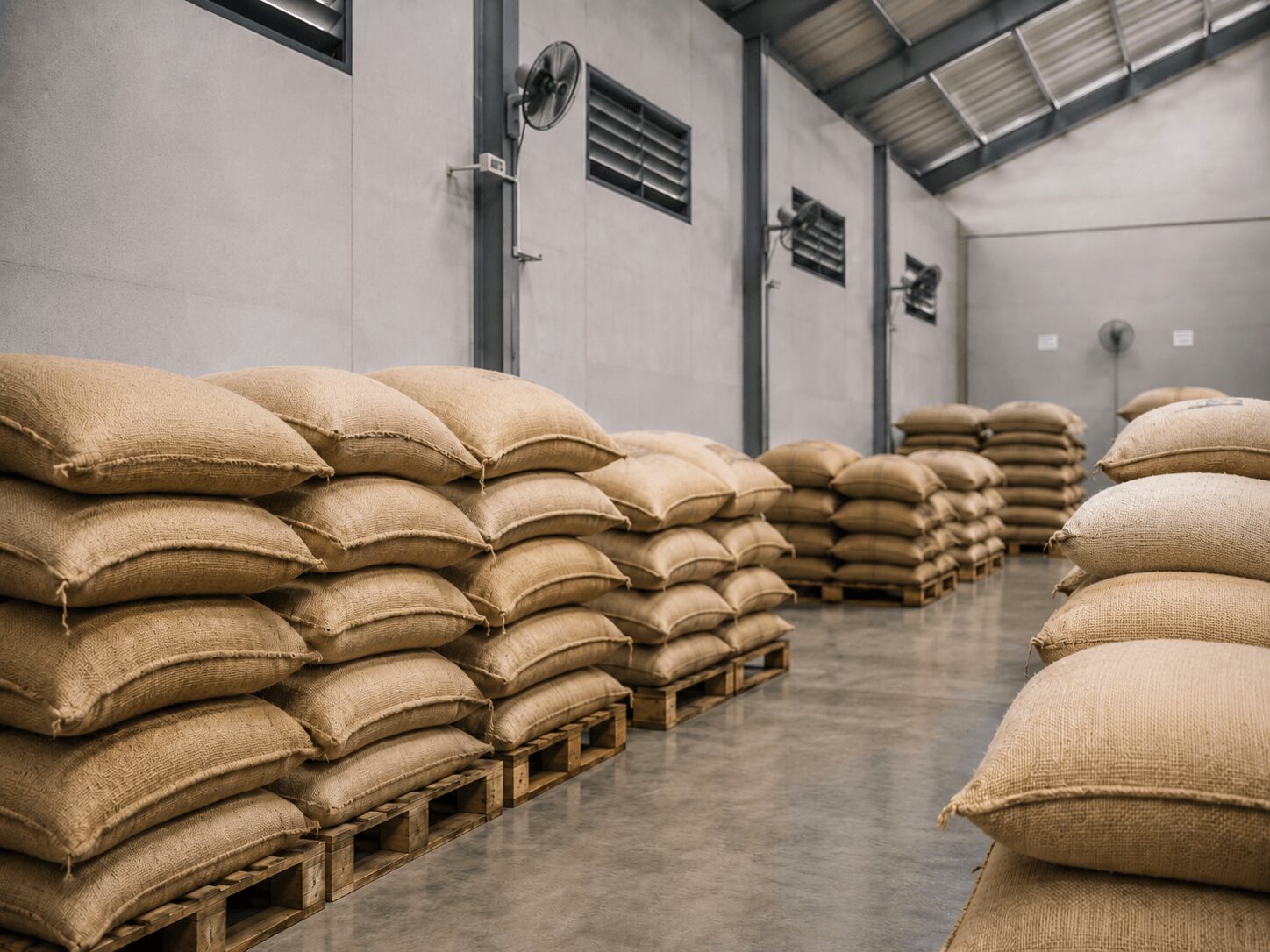
Pests often develop strongly when favorable conditions are present, such as:
- High coffee moisture content.
- Poorly ventilated and damp warehouses.
- Goods are stored for a long period.
- Residual dust, coffee husks, or spilled materials.
In addition, sources of infestation may come from transport vehicles, newly received materials, old packaging and pallets, or other storage areas within the supply chain.
4. Effective solutions for coffee storage in warehouses
Control the moisture content of coffee beans
Coffee beans should be sun-dried or mechanically dried to the appropriate moisture level before being placed in storage. This is one of the important measures to help limit the risk of mold development and create unfavorable conditions for many pest species.
Maintain suitable warehouse conditions
Storage warehouses should be cleaned regularly, kept well ventilated, and designed to limit areas where moisture may accumulate. Businesses are also encouraged to separate areas for raw materials, finished goods, packaging, pallets, and other storage items.
Regular monitoring helps detect early signs of insects before applying strong treatment measures such as full-warehouse fumigation.
Control sources of infestation from incoming goods
Businesses should further strengthen insect control for goods entering the warehouse. When insects are detected, the entire shipment should be isolated and treated immediately to prevent infestation from spreading to other areas.
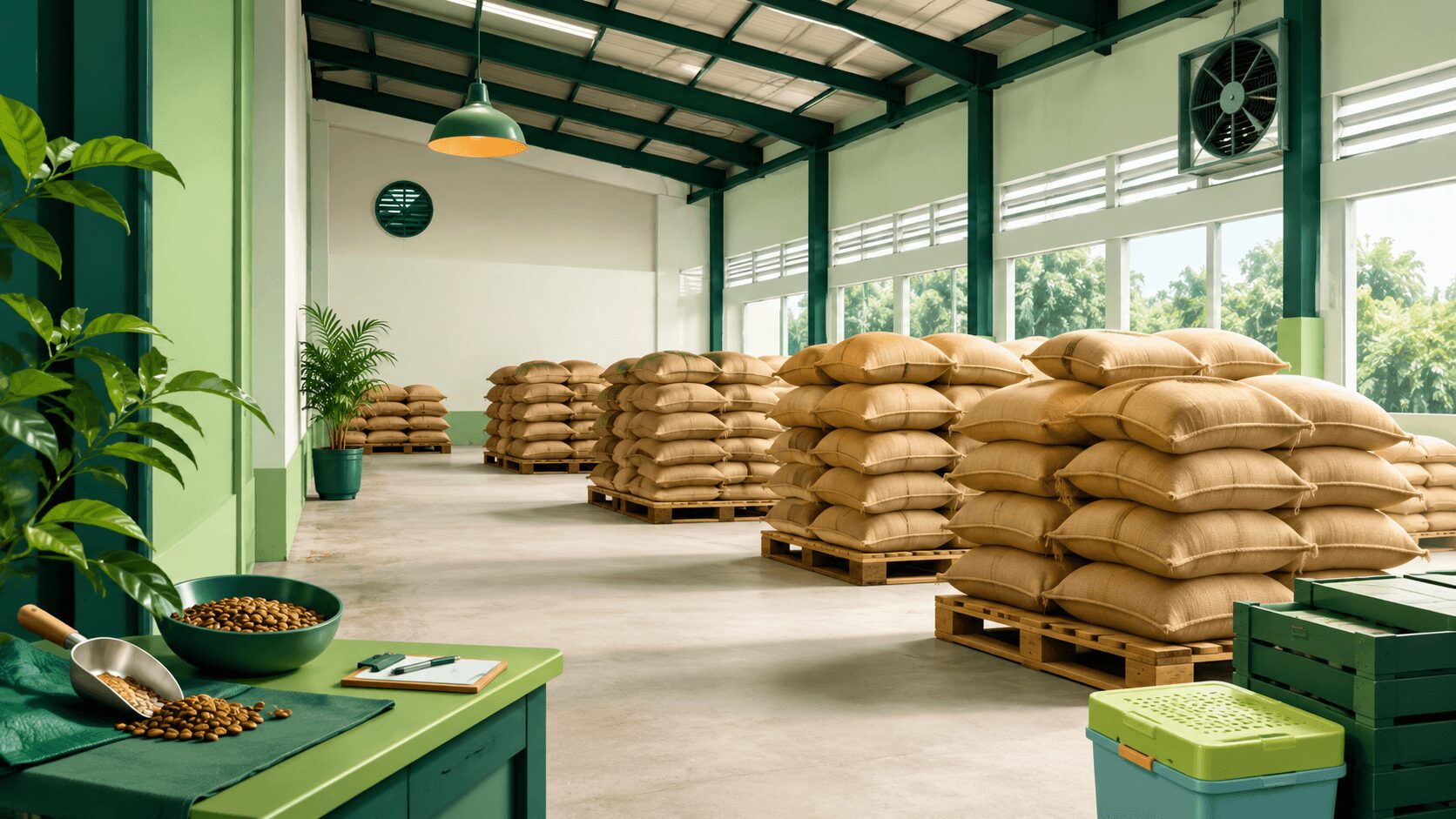
Conduct regular inspection and monitoring
Regular monitoring helps detect early signs of infestation and allows treatment measures to be taken before the entire shipment is affected.
Businesses should also develop a pre-export cargo inspection checklist to detect insect risks early and limit their occurrence during storage.
Control sources of infestation from containers and transport vehicles
Containers, pallets, and packaging should be inspected before use to limit the risk of insects entering the warehouse or contaminating the shipment.
Conduct periodic contact insecticide spraying or before the start of a new crop season
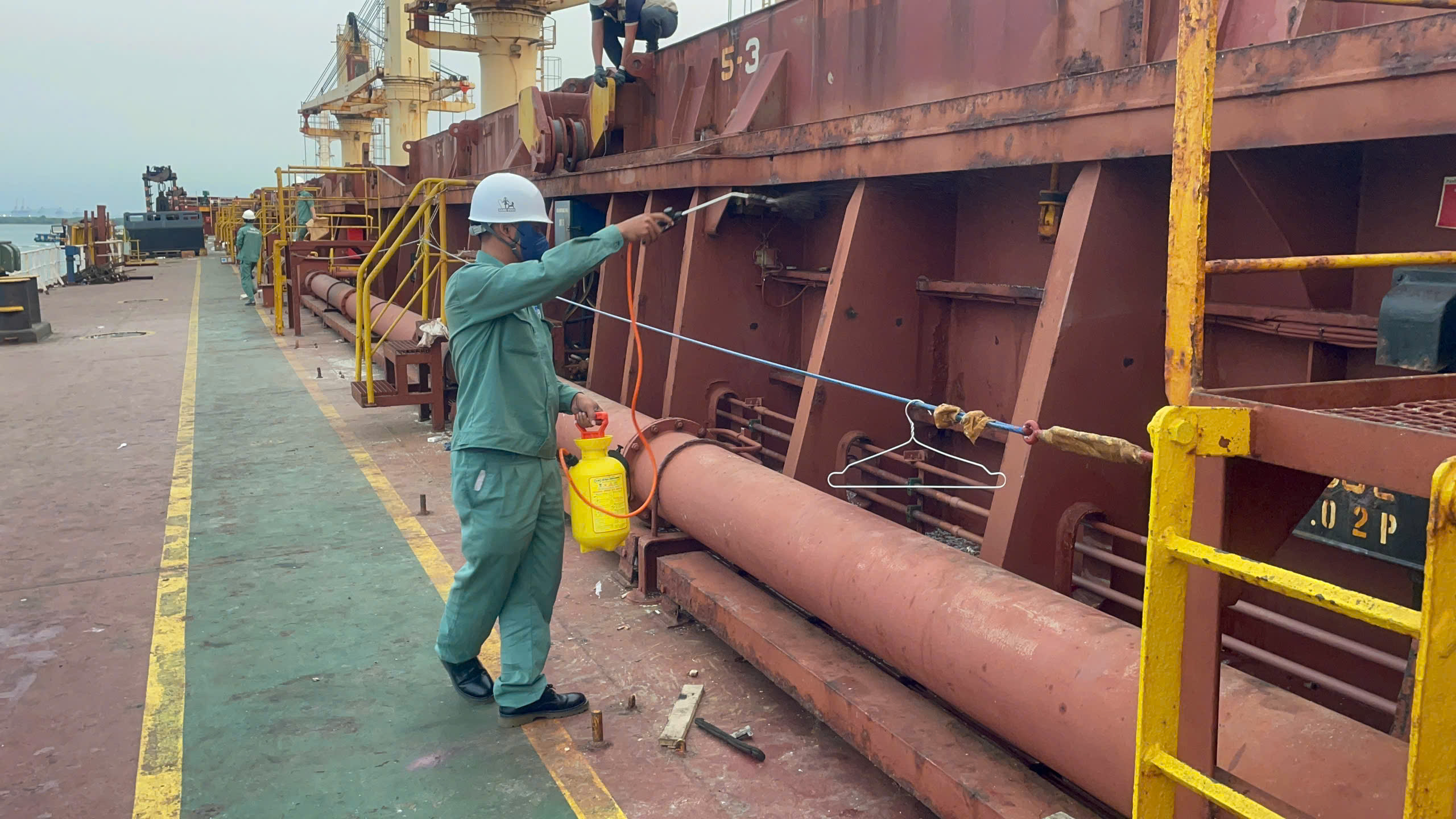
Periodic contact insecticide spraying helps control insect emergence and reinfestation in the warehouse environment. After each crop season, the entire warehouse should be thoroughly cleaned and combined with contact insecticide spraying to control insects remaining in the warehouse and limit reinfestation from the environment after new goods are brought into storage.
You may be interested in: Fumigation for containers và ISPM 15 - Pallet/Wooden packing
5. When is coffee warehouse fumigation needed?
In some cases, regular sanitation and monitoring measures may not be sufficient to control pests.
Businesses should consider coffee warehouse fumigation when:
- Signs of stored-product pests are detected in the warehouse or shipment.
- Goods are stored for a long period.
- The shipment is planned for export.
- Treatment is needed before a new crop season or before receiving a high-value shipment.
Depending on each case, fumigation solutions or other suitable treatment methods may be applied to effectively control pests and limit the risk of reinfestation. In cases where warehouses store large quantities of coffee or storage periods are extended, businesses should consider warehouse and silo fumigation services to thoroughly eliminate pest sources before continuing storage or export.
6. VFC Fumigation accompanies businesses in coffee warehouse storage
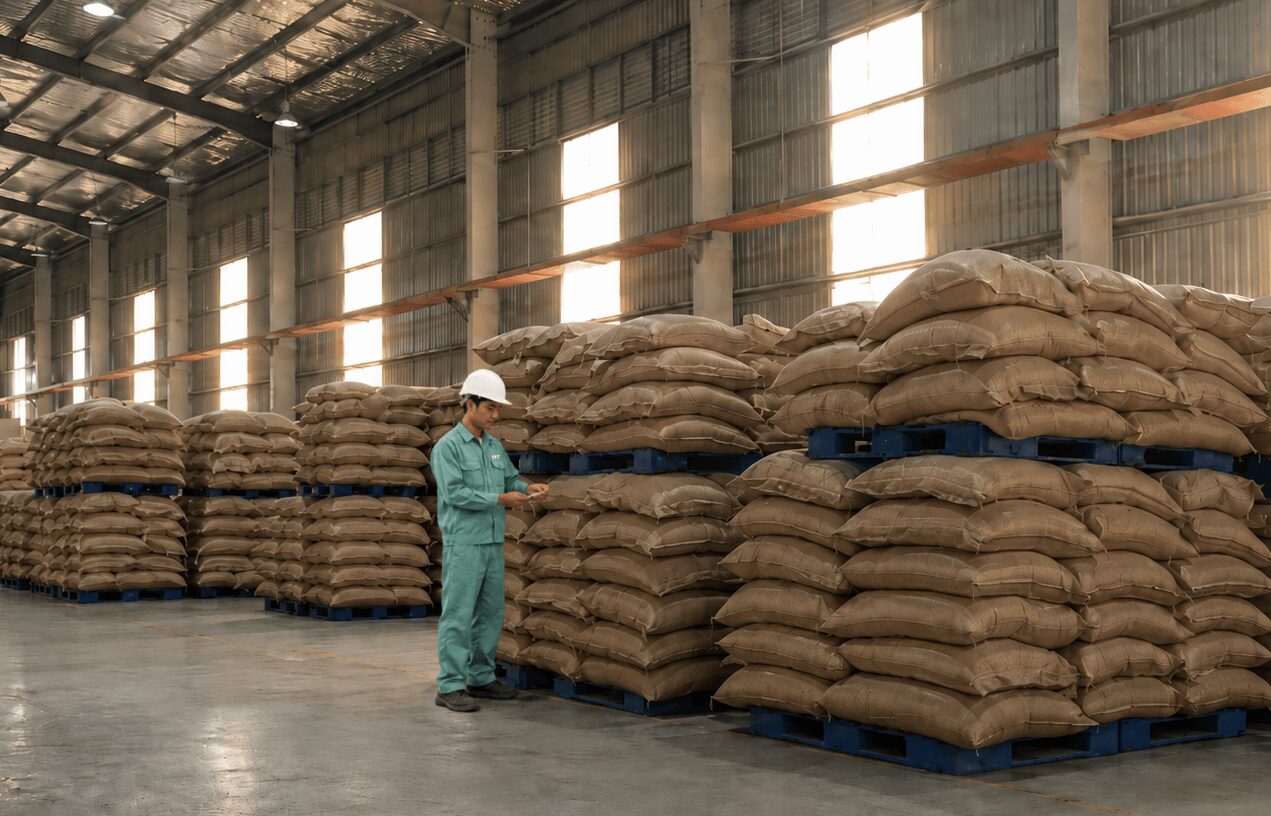
For coffee production and export businesses, pest control should not only begin when weevils or signs of insect infestation are detected in the warehouse. Instead, it should be considered part of a product quality management program, helping limit risks during storage, protect product quality, and maintain the commercial value of the shipment.
In addition to controlling moisture, maintaining warehouse sanitation, and conducting regular monitoring, businesses also need to have appropriate treatment plans when infestation risks are detected or before important storage stages. Proactive prevention and pest control will help minimize losses while supporting compliance with increasingly strict requirements in both domestic and export markets.
VFC Fumigation currently provides solutions to support businesses in coffee warehouse storage, including:
- Training and consulting on integrated pest control in warehouses.
- Fumigation of shipments in warehouses.
- Export Cargo Fumigation
- Periodic contact insecticide spraying.
- Supporting storage solutions during warehousing and transportation.
If your business is looking for a suitable pest control solution for coffee warehouses or needs consultation on a fumigation plan, the expert team at VFC Fumigation is ready to support site assessment and propose solutions suitable for each specific storage condition.
If businesses need advice on coffee storage warehouse fumigation solutions, warehouse pest control, or preparing coffee shipments for export, VFC is ready to support site assessments and propose plans suitable for each type of commodity.
Hotline: 0914773300
Email: contact@fumigation.vn

Tags
Featured Knowledge



Related Knowledge