





Category:
Standards & Regulations

Published date:
31/03/2026
Share




In the context of increasingly stringent global biosecurity regulations, cargo fumigation is no longer just an administrative procedure—it has become a mandatory "passport" for bringing products into international markets. This article provides a detailed summary of the types of goods that require fumigation before export and the key regulations that businesses must understand.
1. What is export cargo fumigation, and why is it important?
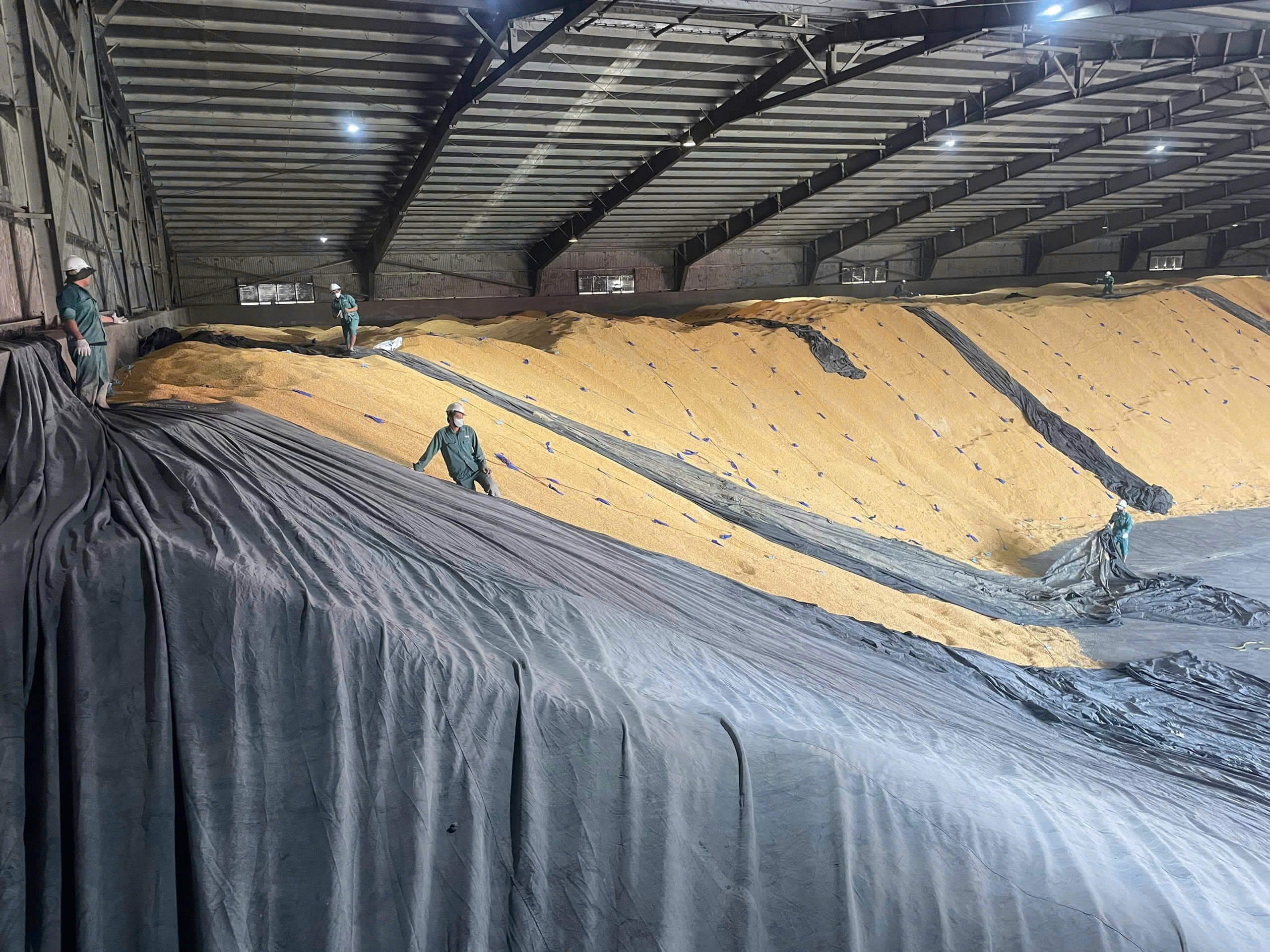
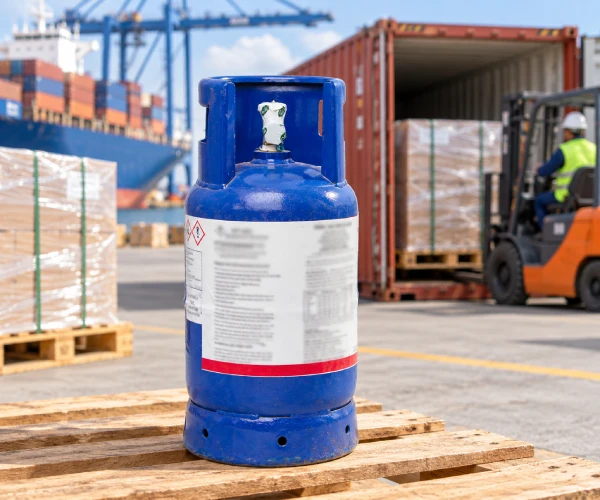
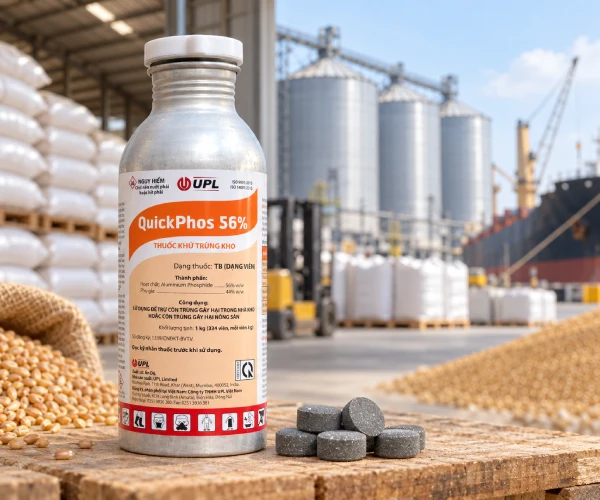
Fumigation is a method of using gaseous chemicals in an enclosed space to eradicate pests such as insects, weevils, and mold residing in cargo, packaging, or containers at the time of treatment. This process typically utilizes fumigants like Phosphine (PH₃) or Methyl Bromide (CH₃Br), which are capable of eliminating pests at all developmental stages (from eggs, larvae, and pupae to adults).
Fumigation is critical for three main reasons:
- Compliance with international quarantine regulations (SPS)
Importing nations establish technical barriers to prevent the introduction of invasive species, protecting their domestic ecosystems and agriculture. A Fumigation Certificate is a mandatory document for customs clearance.
- Eliminating pests before transit
During storage, packing, or domestic transport, cargo may unknowingly become infested. Fumigation ensures the thorough treatment of pests currently present in the goods, minimizing the risk of issues during long-distance international shipping.
(Note: Fumigants don't provide residual protection to safeguard goods over the long term after treatment.)
- Mitigating logistics risks:
Minimizes incidents such as shipment detention at ports, skyrocketing storage fees, loss of reputation with partners, or contract cancellations. The costs associated with handling these incidents are far higher than the initial cost of fumigation.
Learn more: Methyl Bromide (MB) gas detector and Phosphine (Ph₃) gas detector
2. Types of goods required to undergo fumigation before export
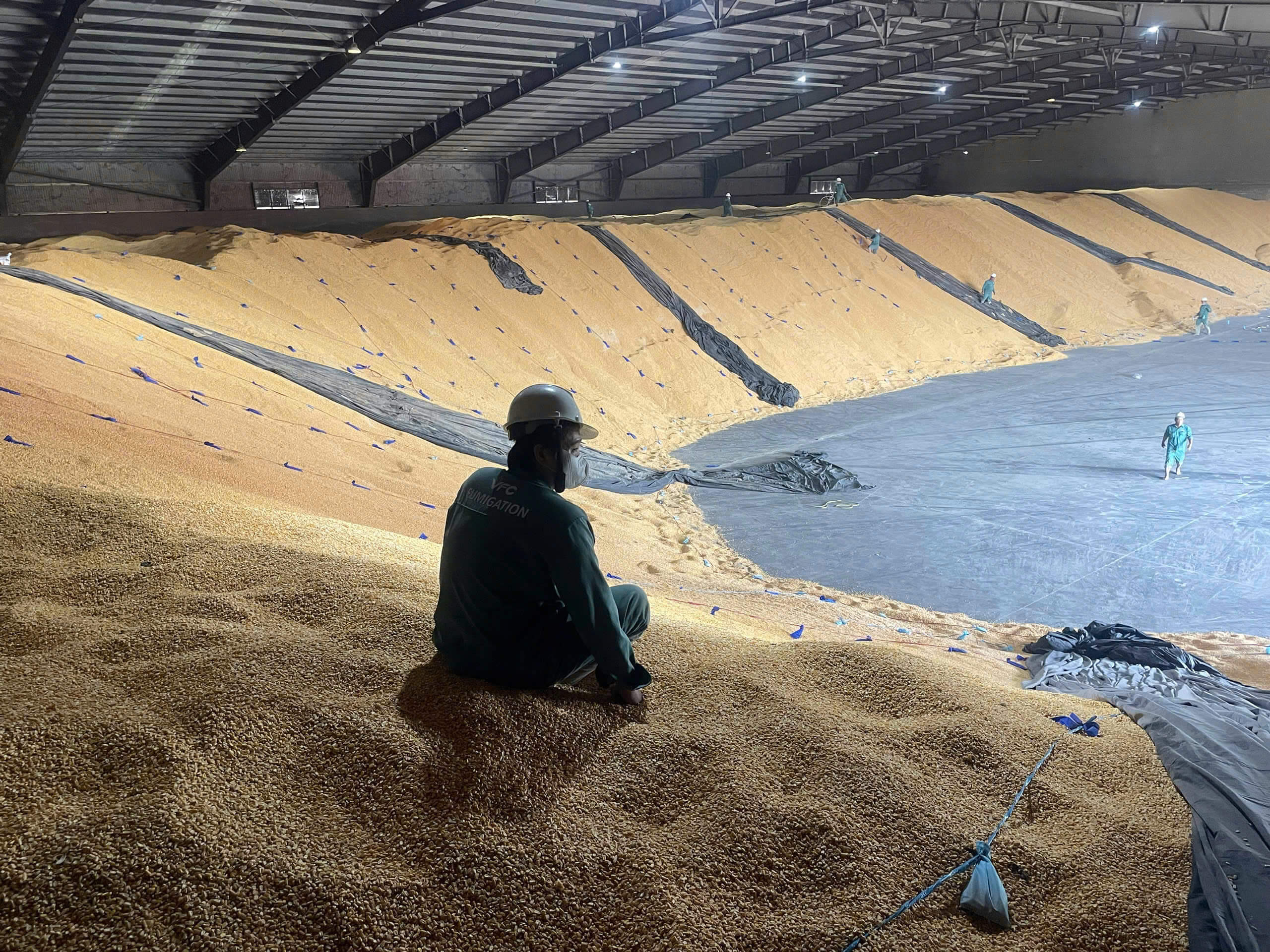
2.1. Agricultural products
Agricultural products are the most "sensitive" group and carry the highest risk of containing live insects, larvae, and mold due to their high nutritional content and natural moisture.
- Cereals, nuts, and spices: Rice, coffee, pepper, cashews, almonds, ginger, cinnamon, and star anise. These items are highly susceptible to warehouse pests such as the Rice Weevil (Sitophilus oryzae), Maize Weevil (Sitophilus zeamais), and Red Flour Beetle (Tribolium castaneum).
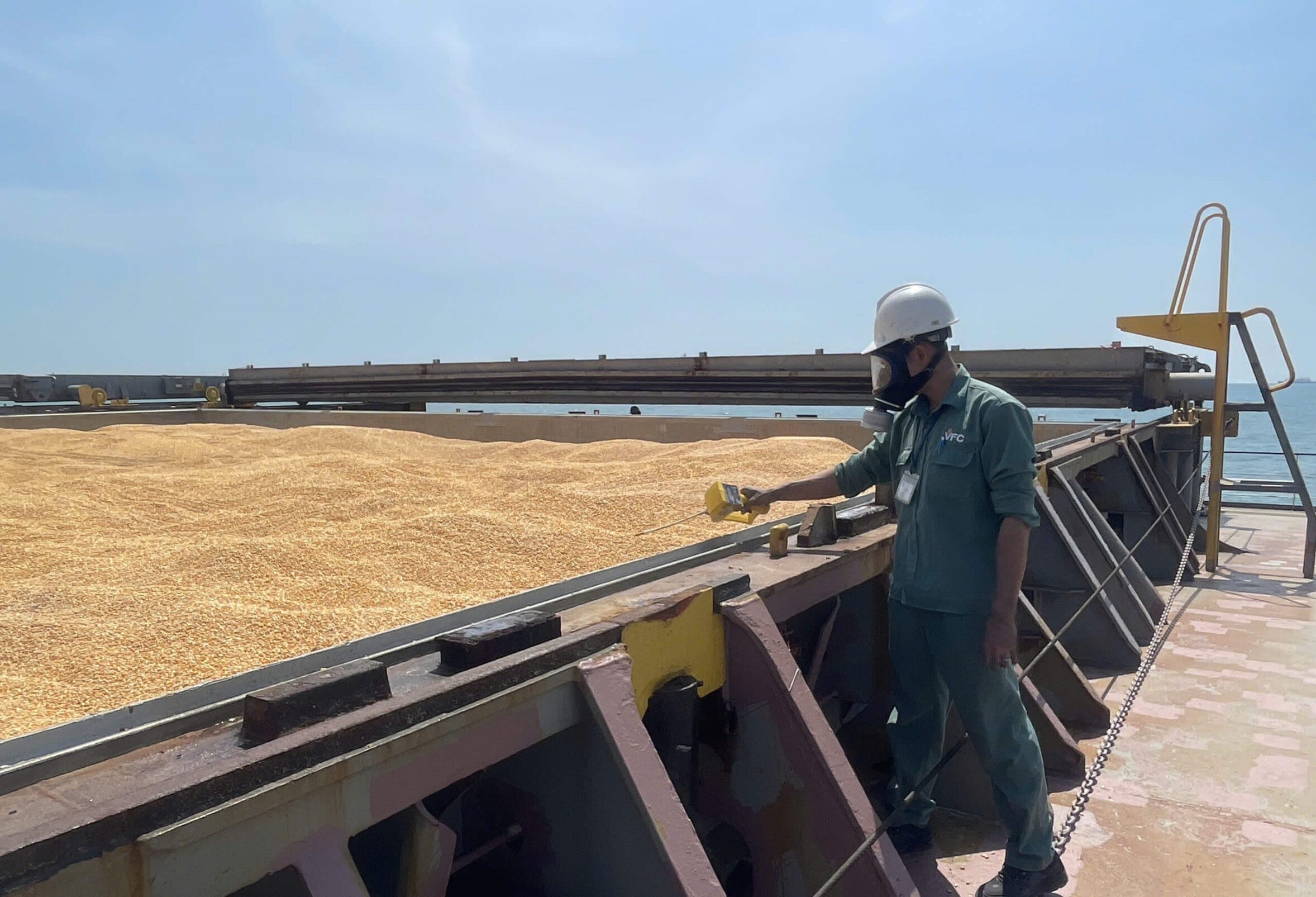
- Cassava chips and animal feed materials : Often transported as bulk cargo in large volumes, these are prone to pests like the Coffee Bean Weevil (Araecerus fasciculatus) and Flat Grain Beetles (Cryptolestes spp.), necessitating mandatory fumigation.
- Fresh fruits and vegetables: Markets such as the USA and Australia require heat treatment, irradiation, or Methyl Bromide fumigation to eradicate fruit flies. This process demands high technical expertise to ensure the fruit is not "chemically burned" or damaged.
You may also be interested in: Comprehensive Fumigation Solutions from VFC: The Key to Customs Clearance and Protecting Vietnamese Agricultural Products
2.2. Wood products and Wood Packaging Materials (WPM)
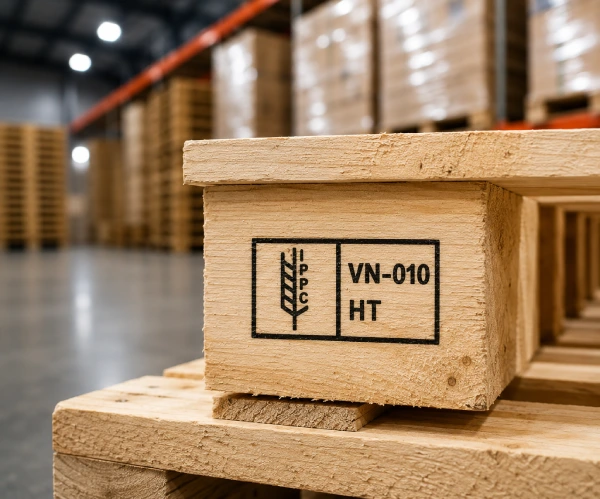
Natural wood is an ideal habitat for wood borers, stem borers, and larvae. Wood-based dunnage is strictly regulated globally under the ISPM 15 standard.
- Wood products: Furniture, tables, chairs, cabinets, and handicrafts must undergo fumigation.
- Packaging and dunnage materials: Including wooden pallets, crates, racks, and dunnage bars. Even if your main product is machinery or electronics, if wooden pallets are used, the entire shipment must be fumigated. The wood must be Heat Treated (HT) or fumigated with Methyl Bromide and bear the valid ISPM 15 stamp on each pallet. Without this, the cargo may be refused entry or the pallets may be mandatorily destroyed.
>> Learn more: ISPM 15 - Pallet/Woodeb packing
2.3. Other commonly overlooked goods
Many businesses mistakenly believe only agricultural products and wood need treatment. In reality, quarantine regulations also apply to:
- Livestock and poultry feed (susceptible to weevils).
- Textiles and footwear derived from natural cotton fibers (prone to insect infestation).
- Handicrafts made from sedge, rattan, bamboo, or leaves (highly susceptible to pest damage).
- Any other goods required by the importing country.
3. Notes on strict import markets
Businesses must pay special attention to the requirements of each importing country:
- USA and Canada: Strictly control invasive species.
- Australia and New Zealand: Known as the most demanding markets with extremely rigorous biosecurity quarantine requirements.
- European Union (EU): Applies uniform standards across the bloc with very strict controls on residual chemical levels after fumigation.
- Japan and South Korea: Require clear, explicit fumigation certificates and conduct meticulous inspections of packaging and agricultural products.
See more: Import cargo fumigation service
4. The professional international-standard fumigation process
To ensure safety and customs eligibility, a professional fumigation process typically includes:
Survey and Consultation: Determining the cargo type, volume, destination, and infestation level.
Treatment Planning: Developing plans for airtight sealing, fumigant placement/injection, choosing appropriate chemicals, and using specialized tarpaulins or sealing materials.
Fumigation Execution: Deploying certified technicians to perform sealing, fumigant injection/placement, etc.
Fumigation and Monitoring: Placing warning signs to keep unauthorized personnel away and monitoring gas concentration throughout the exposure period.
Aeration and Clearance: After fumigation, the tarpaulin/container is opened, and residual gas levels are checked using specialized equipment to ensure worker safety. Fumigation materials and Aluminum Phosphide (AlP) residues are collected and disposed of according to regulations. Finally, the results are verified with the client before handing over the cargo/container.
Issuance of a Fumigation Certificate: Providing valid legal documentation for businesses to complete customs clearance procedures.
5. VFC Fumigation – A trusted partner for fumigation services
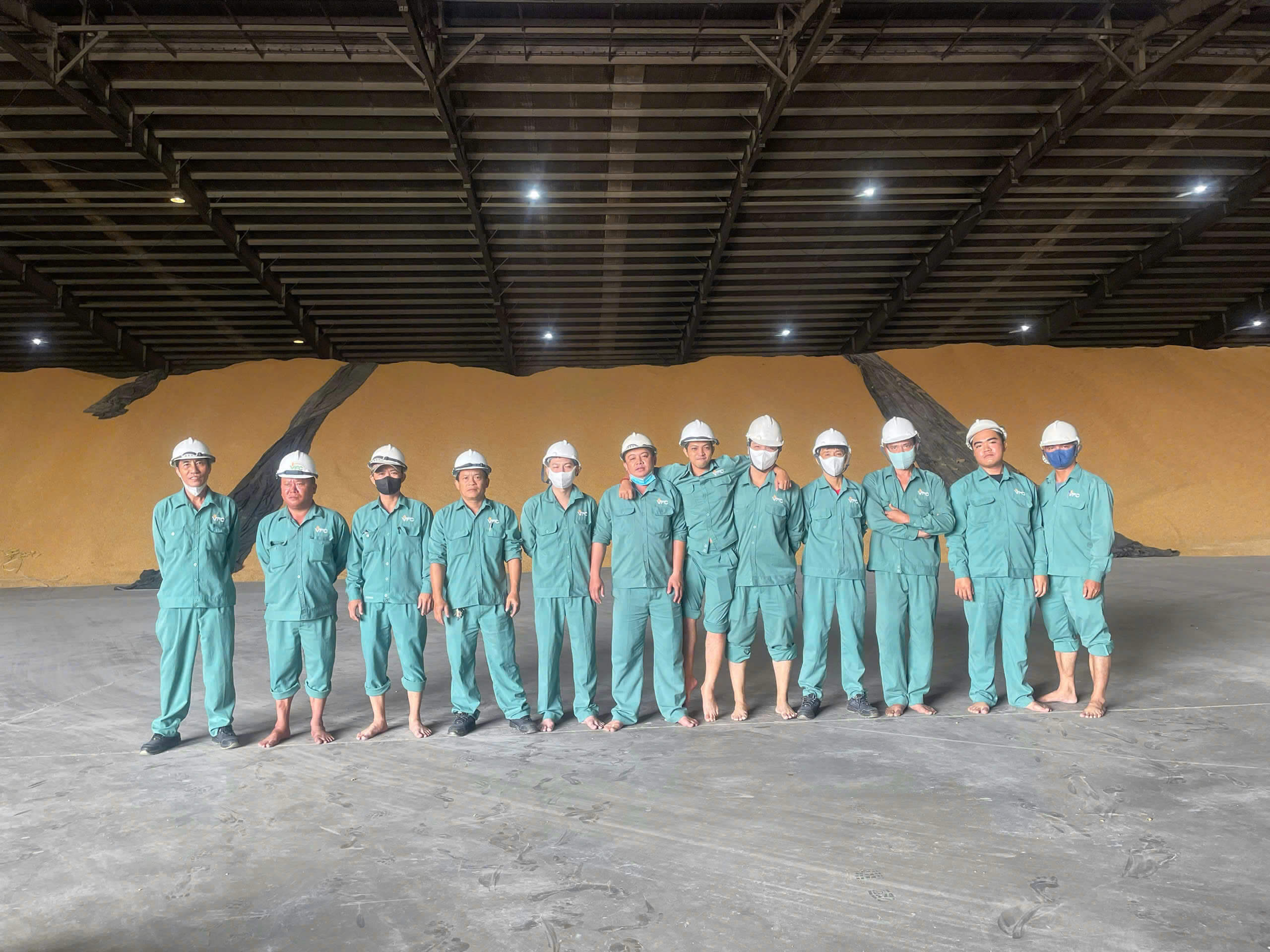
In the export industry, the reputation of the fumigation provider determines the value of the Certificate at the port of destination. VFC Fumigation is proud to be an industry leader, offering optimal solutions for businesses:
- Extensive Experience: Thoroughly understanding the quarantine "rules of the game" for every country worldwide.
- Extensive Network: Operating at most major seaports and industrial zones in Vietnam (Cat Lai, Cai Mep, Hai Phong...), supporting clients 24/7.
- Globally Valid Certificates: Certificates issued by VFC are accepted by international quarantine authorities, facilitating smooth customs clearance.
- International Standards: Ensuring compliance with international protocols to guarantee pest control efficacy while maintaining human health and environmental safety.
See more: Fumigation Services by VFC Fumigation
Businesses should proactively arrange for fumigation at least 2–7 days before vessel departure to allow sufficient time for gas exposure and documentation completion. If you are exporting large quantities of agricultural products, using wooden pallets, or are unsure about the requirements of your destination market, contact a professional service provider for the most accurate guidance. Proper fumigation is a comprehensive insurance policy for the value of your shipment.
You may be interested: Export cargo fumigation: 7 critical mistakes and risks businesses need to know in 2026

Tags
Featured Knowledge

Related Knowledge