





Category:
Fumigation by Market

Published date:
30/06/2026
Share




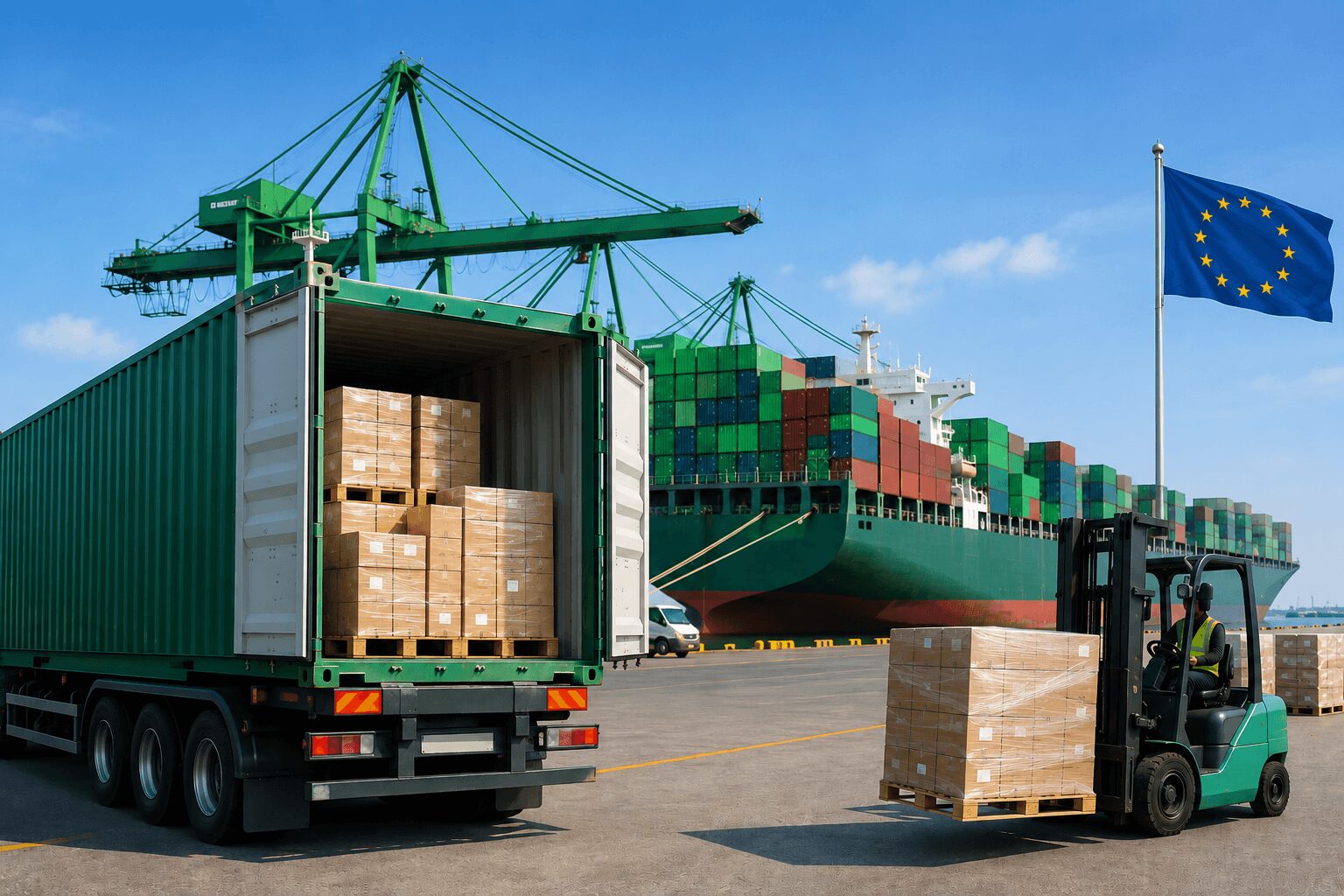
Fumigating cargo exported to the EU is an important step in the process of preparing commodities before export. However, many incidents that arise do not stem from the technical treatment process but originate from the preparation stage, such as inaccurate container information, wood packaging materials failing to meet requirements, or the implementation plan being too close to the closing time. A complete checklist will help businesses proactively control risks, coordinate effectively with the fumigation unit, and limit unnecessary occurrences.
Why is thorough preparation needed before fumigating cargo exported to the EU?
For many export enterprises, fumigation is often considered the final step before finalizing documentation and bringing cargo to the port. In reality, the effectiveness of the treatment process depends heavily on the prior preparation work. When information regarding commodities, containers, and transport plans is aligned from the start, the technical unit can implement the correct procedure on time and issue certificates as planned.
Conversely, if preparation lacks synchronicity, businesses may have to adjust multiple items during the treatment process. Just a small change, such as changing the container number, replacing wooden pallets, or delaying the loading schedule, can cause the plan to be rearranged. This not only incurs additional costs but also affects the delivery schedule, especially for shipments with urgent transit times.
For the European market, phytosanitary requirements, wood packaging materials, and technical dossiers are always strictly controlled. Thorough preparation before fumigating cargo exported to the EU helps businesses reduce the risk of having to re-treat, while facilitating the customs clearance process at the import port.
Risks that businesses commonly face if they skip the inspection step
Many issues arising during the export process do not stem from the fumigation technique but come from small errors during preparation. When initial inspection steps are skipped, risks can appear at many different stages, from packing until the container docks at the port.
Incorrect container and documentation information
Information on the fumigation certificate needs to be consistent with the booking, packing list, and related documents. If the container number, seal number, or commodity name is incorrectly entered, businesses will have to request adjustments or the reissuance of the certificate. Although this is a fairly common error, re-processing usually takes extra time and affects the delivery plan.
Substandard wood packaging materials
Wooden pallets, dunnage, or wood packaging materials are a group of items that are frequently overlooked during the inspection process. A pallet that has not been treated according to ISPM 15 standards, still has remaining bark, or shows signs of mold can cause the shipment to encounter difficulties when inspected by quarantine authorities. This is also the content emphasized in the original checklist for cargo exported to the EU.
Treatment plan being too close to the closing time
Some businesses only contact the fumigation unit when the container is already stuffed or about to be brought to the port. At that time, all work from site survey and technical treatment to certificate issuance must be performed within a very short period. If changes regarding the container or ship schedule arise, the export plan may be affected.
Site conditions not being ready
The treatment site is also an important factor but is usually only checked when the technical team is present. Containers not being placed in the correct position, trucks arriving late, or a lack of a coordinating contact person can all extend the implementation time and disrupt the general plan.
Most of the above risks can be limited if businesses prepare a checklist right from the start and coordinate with the fumigation unit before starting treatment.
Quick checklist before fumigating cargo exported to the EU
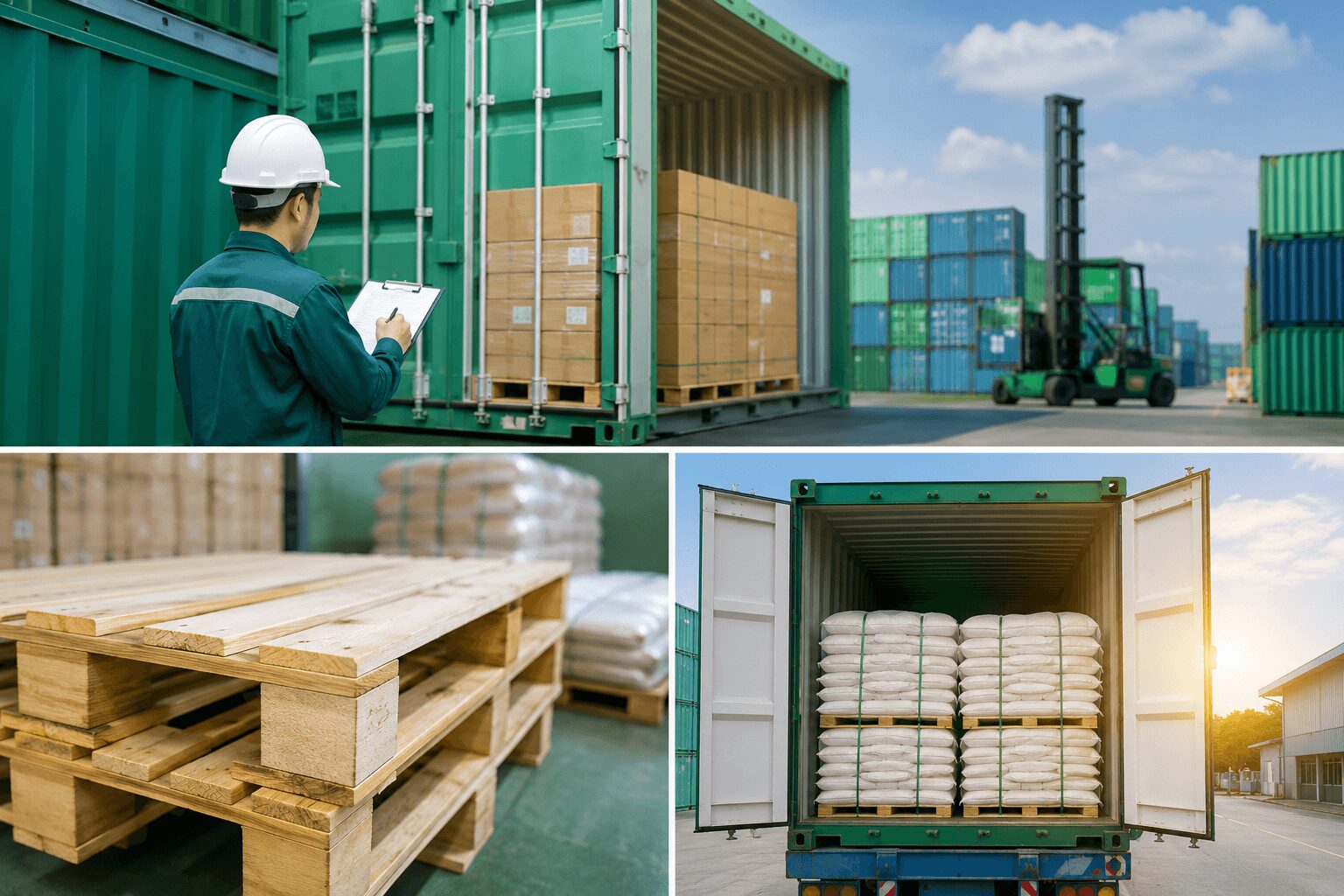
A checklist not only helps businesses fully review the items to be prepared but also creates alignment among the import-export department, warehouse, logistics, forwarder, and the fumigation unit. When all information is confirmed before implementation, the treatment process will proceed more smoothly and significantly reduce the likelihood of errors occurring.
Checking wood packaging materials
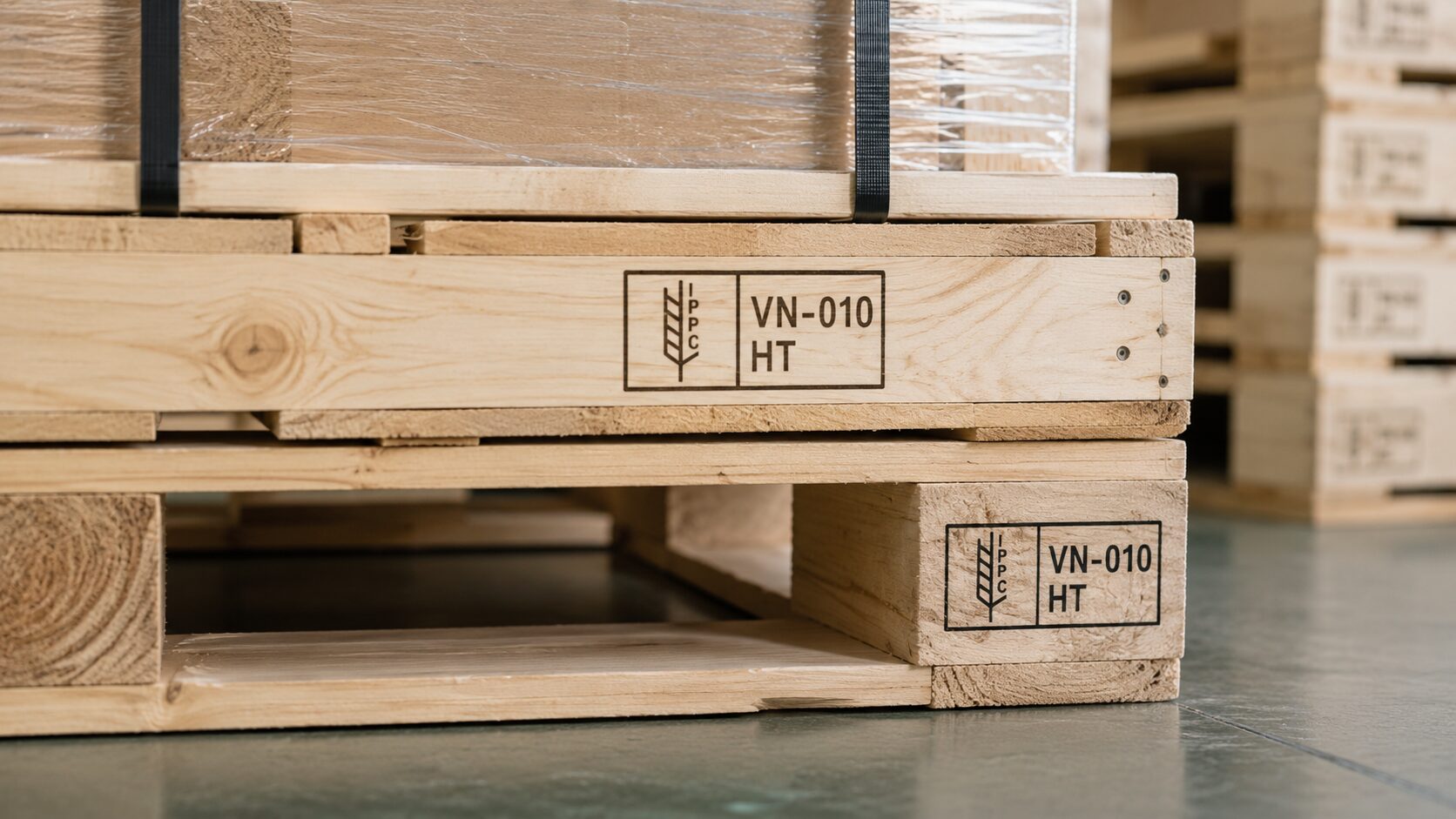
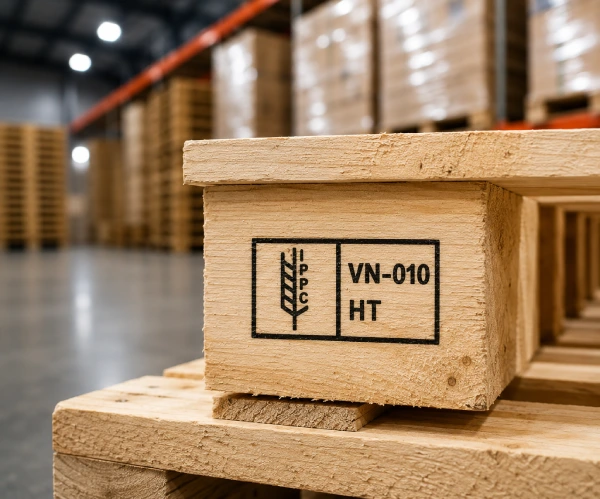
Wood packaging materials are the item that needs to be prioritized for inspection first. Businesses should review all wooden pallets, dunnage, wooden braces, or auxiliary materials used in the container to ensure compliance with ISPM 15 standards. The IPPC mark needs to be clear, easily recognizable, and intact to facilitate inspection when the cargo arrives at the import port.
In addition to the identification mark, the actual condition of the pallets also needs to be evaluated. Pallets showing signs of mold, remaining bark, the appearance of weevils, or damage should be replaced before loading goods. If new pallets arise at the last minute, businesses also need to confirm that the pallets have been treated according to standards before being put into use.
You may be interested in: ISPM 15 - Pallet/Wooden packing
Cross-checking container and shipment information
efore implementing fumigation for cargo exported to the EU, businesses should re-check all shipment information such as the container number, seal number, commodity name, weight, treatment location, and import market. These are the data that will be used to establish certificates and related documents.
Early cross-checking helps detect discrepancies before treatment. When all information is aligned, businesses will limit the situation of having to correct certificates or adjust records after the fumigation process is completed.
Sai thông tin container là một trong những sai lầm phổ biến khi khử trùng hàng xuất khẩu, khiến doanh nghiệp phải chỉnh sửa chứng thư hoặc cấp lại hồ sơ.
Confirming implementation time
Time is a factor that directly affects the efficiency of the export plan. Businesses should agree on the loading schedule, the time trucks enter the yard, the fumigation timing, and the closing schedule right from the start so that all parties have enough time to prepare.
Proactively planning helps the technical unit arrange personnel, equipment, and fully execute the steps according to the procedure, while reducing the risk of incurring costs due to last-minute schedule changes.
Checking cargo conditions before treatment
Each commodity group has different characteristics, so the same treatment plan cannot be applied across the board. Before fumigating cargo exported to the EU, businesses need to provide full information regarding the commodity type, packaging specification, weight, cargo density, and storage time. This serves as the basis for the technical unit to evaluate actual conditions, and businesses should select an export cargo fumigation provider with experience in the EU market, clear implementation procedures, and a transparent certificate management system..
For agricultural products, animal feed materials, coffee, cashew nuts, or plant-derived products, businesses should also check the dryness of the commodities before container stuffing. Cargo with high moisture content not only affects quality during transit but also increases the risk of mold arising or creates conditions for pests to develop if preservation is not well-controlled.
If goods have been stored for a long time, the actual condition should be re-checked before fumigation. Early detection of abnormal signs will help businesses proactively handle them instead of waiting until the cargo is already on board or arrives at the import port.
See more: Types of goods commonly required to undergo fumigation before export
Preparing the site before implementation
The site is a factor that directly affects fumigation progress but is usually only given attention when the technical team is present. To avoid wasting time waiting, businesses should confirm in advance the container location, treatment area, the time trucks enter the yard, and the coordinating contact at the site.
If containers are placed in hard-to-reach areas or constantly change positions, the implementation process may take longer than expected. In some cases, last-minute plan changes also affect the schedule of transport vehicles and packing progress.
In addition to site factors, businesses should also notify in advance if there are special requirements related to safety, warehouse regulations, or working hours. When all parties clearly understand the plan, the fumigation process for cargo exported to the EU will proceed smoothly and limit unnecessary complications.
Checking records and certificates
After completing the treatment, the fumigation certificate is one of the important documents in the export documentation set. Businesses should re-check all information before the certificate is officially issued.
The contents to be cross-checked include the business name, container number, seal number, commodity name, treatment date, and information required by the import market. If errors are detected after the certificate has been issued, corrections usually take extra time and can affect the customs clearance plan.
Thoroughly checking records right from the start also helps businesses reduce pressure when working with partners or quarantine authorities if information needs to be cross-checked during transit.
Businesses should also prioritize selecting a provider with a transparent fumigation certificate management system, making verification and record retrieval more convenient when cross-checking is required.
Final review before the container leaves the warehouse
Before the container is brought to the port, businesses should perform an overall inspection to ensure all items have been completed according to plan.
This is the appropriate time to re-confirm the condition of wooden pallets, container number, seal number, technical dossiers, fumigation certificate, and transport plan. A final review step takes only a few minutes but can help detect small errors before the shipment begins its journey.
For regular exporting businesses, establishing a unified inspection process among the warehouse, import-export, logistics departments, and the fumigation unit will significantly reduce repeated errors while improving coordination efficiency throughout the entire operational chain.
Even a minor mistake in the final step can lead to legal risks when exporting to the EU, affecting customs clearance plans.
Some notes to help the fumigation process for cargo exported to the EU proceed smoothly
In addition to the inspection checklist, businesses should also proactively plan fumigation as soon as the loading schedule is confirmed instead of waiting until close to the export date. Early communication helps the technical unit prepare adequate personnel, equipment, and arrange timing compatible with the transport plan.
During the preparation process, any changes related to the container number, loading schedule, treatment location, or type of goods need to be notified promptly. Changes that seem small can affect the certificate or implementation plan if not updated.
Businesses should also re-check wood packaging materials before putting them into the container, even when pallets are replaced during the packing process. Using pallets that do not meet standards or have unknown origins can create risks during the quarantine process in the importing country.
Finally, it is advisable to choose a unit with experience in the field of fumigating cargo exported to the EU and a clear documentation management process. Besides performing technical treatment, the service provider needs to support businesses in checking documents, advising on market requirements, and coordinating treatment when there are changes in the export plan.
VFC Fumigation – Partnering with businesses exporting to the EU
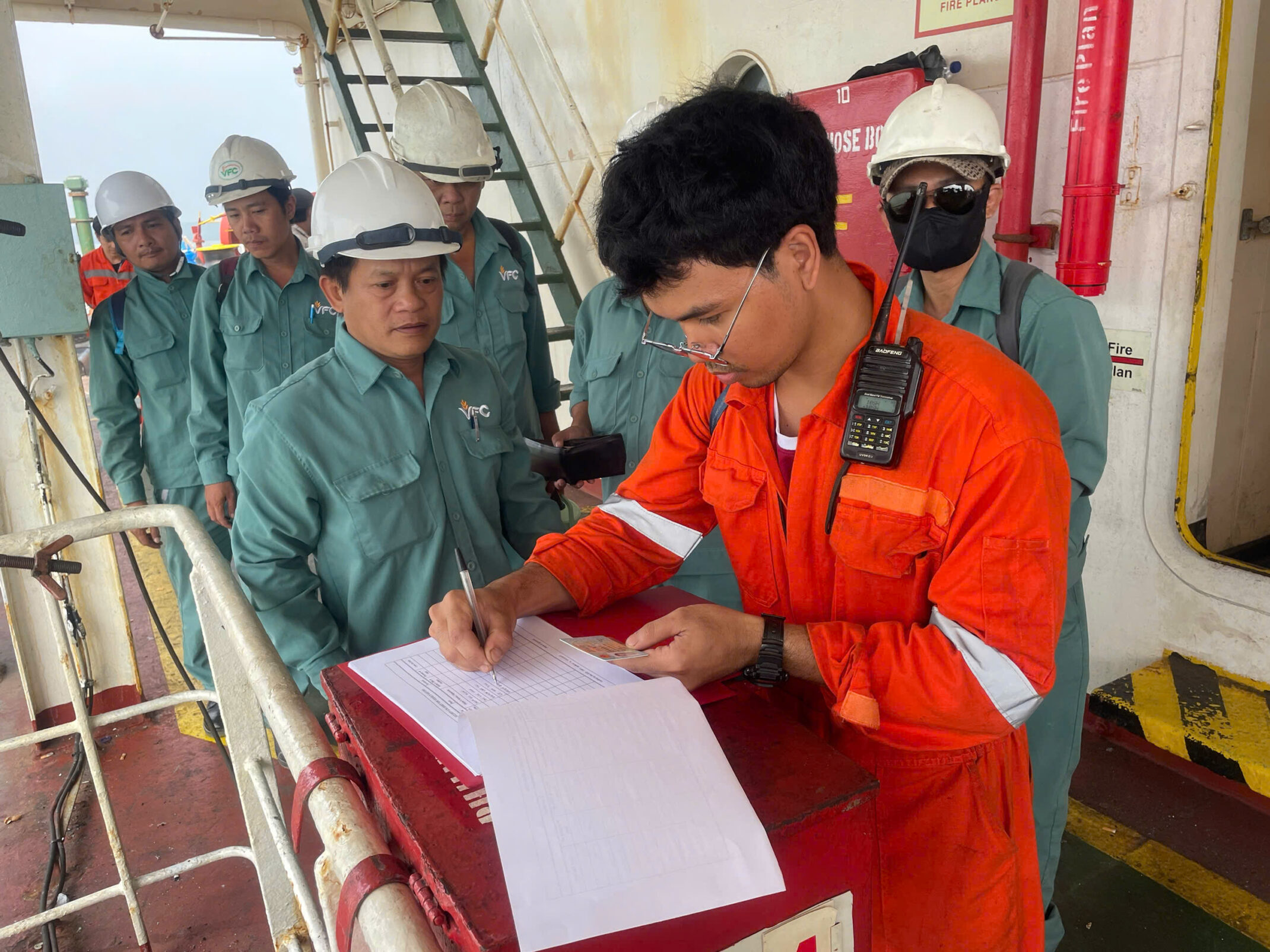
VFC fumigation provides export cargo fumigation services for many commodity groups and many international markets, including countries belonging to the European Union. The technical team implements according to standard procedures, combined with a clear data and certificate management system to support businesses in meeting quarantine requirements and reducing risks during the customs clearance process.
You may be interested in: Export cargo fumigation in containers
Besides the fumigation service for cargo exported to the EU, VFC fumigation also advises on wood packaging materials according to ISPM 15 standards, supports technical dossier preparation, and coordinates with businesses throughout the treatment process. Correct preparation right from the start helps limit complications regarding documentation and progress, and creates favorable conditions for the shipment on its journey to the import market.
Hotline: 0914773300
Email: contact@fumigation.vn
Featured Knowledge

Related Knowledge