









 SECTION
01
SECTION
01
Grain Mite – The Tiny Invader That Reduces the Quality of Export Agricultural Products

Category:
Fumigation by Industry Sector

Published date:
10/02/2026
Share
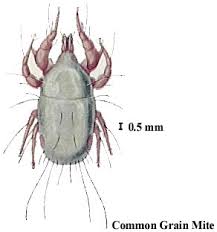
Grain Mite – Acarus siro belongs to the genus Acarus, family Acaridae, order Sarcoptiformes, subclass Acari (also known as Acarina), class Arachnida, phylum Arthropoda, and kingdom Animalia. Therefore, mites belong to the class Arachnida (having eight legs) rather than the class Insecta (which have six legs). However, during their life cycle, mites pass through a larval stage that has only six legs. Grain mites are pale to grayish-white in color, with legs ranging from light yellow to reddish-brown. Each leg ends in a small hook-like structure. They are extremely small, typically measuring around 0.5 mm, making them difficult to detect with the naked eye. Under heavy infestations, mites may aggregate into moving light-brown masses and produce a distinctive unpleasant odor often described as a “lemongrass-like smell.” They can also cause skin irritation and itching upon contact.
Mites have a pale or grayish-white color, with legs ranging from pale yellow to reddish-brown, each leg bearing a claw at its tip. Their size is very small, around 0.5 mm, making them difficult to observe with the naked eye. Under severe Mite infestations, they form mobile light-brown clusters and produce a distinctive, unpleasant "lemongrass scent" that can cause skin irritation and itching.

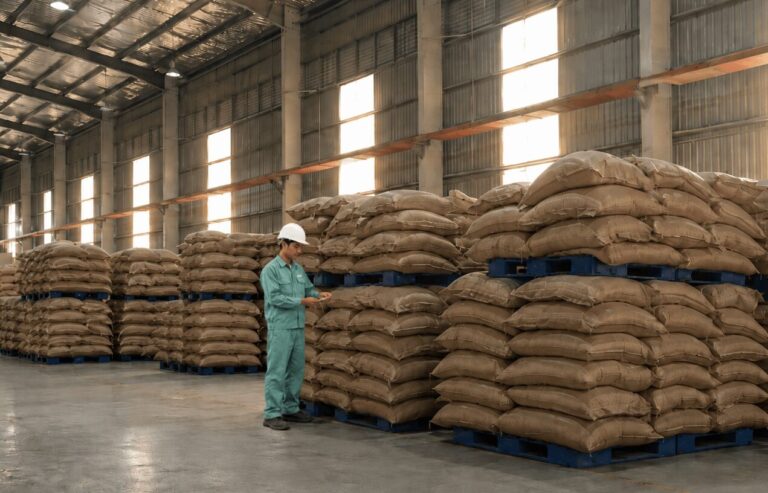
Mites are among the most serious pests infesting processed foods, stored grains, dried plant products, cheese, and dried fruits. Their primary food source is the germ (embryo) of grains, although they will also feed on other parts of the kernel as well as molds growing on stored commodities. These mites play a significant role in the spread of various fungal spores throughout bulk-stored products and can facilitate cross-contamination between adjacent lots, increasing the risk of quality deterioration and spoilage during storage.
Grain mites are not the only pests that can affect agricultural shipments. Businesses should also identify the khapra beetle – a plant quarantine pest of Vietnam to avoid missing signs of infestation in warehouses or export goods.
Mites thrive under high-humidity conditions and are frequently associated with the growth of molds and fungi. Under optimal conditions, with temperatures above 25°C and relative humidity exceeding 80%, mites can complete their life cycle in as little as 9–11 days. At temperatures between 17–21°C, the life cycle extends to approximately 17 days. When temperatures range from 10–15°C, development takes about 28 days, while at lower temperatures, the life cycle may extend to nearly two months.
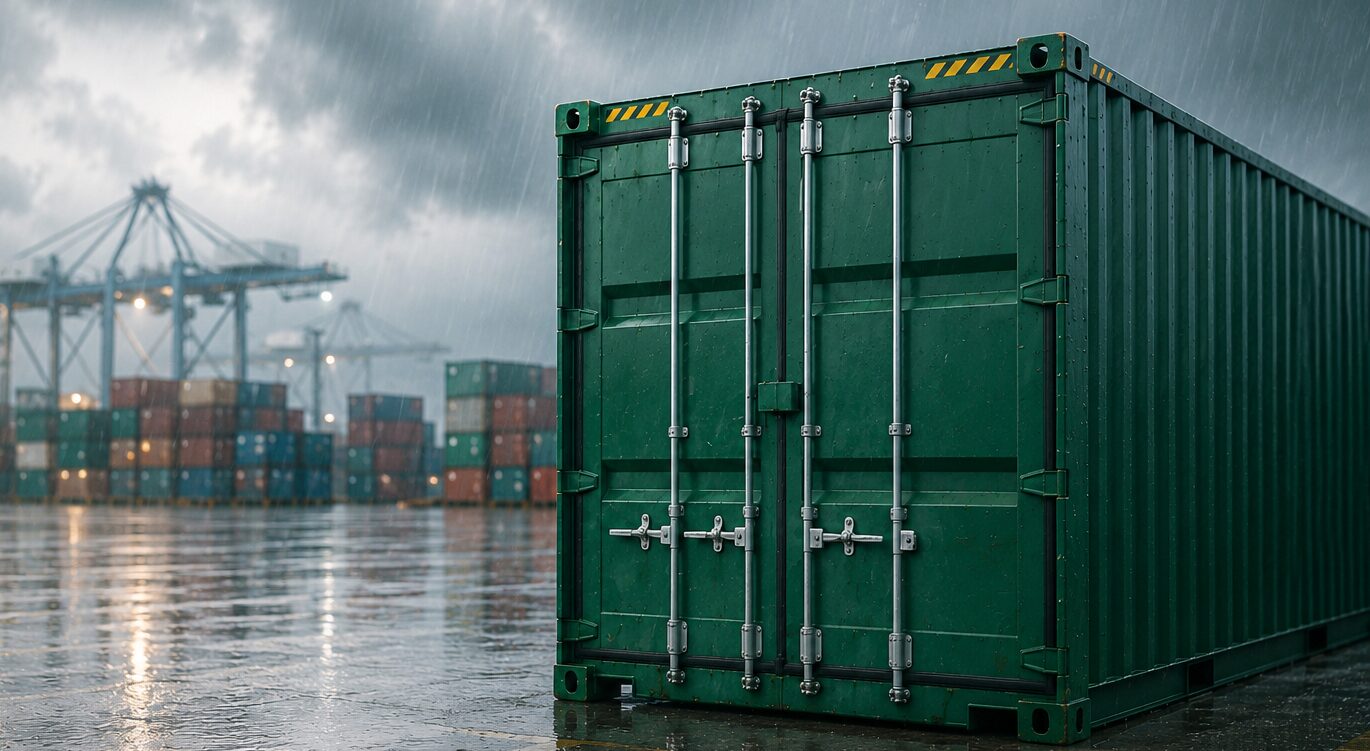
This is also why the risk of re-infestation often increases during rainy seasons, when goods, packaging, and air inside the container easily accumulate moisture. See more on why export goods returned due to pest infestation spike during the rainy season.

Vòng đời Mite
At certain stages of their pre-adult development, mites enter a specialized form known as the “Hypopus” stage. During this unique phase, the mite's body becomes highly hardened and develops suction structures on its underside. These suckers enable the mite to attach itself to insects or other animals, allowing it to disperse from one location to another. Both the eggs and, in particular, the Hypopus stage are more resistant to pesticides than other life stages. This resistance is likely one of the main reasons why mite infestations can reappear even after a fumigation treatment has been considered successful.

Control measures for mites include both non-chemical and chemical approaches. Good sanitation practices, along with effective management of commodity moisture content, storage humidity, and environmental temperature, can help prevent and limit mite infestations. Chemical control may involve the use of contact insecticides. For fumigation with phosphine, the recommended treatment rate is 9–12 g/m³ of aluminum phosphide (AlP) with an exposure period of 10 days. In mite control, extended fumigation periods are particularly important due to the mite's life cycle and the varying levels of tolerance exhibited by different developmental stages, especially the resistant egg and Hypopus stages.
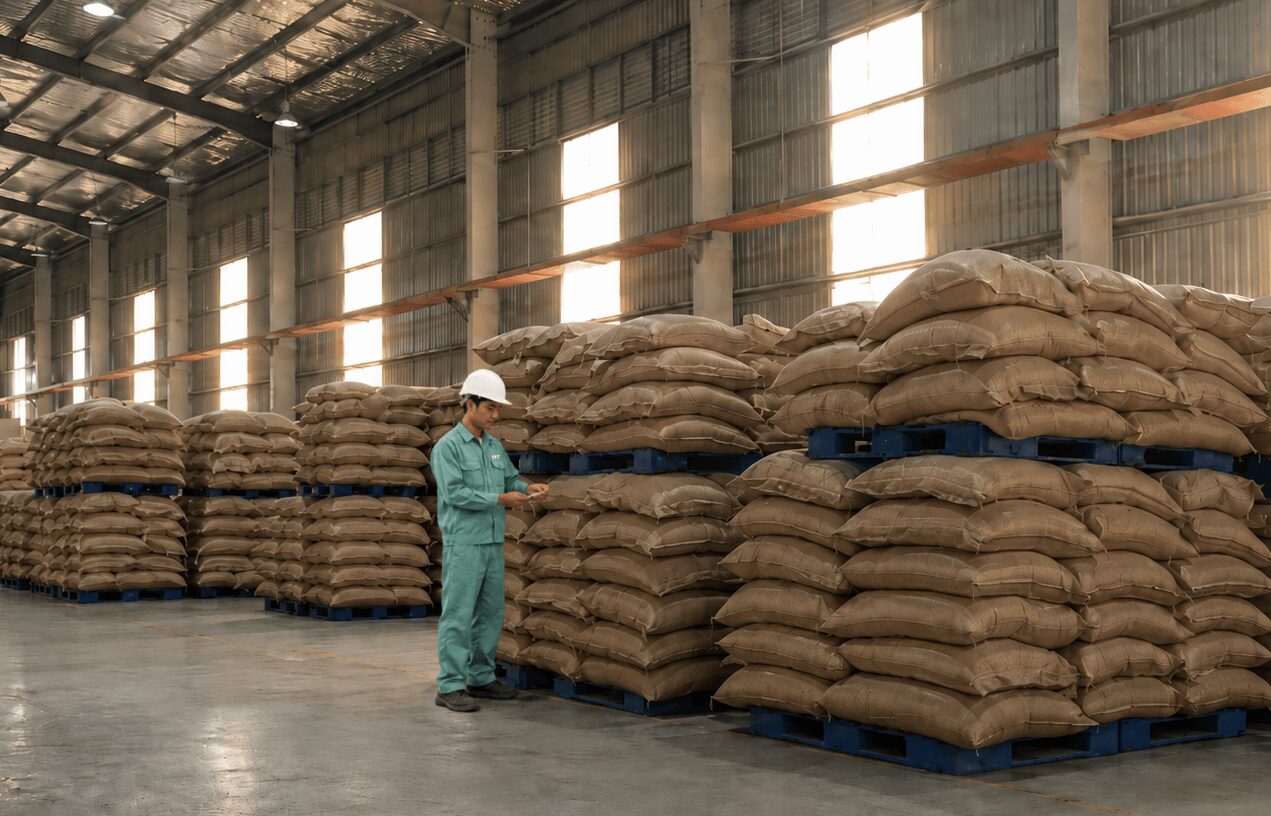
For agricultural products, grains, or raw materials stored prior to export, businesses need to evaluate re-infestation sources within the storage area. You may refer to warehouse and silo fumigation services for agricultural products to develop a suitable treatment plan based on storage structure and commodity conditions.
For more detailed information on mite biology and the most appropriate control measures for your specific commodities and storage conditions, please contact the VFC technical team for professional consultation and tailored recommendations.
Grain mites are extremely small in size, develop rapidly in humid conditions, and have stages that are more difficult to control. Therefore, the treatment plan needs to be determined based on the type of commodity, infestation status, packaging method, storage duration, and import market requirements. Businesses can refer to containerized export cargo fumigation services for site surveys and tailored solutions for each shipment.