









 SECTION
01
SECTION
01
Khapra Beetle: How Does It Impact Agricultural Exports to Australia?

Category:
Fumigation by Market

Published date:
29/09/2026
Share
The Khapra beetle (Trogoderma granarium) is recognized globally as one of the most destructive stored-grain pests due to its prolonged diapause capability and exceptional tolerance to fumigants. In Vietnam, Trogoderma granarium is classified as a regulated plant quarantine pest but has not yet established presence within the national territory; likewise, Vietnam is not listed among DAFF's target risk countries. Nevertheless, confronting Australia's rigorous biosecurity framework, export enterprises must enforce stringent warehouse biosecurity, maintain immaculate container hygiene, and implement AFAS-standard fumigation to guarantee uninterrupted biosecurity clearance.
Table of Contents
1. What Is the Khapra Beetle? Demystifying This Destructive Stored-Product Pest
The Khapra beetle is among the most stringently regulated stored-product pests across global agricultural trade due to its severe capacity to decimate harvested grain bulk.
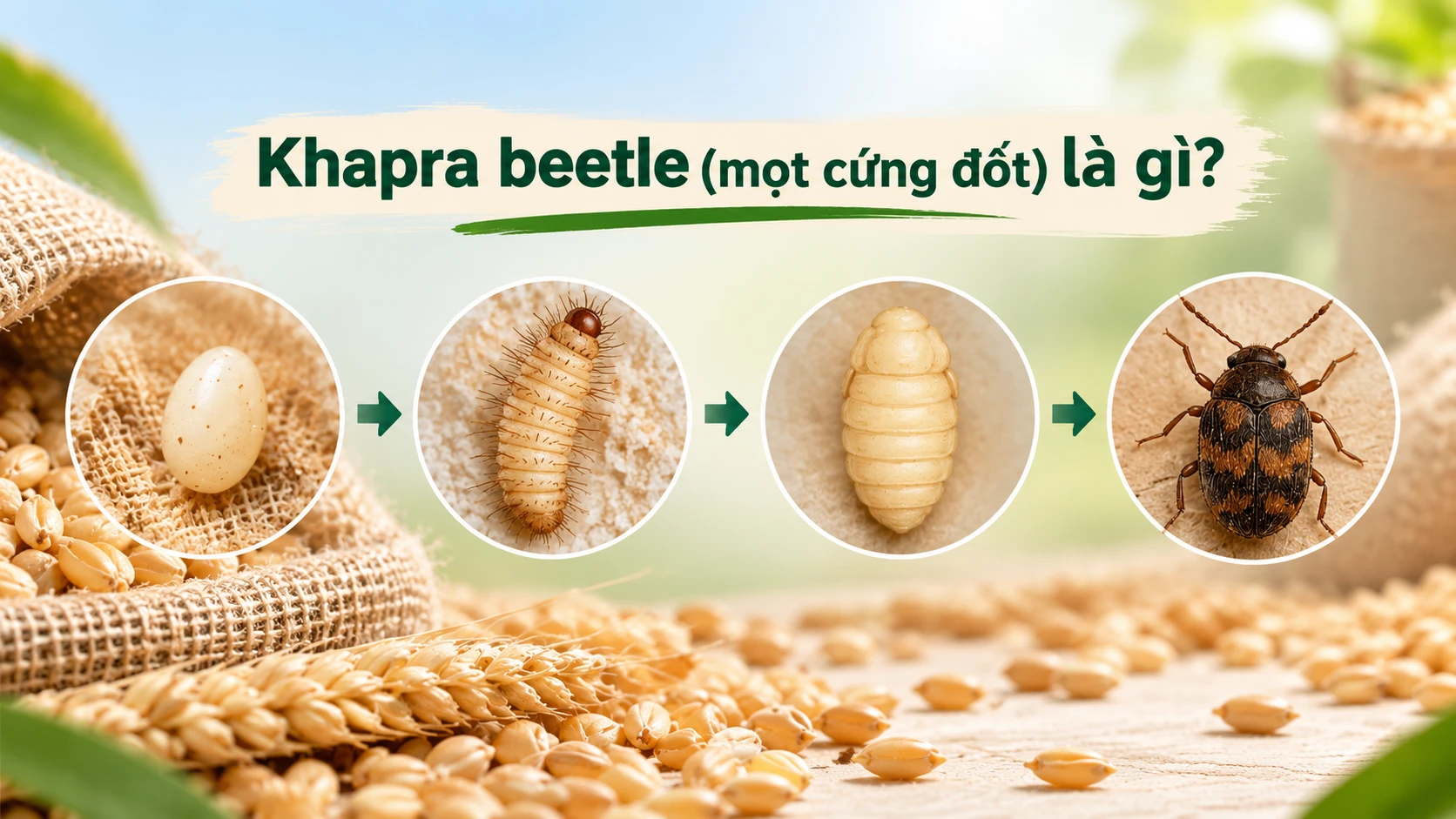
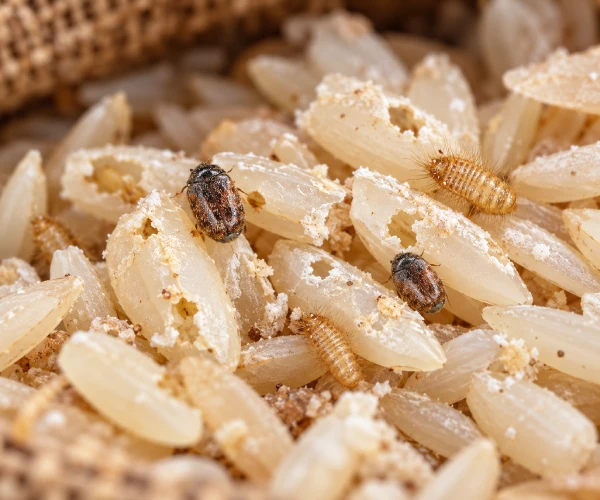
The Khapra beetle is a high-consequence stored-product pest capable of inflicting catastrophic damage to stored agricultural commodities
1.1 Origin and Biological Classification of Trogoderma granarium
- Scientific name: Trogoderma granarium, belonging to the family Dermestidae (skin beetles), order Coleoptera (beetles).
- Common names: Internationally known as the Khapra beetle; designated in Vietnam's official phytosanitary quarantine schedule as "mọt cứng đốt".
- Geographical distribution: Native to South Asia (India), it has since spread and established populations across numerous countries throughout the Middle East, Africa, parts of South Asia, and Southern Europe.
- Quarantine classification: Designated by the Plant Protection Department of Vietnam as a Group I Plant Quarantine Pest (organisms posing catastrophic threats to plant resources that are not present or have limited distribution in Vietnam). Globally, the International Plant Protection Convention (IPPC) and biosecurity agencies in advanced economies—including Australia and the United States—classify Trogoderma granarium as a pest subject to zero tolerance.
1.2 Morphological Characteristics and Distinct Infestation Signs in Warehouses
The diminutive size and complete metamorphosis lifecycle of Trogoderma granarium demand meticulous visual inspection during on-site cargo handling:
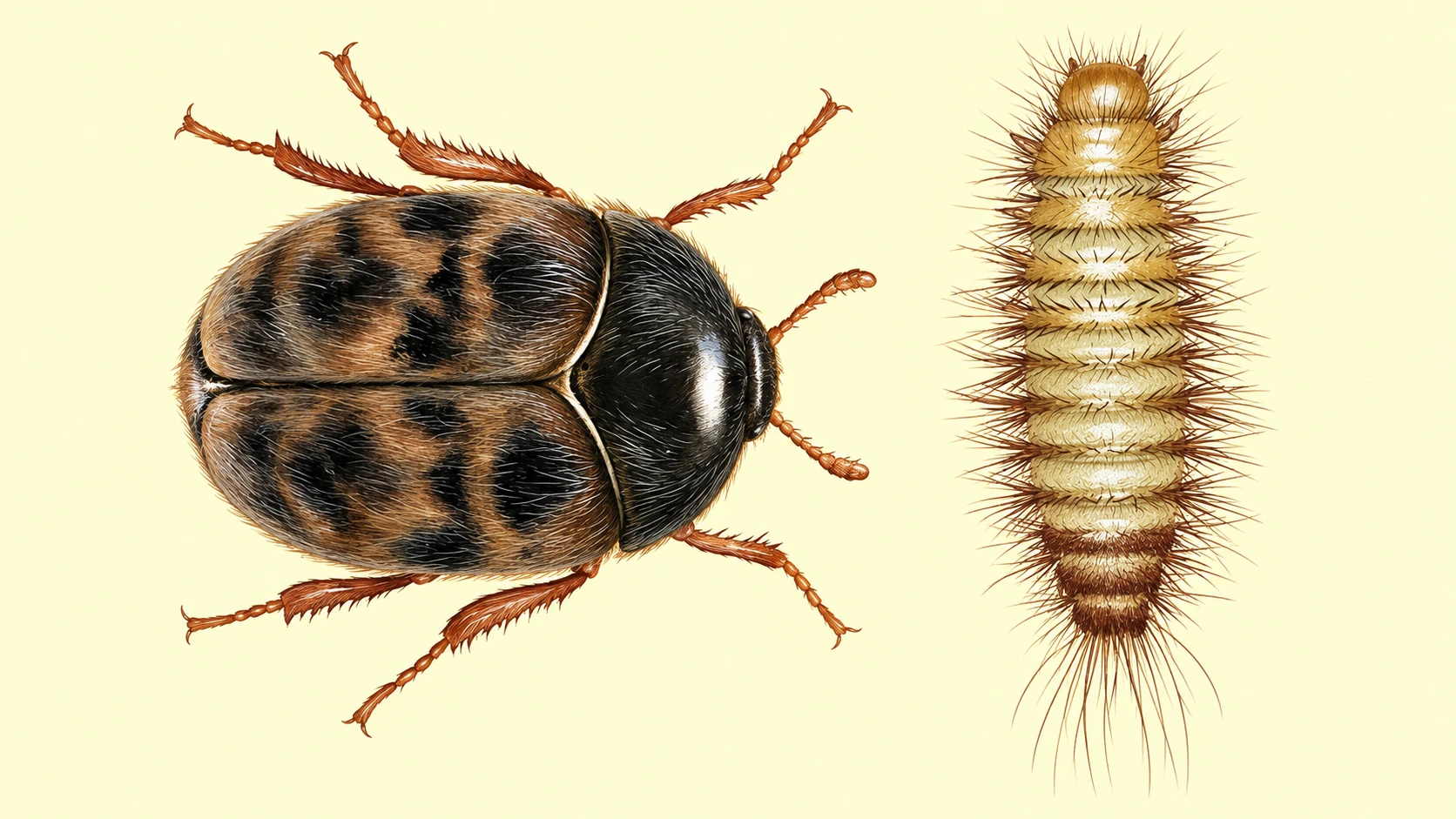
- Adult beetles: Measure approximately 1.6–3.0 mm in length and 0.9–1.7 mm in width. The body is elongated-oval, slightly convex dorsally, ranging in color from reddish-brown to dark brown or glossy black. The elytra and pronotum are covered in fine, multicolored setae forming faint transverse bands. Adults consume negligible amounts of food, dedicating their short lifespan to mating and oviposition.
- Larvae (primary destructive stage): Newly hatched larvae measure roughly 1.6 mm and are creamy-white, shifting to yellowish-brown or reddish-brown as they mature. The body is distinctly segmented, densely clothed in barbed bristles, and characterized by a distinctive brush-like tuft of erect setae situated on the posterior abdominal segments.
- Typical damage symptoms: Unlike common warehouse pests that target only soft germ tissue, Khapra beetle larvae possess formidable mandibles capable of breaching hard outer seed coats to completely hollow out starchy endosperms, reducing whole grain bulks to fine floury dust. Under escalating infestation pressure, the primary indicator is not moving live beetles, but rather the profuse accumulation of straw-colored cast larval skins (exuviae) and shed bristle mats adhering densely to burlap weaves, tarp seams, and floor-wall junctions.
1.3 Survival Mechanism via Diapause
What establishes Trogoderma granarium as a formidable quarantine adversary is its facultative diapause mechanism:
- Upon encountering unfavorable environmental conditions (sharp temperature plummets, extreme desiccation, or localized food depletion), larvae arrest development, aggregate in sheltered recesses, and enter deep physiological dormancy lasting from several months to multiple years.
- During diapause, larvae throttle oxygen consumption and metabolic activity to near-zero baselines, tightly closing their respiratory spiracles. This physiological dormancy enables them to survive severe freezing conditions, endure protracted starvation, and manifest extraordinary physiological tolerance to fumigant gases compared to common stored-grain insects.
2. Why Does the Australian Department of Agriculture (DAFF) Treat the Khapra Beetle as a National Biosecurity Threat?
DAFF enforces strict Khapra beetle biosecurity measures to safeguard Australia's domestic agricultural economy
Australia maintains one of the world's most uncompromising biosecurity borders because its agricultural export economy depends fundamentally on preserving pest-free status.
- Safeguarding grain export trade: Australia is an agricultural exporter of wheat, barley, and oilseeds to high-value markets across Japan, the European Union, and North America. Should the Khapra beetle breach border defenses and establish domestic populations, Australian agricultural exports would immediately face severe trade embargos and mandatory treatment mandates from trading partners, generating losses projected into billions of Australian dollars annually.
- Hitchhiker behavior within maritime shipping containers: The Khapra beetle does not disperse solely via grain consignments. Exhibiting strong negative phototaxis, larvae migrate deep into cracks in container floorboards, behind metal wall linings, and inside structural cavities of empty ocean containers. They can hitchhike intercontinentally across multiple voyages aboard general cargo containers without food sustenance, subsequently cross-contaminating clean agricultural consignments stuffed on subsequent rotations.
- Chính sách hành động khẩn cấp (Urgent Actions against Khapra Beetle): DAFF thiết lập danh mục các quốc gia có nguy cơ cao về mọt Khapra (Target Risk Countries) và áp dụng chính sách kiểm soát nghiêm ngặt:
- Bắt buộc xử lý kiểm dịch ngoài biên giới đối với các mặt hàng nông sản khô xuất phát từ vùng dịch.
- Kiểm tra ngặt nghèo và yêu cầu khử trùng đối với cả vỏ container rỗng hoặc container chở hàng hóa thông thường nếu từng lưu bãi, xếp hàng hoặc chuyển tải qua các quốc gia nằm trong danh sách rủi ro của DAFF. Khi rủi ro chuyển từ riêng hàng hóa sang cả hành trình và vỏ container, doanh nghiệp cần kiểm soát theo toàn bộ quy trình khử trùng hàng hóa xuất khẩu sang Úc, từ kiểm tra container, hồ sơ, xử lý đến chứng thư.
3. Agricultural Export Commodities at High Risk of Khapra Beetle Infestation
DAFF stratifies cargo risk based on nutritional host viability and long-term storage profiles:
| Commodity Group | Specific Commodities | Biosecurity Risk Mechanism & Impact Level |
|---|---|---|
| Cereal Grains & Staple Crops | Milled and brown rice, maize (corn), wheat, millet, oats | Primary preferred host: Larvae bore directly into seed kernels to develop, consuming endosperms and generating powdery frass; exceptionally difficult to intercept in egg and early larval stages. |
| Spices & Oilseeds | Cashew nuts, black pepper, white pepper, soybeans, dried chili, cinnamon, star anise | High-nutrient dry goods subject to extended warehousing periods, establishing ideal environments for unchecked pest population growth. |
| Animal Feed Ingredients | Rice bran, soybean meal, bulk dried cassava chips | Transported in vast bulk volumes; heavy organic flour and dust provide ideal harborage, accelerating larval proliferation and dispersal. |
| Packaging & Shipping Containers | Jute bags, used PP woven sacks, wooden pallets, container floor cracks | Prime hitchhiker vectors: Old grain residue and organic dust compacted beneath floorboards serve as persistent cross-contamination vectors for newly loaded cargo. |
4. Consequences of Intercepting Khapra Beetle at Australian Destination Ports
Australian biosecurity regulations maintain zero tolerance regarding high-consequence quarantine pests:
- Mandatory direction for export or immediate destruction: DAFF enforces strict biosecurity protocols. Upon detecting a single live specimen or even an intact empty cast skin (exuvia) of Trogoderma granarium, the entire container is immediately refused entry at the wharf and issued an enforceable direction for export from Australian territorial waters.
- Severe detention and demurrage liabilities: Throughout the period required for definitive molecular identification (DNA barcoding) at specialized Australian reference laboratories, the container remains under biosecurity seal within an onshore isolation holding zone. The cargo owner incurs all terminal demurrage, container detention, testing charges, and return-freight costs—frequently eclipsing the baseline commercial value of the underlying goods.
- Heightened enterprise profiling and red-channel routing: The exporting entity and associated packing facilities are logged within DAFF's biosecurity alert network. Subsequent shipments originating from these entities are routed through red-channel manual strip-searches, triggering extended clearance bottlenecks and risks of contractual cancellation by overseas consignees.
Such consequences typically arise when treatment techniques, documentation, or executing providers fail to meet regulatory requirements; real-world scenarios are comprehensively outlined in 3 Fumigation Mistakes for Australia Exports That Can Lead to Forced Re-Export.
5. Internationally Standardized Khapra Beetle Treatment and Mitigation Methods
Eradicating Khapra beetle incursions requires technical workflows calibrated to the pest's physiological resistance profile.
5.1 Why Conventional Phosphine (PH3) Struggles to Completely Eradicate Khapra Beetle?
Phosphine gas (PH3) generated from Aluminium Phosphide or Magnesium Phosphide formulations is a widely used stored-product fumigant for agricultural commodities. However, for Khapra larvae in a state of diapause (diapause), near-suspended metabolic rates confer a level of phosphine tolerance many times higher than that of ordinary stored-grain pests. Fumigating with Phosphine at low dosages or brief exposure periods (under 7 days) cannot eradicate larval specimens concealed deep within packaging seams or timber crevices.
5.2 Methyl Bromide (MB) Fumigation Under DAFF Specifications
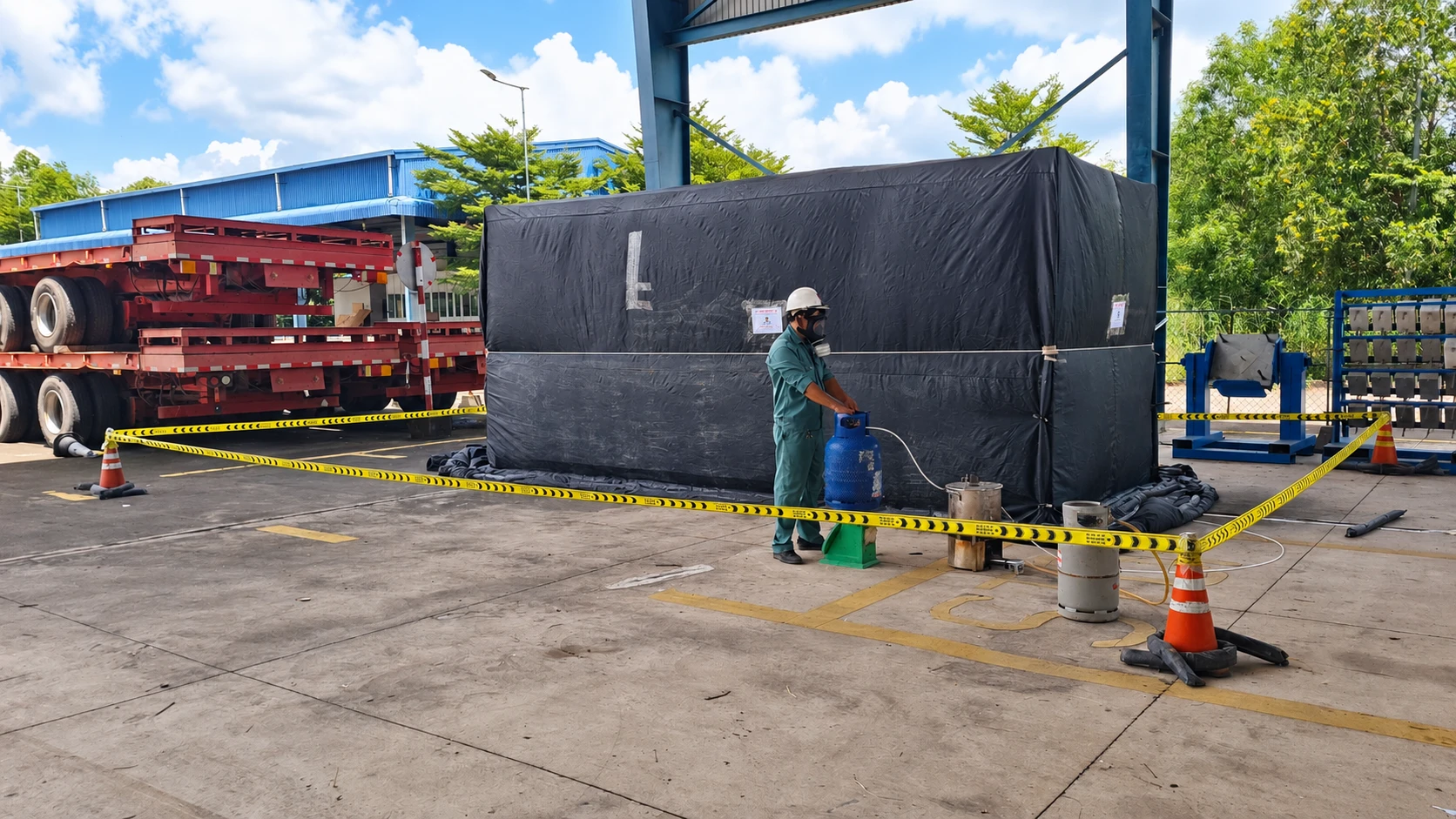
Methyl Bromide is recognized by DAFF as an approved treatment schedule against the genus Trogoderma
Methyl Bromide (CH3Br) is the official fumigant approved by DAFF within its technical schedules for the offshore eradication of species belonging to the genus Trogoderma:
- Specialized technical dosage: Controlling Trogoderma granarium demands higher concentration thresholds than routine quarantine schedules, precisely calibrated against ambient commodity temperatures at the time of gas injection in accordance with the official DAFF Methyl Bromide Fumigation Methodology.
- Exposure duration and concentration monitoring: Standard treatment exposure extends for a minimum of 48 hours. Throughout the exposure period, fumigation technicians must record gas concentrations at regular intervals using specialized detection equipment across representative sampling lines (front, center, and rear) to verify that gas concentrations remain above minimum lethal thresholds.
5.3 Wood Packaging Material (WPM) – Alignment with AFAS Standards
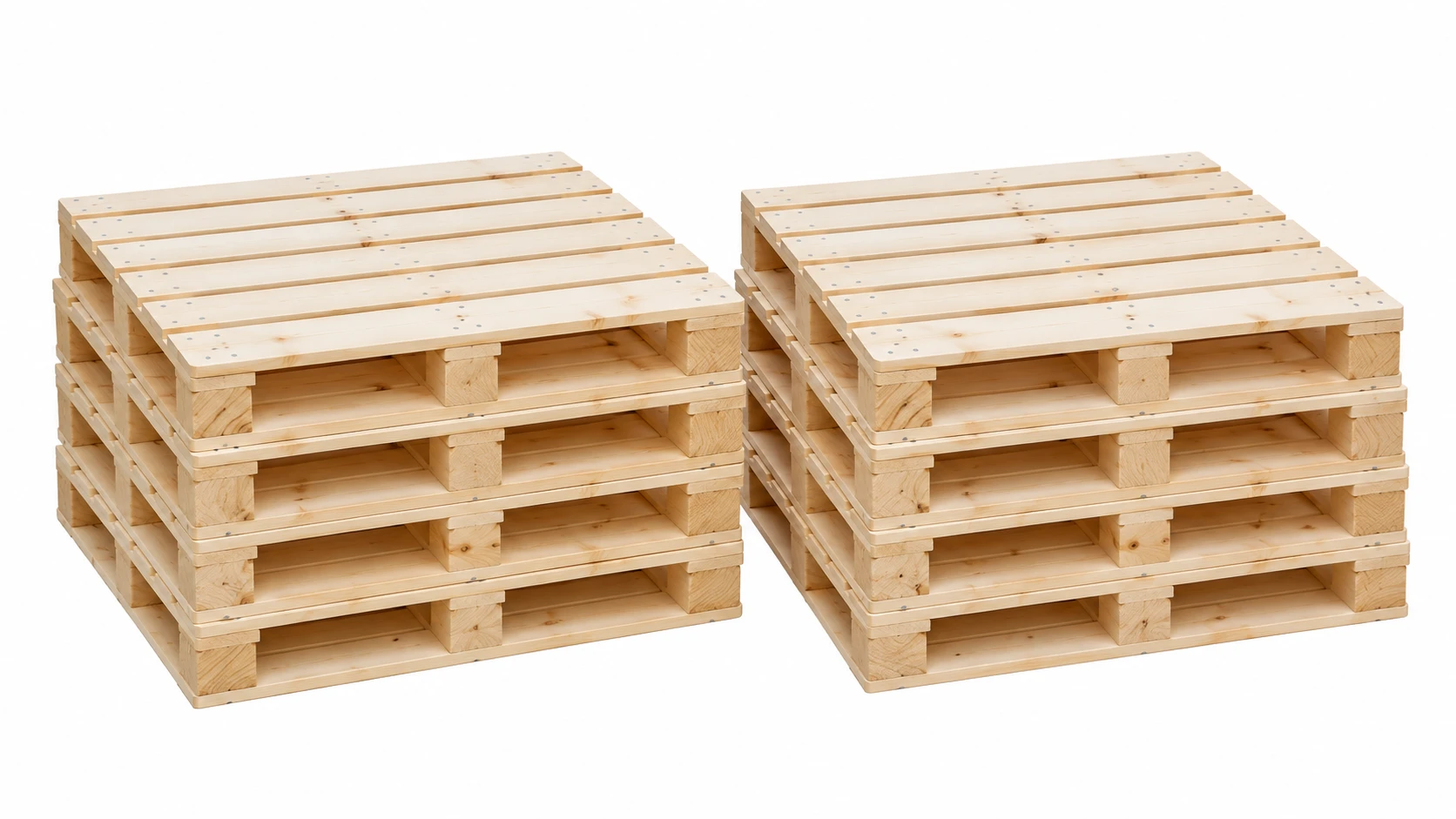
Wood packaging material must be strictly regulated to mitigate harborage risks for the Khapra beetle
Wooden pallets, crates, and dunnage (WPM) present prime microhabitats for hitchhiking pests:
Advisory from VFC Fumigation: To minimize risks for cargo owners, VFC Fumigation consistently advises enterprises to conduct container fumigation and treat all dunnage materials in accordance with AFAS standards (Australian Fumigation Accreditation Scheme). An AFAS certificate issued by a provider holding an AEI code ensures full alignment across biosecurity documentation, enabling Australian biosecurity authorities to expedite clearance routing.
5.4 Pre-Stuffing Container Inspection and Disinsection Protocols
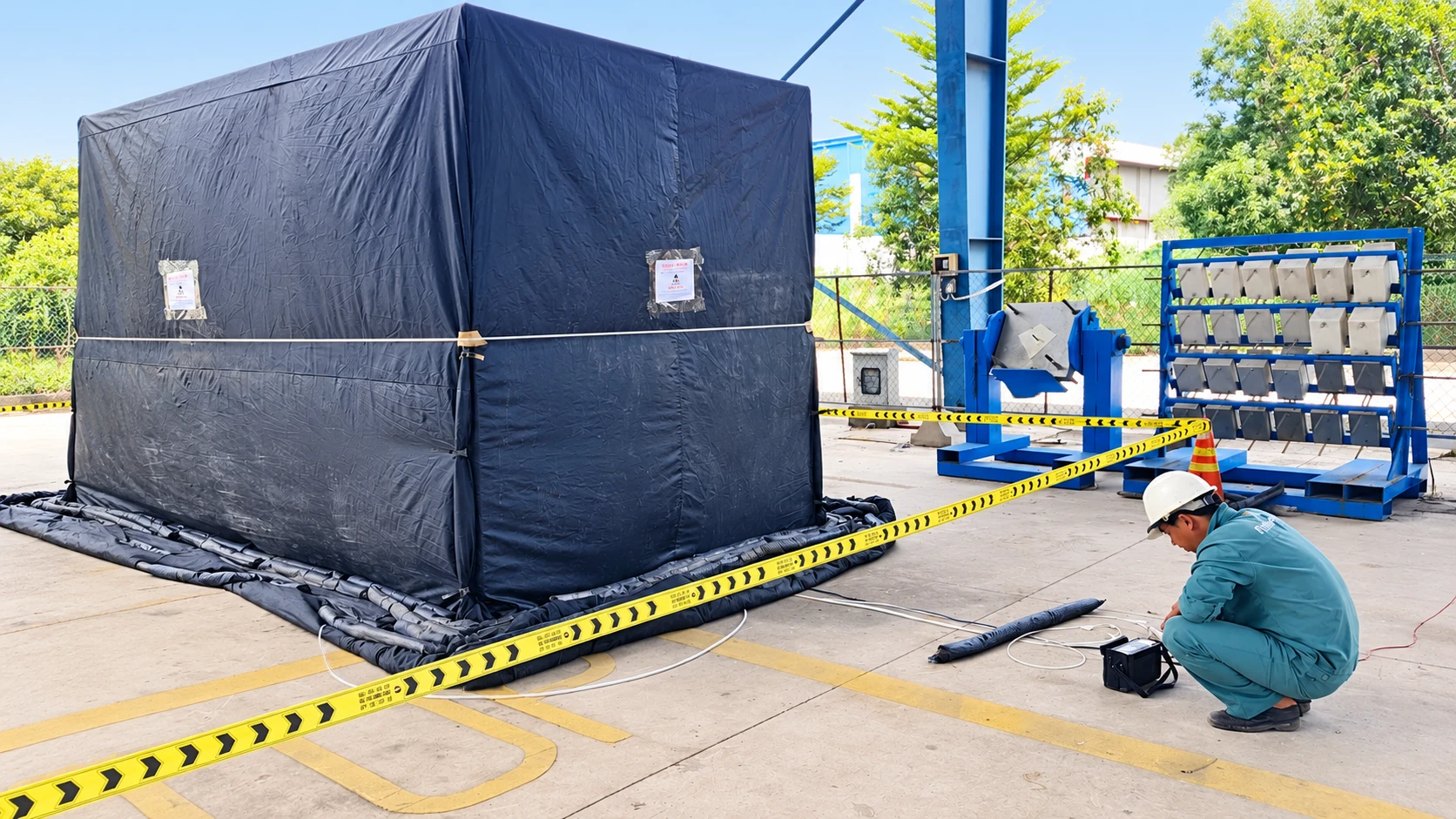
Treating under AFAS standards aligns technical protocols and certification for commodities bound for Australia
Because hitchhiker pests harbor within structural recesses of containers, pre-stuffing operations represent a critical control point:
- Container integrity assessment (Light Test): Step inside the container and close both doors completely to detect light infiltration along door gaskets, wall seams, and roof panels; ensure door seals are supple and continuous, with zero rust perforations.
- Thorough physical and mechanical sanitation: Utilize industrial vacuum systems or stiff-bristled brooms to eliminate all residual grain fragments, flour dust, and debris compacted within plank grooves or floor joints from previous cargo runs.
- Container structural treatment: If container equipment sourced from depot yards presents biosecurity uncertainties, execute surface residual spray treatments or empty container fumigation prior to cargo stuffing.
When cargo is bound for Australia and requires container treatment to satisfy destination market mandates, the complete workflow encompassing pre-survey, technical execution, verification, and certification is delivered under the AFAS/BMSB container fumigation service for Australia.
6. Five-Step Biosecurity Control Checklist for Vietnamese Agribusinesses
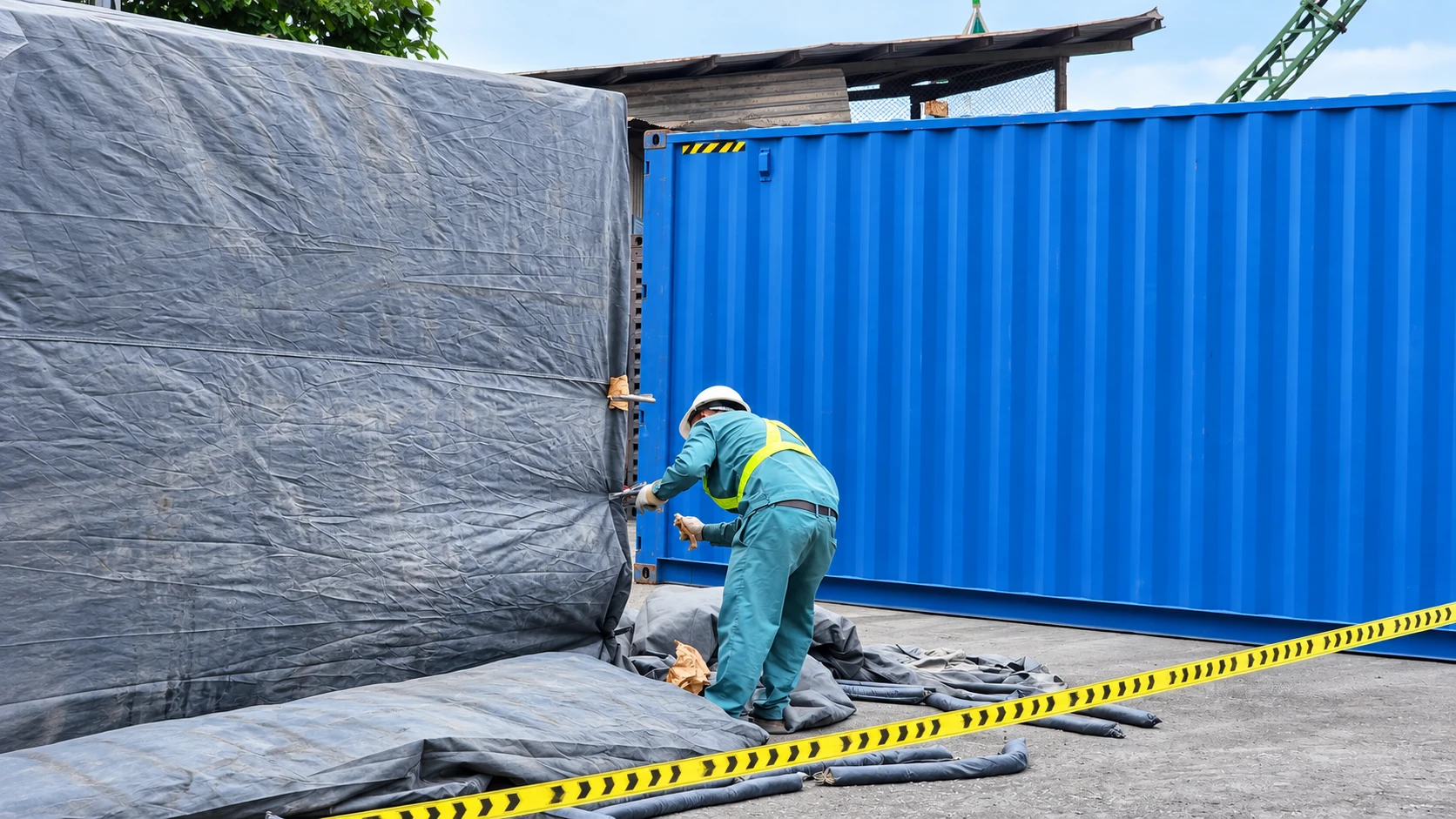
A 5-step checklist assists enterprises in mitigating Khapra beetle biosecurity risks
To prevent clearance rejections at Australian destination ports, agricultural exporters should standardize export procedures across 5 core steps:
Step 1: Implement systematic warehouse sanitation: Sweep, vacuum, and clear out all loose agricultural spillage; enforce regular residual insecticidal barrier spraying across storage structures and staging docks.
Step 2: Select and inspect ocean containers at the depot: Select food-grade container units featuring dry, crack-free timber floorboards, clean side panels, verified gastight integrity, and an absence of foreign odors.
Step 3: Standardize all timber packaging materials: Utilize bark-free, debarked wooden pallets free of soil deposits, ensuring full compliance with ISPM 15 / AFAS treatment mandates.
Step 4: Execute AFAS fumigation with an AEI-registered provider: Partner with a treatment provider officially listed as "Approved" under DAFF's registry holding an active Agriculture Entity Identifier (AEI) to execute compliant container fumigation.
Step 5: Finalize the Phytosanitary Certificate: Coordinate with regional plant quarantine authorities for representative lot sampling, ensuring consignments receive official certification confirming freedom from live regulated pests prior to vessel loading.
7. Australian Biosecurity Compliance Solutions from VFC Fumigation
As the founding enterprise leading the fumigation sector in Vietnam, VFC Fumigation delivers comprehensive biosecurity risk-management solutions to safeguard cargo integrity and brand equity for exports to Australia.
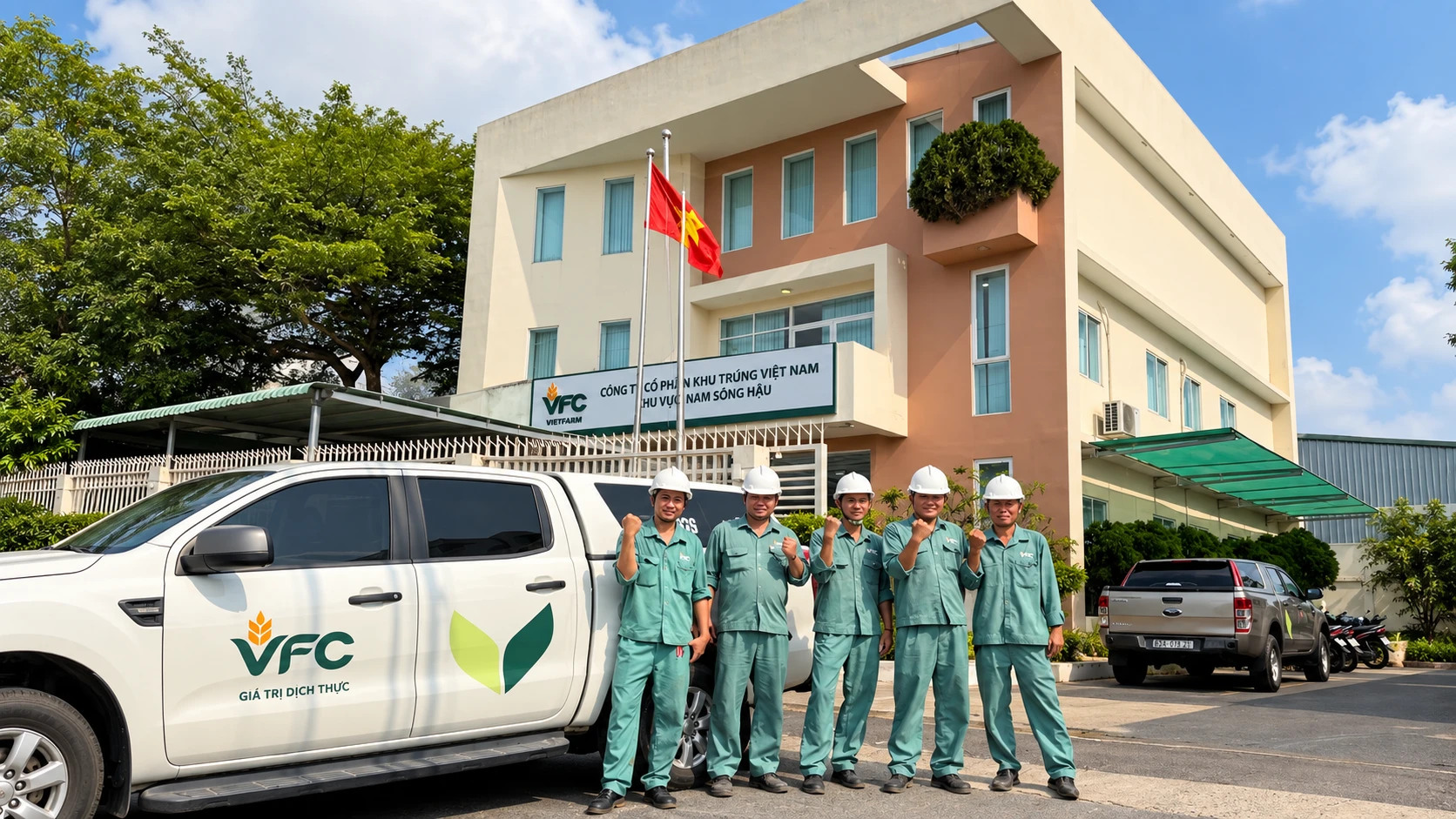
VFC Fumigation is an official IMFO member in international maritime fumigation
- International AFAS-Standard Legal Standing and DAFF AEI Registration: VFC is among the pioneer fumigation providers in Vietnam approved by the Australian Department of Agriculture under the AFAS and AusTreat schemes, holding an official AEI (AFAS Entity Identifier). The entire operational fumigation workflow and issuance of fumigation certificates by VFC Fumigation strictly adhere to DAFF methodologies, ensuring absolute legal compliance during import clearance at Australian seaports.
- Accredited member of the International Maritime Fumigation Organization (IMFO): VFC Fumigation represents Vietnam within IMFO. Our technical teams maintain the highest international maritime safety standards, executing specialized in-transit vessel fumigation, bulk hold gas recirculation (J-System), and container processing for demanding biosecurity regimes.
- Nationwide technical branch network covering key seaport clusters: With operational stations spanning Vietnam's logistics gateways (Hai Phong, Cat Lai, Cai Mep, Da Nang, Quy Nhon, Can Tho, and regional hubs), VFC Fumigation deploys 24/7 on-site teams, accommodating tight delivery schedules and strict shipping line cut-off windows.
8. Frequently Asked Questions (FAQ) Regarding the Khapra Beetle (Trogoderma granarium)
Question 1: Are the Khapra beetle and "mọt cứng đốt" the exact same insect species?
Yes. "Khapra beetle" is the universal English common name, whereas "mọt cứng đốt" is the official taxonomic designation assigned within Vietnam's national plant quarantine regulatory framework for Trogoderma granarium.
Question 2: Does agricultural cargo originating 100% in Vietnam require a specific Khapra beetle declaration certificate?
Vietnam is currently not categorized as a Khapra Beetle Target Risk Country by DAFF. Consequently, pure Vietnamese agricultural commodities do not require a separate, stand-alone Khapra beetle declaration certificate. Exporters must fulfill general import requirements specified on the BICON database (freedom from soil, extraneous weed seeds, and live insects), secure an official Phytosanitary Certificate, and conduct AFAS-standard container fumigation.
Question 3: What are the visible macroscopic signs of Khapra beetle presence in agricultural consignments?
Because adult beetles and early-instar larvae are tiny, individual specimens are difficult to detect visually at low infestation thresholds. The primary macroscopic diagnostic sign is the presence of straw-colored cast larval skins (exuviae) alongside dense mats of shed barbed hairs accumulating along bag seams, stitch lines, and shadowed crevices across container floorboards.
For technical consultation regarding Australian phytosanitary import conditions or to schedule an AFAS-accredited container fumigation service, contact VFC Fumigation:
- Hotline 24/7: 0914 773 300
- Customer Service Center: 1800 577 788
- Email: contact@fumigation.vn

Previous Article
SECTION
01
 SECTION
02
SECTION
02
What is AFAS? 5 important things exporters to Australia need to know
 SECTION
03
SECTION
03
BMSB-AusTreat: A Complete Guide to Brown Marmorated Stink Bug (BMSB) Control Requirements for Exports to Australia and New Zealand
SECTION
04
A–Z process for fumigating export cargo to Australia
 SECTION
05
SECTION
05
Khapra Beetle: How Does It Impact Agricultural Exports to Australia?