









 SECTION
01
SECTION
01
What is AFAS? 5 important things exporters to Australia need to know

Category:
Fumigation by Industry Sector
Standards & Regulations

Published date:
17/03/2026
Share
If you are planning to export goods (especially wooden products and agricultural produce) to the Australian market, you have likely heard of the term AFAS. But what does this acronym mean? Why is AFAS so important that it can decide the "life or death" of an entire shipment? This article will help you better understand the AFAS standard.
Table of Contents
1. What is AFAS? The Gold Standard for Exports to Australia
1.1. Concept of AFAS
AFAS stands for the Australian Fumigation Accreditation Scheme, established and managed by the Australian Department of Agriculture, Fisheries and Forestry.
This is a technical standard system designed to control fumigation activities for goods before they are exported to Australia. The objective of AFAS is to ensure that the treatment process is carried out according to technical procedures and fully meets Australia's biosecurity requirements.
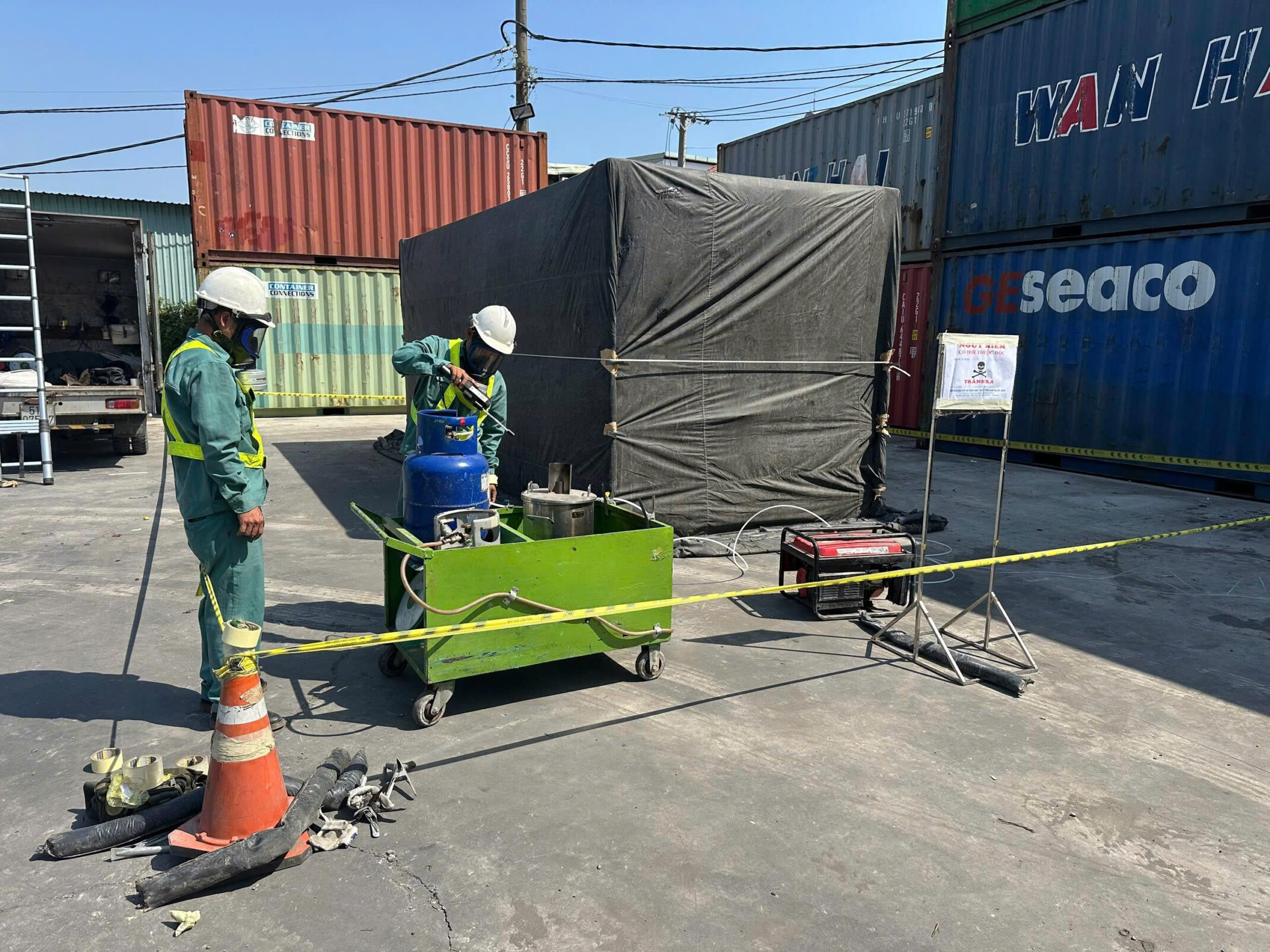
In Vietnam, the only currently approved treatment method is fumigation using Methyl Bromide (MB) to eliminate pests hidden within the cargo.

To be recognized and operate under AFAS standards, a fumigation provider must meet three mandatory requirements:
- Technical Competence: Providers must be assessed and accredited for technical capability before performing treatment on goods destined for Australia.
- Qualified Personnel: Operating staff must be trained and certified, ensuring they have the capacity to perform and supervise the fumigation process according to regulations.
- Standardized Procedures: Treatment processes must comply with technical standards approved by Australia, including methods, equipment, and related technical conditions.
Additionally, the fumigation certificate issued must clearly reflect all technical parameters and conditions of the shipment's treatment.
1.2. Why does Australia have such strict fumigation controls?
Australia is considered one of the countries with the strictest biosecurity systems in the world due to its unique geography and ecosystem.
As an isolated continent, Australia's ecosystem developed relatively independently. Consequently, many native flora and fauna lack the ability to defend against invasive foreign organisms.
If just one species of insect, fungal pathogen, or pest enters Australian territory, it can proliferate rapidly and cause severe damage to agriculture, forestry, as well as the natural environment. Specific treatment requirements depend on the commodity type, packaging materials, and regulations of the importing country. Businesses can proactively check in advance types of goods that typically require fumigation prior to export to better plan their treatment schedule.
The entry of just one insect species, fungal pathogen, or pest could lead to rapid proliferation and severe damage to Australia's agriculture, forestry, and natural environment. Therefore, the Australian government applies rigorous biosecurity regulations on imported goods, especially those at high risk of carrying pests, such as:
- Wood and wood products.
- Agricultural products
- Machinery at risk of harboring pests.
- Containerized cargo from various countries.
In addition to the above, Australia also permits pre-export fumigation for certain perishable goods, such as cut flowers, leaves, stems, bulbs, or fresh plant products, using Methyl Bromide (MB) to kill potential pests.
Read more: VFC Distinguishing Methyl Bromide (MB) Fumigation and Heat Treatment (HT) under the ISPM 15 Standard
2. AFAS – The "Steel Shield" Protecting Shipments

To understand why AFAS is a critical standard, one must look at how it manages the entire fumigation process.
2.1. A Comprehensive Risk Management System
Many businesses mistakenly view fumigation as a final "stepping stone" to formalize export documentation. In reality, AFAS is a closed-loop risk management system where the entire treatment process is recorded and traceable.
Unlike conventional methods, an AFAS-accredited provider operates under a strict management framework with four core pillars:
- Equipment Standards: All monitoring and TLV (Threshold Limit Value) testing equipment must be periodically calibrated by authorized entities according to manufacturer guidelines.
- Standard Operating Procedures (SOP): Treatment plans are tailored based on the target object and temperature. The entire process must be performed by trained personnel.
- Record Keeping: All steps are logged in the Record of Fumigation, including treatment targets, gas injection times, and concentration measurements for audit purposes.
- Personnel Training and Licensing: Providers need technical officers specifically trained and licensed by Australia, who are directly responsible for the accuracy of documentation.
This systematic model creates the transparency and trust required by the Australian Department of Agriculture (DAFF).
Learn more: What is transparent fumigation? When technology replaces “trust” in exports
2.2. The Role of the AFAS Fumigation Certificate
When goods arrive in Australia, quarantine authorities rely on the certificate issued by an AFAS-accredited provider.
This certificate serves to:
- Confirm the goods were treated according to standards.
- Provide information on the treatment method.
- Act as the legal basis for Australian authorities to assess the shipment.
If the certificate is invalid or does not belong to the AFAS system, the shipment will be subject to strict inspection and may be refused entry right at the port. In practice, the ability to verify fumigation certificates via QR Code helps businesses, forwarders, and overseas partners check records faster while reducing the risk of using inaccurate or unverified certificates.
Learn more: Why does improper fumigation lead to prolonged risks?
3. AFAS – The "Priority Ticket" for Entry into Australia
3.1. Australia's Multi-Layered Biosecurity
Australia’s biosecurity system is designed with multiple layers of control. As a result, even minor errors or inconsistencies in documentation can lead to shipments being held for inspection.
Australian biosecurity authorities typically inspect:
- Fumigation certificates
- Container information
- Product descriptions
- Treatment time
Any discrepancy can result in mandatory re-treatment or re-export.
3.2. Benefits of AFAS Processing
When processed by an AFAS-accredited unit, businesses gain:
- Strictly monitored treatment procedures.
- Clear legal documentation.
- Easy information retrieval.
- Faster and smoother customs clearance at the destination port.
4. Common Errors Leading to Rejection of AFAS Certificates
4.1. Information Mismatch Between Certificate and Bill of Lading
One of the most common errors is that the information on the certificate does not match the Bill of Lading or other documents.
Examples:
- Incorrect container number.
- Incorrect shipper or consignee name.
- Incorrect product description.
Even though these are minor errors, such discrepancies can cause the certificate to be questioned and lead to a request for re-inspection.
4.2. Errors in Technical Requirement Parameters
The effectiveness of the fumigation process depends not only on the initial dosage but also on maintaining the concentration during the exposure time. Some factors include:
- Dosage used is inconsistent with the forecasted temperature.
- Insufficient exposure time.
- At the end of the fumigation, the minimum concentration is lower than the standard concentration.
In these cases, the effectiveness of the fumigation is not guaranteed, and quarantine authorities may require the entire shipment to be re-treated.
4.3. The Fumigation Structure (Shipment, Container, Chamber) is Not Airtight
The fumigation process is only effective when the structure is airtight, ensuring that the measured gas concentration is equal to or higher than the standard.
If the structure is not airtight, fumigant gas can leak out, leading to:
- Impact on the safety of the environment surrounding the fumigation structure.
- Impact on the fumigation results: Due to the concentration not meeting standards, the fumigation result risks failure.
Làm kín cấu trúc không đạt yêu cầu là một trong những sai lầm khi khử trùng hàng xuất khẩu có thể khiến nồng độ khí không được duy trì và toàn bộ lô hàng phải xử lý lại.
5. Proper Treatment Costs Less Than Risks at the Australian Port
5.1. Costs That May Arise When a Shipment Is Refused
Some businesses attempt to save costs by choosing non-accredited providers or failing to thoroughly check certificates.
However, if a shipment is refused entry in Australia, the costs incurred can be very high.
Businesses may have to bear:
- Container storage fees at the port.
- Re-treatment costs in Australia.
- Costs for re-exporting the goods back to the country of origin.
- Costs for destroying the goods.
The total damage can reach tens of thousands of USD per container.
5.2. Impact on Business Reputation
In addition to financial costs, having a shipment returned seriously affects:
- Reputation with partners.
- Relationships with importers.
- Ability to sign future contracts.
In many cases, just one quarantine incident is enough to cause a business to lose long-term business opportunities in the Australian market.
6. Experience to Help Businesses Comply with AFAS Effectively
6.1. Choose Reputable Fumigation Providers
Businesses should work with providers that:
- Are listed as approved by Australia.
- Have experience in handling exports to Australia.
- Have clear documentation control processes.
In addition to AFAS licensing, businesses should further evaluate implementation networks, document control capabilities, handling experience, and schedule fulfillment capacity when selecting an export cargo fumigation provider. Choosing the right provider from the outset will help significantly reduce risks during the export process.
6.2. Verify Certificates Before Shipment
Before the container leaves the port, businesses should carefully check the information on the certificate:
- Container number.
- Treatment date.
- Fumigation method.
- Dosage.
Just one careful step of checking can help avoid many troubles later on.
In summary, AFAS is a critical standard system. The most important question for an exporter is not "How much does it cost?", but "Is the provider capable and accredited within the AFAS system?"
In Vietnam, VFC Fumigation is a leading provider with an AFAS-accredited branch network across the country (from North to South), helping businesses shorten processing times and ensure smooth customs clearance.
- Southern Region: VN0001 (Ho Chi Minh City), VN0012 (Binh Duong), VN0016 (Nam Song Hau)
- Central Region: VN0009 (Quy Nhon), VN0014 (Da Nang)
- Northern Region: VN0006 (Hanoi & Northern provinces), VN0008 (Haiphong)
Maintaining an AFAS-accredited system across multiple regions not only demonstrates VFC's operational capacity but also enables businesses to easily perform fumigation according to AFAS standards right at the packing location, thereby shortening processing times and document preparation for export.
With a well-trained technical team and extensive experience in handling cargo exports to Australia, VFC is ready to accompany businesses in ensuring that shipments meet all phytosanitary requirements, facilitating smoother customs clearance.
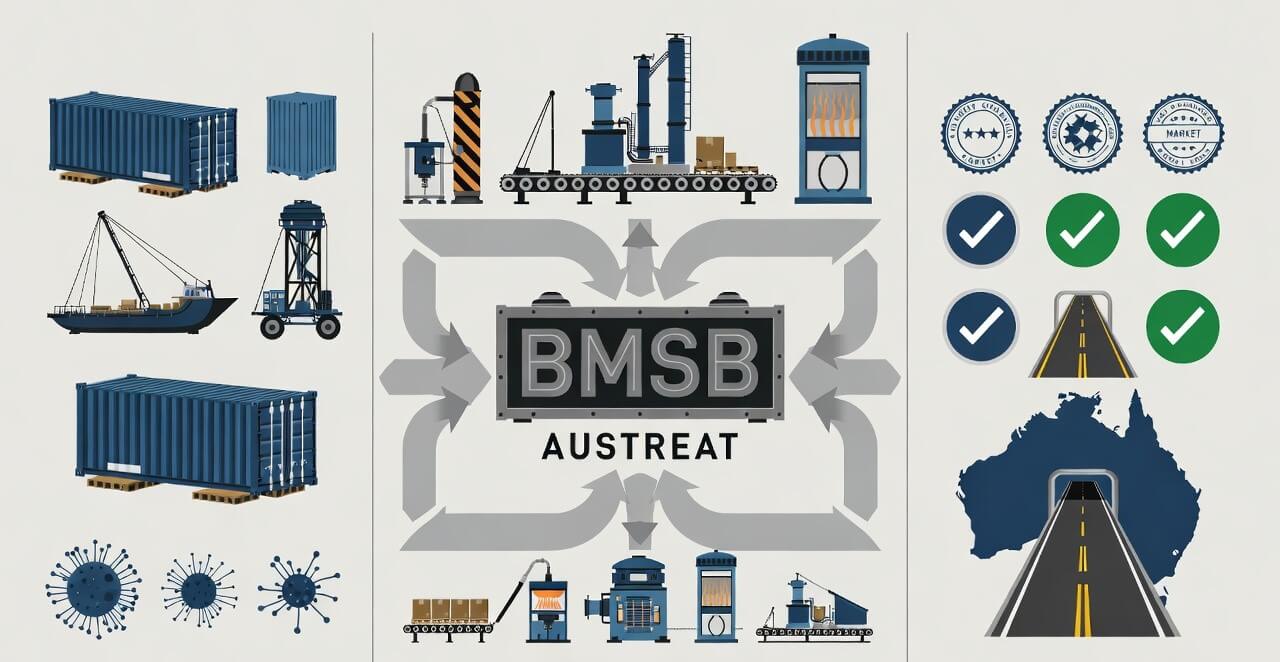
AFAS is not the only control program applied to goods imported into Australia. For certain commodity groups and times of the year, businesses must also comply with BMSB–AusTreat regulations when exporting to Australia and New Zealand.
For containerized shipments exported to Australia, the AFAS-compliant container fumigation process must be performed by an accredited provider, accompanied by complete technical documentation and a valid certificate.
If your business is preparing to export goods to Australia, please contact VFC Fumigation for advice tailored to each commodity type and export route. Our technical team will assist in reviewing documentation, proposing appropriate treatment procedures, and scheduling fumigation according to your delivery plan.
- Hotline: 0914773300
- Email: contact@fumigation.vn
SECTION
01
 SECTION
02
SECTION
02
What is AFAS? 5 important things exporters to Australia need to know
 SECTION
03
SECTION
03
BMSB-AusTreat: A Complete Guide to Brown Marmorated Stink Bug (BMSB) Control Requirements for Exports to Australia and New Zealand
 SECTION
04
SECTION
04
A–Z process for fumigating export cargo to Australia
 SECTION
05
SECTION
05
Khapra Beetle: How Does It Impact Agricultural Exports to Australia?