





Published date:
28/10/2026
Share




A warehouse operating smoothly in the previous season does not imply that it is ready to receive the new coffee crop. Long-term inventory, insects harbored within cracks and crevices, and unsanitized raw commodities can become sources of infestation when new stock enters storage. Therefore, enterprises must inspect current baseline conditions before determining phytosanitary treatment options to control pests in the coffee warehouse. This article provides guidance on 5 key warehouse management checkpoints to review in order to proactively control pests and prepare intake plans.
1. When do enterprises need to fumigate warehouses prior to the new coffee crop?
This is also a scenario requiring evaluation prior to transferring new-crop commodities into the warehouse, aimed at mitigating the risk of cross-infestation between consignments. Enterprises should consider coffee warehouse fumigation upon detecting existing insect sources in stored commodities or within the storage area.
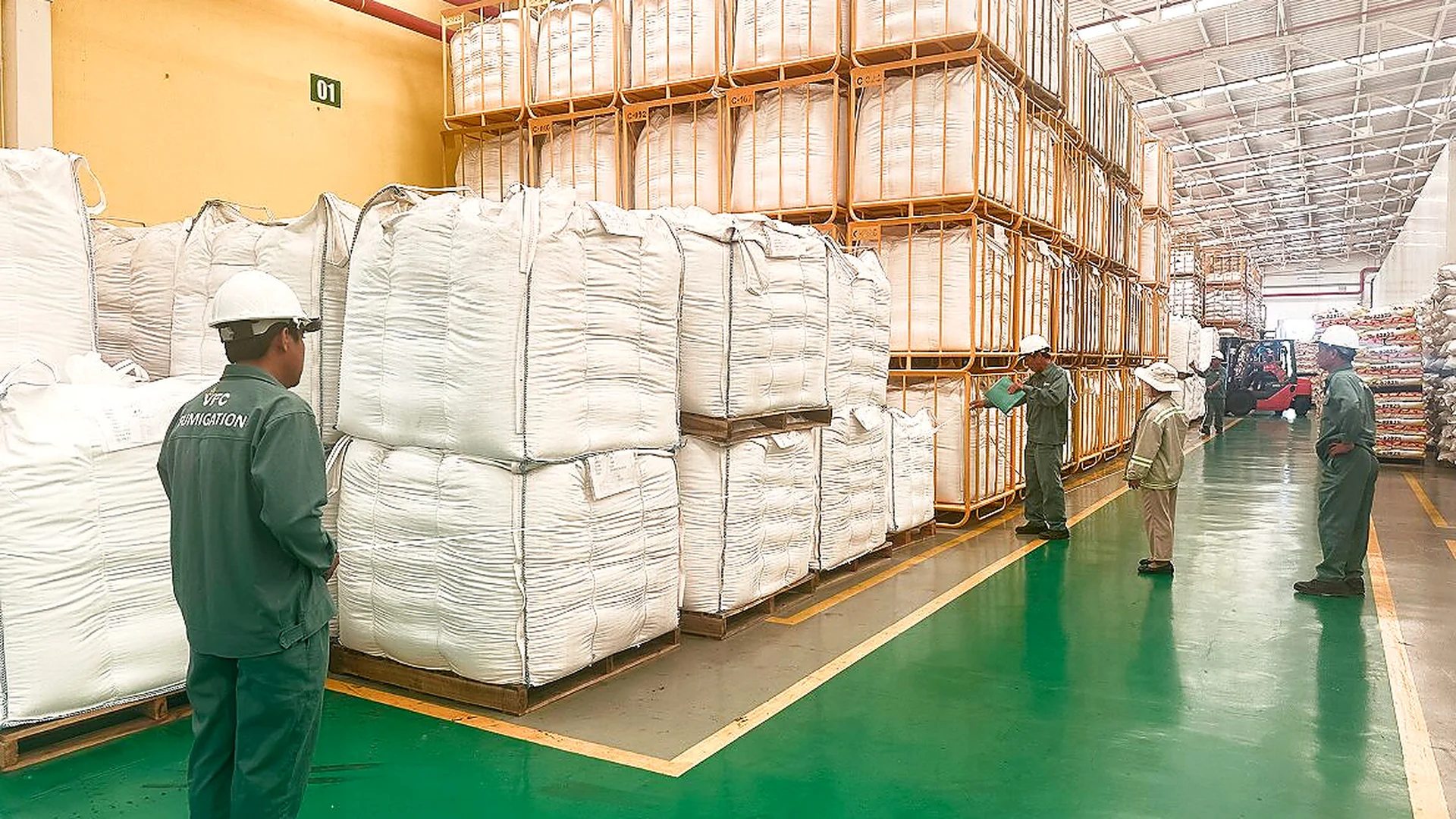
Warehouse treatment requirements must be determined based on insect status, existing stock, and actual on-site conditions prior to the new crop
Depending on the actual conditions of each warehouse, selecting an appropriate treatment protocol aims to effectively control insect sources harbored within cracks and crevices or pests present in old commodity lots, thereby mitigating the risk of pest re-infestation into newly received consignments.
| Warehouse Baseline Status Prior to New Crop | Treatment Approach for Consideration |
|---|---|
| Warehouse sanitized, no insect presence recorded | Maintain inspections and sanitation combined with contact insecticide surface spraying to control warehouse environmental pests |
| Insects detected in cracks, crevices, wall bases, or residual commodity accumulation zones | Intensify sanitation and evaluate warehouse environmental treatment measures |
| Old-crop coffee exhibiting signs of insect infestation | Establish segregation plans and execute phytosanitary treatment/fumigation to control and eradicate pests within the consignment; concurrently combine with contact insecticide spraying to control pests in the warehouse environment |
Determining a treatment protocol must be grounded in insect infestation levels, commodity characteristics, and on-site conditions. The objective is not only to eradicate existing infestation sources, but also to minimize the risk of old-crop insects penetrating the new coffee crop.
2. Five warehouse management checkpoints to review prior to receiving the new coffee crop
This information assists in identifying risk sources, treatment scope, and mandatory prerequisite conditions. Prior to formulating a fumigation protocol, VFC Fumigation technicians conduct surveys on cargo stacking configurations, sanitation standards, pest infestation status, and warehouse operational schedules.
For warehouse management, reviewing the five checkpoints below facilitates early detection of issues that could impact the receipt and preservation of the new coffee crop.
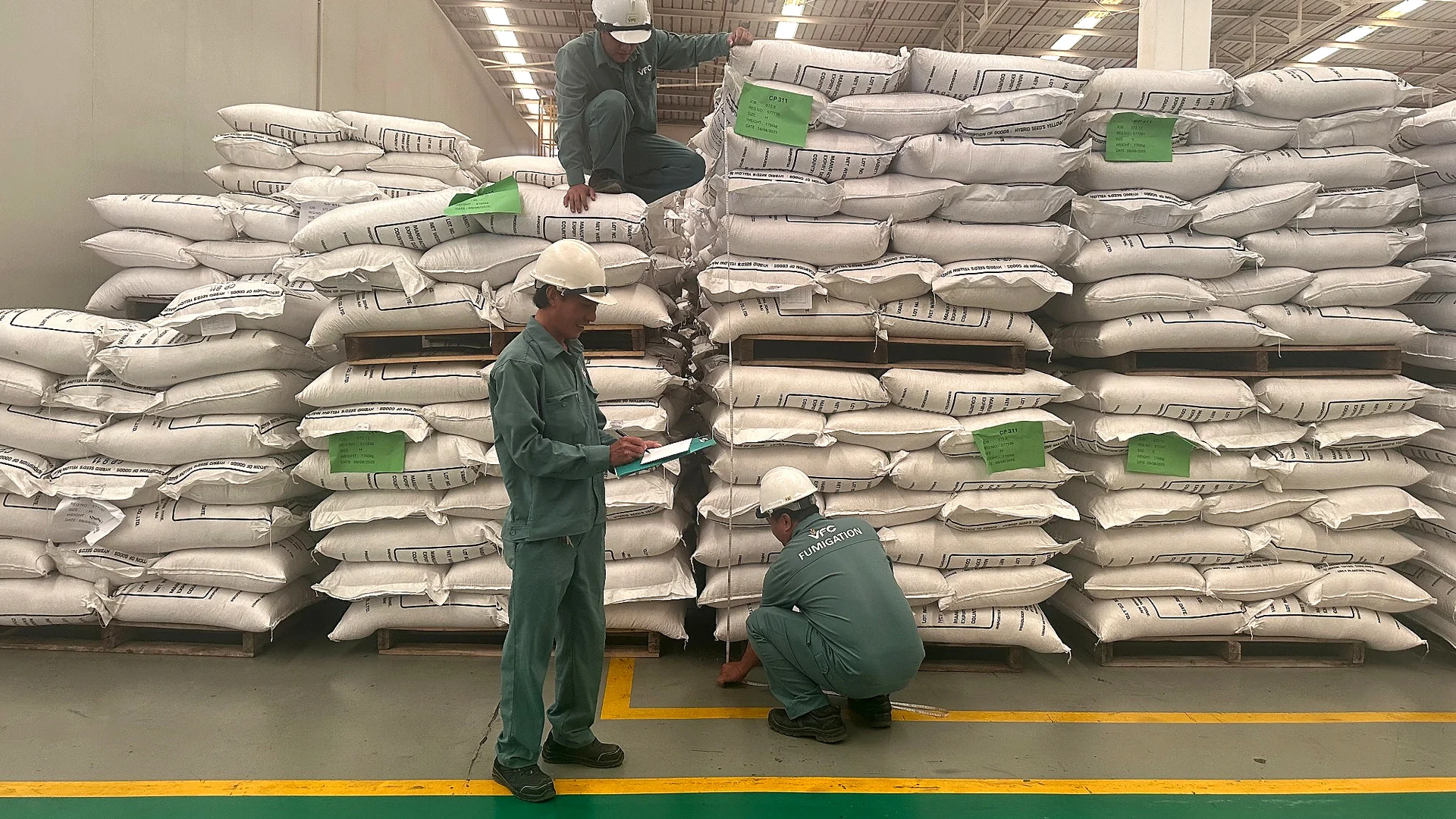
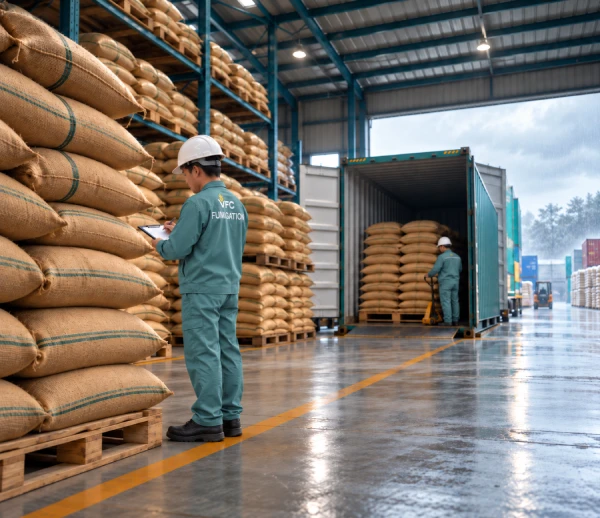
The five checkpoints for review comprise existing inventory, stacking configuration, sanitation, insect infestation status, and intake–dispatch schedules
2.1. Segregated zoning between existing stock, new stock, and intake–dispatch areas
When lots of coffee from the previous crop remain in the warehouse, enterprises must clearly identify storage locations and the condition of each consignment. If old stock harbors insects that remain uncontrolled, introducing new stock into the same zone can heighten the risk of cross-infestation.
This risk increases more clearly under high humidity conditions, when goods and packaging easily become a favorable environment for insects to redevelop; this is also the reason why export cargo return rates due to weevils surge during the rainy season.
Therefore, designated zoning must be established for old stock, new stock, packaging material storage, and intake–dispatch areas, etc. This layout assists personnel in tracking commodity sources, inspecting the condition of each lot, and determining the treatment perimeter when insect outbreaks occur.
For long-term stored coffee lots, warehouse managers should prioritize inspections prior to floor space re-organization. Zoning only achieves optimal efficacy when paired with inventory inspections and the suppression of identified pest sources.
2.2. Arranging stacking clearances to facilitate inspection and phytosanitary treatment
Coffee bags stacked flush against walls, against support columns, or without access gangways between lots will hinder warehouse inspection operations, as well as fumigation procedures upon detecting pests within the consignment.
Consequently, cargo must be positioned with adequate clearance from walls, columns, and adjacent lots. This clearance distance must allow personnel to walk around the perimeter to inspect commodity conditions and facilitate fumigation execution when necessary.
2.3. Rigorous sanitation of areas prone to commodity and insect accumulation
A clean floor surface does not fully reflect the sanitary status of the entire warehouse. Dust, spillage of coffee beans, and residual materials can accumulate beneath machinery bases, intake hoppers, equipment footings, structural crevices, or hard-to-reach locations.
Prior to receiving the new crop, enterprises must intensify sanitation across these areas and inspect residual materials left from preceding intake and dispatch cycles. Swept-up debris, dust, and spilled commodity portions must be collected and transferred to designated disposal areas in accordance with warehouse regulations, never accumulated into piles in warehouse corners.
This is also a prerequisite step to be undertaken before evaluating supplemental chemical pest control measures. Eliminating residual commodity sources reduces harborage sites that sustain insect activity.
2.4. Insect inspection and evaluation of warehouse environmental treatment needs
Following sanitation, warehouse management must re-inspect areas where insects were previously recorded or where infestation risks persist. Visual monitoring must focus on existing inventory, pallet bases, wall fractures, machinery zones, and former commodity accumulation points.
Surface application of contact insecticides is a measure that may be evaluated post-sanitation to control insects within the warehouse environment. However, chemical selection, application locations, and operating conditions must be assessed by professional entities while strictly adhering to regulatory frameworks and applicable safety guidelines.
A clear distinction must be drawn between surface treatments of warehouse infrastructure and space/commodity fumigation targeted at insects within the commodity interior. If insects are detected inside bagged coffee or bulk-stored stacks, perimeter wall-base and floor spraying alone cannot eliminate internal infestation sources within the commodity.
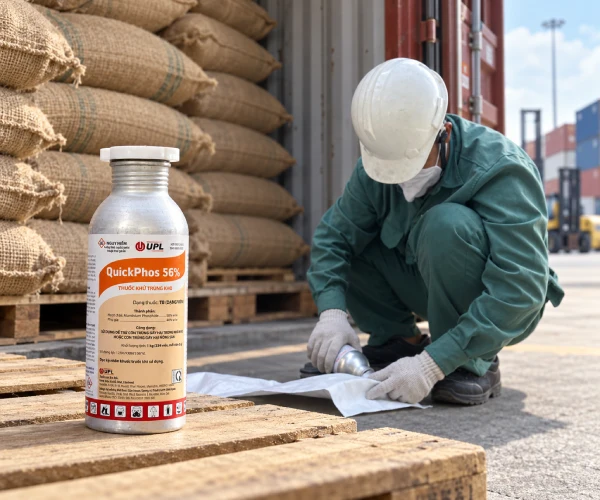
When the source of infestation lies inside coffee bags or deep within the cargo bulk, the fumigation plan must be designed based on airtightness, stacking methods, pest types, and exposure time; Phosphine is one of the active ingredients used for dry agricultural products, warehouses, and silos.
2.5. Review of intake–dispatch schedules and available treatment windows
During peak procurement seasons, warehouses may continuously receive new coffee while simultaneously dispatching old-crop inventory. If intake and dispatch schedules are too tightly compressed, enterprises frequently face time shortages to sanitize, inspect, and treat pests prior to positioning subsequent consignments.
Accordingly, warehouse management departments must determine projected new-crop intake dates, batch volumes, and zones that can temporarily cease operations for treatment. Once an insect source requiring fumigation is identified, this operational data enables technical teams to assess feasibility prior to the warehouse entering peak operations.
Fumigation requires adequate time for preparation, gas exposure, aeration, and clearance testing in compliance with the applied protocol. Enterprises must not curtail technical procedures solely to meet commodity intake deadlines.
Exposure time to the fumigant is an independent technical variable, especially with Phosphine; the phosphine fumigation process for dry agricultural products demonstrates why airtightness, humidity, stacking methods, and exposure time must be evaluated together.
3. Post-review: When is contact insecticide spraying required, and when is fumigation necessary?
Contact insecticide spraying and fumigation are not mutually interchangeable measures. Contact insecticide spraying is evaluated to control crawling/flying insects across suitable surface areas within the warehouse environment. Meanwhile, fumigation is utilized to eradicate insects within consignments or enclosed, gastight spaces when technical and safety parameters are satisfied.
This dictates why VFC Fumigation must conduct on-site field surveys prior to proposing a solution, rather than applying a generic methodology across all coffee warehouses. Selection depends on the specific location of insect detection, the extent of infestation, and the treatment objective.
| Real-World Scenario | Evaluated Control Measure |
|---|---|
| Insects present at wall bases, cracks, crevices, and structural warehouse surfaces | Perform sanitation, eliminate residual food sources, and evaluate contact insecticide spraying at appropriate targeted locations |
| Insects present within bagged coffee consignments | Inspect insect infestation levels and evaluate consignment fumigation under specialized gastight tarpaulins |
| No insect presence recorded following appropriate sanitation and inspection | Maintain continuous monitoring, uphold storage conditions, and conduct periodic contact insecticide spraying to prevent and control insects in the warehouse environment |
Enterprises looking to learn more deeply about the treatment scope, sealing conditions, and implementation procedures can refer to VFC Fumigation's warehouse and silo fumigation service.
Is your warehouse preparing to receive the new coffee crop while holding existing inventory or detecting insect pests?
Enterprises can submit baseline site information to VFC Fumigation to receive technical consultations on survey requirements, evaluate treatment scope, and formulate plans aligned with intake schedules.
Contact VFC Fumigation for coffee warehouse survey consultation
4. How does VFC Fumigation execute coffee warehouse surveys and phytosanitary treatments?
For coffee storage warehouses, VFC Fumigation captures technical parameters regarding commodities, insect infestation status, target treatment locations, and operational schedules prior to formulating a protocol. On-site survey activities provide the technical basis to assist warehouses in selecting and determining whether fumigation is mandatory or if contact insecticide application and environmental control measures are sufficient.
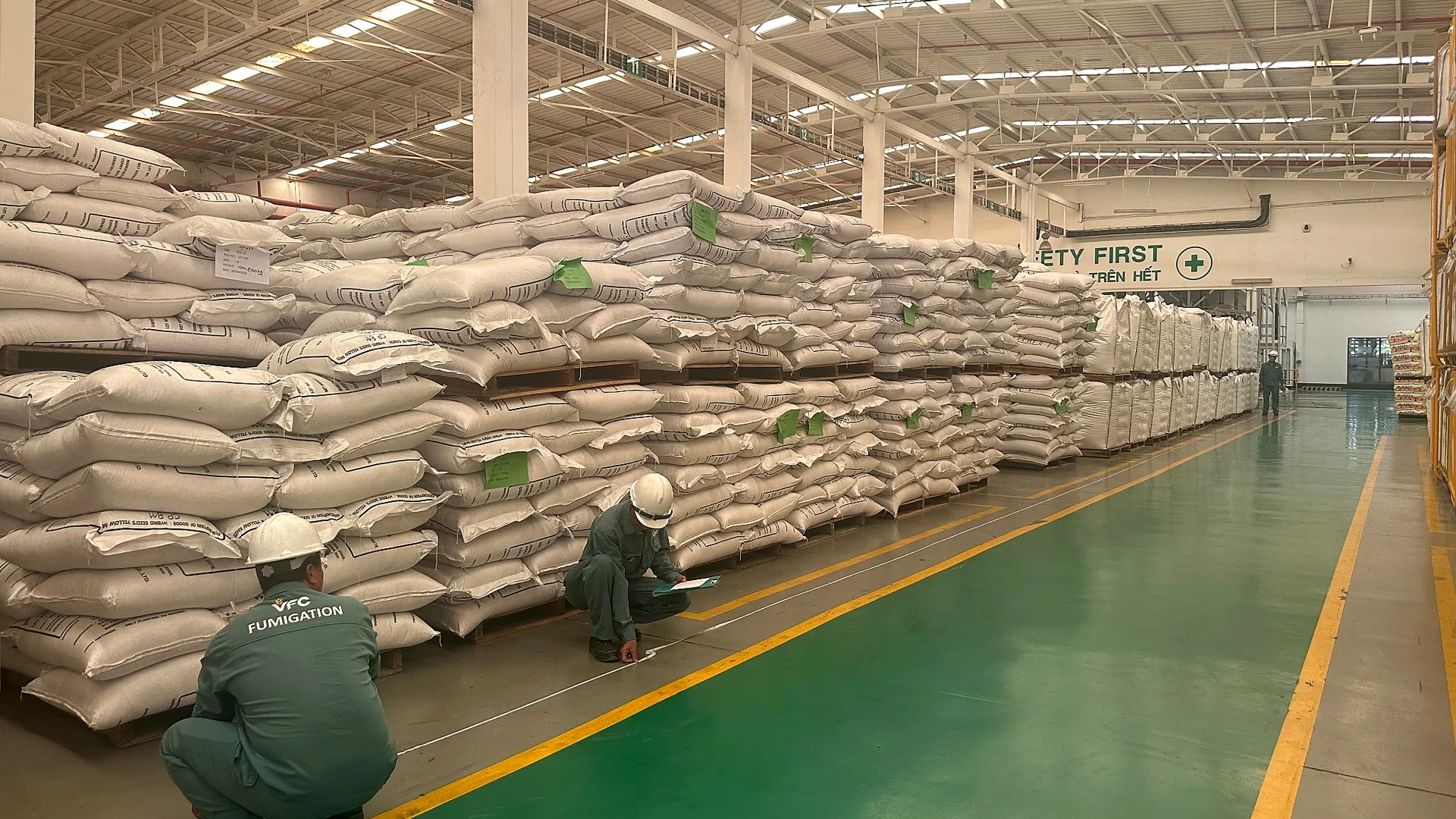
VFC Fumigation surveys warehouse baseline conditions prior to recommending an appropriate pest control protocol
Under VFC Fumigation’s service standard operating procedures, execution is structured across 5 phases: request intake – physical on-site survey – technical personnel and material mobilization – treatment execution – clearance inspection, acceptance, and handover. Throughout this workflow, the proprietary internal FumiApp system supports work dispatching, field data logging, and operational progress tracking.
When post-storage coffee continues into the export chain, field data can also connect with the acceptance and certificate steps; this management approach is described in export agricultural produce fumigation from cargo handling to data and certificates.
Where fumigation is mandated, the treatment plan must clearly define the treatment perimeter, enclosure gastightness standards, exposure periods, and relevant safety parameters. Post-treatment, technical personnel execute gas aeration, perform clearance safety testing, and finalize operational documentation within the contracted scope prior to formal handover.
5. What information must warehouse management prepare for protocol consultation?
Enterprises do not necessarily need to predetermine the fumigant active ingredient or treatment method when contacting a fumigation provider. The core priority is providing precise data on warehouse baseline conditions, commodity status, and new-crop intake schedules to establish an evaluative basis for technical teams.
| Required Information | Detailed Specifications to Provide |
|---|---|
| Warehouse location and dimensions | Physical address, surface area, and designated inspection zones |
| Old-crop inventory | Consignment locations and storage duration |
| Stacking configurations | Layout schematics of commodity lots, pallets, gangways, and intake–dispatch areas |
| Sanitation baseline | Cleaned areas, zones with residual commodity accumulation, or restricted-access points |
| Insect infestation status | Visual evidence, locations, detection timestamps, and historical treatment logs, if available |
| New crop scheduling | Initial intake date and planned operational timeline |
These data inputs enable VFC Fumigation to determine critical survey checkpoints and factors that could influence treatment protocols. For large-scale storage facilities or complex multi-zone operations, enterprises should initiate technical discussions early to allocate sufficient site preparation time.
6. VFC Fumigation – Partnering with enterprises in pre-season coffee warehouse pest control
For coffee procurement, processing, and export enterprises, pre-season pest management must integrate seamlessly with practical warehouse operations. An optimal treatment protocol must concurrently address existing inventory, stacking geometry, sanitation baselines, insect infestation foci, and operational windows available for treatment execution.
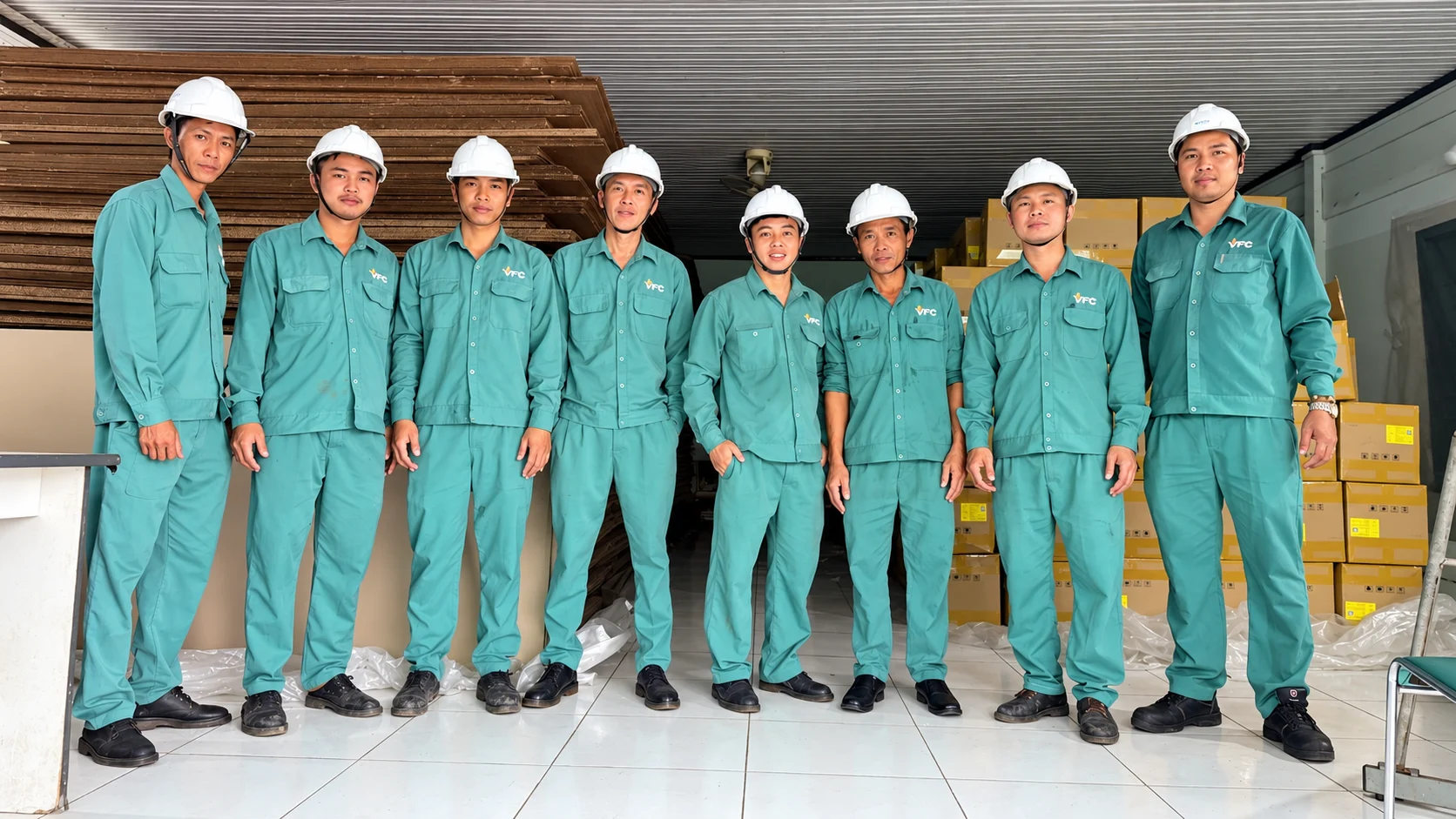
VFC Fumigation partners with enterprises to review and control coffee warehouse pests prior to the new crop season
VFC Fumigation is a specialized fumigation service brand under Vietnam Fumigation Joint Stock Company, backed by over 50 years of experience in the phytosanitary and fumigation industry. Service delivery capabilities are driven by certified technical personnel, baseline-oriented survey protocols, and the proprietary FumiApp operational management platform.
VFC Fumigation has a branch network and service stations in many areas across the country, including the VFC Dak Lak station in the Central Highlands raw material region. This network supports businesses in contacting, discussing current conditions, and arranging surveys in localities according to actual deployment conditions.
For storage facilities preparing to intake the new coffee crop, VFC Fumigation receives technical requests to assess pest conditions and provide advisory on appropriate treatment plans. Engaging during the preparatory phase empowers warehouse managers with greater operational control over treatment perimeters and intake storage schedules.
You may also be interested in: Coffee warehouse fumigation and preservation services: Treatment process and what businesses need to know
7. Frequently Asked Questions regarding pre-season coffee warehouse fumigation
7.1. Does a completely empty, fully dispatched coffee warehouse require fumigation?
No. In standard practice, fumigation is applied to treat specific commodity consignments and is not utilized for treating empty warehouse structures. For empty storage facilities preparing for new-crop intake, VFC Fumigation recommends that enterprises prioritize intensive mechanical sanitation combined with contact insecticide surface spraying to suppress insects within the warehouse environment, preventing cross-infestation risks when new coffee is introduced.
7.2. Is contact insecticide spraying necessary following warehouse sanitation?
Yes. Applying contact insecticides immediately following warehouse sanitation represents the optimal protocol, delivering superior insect control efficacy compared to untreated facilities. This solution eradicates environmental pests within the facility, safeguarding a sanitized warehouse environment prior to receiving and storing new-crop consignments.
7.3. Can a warehouse currently holding old-crop coffee receive new crop consignments?
Enterprises may proceed with new crop intake provided that spatial zoning, inventory inspections, and pest control parameters satisfy storage biosecurity standards. If active insect infestation is detected in old stock, a thorough assessment and phytosanitary treatment plan must be executed to suppress pests prior to introducing new coffee into high-risk cross-contamination zones.
7.4. How far in advance of the new crop should enterprises contact fumigation specialists?
Enterprises should establish contact as soon as projected intake schedules are formalized, particularly if existing stock remains on-site or if pest infestations have previously occurred. Mobilization and execution timelines depend directly on the treatment scope, structural site parameters, and the selected technical protocol.
8. New harvest season commencement – Enterprises must proactively manage pests early
As the new coffee crop season commences, enterprises must proactively audit existing stock, consignment stacking layouts, sanitation baselines, and areas prone to insect harborages. Timely detection and containment of pest sources mitigate cross-contamination into new stock while ensuring operational fluency across intake, dispatch, and long-term storage workflows.
Upon identifying signs of insect infestation or sub-standard sanitary zones, enterprises must evaluate structural conditions before selecting a treatment approach. Commodity fumigation should only be deployed when technical criteria and safety standards are satisfied, rather than applied by default across entire warehouse structures.
With over 50 years of experience and more than 15,000 customers trusting and using our services, VFC Fumigation accompanies businesses in pest control and cargo fumigation. Warehouse owners and management teams can proactively submit current status information along with expected cargo intake schedules to discuss treatment plans.
Contact VFC Fumigation for consultation and warehouse status survey
- Hotline: 0914 773 300
- Email: contact@fumigation.vn







Related Blogs