





Category:
Standards & Regulations

Published date:
31/03/2026
Share




In the field of import-export pest control, MB (Methyl Bromide) and Phosphine (PH₃) are the two most common fumigants. However, confusing the two or making the wrong choice can lead to cargo damage, reduced quality, or even customs rejection. Instead of choosing based on intuition, understanding the nature and application of each chemical will help businesses master the quarantine process and maximize the value of their shipments.
1. Fumigation with Methyl Bromide (MB)
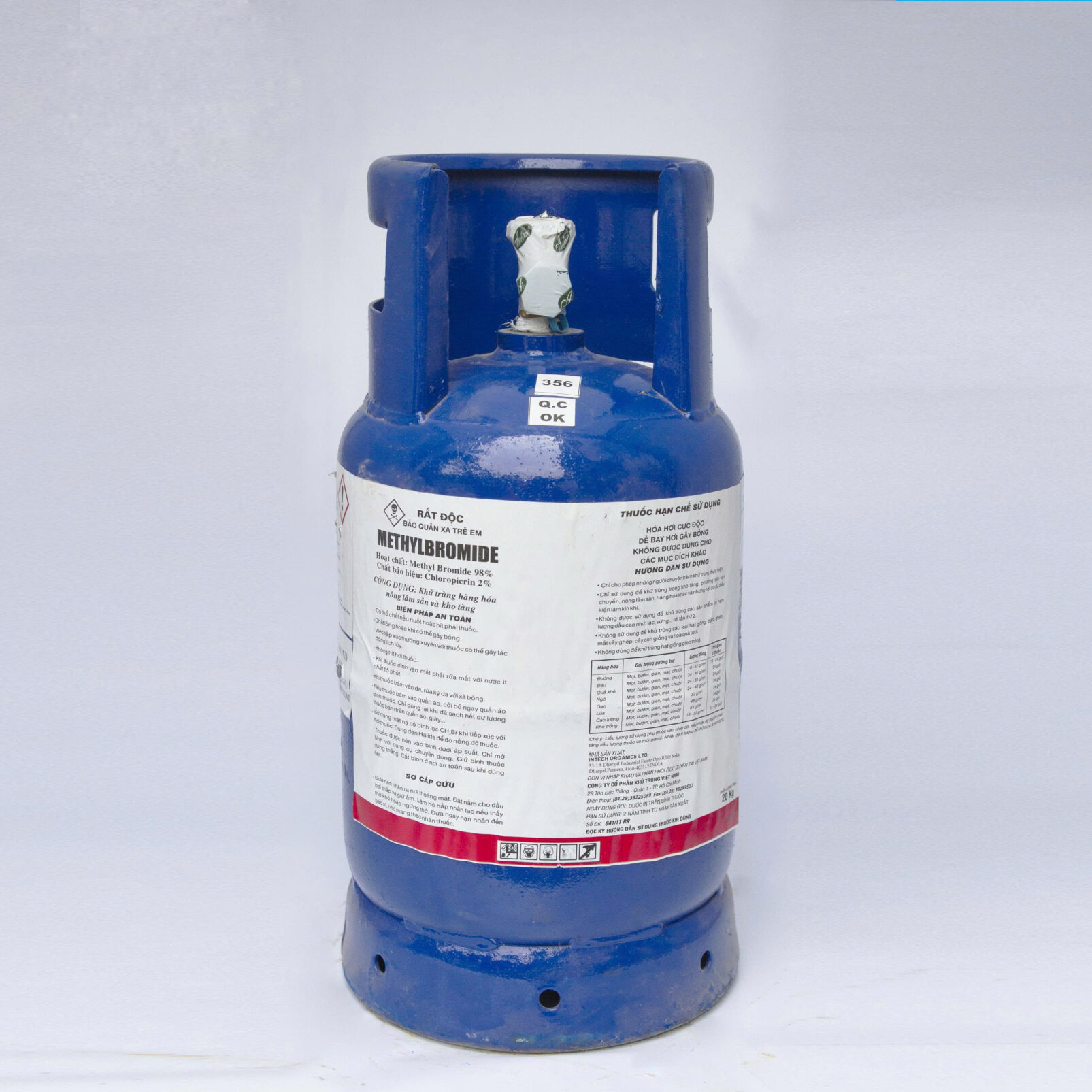
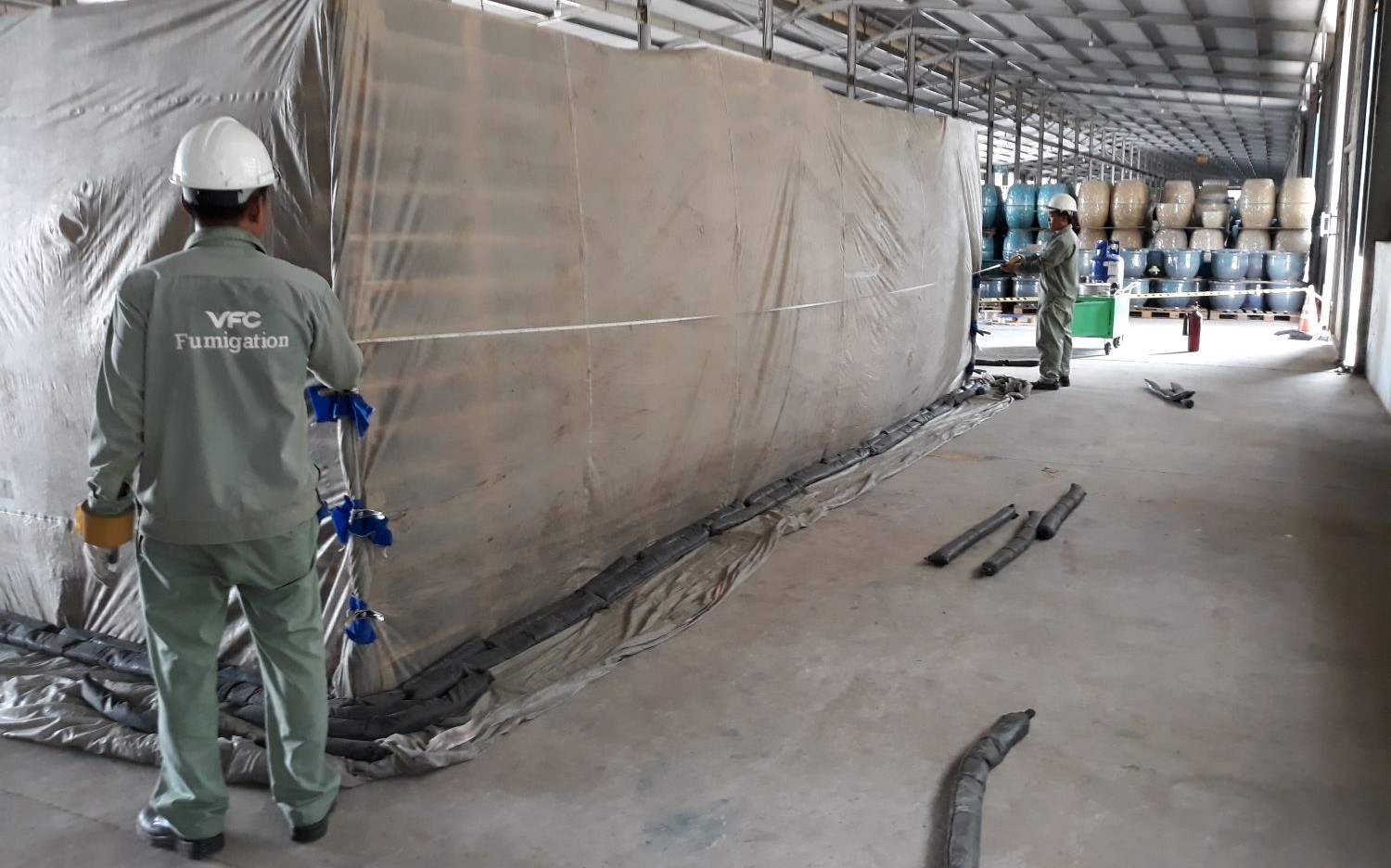
Methyl Bromide (CH₃Br), often abbreviated as MB, is a bromine-containing organic compound. In phytosanitary, export cargo treatment, and packaging—especially for Wood Packaging Material (WPM)—MB is one of the most traditional and popular solutions.
Mechanism of action
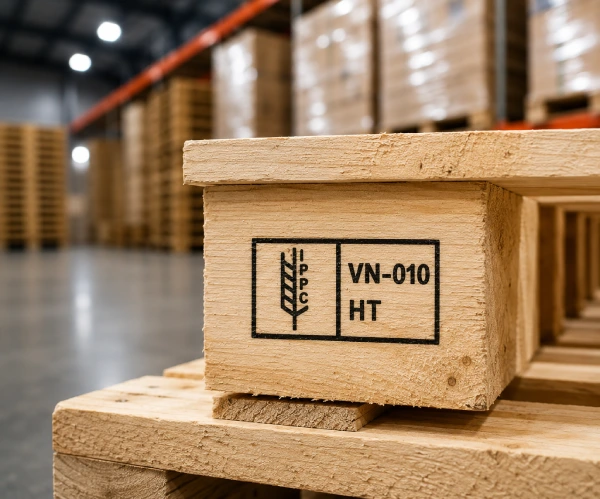
MB fumigation is performed by injecting the gas into a sealed structure (chamber, vessel, container, or tarpaulin-covered shipment). MB has strong diffusion and deep penetration capabilities, reaching into every corner to eliminate mold and insects at all developmental stages (eggs, larvae, pupae, and adults). After treatment, wooden packaging materials are stamped by VFC Fumigation with the international identification mark: VN-009.
Due to its fast action and powerful penetration, MB is often prioritized for shipments requiring strict quarantine, especially for insects with high resistance or when quick results are needed in a short timeframe.
Key advantages of MB
The defining characteristic of the MB method is its flexibility and speed. It is considered the "go-to" choice in urgent situations:
- Rapid processing speed: The process is very fast (usually taking only 24 to 48 hours for fumigation and aeration). This makes MB a "lifesaver" for shipments needing quick on-site treatment to meet vessel closing times.
- Extremely flexible deployment: Treatment can be performed right at the marshalling yard, factory warehouse, or directly inside the container once cargo is fully packed. This helps businesses optimize operational processes and save on logistics costs.
Limitations of MB
Despite its speed, MB has several drawbacks:
Depletes Ozone.
Because it depletes the ozone layer, MB is restricted or banned in many countries under the Montreal Protocol.
Impact on Cargo
MB is highly soluble in organic compounds (like oils and fats) and easily absorbed by fine powdered goods, which may leave residues. A technical assessment is required before fumigation to avoid exceeding allowable residue limits.
Loss of Germination
Absolutely do not use MB for seeds, as it impairs their germination ability.
Restricted Goods
MB is not suitable—or requires extreme caution—for goods that may react chemically or absorb gas, such as
- iodized salt with sodium hyposulphite
- specific soda products
- 100% fatty soy flour
- cellular rubber
- rubber foam (for bedding/pillows)
- stamps, seals, trademarks, and similar articles made of vulcanized rubber
- furs
- leather products, particularly white kidskin leather, and products that have undergone sulphur treatment
- wool products, especially Angora wool, where adverse effects have been observed on wool sweaters, socks, and yarns
- viscose fibers manufactured using processes involving carbon disulfide (CS₂)
- charcoal, which is not damaged by treatment but can absorb significant amounts of Methyl Bromide, resulting in high residue levels
- sulphur-treated paper or silver-coated paper
- photographic chemicals, excluding film and cameras
- carpets, padding materials, vinyl, and cellophane
2. Fumigation with Phosphine (PH₃)
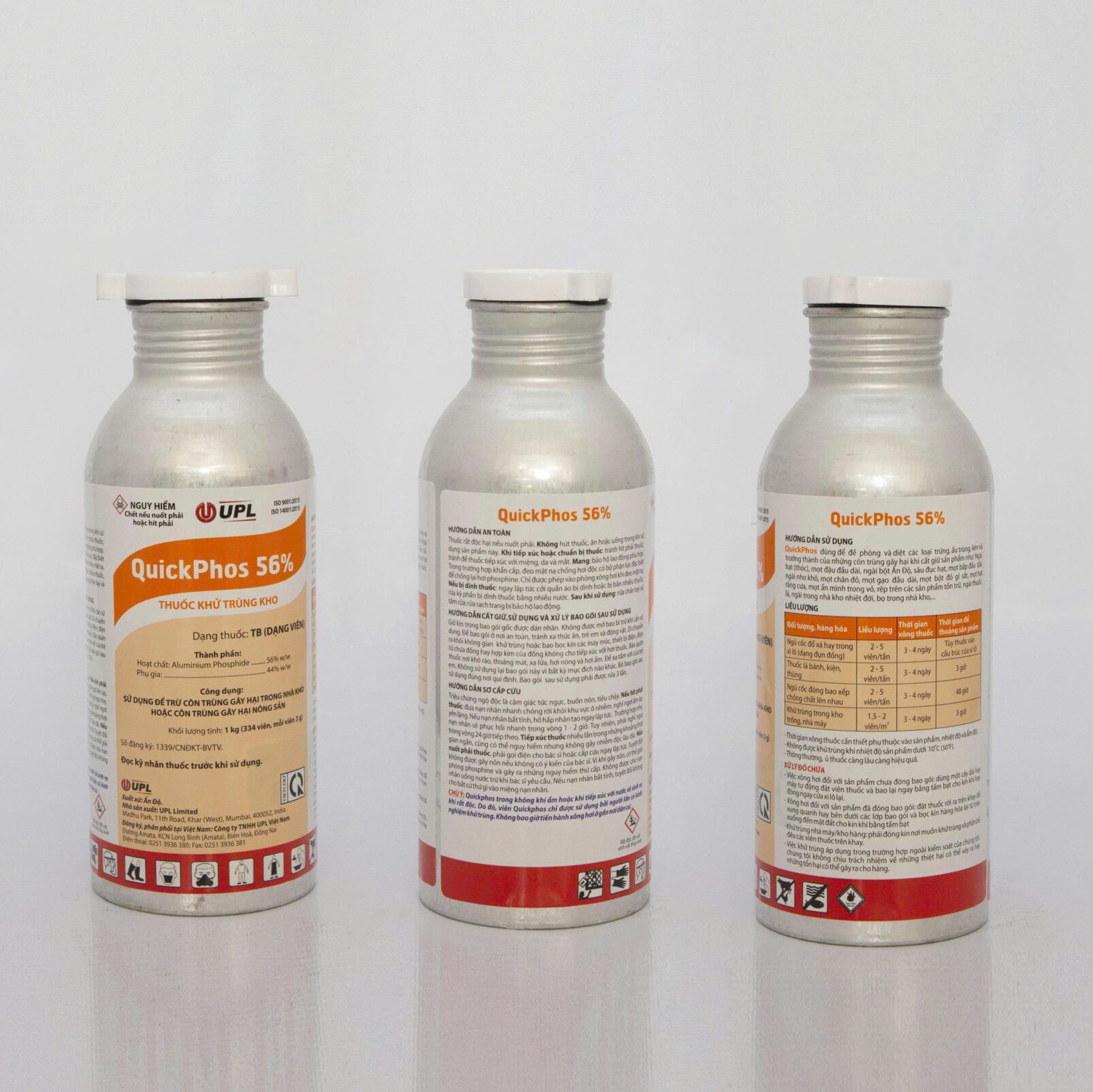
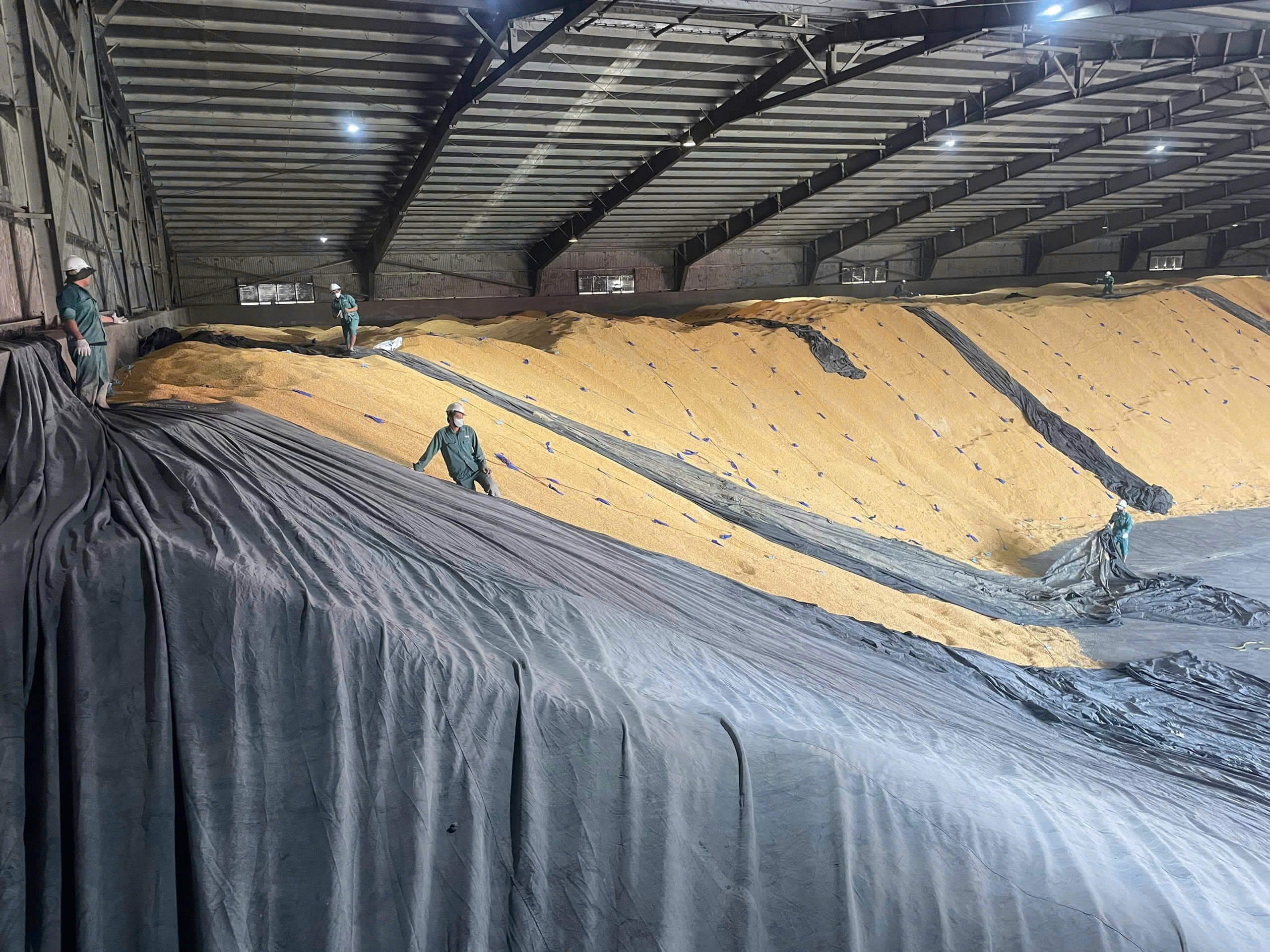
Phosphine (PH₃) is generated from the reaction of metal phosphides, such as Aluminum Phosphide (AlP) or Magnesium Phosphide (Mg₃P₂), with moisture in the air. It can be in the form of tablets, strips, or plates.
Mechanism of action
Unlike the rapid "burst" of MB, Phosphine works on a "slow but steady" principle. The gas is released gradually, circulating in enclosed spaces (warehouses, silos, vessel holds) to impact the respiratory systems of pests. The exposure time for Phosphine typically lasts from 5 to 7 days, or longer depending on the target pest.
Key advantages of Phosphine
Phosphine is a "favorite" in cargo preservation and export for these reasons:
- Seed Safety: Phosphine does not react with plant cell tissues, so it does not affect the vitality or germination rate of seeds.
- Minimal Impact on Cargo: After proper aeration, Phosphine evaporates, ensuring safety for agricultural products. Items like rice, wheat, cashews, and coffee treated with Phosphine fully meet the strict safety standards of the U.S., Europe, and Japan.
- Ozone Friendly: Phosphine does not contain halogens, does not deplete the ozone layer, and is internationally encouraged as an alternative to MB for agricultural storage.
In Vietnam, Phosphine is the most widely licensed and used active ingredient for stored product fumigation.
Limitations of Phosphine
- Long Processing Time: It takes 5–10 days to complete treatment. Therefore, Phosphine cannot be used for shipments facing tight shipping deadlines.
- Metal Corrosion: Phosphine gas is highly corrosive to metals like copper, silver, and gold. It must never be used for shipments containing electronic components, microchips, household appliances, or products with copper parts.
See more: Distinguishing MB and HT treatment methods: Which standard applies to wood packging materials?
3. Comparison Table: MB vs. Phosphine
To help businesses quickly understand the differences, the table below summarizes the key distinctions between the two treatment methods:
| Criteria | Methyl Bromide (MB) | Phosphine (PH₃) |
| Physical State | Liquefied gas injected into enclosed space. | Solid, reacts with moisture to release gas. |
| Treatment time | Very fast (24–48 hours). | Slow (5–10 days). |
| Application | Kiểm dịch thực vật, hàng trước xuất khẩu (nông sản, gỗ, pallet, thùng gỗ, kiện gỗ,…). Đặc biệt được sử dụng trong các trường hợp có yêu cầu bắt buộc từ nước nhập khẩu hoặc theo các tiêu chuẩn kiểm dịch cụ thể.
Không sử dụng cho hàng bảo quản và hạt giống. |
Fumigation các loại hàng bảo quản và xuất khẩu. Lưu ý: không sử dụng hàng hóa có đồng, vàng, bạc và hợp chất của chúng.
Được sử dụng cho hàng bảo quản. |
| Germination | Destroys seed embryos. | Safe, minimal impact. |
| Impact on Cargo | Because Methyl Bromide (MB) can dissolve in organic substances and is readily absorbed by powdered commodities, it may leave residual levels if not properly controlled and managed according to the prescribed treatment procedures. | It vaporizes at a very low temperature (-87°C). Therefore, after fumigation, the gas can be completely dissipated through proper ventilation procedures, ensuring the safety of the treated commodities. |
| Metal Reaction | Low impact. | Corrosive to copper, silver, gold, electronics. |
| Environment | Depletes Ozone. | Ozone friendly. |
4. Practical Application: Which one to choose?
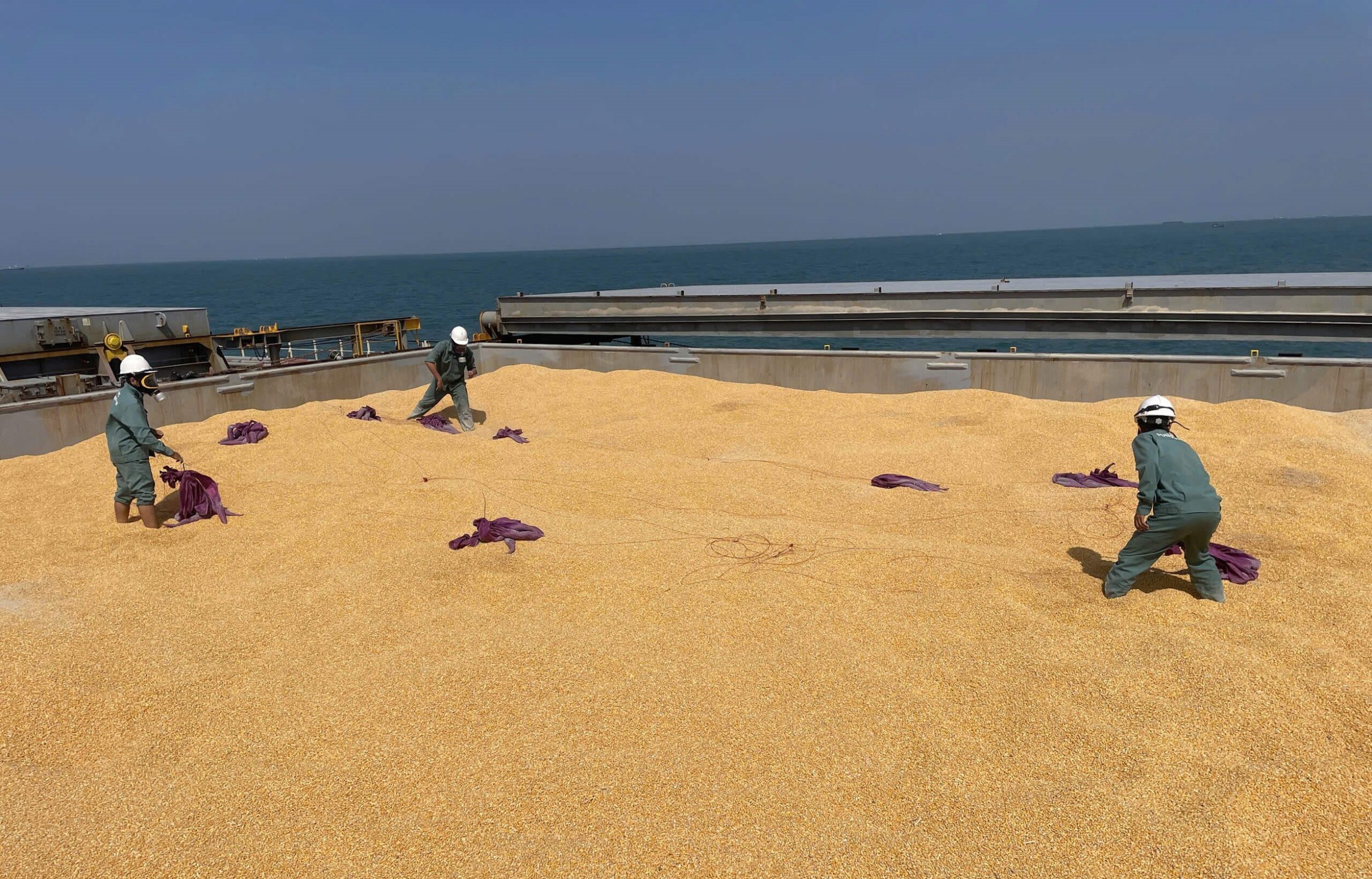
Based on the characteristics of each treatment method, the choice between them depends entirely on the nature of the shipment and the export timeline:
Prioritize Methyl Bromide (MB) when:
- The cargo consists of wood packaging materials (pallets, crates), rattan/bamboo handicrafts, or wood products.
- You are "pressed" for time and need immediate treatment at the yard to meet a vessel departure within 1-2 days.
- The container contains machinery, electronic components, or copper cables.
Prioritize Phosphine (PH₃) when:
- For shipments consisting of food products for direct consumption or agricultural commodities (such as rice, corn, wheat, oil-rich nuts including cashews, macadamia nuts, peanuts, and raw materials for animal feed production), preserving product quality is often a key consideration. However, it is important to note that both Methyl Bromide (MB) and Phosphine can be used for these commodities, depending on the quarantine requirements of the importing market or the applicable standards. For example, certain programs such as AFAS may specifically require treatment with MB.
- You are exporting agricultural seeds and need to guarantee germination rates.
- The goods are intended for long-term storage in silos or large warehouses.
- You have a flexible shipping schedule (over 1 week) and the destination market has strict chemical residue regulations.
Understanding the differences in mechanisms, advantages, and limitations between Methyl Bromide (MB) and Phosphine is critical to ensuring the safety, compliance, and successful movement of export shipments.
In summary, MB excels in speed and power, suitable for urgent shipments or mandatory requirements, while Phosphine takes longer but excels in control and quality preservation. Having a clear understanding of these two methods is essential for logistics and import-export businesses to optimize their supply chains and ensure products reach international markets successfully.
It is hoped that the in-depth insights provided in this article will equip logistics and import-export businesses with a solid foundation to select the right solutions, thereby optimizing their supply chains and successfully expanding their products' reach in the international market.
See more: Why does improper fumigation lead to prolonged risks?
Tags
Featured Knowledge


Related Knowledge