





Category:
Standards & Regulations

Published date:
21/09/2026
Share




Phosphine (PH3) is a colorless gaseous fumigant active ingredient generated through the chemical reaction between metal phosphides—such as Aluminium Phosphide (AlP) or Magnesium Phosphide (Mg3P2)—and atmospheric moisture. Owing to its superior diffusivity and deep penetration capabilities, Phosphine provides an optimal solution for thoroughly eliminating stored-product pests across all developmental stages in grains, dried agricultural commodities, storage warehouses, and silos.
1. Chemical Nature and Insecticidal Mode of Action of Phosphine
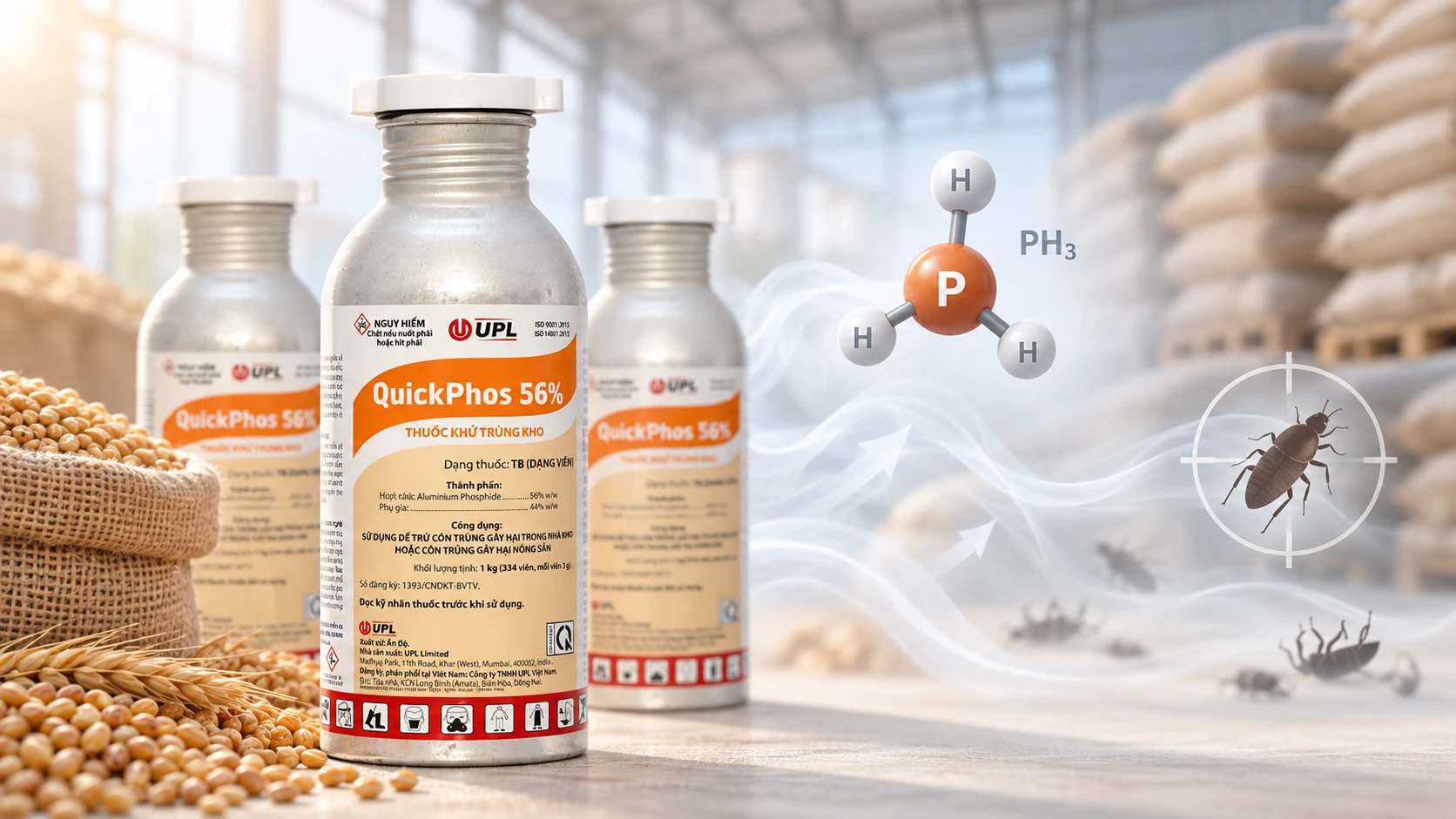
Aluminium Phosphide reacts with atmospheric moisture to release Phosphine gas during the fumigation process.
Phosphine (PH3) Gas Generation Reaction:
Fumigants containing the active substance Aluminium Phosphide (AlP) or Magnesium Phosphide (Mg3P2) are available in commercial formulations such as round/flat tablets, pellets, strips, or plates. Upon exposure to atmospheric moisture, they react to liberate Phosphine gas (PH3) according to the following chemical equations:
AIP + 3H2O → PH3↑ + Al(OH)3
Mg3P2 + 6H2O → 2PH3↑ + 3Mg(OH)2
Notably, tablet formulations are consistently blended with ammonium carbamate (NH2COONH4). This compound is unstable in ambient air, rapidly decomposing spontaneously to release carbon dioxide (CO2) and ammonia (NH3):
NH2COONH4 → 2NH3↑ + CO2↑
The presence of this gas mixture serves a dual role, acting both as a toxic agent against insect pests and as a flame inhibitor to mitigate fire risks.
Pest Eradication Mechanism: PH3 gas enters the insect's body through the spiracular system (spiracles) and disrupts the respiratory process.
2. Comparison between Phosphine (PH3) and Methyl Bromide (CH3Br)
| Criteria | Phosphine (PH3) Fumigation | Methyl Bromide (CH3Br) Fumigation |
|---|---|---|
| Initial Formulation | Solid fumigant that reacts with atmospheric moisture. | Liquefied gas, injected through specialized vaporization equipment. |
| Fumigation Exposure Time | Typically lasts 7–10 days. | Shorter, typically ranging from 24 to 48 hours. |
| Impact on Seed Germination | Safe, with minimal impact on seed germination rates. | Adversely affects seed germination rates. |
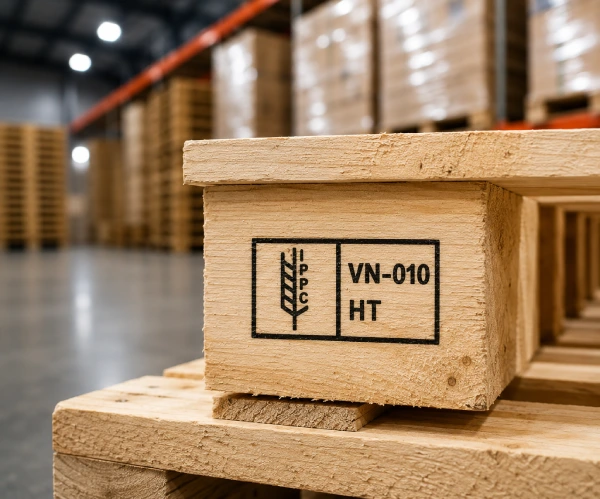
| Optimal Application Scope | Fumigation of stored commodities, warehoused dry agricultural produce (rice, coffee, cashew nuts, etc.), animal feed raw materials, grains stored in silos or flat storage warehouses, bulk vessel cargo treatments, and export commodity fumigation. | Quarantine treatments; pre-shipment cargo fumigation; treatment of wood packaging materials (WPM) and timber dunnage in accordance with ISPM 15 standards; export consignments destined for Australia under AFAS standards and the BMSB seasonal control program. |
The table above highlights only the primary differences; when selecting a practical treatment plan, businesses must also evaluate the commodity type, destination market requirements, cargo stuffing schedules, and operational application workflows between Methyl Bromide and Phosphine.
3. Core Applications of Phosphine in Storage and Logistics Chains
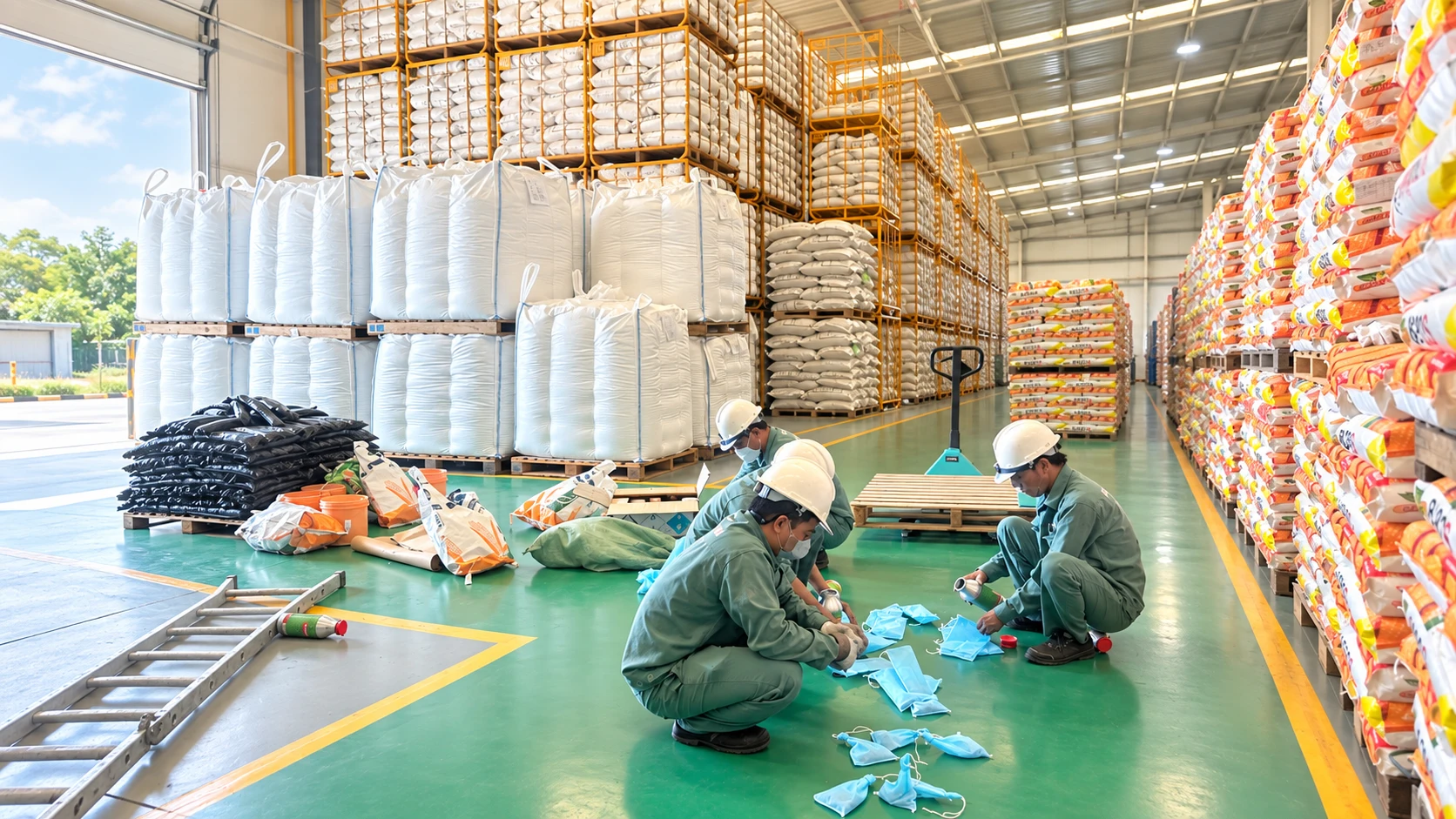
Common applications of Phosphine in commodity fumigation and agricultural produce preservation
- Fumigation of dry agricultural produce in bags and bulk storage: Commodities such as rice, corn (maize), coffee, cashew nuts, pepper, and cassava chips are treated under gastight tarpaulins within warehouses, ensuring stable gas concentrations throughout the exposure period.
- Large-Scale Grain Silo Fumigation (Application of the J-System): Silos standing 30–45 meters high and holding thousands of tons of grain often develop dead zones because PH3 gas struggles to naturally diffuse down to the base. The J-System gas recirculation solution utilizes specialized air-handling equipment to draw and continuously circulate the gas stream from the top to the bottom of the silo, maintaining uniform fumigant concentrations throughout the entire grain mass.
- Bulk Vessel Cargo Hold Fumigation: Treating tens of thousands of metric tons of raw agricultural commodities on ocean-going voyages, requiring stringent sealing protocols and continuous gas leakage monitoring to ensure crew safety.
- Insect Pest Control in Processing Machinery: Thoroughly eliminates pests in blind spots, crevices, and accumulated agricultural residues within milling equipment that mechanical cleaning cannot access.
- Container fumigation and chamber treatments: Treating containerized cargo or commodities inside fumigation chambers, strictly controlling gastightness, fumigant concentration, exposure duration, and technical parameters to eliminate target pests infesting the cargo.
4. Standard 6-Step Phosphine Fumigation Protocol
The Phosphine (PH3) fumigation protocol demands absolute technical precision at every operational step to achieve complete pest eradication while ensuring biosecurity compliance in full accordance with industry standards:
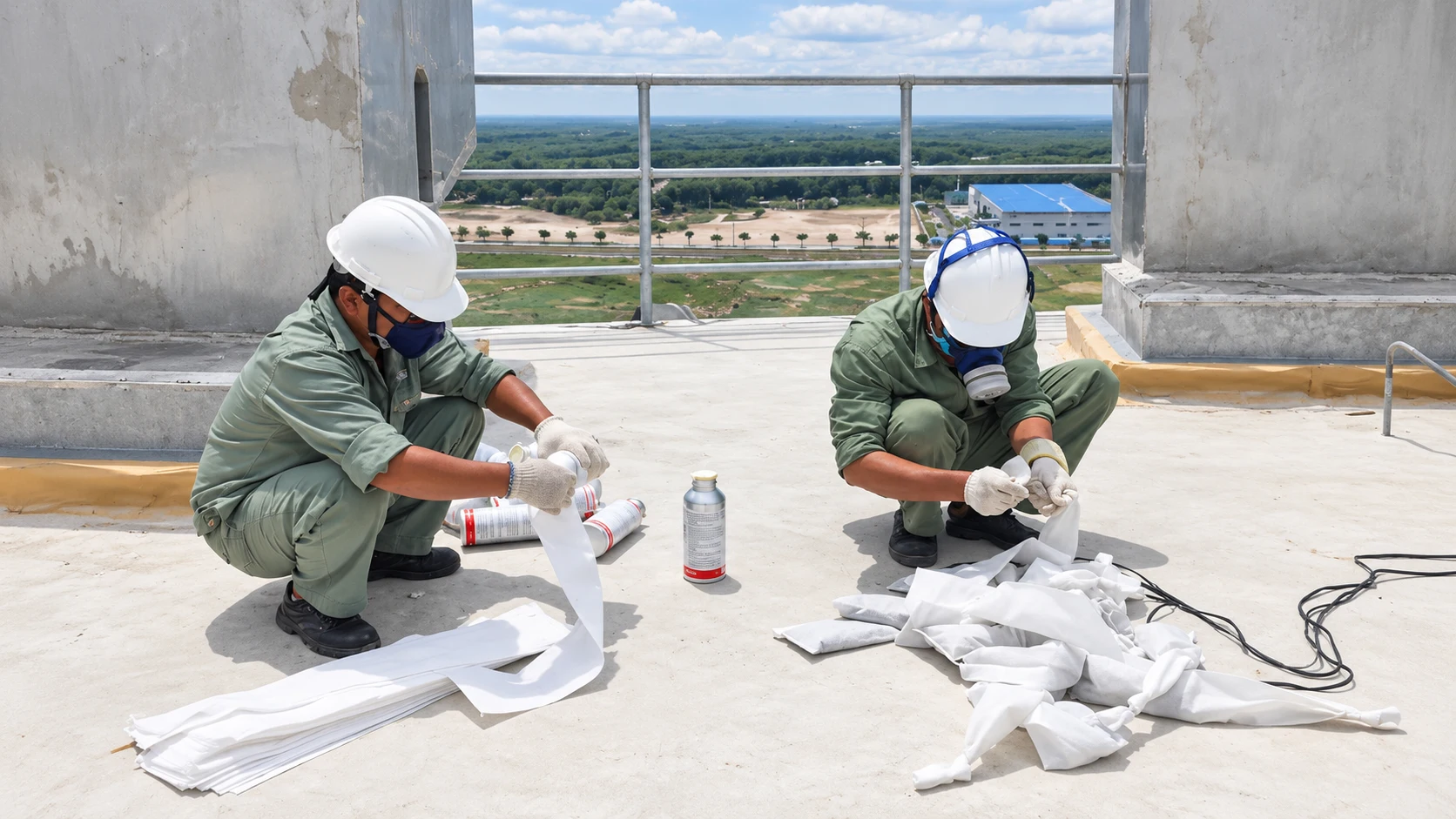
Commodity Fumigation Procedure Using Phosphine Fumigant
- Step 1: On-Site Survey and Facility Condition Assessment: Technicians conduct a physical inspection of the cargo consignment (across warehouses, silos, containers, or vessel holds), evaluate the structural integrity of floors and walls, measure commodity moisture content, and assess the gastight sealing capacity of the treatment enclosure prior to deployment.
- Step 2: Technical Plan Formulation and Materials Preparation: Develop a tailored fumigation plan suitable for each specific facility type. Fully prepare specialized equipment and materials, including: Aluminium Phosphide (AlP) fumigant, gastight tarpaulins, sealing materials, gas concentration monitoring devices, leak detectors, and personal protective equipment (PPE).
- Step 3: Fumigant Placement, Gastight Sealing, and Safety Perimeter: Distribute the fumigant evenly according to the technical dosing plan and install gas sampling lines at critical monitoring points. Proceed to sheet the commodity stack under gastight tarpaulins, utilizing sand snakes or specialized sealing materials to achieve a hermetic seal. Post danger warning signs around the operational perimeter to prevent unauthorized personnel from entering.
- Step 4: Maintaining Exposure Duration and Concentration Monitoring: Maintain the standard exposure period of 7 to 10 days to allow deep gas penetration, eliminating target pests across all developmental stages. Technicians conduct periodic gas concentration readings in accordance with the approved technical plan to verify treatment efficacy.
- Step 5: Aeration and Gas Clearance Verification: Upon completion of the exposure period, technicians remove the sealing materials to conduct aeration. Specialized gas detection instruments are used to verify that residual gas concentrations have fallen within the permissible Threshold Limit Value (TLV). Technicians then carry out a joint inspection with the client to verify and confirm the fumigation results.
- Step 6: Final Acceptance and Fumigation Certificate Issuance: Treatment outcomes are recorded and verified against actual operational dossiers. VFC Fumigation issues a fumigation certificate integrated with a QR code to facilitate online verification. The QR code represents merely the final authentication layer; backed by traceable field operation data for each specific consignment, this creates a 2-layer transparent fumigation model bridging on-site execution and issued documentation.
5. Key Projects Executed by VFC Fumigation Using Phosphine Fumigant
Case Study 01: Fumigation of Over 15,000 Metric Tons of Bulk Corn for an Animal Feed Mill in Ho Chi Minh City
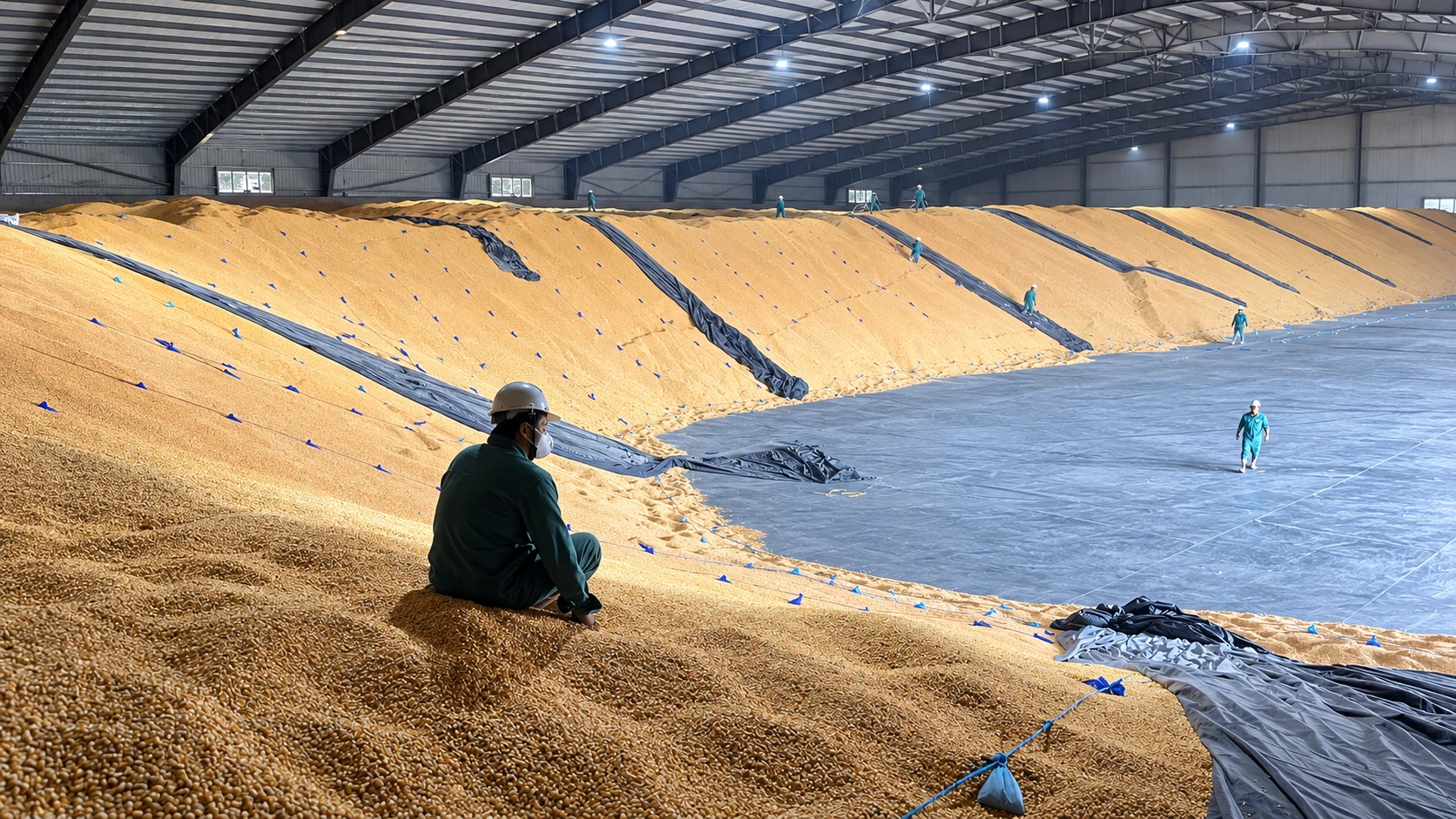
VFC Fumigation fumigates over 15,000 metric tons of bulk corn using Phosphine in Ho Chi Minh City.
- The Challenge: The bulk-piled corn mass presented an immense surface area and heavy compaction, coupled with a surging pest infestation density that threatened uninterrupted feed production lines.
- The Solution: VFC Fumigation conducted an on-site survey to develop a tarpaulin fumigation plan, achieved gastight sealing across the entire structure, precisely calculated the required Aluminium Phosphide dosage, and monitored gas concentrations to guarantee effective pest control and total eradication.
- The Outcome: Achieved complete pest eradication across all developmental stages, confirmed zero live insects upon final inspection sign-off, and preserved the intact quality grade of raw material inputs.
Case Study 02: Applying the J-System to Fumigate 55,000 Metric Tons of Bulk Rice Bound for the US Aboard the Vessel Golden Eagle

Applying the J-System for Phosphine Gas Recirculation in Bulk Rice Cargo Aboard the Vessel Golden Eagle
- The Challenge: Cargo holds reaching depths of nearly 20 meters made natural gas diffusion to the bottom extremely difficult, compounded by exceptionally stringent phytosanitary requirements mandated by USDA-APHIS.
- The Solution: Pioneered the installation of a J-System forced-recirculation setup, continuously driving Phosphine gas flow from the cargo surface down to the bottom of the holds.
- The Outcome: Achieved uniform fumigant concentration throughout the entire cargo mass, enabling seamless quarantine and customs clearance at the US discharge port without a single claim or dispute.
Case Study 03: Eradicating Harbored Pests in Rice Processing Machinery across Hung Yen & Ha Nam
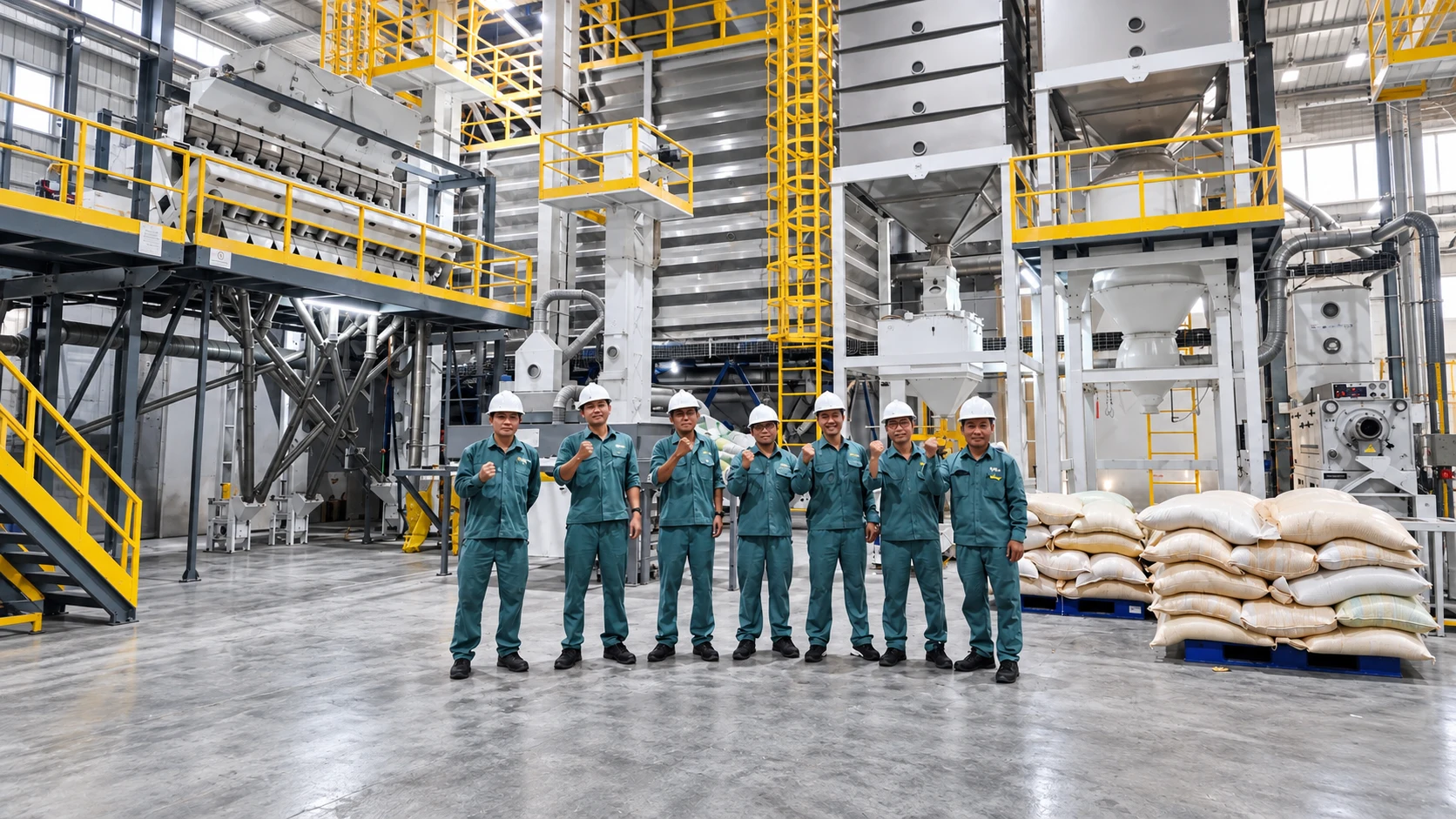
VFC Fumigation treats harbored insect pests in rice processing lines in Hung Yen and Ha Nam.
- The Challenge: Insect pests harbored deep within crevices and structural blind spots across the complex, multi-tiered processing line, proving completely inaccessible to mechanical cleaning.
- The Solution: Engineered a compartmentalized sealing plan for individual machinery components, deploying Aluminium Phosphide (AlP) to release Phosphine (PH3) gas capable of penetrating deep into inaccessible recesses and hidden blind spots.
- The Outcome: Achieved complete pest eradication while guaranteeing absolute occupational safety for all plant personnel.
6. Frequently Asked Questions About Phosphine Fumigant (FAQ)
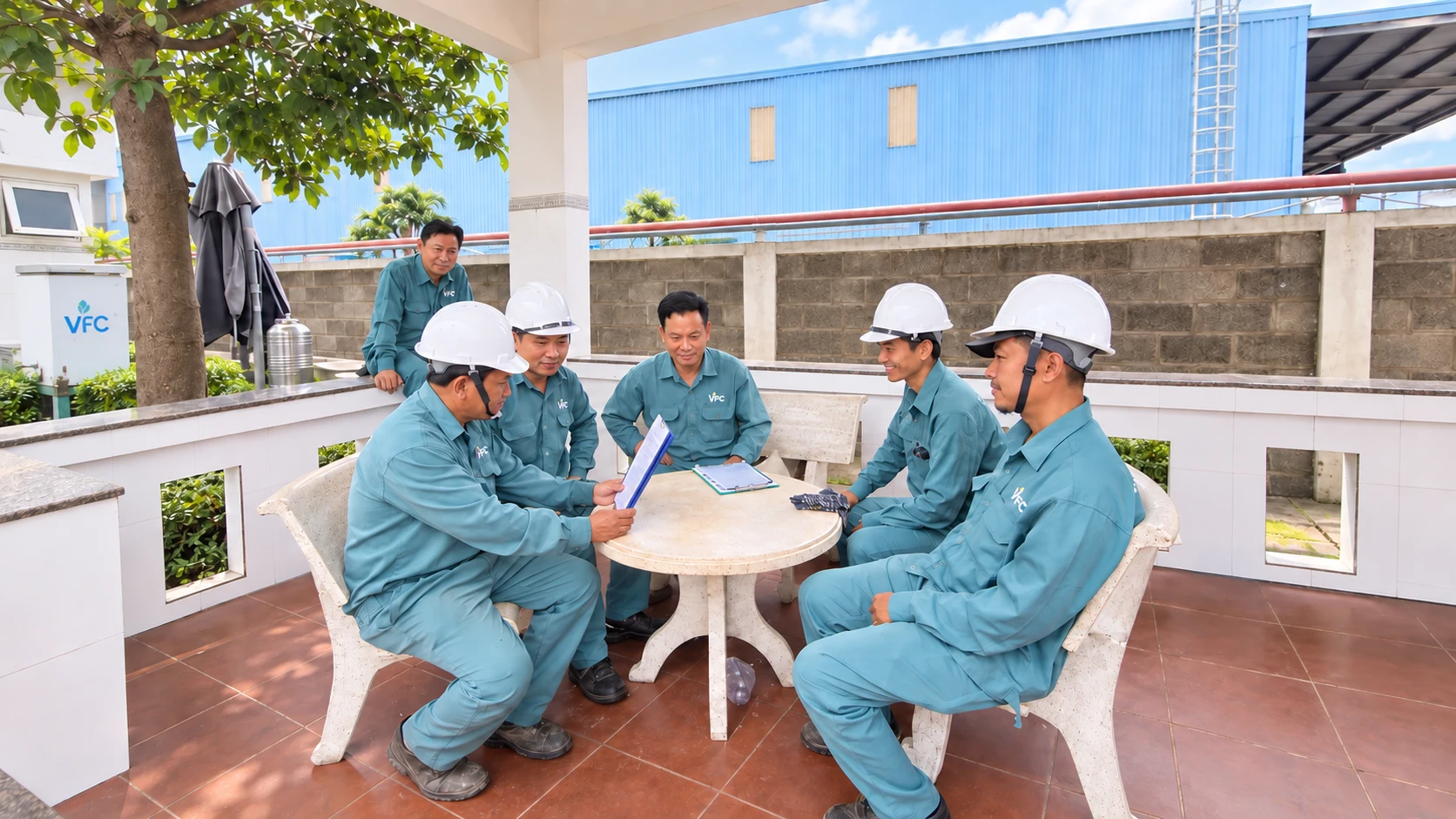
Addressing Common Inquiries Regarding Phosphine Fumigant
Question 1: Does Phosphine fumigant impair seed germination capacity?
Answer: No. Unlike Methyl Bromide, Phosphine gas does not impair seed germination rates when applied according to proper technical protocols, making it completely safe for seed storage facilities.
Question 2: Why must the Phosphine fumigation exposure period last a minimum of 7 to 10 days?
Answer: Because Phosphine acts slowly on pests through inhalation, and both eggs and pupae are particularly tolerant and difficult to kill, an extended exposure duration over multiple days is essential to achieve complete control across all insect developmental stages.
Question 3: Does Phosphine fumigation affect commodity quality?
Answer: No. Upon completion of the exposure period and the execution of safe aeration protocols, PH3 gas desorbs completely and dissipates into the atmosphere.
Question 4: How is Phosphine concentration verified to ensure it is safe for cargo handlers and stevedores?
Answer: Technicians must utilize specialized gas detection instruments or colorimetric detector tubes to conduct on-site concentration monitoring. Only when recorded levels fall strictly at or below the permissible Threshold Limit Value (TLV) is a formal safety clearance issued and the cargo released for handover.
If your enterprise requires expert consultation on technically compliant Phosphine fumigation solutions for warehouses, silos, or maritime vessel cargo, contact VFC Fumigation today via Hotline 0914.773.300 or Email contact@fumigation.vn to have our technical team—backed by over 50 years of industry experience—conduct an on-site survey and engineer an optimal treatment plan.

Featured Knowledge



Related Knowledge