





Category:
Fumigation for goods exported to the U.S
Fumigation by Market

Published date:
30/06/2026
Share




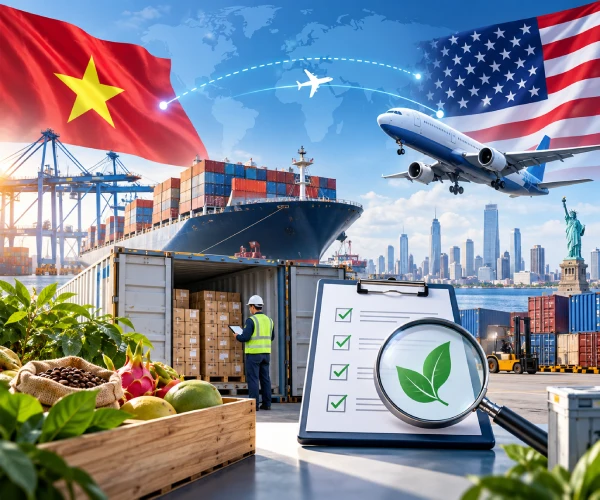
The United States is one of Vietnam's large export markets with many different product groups, ranging from agricultural products and wood to industrial goods. However, not every shipment to the United States requires fumigation. Properly identifying the right product group, packaging materials, and quarantine requirements from the start will help businesses proactively prepare documentation, reducing risks that arise during the export and customs clearance process. This content is also the focus of the internal guidance document you provided.
Is fumigation mandatory for cargo bound for the United States?
Many businesses assume that all U.S.-bound shipments must undergo fumigation. In reality, treatment requirements depend on the type of goods, packaging materials, and regulations applicable to each specific case. In fact, fumigation requirements depend on the type of goods, packaging materials, and quarantine regulations of each product category, rather than applying uniformly to all shipments.
For many industrial goods packaged with conventional materials such as plastic, metal, or cardboard, businesses may not need to perform fumigation. However, if the shipment uses wooden pallets, wooden crates, or materials of plant origin, businesses should check right from the start to determine the requirements to be met before export.
If a suitable plan has not been determined, businesses should consult with a provider of export cargo container fumigation services before finalizing the stuffing schedule.

Goods destined for the US are usually inspected before export
Not all shipments are subject to the same requirements. However, certain commodity groups face a higher risk of triggering treatment or inspection requirements. Many businesses still mistakenly believe that having a fumigation certificate is enough. In reality, requirements also depend on the type of goods, treatment methods, and regulations of U.S. quarantine authorities.
The goods are packaged using wooden materials
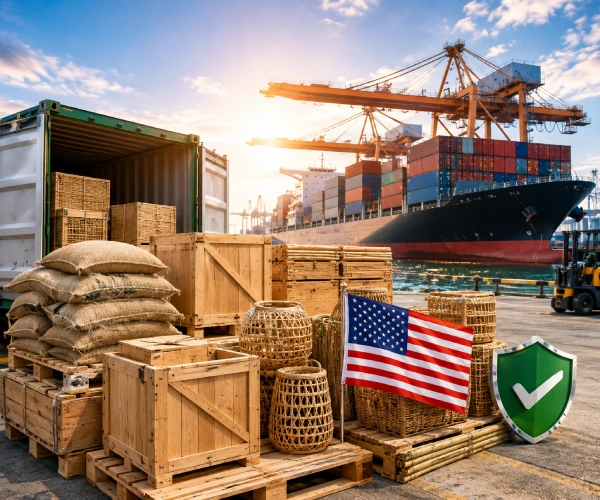
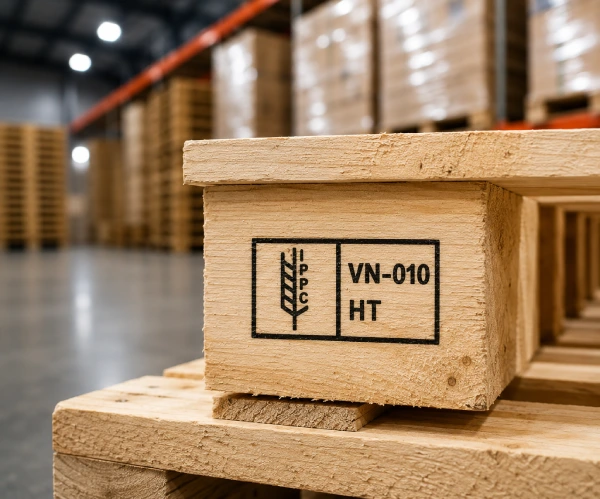
Wood packaging materials are one of the items that businesses should prioritize checking before exporting to the United States. Wooden pallets, wooden boxes, wooden crates, dunnage, or wooden braces all belong to the wood packaging material (WPM) group. These materials need to meet ISPM 15 standards and be treated according to regulations before being used in export activities.
These materials need to meet ISPM 15 standards and be treated according to regulations before being used in export activities. For untreated pallets, wooden crates, or dunnage, businesses can use pallet and wooden packaging ISPM 15 treatment services prior to loading.
In addition to having the IPPC mark on pallets, businesses should also inspect the physical condition of the wooden materials. Pallets that still have bark, show signs of insects, cracks, or damage can introduce risks during inspection in the importing country. Proactively reviewing materials right from the packing stage will help businesses promptly replace non-compliant items and minimize impacts on the export schedule. Businesses can refer to how to select suitable pallets for each export shipment before incorporating materials into the container loading process.
Agricultural products and plant-derived product
Items such as rice, coffee, cashew nuts, pepper, beans, grains, wood, bamboo, rattan, or reed usually have stricter control requirements due to the risk of carrying pests. Businesses can refer to types of goods commonly required to undergo fumigation before export to review their shipments.
For these commodity groups, businesses should discuss early with the fumigation provider and check the requirements of the customer or importing market before stuffing the container.
Goods are at risk of insect infestation during storage
Some shipments do not belong to the agricultural product group, but still carry a risk of insect infestation if stored for long periods or kept under high humidity conditions. This risk often increases noticeably during the rainy season, when businesses easily face situations where goods are returned due to weevils and insect re-infestation.
Cargo packed in bags, cardboards, or transported by sea for many weeks usually needs to be thoroughly evaluated for storage conditions. Early control helps limit the risk of insect re-infestation and reduces the likelihood of complaints after the cargo arrives.
Why should containers be inspected before being loaded?
Many businesses only contact the fumigation unit when the container is already stuffed or close to the closing time. At this point, if pallets are found to be substandard or require additional treatment, the entire export plan may have to be adjusted.
Checking early helps businesses have enough time to replace packaging materials, arrange the treatment schedule, prepare documents, and coordinate with the logistics unit. At the same time, any changes regarding the container or ship schedule can also be updated before the documentation is issued.
For businesses frequently exporting to the United States, building an inspection process right from cargo preparation will help reduce last-minute treatment pressure and improve stability in export activities.
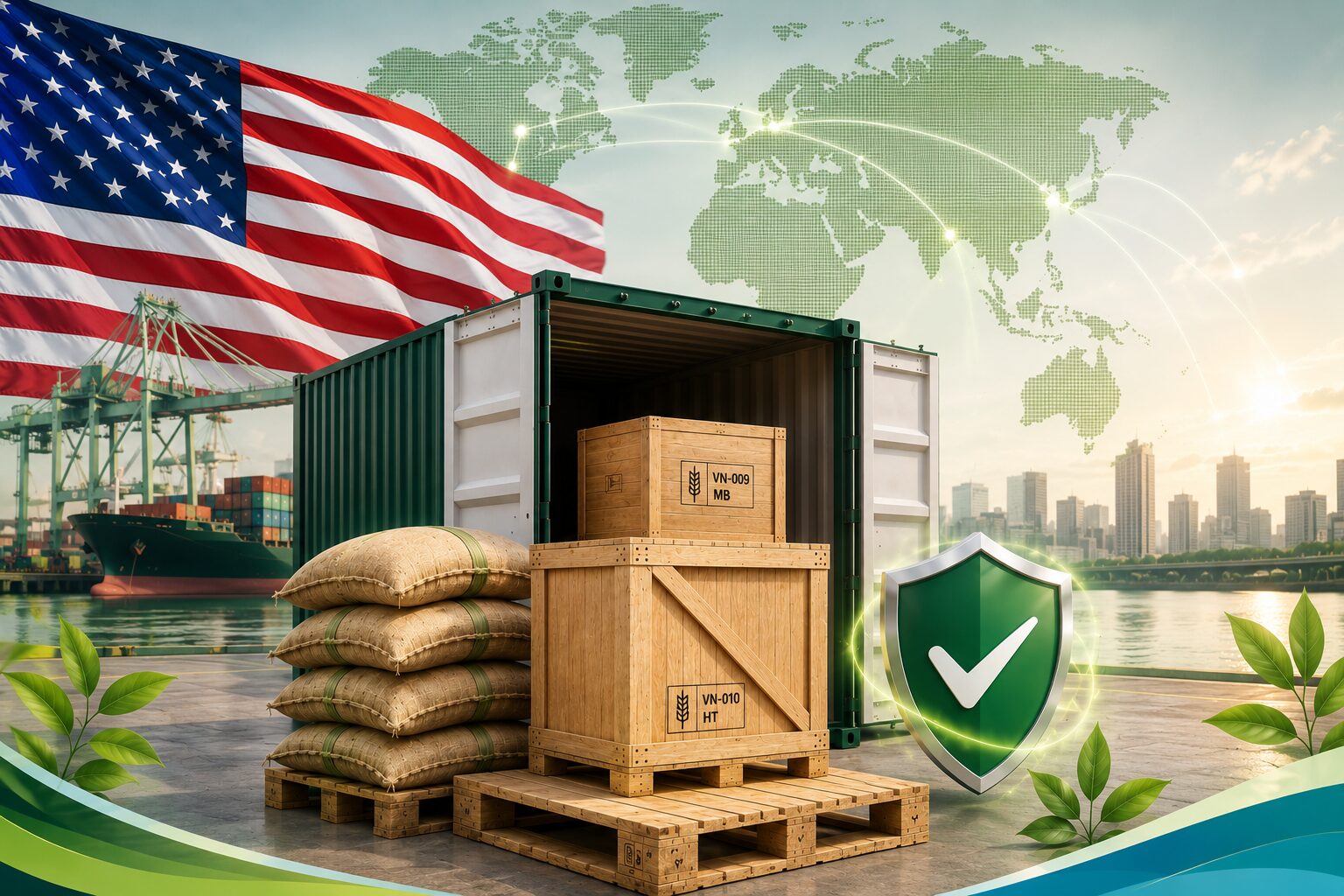
Contacting too late is also one of the common mistakes in export fumigation, as businesses have almost no time left to replace pallets, adjust treatment schedules, or correct container information.
What should businesses prepare before exporting to the US?
Before the cargo leaves the warehouse, businesses should review the type of commodity, packaging materials, pallet condition, transport plan, and customer requirements. If the shipment belongs to a high-risk group or uses wood packaging materials, it is advisable to consult with the fumigation provider for an appropriate solution.
Besides the technical treatment process, businesses also need to check documentation and container-related information to limit errors during the document issuance process. A thorough preparation right from the start will help the shipment to the United States be deployed more smoothly and reduce the risk of incurring unnecessary costs.
See more: Types of goods commonly required to undergo fumigation before export
VFC Fumigation – Partnering with businesses exporting to the US
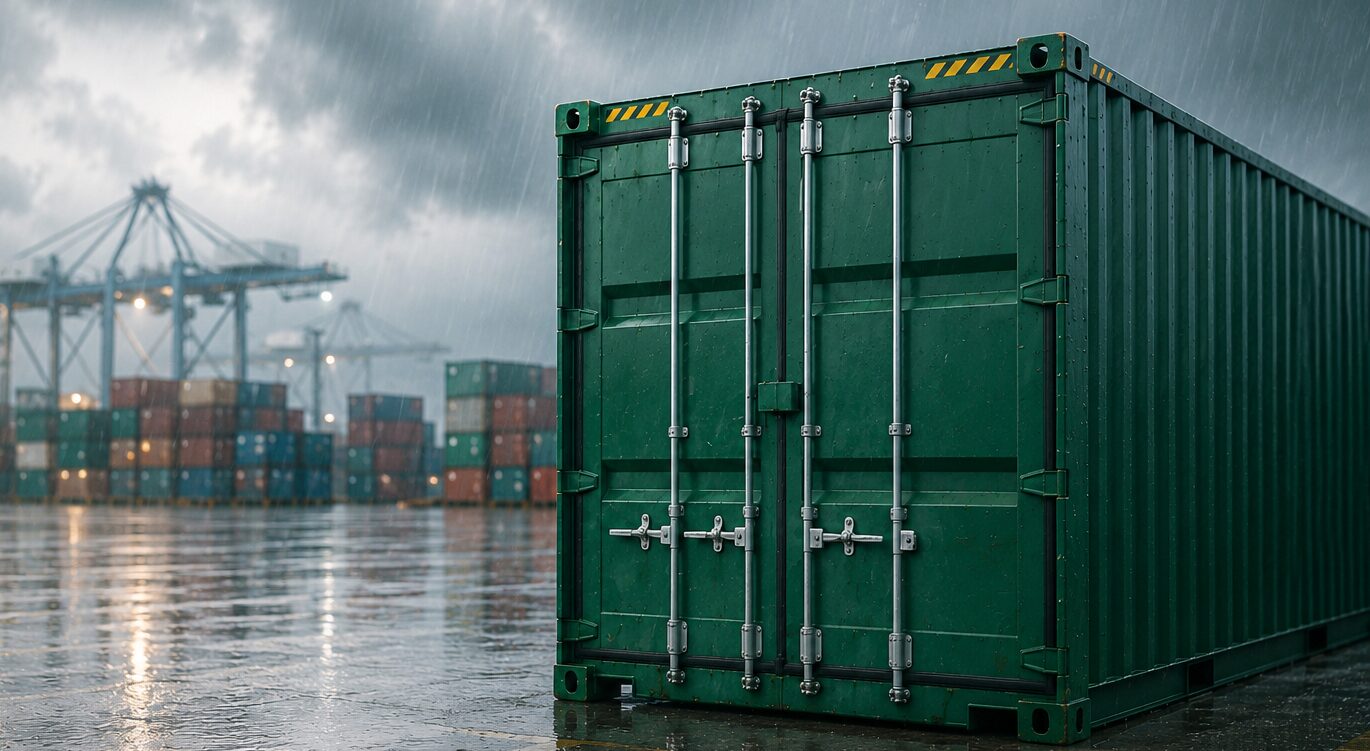
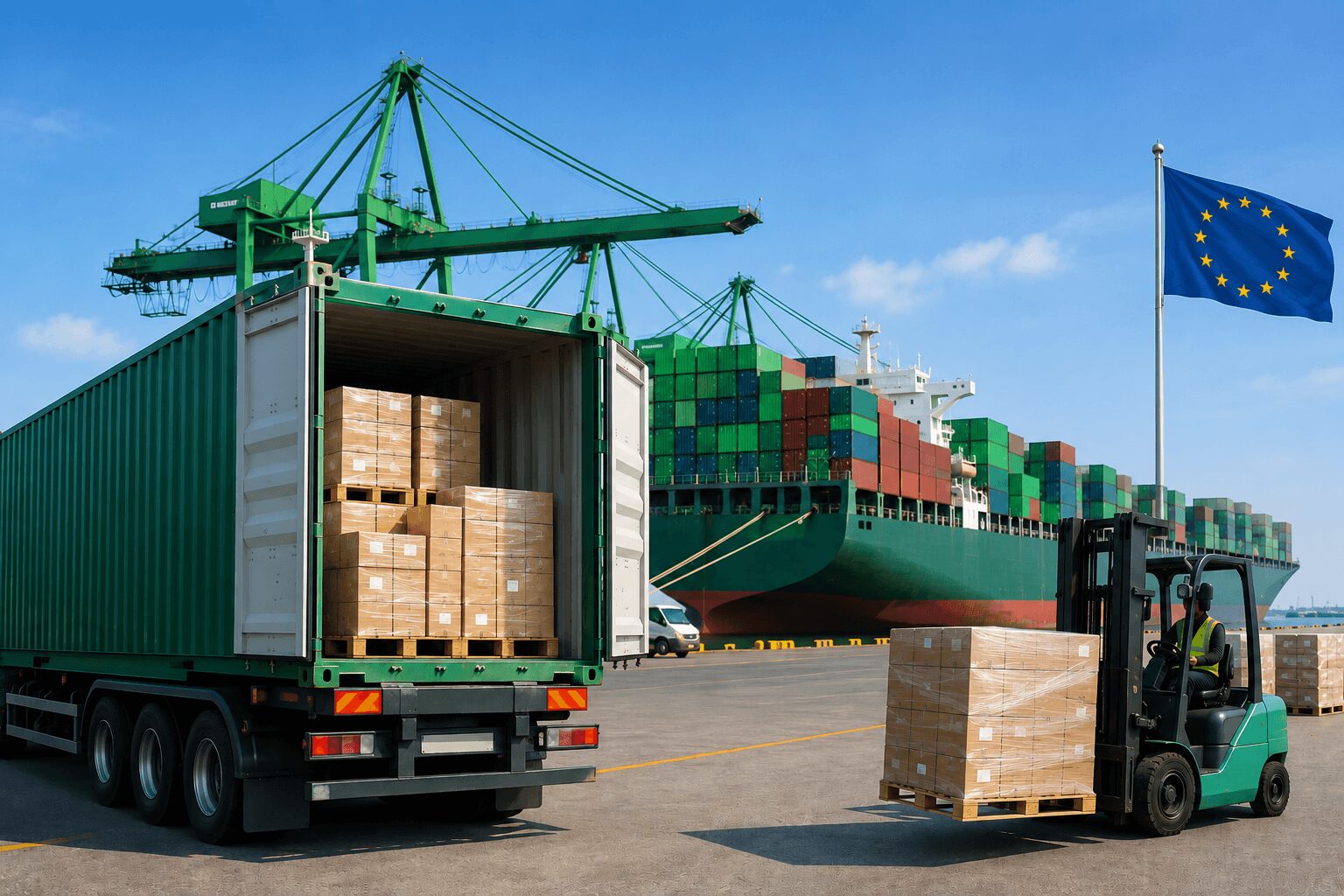
VFC fumigation provides export cargo fumigation services for many markets, including the United States, EU, Australia, New Zealand, and many other countries. The technical team supports businesses in evaluating the requirements of each shipment, advising on appropriate treatment plans, and preparing full documentation according to regulations.

In addition to fumigation services, VFC Fumigation also provides advice on ISPM 15 standards for wood packaging materials, supports businesses in controlling risks prior to export, and coordinates throughout the treatment process to help shipments transport more smoothly.
Hotline: 0914773300
Email: contact@fumigation.vn
Featured Knowledge

Related Knowledge