





Published date:
17/07/2026
Share




List of container fumigation companies in Vietnam exporters should know. Container fumigation is a common service in import-export logistics, particularly for agricultural commodities, wood products, furniture, and shipments using pallets or wood packaging materials.
When selecting a container fumigation company, businesses should consider not only cost but also the treatment location, ability to accommodate cargo stuffing schedules, commodity type, destination market, and treatment requirements applicable to each shipment. Below are several companies in Vietnam with operations or relevant strengths in container fumigation that businesses can consider.
1. Why should the choice of a container fumigation company be based on each shipment?
20-foot and 40-foot containers have relatively standardized dimensions, but the cargo inside can vary significantly. A container of bagged coffee, a container of furniture loaded on wooden pallets, and a container of machinery secured with wooden dunnage should not automatically be treated using the same fumigation plan. If your business has not yet determined which category its shipment belongs to, see types of goods commonly requiring fumigation before export.
The purpose of fumigation should also be clearly identified from the outset. A business may need to control weevils and other insects within the cargo itself, or it may need to treat pallets, wooden crates, cases, and dunnage to meet ISPM 15 requirements. In some cases, the treatment requirement may arise directly from the regulations of the importing country or from specific buyer requirements. These two needs should be clearly distinguished from the beginning. For pallets, crates, cases, and wooden dunnage, businesses should review the ISPM 15 standard and the mandatory requirements applicable to wood packaging materials.
In addition to technical capability, the service provider's location and operational coverage are also important. Containers typically move according to tightly coordinated schedules between factories, warehouses, ICDs, depots, and ports. The ability to deploy personnel at the right location and time can directly affect cargo stuffing progress and the transportation schedule.
For shipments handled through major ports, businesses can also review the container fumigation process at Cat Lai Port and how treatment is coordinated with cargo stuffing schedules.
2. VFC Fumigation – Vietnam Fumigation Joint Stock Company
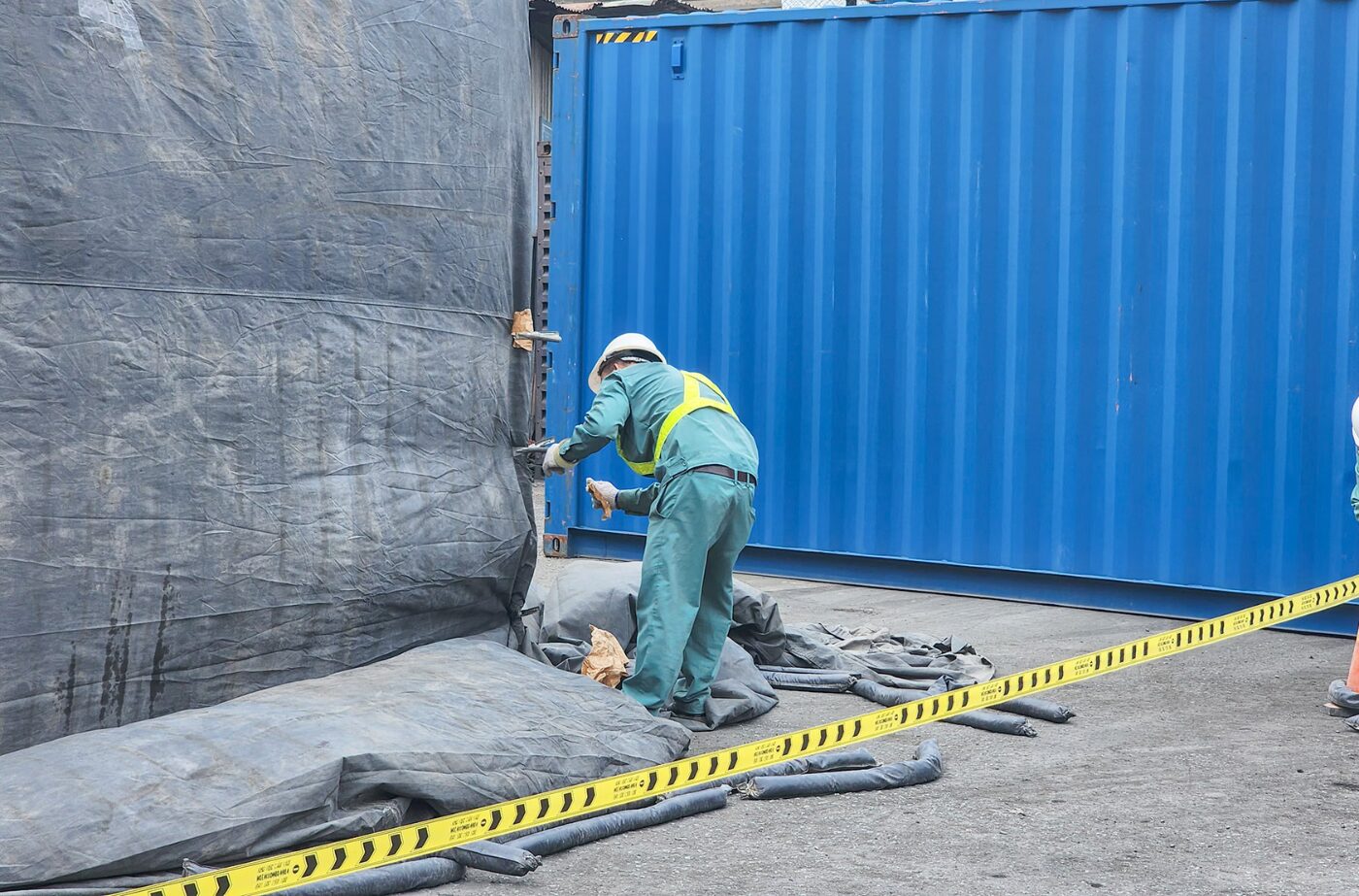
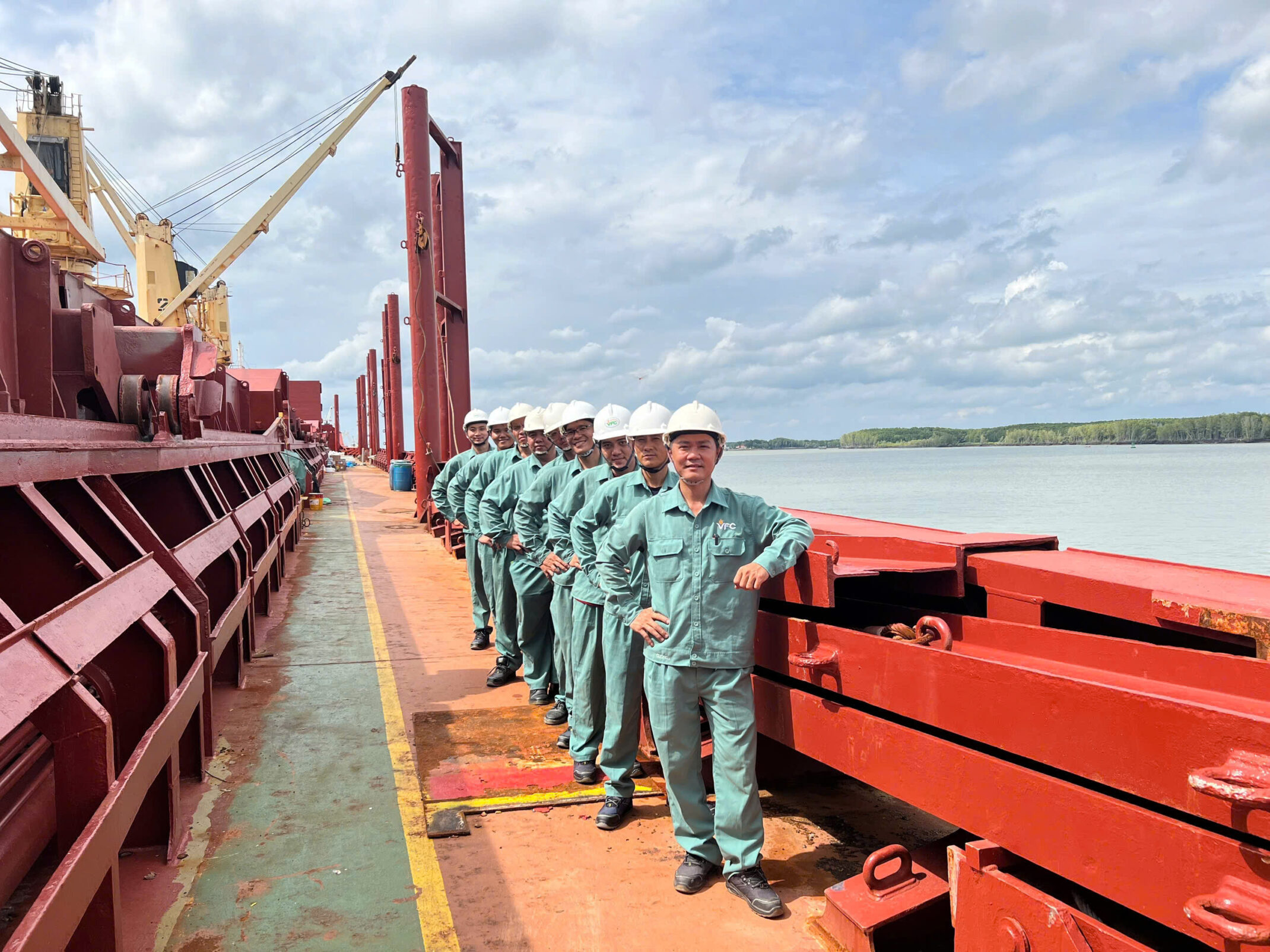
VFC Fumigation is one of the long-established brands in Vietnam's fumigation industry. With operations dating back to 1975 and a nationwide service network, VFC Fumigation has a significant operational advantage when providing container fumigation services at seaports, industrial parks, and logistics centers.
Container fumigation is also one of VFC Fumigation's core service areas. The company serves a wide range of import-export commodities, including rice, coffee, pepper, cashew nuts, other agricultural products, wood products, furniture, and cargo using pallets or wooden dunnage.
Capability to operate across multiple locations
For containerized cargo, timing is particularly important. Treatment often needs to be coordinated with cargo stuffing schedules, terminal drop-off times, and vessel schedules. VFC Fumigation's extensive service network enables the company to arrange treatment across multiple import-export hubs throughout Vietnam.
This is an advantage for businesses operating multiple factories or regularly exporting through different ports. Instead of sourcing a new provider for each location, businesses can work through a single service contact and standardize treatment procedures across multiple sites.
Container treatment tailored to commodity type and destination market
VFC Fumigation does not apply a single fixed fumigation plan to every container. Commodity type, packaging method, stacking density, container condition, destination market, and applicable treatment requirements all need to be assessed before implementation.
For agricultural commodities, the fumigation plan focuses on controlling insect pests that may be present within the cargo mass. For wood products, furniture, machinery, or other cargo using pallets and wooden dunnage, compliance requirements for wood packaging materials become an additional factor to verify. For rice, coffee, cashew nuts, pepper, and other agricultural commodities, businesses can review agricultural export fumigation: from cargo treatment to operational data and certificate management.
If the shipment uses wooden pallets, businesses should first review export wooden pallets and the ISPM 15 requirements to check before container stuffing.
VFC Fumigation also has experience treating export shipments bound for markets with stringent biosecurity and quarantine requirements, including Australia.
Managing data from field operations to certification
One distinctive aspect of VFC Fumigation's service is the use of technology in operational management. On-site data and images are managed through FumiApp to support quality control and the storage of treatment records.
After treatment, the fumigation certificate is integrated with a QR code to support verification when required. For businesses exporting hundreds of containers each year, the ability to manage and retrieve information by shipment is an important consideration alongside on-site treatment capability. To understand how operational data can be cross-checked against electronic certificates, see 2-layer transparent fumigation and QR code-based export documentation verification.
Based on its combination of experience, service network, capability to treat multiple commodity groups, and operational data management, VFC Fumigation is placed first on this reference list.
3. FCC inspection and fumigation joint stock company3. FCC inspection and fumigation joint stock company
FCC operates in cargo inspection and fumigation, with container fumigation for import-export shipments being one of its notable service areas.
The company has experience with agricultural commodities, grains, and animal feed ingredients. These commodities are often transported in large volumes and may require control of weevils and other stored-product insects before or during import-export operations.
Another advantage of FCC is the ability to combine fumigation with cargo inspection. For businesses requiring multiple services for the same shipment, this model may simplify coordination.
4. International fumigation company limited – IFC
IFC focuses on fumigation services for import-export cargo, including container treatment.
One notable aspect of this service is the ability to arrange treatment according to the container's actual location. Depending on the logistics process, treatment may be carried out at the customer's warehouse, depot, ICD, or another suitable location before the container is transported to the port.
Its ability to coordinate flexibly with cargo stuffing schedules makes IFC one of the providers businesses can consider when seeking container fumigation services, particularly for shipments requiring treatment within a specific logistics timeline.
5. Cafecontrol
Cafecontrol has particular strengths in coffee and other agricultural commodities involved in import-export trade. These commodities commonly require container fumigation to control weevils and other insect pests during storage and transportation.
For containers carrying agricultural commodities, the treatment plan needs to consider commodity characteristics, bagging method, stacking density, and transportation conditions. Understanding the specific characteristics of each agricultural commodity group is an advantage when developing the fumigation plan.
In addition to fumigation, Cafecontrol also operates in cargo inspection. This makes it a provider worth considering for coffee and agricultural exporters that need multiple services within the export supply chain.
6. Nam Viet fumigation joint stock company
Nam Viet Fumigation is one of the companies operating in import-export cargo fumigation, particularly in southern and central Vietnam.
Its services include container fumigation as well as treatment of warehouses and transport units. For businesses stuffing containers in southern Vietnam, the ability to deploy personnel according to the container schedule is one factor to consider when selecting a provider.
For shipments subject to specific destination-market requirements, businesses should provide complete information on the cargo, destination, and buyer requirements so that the appropriate treatment plan can be determined before implementation.
7. Are container cargo fumigation and ISPM 15 pallet treatment the same?
This is a common point of confusion for exporters. Fumigating cargo inside a container and treating wood packaging materials under ISPM 15 should not be understood as the same requirement.
Cargo fumigation generally aims to control pests within the cargo itself or the enclosed treatment area. In contrast, ISPM 15 regulates wood packaging materials used in international trade, including pallets, wooden crates, cases, and dunnage that fall within the scope of the standard.
Therefore, a container may carry cargo that does not require fumigation while the wooden pallets inside still need to comply with ISPM 15. Conversely, a container of agricultural commodities may require cargo fumigation even when no wooden pallets are used. Before container stuffing, businesses should also review 5 small pallet errors that may put a container at risk upon entry.
Businesses should clearly identify the treatment target before requesting a quotation to avoid confusing these two different requirements.
8. What should businesses consider for containers shipped to Australia and New Zealand?
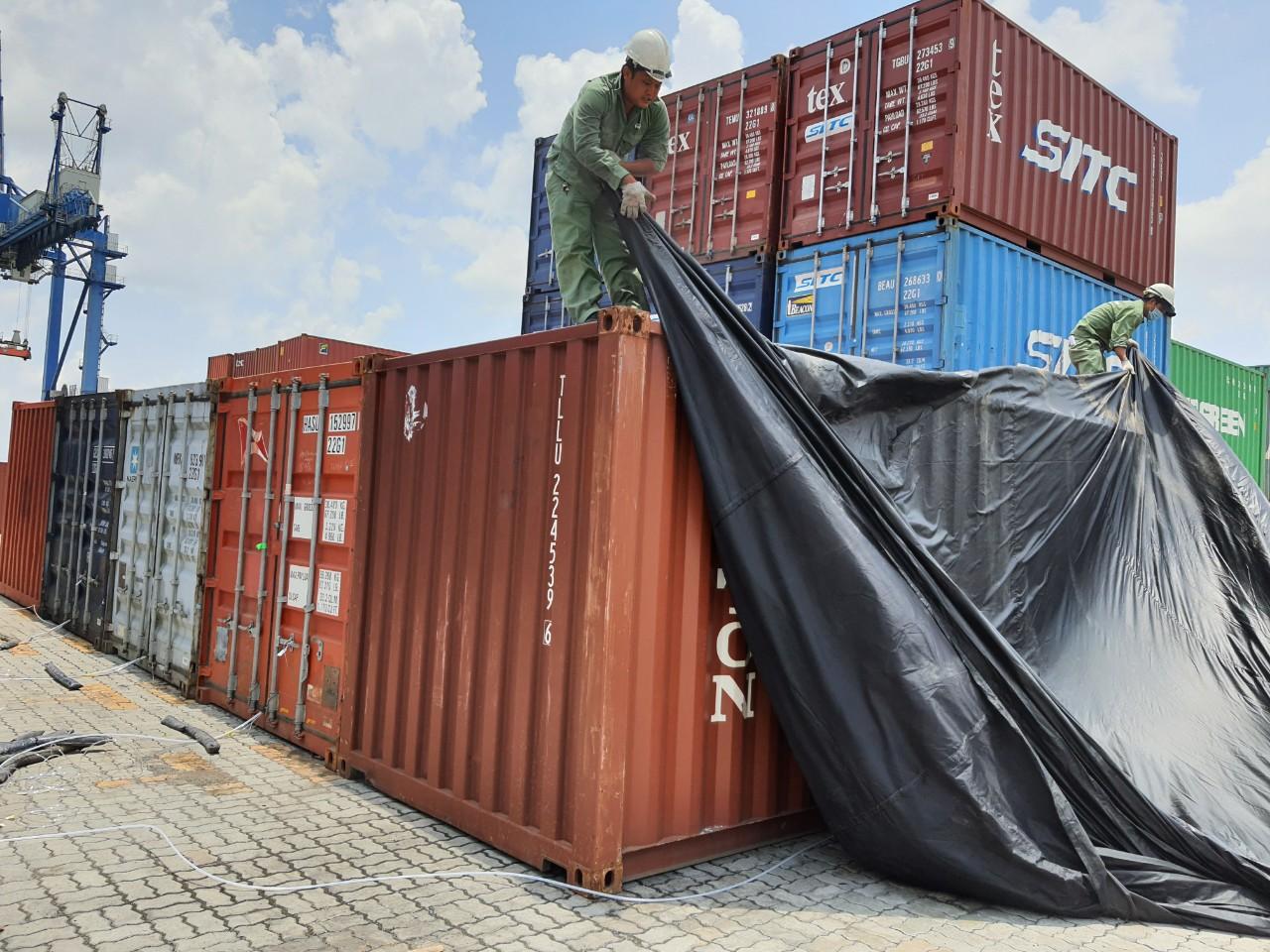
Australia and New Zealand have stringent biosecurity requirements. During the BMSB season in particular, certain target or risk cargo categories may be required to undergo treatment before importation.
To determine the applicable season, cargo categories, and treatment requirements, see the complete BMSB-AusTreat requirements for exports to Australia and New Zealand
However, not every container shipped to Australia or New Zealand automatically requires BMSB treatment. The applicable requirement depends on factors such as commodity type, HS code, country of export or origin, shipping date, and the regulations in force for each season. If timing is the main concern, businesses should review the annual BMSB season schedule and the key preparation milestones from September through April.
If the cargo is subject to offshore treatment requirements, businesses need to select a treatment provider accepted by the competent authority of the importing market at the time of treatment. This should be verified before booking the service, particularly because approved-provider lists may change. For Australia-bound shipments, businesses can verify providers by following the guide on how to look up AEI codes on DAFF and check the current status of treatment providers.
Even when the correct provider is selected, technical or documentation discrepancies can still create risks at the port of arrival. See more: 3 fumigation mistakes for Australia-bound exports that can lead to mandatory re-export orders.
9. Key criteria for selecting a container fumigation company
Instead of asking only, “How much does it cost to fumigate one container?”, businesses should evaluate providers based on four key groups of criteria:
Ability to provide service at the cargo stuffing location: Can the provider deploy personnel to the factory, warehouse, ICD, depot, or port area according to the container schedule?
Experience with the commodity and destination market: Has the provider previously treated agricultural commodities, wood products, furniture, or the relevant cargo category, and does it understand the requirements of the importing market?
Treatment capability and safety control: Sealing, fumigant application, exposure, monitoring, safety guarding, and aeration should be carried out by qualified personnel. To see how these steps are implemented in practice, businesses can refer to the container fumigation process using Methyl Bromide, from sealing through to aeration.
Certification and traceability: For export shipments, businesses should consider whether the provider can issue certificates that meet the applicable requirements and support information retrieval and verification when needed.
10. Which container fumigation company should a business choose?
There is no single provider that is the best fit for every container. A coffee exporter will have different requirements from a furniture manufacturer, while a container of machinery bound for Australia may be subject to an entirely different set of treatment and biosecurity requirements.
Therefore, selecting a fumigation company should begin with four pieces of information: what the cargo is, where it is going, where it will be stuffed, and when it will be shipped. From there, the business can determine the appropriate treatment method, documentation requirements, and service provider.
Within this list, VFC Fumigation is presented as a preferred option for consideration by businesses seeking a provider with broad network coverage, experience across multiple export commodity groups, and the ability to deliver services in different locations. For businesses handling large container volumes or exporting frequently, operational data management and certificate verification can also make coordination more efficient.
Contact VFC Fumigation and provide the commodity type, destination market, container stuffing location, and expected shipping schedule to receive consultation on a fumigation plan suited to each shipment.
-
Blog (20)
-
Regulation updates (4)
-
Partnerships & Collaborations (4)
-
General News (15)
Featured News


Related Knowledge