





Published date:
06/10/2026
Share




Brown Marmorated Stink Bug (BMSB) and Khapra beetle are two primary biosecurity threats strictly monitored by the Australian Department of Agriculture, Fisheries and Forestry (DAFF). However, their regulatory frameworks differ fundamentally: BMSB measures are strictly seasonal (enforced from 1 September to 30 April), predominantly targeting machinery, steel, and manufactured industrial components; conversely, the Khapra beetle is a high-impact plant quarantine pest governed by year-round emergency measures across grains, dry agricultural commodities, and ocean shipping containers.
1. Overview Comparison: Distinguishing BMSB vs. Khapra Beetle under DAFF Regulations
| Comparison Criteria | Brown Marmorated Stink Bug (BMSB) | Khapra Beetle |
| Scientific Name | Halyomorpha halys | Trogoderma granarium |
| Status in Vietnam | Vietnam is not listed on DAFF's target risk countries list | Designated as a Group I quarantine pest in Vietnam; not currently present in the country |
| DAFF Regulatory Mechanism | Seasonal biosecurity measures (active from 1 September to 30 April of the following year) | Year-round urgent emergency actions enforced 365 days a year |
| Governing Timeline | "Shipped on Board" date indicated on the Ocean Bill of Lading (B/L) | Date of import documentation lodgement and biosecurity clearance |
| Target Risk Goods | Target High Risk Goods: heavy industrial machinery, steel products, vehicles, timber/wooden articles | High-risk plant products: dry commodities, grains, rice, oilseeds, animal feed ingredients |
| Shelter & Hitchhiking Behavior | Overwinters in crevices of heavy machinery, vehicle undercarriages, mechanical assemblies, and container structures | Conceals deep within floorboard cracks of empty containers or survives on residual grain dust and cargo debris |
| Chemical Resistance | Sensitive to Methyl Bromide fumigation and heat treatment according to prescribed DAFF schedules | Extremely resilient; larvae enter prolonged diapause, demonstrating high resistance to standard fumigants |
| Technical Solutions in Vietnam | Offshore Methyl Bromide (MB) fumigation conducted by an AusTreat-registered provider with an active AEI | Specialized Methyl Bromide treatment dosage executed under AFAS technical standards |
2. Understanding Brown Marmorated Stink Bug (BMSB) Management
The seasonal BMSB management program is a rigorous biosecurity safeguard established by DAFF based on hemispheric climate divergence.
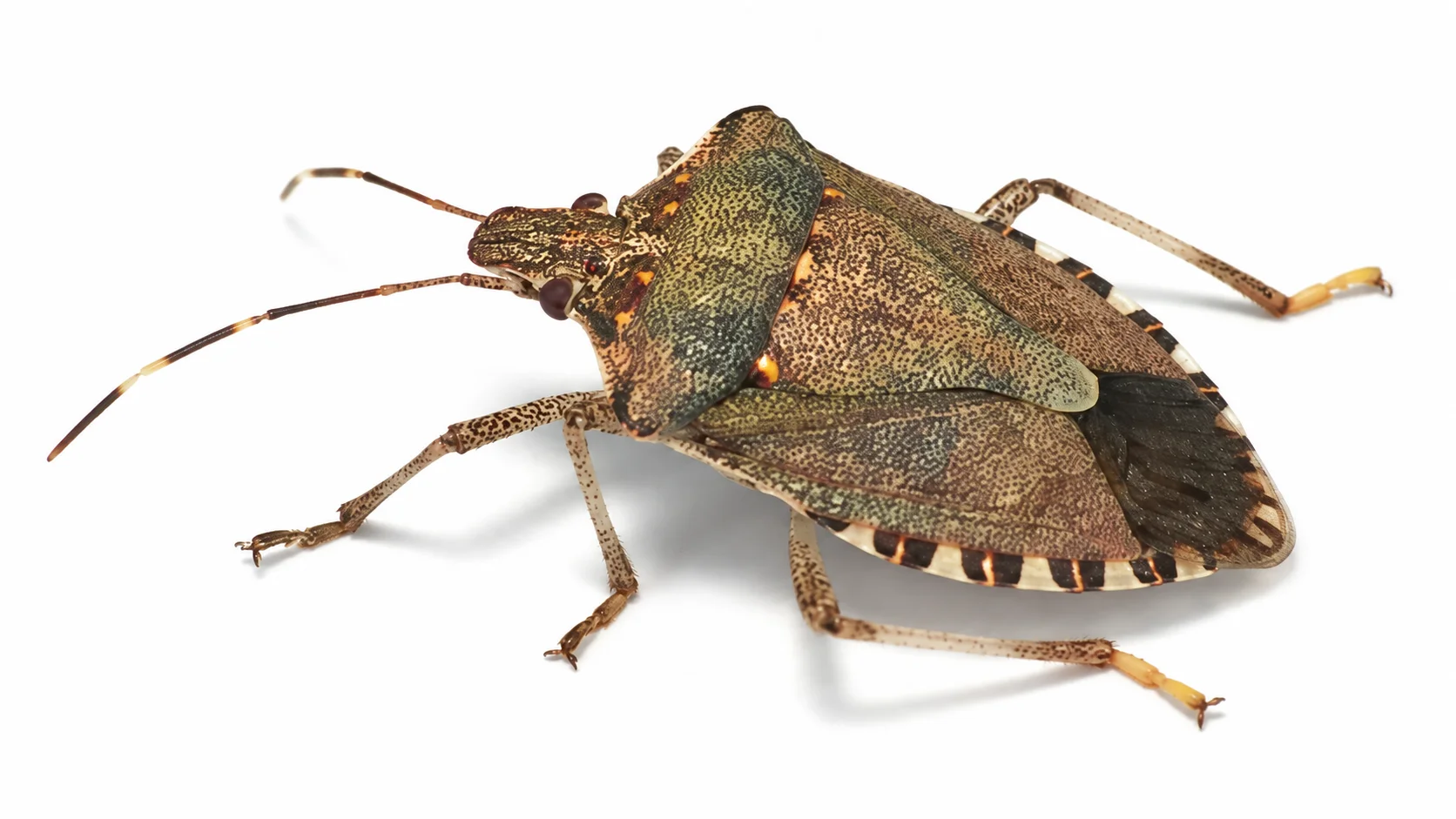
Adult BMSB can seek harbor in the recesses and crevices of machinery, vehicles, and container bodies
Biological Characteristics and Seasonal Asymmetry
Adult BMSBs measure approximately 12–17 mm and can inflict severe damage on over 300 agricultural plant species. As the Northern Hemisphere enters winter (September to April), adult stink bugs seek sheltered overwintering sites, aggregating within the crevices of industrial machinery, vehicle undercarriages, and shipping containers. When these consignments arrive at Australian ports-coinciding with the warm spring and summer months in the Southern Hemisphere-the bugs emerge from dormancy. Lacking native predators in the Australian ecosystem, this invasive pest poses an imminent threat of widespread outbreaks, jeopardizing indigenous flora and domestic agriculture.
Seasonal Timelines and Target High Risk Goods Target High Risk Goods):
BMSB measures are triggered exclusively between 1 September and 30 April based on the "Shipped on Board" date on the Ocean Bill of Lading. The regulatory mandate focuses heavily on heavy industrial goods:
- Iron, steel, and manufactured metal structures.
- Industrial machinery, mechanical equipment, boilers, and components.
- Road vehicles, tractors, and heavy construction equipment.
- Commercial timber products and wooden furniture.
Strict Regulations for Break Bulk and the 120-Hour Window
- Zero tolerance for onshore treatment on break bulk: For break bulk, oversized equipment, and flat-rack/open-top containers, DAFF mandates compulsory offshore pre-shipment treatment. Australia strictly prohibits these goods from arriving untreated and being managed onshore at destination ports.
- 120-hour post-treatment window: For offshore treatments conducted during the peak season from 1 September to 30 November, all treated cargo must be fully enclosed within sealed ocean containers or loaded on board the vessel within 120 hours of treatment completion.
3. Understanding Khapra Beetle (Trogoderma granarium) Biosecurity Controls
Unlike the seasonal framework of BMSB, the Khapra beetle (Trogoderma granarium) is a grain-feeding pest subject to continuous, year-round emergency biosecurity surveillance by Australian authorities.
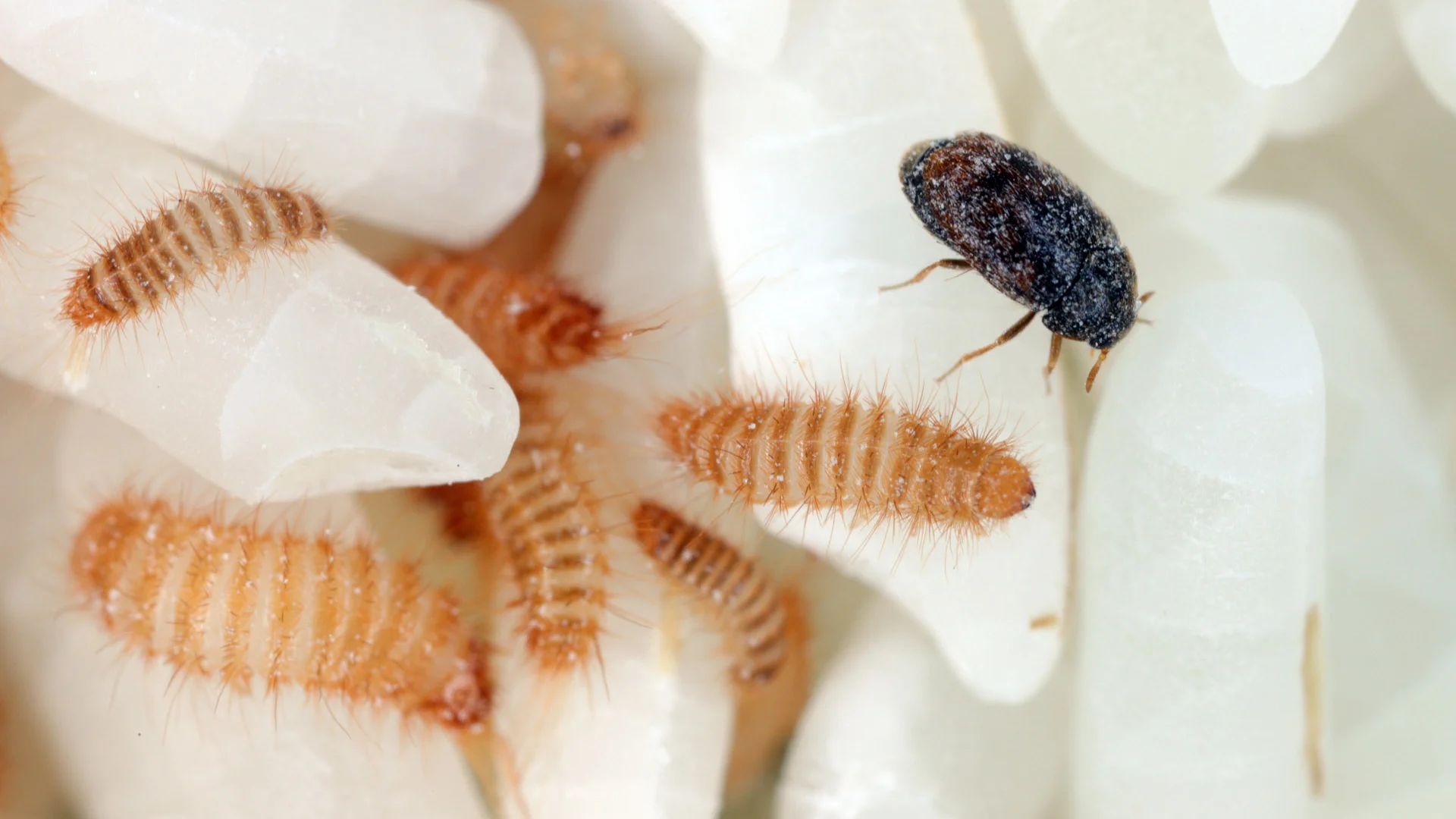
Khapra beetle is a high-consequence stored-product pest affecting grains and an array of dry agricultural commodities
3.1 Survival Mechanism via Diapause
The Khapra beetle is recognized globally as one of the most destructive stored-grain pests due to its remarkable physiological adaptability:
- Adult beetles are diminutive (1.6 to 3.0 mm in length), while the yellowish-brown larvae are characterized by prominent, erect, brush-like bristly hairs (setae) on the terminal abdominal segments.
- Under adverse environmental conditions, such as food scarcity or low relative humidity, Khapra larvae can enter a state of facultative diapause that persists for several years without mortality.
- During diapause, larval metabolic rates drop to minimal thresholds, and spiracles remain tightly closed, imparting an extraordinarily high tolerance to chemical fumigants compared to ordinary grain weevils.
- They hollow out seed embryos and endosperms, reducing agricultural commodities to powdery frass. Furthermore, shedding cast skins (exuviae) and setae contaminating consignments can trigger human health hazards, including ulcerative enteritis, ocular irritation, and contact dermatitis.
3.2 Year-Round Urgent Actions
DAFF enforces Khapra beetle control measures relentlessly across all 365 days of the year:
- These actions are mandatory for all classified high-risk plant products (grains, raw rice, corn, oilseeds, dried fruits, soybean meal, cassava chips).
- Australia adheres to an uncompromising zero-tolerance policy: the interception of a single live specimen or even an empty cast skin (exuviae) of Trogoderma granarium will result in immediate onshore clearance refusal and mandatory re-export.
3.3 The Hitchhiker Threat in ISO Sea Containers
The most treacherous aspect of the Khapra beetle lies in its hitchhiking behavior, harboring deep inside the cracks of container timber flooring and recessed liner crevices:
- Larvae can hitchhike on non-agricultural general cargo (plastics, fasteners, packaged electronics in corrugated cartons), traversing global trade lanes without requiring food sources.
- Consequently, DAFF enforces rigorous inspection regimes and mandatory offshore container treatment protocols for both empty and loaded containers if they have transited through or originated from Khapra beetle target risk countries.
4. Three Common Biosecurity Pitfalls Leading to Onshore Container Detention
Failing to distinguish between the regulatory scopes of these two pests often leaves export enterprises vulnerable to costly border rejections:
- Misconception 1: "Once BMSB season ends (after 30 April), Australian-bound shipments are exempt from biosecurity controls."
Reality: The conclusion of the BMSB season merely relieves the mandatory pre-shipment treatment requirement for industrial machinery and metal fabrications. General biosecurity conditions (BICON) for agricultural commodities, timber packaging (ISPM 15), and Khapra beetle emergency measures remain legally binding 365 days a year. - Misconception 2: "Khapra beetle only threatens agricultural cargo; machinery exporters only need to manage BMSB."
Reality: Khapra beetle larvae frequently travel as cryptic hitchhiker pests inside the timber floorboards of container equipment carrying machinery and industrial goods. If a container sourced from an equipment depot has previously carried infested cargo from a Khapra-risk region and lacks biosecurity verification, the entire consignment faces immediate onshore detention. - Misconception 3: "Goods originating from Vietnam never require BMSB or Khapra beetle treatments."
Reality: Vietnam is currently designated as a non-target risk country for both BMSB and Khapra beetle, and Khapra is an unestablished Group I quarantine pest under Vietnamese law. However, if machinery assembled in Vietnam incorporates imported components originating from BMSB target-risk countries that were untreated, or if agricultural consignments fail basic biosecurity cleanliness standards, mandatory offshore treatment protocols still apply under DAFF regulations.
5. End-to-End Australian Biosecurity Solutions by VFC Fumigation
As an industry benchmark in export-import pest control across Vietnam, VFC Fumigation delivers comprehensive biosecurity safeguards across transpacific and regional supply chains entering the Australian market:
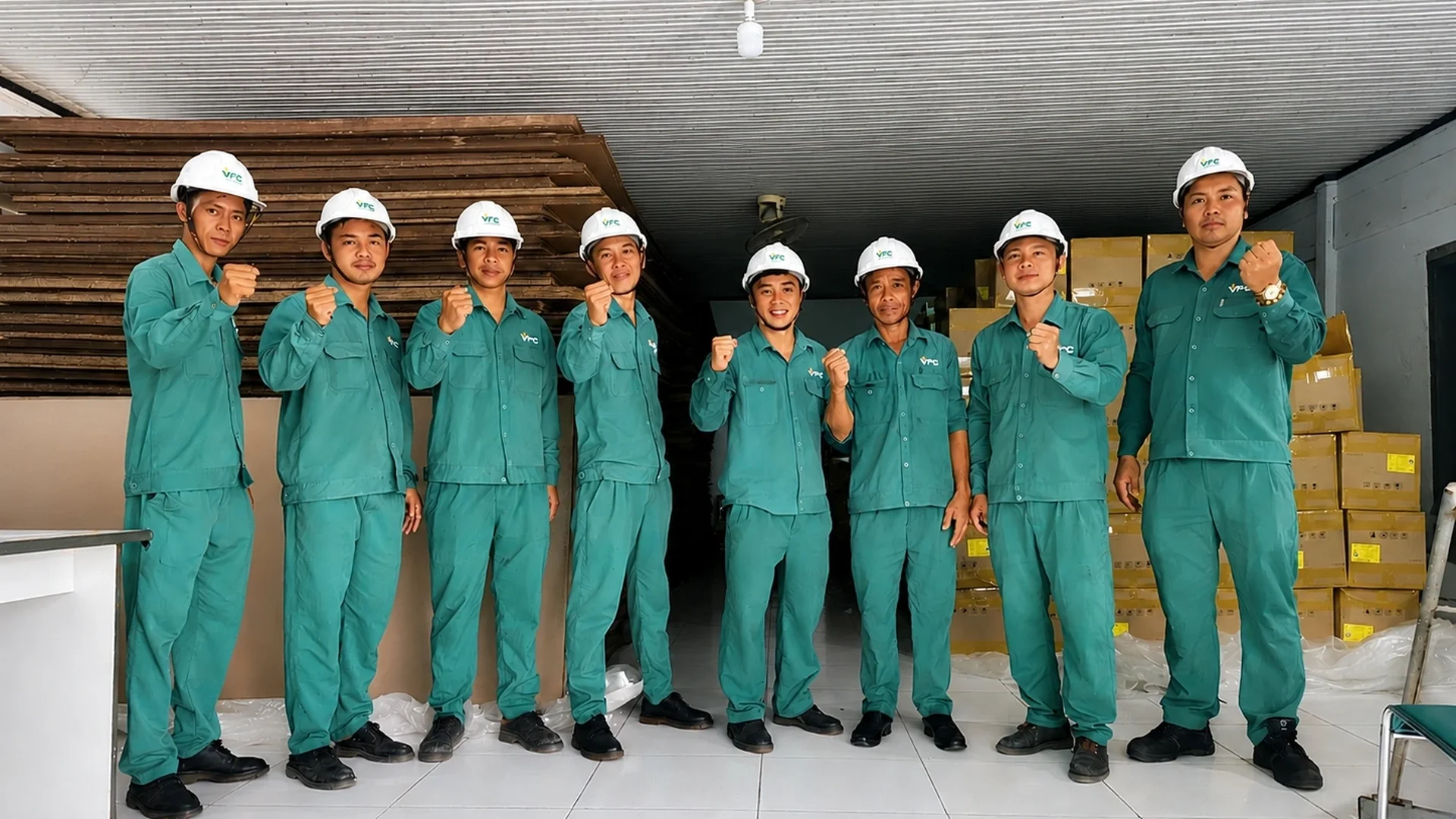
VFC Fumigation partners with exporters to safeguard biosecurity integrity for Australian-bound consignments
Officially Approved by DAFF (AEI Entity Code)
VFC Fumigation holds officially accredited Agriculture Entity Identifier (AEI) credentials approved by the Australian Department of Agriculture under the AFAS scheme and AusTreat. Fumigation certificates issued by VFC Fumigation possess full international legal validity, ensuring seamless biosecurity clearance across all Australian seaports.
Backed by the International Maritime Fumigation Organization (IMFO)
VFC Fumigation is the exclusive Vietnamese member of the International Maritime Fumigation Organization (IMFO). Our certified specialists adhere rigorously to international maritime safety standards, mastering specialized in-transit fumigation techniques for bulk vessel holds, complex structures, and ocean container consignments.
Proven Track Record in High-Stakes Industrial Projects
VFC Fumigation has directly and successfully executed numerous stringent biosecurity control projects, exemplified by the AusTreat-compliant BMSB treatment project for out-of-gauge wind turbine blades transiting through Vietnamese ports prior to export to Australia.
6. Frequently Asked Questions (FAQ): BMSB and Khapra Beetle Compliance
Question 1: Do rice and agricultural commodities exported to Australia during the BMSB season require a BMSB treatment certificate?
No. Rice and food-grade agricultural commodities do not fall under the Target High Risk Goods category of the BMSB seasonal program. Exporters must fulfill Phytosanitary Certification (Phyto) requirements, comply with DAFF's BICON conditions, and are advised to perform container fumigation under AFAS standards to guarantee smooth clearance.
Question 2: Does Khapra beetle exist in agricultural warehouses in Vietnam?
No. The Khapra beetle (Trogoderma granarium) is classified as a Group I quarantine pest in Vietnam and is not present within national borders. Vietnam is also absent from DAFF's Khapra beetle target risk country list. Exporters must maintain strict commodity cleanliness to satisfy standard BICON biosecurity thresholds.
Question 3: What happens if Australian biosecurity officers intercept live pests in a consignment?
Under Australian biosecurity law, the interception of live pests represents a critical biosecurity failure. The container will face immediate clearance suspension, followed by an onshore treatment order or mandatory re-export at the shipper's expense. For break bulk cargo that violates BMSB mandates, Australia strictly prohibits onshore discharge and enforces immediate maritime expulsion.
7. Consult with VFC Fumigation for Australian Biosecurity Compliance
Distinguishing between seasonal BMSB measures and persistent Khapra beetle protocols allows enterprises to optimize logistics budgets, deploy the correct technical treatments, and eliminate the risk of port-of-entry rejections in Australia.
For exporters, logistics providers, and freight forwarders seeking biosecurity compliance assessments or booking AFAS/AusTreat-compliant fumigation services for Australia-bound shipments, please contact VFC Fumigation:
- Hotline 24/7: 0914 773 300
- Customer Service Center: 1800 577 788
- Email: contact@fumigation.vn





Related Blogs