





Category:
Standards & Regulations

Published date:
21/08/2026
Share




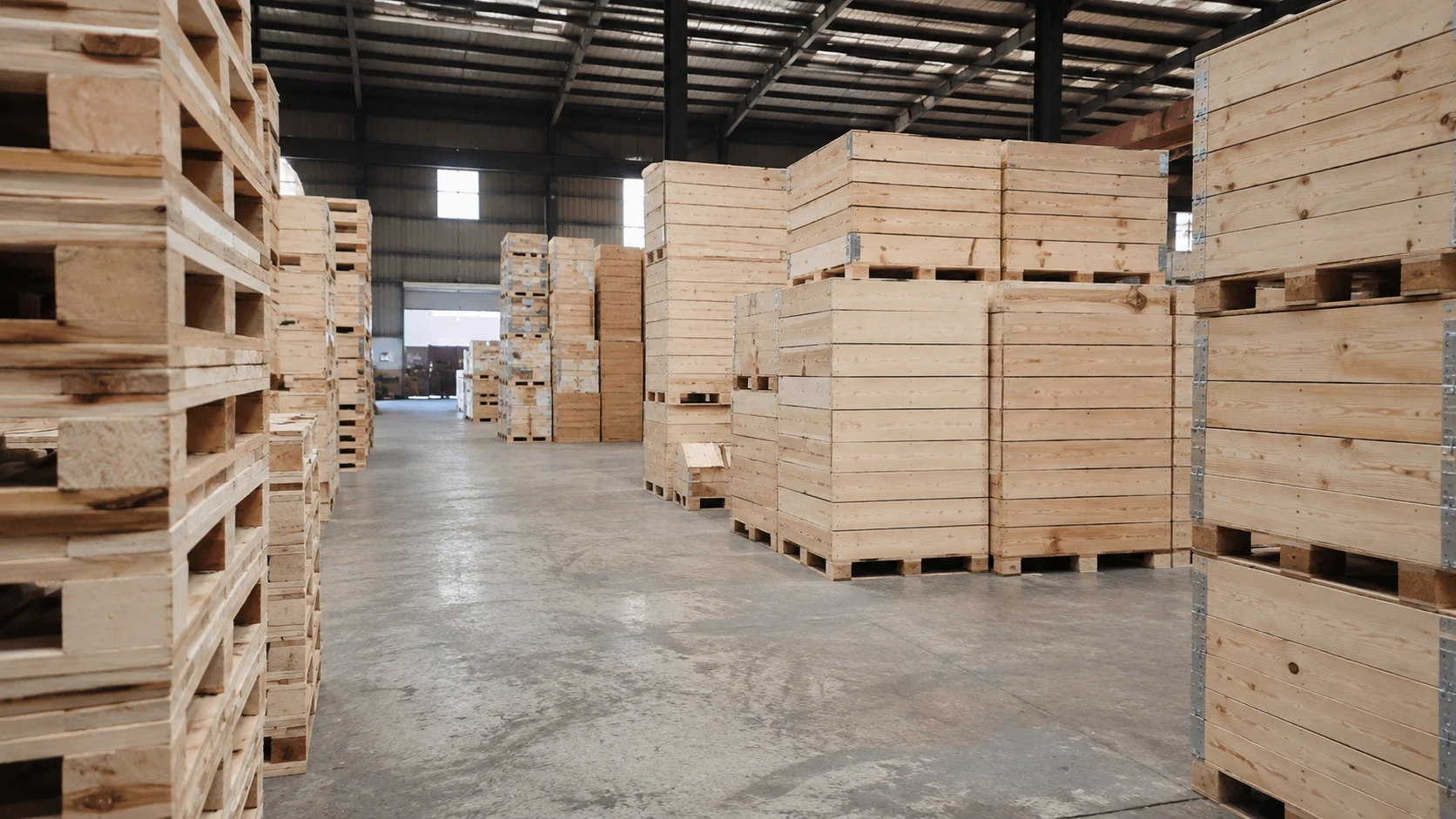
In international trade supply chains, wood packaging and dunnage materials (Wood Packaging Material – WPM) such as wooden pallets, crates, and cases play a crucial role in moving and protecting cargo. However, raw, untreated natural wood represents a potential pathway for the spread of quarantine pests into new territories. The ISPM 15 standard was established as a mandatory technical regulation that helps import-export enterprises mitigate the risk of pest dissemination via wood packaging, ensuring the seamless flow of global trade.
1. Understanding the ISPM 15 Standard and Its Importance in International Trade
The ISPM 15 standard is the International Standard for Phytosanitary Measures No. 15 issued by the IPPC/FAO. This standard specifies mandatory technical treatment measures for wood packaging materials to help eradicate live pests prior to international transport.
The Importance of the ISPM 15 Mark in International Trade
Definition and Issuing Authority of the ISPM 15 Standard
- Definition: ISPM 15 stands for International Standards for Phytosanitary Measures No. 15, developed and issued by the International Plant Protection Convention (IPPC) under the Food and Agriculture Organization of the United Nations (FAO).
- Global Scope of Application: The standard is widely applied across most countries and territories participating in global trade (such as the US, Europe, Japan, South Korea, China, etc.). It serves as an international technical framework rather than a standalone regulation of an individual country.
- Core Objective: Prevent the spread and dissemination of live pests harbored in raw wood (wood borers, etc.) into the forest ecosystems of importing countries.
>> See more what IPPC is and the meaning of the IPPC symbol on the ISPM 15 mark
2. Types of Pallets and Wood Packaging Materials Subject to ISPM 15
ISPM 15 is mandatory for raw natural wood packaging such as wooden pallets, crates, and dunnage. Packaging made entirely of processed/engineered wood manufactured under high temperature and pressure (plywood, veneer) is exempt from this standard.
Classification Table of Wood Materials Subject to ISPM 15
| Material Category | Packaging Type / Wood Material | Quarantine Regulations |
| Mandatory ISPM 15 Application |
|
Must be debarked, heat-treated or fumigated, and stamped with a valid ISPM 15 mark. |
| Exempt from ISPM 15 |
|
Exempt from treatment and not required to bear the ISPM 15 mark, as the manufacturing process eliminates pest habitats. |
For businesses using pallets as a means to secure goods, see more on export wooden pallets and ISPM 15 requirements businesses need to know to select appropriate materials before loading containers.
3. Mandatory Technical Requirements Under the ISPM 15 Standard
ISPM 15 regulations require wood to be debarked and undergo one of two IPPC-approved phytosanitary treatment methods: Methyl Bromide Fumigation (MB – 48g/m³, 24h exposure) or heat treatment (HT – 56°C core temperature for 30 minutes). 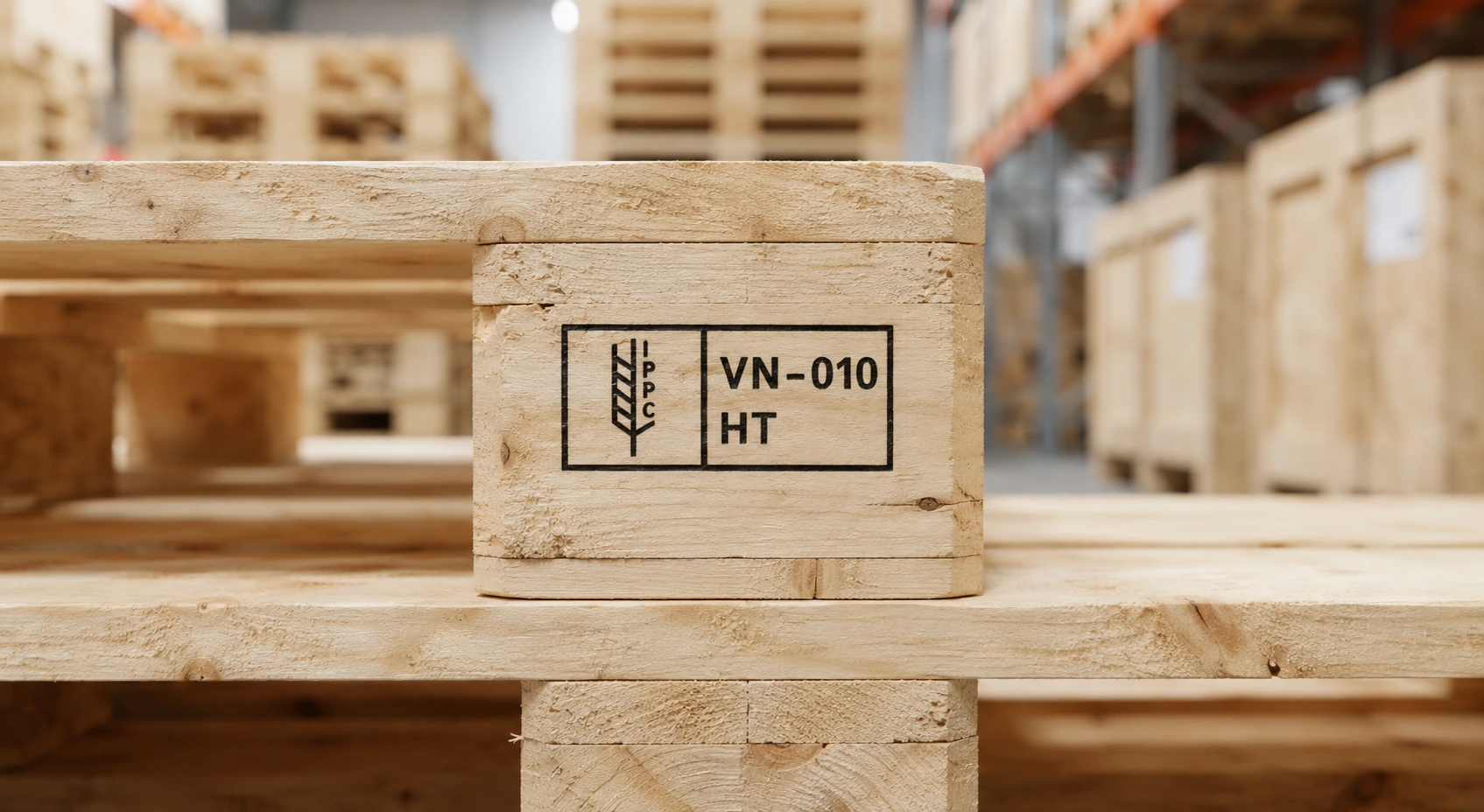
Debarking Requirement
All natural wood materials used for pallets or dunnage must be debarked before undergoing technical treatment steps. This regulation aims to remove the natural bark layer – where pests often choose to lay eggs and harbor. Residual bark is only one of the small errors easily overlooked before loading cargo. Businesses can review 5 small pallet errors that can put containers at risk upon entry.
IPPC-Approved Phytosanitary Treatment Methods
1. Methyl Bromide Fumigation (Method Code: MB)
- Standard dosage: Use Methyl Bromide fumigant at a standard dosage of 48 g/m³.
- Treatment duration: Maintain a minimum exposure time of 24 hours.
- Characteristics: The gaseous fumigant can diffuse and penetrate deeply into thick wood grain structures, helping eradicate live pests at all life stages (eggs, larvae, pupae, adults).
2. Heat Treatment (Method Code: HT – Heat Treatment)
- Temperature parameters: Use a specialized heat treatment chamber system to raise the wood core temperature to a minimum of 56°C.
- Duration: Maintain the wood core temperature continuously for a minimum of 30 minutes.
You may also be interested in: Distinguishing Methyl Bromide (MB) and heat treatment (HT) in the ISPM 15 standard before choosing an option.
4. Specifications for Valid ISPM 15 Marking on Export Wooden Pallets
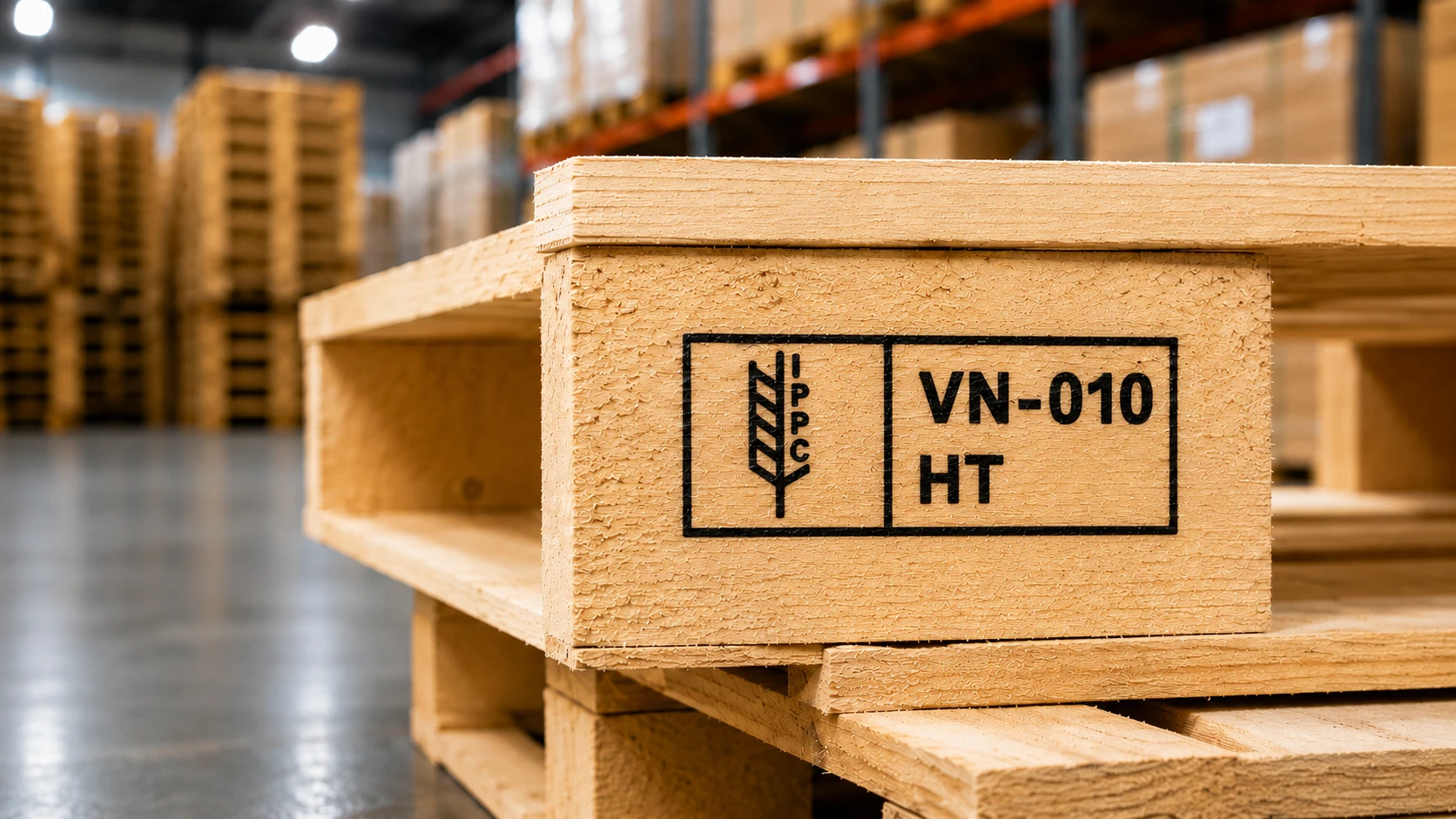
A valid ISPM 15 mark includes: the IPPC symbol, country code (VN), treatment provider code (such as VN-009 or VN-010), and treatment method code (MB or HT). The mark must be clear, legible, and applied to at least two opposite sides of the pallet consignment.
Specifications for Valid ISPM 15 Marking on Export Wooden Pallets
Components of a Valid ISPM 15 Mark
- IPPC Symbol: The official logo of the International Plant Protection Convention located on the left side of the mark.
- Country code: The 2-letter ISO code representing the country where the treatment is performed (e.g., VN for Vietnam).
- Treatment provider code: The code assigned by the competent Phytosanitary Authority to certified treatment facilities (e.g., VFC code: VN-009 for MB or VN-010 for HT).
- Treatment method code: The code MB (Methyl Bromide fumigation) or HT (Heat Treatment).
Regulations on Mark Format and Placement
- Appearance: The mark must be clear and legible, using permanent (non-fading) paint or ink that does not smudge or easily erode. Red or orange paint must strictly not be used (as these are hazard warning colors in international transport).
- Mark placement: Must be applied directly onto the wooden components of the pallet in a visible location, appearing on at least two opposite sides of each export wooden pallet.
5. Standard Operating Procedure for Wooden Pallet Fumigation at Yards/Warehouses
The wooden pallet fumigation procedure includes the following steps: site survey, tarping, gas-tight sealing and fumigant injection, maintaining a 24-hour exposure period with periodic concentration monitoring, safe aeration, and certificate handover.
Practical Operational Steps for Wooden Pallet Consignment Treatment
- Survey & Preparation: Technicians conduct an on-site inspection of the export wooden pallet consignment, checking stacking arrangements, quantity, pallet condition, etc. Based on actual findings, technicians formulate an operational plan and prepare the necessary materials and personnel for execution.
- Fumigation execution: Set up the fumigant delivery lines, circulation fans, and concentration sampling lines. Use specialized tarpaulins to completely cover the consignment and seal the edges of the tarp to the warehouse floor. Proceed with Methyl Bromide injection in accordance with technical standards. Check for leaks and rectify any detected issues immediately.
- Gas exposure & concentration monitoring: Maintain a minimum exposure time of 24 hours. Technicians perform concentration measurements to control fumigant gas distribution, ensuring the concentration remains at or above the standard.
- Safe aeration: Upon completion of the fumigation, remove the tarpaulin to aerate the cargo. Use measurement equipment to ensure gas concentrations reach safe threshold levels. VFC technicians then apply the ISPM 15 mark and coordinate with the customer to inspect and confirm the fumigation results.
If your business already has a specific pallet quantity, treatment location, and loading schedule, you can view details of the ISPM 15 treatment service for pallets and wooden crates.
Document Data Transparency with VFC Fumigation's Two-Layer System
To support businesses in optimizing export documentation risk management, VFC Fumigation applies the 2-layer transparent fumigation model:
- Layer 1 (Operational Data Traceability): On-site photos and operational records are systematically logged on the FumiApp application.
- Layer 2 (Online Verification via QR Code): The electronic fumigation certificate is integrated with a QR Code, allowing cargo owners, freight forwarders, or import partners to proactively scan the code and cross-check online records.
6. Frequently Asked Questions About the ISPM 15 Standard
Q1: Which export markets does the ISPM 15 standard apply to?
Answer: The ISPM 15 standard is an international regulation issued by the IPPC and is applied across all countries and territories worldwide (such as the US, Europe, Japan, South Korea, China, etc.). Depending on the specific market, local quarantine authorities may enforce additional monitoring regulations alongside ISPM 15.
Q2: How long is the ISPM 15 mark on wooden pallets valid?
Answer: Technically, the ISPM 15 mark certifies that the wood component itself has undergone standard treatment. As long as the pallet is stored in dry conditions, remains undamaged, has no new wooden parts replaced, and is not re-infested with pests, the mark retains its certification validity for that specific pallet.
However, in operational practice and re-export logistics, quarantine regulations vary across individual countries. The biosecurity authority in the exporting or re-exporting country reserves the right to conduct on-site physical inspections, mandate fumigation treatment, and issue certification for that specific consignment to guarantee zero risk of live pest re-infestation during warehousing, storage, and transit.
Therefore, enterprises must not be complacent; prior to each export or re-export shipment, it is essential to proactively review destination market regulations and collaborate with a professional fumigation provider to inspect cargo and perform supplementary treatment if necessary, mitigating the risk of costly incidents at the port of entry.
Q3: Are pallets made from engineered wood required to have the ISPM 15 mark?
Answer: No. Processed wood packaging materials such as particleboard, plywood, and compressed wood are exempt from the ISPM 15 standard, as they have already undergone manufacturing processes using glue, heat, and high pressure.
However, businesses should note that even though pressed wood pallets are exempt from the ISPM 15 mark requirement, live pests may still be present inside the container space, on the cargo itself, or arise during warehouse storage and cargo loading. To ensure safe and smooth customs clearance at the destination port, container fumigation remains a recommended solution to thoroughly control any pathogens and insects present inside the container, thereby eliminating the risk of violation records being issued by the quarantine authority of the importing country.
Q4: How can you verify the authenticity of a fumigation certificate issued for a wooden pallet consignment?
Answer: Certificate recipients can scan the QR Code printed directly on the electronic certificate issued by VFC Fumigation to access the online record verification system, enabling prompt and accurate cross-referencing with the original data.
7. Solutions to Optimize Quarantine Procedures for Export Wooden Pallets
Proactive compliance with the ISPM 15 standard is a mandatory requirement for every export enterprise utilizing wooden pallets and natural wood dunnage. Selecting the right compliant treatment method, ensuring clearly stamped ISPM 15 marks, and adopting an e-certificate verification system via QR Code will help businesses safeguard delivery schedules, fully satisfy international phytosanitary regulations, and enhance credibility across the global supply chain.
To ensure your shipments always fully meet stringent quarantine standards, VFC Fumigation is proud to offer international-standard fumigation solutions alongside fast, transparent electronic certificates.

Featured Knowledge


Related Knowledge