

Follow us on

  • thuốc khử trùng methyl bromide là gì

    Standards & Regulations

    What Is Methyl Bromide Fumigant? When Does Export Cargo Require MB Treatment?

    Methyl Bromide (CH3Br) là thuốc khử trùng xông hơi phổ rộng dạng khí hóa lỏng, nổi bật với khả năng tiêu diệt nhanh và triệt để sinh vật gây hại chỉ trong 24-48 giờ. Hoạt chất này chỉ sử dụng để xử lý kiểm dịch, xử lý hàng trước xuất khẩu hay xử lý theo […]
  • thuốc khử trùng phosphine là gì

    Standards & Regulations

    What is Phosphine Fumigant? Applications in Commodity, Warehouse, and Silo Fumigation

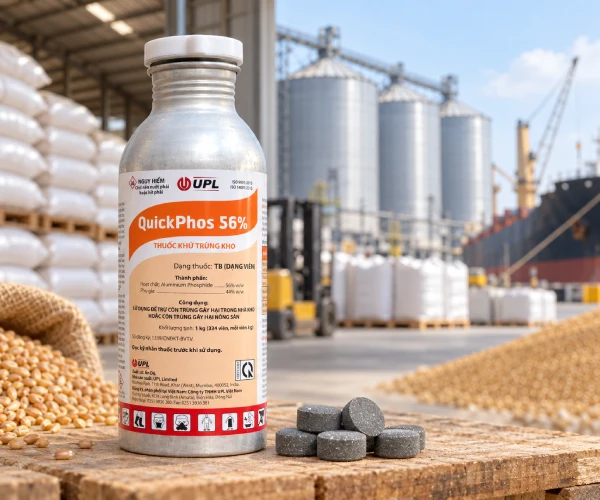
    Phosphine (PH3) là hoạt chất khử trùng xông hơi dạng khí không màu, sinh ra từ phản ứng giữa Phosphide kim loại như Aluminium Phosphide (AlP) hoặc Magnesium Phosphide (Mg3P2 ) với hơi ẩm không khí. Nhờ khả năng khuếch tán và thẩm thấu sâu, Phosphine là giải pháp tối ưu để tiêu diệt triệt […]

  • ispm15

    Standards & Regulations

    What is the ISPM 15 Standard? Mandatory Regulations for Export Wooden Pallets

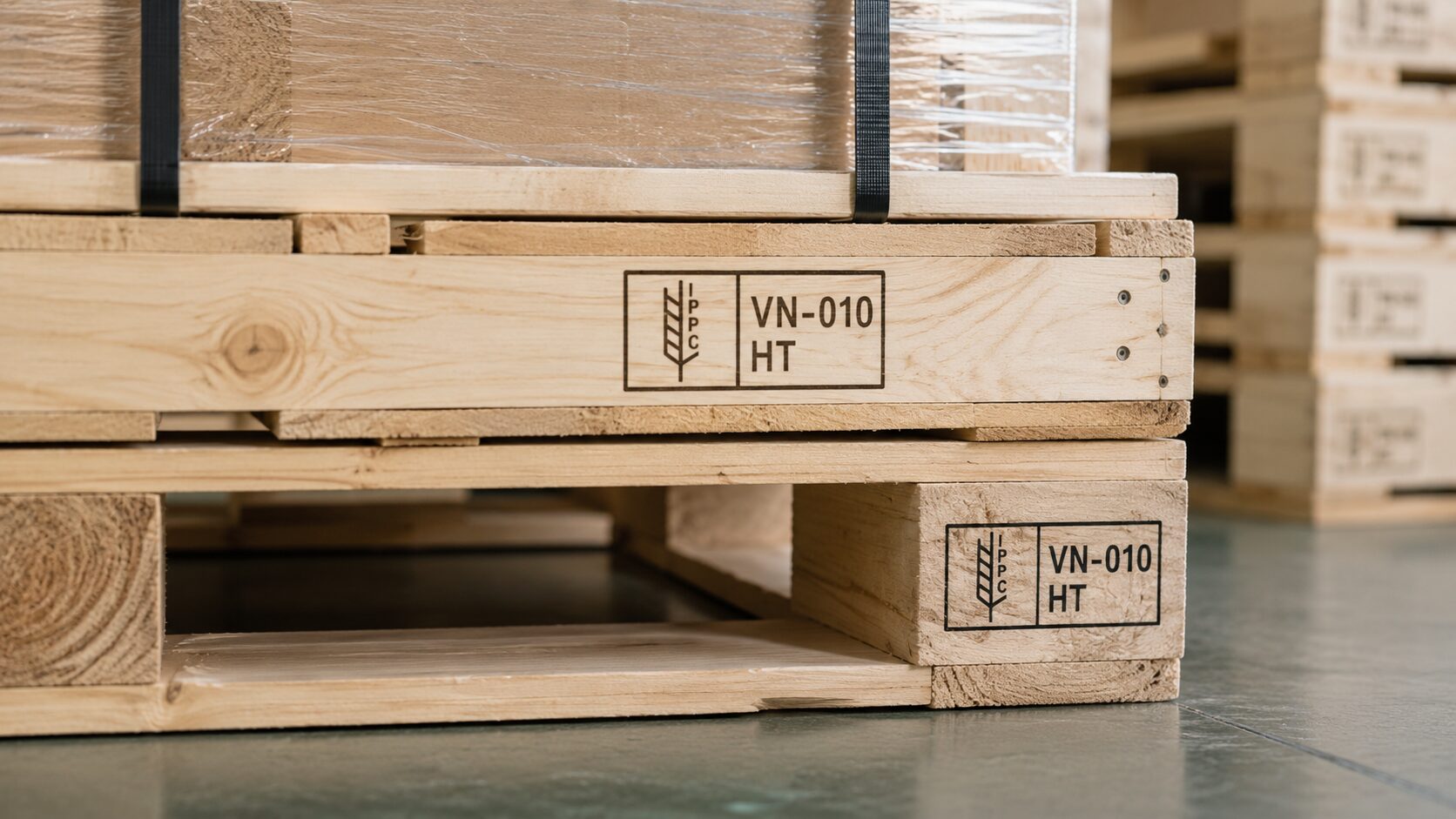
    In the international trade supply chain, wood packaging and dunnage materials (Wood Packaging Material – WPM) such as wooden pallets, wooden crates, and wooden boxes play an important role in moving and protecting goods. However, untreated raw natural wood is a […]

  • Standards & Regulations

    What is plant quarantine? Procedures, documents, and key requirements businesses need to know

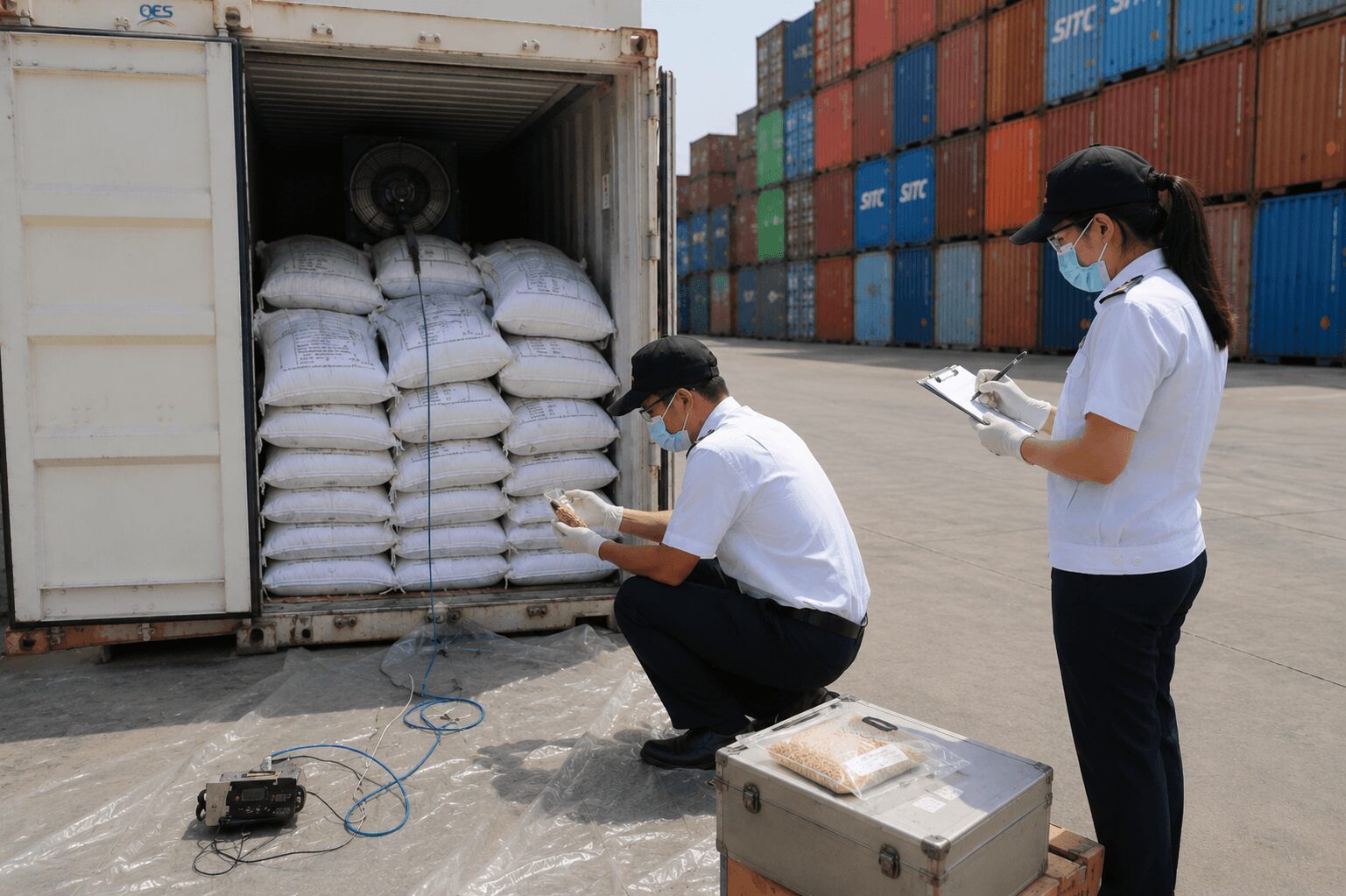
    Plant quarantine is one of the key requirements for many types of exported and imported goods, especially agricultural products, timber, wood packaging materials, and raw materials that may carry harmful organisms. Proper compliance not only […]

  • IPPC

    Standards & Regulations

    What is IPPC? The meaning of the IPPC symbol on the ISPM 15 mark

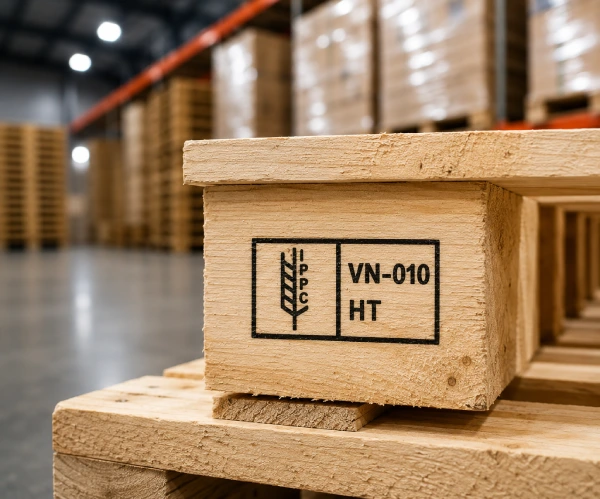
    When exporting goods that use pallets, wooden crates, wooden packages, or wooden dunnage materials, businesses often see the IPPC symbol on the material surface. This symbol is an important component of the ISPM 15 mark, indicating that the wood packaging material has […]

  • luu-y-khu-trung-hang-hoa-xuat-khau

    Standards & Regulations

    Export cargo fumigation: 7 critical mistakes and major risks businesses need to know in 2026

    Export cargo fumigation is becoming a critical factor determining customs clearance and corporate reputation. As import markets increasingly tighten quarantine standards, even a minor discrepancy during the treatment process can lead to shipments being detained or rejected. Properly understanding the common pitfalls in cargo fumigation not only helps businesses minimize risks but also safeguards their long-term position in the global supply chain.

  • Standards & Regulations

    Types of goods commonly required to undergo fumigation before export

    In the context of increasingly stringent global biosecurity regulations, cargo fumigation is no longer just an administrative procedure—it has become a mandatory "passport" for bringing products into international markets. This article provides a detailed summary of the types of goods that require fumigation before export and the key regulations that businesses must understand.

  • khu-trung-mb-va-phosphine-fumigation

    Standards & Regulations

    Methyl Bromide or Phosphine: Which fumigation solution is optimal for your cargo shipment?

    In the field of import-export pest control, Methyl Bromide (MB) and Phosphine are the two most common fumigants. However, confusing or incorrectly choosing between these two substances can lead to cargo damage, reduced quality, or even import refusal

  • khu-trung-mb-va-ht

    Standards & Regulations

    Distinguishing Methyl Bromide (MB) Fumigation and Heat Treatment (HT) under the ISPM 15 Standard

    The shipping schedule is fixed and the bill of lading is ready, but has your wooden packaging material truly 'cleared' international quarantine? In import-export operations, treating wooden packaging material (WPM) is not merely about eliminating pests; it is a prerequisite [...]

  • Standards & Regulations

    Distinguishing “Fumigation” and “Disinfection”: Understanding correctly to protect goods effectively

    Many businesses still confuse fumigation and disinfection, leading to incorrect treatment methods and risks during export operations. In logistics and goods preservation, using the correct method not only affects the effectiveness of pest control but is also directly related to quarantine requirements and documentation for international customs clearance. Below are the key differences to help businesses choose the right treatment solution.

  • Standards & Regulations

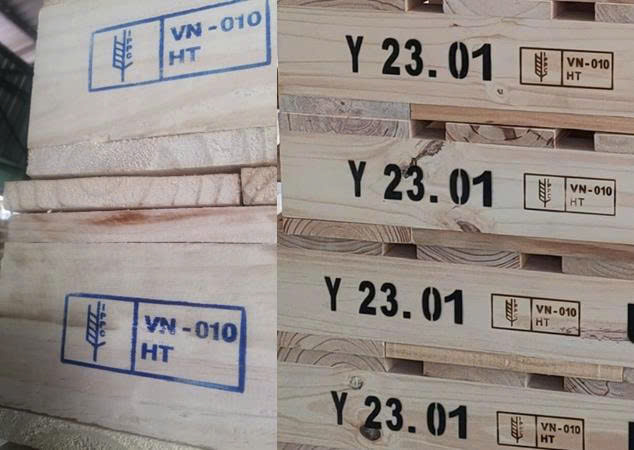
    ISPM 15 Mark: A Small Detail That Can Determine the Customs Clearance of an Entire Export Shipment

    In export operations, many businesses focus on controlling product quality, packaging, and documentation, but overlook a seemingly minor factor: the ISPM 15 mark on pallets and wooden packaging materials. In reality, just one incorrectly formatted mark, [...]

  • Standards & Regulations

    Lesser Grain Borer – A Plant Quarantine Pest of Concern in Vietnam

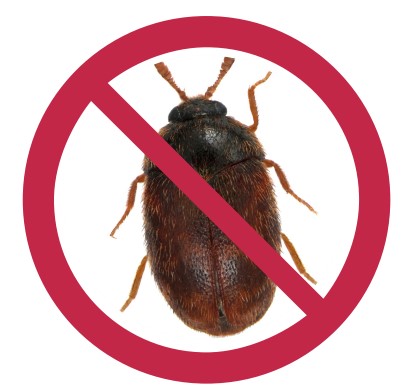
    How does the Khapra beetle cause damage? How can the Khapra beetle be eliminated from export goods? Below is information regarding this harmful beetle. What is the Khapra beetle? According to the definition in the Law on Plant Protection and Quarantine, a 'Plant Quarantine Pest' is a harmful organism that poses a risk of [...]

Dear Valued Visitor,
​To protect our clients' interests, all materials here are copyrighted and may not be reproduced without permission.
​We appreciate your cooperation. Should you need to use our content professionally, please contact us directly.