









 SECTION
01
EU export fumigation guide: Regulations, documentation, and essential insights for exporters

Category:
Fumigation by Market

Published date:
26/10/2026
Share
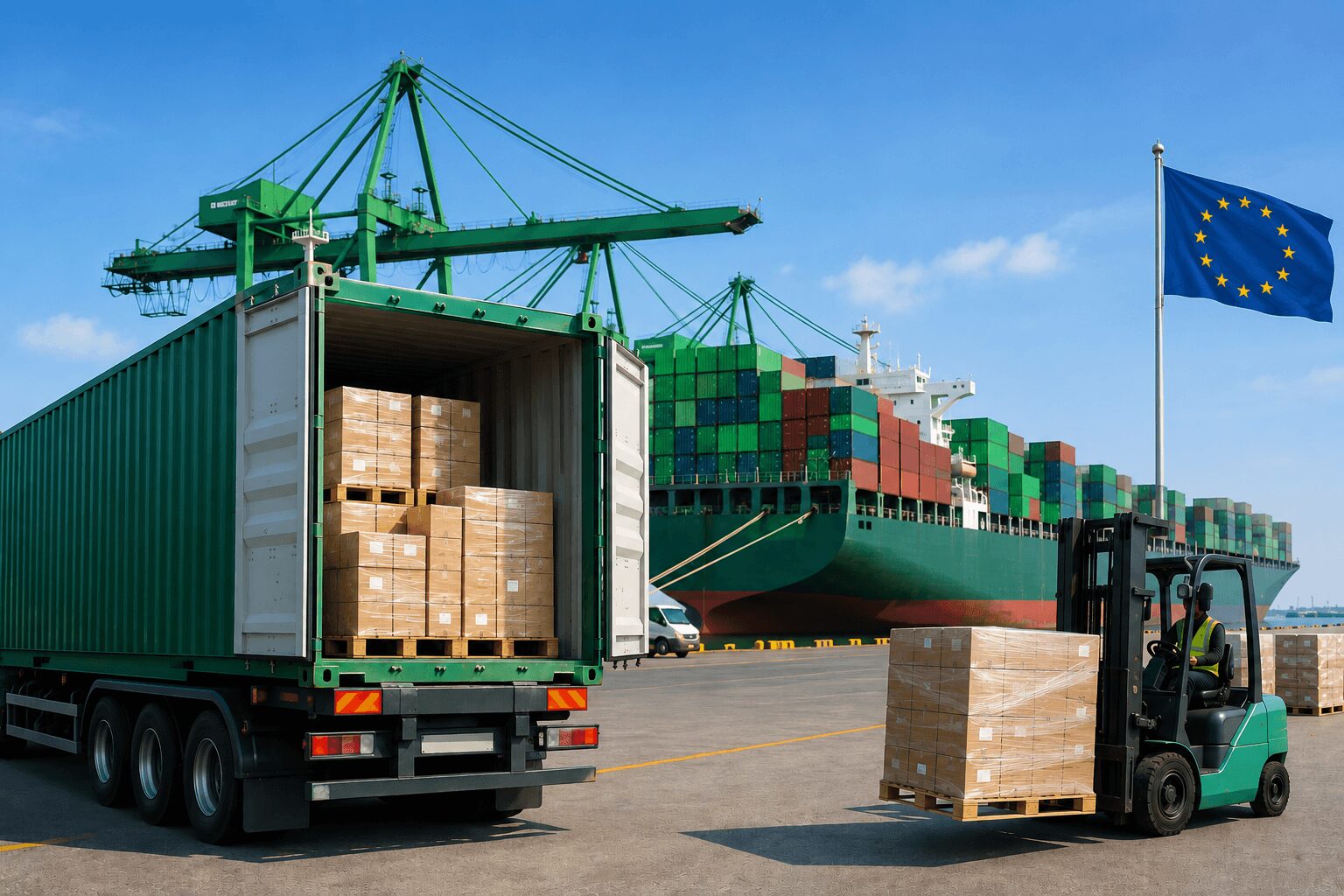
Exporting goods to the European Union (EU) requires businesses to strictly comply with biosecurity and plant quarantine regulations. However, not every shipment automatically requires fumigation. Actual treatment and quarantine documentation requirements depend on the type of goods, their intended use, and the accompanying packaging materials. Assessing these requirements early in the logistics planning process helps businesses select the most suitable treatment method and reduce the risk of cargo delays at the destination port.
Table of Contents
1. Is fumigation mandatory for goods exported to the EU?
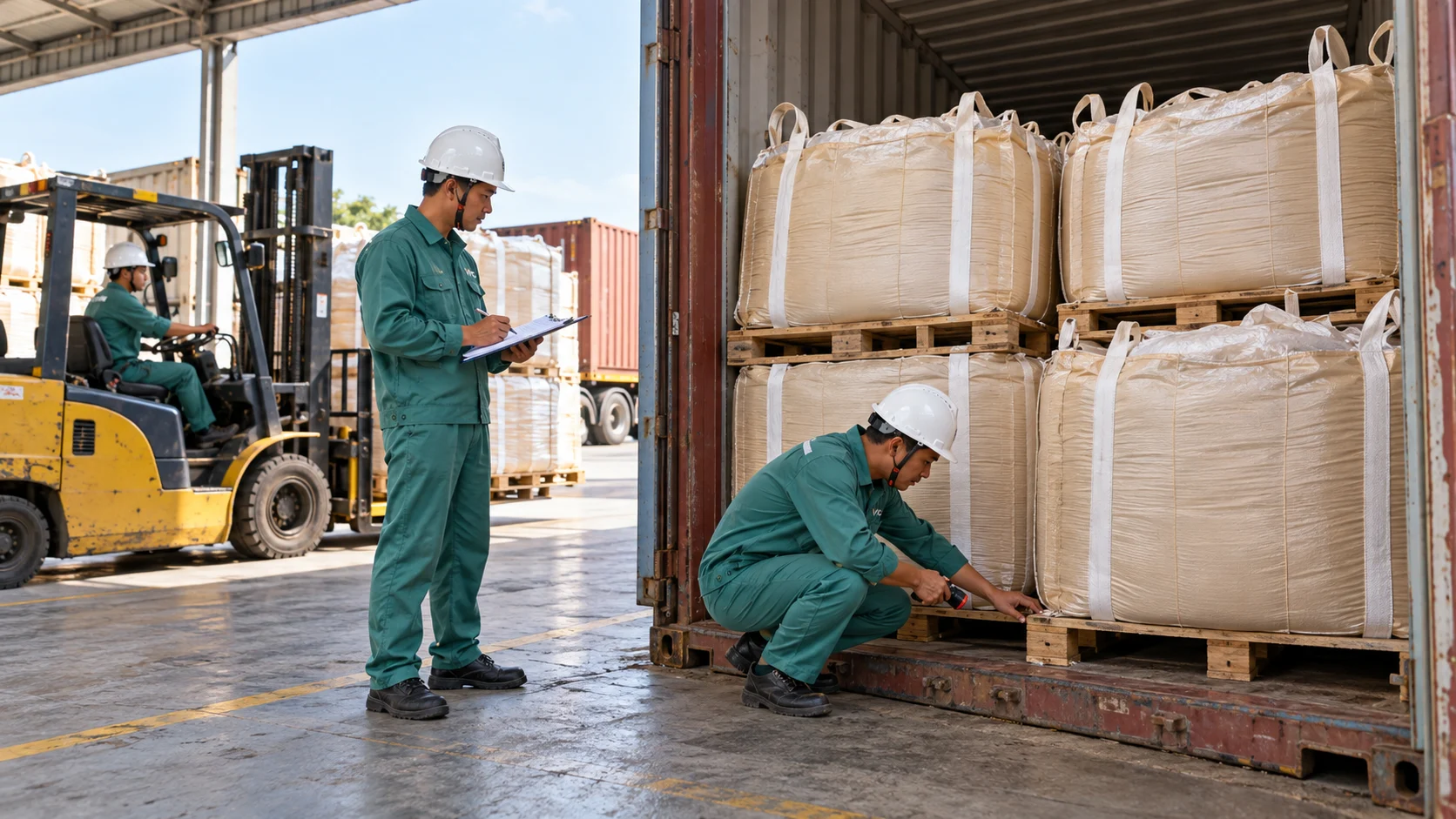
Fumigation requirements for EU-bound shipments should be determined based on the type of goods, packaging materials, and import market regulations
1.1. Not every shipment exported to the EU requires fumigation
In international trade, there is no general regulation requiring every container exported to the EU to undergo fumigation. Plant quarantine requirements vary depending on the type of goods, the specific quarantine regulations of the receiving EU member state, and the accompanying packaging materials.
For example, mechanical equipment packed in plastic containers may not require fumigation. However, if the equipment is placed on solid wood pallets, those pallets must be treated in accordance with the international ISPM 15 standard. Treatment requirements may also arise from specific agreements between the buyer and seller.
1.2. Five factors that determine whether a shipment requires treatment
To accurately determine fumigation requirements, businesses should review five key factors:
- Type of exported goods: Agricultural products, dried food products, finished wooden goods, or industrial products.
- Pest infestation status: Assess whether the goods contain or may carry pests or quarantine organisms.
- Presence of wood packaging materials (WPM): Wooden pallets, crates, support boards, and wooden dunnage accompanying the shipment.
- Plant quarantine regulations of the importing market: General EU quarantine standards or specific requirements of individual import markets.
- Additional requirements from buyers or letters of credit (L/C): Beyond general regulations, buyers may impose additional requirements for fumigation, fumigation certificates, or specific technical conditions.
Before selecting a fumigant or scheduling treatment, businesses should identify the shipment's risk category, as different types of goods have different pest characteristics and treatment requirements.
2. What pest risks does the EU control for imported goods?
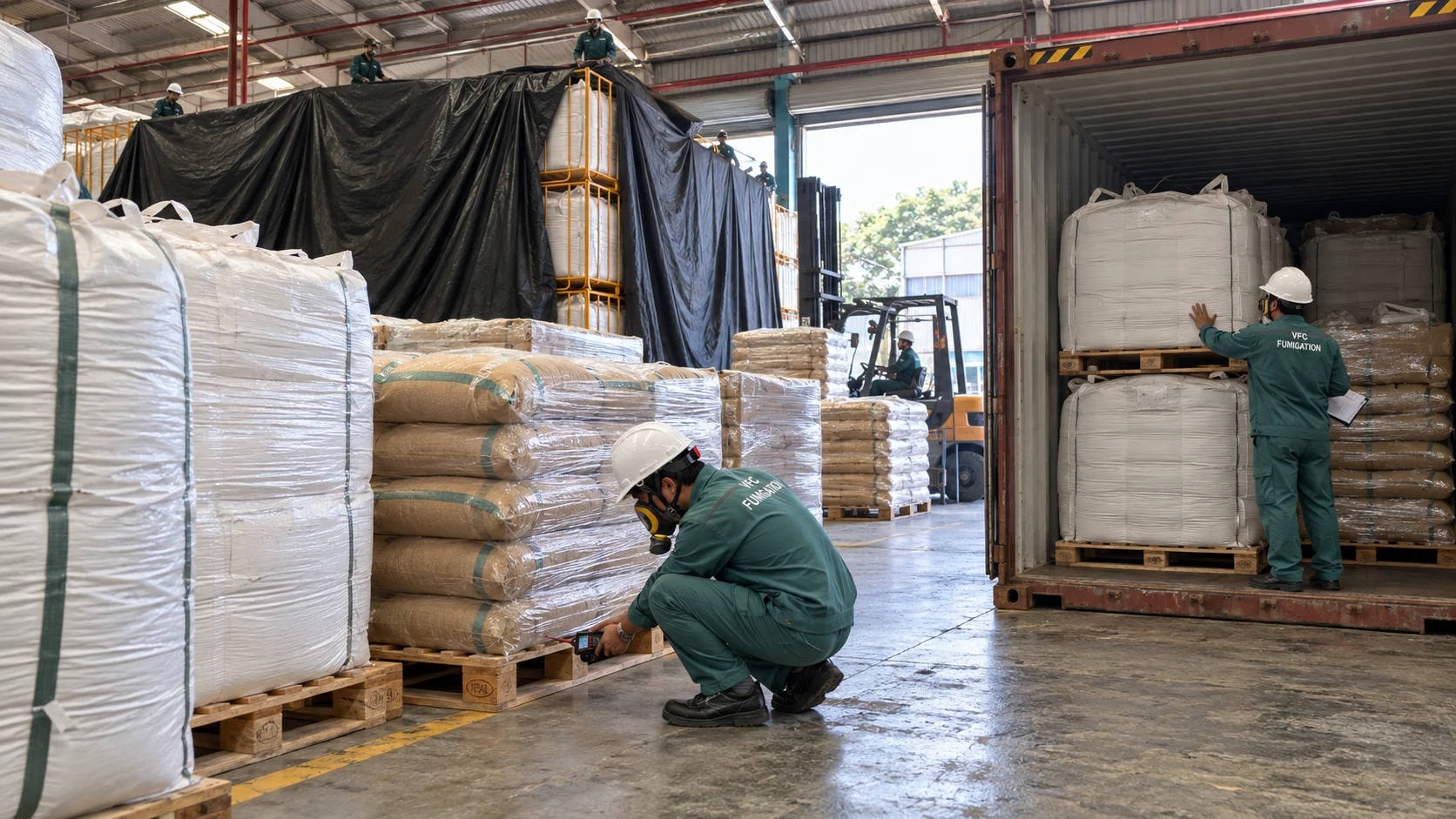
The EU monitors pest risks associated with agricultural products, wood packaging materials, and cross-infestation throughout the logistics supply chain
2.1. Pests associated with agricultural products and plant-based commodities
Tropical agricultural products such as rice, green coffee beans, pepper, and cashew nuts contain nutrients and natural moisture that can create favorable conditions for stored-product insects to develop. The EU maintains strict plant quarantine inspections at import ports to detect live insects at all developmental stages, including eggs, larvae, pupae, and adults. Even goods that are pest-free when leaving the factory may face reinfestation risks from transportation equipment, port storage, or long sea voyages.
For these commodities, pest control involves more than detecting insects. Cargo loading arrangements, moisture levels, transportation time, and certificate data are also essential considerations in export agricultural commodity fumigation.
2.2. Pests associated with wooden pallets, packaging, and dunnage
Untreated solid wood provides an ideal hiding place for dangerous wood-boring insects. If introduced into the EU, these invasive organisms can cause serious damage to native forest ecosystems.
Under EU requirements, wood packaging materials (WPM) must comply with applicable treatment, ISPM 15 marking, and debarking requirements. The EU's WPM regulations are based on ISPM 15.
2.3. Cross-infestation risks in warehouses and containers
Goods that meet factory quality standards may still become infested if storage facilities are not properly cleaned, pests are present in storage areas, or containers contain residual cargo or insects from previous shipments. Maintaining warehouse hygiene and carrying out container fumigation are important measures for reducing cross-infestation risks.
For large-scale bulk cargo, this challenge was particularly evident in the fumigation project for cassava chips aboard the RICH LAND vessel. The cargo hold structure, gas-tightness, and fumigant distribution required a dedicated technical approach rather than simply placing the fumigant and waiting.
3. Types of goods exported to the EU that commonly require fumigation assessment
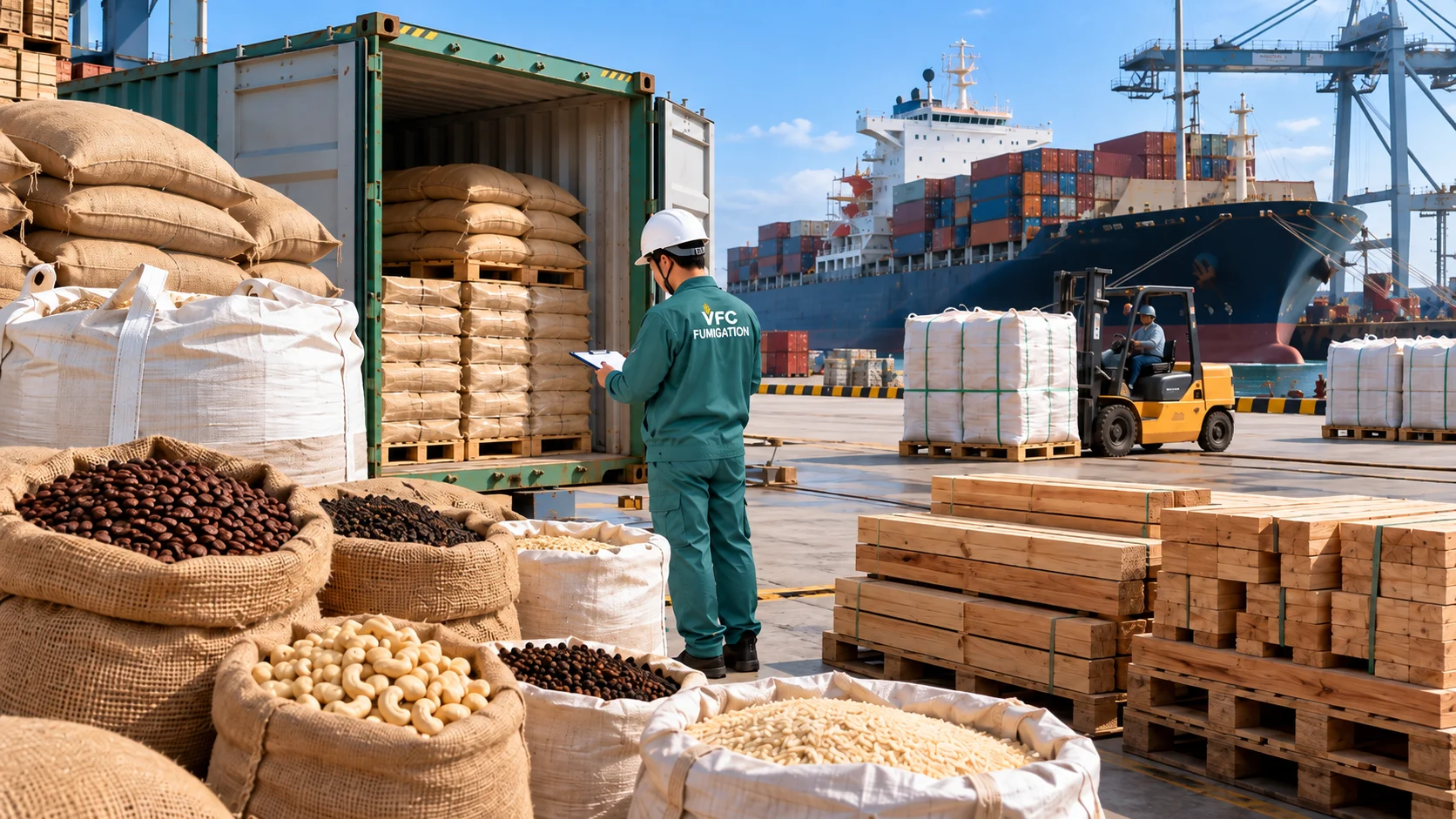
Agricultural products, wooden goods, and industrial cargo using WPM are among the categories that require careful review of quarantine requirements
3.1. Agricultural products and plant-based commodities
Major agricultural exports such as rice, coffee, pepper, cashew nuts, and cereals carry potential pest infestation risks. Pest treatment methods for these commodities must be selected carefully to control insects while ensuring that chemical residues do not exceed the maximum residue limits (MRLs) established under EU food safety regulations.
For dried agricultural products, Phosphine fumigation is commonly selected when a longer exposure period and deep penetration throughout the cargo mass are required.
3.2. Wood and wood-related products
Businesses need to clearly distinguish between commercial wooden products and wood packaging materials: -
- Finished wooden products: Furniture, tables, chairs, handicrafts, and bamboo or rattan products may harbor wood-boring larvae deep within their structures. Fumigation is therefore recommended to control and eliminate pests and reduce the risk of customs clearance rejection.
- Wood packaging materials (WPM): Wooden pallets, untreated wooden crates, and dunnage must be treated in accordance with the international ISPM 15 standard.
3.3. Industrial goods using wooden pallets or dunnage
Steel products, machinery, electronic components, cables, and mechanical structures are not themselves targets of wood-damaging insects. However, if a shipment uses wooden pallets, wooden machinery supports, or solid wood dunnage to secure cargo inside a container, all accompanying wooden components must undergo quarantine treatment in accordance with ISPM 15.
3.4. Goods stored for extended periods or showing signs of pest infestation
Cargo stored for extended periods due to vessel delays or cargo consolidation may become infested by insects from the surrounding warehouse environment. In such cases, proactive inspection and fumigation help preserve product quality and prevent losses before the goods are loaded into containers.
4. What requirements must wooden pallets and packaging materials meet when exported to the EU?
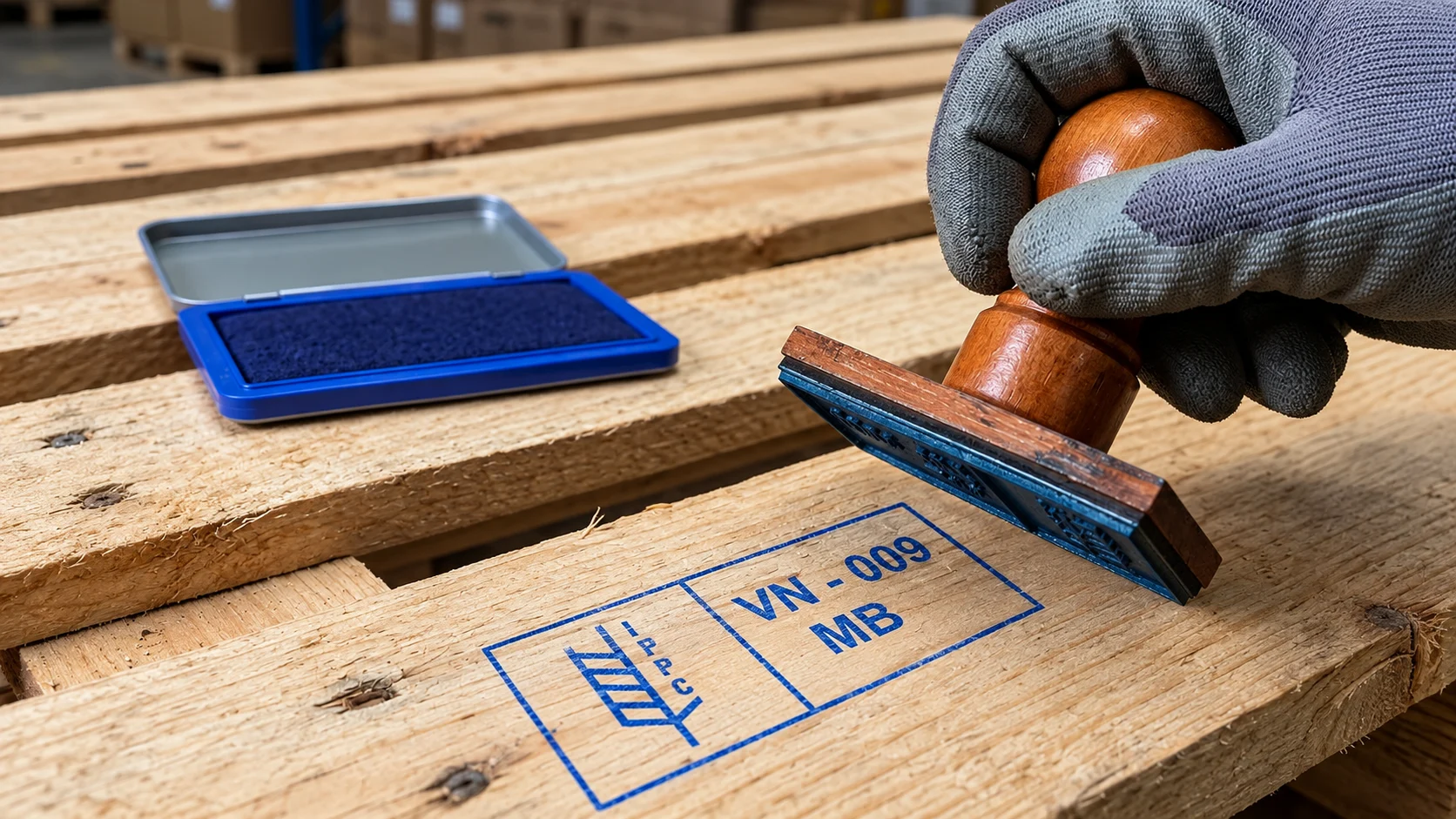
Solid wood pallets and wood packaging materials must comply with ISPM 15 when they fall within the standard's scope
4.1. Which materials are covered by ISPM 15?
The international ISPM 15 standard applies directly to unprocessed solid wood packaging materials (WPM). These include wooden pallets, untreated wooden crates and boxes, support boards, wooden bases, and dunnage used to prevent cargo movement inside containers. Raw wood must be properly debarked before treatment.
4.2. Materials exempt from ISPM 15
Packaging materials manufactured from processed wood, such as plywood, particle board, oriented strand board (OSB), or thin wood pieces less than 6 mm thick, are exempt from ISPM 15 requirements. These materials have undergone industrial manufacturing processes involving high temperatures, compression, and adhesives, which are sufficient to eliminate potential pest organisms.
4.3. Requirements for a valid ISPM 15 mark
Wood packaging materials that have successfully undergone the required treatment must bear a clear ISPM 15 mark. A compliant mark includes:
- The International Plant Protection Convention (IPPC) symbol.
- The country code where treatment was carried out, such as VN for Vietnam.
- The treatment facility identification number issued by the Plant Protection Department.
- The treatment method code: HT (Heat Treatment) or MB (Methyl Bromide fumigation).
- The mark must be durable and non-fading, and applied to at least two opposite sides of the pallet or wooden package in clearly visible positions.
4.4. Why can pallets bearing an ISPM 15 mark still cause cargo detention?
Fumigants and heat treatment eliminate pests at the time of treatment but do not provide long-term residual protection. If treated pallets are stored in damp areas or are not properly separated from pest-infested surroundings, insects may enter and cause reinfestation. Keeping pallets dry and isolated after treatment is therefore essential.
In addition to reinfestation, faded marks, remaining bark, live wood-boring insects, or wooden dunnage added at the last minute can also create risks for containers. These are common situations covered in the article on five small pallet defects that can cause problems during import clearance.
5. Common fumigation methods for export cargo
5.1. Phosphine (PH₃) fumigation
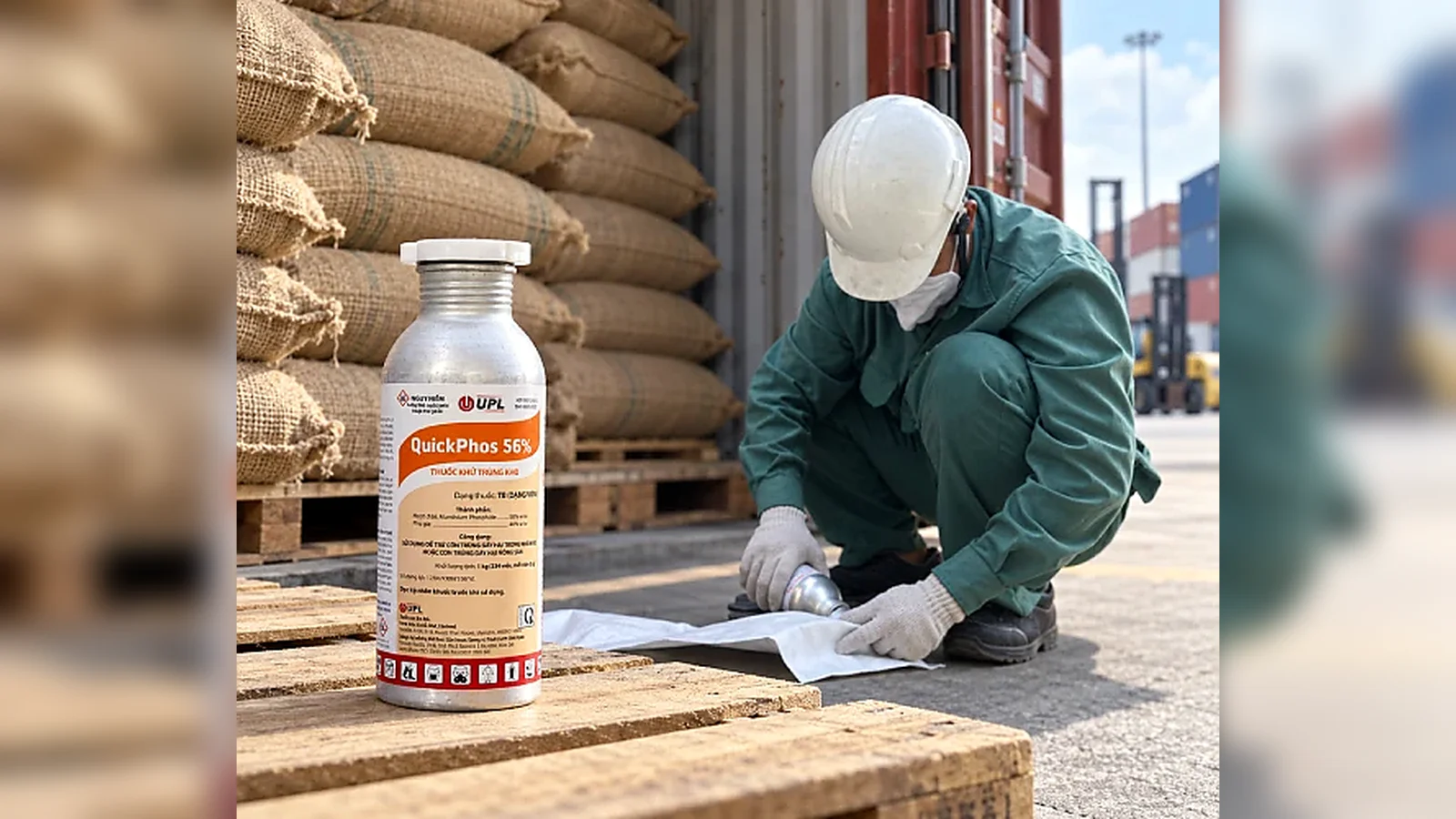
Phosphine is commonly used to control pests in dried agricultural commodities
- Characteristics: Phosphine gas is released when metal phosphide compounds, such as Aluminium Phosphide or Magnesium Phosphide in tablet or strip form, react with moisture in the air.
- Treatment time: The exposure period should generally last 7 to 10 days.
- Applications: Phosphine is one of the treatment options used for many dried agricultural commodities, including coffee, pepper, cashew nuts, and rice.
- Limitations: Phosphine can be highly corrosive to certain metals and materials, including gold, copper, silver, and electronic circuit boards. It is therefore unsuitable for machinery and equipment containing these materials.
5.2. Methyl Bromide (CH₃Br) fumigation – A faster treatment option for export cargo
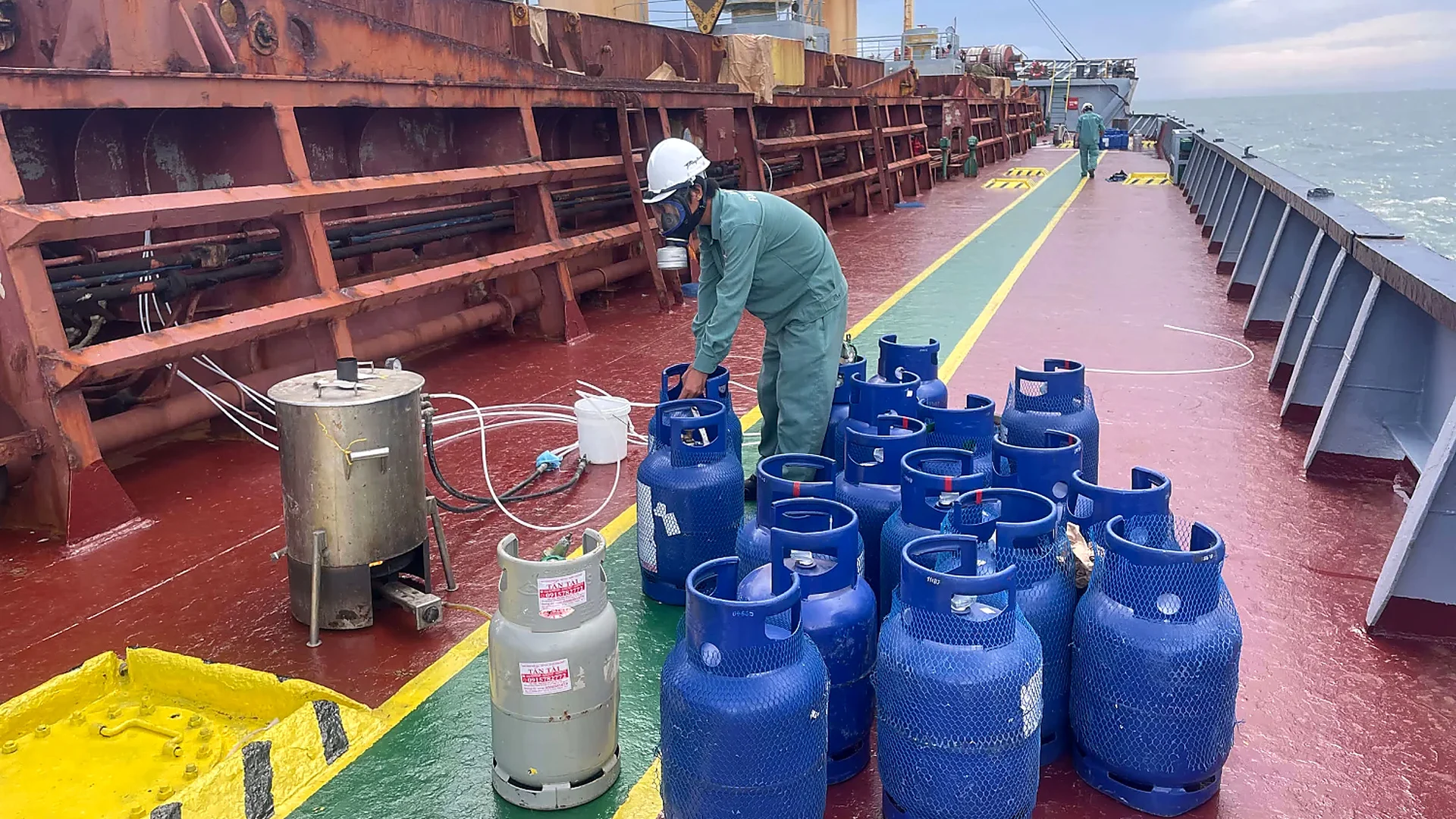
Methyl Bromide offers shorter treatment times and is used in certain approved quarantine treatment programs
- Characteristics: Methyl Bromide is stored as a liquefied gas in pressurized cylinders. Its vapor has strong penetration properties and is highly effective against target pests.
- Treatment time: The exposure period is relatively short, typically ranging from 24 to 48 hours.
- Applications: Commonly used for shipments that cannot accommodate the longer exposure period required for Phosphine or for treating wood packaging materials under ISPM 15.
5.3. Principles for selecting the appropriate treatment method
Businesses should not select a fumigation method based on assumptions or solely prioritize the fastest possible cargo handling schedule. Choosing the appropriate fumigant requires simultaneous consideration of the commodity type, quarantine requirements, buyer specifications, vessel cut-off time, and accompanying packaging materials.
When both treatment methods are technically feasible, the final decision should be based on cargo characteristics, material sensitivity, logistics schedules, and quarantine requirements. These differences are explained in greater detail in the article comparing Methyl Bromide and Phosphine for different shipment types.
6. Where should fumigation for EU-bound cargo be carried out?
- Tarpaulin fumigation at factory warehouses: Suitable for treating large quantities of goods stored in warehouses or fumigating wooden pallets before container loading. This approach allows businesses to address pest risks proactively without being constrained by port yard delivery deadlines.
- Direct container fumigation at ports or ICDs: This is the most common method. Technicians inspect container sealing conditions and seal ventilation openings. Fumigation is scheduled to align with cargo loading plans and shipping line cut-off times.
- Bulk vessel hold fumigation: Applied to vessels carrying tens of thousands of tons of bulk agricultural commodities, such as cassava chips, corn, and rice. Technicians must conduct site surveys and develop treatment plans suited to each vessel's structure to ensure effective insect control and crew safety throughout fumigation.
7. When should fumigation be carried out before exporting to the EU?
- Plan early: Businesses should not wait until the container loading date to contact a fumigation provider. Sufficient time should be allocated so that, once cargo loading is completed, the provider can prepare and implement the agreed technical treatment plan.
- Factors affecting treatment time: The required duration depends on the fumigant used (MB: 24–48 hours; Phosphine: 7–10 days), the importing country's quarantine requirements, and any additional customer specifications. These exposure periods have different technical requirements and should not be shortened simply to meet vessel cut-off times. The article on container fumigation exposure periods explains the relationship between fumigant concentration, exposure time, and export schedules.
- Standard logistics coordination process:
To align fumigation activities with export plans, businesses should follow this sequence:
Booking confirmation → Review EU market requirements → Select the appropriate fumigation method → Load cargo → Carry out fumigation according to the agreed plan → Issue the Fumigation Certificate → Deliver the container to the port yard and load it onto the vessel.
8. Documents businesses should check before exporting to the EU
Commercial documents: Commercial Invoice, Packing List, Bill of Lading, and Sales Contract.
Certificate of origin: Certificate of Origin (C/O Form EUR.1 under the EVFTA) to benefit from applicable preferential tariffs.
Quarantine and technical documents:
- Fumigation Certificate: Issued by a licensed fumigation provider, confirming that the required treatment parameters, including fumigation date, fumigant used, dosage, and exposure period, have been completed in accordance with applicable standards.
- Phytosanitary Certificate: Issued by the competent plant quarantine authority, confirming that the shipment complies with the importing country's biosecurity and plant quarantine regulations.
9. Five-step process for assessing fumigation requirements for EU-bound cargo
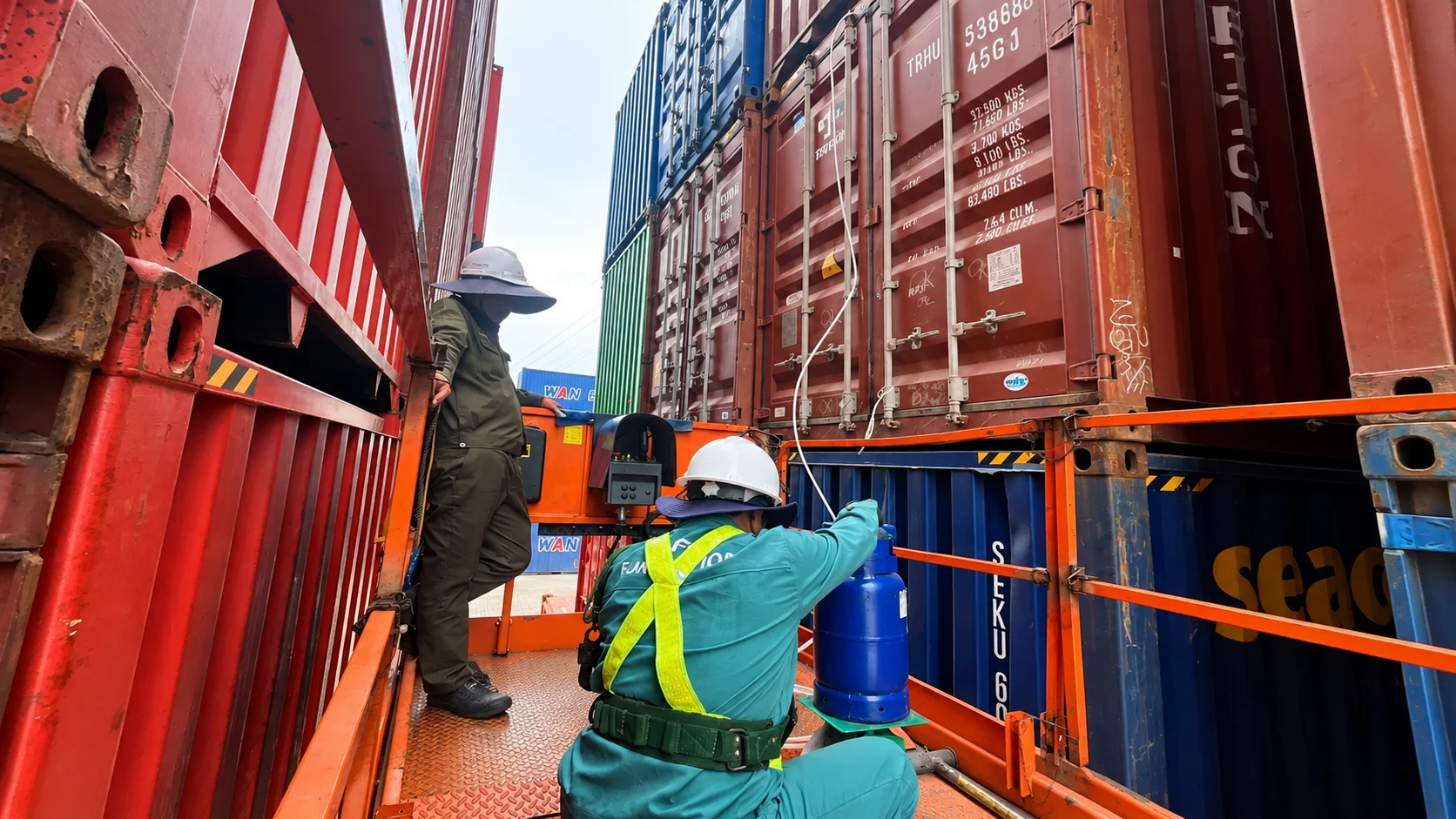
This assessment process helps businesses determine the appropriate treatment requirements before exporting goods to the EU
Step 1 – Identify the HS Code: Check the commodity classification code against the EU's list of goods subject to plant quarantine requirements.
Step 2 – Identify the destination country and port: Review specific biosecurity regulations applicable at the receiving port, such as Rotterdam, Hamburg, or Antwerp.
Step 3 – Inspect pallets and wood packaging materials (WPM): Verify the validity and compliance of ISPM 15 marks, bark removal, and the dryness of wooden pallets before loading.
Step 4 – Review contract and L/C terms: Carefully check quality commitments, organic certification requirements, and any chemical restrictions imposed by the buyer.
Step 5 – Conduct an on-site shipment inspection: Assess agricultural commodity moisture levels, container floor and wall cleanliness, and container gas-tightness before treatment.
10. Common mistakes businesses make and how to avoid them
- Assuming every shipment requires fumigation: This can lead to unnecessary logistics costs for industrial goods or products packed using materials exempt from quarantine treatment.
- Checking wooden pallets only after cargo loading: If a container has already been sealed and pallets are found to lack valid ISPM 15 marks, the business may have to unload the cargo, resulting in additional handling costs and vessel schedule delays.
- Confusing the Fumigation Certificate with the Phytosanitary Certificate: Submitting a fumigation certificate in place of a phytosanitary certificate may cause the documentation to be rejected by the relevant authorities.
- Overlooking wooden dunnage beneath machinery: Businesses may focus on the main cargo while failing to inspect untreated solid wood braces or supports used to secure the goods.
11. Quick checklist before loading cargo for export to the EU
Cargo inspection
- [ ] Accurately identify the HS Code and applicable plant quarantine requirements.
- [ ] Check the shipment's actual pest infestation status.
- [ ] Verify that the cargo condition meets export requirements.
Packaging and wooden pallet inspection (WPM)
- [ ] Inspect wood packaging materials, including pallets, wooden supports, and other WPM components.
- [ ] Check that wood is properly debarked, dry, and free from signs of live wood-boring insects.
- [ ] Confirm that ISPM 15 marks are clear, durable, and visible on at least two sides of the wooden package.
- [ ] Ensure that pallets are stored in a dry, properly separated area to prevent reinfestation.
Container and loading site inspection
- [ ] Clean the container floor and walls to remove residual cargo and insects from previous shipments.
- [ ] Check gas-tightness: ensure door rubber gaskets are intact and container floors and walls have no holes or damage.
Documentation review
- [ ] Commercial documents (Invoice, Packing List, Bill of Lading, Contract).
- [ ] Certificate of Origin (C/O Form EUR.1 under the EVFTA).
- [ ] Valid Fumigation Certificate.
- [ ] Phytosanitary Certificate issued by the competent authority.
- [ ] Verify all specific requirements stated in the customer's L/C.
12. VFC Fumigation's technical capabilities and biosecurity assurance
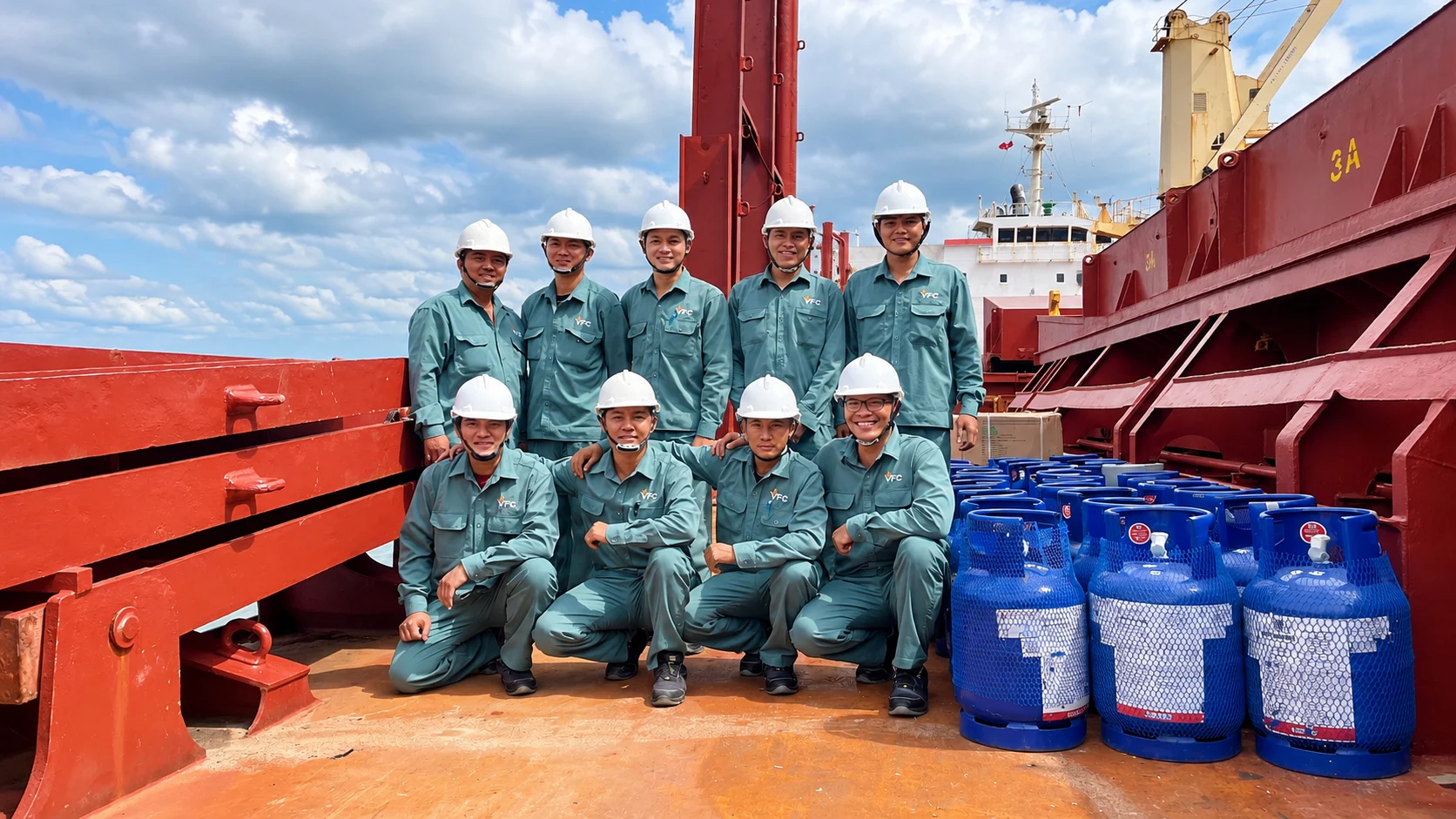
VFC Fumigation provides fumigation and wood packaging material treatment solutions for goods exported to the EU
As a pioneer that laid the foundation for and has helped lead Vietnam's quarantine fumigation industry, Vietnam Fumigation Joint Stock Company (VFC) provides comprehensive biosecurity solutions for goods exported to the EU.
Extensive experience and international recognition through IMFO: With more than 50 years of experience in the fumigation industry, VFC Fumigation is proud to be an official member of the International Maritime Fumigation Organisation (IMFO) in Vietnam.
Two-Layer Transparent Operational Governance and Verification Model:
- Field operation management through FumiApp: Technicians fully update fumigation activities through FumiApp, enabling management teams to monitor operations and maintain fumigation quality.
- Certificate verification via QR Code: VFC's fumigation certificates feature unique QR Codes, allowing customers and relevant partners to cross-check information and verify certificate validity directly through VFC's data system.
ISPM 15-compliant WPM treatment solutions: VFC Fumigation treats wooden pallets and dunnage using Heat Treatment (treatment facility code: VN-010 HT) or Methyl Bromide fumigation (code: VN-009 MB), meeting the Plant Protection Department's inspection requirements and international standards.
Comprehensive protection for ocean freight containers: VFC Fumigation also provides supporting technical solutions, including container paper lining and specialized industrial desiccant bags, to help reduce container condensation and mold risks during long sea voyages to Europe.
13. Frequently asked questions about fumigation for cargo exported to the EU
Question 1: Is fumigation mandatory for all goods exported to the EU?
No. Fumigation requirements depend on the type of goods (agricultural or industrial), the use of solid wood packaging or dunnage, and the specific quarantine regulations of the importing country.
Question 2: Must wooden pallets exported to the EU comply with ISPM 15?
Yes. Solid wood packaging and dunnage imported into the EU must be properly debarked, undergo approved quarantine treatment (HT or MB), and bear a valid ISPM 15 mark.
Question 3: Do goods packed on plastic pallets require packaging fumigation?
No. Plastic pallets do not require fumigation under ISPM 15. However, if the goods themselves carry a risk of stored-product insect infestation, the shipment may still require fumigation to eliminate live pests.
Question 4: Can a Fumigation Certificate replace a Phytosanitary Certificate?
Absolutely not. A Fumigation Certificate only confirms that the shipment has undergone the required treatment procedure and records the relevant technical parameters. A Phytosanitary Certificate, issued by the competent government authority, is the official document confirming that the shipment complies with the importing country's plant quarantine requirements.
Question 5: How long does container fumigation for EU-bound cargo take?
Treatment time depends on the technical plan, the type of fumigant used, and the specific quarantine requirements of each shipment. VFC Fumigation develops flexible treatment plans to manage treatment time efficiently while meeting technical requirements and aligning with vessel cut-off schedules. Customers are encouraged to contact VFC Fumigation directly for consultation and a treatment plan tailored to their shipment.
Question 6: Can goods become reinfested with insects after fumigation?
Yes. Fumigants eliminate pests at the time of treatment but do not provide lasting residual protection. If treated goods are not properly protected and separated during subsequent storage, insects from the surrounding environment may re-enter and cause reinfestation.
Exporting goods to the EU requires businesses to shift from simply fulfilling compliance procedures to proactively managing biosecurity throughout the supply chain—from cultivation, harvesting, and preliminary processing to warehouse storage, packaging, and container loading. As technical barriers concerning plant quarantine and chemical controls become increasingly stringent, selecting the right treatment method and maintaining transparent, accurate documentation are essential to ensuring smooth customs clearance and protecting long-term commercial credibility.
For expert consultation on EU plant quarantine standards, ISPM 15 wood pallet treatment, or internationally compliant export cargo fumigation services, contact VFC Fumigation at 0914 773 300 or 1800 577 788 for a treatment solution tailored to your shipment.
SECTION
01