





Published date:
25/09/2026
Share




To safeguard agricultural commodity quality during the peak export season for cassava chips, enterprises must proactively maintain strict control over incoming raw material moisture content and apply surface residual sprays to control pests present within storage facilities prior to intake. Furthermore, deploying technically compliant fumigation protocols with appropriate dosages and exposure periods serves as a pivotal solution to completely eradicate pests across all developmental stages, ensuring consignments meet customs clearance prerequisites.
1. Seasonal Characteristics and Storage Challenges of Export Cassava Chips
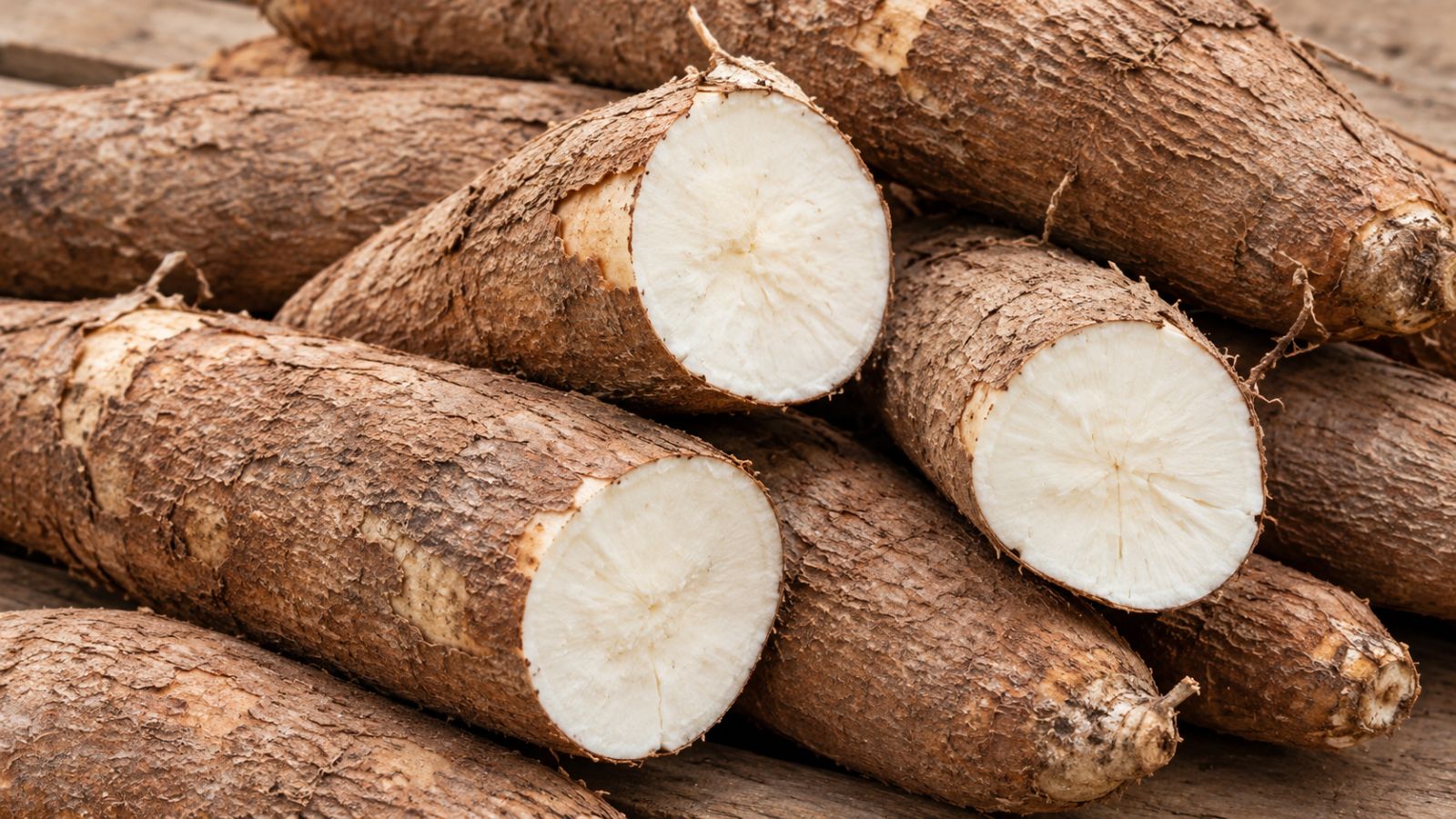
Cassava chips sourced from multiple origins may vary in moisture content and quality prior to central warehouse consolidation
1.1 Storage Pressures of Thousands of Tons of Cassava Chips During Peak Season
Cassava chips are an agricultural commodity typically procured in batches from numerous drying yards and farming households. Consequently, raw material moisture levels and quality are often non-uniform prior to consolidation at central warehouses.
Additionally, storage and transport primarily involve large-scale bulk stockpiling in warehouses. The heavily compacted cargo mass causes core temperature and moisture levels to rise easily, creating a favorable environment for pest proliferation. It is precisely these characteristics—profound bulk depth and high stacking density—that require treatment protocols to simultaneously account for commodity moisture, gas diffusion capabilities, and concentration retention times; these represent the core variables in the Phosphine fumigation protocol for exported dry agricultural products.
1.2 Primary Stored-Product Pests Infesting Cassava Chips
- Coffee Bean Weevil (Araecerus fasciculatus): The most prevalent pest affecting dried cassava chips and feed raw materials, capable of boring into cassava roots and reducing them to fine flour within just a few weeks of storage.
- Lesser Grain Borer (Rhyzopertha dominica): Highly destructive to grains and cereal products. Possessing an aggressive boring capacity that targets grain embryos, it directly attacks the solid starch structure of cassava slices.
- Secondary Pests: Flat grain beetles (Cryptolestes spp.), red flour beetles (Tribolium castaneum), foreign grain beetles (Ahasverus advena), and booklice (Liposcelis spp.)... These represent secondary pest groups (subsequent-stage feeders). These pest species proliferate in cargo masses characterized by high moisture content or substantial broken flour dust residues, significantly elevating the risk of stored cargo degradation.
1.3 Economic Repercussions of Stored-Product Pest Infestations in Cassava Chips
- Degradation of Commercial Commodity Quality: Severely diminishes starch content and conversion recovery yields in ethanol or animal feed processing. Furthermore, destructive pest activities induce moisture condensation and mold development, causing cassava chips to turn black and directly undermining the overall quality of the consignment.
- Physical Cargo Weight Loss: Pest feeding and infestation cause substantial cargo weight reduction compared to initial intake scale weights.
- Risk of Customs Clearance Rejection at Importing Destinations: Discharge ports in major markets (South Korea, China) enforce rigorous quarantine inspections; if live insects are intercepted, the vessel is detained at anchorage, subjec
2. Primary Causes of Pest Infestation in Cassava Chips
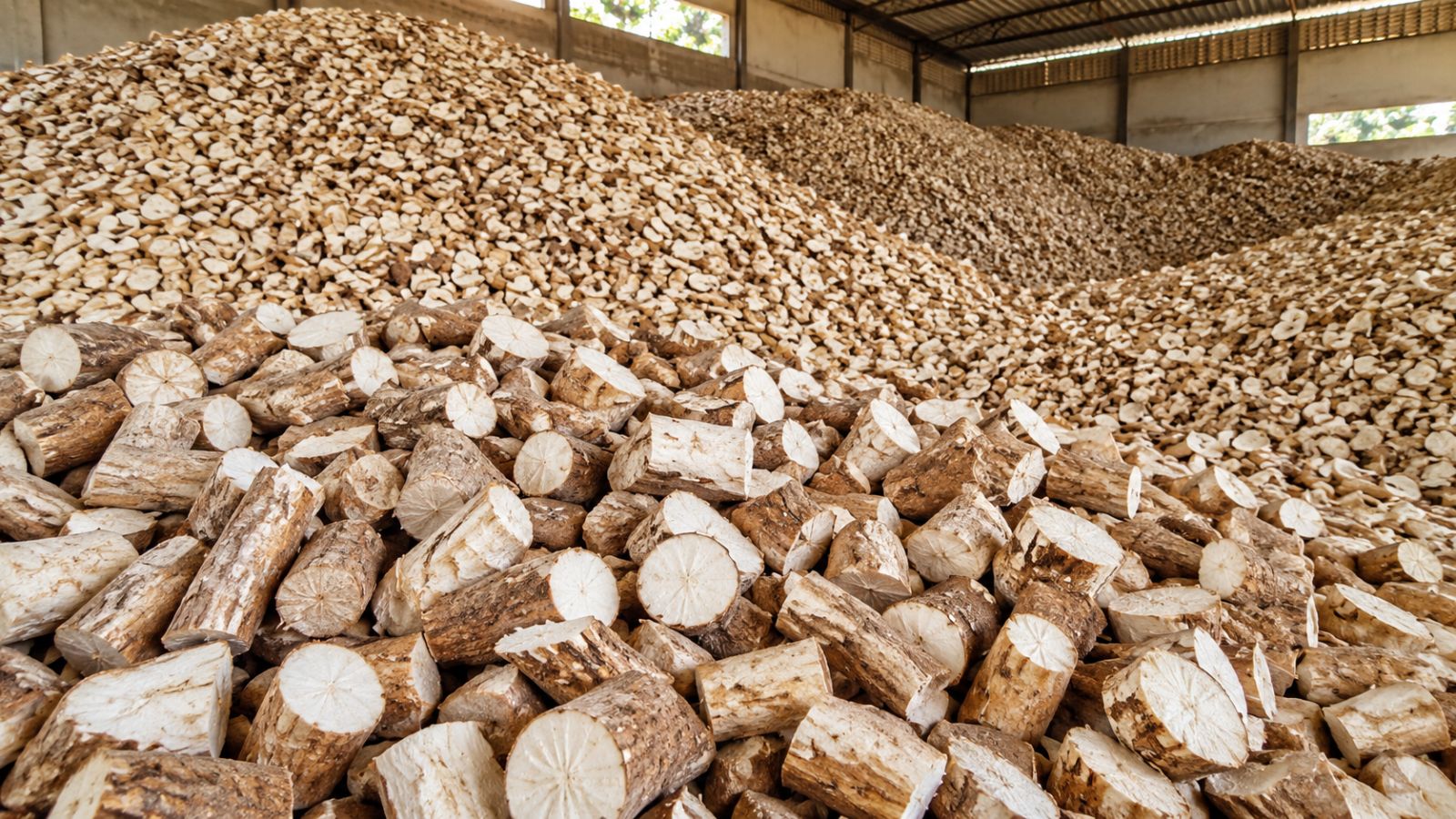
High moisture content in cassava chips creates favorable conditions for pests and storage issues to develop
- Raw Material Moisture Exceeding Safe Thresholds: Cassava chips harvested and consolidated during unfavorable weather or failing to achieve standardized dryness (moisture exceeding 14–14.5%) foster optimal conditions for pest proliferation. Moisture is likewise a major factor causing previously treated consignments to experience re-emergence or secondary pest re-infestation during storage; this vulnerability becomes especially pronounced in export consignments rejected and returned due to weevil infestation during the rainy season.
- Cross-Contamination from Warehouse Facilities: Failure to sweep and clean residues from preceding seasons, coupled with the lack of surface disinfection and structural treatments across warehouse floors, walls, and conveyor systems prior to receiving new cargo, allows residual insect populations from previous seasons to re-infest the space. For high-volume bulk commodities, the operational challenge lies not only in chemical selection but also in bulk isolation, gas-tight sealing, and concentration retention.
- Non-Compliant Fumigation Execution: Unaccredited or unqualified treatment providers executing improper technical fumigation protocols introduce high risks of failing to eradicate insects residing within the commodity.
- Pre-Existing Infestations in Incoming Cargo: Cargo arriving without prior fumigation or pest screening allows pre-existing pests to spread across adjacent consignments stored within the same facility.
3. Comprehensive Preservation Protocol for Cassava Chips Against Stored-Product Pests
Phase 1: Warehouse Preparation and Mechanical Sanitation: Thoroughly clear all commodity residues and foreign impurities, completely recovering discarded material from past seasons. Apply surface residual contact insecticides across all warehouse floors and perimeter walls before receiving new shipments.
Phase 2: Stacking and Storage Specifications: For bagged cargo, assemble stacks maintaining a minimum clearance of 0.5 meters from walls, structural pillars, and adjacent lots, as well as adequate overhead clearance from the ceiling to allow natural air convection, facilitate cargo condition inspections, and streamline fumigation operations when necessary. For bulk cargo, establish perimeter retaining bunds around the storage floor, positioned at least 0.5 meters away from perimeter walls, avoiding spillover onto drainage gutters or direct contact against building walls, etc.
Phase 3: Routine Monitoring and Periodic Inspection: Clients should conduct periodic inspections of the consignment to identify localized anomalies or early pest outbreaks, enabling timely and targeted corrective treatment measures.
4. Fumigation Techniques for Cassava Chips: Categorized by Operational Requirements
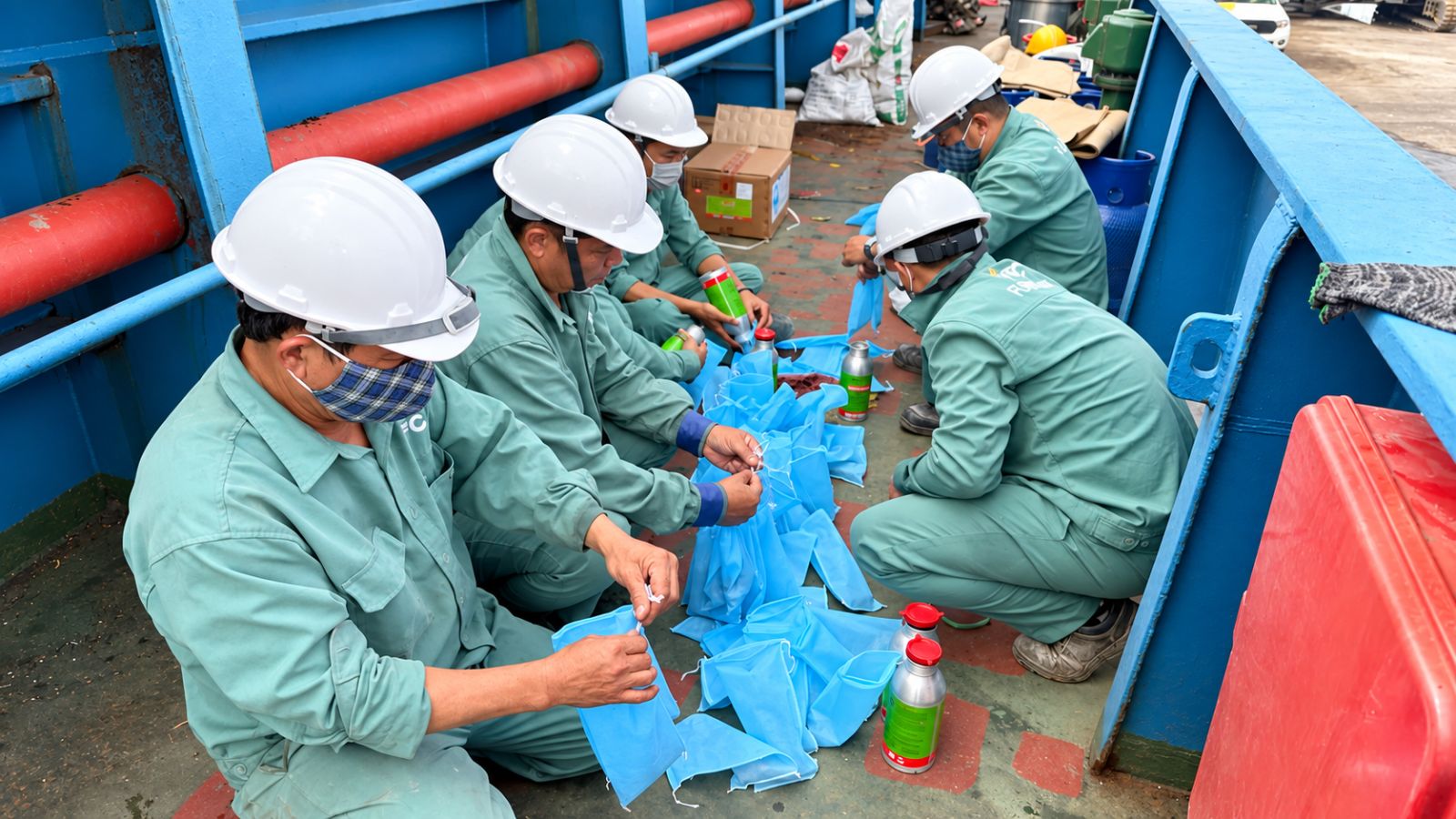
Cassava chips fumigation plans are customized according to preservation objectives, transport modes, and specific consignment parameters
In-Warehouse Cassava Chips Storage Preservation: Utilize Phosphine (PH3) fumigant. This represents the optimal choice for extended warehouse storage due to its exceptional deep-penetration capabilities into massive bulk stockpiles without compromising cassava starch quality. The standard exposure period of 7 to 10 days ensures the complete eradication of both eggs and pupae, as well as weevils embedded deep within the commodity mass.
Export Shipments (Containers, Break-Bulk / Bulk Vessel Holds): Depending on importing country phytosanitary regulations, contractual terms, and logistical dispatch schedules, enterprises can flexibly select between the following two fumigants:
- Phosphine (PH3) Fumigation: Optimally deployed for bulk carrier voyages utilizing in-transit fumigation (In-Transit Fumigation) or containerized consignments with extended ocean voyages, allowing the mandatory exposure period to be maintained underway without disrupting transport and delivery schedules.
- Fumigation with Methyl Bromide (MB): Applied when the consignment requires urgent clearance at the port of origin to meet the shipping line's cut-off time, leveraging the operational advantage of a short exposure period—a minimum of 24 hours depending on ambient temperature.
5. Bulk Hold Fumigation Solutions for Cassava Chips Exported to South Korea and China
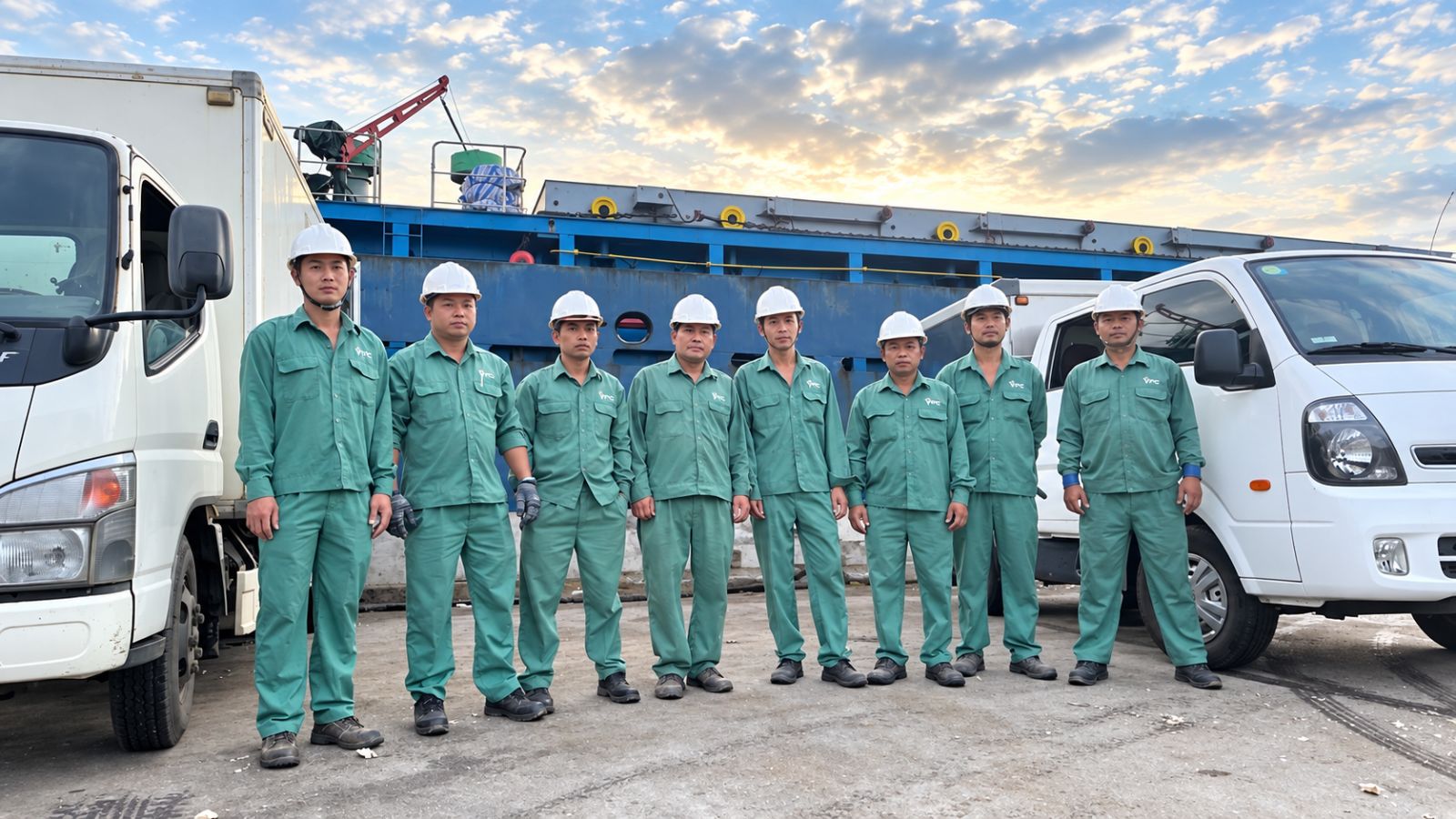
VFC Fumigation partners with exporters to control pests, finalize certification, and ensure safe customs clearance
Rigorous Phytosanitary Barriers from Importing Markets
South Korea and China enforce stringent plant quarantine regulations on raw cassava chips. If live insects are intercepted upon arrival at the destination port, quarantine authorities will issue formal violation notices, suspend clearance, or mandate commercial re-treatment, incurring astronomical port and demurrage charges.
Technical Challenge: Vessel Hold Gas-Tight Sealing and Crew Safety
Vessel holds transporting bulk cassava chips typically feature complex structural configurations and are prone to gas leakage through hatch covers or bulkheads adjoining adjacent compartments. The fumigation provider must establish customized technical protocols tailored to each specific structure to ensure both fumigation efficacy and the absolute safety of crew members on board throughout the treatment period. When transitioning from warehouses or containers to bulk vessels, simply increasing the chemical dosage does not solve the entire challenge; warehouse, silo, and ship hold fumigation must be engineered around the volume, gas-tightness, cargo depth, and gas distribution pathways of each specific facility.
6. Case Study: VFC Fumigation Successfully Fumigates M/V RICH LAND Carrying Export Cassava Chips to South Korea at Quy Nhon Port

VFC Fumigation executes bulk cassava chips fumigation on vessel RICH LAND bound for South Korea at Quy Nhon Port
Project Background: The vessel RICH LAND berthed at Quy Nhon Port (Binh Dinh Province) to load thousands of metric tons of bulk cassava chips destined for the South Korean market—a consignment valued at hundreds of billions of VND.
Technical Challenges: Bulk cassava chips loaded at profound hold depths created significant risks of poor fumigant gas penetration into deep tiers of the cargo mass. It was mandatory to eradicate target pests across all developmental stages to satisfy South Korean quarantine standards, while rigorously guaranteeing crew safety throughout the operational cycle.
VFC Fumigation’s Tailored Solutions:
- Conducted a detailed survey of hold structures and stowage configurations to establish an optimized chemical distribution diagram.
- Executed a specialized treatment protocol incorporating Aluminium Phosphide (AlP) and Methyl Bromide to effectively control pests within the cargo holds.
- Hermetically sealed hatch covers, ventilation systems, and structural access points using specialized sealing materials.
- Employed specialized gas detection equipment to monitor for gas leaks, ensuring absolute crew safety, and handed over complete safety guidelines and documentation to the Master.
Outcome: The cassava consignment was treated safely with complete pest eradication; M/V RICH LAND achieved smooth customs clearance upon arrival in South Korea strictly on schedule.
View full project details: Fumigation of Export Cassava Chips to South Korea on Vessel RICH LAND at Quy Nhon Port: Safeguarding Cargo Quality Valued at Hundreds of Billions of VND
7. Frequently Asked Questions (FAQ) Regarding Cassava Chips Preservation and Stored-Product Pests
Question 1: How long can cassava chips be stored in a warehouse before fumigation is required?
Answer: The storage lifespan depends on how effectively warehouse environmental factors and incoming commodities are controlled. During storage, if active pest infestation is detected, a fumigation protocol should be promptly implemented.
Question 2: Why do live weevils still appear after cassava chips have been fumigated in the warehouse once loaded onto export vessels?
Trả lời: Nguyên nhân côn trùng có thể đã hiện diện sẵn trên phương tiện vận chuyển, trong container hay khoang hầm tàu, nếu chưa được khử trùng và làm sạch trước khi tiếp nhận hàng, dẫn đến tình trạng mọt tồn dư từ các chuyến trước lây nhiễm chéo ngược trở lại vào lô sắn lát.
To mitigate this risk, enterprises should proactively contact a professional fumigation provider like VFC Fumigation to inspect and treat ship holds or containers prior to loading bulk cassava chips onto export conveyances.
Question 3: Which fumigant should be used for cassava chips: Phosphine or Methyl Bromide (MB)?
Trả lời: Tùy thuộc vào yêu cầu của nước nhập khẩu, tùy theo yêu cầu khách hàng doanh nghiệp để đưa ra lựa chọn phù hợp.
Question 4: How can importing partners verify the authenticity of a cassava chips fumigation certificate?
Answer: Under VFC Fumigation’s transparent fumigation model, partners simply scan the QR Code on the certificate with a smartphone to directly retrieve verified operational data, on-site photographs, and gas concentration monitoring logs via the online system.
Preserving export cassava chips is not merely about consolidating stock in warehouses; it is an integrated challenge of biosecurity governance and rigorous moisture control.
Enterprises preparing for the upcoming cassava chips export season are invited to connect immediately with VFC Fumigation for tailored, optimal solutions:
- Hotline 24/7: 1800 577 788
- Hotline/Zalo: 0914.773.300
- Email: contact@fumigation.vn






Related Blogs