





-
 19/06/2026 | fumigation
What is 2-Layer Transparent Fumigation? A solution to enhance the verifiability of export documentation
When a buyer, forwarder, or overseas agent requests verification of a fumigation certificate, businesses need a fast, clear, and reliable way to cross-check information. In response to this need, VFC Fumigation has implemented the 2-layer transparent fumigation model to enhance the verifiability of export documentation, support businesses in controlling documentation risks, and increase trust across the international supply chain.
-
 21/04/2026 | fumigation
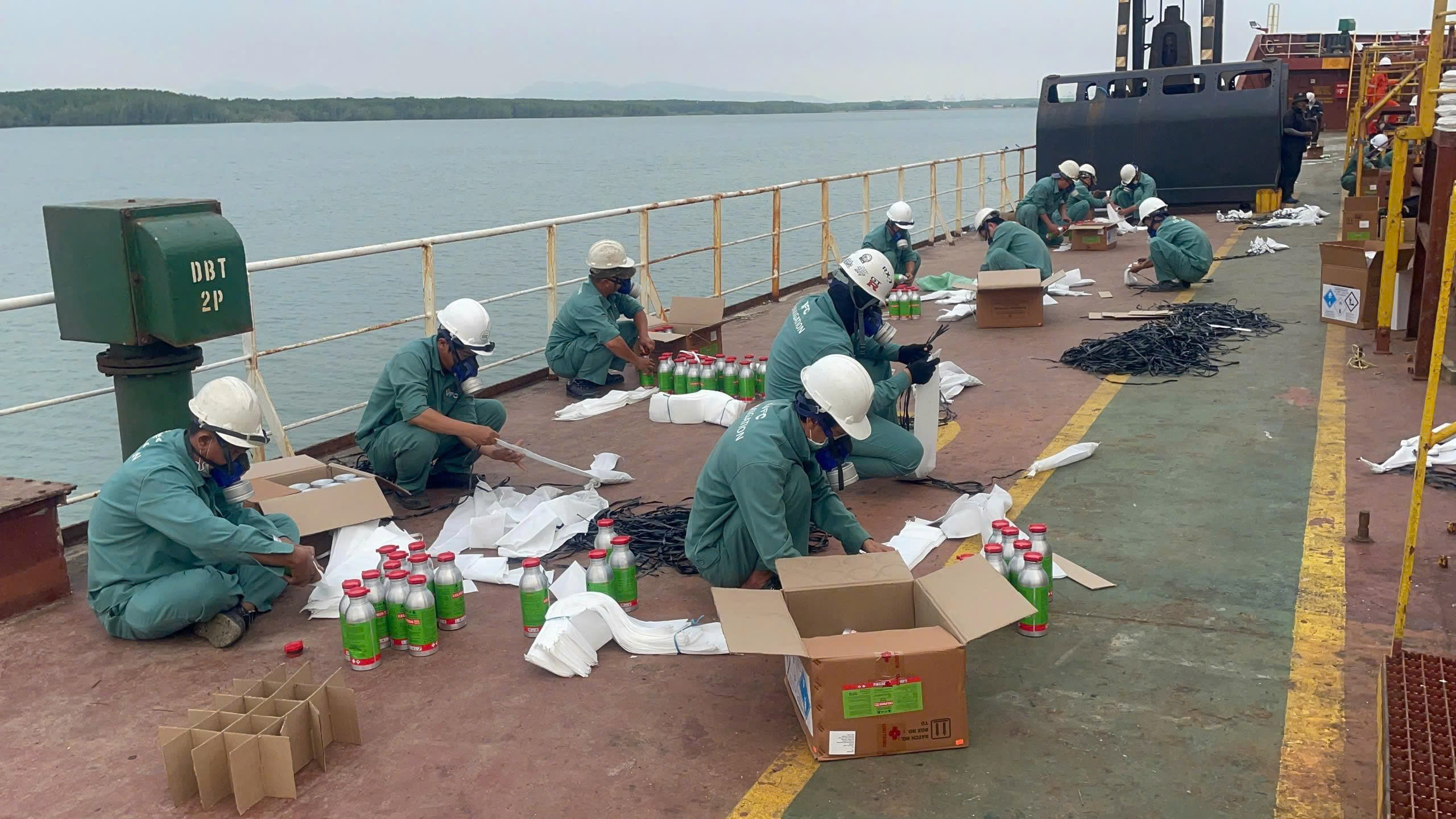
Export cargo fumigation: 7 critical mistakes and major risks businesses need to know in 2026
Export cargo fumigation is becoming a critical factor determining customs clearance and corporate reputation. As import markets increasingly tighten quarantine standards, even a minor discrepancy during the treatment process can lead to shipments being detained or rejected. Properly understanding the common pitfalls in cargo fumigation not only helps businesses minimize risks but also safeguards their long-term position in the global supply chain.
-
 31/03/2026 | fumigation
Types of goods commonly required to undergo fumigation before export
In the context of increasingly stringent global biosecurity regulations, cargo fumigation is no longer just an administrative procedure—it has become a mandatory "passport" for bringing products into international markets. This article provides a detailed summary of the types of goods that require fumigation before export and the key regulations that businesses must understand.
-
 31/03/2026 | fumigation
Methyl Bromide or Phosphine: Which fumigation solution is optimal for your cargo shipment?
In the field of import-export pest control, Methyl Bromide (MB) and Phosphine are the two most common fumigants. However, confusing or incorrectly choosing between these two substances can lead to cargo damage, reduced quality, or even import refusal
-
 30/03/2026 | fumigation
Distinguishing Methyl Bromide (MB) Fumigation and Heat Treatment (HT) under the ISPM 15 Standard
The shipping schedule is fixed and the bill of lading is ready, but has your wooden packaging material truly 'cleared' international quarantine? In import-export operations, treating wooden packaging material (WPM) is not merely about eliminating pests; it is a prerequisite [...]
-
24/03/2026 | fumigation
Distinguishing “Fumigation” and “Disinfection”: Understanding correctly to protect goods effectively
Many businesses still confuse fumigation and disinfection, leading to incorrect treatment methods and risks during export operations. In logistics and goods preservation, using the correct method not only affects the effectiveness of pest control but is also directly related to quarantine requirements and documentation for international customs clearance. Below are the key differences to help businesses choose the right treatment solution.
-
 17/03/2026 | fumigation
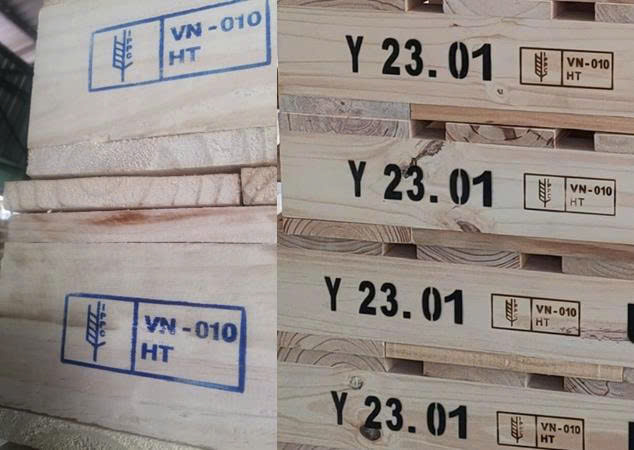
ISPM 15 Mark: A Small Detail That Can Determine the Customs Clearance of an Entire Export Shipment
In export operations, many businesses focus on controlling product quality, packaging, and documentation, but overlook a seemingly minor factor: the ISPM 15 mark on pallets and wooden packaging materials. In reality, just one incorrectly formatted mark, [...]
-
 17/03/2026 | fumigation
What is AFAS? 5 important things exporters to Australia need to know
If you are planning to export goods (especially wooden products and agricultural produce) to the Australian market, you have likely heard of the term AFAS. But what does this acronym mean? Why is AFAS so important that it can decide the "life or death" of an entire shipment? This article will help you better understand the AFAS standard.
-
 09/03/2026 | fumigation
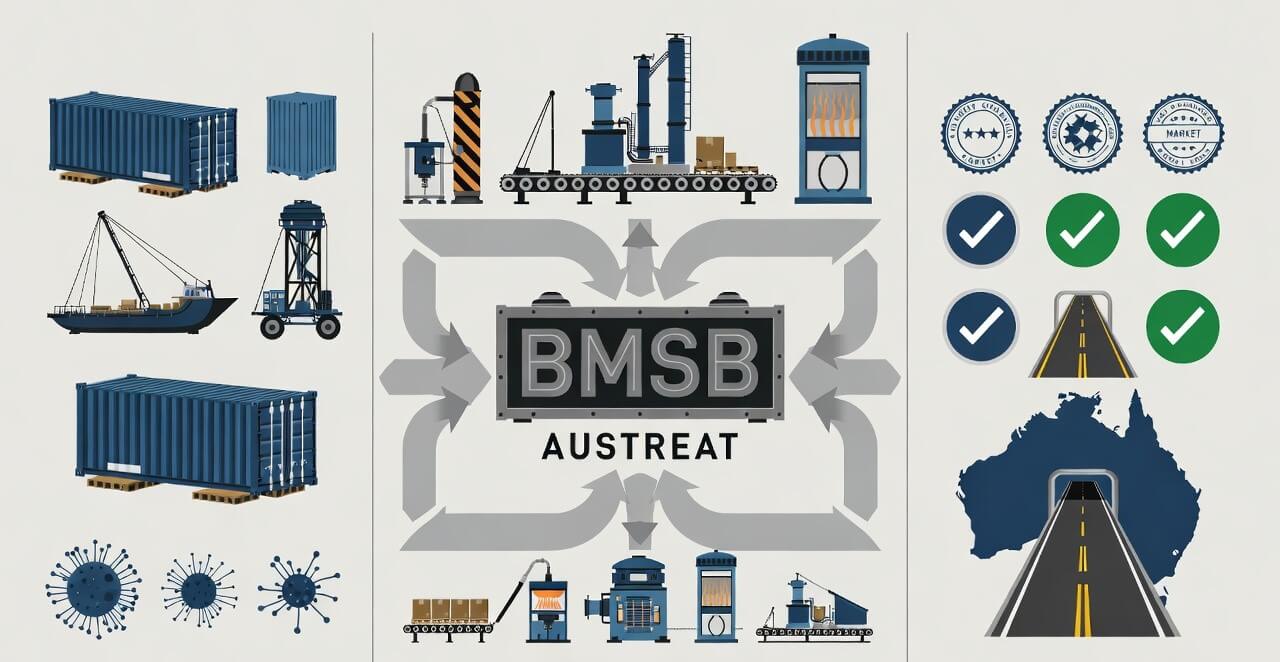
BMSB-AusTreat: A Complete Guide to Brown Marmorated Stink Bug (BMSB) Control Requirements for Exports to Australia and New Zealand
BMSB is a 'nightmare' for every business exporting to the Australian and New Zealand markets. If even a single live BMSB is detected in a container when the ship arrives at the port, the entire shipment, worth billions of VND, can be refused entry or forced to be re-exported immediately. This article will explain in detail about BMSB, the BMSB-AusTreat program, and the mandatory treatment procedures to ensure your goods clear customs smoothly.
-
 02/03/2026 | fumigation
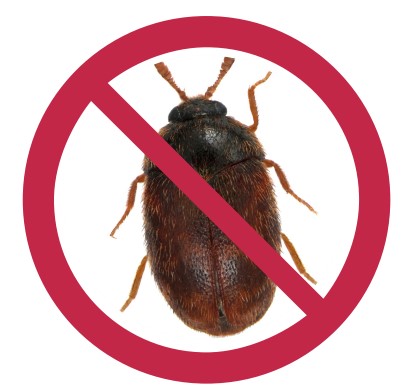
Lesser Grain Borer – A Plant Quarantine Pest of Concern in Vietnam
How does the Khapra beetle cause damage? How can the Khapra beetle be eliminated from export goods? Below is information regarding this harmful beetle. What is the Khapra beetle? According to the definition in the Law on Plant Protection and Quarantine, a 'Plant Quarantine Pest' is a harmful organism that poses a risk of [...]
-
 10/02/2026 | fumigation
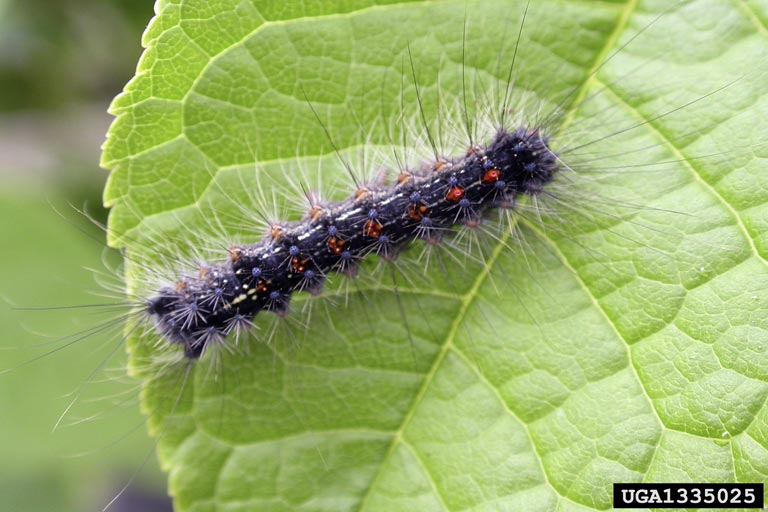
Asian Gypsy Moth (AGM) – A Pest Threat from the Far East and International Quarantine Regulations
The Asian Gypsy Moth (AGM) is currently one of the biggest threats to global biosecurity and the phytosanitary industry. With extreme adaptability and a voracious appetite, this pest from the Far East region (Japan, Russia, China, South Korea) is forcing importing countries to apply the strictest maritime control regulations. This article will provide a comprehensive overview of AGM characteristics, the risk of spread, and the necessary procedures for import-export businesses to ensure smooth customs clearance.
Which criteria are export businesses using to choose a fumigation unit?
What are export pallets? Classification, standards, and how to choose the right one for each shipment
Export wooden pallets: ISPM 15 standards that businesses need to know
Positive signals for Vietnam's wood industry in 2026: Both wood and wooden product exports grow strongly
3 Mistakes in Export Cargo Fumigation That Businesses Need to Avoid