




Published date:
23/09/2026
Share




Rice is a plant-origin commodity subject to mandatory phytosanitary inspection under Vietnamese law and the International Plant Protection Convention (IPPC). When completing export customs clearance, enterprises must register for inspection and obtain a Phytosanitary Certificate as required by the importing country or the governing foreign trade contract.Phytosanitary Certificate) theo yêu cầu của nước nhập khẩu hoặc hợp đồng ngoại thương.
1. Legal Basis: Why Is Export Rice Subject to Mandatory Phytosanitary Inspection?
The execution of phytosanitary inspection for export rice is grounded in both domestic regulatory frameworks and international trade agreements.
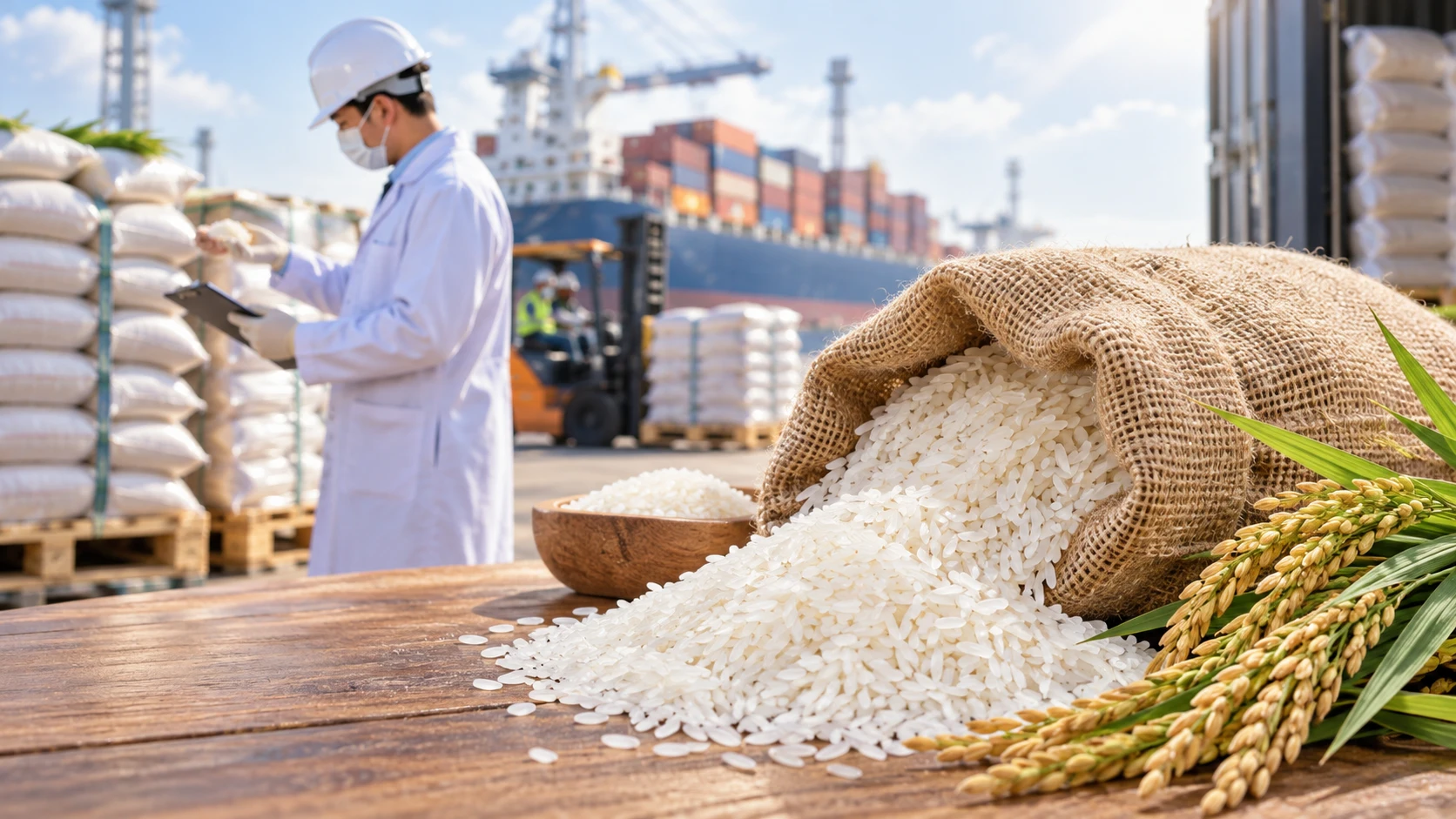
Rice is classified as a plant product requiring mandatory phytosanitary inspection prior to export
Vietnam's Prevailing Legal Framework
- Law on Plant Protection and Quarantine: Explicitly mandates that plant-origin commodities must undergo biosecurity surveillance before overseas shipment to prevent the cross-border transmission of quarantine pests and safeguard the commercial reputation of national agricultural produce.
- Schedule of Regulated Articles Subject to Plant Quarantine: Cereal grains—including all rice varieties and milling by-products classified under HS Code 1006—are subject to mandatory specialized quarantine inspection. Pre-export inspection and treatment are conducted to fulfill the phytosanitary mandates of destination markets or bilateral quarantine protocols (such as export protocols) entered into by Vietnam.
- Commercial Safety and Trade Standards: Rice exporters must satisfy sanitary criteria, maintain compliant warehouse storage conditions, and eliminate pest infestation risks across all transport conveyances prior to departure.
Biosecurity Mandates of Importing Jurisdictions
As a dry agricultural commodity, rice carries an inherent risk of stored-product insect proliferation during storage and prolonged ocean transit. Consequently, virtually all destination markets enforce stringent technical barriers:
- Consignments strictly require an original Phytosanitary Certificate issued by Vietnam's competent national authority to complete port-of-entry customs clearance.
- Should live pests be intercepted upon arrival, the local quarantine authorities will enforce mandatory treatment, detain the consignment, or order compulsory re-export. Such scenarios do not solely stem from omitting fumigation altogether; inadequate container gas-tightness, selecting an inappropriate treatment regimen, or documentation that fails to accurately reflect the operational process also rank among the critical export fumigation mistakes that escalate risks at the port of destination.
When the risk resides within the grain mass itself rather than merely in documentation, enterprises must turn to a dedicated agricultural export fumigation process, where cargo condition, treatment regimens, on-site field data, and certification are managed as an integrated chain.
2. Phytosanitary Regulations for Rice Across Major Export Markets in 2026
Every market establishes specialized technical trade barriers to protect domestic agriculture. Below is a structured summary of core regulatory benchmarks:
| Destination market | Competent Authority | Phytosanitary Requirements & Core Technical Notes |
|---|---|---|
| Philippines & Indonesia | BPI (Philippines) / BKP (Indonesia) | Original Phytosanitary Certificate mandatory; strict packaging hygiene controls and zero tolerance for live pests. Valid SPSIC (Sanitary and Phytosanitary Import Clearance) required prior to cargo loading for the Philippines. |
| China | General Administration of Customs of China (GACC) | Full compliance with bilateral protocols; processing facilities and storage warehouses must possess an approved GACC registration code. Quarantine documentation must be seamless and fully consistent. |
| EU | European Food Safety Authority (EFSA) / EU Competent Authorities | High safety and quality benchmarks. Cargo requires a compliant Phytosanitary Certificate issued by the exporting nation's competent body. Specific requirements must be verified by rice variety and destination member state to select the appropriate treatment regimen. |
| USA | USDA – APHIS | Consignments must fulfill all USDA-APHIS phytosanitary mandates. Authorities may conduct documentary reviews, cargo identity verifications, or physical inspections per applicable statutes without fixed generic specifications. Exporters must proactively determine exact requirements based on rice type, origin, and import modality prior to delivery. |
3. The Vital Link: Phytosanitary Inspection and Fumigation
In shipping documentation, these two concepts are frequently conflated. However, they represent entirely distinct yet mutually reinforcing instruments.
Core Differences Between the Two Documents
- Phytosanitary Certificate (Phyto): An official statutory document issued by the competent national plant quarantine authority, certifying that the consignment satisfies all biosecurity and plant health requirements of the importing country.
- Fumigation Certificate: Issued by a licensed, independent fumigation service provider. This certificate confirms that the consignment has been treated with a certified fumigant in strict accordance with prescribed dosages, operational protocols, and mandatory exposure periods.
Fumigation as a Technical Prerequisite for Phytosanitary Issuance
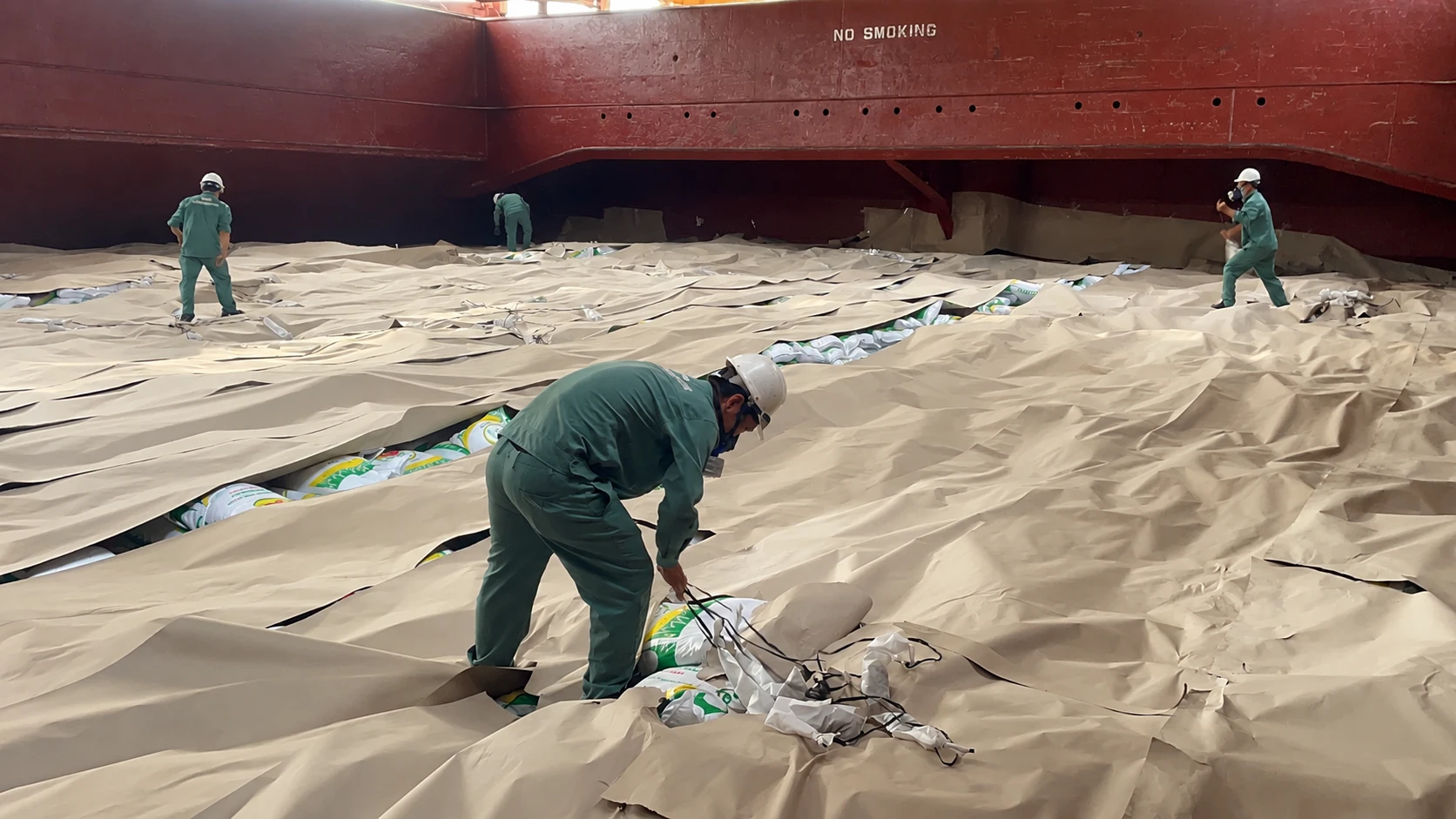
Phosphine and Methyl Bromide are selected based on consignment specifications and quarantine mandates
For exported agricultural commodities, standard-compliant fumigation is a mandatory treatment step to achieve complete pest eradication. Plant quarantine authorities rely on the Fumigation Certificate as essential technical evidence for verification and appraisal prior to issuing the Phytosanitary Certificate (Phyto) for the consignment. The selection between Phosphine (PH3) fumigant and Methyl Bromide (CH3Br) is determined by commercial agreements with the buyer, commodity characteristics, and applicable standards.
4. 5-Step Standard Operating Procedure for Securing an Export Rice Phytosanitary Certificate
Enterprises navigate the Phyto acquisition process through the following standardized workflow:
Step 1: Declaration on the Vietnam National Single Window (VNSW)
Exporters create an account and submit an electronic Phytosanitary Inspection Registration form at vnsw.gov.vn. The digital dossier includes: Sales Contract, Commercial Invoice, Packing List, Bill of Lading (B/L), and the Fumigation Certificate as technical proof.
Step 2: On-Site Operational Fumigation Execution
Shippers coordinate with a professional service provider to execute fumigation on the consignment, container, or vessel hold. Certified technicians perform the treatment in accordance with the agreed technical protocol. Technical approaches vary significantly depending on the containment structure: containerized rice requires rigorous control over gas-tightness and exposure duration, whereas bulk rice in warehouses, silos, or ship holds must additionally account for the depth of the grain mass and gas distribution dynamics.
Step 3: Physical Cargo Inspection
Plant quarantine authorities perform documentary checks and conduct physical consignment inspections at designated warehouse facilities or port terminals according to statutory provisions.
Step 4: Representative Sampling and Laboratory Pest Identification (as Required)
Where sampling or taxonomic pest identification is warranted, samples are drawn and tested under official quarantine laboratory protocols.
Step 5: Issuance of the Phytosanitary Certificate
Upon satisfactory inspection and testing results, the regulatory authority issues the official hard-copy Phytosanitary Certificate or generates an electronic certificate (e-Phyto) to complete the export documentation suite.
5. Quality Assurance Solutions for Rice Export Quarantine by VFC Fumigation
To ensure consignments consistently clear stringent biosecurity audits, partnering with an accredited technical specialist is decisive.
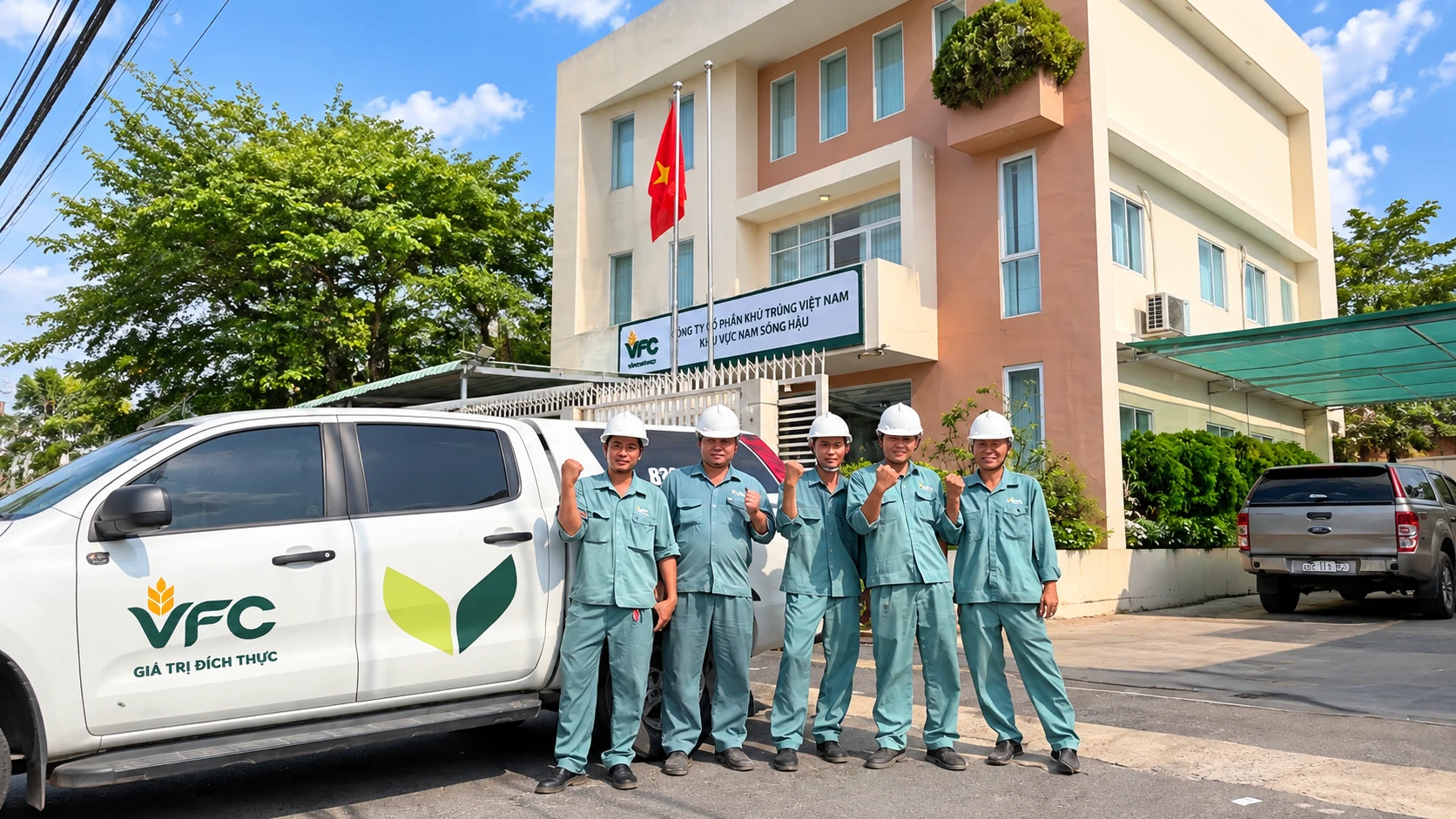
VFC Fumigation network operating across key seaports and strategic agricultural production hubs
- Proven Technical Expertise: With over 50 years of operational experience in export agri-commodity fumigation, VFC Fumigation delivers customized technical treatments engineered for specific cargo types and containment structures.
- J-System Technology for Bulk Vessel Cargo: For bulk rice stowed in deep holds measuring 15–20 meters, the J-System forced gas recirculation system ensures the fumigant circulates uniformly throughout the entire grain mass, eliminating dead zones inside the cargo holds. In deep bulk commodities, the challenge is no longer increasing chemical dosage, but delivering lethal gas concentrations into hard-to-reach pockets; the J-System is engineered specifically to facilitate active gas circulation under these exact conditions.
- Digital Field Operations Management via FumiApp: All on-site field procedures are logged in real time by licensed technicians via the proprietary FumiApp system, guaranteeing transparent, traceable data verification.
- Official Member of the International Maritime Fumigation Organization (IMFO): As Vietnam’s official representative in IMFO, VFC guarantees treatment quality fully compliant with global maritime and port biosecurity standards.
- 24/7 Strategic Service Hubs: An extensive network of operational stations situated across primary agricultural production basins and container export ports (Ho Chi Minh City, Cat Lai, Cai Mep, Hai Phong, Can Tho, Sa Dec, Quy Nhon, etc.) meets tight container cut-off and loading schedules.
6. Frequently Asked Questions (FAQ)
Q1: Does vacuum-packed rice in retail consumer pouches require phytosanitary inspection?
Answer: Yes. Although vacuum packaging inhibits insect reproduction, the product remains classified as a plant-origin commodity under HS Code 1006. Most importing jurisdictions still enforce mandatory Phytosanitary Certification for the complete shipment.
Additional Note: If the consignment is shipped on wooden pallets, the pallets must be independently certified and stamped in full accordance with ISPM 15 standards.
Q2: What is the validity period of an export Phytosanitary Certificate?
Answer: The validity of a Phyto is governed by the national plant protection organization (NPPO) of the importing country (typically 14 days from issuance to vessel departure). Exporters must synchronize certification closely with carrier booking schedules to prevent certificate expiration prior to vessel departure.
Q3: Which authority in Vietnam is empowered to issue a Phytosanitary Certificate for rice?
Answer: Phytosanitary Certificates are exclusively issued by competent regional Plant Quarantine Sub-Departments under the specialized administrative management of the Department of Crop Production and Plant Protection (Ministry of Agriculture and Environment), organized by territorial jurisdiction. Fumigation service companies possess no statutory authority to issue this certificate.
Q4: How should exporters prepare representative samples for phytosanitary inspection?
Answer: Statutory quarantine sampling is executed directly in accordance with official regulatory inspection protocols. The exporter is responsible for staging the cargo, providing support labor, and facilitating safe physical access so quarantine officers can conduct inspections and draw samples per regulations.
Standard-compliant phytosanitary inspection and certified fumigation are vital links protecting Vietnam's rice export supply chain. For exporters, logistics providers, and freight forwarders seeking technical consultation on container or bulk vessel fumigation, or assistance with quarantine compliance workflows, contact VFC Fumigation immediately:
- Technical Support Hotline 24/7: 1800 577 788
- Service Consultation Hotline/Zalo: 0914.773.300
- Email: contact@fumigation.vn



Blog liên quan