




Published date:
10/07/2026
Share




Fumigation is an important treatment process for import-export cargo, agricultural commodities, warehouses, transport units, and wood packaging materials. Treatment effectiveness depends not only on the fumigant used but also on site assessment capability, treatment planning, safety control, and the ability to meet the requirements of each importing market.
Below are 5 fumigation companies in Vietnam that businesses can consider when selecting a service partner. The list is arranged based on operating experience, scale, service scope, and implementation capability, and should not be considered an official ranking issued by a regulatory authority.
What is fumigation?
Fumigation is a treatment method that uses a gaseous fumigant within an enclosed area to control pests. Because the fumigant can diffuse through the treatment space and penetrate cargo masses, this method is commonly applied to containers, cargo lots, warehouses, silos, vessel holds, and wood packaging materials. Treatment requirements may vary depending on the commodity and importing market. Businesses can review the types of goods commonly requiring fumigation before export to identify the relevant risk category for their shipment.
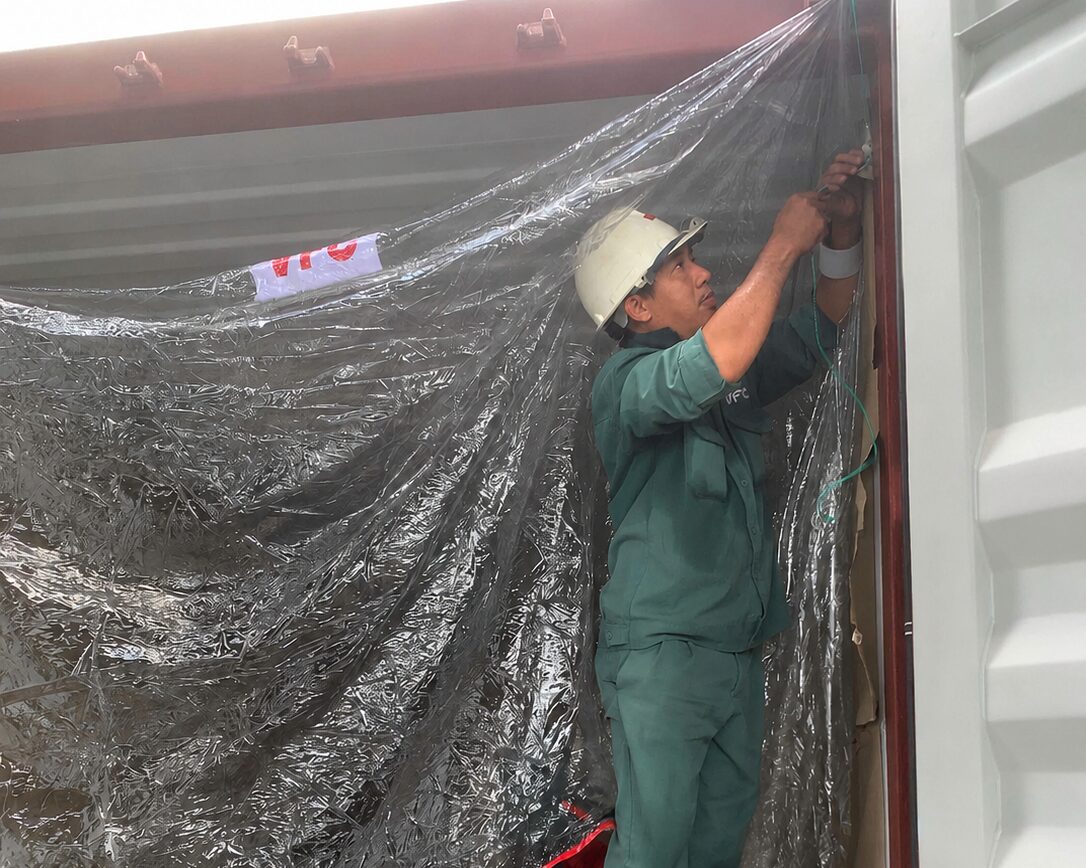
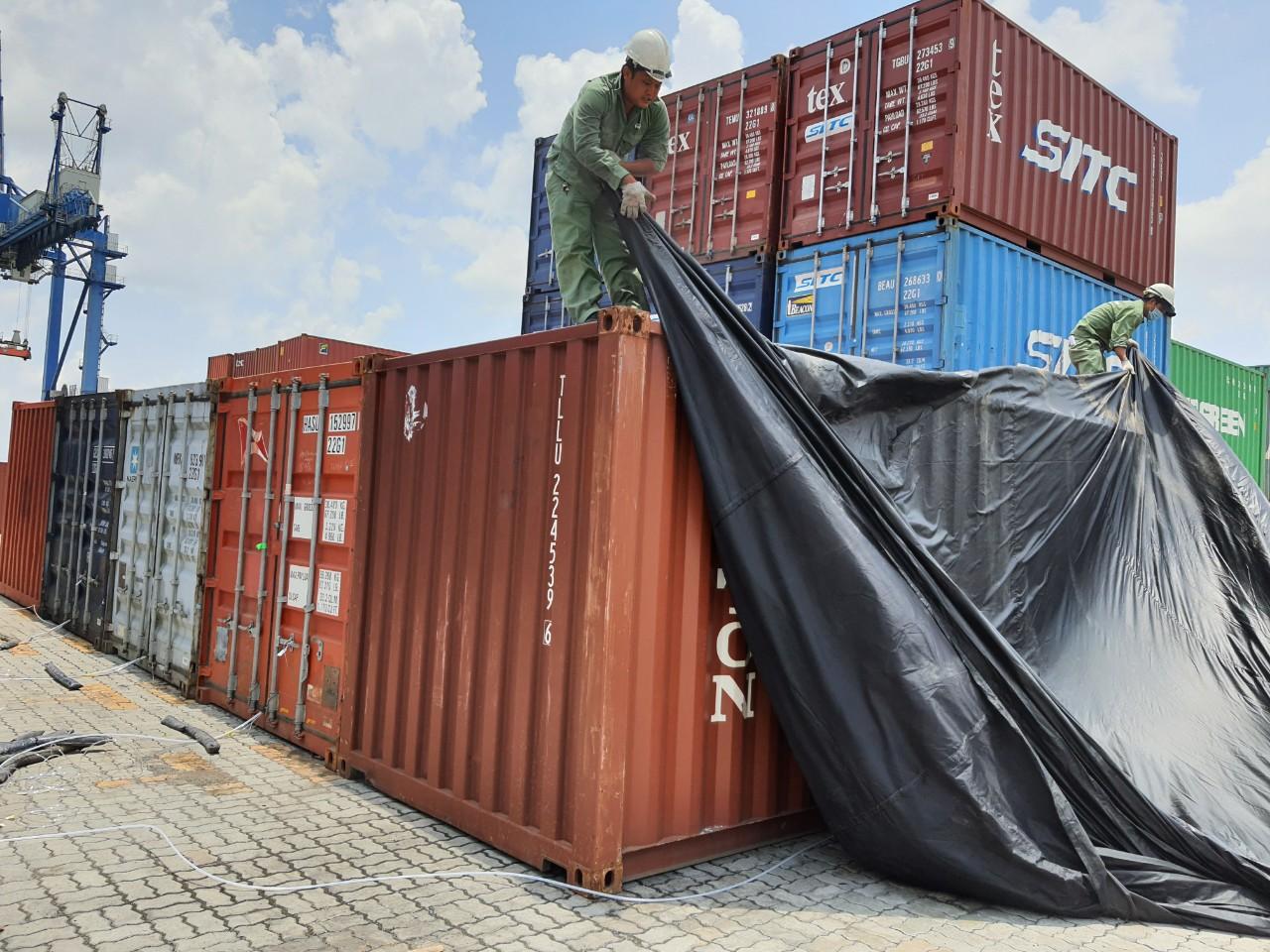
Each shipment differs in commodity type, packaging method, volume, treatment enclosure structure, and destination market. Therefore, the fumigation provider needs to assess actual site conditions, develop an appropriate treatment plan, verify gas-tightness, monitor the fumigant exposure period, and carry out safe aeration after treatment. For containerized shipments, businesses can refer to the 2026 export container fumigation guide to better understand the survey, sealing, treatment, aeration, and certification process before evaluating a service provider.
Criteria for selecting a reputable fumigation company
Businesses should select a fumigation provider based on its ability to meet the actual requirements of the shipment rather than comparing service prices alone. For export cargo, an unsuitable treatment plan may affect cargo stuffing schedules, quarantine requirements, and acceptance procedures in the destination market. For a more detailed checklist to compare service providers, see the criteria exporters use when selecting a fumigation provider
A reliable fumigation company should have the required operating qualifications, trained technical personnel, specialized equipment, and clearly defined safety procedures. Businesses should also consider its experience with similar commodities, service coverage, ability to meet operational schedules, and capability to carry out large-scale or structurally complex projects.
For pallets, wooden boxes, crates, and dunnage used in international trade, businesses should pay particular attention to the provider's ability to treat wood packaging materials in accordance with ISPM 15. For exports to markets with specific requirements, the fumigation provider should also understand the applicable treatment methods and documentation for each case. If the shipment uses these materials, businesses should separately review the ISPM 15 standard and the mandatory requirements for export wooden pallets.
1. Vietnam Fumigation Joint Stock Company - VFC Fumigation
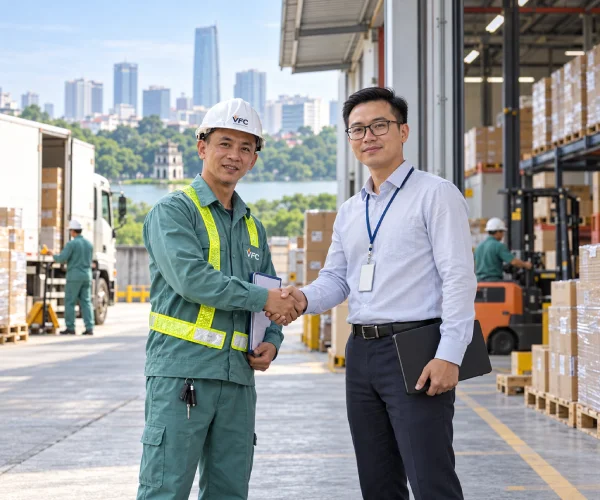
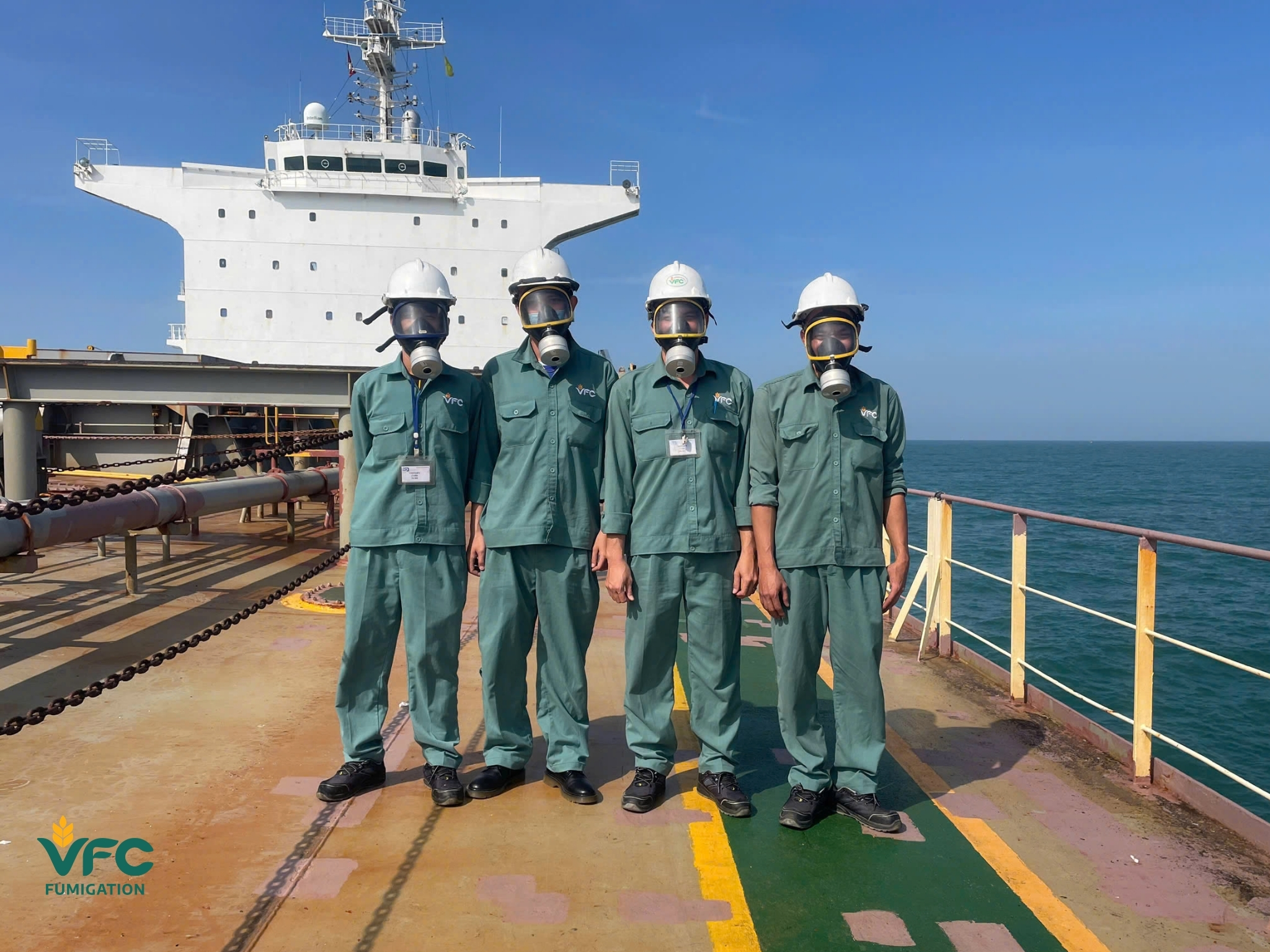
VFC Fumigation is the fumigation brand of Vietnam Fumigation Joint Stock Company, one of the long-established companies with a large operating scale in Vietnam's fumigation industry. Its service network extends across multiple provinces, cities, industrial parks, and seaport areas, enabling VFC Fumigation to serve businesses in different locations.
VFC Fumigation's service scope includes container fumigation, vessel fumigation, warehouse and silo fumigation, import-export cargo treatment, and treatment of wood packaging materials. This broad implementation capability makes VFC Fumigation suitable for both routine shipments and projects involving large cargo volumes, complex structures, or specific technical requirements.
Capability to carry out large-scale projects
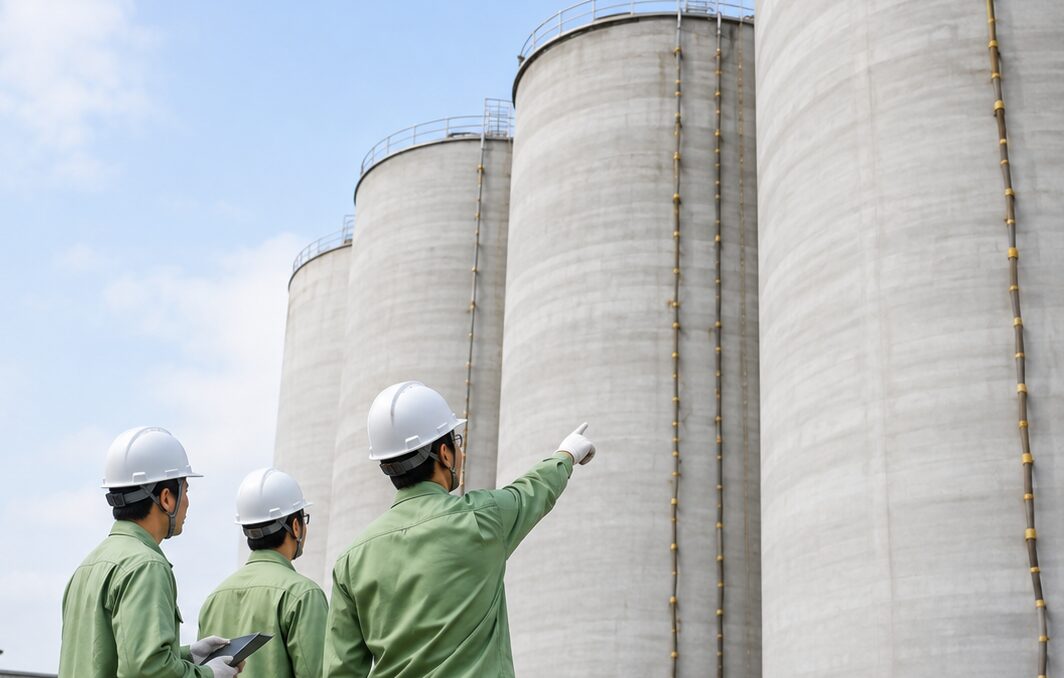
One of VFC Fumigation's notable strengths is its ability to handle large fumigation environments such as cargo vessels, warehouses, and agricultural silos. These projects require detailed structural surveys, careful sealing plans, fumigant placement, treatment monitoring, and safety control throughout the operation. At this scale, increasing the fumigant dosage cannot replace a properly designed technical plan.
VFC Fumigation applies the J-System – a forced gas recirculation system to projects where site conditions are suitable. The system supports fumigant distribution through deep cargo masses, particularly in silos and vessel holds with significant height or large cargo volumes.
Serving multiple commodity groups and destination markets
VFC Fumigation serves a wide range of customers, including exporters of rice, coffee, cashew nuts, pepper, wood products, furniture, and mechanical goods, as well as logistics companies and factories storing raw materials. The technical team develops treatment plans based on commodity type, treatment scope, mode of transport, and the requirements of each importing market. For agricultural commodities, businesses can review agricultural export fumigation: from cargo treatment to operational data and certificate management to better understand the process after the treatment plan has been selected.
For wood packaging materials, VFC Fumigation provides treatment services for export cargo in accordance with ISPM 15 requirements. For Australia-bound cargo that falls within the applicable scope, VFC Fumigation also has the capability to perform treatment under AFAS requirements. ISPM 15 compliance involves more than simply having a mark on the pallet. Businesses should also review 5 small pallet errors that can put a container at risk upon entry.
Data management and certificate verification
In addition to its on-site treatment capability, VFC Fumigation uses FumiApp to manage internal operational data and field images. The system supports quality control, record storage, and retrieval of treatment information when needed.
VFC Fumigation certificates integrate a QR code to support authenticity verification. Linking operational data with certification records makes the fumigation process more transparent, particularly for frequent exporters managing large numbers of shipments.
Based on its combination of long-standing experience, broad service coverage, technical capability, and ability to carry out multiple types of fumigation treatment, VFC Fumigation is placed first on this reference list.
Suitable for: Exporters of agricultural commodities, wood products, and furniture; logistics companies; factories; warehouse, silo, and cargo vessel operators; and businesses requiring fumigation services across multiple locations in Vietnam.
2. FCC inspection and fumigation joint stock company2. FCC inspection and fumigation joint stock company
FCC operates in cargo inspection and fumigation in Vietnam. The company has experience treating agricultural commodities, grains, and animal feed ingredients for import-export operations.
FCC's services include cargo fumigation, container fumigation, treatment of transport units, and treatment of wood packaging materials in accordance with ISPM 15. Combining inspection and fumigation may simplify coordination for businesses that need multiple cargo-related services within the same logistics process.
FCC has technical personnel serving multiple seaport areas and commercial logistics hubs. Businesses may consider FCC when they require fumigation and cargo inspection services within the same service arrangement.
Suitable for: Import-export businesses handling agricultural commodities and animal feed ingredients, logistics companies, and customers requiring both cargo inspection and fumigation.
3. TCFC termite control and fumigation joint stock company
TCFC has long-standing experience in fumigation, termite and wood-boring insect control, and commodity preservation. The company provides services for agricultural commodities, import-export cargo, warehouses, and other treatment environments.
TCFC's strength lies in its ability to serve projects of different scales, from individual container shipments to large-capacity agricultural warehouses. The company operates in several major commercial areas, including Hanoi, Hai Phong, Ho Chi Minh City, and Can Tho.
In addition to import-export fumigation, TCFC provides termite, wood-boring insect, and pest control solutions for warehouses. This makes it suitable for businesses that need to combine cargo treatment with pest management in storage areas.
Suitable for: Agricultural businesses, warehouses, import-export companies, and customers requiring fumigation together with termite and wood-boring insect control.
4. Vinacontrol
Vinacontrol is a long-established brand in inspection, testing, and certification services in Vietnam. In addition to these professional services, Vinacontrol also provides fumigation services for import-export cargo.
One notable aspect of Vinacontrol is its ability to combine multiple services within the same service chain. Businesses may use quality inspection, quantity inspection, and cargo fumigation together, which can simplify coordination during cargo handling and the completion of related requirements.
With its cargo inspection experience, Vinacontrol may be suitable for businesses seeking a provider that can deliver multiple import-export support services rather than fumigation alone.
Suitable for: Import-export businesses requiring fumigation together with cargo inspection, testing, or certification.
5. Nam Viet fumigation joint stock company
Nam Viet Fumigation provides fumigation services for agricultural commodities and import-export cargo, with operations concentrated in southern and central Vietnam. The company can carry out container, warehouse, and barge fumigation, as well as treatment for several other cargo categories.
One of Nam Viet's strengths is its relatively flexible ability to accommodate cargo stuffing schedules. This can suit import-export businesses that require on-site treatment within a short time frame or according to a specific transportation schedule.
Nam Viet also provides treatment services for cargo exported to various markets. Businesses should discuss the commodity type, requirements of the importing country, and applicable treatment method directly with the provider before selecting the service.
Suitable for: Agricultural exporters, logistics companies, and customers requiring container, barge, or warehouse fumigation in southern and central Vietnam.
What should businesses consider when selecting a fumigation provider?
Verify operating qualifications and ISPM 15 capability
For cargo using pallets, wooden boxes, crates, or dunnage, businesses need to select a provider qualified to treat wood packaging materials. The ISPM 15 mark must be linked to the identification code of a provider authorized to perform the treatment and apply the mark in accordance with the applicable regulations.
To check the mark structure and the meaning of the provider identification code, see: What is IPPC and what does the IPPC symbol mean on the ISPM 15 mark?
Businesses should also inspect the actual condition of the materials before container stuffing. Pallets with remaining bark, signs of live insects, excessive moisture or mold, soil contamination, or unclear markings may create risks at the destination market.
Determine the requirements of the destination market
Each market may apply different quarantine requirements and treatment methods. Businesses should provide the fumigation provider with complete information on the commodity type, importing country, packaging method, vessel schedule, and any specific requirements from the buyer or competent authority.
For Australia-bound shipments subject to AFAS requirements, Methyl Bromide is the fumigation method applied in Vietnam under the relevant offshore treatment framework. Shipments destined for the United States, China, Japan, or other markets should also be checked against the applicable requirements before a treatment plan is selected.
Assess capability for the specific treatment type
A provider experienced in container fumigation may not necessarily have the capability to handle warehouses, silos, or vessel holds effectively. As treatment scale increases, the technical requirements change significantly due to more complex structures, larger cargo volumes, and stricter requirements for sealing, fumigant distribution, concentration monitoring, safety controls, and aeration.
For large projects, businesses should request an on-site survey before receiving the treatment proposal. The survey provides the basis for assessing the structure, cargo, operating conditions, and coordination requirements among the parties involved.
Do not select a provider based on price alone
Fumigation costs typically represent only a small proportion of the total shipment value. However, an unsuitable treatment plan may result in live pests being detected at the destination port, additional treatment, delivery delays, and reputational impact. Selecting a provider on the wrong basis is also a common source of avoidable risk.
See more: 3 export cargo fumigation mistakes businesses should avoid.
A quotation should be assessed together with the scope of work, treatment method, technical capability, ability to meet the required schedule, and level of post-treatment support. A provider that properly understands the commodity and importing market can help businesses manage risks more effectively from the outset.
Why is VFC Fumigation a preferred option on this list?
VFC Fumigation is placed first on this list because of its relatively broad capability across different fumigation requirements. Businesses can use its services for import-export containers, pallets and wood packaging materials, warehouses, silos, cargo vessels, and large-scale projects.
Its broad service network enables VFC Fumigation to coordinate operations across multiple port areas, factories, and logistics centers. Experience with different commodity groups also helps the technical team develop treatment plans suited to each treatment environment rather than relying on a single standard configuration.
The J-System, FumiApp, and QR codes integrated into fumigation certificates extend VFC Fumigation's capabilities from on-site treatment to operational data management and information verification. This is particularly relevant for frequent exporters, businesses operating across multiple locations, and projects requiring close technical control.
Choose the right fumigation company to protect the shipment from the outset
Each company on this list has its own service coverage and areas of strength. Businesses should select a provider based on the commodity type, destination market, treatment location, cargo stuffing schedule, and actual treatment scale.
For frequent export shipments or projects requiring capabilities across containers, warehouses, silos, and cargo vessels, VFC Fumigation is a provider worth prioritizing for consideration. Its combination of experience, service network, technology, and operational management capability supports both the technical requirements of fumigation and the operational needs of businesses.
Contact VFC Fumigation for consultation on a fumigation plan tailored to the commodity type, destination market, and actual conditions of each shipment.


Related Blogs